
The Rise of Korean BBQ: A Business Opportunity
In recent years, Korean BBQ has skyrocketed in popularity, captivating food lovers with its unique blend of flavors and social dining experience. Consumers are increasingly drawn to the interactive nature of Korean BBQ, where they can grill their own meats and vegetables at the table, creating a fun and engaging environment. This rising trend presents a slew of promising opportunities for business owners looking to tap into the booming food market. With the growing interest in authentic international cuisines, entrepreneurs have the chance to introduce authentic Korean BBQ concepts that not only satisfy cravings but also offer a memorable culinary journey. As a result, many are exploring how to maximize profitability through innovative dining experiences such as all-you-can-eat options and themed menus. For instance, restaurants can utilize unique marketing strategies or leverage locations in bustling areas to attract patrons. Moreover, the ability to offer diverse experiences, like combining Korean BBQ with traditional Japanese sushi menus, can help businesses stand out in a crowded marketplace. The appeal of Korean BBQ does not just rest on its mouthwatering dishes, but also on its rich cultural significance, making it an attractive venture for those entering the bustling food industry.
Overview of Korean BBQ Restaurants
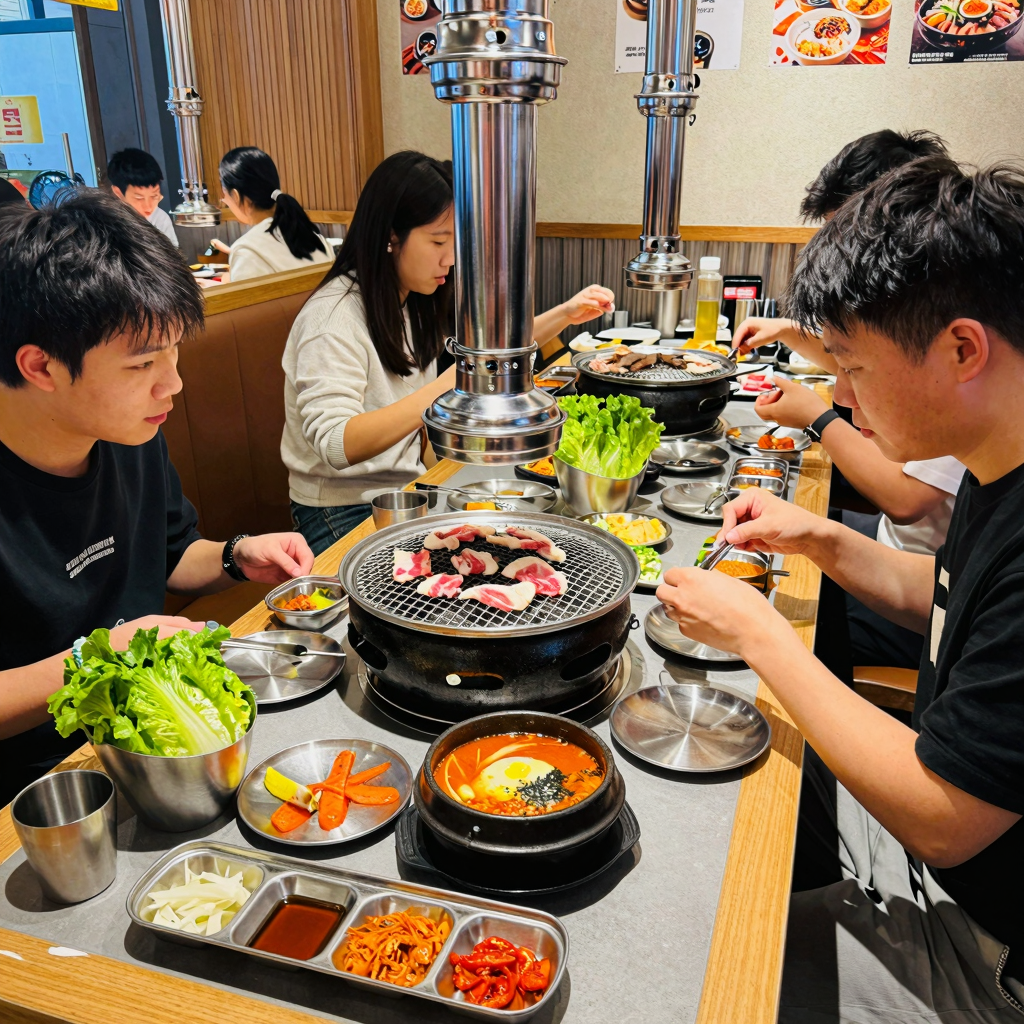
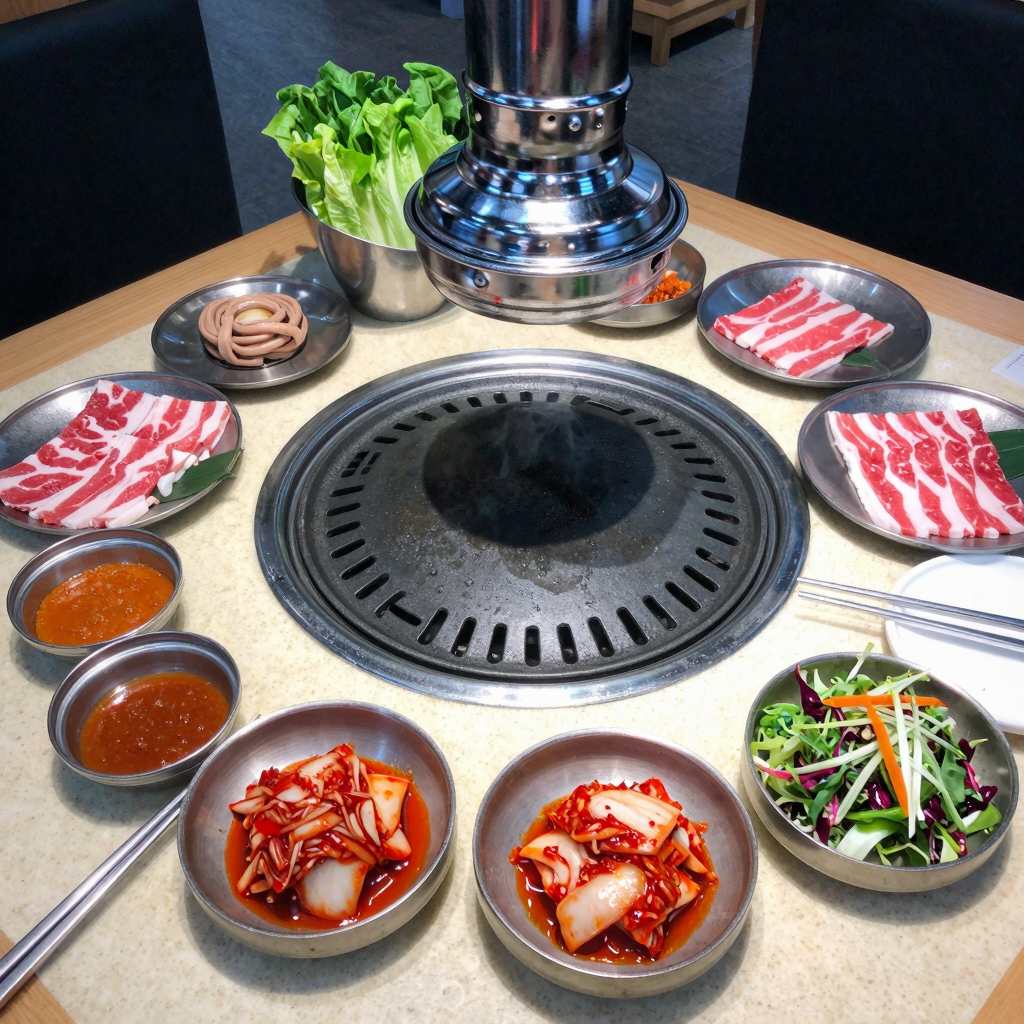
Korean BBQ restaurants offer a unique dining experience that merges food preparation and social interaction in a vibrant setting. Central to their operation is the tableside grilling concept, where diners are equipped with grill plates built into their tables to cook their own selections of marinated meats and vegetables. This engaging mode of dining fosters a communal atmosphere, making it suitable for gatherings of friends, families, and colleagues alike. Visitors not only relish grilling their food to personal preference but also enjoy the interaction that arises from sharing this culinary endeavor.
Typically, the allure of Korean BBQ lies in its diverse menu offerings. Signature dishes such as bulgogi (marinated beef) and galbi (grilled short ribs) are complemented by an extensive variety of banchan – small side dishes that accompany the main courses. These can include spicy kimchi, seasoned vegetables, and creamy dips, all contributing to an exciting buffet of flavors on the table. Diners at Korean BBQ restaurants often appreciate the variety and options available, allowing for a highly customizable dining experience. For example, restaurants like Kogi Korean BBQ feature innovative menu items, including spicy octopus and house-made sauces, catering to the adventurous palate.
The operation model emphasizes interaction and engagement, with most establishments designed around large, circular tables that enhance the social experience. This format encourages diners to pass food, share cooking techniques, and enjoy the process together, making it a culturally rich opportunity to bond over a meal. The excitement generated by sizzles from the grill, combined with the delicious aroma of marinades, creates an inviting and festive environment.
In addition, the business model of Korean BBQ often includes an all-you-can-eat format, which appeals to value-seeking customers looking for hearty meals at fixed prices. This format not only generates consistent revenue but also pulls in larger groups, maximizing table occupancy and increasing turnover during busy hours. Korean BBQ’s festive, interactive nature is a pivotal reason for its growth and popularity in various dining markets across the globe.
Initial Costs of Opening a Korean BBQ Restaurant
Entering the vibrant world of Korean BBQ can be an exciting endeavor, but it’s crucial to understand the startup costs involved. This comprehensive guide outlines the key expenses, ranging from equipment to permits and initial inventory, offering insights for aspiring restaurant owners looking to make informed decisions.
Breakdown of Startup Costs
When exploring startup costs for Korean BBQ, the expenses can vary widely based on location, restaurant size, and concept. Generally, the following categories represent the major initial investments:
| Category | Cost Range (USD) | Notes |
|---|---|---|
| Equipment | $50,000 – $120,000 | Includes grills (e.g., built-in or tabletop), refrigerators, freezers, exhaust hoods, sinks, cooking utensils, and POS systems. High-end or custom grills can significantly increase costs. |
| Permits & Licenses | $2,000 – $10,000 | Varies by location; includes business license, food handler’s permit, alcohol license (if serving beer/wine), health department permits, and local zoning approvals. Alcohol licenses are a major cost driver in many states. |
| Initial Inventory | $10,000 – $25,000 | Covers meats (beef, pork, chicken), marinades, sauces, vegetables, rice, noodles, condiments, and beverages. Costs depend on supplier contracts and quality of ingredients. |
Sources: National Restaurant Association, SCORE Small Business Administration Guide.
Equipment Costs
One of the most significant expenses for a Korean BBQ restaurant is the equipment. Investments typically range from $50,000 to $120,000, covering:
- Grills: Tabletop or built-in models are essential for BBQ cooking. Each grill can cost between $1,500 to $3,000 depending on the model and brand.
- Ventilation Systems: Proper ventilation is essential in managing smoke, costing roughly $15,000 to $40,000.
- Refrigeration Units: Walk-in coolers and freezers are needed for storage and can sum up to $20,000 to $50,000.
For a detailed guide on the necessary equipment for your Korean BBQ restaurant, check out this helpful article on Korean BBQ Restaurant Equipment List.
Permits & Licenses
Navigating the permitting process is critical. Expect to spend between $2,000 to $10,000 on legal requirements, which may include:
- Business licenses
- Food handler’s permits
- Alcohol license (if applicable)
- Health department permits
This process may take 3 to 6 months to complete, so it’s wise to start early. For more guidance on securing the necessary permits, the SBA’s guide is invaluable.
Initial Inventory
The initial stock for a Korean BBQ restaurant may cost between $10,000 and $25,000. This budget should include:
- A variety of meats, including high-quality cuts of beef and pork
- Essential marinades and sauces
- Fresh vegetables and noodles
- Beverages to complement the meals
Conclusion
Understanding the initial investments for restaurants, especially for a niche like Korean BBQ, is essential for success. With estimates ranging from $120,000 to $300,000 for total startup costs, careful planning and budgeting will ensure that you are well-prepared to launch your culinary venture. Keep these factors in mind, and you’ll be one step closer to opening the doors of your own Korean BBQ restaurant.
| Cost Component | Estimated Cost Range |
|---|---|
| Equipment Costs | $75,000 – $150,000 |
| Rent and Build-Out | $50,000 – $150,000 |
| Initial Inventory | $20,000 – $40,000 |
| Marketing | $10,000 – $30,000 |
| Total Estimated Costs | $350,000 – $650,000 |
Insights on Startup Costs
- Equipment Costs: These can include high-quality grills, refrigeration units, and other kitchen appliances, typically averaging between $75,000 to $150,000.
- Rent and Build-Out: Costs vary significantly depending on the location of the restaurant, which can range from $50,000 to $150,000.
- Initial Inventory: Essential items such as meats, marinades, and side dishes are estimated to cost between $20,000 and $40,000.
- Marketing: Initial marketing efforts might require a budget of $10,000 to $30,000 to effectively launch and promote the restaurant.
Opening a Korean BBQ restaurant involves substantial initial investment; thus, careful planning and budgeting are crucial for potential business owners.
For more insights about menu options that could attract customers and enhance earnings, consider exploring our menu offerings.
If you want to dive deeper into sustaining a successful restaurant, you might want to check out this guide on Kogi Korean BBQ.
Key Operational Strategies of Successful Korean BBQ Restaurants
Korean BBQ restaurants have carved a niche in the culinary landscape by offering unique dining experiences that attract and retain customers. These establishments rely on several key operational strategies that balance quality, ambience, and customer interaction to optimize success.
1. Creating Unique Dining Experiences
Successful Korean BBQ restaurants understand the importance of providing unique dining experiences. This involves:
- Interactive Dining: The essence of Korean BBQ is the grill-your-own concept, where customers take part in cooking their food at the table. This not only enhances the dining experience but also encourages social interaction among diners.
- Themed Decor and Atmosphere: Many Korean BBQ restaurants create immersive environments that reflect traditional Korean culture or modern aesthetics inspired by Seoul. Themed decorations, ambient lighting, and music contribute to a vibrant dining atmosphere. For instance, some establishments feature open-flame grilling, whereas others might utilize smokeless grills to accommodate different preferences while maintaining a comfortable environment.
- Training Staff in Korean Hospitality: Staff at these restaurants are often trained in the principles of ‘Korean hospitality.’ This includes anticipating guest needs, proactively refilling side dishes, and guiding customers through the grilling process, which makes for a more engaging experience.
2. High-Quality Ingredients
Quality is paramount in the cuisine of Korean BBQ:
- Sourcing Ingredients: Successful restaurants often partner with trusted suppliers to procure high-quality meats and fresh vegetables. They typically offer a variety of marinated meats, ensuring consistent flavor and quality.
- Menu Optimization: Many Korean BBQ eateries leverage data analytics to refine their menus. This includes analyzing customer preferences to price menu items effectively and manage inventory efficiently, thus minimizing waste while maximizing customer satisfaction.
3. Efficient Operations and Technology Integration
Operational efficiency is a critical strategy:
- Streamlined Ordering Systems: Implementing digital ordering systems allows customers to place orders directly from their table, syncing seamlessly with kitchen operations. This technology not only speeds up service but also ensures order accuracy. For example, some restaurants use tablets at booths for clients to order, while the kitchen can prepare items in real-time, resulting in a smooth dining experience.
- Centralized Food Preparation: To ensure consistency and quality, some restaurants employ a hybrid model where pre-marinated proteins are prepared in a central location while fresh items are made onsite. This combination allows for quicker service times while preserving the integrity of the food.
4. Marketing and Customer Engagement Strategies
Marketing plays a significant role in attracting customers:
- Social Media and Promotions: Many Korean BBQ restaurants utilize social media platforms for promotions and to showcase their unique culinary offerings. They often run campaigns emphasizing their all-you-can-eat deals or special events, which can draw in larger crowds.
- Loyalty Programs: Implementing loyalty programs can also boost customer retention. By offering rewards or discounts for repeat visits, restaurants encourage customers to return and spread the word to their friends and family.
5. Emphasis on Hygiene and Safety
In the wake of increased health consciousness, especially post-pandemic:
- Sanitation Protocols: Successful restaurants maintain rigorous cleanliness standards. This fosters customer trust and safety, particularly in establishments where diners are cooking their food. Regular health inspections and visible cleanliness practices can attract more health-conscious customers.
In conclusion, the success of Korean BBQ restaurants lies in their ability to create immersive experiences that draw customers in while retaining them through quality service and food. By implementing these operational strategies, business owners can significantly enhance their chances of running a successful Korean BBQ establishment. Restaurants that blend these elements effectively are likely to thrive in the competitive culinary landscape. For insights on menus and unique offerings, you can check this Korean BBQ and Sushi menu or explore all-you-can-eat options.
Revenue Generation Models for Korean BBQ Restaurants
Korean BBQ restaurants have become increasingly popular due to their unique dining experience, featuring grilled meats, flavorful sides, and interactive cooking. Understanding how these establishments generate income is crucial for business owners looking to enter or expand in this market. Various revenue models can significantly impact the overall profitability of a Korean BBQ restaurant, and here we will explore the primary ones: dine-in, take-out, delivery, and events.
1. Dine-In Revenue Model
The dine-in model is the cornerstone of most Korean BBQ restaurants. This model encourages customers to visit the restaurant and enjoy a social dining experience. Key components include:
- All-You-Can-Eat (AYCE) Options: Many Korean BBQ restaurants offer AYCE menus which attract large groups. This model not only maximizes table turnover but also encourages upselling of drinks and additional dishes.
- Ambiance and Experience: The unique selling point is often the quality of the experience, which includes the ambiance of the restaurant, the quality of the meats, and the overall dining atmosphere. Creating an inviting environment can lead to higher customer satisfaction and repeat business.
2. Take-Out Model
The take-out option has gained traction, especially post-pandemic. This revenue stream can be lucrative for Korean BBQ restaurants:
- Customized Meals: A well-curated take-out menu with pre-marinated meats and sides enables customers to enjoy BBQ at home. This attracts families and individuals looking for convenience without compromising on taste.
- Limited Menu Items: Offering a limited selection that focuses on dishes that travel well can help maintain quality and ensure customer satisfaction.
3. Delivery Services
Partnering with food delivery platforms can significantly enhance visibility and revenue:
- Online Presence: By using apps like DoorDash or UberEats, restaurants can reach a broader audience, making their food accessible to more customers.
- Strategic Promotions: Offering deals on delivery orders, such as discounts or free delivery options, can encourage more customers to choose delivery over dine-in.
4. Events and Catering
Hosting special events or catering services can be a substantial income stream:
- Private Events: Renting out space for private parties, corporate gatherings, or special celebrations can attract larger groups. Customized menus based on the occasion can enhance the dining experience.
- Cuisine Promotion: Promotions that showcase traditional Korean holidays or special cultural events can draw in both returning customers and newcomers interested in exploring Korean cuisine.
Conclusion
The Korean BBQ revenue model is multifaceted, blending traditional dine-in experiences with modern conveniences like take-out and delivery, while also tapping into event hosting for additional income. Restaurant owners should experiment with these models, adapt to changing consumer preferences, and continuously innovate to maximize their restaurant income strategies.
For more information about menu options, check out our sushi and Korean BBQ menu. Also, explore our all-you-can-eat Korean BBQ offers to see how we attract customers with diverse options!
Revenue Potential of Korean BBQ Services
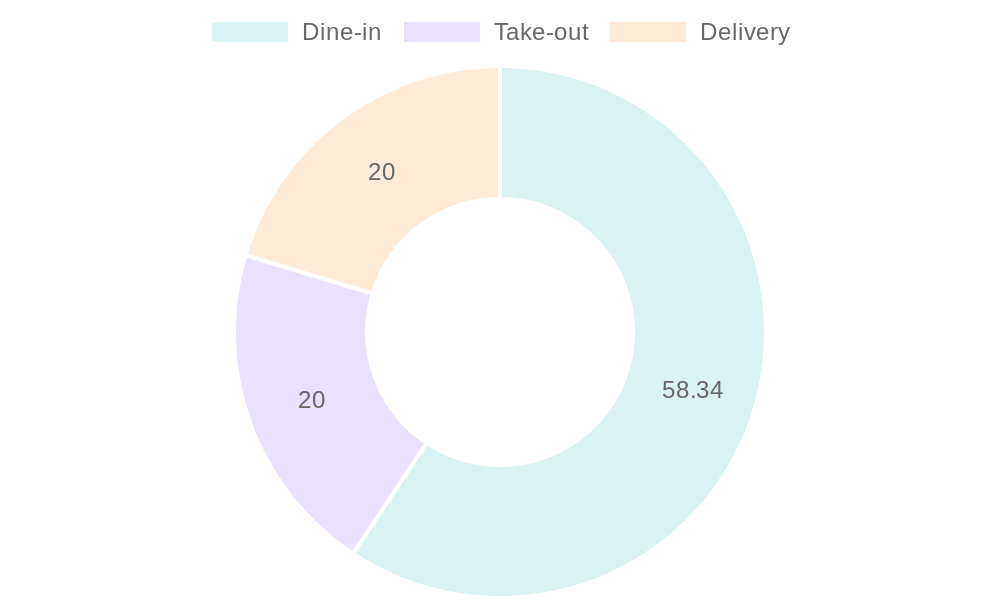
Understanding the revenue potential of different service models in Korean BBQ restaurants is crucial for business owners looking to maximize their profit. The following chart illustrates the comparative revenue contributions of dine-in, take-out, and delivery services, highlighting key performance indicators.
Revenue Contribution Chart
| Service Type | Revenue Contribution (%) | Key Performance Indicators (KPIs) |
|---|---|---|
| Dine-in | 58.34% | Highest revenue share; strong customer retention, higher average spend per visit, premium experience driving loyalty |
| Take-out | Significant but undetermined | Rapid growth driven by convenience and digital platforms; increasing adoption among younger demographics; market expected to reach USD 14.3 billion by 2028 |
| Delivery | Significant but varies by brand management | High variability based on third-party platform fees, logistics efficiency, and brand-specific delivery strategies; rising demand due to urbanization and lifestyle changes |
*Source: Market Research Future
The data suggests that dine-in services hold the largest share of revenue, contributing 58.34%. However, take-out and delivery services are vital in enhancing the restaurant’s overall earnings, particularly as consumer preferences shift towards convenience.
For further insights on Korean BBQ offerings, check out our menu options.
“Korean BBQ restaurants exhibit strong profitability due to high menu margins and repeat customer loyalty. On average, successful establishments achieve gross profit margins between 65% and 75%, significantly higher than the restaurant industry average of 40-50%. The key drivers are premium pricing for high-quality meats, efficient tableside grilling operations, and low labor costs per guest.”
- Dr. Elena Park, Hospitality Industry Analyst, Seoul University
This quote highlights the lucrative nature of the Korean BBQ business model and provides valuable insight for prospective and current business owners looking to thrive in this sector.
Conclusion on Opportunities in the Korean BBQ Business
As we have explored throughout this article, the Korean BBQ industry is currently experiencing unprecedented growth and popularity. With the potential market size reaching substantial figures, it is a thrilling time for anyone considering entering this culinary space. According to recent reports, the Korean BBQ market is projected to grow to $120 billion by 2023, marking an increase of 11.5% compared to previous years. Furthermore, the number of Korean BBQ restaurants in the U.S. has surged, expanding from 78 in 2020 to 150 in 2022-an impressive 92.3% increase! This statistic underscores the dining public’s evolving tastes and the increasing demand for diverse culinary experiences.
Not only is Korean BBQ a booming industry among casual diners, but it also attracts a range of consumers looking for high-quality dining experiences that emphasize freshness and interactivity. With trends such as health consciousness and the shift towards more communal dining experiences, now is the time to consider launching or expanding a Korean BBQ business. Whether you’re looking to open a new restaurant or to diversify your existing menu with offerings like the All-You-Can-Eat concept, these innovations can tap into current consumer desires.
However, navigating the complexities of starting a new business in this vibrant sector can be daunting. That’s where your partnership with an expert comes into play. At Kogi Korean BBQ, we’re not just passionate about Korean BBQ; we’re committed to helping you turn your culinary vision into reality. Don’t hesitate to reach out for guidance on how to capitalize on these lucrative opportunities. Together, we can unlock the full potential of your Korean BBQ venture, ensuring your place in this thriving market.