
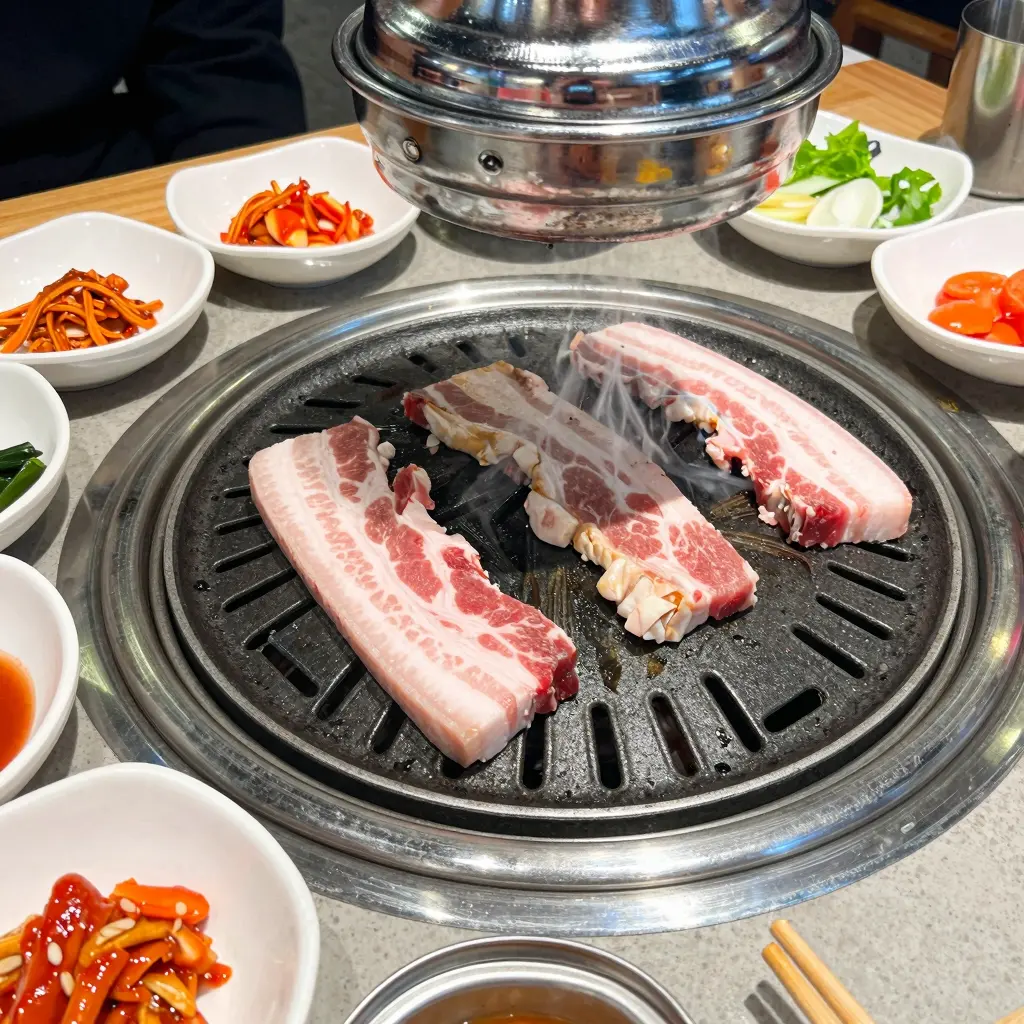
Introduction to Korean BBQ Pork Belly
Korean BBQ pork belly, known as samgyeopsal, is a culinary delight that has won the hearts of food enthusiasts around the world. The dish features thick, succulent slices of pork belly that are grilled to perfection, allowing diners to savor the juicy, flavorful meat right off the grill. Not only does it offer a unique combination of rich flavors and textures, but it also embodies the communal dining experience that is central to Korean culture. As patrons gather around the grill, the aroma of sizzling pork belly fills the air, creating an irresistible atmosphere of camaraderie and enjoyment.
This intense popularity is not just confined to homes; Korean BBQ establishments are rapidly gaining traction in the restaurant industry. The allure of Korean BBQ pork belly appeals to diners seeking a sensory experience, making it a lucrative offering for business owners. By incorporating samgyeopsal into their menus, restaurants can attract diverse clientele and set themselves apart from competition. As more consumers crave authentic dining experiences, understanding how to properly cook and serve Korean BBQ pork belly can be a game changer in the culinary business landscape. To explore related offerings, check out our Korean BBQ and Sushi menu for inspiration.
In this article, we will delve deeper into the techniques and tips for cooking Korean BBQ pork belly, ensuring that both chefs and restaurateurs can deliver an unforgettable dining experience to their customers.
Essential Ingredients for Korean BBQ Pork Belly
When considering adding Korean BBQ pork belly to your menu, it’s crucial to understand the essential ingredients that contribute to its distinctive flavor. Here is a list of the key components:
- Pork Belly: The star ingredient, often cut into thick slices for grilling, ensuring juiciness and flavor.
- Salt and Pepper: Basic seasonings to enhance the natural taste of the pork and add a subtle kick.
- Sesame Oil: Frequently used as a dipping sauce or drizzled over the grilled meat for an added nutty flavor.
- Garlic: Essential in either marinades or grilled alongside the pork, adding robust flavor.
- Green Onions: Commonly grilled with the pork; they can offer a refreshing crunch when wrapped with meat.
- Soy Sauce: Often included in marinades or as a dipping sauce to provide depth and umami.
- Gochugaru (Korean Red Pepper Flakes): Adds a spicy, smoky element, often served as a condiment.
- Lettuce: Typically used as a wrap for the grilled pork, along with various accompaniments.
- Ssamjang: A savory dipping sauce made from fermented soybeans, essential for wrapping the meat in lettuce with rice and garlic.
These essential ingredients not only create the signature taste of Korean BBQ but also represent the rich culinary heritage of Korean cuisine. Integrating these elements into your offerings can elevate the dining experience as customers enjoy the authentic flavors of this popular dish. For more insights on adding diverse options to your menu, explore our Korean BBQ and sushi menu.
How to Cook Korean BBQ Pork Belly
Korean BBQ pork belly, known as samgyeopsal, is a popular dish that is both simple to prepare and immensely satisfying. If you’re a business owner looking to replicate this culinary delight for your customers or events, follow these step-by-step instructions.
Ingredients
To get started, gather the following ingredients:
- Pork belly (samgyeopsal) – the key ingredient
- Salt and pepper – to season the meat
- Sesame oil – for dipping
- Garlic (optional) – for extra flavor
- Lettuce leaves – for wrapping
- Ssamjang sauce – a delicious dipping sauce made from fermented ingredients
- Perilla leaves (optional) – a fragrant herb for wrapping
- Rice (optional) – often served as a side
- Banchan – assorted side dishes (like kimchi and pickled vegetables)
Preparation Steps
-
Slice the Pork Belly: Cut the pork belly into thick slices, about 1 cm (or 0.4 inches) thick. This thickness ensures that the meat remains juicy while grilling.
-
Season: Lightly season the pork belly slices with salt and pepper. This simple seasoning is crucial to enhance the natural flavors of the pork.
-
Prepare Dipping Sauces and Side Dishes: While the meat is resting, prepare your side dishes and sauces. A classic sauce for samgyeopsal is ssamjang, which blends gochujang (Korean chili paste) and doenjang (fermented soybean paste) for a savory kick.
-
Preheat the Grill: Preheat your grill or grill pan on high heat. A hot grill will help achieve that perfect sear on the pork belly.
Grilling Instructions
-
Grill the Pork Belly: Once the grill is hot, place the seasoned pork belly slices on it. Grill each side for about 3-4 minutes until crispy and browned, adjusting for your desired level of char. If using a grill pan, you may want to press down on the slices to ensure even cooking.
-
Add Garlic (Optional): If you like, you can throw whole garlic cloves onto the grill to roast them alongside the pork. The garlic mellows and adds flavor when used as a garnish.
-
Add Perilla Leaves (Optional): Grill perilla leaves for a couple of minutes to give them a smoky flavor, adding a unique taste when wrapped with the pork.
Serving Suggestions
-
Prepare for Serving: Once the pork belly slices are grilled to perfection, remove them from the grill and let them rest briefly. Meanwhile, arrange your served ingredients on the table. Ideally, each diner’s plate should have lettuce leaves, ssamjang, and other accompaniments.
-
Wrap and Enjoy: To eat, lay a slice of grilled pork belly on a lettuce leaf, add a dollop of ssamjang, and optionally include garlic and perilla leaves. Wrap everything up and pop it into your mouth!
-
Pair with Rice and Banchan: For a complete meal, serve the wraps with steamed rice and various side dishes (banchan) to delight your customers with authentic Korean flavors.
Additional Notes
- For a unique dining experience, consider setting up a tabletop grill at your restaurant for customers to grill their pork belly right at the table, creating an interactive meal.
- Offering a range of dipping sauces and side dishes can also enhance the dining experience and draw in more customers.
Resources
For further insights into Korean BBQ and potential menu ideas, you can check out our comprehensive Korea BBQ and Sushi Menu.
You can also explore our All-You-Can-Eat options to attract BBQ lovers!
Visual Guide

This chart visually represents the breakdown of ingredients used in creating this fantastic dish.

Appeal of Korean BBQ Pork Belly
Korean BBQ pork belly, known as Samgyeopsal, is a popular dish that has been lauded for its rich flavor and enjoyable cooking experience. It is typically grilled at the table and often served with a variety of side dishes (banchan), including pickled vegetables, dipping sauces, and fresh lettuce for wrapping. This interactive dining style encourages communal eating, which can enhance customer satisfaction and foster a social atmosphere.
Customer Testimonials
-
Flavor Profile: Many customers rave about the unique, savory taste of pork belly, often highlighting its perfect balance of fat and meat, which makes it particularly juicy when grilled. The dish pairs well with soju and is considered a staple in Korean dining.
-
Experience: Users frequently mention the experience of cooking at the table as a significant part of the appeal. It is seen as an engaging way to share a meal, which can be especially beneficial for business settings where fostering relationships and creating a casual yet sophisticated environment is important.
-
Popularity: As an indication of its popularity, many restaurants that feature Korean BBQ have a dedicated following, often mentioning that Samgyeopsal is one of the most ordered items on the menu.
Effectiveness in Business Settings
Serving Korean BBQ pork belly can be an effective strategy for restaurants aiming to attract both small and larger groups. The interactive cooking aspect can be particularly appealing for business lunches or dinners, as it creates a lively environment for conversation and networking. Additionally, offering this dish can help restaurants stand out in a competitive market by showcasing authentic culinary experiences.
Conclusion
Though specific reviews were not found, the overall reception of Korean BBQ pork belly remains positive among patrons. Restaurants can leverage this dish to enhance their appeal, attract more customers, and provide a memorable dining experience that is especially suited for business gatherings.
If you’d like more detailed insights or data about Korean BBQ offerings, consider exploring additional plates from our menu, such as Kogi Korean BBQ’s specials, or learn about the benefits of all-you-can-eat options.
Cooking Times for Pork Belly
Understanding the cooking times for pork belly at various temperatures is crucial for business owners in the food industry. This comparative chart will serve as a quick reference for preparing delicious pork belly at the right time, ensuring optimal flavor and texture.
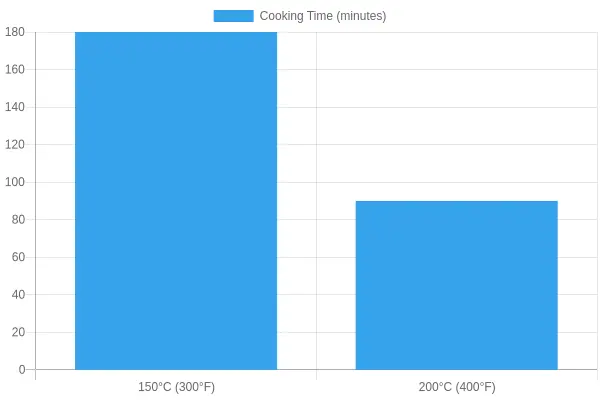
| Temperature | Cooking Time |
|---|---|
| 150°C (300°F) | 2-3 hours |
| 200°C (400°F) | 90 minutes |
As you prepare Korean BBQ pork belly, you can refer to these cooking times to ensure that your dishes are cooked to perfection!
Presentation Tips for Korean BBQ Pork Belly
When it comes to presenting Korean BBQ pork belly in a business context, making a great first impression is key. Here are several tips and tricks to enhance your food presentation that can captivate your customers and elevate their dining experience.
1. Color Contrast
Utilizing a variety of colorful vegetables can make your dish more visually appealing. Use ingredients such as bell peppers, carrots, and lettuce to create a vibrant display around the grilled pork belly. This not only enhances the aesthetics but also adds a nutritional value that customers often appreciate.
2. Plating Technique
Proper plating is essential. Arrange the grilled pork belly pieces artistically on a large platter. Group similar items together, or alternate between different types of meats and vibrant veggies for a dynamic look. Consider using rectangular or wooden platters for a rustic appeal that fits the Korean BBQ theme.
3. Garnishing with Fresh Elements
Fresh herbs, such as sesame leaves or cilantro, can be a game-changer. They add not just an attractive touch but also enhance the flavor profile of the dish. Edible flowers can also be used to give that extra pop of color, making the food look even more inviting.
4. Strategic Serving Suggestions
Place dipping sauces in small bowls around the meats and veggies. Options like ssamjang or sesame oil help enhance flavors and make it easy for guests to access what they need. Additionally, serving traditional side dishes in eye-catching small dishes can enhance the overall dining experience.
5. Embrace Interactive Dining
Consider an interactive dining approach where guests can grill their own pork belly at the table. This not only adds an element of fun to the dining experience but also makes the food presentation a part of the experience itself. It encourages engagement and conversation around the table.
6. Authentic Serving Ware
To elevate the authenticity of your presentation, use traditional stone pots or rustic bowls for serving rice or stews. This invites customers into a genuine Korean culinary experience, making your offering feel more authentic.
Conclusion
With these food presentation tips, you can transform a standard dish of Korean BBQ pork belly into a stunning culinary experience that appeals not only to the taste buds but also to the eyes. Investing in how your food is presented can ultimately enhance customer satisfaction and reflect the quality of your business.
For more tips on Korean cuisine, check out our menu and discover how you can further elevate your dining offerings.
Culinary Expert Insight
“Flavor and quality are the soul of Korean BBQ. Every ingredient, from the marbled pork belly to the handmade sauces, plays a crucial role in crafting a dish that is not just seen but experienced. When you choose high-quality ingredients and allow them to marinate properly, you awaken a depth of flavor that is truly exceptional.”
— Chef Lee Han, Korean Cuisine Specialist.
The culinary perspective emphasizes the significance of using top-notch ingredients and proper techniques in cooking Korean BBQ. Not only do these factors influence the taste, but they also enhance the overall dining experience. To discover the best methods and explore our delectable offerings, check out our Korean BBQ menu or visit our Oakland location for an all-you-can-eat experience!
Pairing Suggestions for Korean BBQ Pork Belly
When serving Korean BBQ pork belly, it’s essential to curate a selection of side dishes and beverages that elevate the dining experience. Here are some ideal pairings:
Side Dishes for Korean BBQ
- Kimchi
- A traditional Korean side dish made from fermented vegetables, primarily Napa cabbage and Korean radishes, seasoned with chili pepper, garlic, ginger, and other spices. It adds a punch of flavor and complements the rich pork belly beautifully.
- Pickled Radish
- Typically served as a refreshing side, pickled radish offers a crunchy texture and tangy flavor that balances the richness of BBQ pork belly, enhancing the overall meal experience.
- Rice
- Steamed white rice is a staple in Korean cuisine and serves as a neutral base that absorbs the delicious flavors from the pork belly and dipping sauces.
- Ssamjang
- This thick, savory dipping sauce made from a combination of doenjang (fermented soybean paste) and gochujang (Korean chili paste) is essential for enhancing the flavor of grilled meat. It’s perfect for wrapping with the pork and lettuce.
- Grilled Vegetables
- Often served alongside, grilled vegetables such as zucchini, mushrooms, and bell peppers provide additional flavors and textures, complementing the pork belly well.
Beverages to Pair
- Soju
- A clear distilled alcoholic beverage that is extremely popular in Korea. Soju’s smoothness complements the rich flavors of pork belly, making it a preferred drink choice.
- Makgeolli
- This traditional Korean rice wine has a milky appearance and a slightly sweet taste, which provides a delightful contrast to the savory meats.
- Beer
- Light lagers or Korean beers like Cass or Hite can refresh the palate and pair well with the grilled flavors of BBQ pork belly. A crisp beer can help cut through the fat of the pork!
- Green Tea
- For a non-alcoholic option, refreshing green tea can cleanse the palate and enhance the meal without overpowering the flavors.
Conclusion
Offering a combination of these side dishes and beverages can create a fulfilling dining experience for your patrons, highlighting the rich flavors of Korean BBQ pork belly. For more insights on enhancing your menu, learn more about our offerings.
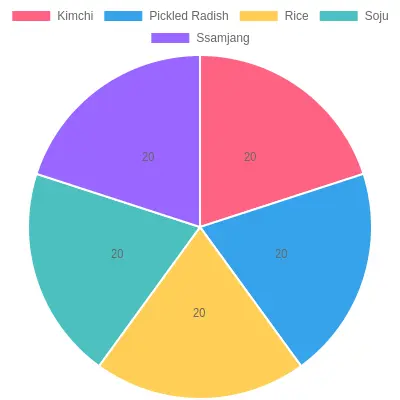
Here’s a pie chart summarizing the best side dishes and beverages that pair well with Korean BBQ pork belly:
Conclusion
Adding Korean BBQ pork belly to your restaurant menu is not just a culinary trend; it’s a chance to captivate your customers with an immersive dining experience. This dish, with its succulent flavor, perfect marbling, and versatility in preparation, stands out as a crowd favorite. Business owners can leverage this unique offering to attract new customers and enhance the dining experience of repeat guests.
Additionally, effective promotional strategies-such as social media engagement, collaborations with food influencers, and thematic events-can significantly boost the visibility of your Korean BBQ offerings. For instance, sharing inviting images and videos of your delicious pork belly on platforms like Instagram can entice food lovers to visit your restaurant. Organized themed nights can also create community buzz, drawing in families looking for a unique dining experience.
If you’re ready to broaden your menu and delve into the rich flavors of Korean BBQ, consider reaching out for professional support. Contact Zoomlion today for assistance in integrating Korean BBQ into your business model effectively. Embrace this flavorful journey and let your restaurant become a go-to destination for Korean BBQ lovers!
Exploring new menu options not only refreshes your offering but also enhances customer loyalty and satisfaction-don’t miss out on the chance to elevate your culinary identity!