
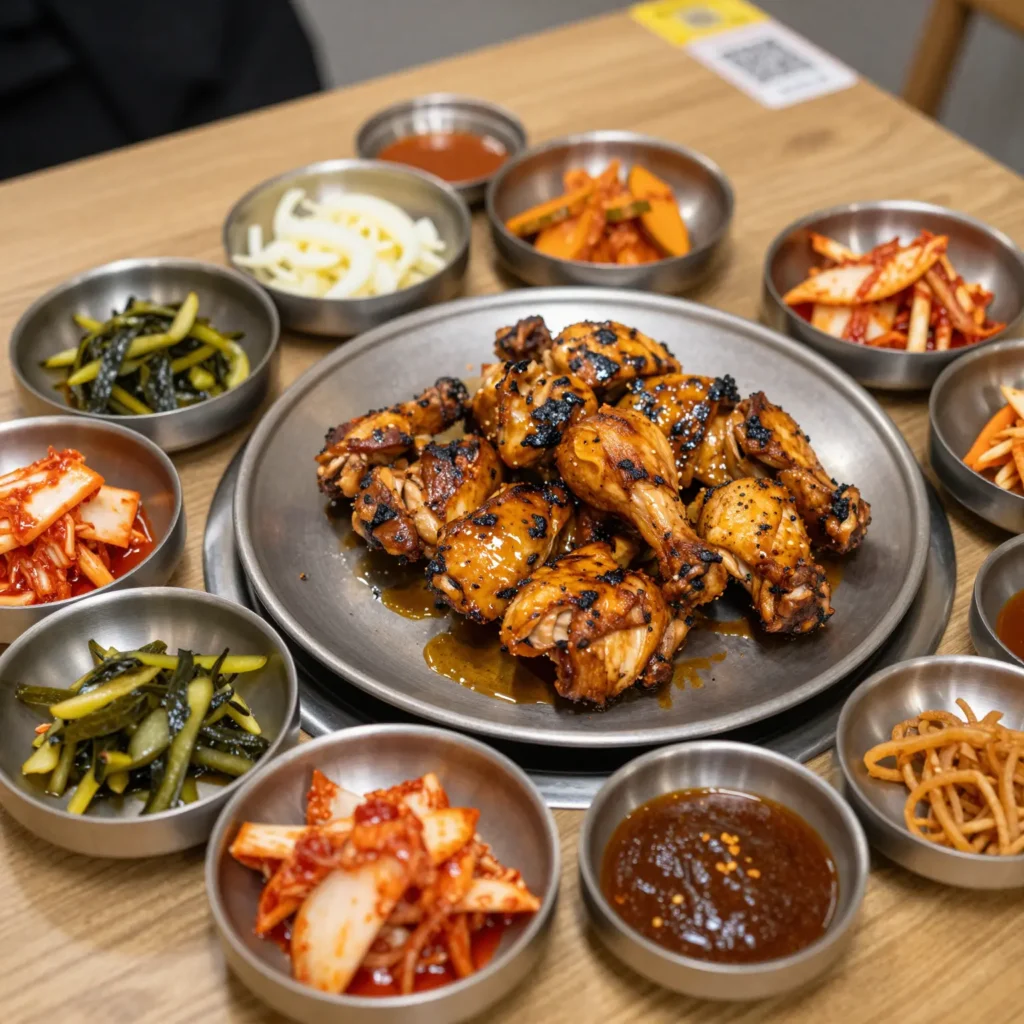
Introduction to Korean BBQ Chicken
As the vibrant aroma of grilling meats wafts through the air, the experience of indulging in Korean BBQ chicken transcends mere dining; it embodies the rich cultural heritage of Korea. This dish, infused with complex marinades and flavor-packed seasonings, has woven itself into the fabric of Korean social gatherings, acting as a catalyst for connection and conversation. Within Korea, BBQ chicken is often enjoyed during celebrations and everyday meals alike, reflecting values of family, friendship, and culinary artistry.
In recent years, Korean BBQ chicken has gained remarkable traction in the global restaurant industry, drawing in food enthusiasts eager to experience something beyond the typical dining fare. Business owners have recognized this surging popularity, making it a tantalizing addition to their menus and a chance to enhance their offerings. With Kogi Korean BBQ’s diverse range of options, including sumptuous side dishes and immersive dining experiences, the path to incorporating Korean BBQ chicken into your business could be your next key to success. As we explore the intricacies of cooking this beloved dish, we will uncover not only the culinary techniques but also the potential business opportunities that come with embracing this culinary delight.
Essential Ingredients for Korean BBQ Chicken
To prepare delicious Korean BBQ chicken, you need the following ingredients that provide both authentic flavor and a unique twist to the dish:
- Chicken (preferably thighs or wings)
- Soy Sauce (for a savory base)
- Sesame Oil (adds a rich, nutty flavor)
- Garlic (minced for depth of taste)
- Ginger (adds a fresh zest)
- Sugar or Honey (to balance the saltiness and provide sweetness)
- Gochujang (Korean red chili paste for heat and complexity)
- Black Pepper (for additional spice)
- Green Onions (chopped, for garnish)
- Sesame Seeds (sprinkled on top for texture)
- Rice Vinegar (optional, for a tangy kick)
- Water (for diluting marinade, if needed)
- Chili Flakes (optional, for extra spiciness)
These ingredients come together to create a mouthwatering dish that is both sweet and savory. While the chicken is marinated and then grilled, the caramelization of sugars during cooking gives it a beautiful color and flavor. Pair your Korean BBQ chicken with sides like pickled vegetables and steamed rice for a well-rounded meal that encapsulates the essence of Korean cuisine.
The combination of familiar and unique ingredients is what sets Korean BBQ chicken apart from other grilled chicken dishes, making it a favorite among many.
Cooking Method for Korean BBQ Chicken
Korean BBQ chicken is a flavorful and popular dish that is perfect for any gathering or meal at home. Here’s a detailed guide on how to prepare and grill your own delicious Korean BBQ chicken, including marination and grilling techniques.
Ingredients for Marinade
To achieve that authentic flavor, you’ll need the following ingredients for the marinade:
- Soy Sauce: ¼ cup
- Brown Sugar: ¼ cup (or white sugar)
- Sesame Oil: 2 tablespoons
- Garlic: 3 cloves (minced)
- Green Onions: 2 (sliced)
- Black Pepper: to taste
- Gochujang (Korean Chili Paste): 1 tablespoon for a spicy kick (optional)
Step-by-step Instructions
1. Prepare the Chicken
- Choose Your Chicken: You can use boneless chicken thighs or breasts. Thighs are preferred for their juiciness.
- Cut the Chicken: If using thighs, leave them whole; for breasts, you may butterfly them for even cooking.
2. Make the Marinade
- In a mixing bowl, combine soy sauce, brown sugar, sesame oil, minced garlic, sliced green onions, and black pepper. For added spice, mix in gochujang.
- Stir well until the sugar dissolves completely.
3. Marinate the Chicken
- Place the chicken in a large resealable plastic bag or a shallow dish.
- Pour the marinade over the chicken, ensuring each piece is thoroughly coated.
- Seal the bag (or cover the dish) and refrigerate. Marination Time: Allow the chicken to marinate for at least 1 hour; for the best flavor, marinate overnight.
4. Prepare the Grill
- Preheat your grill to medium-high heat. If using a charcoal grill, ensure the coals are gray and ashed over.
- Lightly oil the grill grates to prevent sticking.
5. Grill the Chicken
- Remove the chicken from the marinade, letting the excess drip off (discard the leftover marinade).
- Place the chicken on the grill and cook for about 6-8 minutes on each side. Use an instant-read thermometer to check for doneness; the internal temperature should reach 165°F (75°C).
- For an extra layer of flavor, brush some fresh marinade onto the chicken during the last few minutes of grilling.
6. Serve
- Once cooked, remove the chicken from the grill and let it rest for a few minutes before slicing. This resting period helps keep the meat juicy.
- Serve your Korean BBQ chicken with a side of rice, kimchi, and fresh vegetables. Enjoy!
Additional Tips
- If you want to enhance the meal, consider adding grilled vegetables like zucchini, pepper, and mushrooms alongside your chicken on the grill.
- For beginners, it’s advisable to start grilling over moderate heat to avoid burning the chicken.
For more delicious recipes and insights on Korean BBQ, you might want to check out our full Korean BBQ menu where you can explore various options to delight your guests.
Now you’re ready to amaze your family or customers with a vibrant Korean BBQ chicken dish that truly captures the essence of Korean cuisine!
Tips for Perfect BBQ Chicken
Creating the perfect BBQ chicken can be a delightful endeavor for business owners looking to impress their customers and stand out in the culinary market. Here are some expert tips tailored for commercial kitchens:
1. Quality Ingredients
- Choose Fresh Chicken: Always select high-quality, fresh chicken. Free-range or organic chicken typically delivers superior flavor and texture.
- Marinade Selection: Opt for a flavorful marinade. Korean BBQ often incorporates ingredients like soy sauce, garlic, ginger, and sesame oil. Marinating overnight enhances flavor infused deeply into the meat.
2. Cooking Techniques
- Grilling: The traditional method involves grilling over charcoal or gas. This provides that distinct smoky flavor. Ensure the grill is preheated and maintained at a consistent temperature.
- Oven Roasting: If your establishment doesn’t have a grill, oven roasting at a high temperature can achieve crispy skin and thoroughly cooked meat. Use a broiler at the final stage to get that charred finish.
- Smoking: If you have access to a smoker, this technique allows for deeper flavors. Smoke your chicken with wood chips for a rich BBQ taste. It also allows for longer cooking times, which yield tender meat.
- Sous Vide: This method helps maintain moisture. Cook the chicken in a vacuum-sealed bag in a water bath and then briefly sear after removing it to achieve caramelization on the skin.
3. Temperature Control
- Avoid Overcooking: Use a meat thermometer to ensure chicken is cooked to 165°F (75°C). Overcooking can lead to dry chicken, which is detrimental to customer satisfaction.
- Resting Period: Allow the chicken to rest for several minutes after cooking to let the juices redistribute, ensuring moist meat.
4. Presentation and Serving
- Garnish with Fresh Ingredients: Add garnishes such as chopped cilantro or green onions before serving. It not only enhances visual appeal but also adds freshness.
- Provide Accompaniments: Consider serving BBQ chicken with complementary sides like coleslaw, rice, or traditional Korean banchan to elevate the overall dining experience.
5. Experiment and Innovate
- Vary Flavors: Mix traditional BBQ with global flavors. For example, try using a Korean gochujang sauce for a spicy twist or create fusion dishes appealing to diverse customer preferences.
- Feedback Loop: Conduct tasting sessions with your staff or loyal customers to gather feedback and refine your BBQ chicken offerings.
By applying these tips, business owners can create exceptional BBQ chicken dishes that will resonate with their customers. For more inspiration on BBQ offerings, explore our Korean BBQ menu or learn about our all-you-can-eat options.
| Marinade Name | Key Ingredients | Flavor Profile |
|---|---|---|
| Soy Sauce Marinade | Soy sauce, sugar, garlic, sesame oil | Sweet and savory with a rich umami flavor |
| Gochujang Marinade | Gochujang, soy sauce, honey, garlic, ginger | Sweet, spicy, and slightly smoky |
| Citrus Marinade | Soy sauce, orange juice, garlic, ginger, sesame oil | Bright and tangy with a hint of sweetness |
| Honey Soy Marinade | Honey, soy sauce, garlic, ginger, green onions | Sweet and savory, sticky with a deep umami essence |
| Spicy Marinade | Soy sauce, gochugaru (red pepper powder), garlic | Spicy and bold with a deep, rich taste |
Tips for Marinating and Cooking
- Marinating Time: It’s ideal to marinate for at least 30 minutes to an hour, but overnight will provide the fullest flavor.
- Cooking Method: Grilling is preferred, allowing the sugars to caramelize and provide a smoky flavor.
For more recipes and insights on Korean cuisine, you might find interesting resources at Kogi Korean BBQ for a complete range of flavors and techniques.
Health Benefits of BBQ Chicken for Your Menu
Barbecue chicken offers numerous health benefits, making it an excellent addition to restaurant menus, especially for business owners focused on providing healthier dining options. With various cooking methods available, barbecue chicken stands out due to its nutritional profile and versatility in recipes.
Nutritional Aspects of Barbecue Chicken
- High Protein Content: A standard serving (3.5 ounces) of grilled chicken breast typically contains around 31 grams of protein, which is essential for muscle repair and growth. This makes it a popular choice for health-conscious diners looking to build strength and maintain a balanced diet.
- Comparison with Fried Chicken: Fried chicken, on the other hand, also provides a similar amount of protein but is laden with additional calories and unhealthy fats. For instance, a serving of fried chicken can pack over 250 calories due to the frying process, compared to roughly 165 calories in grilled chicken, which makes grilled chicken the healthier option (source).
-
Lower Fat Content: Grilled chicken contains significantly less fat than its fried counterpart. A serving can have just about 3.6 grams of fat compared to much higher levels found in fried versions, contributing to better heart health (source).
-
Retained Nutrients: The grilling process allows chicken to retain more natural nutrients such as vitamins and minerals, which can be diminished in fried alternatives. This means that diners enjoy not just the taste but also the essential nutrients necessary for a well-rounded diet (source).
Weight Management and Dietary Flexibility
Offering BBQ chicken on your menu caters to various dietary preferences. Grill preparations can easily be paired with diverse sides like fresh vegetables, salads, or whole grains, aligning well with food trends towards flexibility and health-focused choices. Moreover, the ability to marinate and flavor chicken in various ways offers creativity without compromising health, appealing to patrons looking for both taste and nutrition.
To further optimize your menu, consider options like the Korean BBQ and sushi menu to enhance the barbecue chicken experience. Introducing diverse flavors and accompaniments can attract a wider clientele, elevating their dining experience with healthier yet flavorful dishes.
Korean BBQ represents not just a meal but an experience, bringing friends and family together around a grill. Its interactive nature perfectly aligns with the modern dining trend where sharing and engagement are valued.
Conclusion
In this article, we delved into the vibrant world of Korean BBQ chicken, uncovering the essential elements that make this dish a favorite among diners and an excellent opportunity for business owners. We explored the significance of marinating the chicken using traditional ingredients such as soy sauce, garlic, ginger, and sesame oil, which infuse the meat with a rich, savory flavor. The cooking method of grilling not only offers a unique taste but also contributes to the social dining experience, as customers enjoy cooking their food right at the table.
Understanding your target audience is crucial for anyone looking to introduce or improve their Korean BBQ offerings. Whether you cater to families, foodies, or young adults, tailoring your atmosphere and menu to meet the preferences of your patrons can significantly enhance customer satisfaction. Additionally, the quality of ingredients plays a vital role in setting your restaurant apart. By sourcing high-quality meats and freshest vegetables, you not only assure a delicious meal but also foster customer loyalty.
This trend of interactive dining experiences is gaining traction, appealing to diners who enjoy the process as much as the outcome. Offering options like customizable marinades or vegetarian selections can also widen your customer base, attracting those who may not typically indulge in BBQ.
In conclusion, as the demand for Korean BBQ continues to rise, it presents a lucrative venture for business owners. Whether you’re looking to revamp your existing menu or launch a new concept, investing time in understanding the nuances of Korean BBQ chicken can be your gateway to culinary success. We encourage all business owners to dive deeper into this flavorful cuisine, experimenting and innovating with offerings to keep customers coming back for more. For those interested in expanding their Korean BBQ knowledge and culinary practices, explore our comprehensive menu options and learn more about successful Korean BBQ business models.
Customer Preferences for BBQ Chicken Dishes in 2023
In recent years, the preferences surrounding BBQ chicken dishes have evolved significantly. Here’s an overview of the current trends:
- Health Conscious Choices: Many customers now prefer grilled, organic options over traditional fried versions. There’s an increasing trend towards chicken that aligns with health goals.
- Diverse Flavor Profiles: Consumers are experimenting with a variety of flavors beyond the classic BBQ sauce. Ethnic-inspired flavors, particularly Asian and Caribbean, are gaining popularity.
- Plant-Based Alternatives: As plant-based diets rise, many eateries offer BBQ chicken substitutes made from mock meats that appeal to a wider customer base.
- Sustainability and Sourcing: Many diners prefer chicken that is locally sourced and raised sustainably, reflecting a growing awareness of environmental impact.
- Digital Experience: With more people ordering food online, restaurants with seamless digital interfaces and user-friendly apps are preferred.
Chart of Customer Preferences
The following chart highlights these trends in customer preferences for BBQ chicken dishes:
Preference Levels of Choices (2023)
- Health Conscious Choices
- Diverse Flavor Profiles
- Plant-Based Alternatives
- Sustainability and Sourcing
- Digital Experience
These insights can guide business owners in adapting their menus and marketing strategies effectively. For more information on Korean BBQ options, feel free to learn more about our menu.