
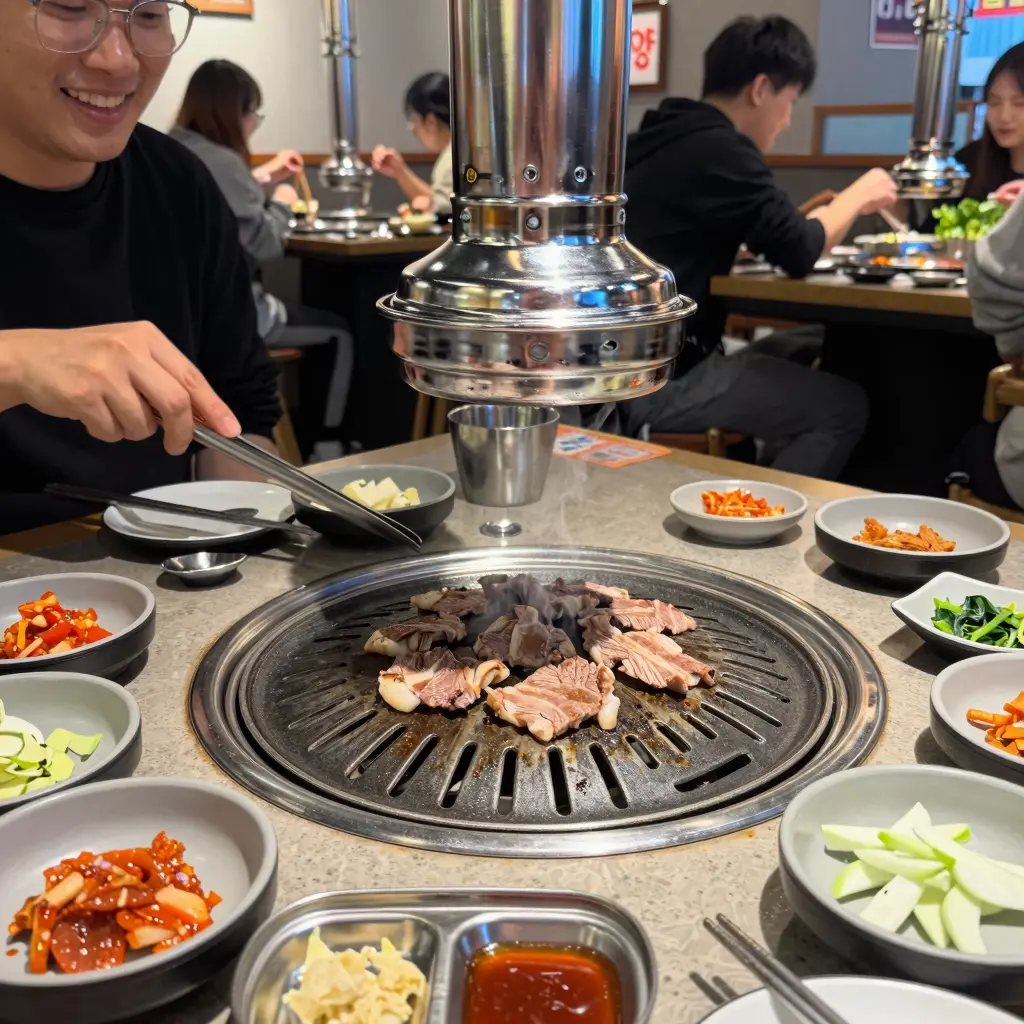
Introduction to Korean BBQ Beef for Business Owners
Korean BBQ is more than just a meal; it’s a culinary experience rich in tradition and artistry that has captivated food lovers around the globe. For business owners, especially those in the food and hospitality industry, mastering the art of cooking Korean BBQ beef can significantly enhance your offerings. Not only does this skill add a unique flair to your restaurant or catering menu, but it also allows you to tap into the growing demand for diverse culinary experiences. From the delicious marinated flavors of bulgogi to the sizzling sound of meats grilling at the table, Korean BBQ embodies the essence of communal dining, bringing people together to enjoy rich flavors and vibrant conversation.
As you delve into the cooking techniques and culturally significant aspects of Korean BBQ, you’ll discover an exciting opportunity to create memorable dining experiences that can set your business apart. Understanding the intricate balance of flavors and the importance of ingredients can lead to storytelling through food, making your Korean BBQ dishes not only tasty but also meaningful plates that resonate with your clientele. Explore how Korean BBQ can elevate your menu and attract more customers, perhaps even drawing inspiration from popular spots like Kogi Korean BBQ in San Diego which successfully showcase the appeal of this vibrant cuisine. With the right knowledge and a dash of passion, you can turn your restaurant into a destination for those yearning for an authentic Korean BBQ experience!
Essential Ingredients for Korean BBQ Beef
Get ready to indulge in the rich flavors of Korean BBQ beef with this comprehensive list of essential ingredients. Whether you’re a business owner looking to enhance your menu or an enthusiast eager to perfect your homemade preparation, having the right ingredients is crucial. Here’s what you’ll need to get started!
Ingredients Required for Korean BBQ Beef
Korean BBQ is known for its flavorful marinated beef, cooked right at the dining table for a delightful and interactive meal experience. Here’s a detailed list of key ingredients necessary for preparing Korean BBQ beef, including cuts of beef, marinades, toppings, and side dishes.
Cuts of Beef
When it comes to Korean BBQ, the following beef cuts are typically used:
- Brisket (Chadolbaegi): This cut is prized for its tenderness and rich flavor. It’s usually sliced very thin and cooked quickly on the grill.
- Ribeye (Galbi): Known for its excellent marbling, ribeye is often used for grilling and absorbs marinades very well.
- Sirloin (Ansol): A lean and tender cut, sirloin is a popular choice in Korean BBQ for its mild flavor.
- Short Ribs (Kalbi): Traditionally marinated in a sweet and savory sauce before grilling, short ribs are a favorite due to their flavor and tenderness.
Marinades
Korean BBQ beef is unique due to its flavorful marinades, which often include:
- Soy Sauce: A key ingredient that provides the salty base for the marinade.
- Sugar: Typically brown sugar or honey for sweetness that balances the saltiness of the soy.
- Garlic: Freshly minced garlic adds depth and aroma to the marinade.
- Sesame Oil: This ingredient gives a nutty flavor and richness to the marinade.
- Pears (Asian Pear): Sometimes blended into the marinade, pears help tenderize the meat while adding a sweet flavor.
- Gochujang (Korean Chili Paste): For those who prefer a spicy kick, gochujang is a fantastic addition.
Toppings and Condiments
To enhance the Korean BBQ experience, various toppings and condiments can be served:
- Sesame Seeds: Toasted sesame seeds add crunch and visual appeal.
- Green Onions: Finely chopped green onions can be sprinkled on top for flavor and color.
- Kimchi: A traditional Korean side dish of fermented vegetables, typically napa cabbage or radish, that complements the rich flavors of grilled beef.
Side Dishes
Korean BBQ is often enjoyed with a variety of side dishes known as banchan, which can include:
- Steamed Rice: A must-have staple that pairs well with grilled meats.
- Pickled Vegetables: These add color and flavor, providing a refreshing contrast to the beef.
- Vegetable Sides: Dishes like pickled radishes, cucumber salad, or even sautéed vegetables are common.
For those looking to elevate their Korean BBQ experience, consider visiting Kogi Korean BBQ’s menu for more inspirations.
Korean BBQ, known as gogigui, involves grilling marinated meats such as bulgogi (marinated beef) and galbi (marinated short ribs) over an open flame. This interactive dining experience not only satisfies culinary cravings but also caters to social dynamics, making it appealing for restaurant owners looking to elevate customer engagement and satisfaction.
Key Traditional Cooking Methods
- Grilling Techniques:
- Metal Grates: A common method where marinated meats are cooked over a charcoal or gas grill. This allows for quick cooking and gives the meat a distinctive smoky flavor.
- Stone Grill: Some establishments use stone slabs, which retain heat well, providing an even cooking surface that is ideal for delicate cuts of meat and seafood.
- Table-side Cooking:
- Many Korean BBQ restaurants allow diners to grill their own food directly at the table. This method engages customers and provides them with control over how well their food is cooked, making the meal a personal and customizable experience.
- Interactive Dining:
- Serving banchan (side dishes) enhances the meal with various flavors and textures. Sharing and sampling these sides promotes social interaction among diners, creating a more enjoyable atmosphere.
- Communal Cooking:
- The communal aspect of cooking at the table encourages bonding among guests, making it an excellent choice for family gatherings, celebrations, or casual evenings out.
Why These Methods Appeal to Business Owners
-
Customer Engagement: Allowing diners to participate in the cooking process transforms a standard meal into an engaging activity. This interaction can increase customer satisfaction, leading to repeat visits. As the dining experience becomes memorable, customers are more likely to share their positive experiences with friends and family.
-
Increased Revenue: Table-side cooking can lead to upselling opportunities. Patrons who are enjoying the grilling experience may be inclined to order more beverages, side dishes, or desserts, resulting in higher average bills.
-
Natural Experience: The ability to grill fresh and high-quality ingredients appeals to health-conscious diners. This ensures that customers feel they are making a healthier choice, which is increasingly important in today’s dining landscape.
-
Cultural Appeal: The unique features of Korean BBQ can set a restaurant apart from competitors. Showcasing cultural elements can attract customers looking for authentic culinary experiences, enhancing the restaurant’s appeal to a broader audience.
In conclusion, traditional Korean BBQ cooking methods not only focus on delivering delicious food but also on creating an interactive and communal dining experience. By implementing these methods, business owners can enhance customer satisfaction, encourage repeat visits, and establish a thriving eating establishment. For more insights on enhancing your restaurant, you might consider exploring the Kogi Korean BBQ menu or the all-you-can-eat options available at Kogi locations.
This richly engaging dining method is both a culinary delight and a way to foster community, making it a smart choice for restaurant owners looking to boost their business.

The Marination Process for Korean BBQ Beef
Marinating is a crucial step in preparing Korean BBQ beef, enhancing both flavor and tenderness. The process involves soaking your chosen cut of beef in a mixture designed to impart rich flavors and bring out the natural taste of the meat.
1. Ingredients for Marination
Typically, a marinade for Korean BBQ beef will consist of:
- Soy Sauce: Provides saltiness and depth of flavor.
- Brown Sugar: Adds sweetness that balances the saltiness.
- Sesame Oil: Imparts a nutty aroma.
- Garlic: Brings a pungent flavor.
- Ginger: Adds warmth and complexity.
- Pear: A common addition that serves as a natural tenderizer and adds sweetness.
- Black Pepper: For spice.
- Green Onions: For texture and freshness.
2. The Marination Process
To prepare the marinade:
- Combine Ingredients: In a bowl, mix together soy sauce, brown sugar, sesame oil, minced garlic, grated ginger, and chopped green onions. For a spicier marinade, add gochujang (Korean chili paste).
- Prepare the Beef: There are various cuts you can use for Korean BBQ-thinly sliced ribeye, short ribs, or flank steak are popular choices. The beef should be cut against the grain to ensure tenderness.
- Marinate: Coat the beef thoroughly with the marinade, ensuring it is well covered. Allow it to marinate for a minimum of 30 minutes, although several hours or even overnight is optimal for enhanced flavor.
- Grill: Once marinated, the beef is ready for grilling, which caramelizes the sugars and seals in the flavors while creating a slightly smoky taste.
3. Tips for Achieving the Best Flavor
- Timing Matters: Do not exceed 24 hours in the marinade to prevent the meat from becoming mushy.
- Use Fresh Ingredients: Fresh garlic and ginger will give a more robust flavor compared to powdered versions.
- Taste and Adjust: It’s a good idea to taste a small amount of the marinade before adding the meat; adjust the sweetness or saltiness as needed.
4. Advantages for Business Settings
- Consistency in Flavor: A well-crafted marinade guarantees that each serving maintains a high flavor profile, critical for customer satisfaction in a restaurant setting.
- Cost Efficiency: Marinades can help tenderize less expensive cuts of meat, enabling restaurants to offer delicious dishes without high costs.
- Enhanced Customer Experience: Korean BBQ dining promotes customer interaction and a unique cooking experience, making it a popular choice for family gatherings and corporate meetings. This can lead to repeat clientele and positive word-of-mouth.
- Flexibility in Menu Design: Offering marinated items allows restaurants to diversify their menu with different flavor profiles owing to the adaptable nature of marinades.
In conclusion, mastering the marination process for Korean BBQ beef not only elevates the taste but also provides significant advantages in business dynamics. For more ideas on menu offerings, check out Kogi BBQ & Sushi Menu and explore options designed to attract and satisfy customers for repeat visits.
Whether you’re running a restaurant or just cooking at home, understanding the marination process can open up a world of flavor and culinary delight!
Comparison of Different Cuts of Beef Suitable for Korean BBQ
Here’s a detailed table comparing various cuts of beef commonly used for Korean BBQ, focusing on flavor profile, tenderness, and recommended cooking time. This guide is especially useful for business owners looking to curate an appealing menu.
| Cut | Flavor Profile | Tenderness | Recommended Cooking Time |
|---|---|---|---|
| Short Rib | Rich, meaty | Very tender | 3-5 minutes |
| Brisket | Beefy, slightly sweet | Tender | 1-2 minutes (thin slices) |
| Chuck Eye Roll | Flavorful, beefy | Tender | 2-4 minutes (thin slices) |
| Flank Steak | Bold, savory | Moderate (can be tough) | 5-7 minutes (marinated) |
| Skirt Steak | Intense, beefy | Moderate (can be tough) | 4-6 minutes (marinated) |
Insights for Business Owners:
- Short Ribs (Galbi) are a must-have for menu items, appreciated for their tenderness and flavor richness. They are particularly suitable for short grilling times, perfect for busy restaurants.
- Thinly sliced Brisket (Chadolbaegi) is also a popular choice, cooking in no time and ensuring a juicy experience for diners.
- Although tougher cuts like Flank Steak and Skirt Steak can be slower to prepare, when marinated effectively, they offer robust flavors that can be marketed as gourmet options on your menu.
For more on the Korean BBQ offerings, feel free to explore our menu or check out our all-you-can-eat options to attract diverse customers.
Benefits of Offering Korean BBQ in Your Restaurant
Korean BBQ has surged in popularity over the past few years, and for good reason. Incorporating it into your restaurant menu not only caters to a growing culinary trend but also enhances customer experience, offering potential profit margins that shouldn’t be overlooked. Here’s a detailed look at the benefits of adding Korean BBQ to your restaurant’s offerings.
1. Enhancing Customer Experience
One of the most compelling reasons to integrate Korean BBQ into your menu is the unique dining experience it provides. Customers engage in the cooking process at their tables, which transforms a meal into a memorable event:
- Interactive Dining: The self-cooking element allows diners to participate actively in their meal, fostering communal bonds as friends and family gather around the grill.
- Extended Meal Times: This interactive nature often leads to extended meal durations, allowing guests to linger longer, thereby increasing the average tabs due to additional orders.
- Socialization: Korean BBQ promotes social eating, where diners share not just food but also experiences. The lively atmosphere common in these establishments often enhances customer satisfaction.
For an example of a restaurant that emphasizes this experience, check out the Kogi BBQ menu.
2. Profit Margins and Cost-effectiveness
Beyond customer satisfaction, the financial implications of offering Korean BBQ can be quite advantageous:
- High Profit Margins: The ability to charge premium prices for dining experiences that include both food and the grilling atmosphere can significantly enhance profitability. For example, while the cost of raw materials might be lower than upscale restaurants, the final price for customers can be much higher due to the unique experience.
- Upselling Opportunities: Restaurants can take advantage of the diverse menu options available-appetizers, side dishes, and various cuts of meat-to encourage upselling, increasing overall revenue per customer.
- Crafting a Unique Selling Proposition (USP): With the rising popularity of Korean cuisine, offering a specialized menu can differentiate your restaurant from competitors, attracting a broader customer base.
3. Meeting Market Demand
The demand for unique and authentic culinary experiences is at an all-time high:
- Growing Popularity: Korean BBQ has become a favorite among food enthusiasts, particularly among millennials and Gen Z who are more adventurous with their dining choices. According to recent food trends, the rise of interest in East Asian cuisines is likely to continue.
- Diverse Menu Appeal: Korean cuisine generally offers a wide range of flavorful dishes. By appealing to various dietary preferences, including meat, vegetarian, and even vegan options through flavorful marinades and side dishes, your restaurant can cater to a wider audience.
4. Strategic Marketing Opportunities
Korean BBQ isn’t just about the food; it’s also an experience that lends itself well to marketing:
- Social Media Buzz: The visual appeal of beautifully prepared dishes and the exciting atmosphere can drive social media engagement. Customers are likely to share their experiences online, further promoting your brand.
- Themed Events and Promotions: Hosting events around Korean BBQ (e.g., dining competitions, flavor nights) can draw crowds and establish your restaurant as a niche destination.
In conclusion, incorporating Korean BBQ into your restaurant can significantly enrich the dining experience while providing robust profit margins. As customers seek engaging and interactive meals, this culinary trend offers an effective solution that can enhance customer satisfaction and boost your bottom line. To explore how to position your restaurant strategically within this growing market, consider looking into local competitors and understand your target demographic.
For more insights, you can learn how to create special offers around Korean BBQ at our all-you-can-eat option.
Korean BBQ is not just about the delicious taste; it’s a vital part of our culture that fosters connections and community. Sharing a meal over open flames creates a bond among friends and family, making each gathering a cherished memory.
In conclusion, integrating Korean BBQ into your menu can significantly elevate the dining experience at your establishment. By offering a unique, interactive meal that allows guests to grill their own meats while enjoying vibrant side dishes, you create a cultural event rather than just a meal. This not only diversifies your menu but also meets the increasing demand for engaging dining experiences that prioritize health and social interaction. With a well-structured approach, including menu design, cooking equipment investment, and staff training, your restaurant can successfully introduce this trend. For guidance and tailor-made support in enhancing your offerings with Korean BBQ, don’t hesitate to contact us. Our expertise can assist you in navigating the culinary landscape and ensuring that your Korean BBQ offerings stand out to patrons seeking delicious and memorable experiences.
Enjoy the benefits of tapping into an exciting culinary movement – let’s make your restaurant the go-to place for Korean BBQ!