
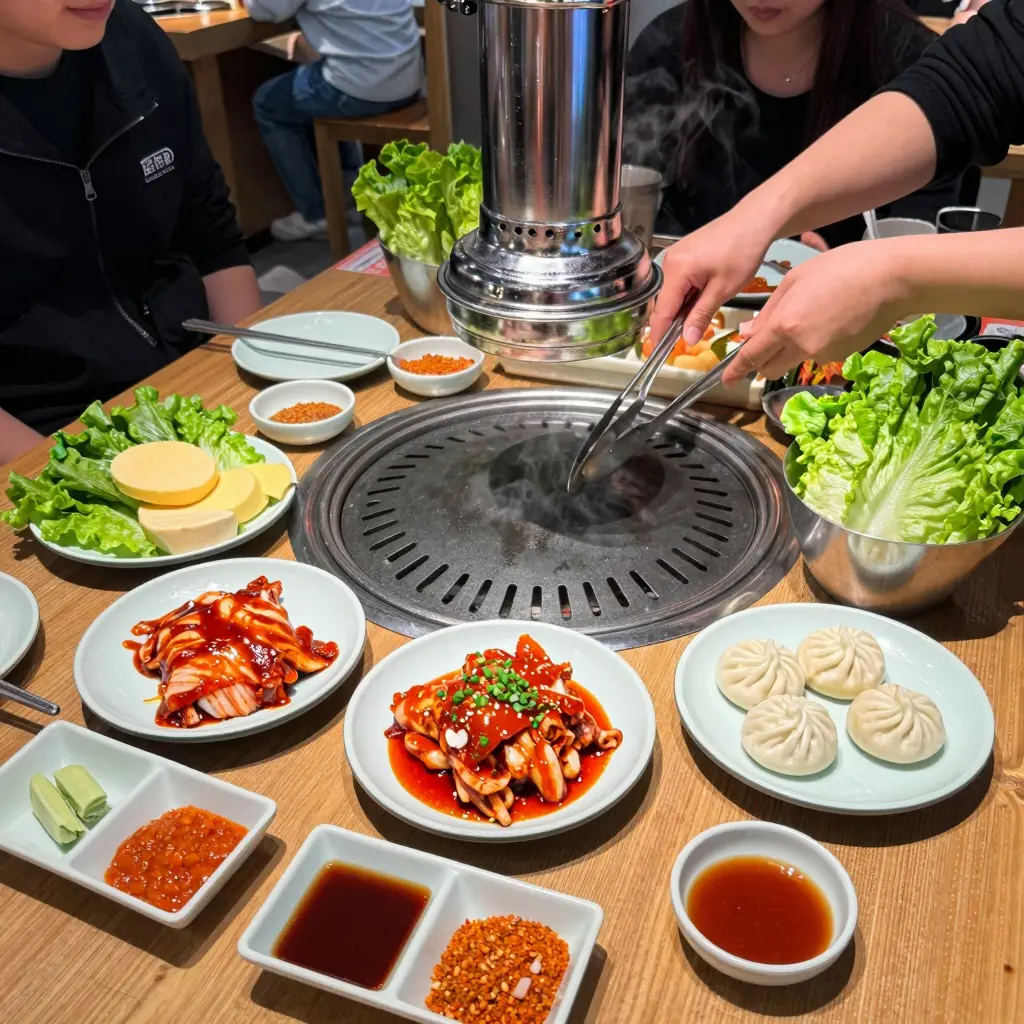
The Rising Popularity of Korean BBQ at Home
Korean BBQ has swiftly become a go-to dining experience for many, especially among business owners looking to impress clients or motivate their employees. This culinary trend merges delicious food with an interactive cooking method that not only tantalizes the taste buds but also fosters conversations and connections. As more people crave authentic experiences, the allure of grilling marinated meats and vegetables right at the table captivates those seeking a unique bonding opportunity in a professional setting. The rise of home cooking, fueled by an increase in cooking platforms and social media sharing, has made it easier than ever for businesses to bring the joy of Korean BBQ right into their homes or offices. By creating a vibrant dining atmosphere with flavorful dishes like bulgogi and galbi, business owners can elevate team morale while impressing clients with a memorable culinary outing. Whether it’s a casual get-together or an important business meeting, Korean BBQ brings an undeniable charm that leaves a lasting impression, making it a favored choice in today’s fast-paced business world.
Essential Ingredients for Cooking Korean BBQ at Home
Cooking Korean BBQ at home requires a variety of ingredients that contribute to the dish’s unique flavors and textures. Here’s a detailed list of essential ingredients:
1. Meats
- Galbi (Beef Short Ribs): Marinated in a sweet soy sauce mixture, galbi offers a rich flavor and tender texture, making it a favorite in Korean BBQ.
- Bulgogi (Marinated Beef): Typically made with thinly sliced beef marinated in soy sauce, sugar, sesame oil, garlic, and pepper, it’s flavorful and easily grilled.
- Samgyeopsal (Pork Belly): This unseasoned pork belly is grilled and often served with sesame oil for dipping, providing a deliciously smoky flavor.
2. Vegetables
- Sliced Garlic: Grilled alongside the meats to add an aromatic flavor.
- Onions: Caramelize beautifully on the grill, adding sweetness to the meal.
- Mushrooms: Various types like shiitake or enoki can be grilled to add texture and earthy flavor.
3. Side Dishes (Banchan)
- Kimchi: This fermented vegetable side dish is tangy and spicy, complementing the richness of the meats.
- Pickled Radish: Adds a refreshing crunch and balances the savory elements of the BBQ.
4. Dipping Sauces
- Ssamjang: A thick, spicy paste made from fermented soybean and chili paste, perfect for enhancing the grilled meats.
- Gochujang: A sweet and spicy chili paste that adds depth to the flavors of the BBQ.
These ingredients not only enhance the taste but also contribute to the overall experience of enjoying Korean BBQ at home. To learn more about Korean BBQ recipes and ingredients, check out this page on Kogi Korean BBQ.
How to Cook Korean BBQ at Home: Step-by-Step Instructions
Cooking Korean BBQ at home can be a fun and delicious experience. With the right preparation and techniques, even beginners can enjoy a flavorful meal that impresses family and friends. Here’s a step-by-step guide to help you master the art of Korean BBQ.
1. Gather Your Ingredients
Before you start cooking, make sure you have all your ingredients ready. Here’s what you’ll need:
- Meats: Thinly sliced beef (like bulgogi or brisket), pork belly, chicken, or tofu for a vegetarian option.
- Marinades: Common marinades include soy sauce, sugar, sesame oil, garlic, and pepper. Pre-marinate the meats for at least 30 minutes or longer for enhanced flavors.
- Vegetables: Mushrooms, bell peppers, zucchini, and onions work well on the grill.
- Dipping Sauces: Serve with sauces like ssamjang (a spicy sauce) or soy sauce with vinegar, and sesame seeds.
2. Setting Up the Grill
You have a few options for grilling: an electric grill, charcoal BBQ, or a stovetop grill pan. Follow these steps:
- Electric Grill: Plug it in and preheat according to the manufacturer’s instructions.
- Charcoal BBQ: Light charcoal and allow it to ash over before grilling. Make sure the grill is set to medium-high heat.
- Stovetop Grill Pan: Heat your grill pan on medium-high heat. Brush with a little oil to prevent sticking.
3. Grill the Meats and Vegetables
Now it’s time to start cooking!
- Meats: Lay the marinated meat slices flat on the grill. Cook for about 2-3 minutes on each side or until browned. If using thicker cuts, adjust the time accordingly.
- Vegetables: Grill vegetables such as mushrooms and zucchini for 2-3 minutes as well, until they are tender and slightly charred.
4. Serve and Enjoy
Place cooked meats and vegetables on a serving platter. Pair them with rice and your choice of kimchi. A recommended setup is to create wraps using lettuce leaves as a base. Add your grilled meat and vegetable, sprinkle with sesame seeds, a slice of garlic, and a dollop of ssamjang. Fold it up and enjoy!
Tips for a Successful BBQ:
- Cooking in Batches: Don’t overcrowd the grill. Cook in batches to ensure even cooking.
- Experiment with Flavors: Feel free to try different marinades and dipping sauces to customize your BBQ experience.
- Pair with Sides: Complement your meal with traditional Korean sides like kimchi or pickled radish.
By following these steps, you can create an authentic Korean BBQ experience in the comfort of your own home! For more information and menu ideas, check out our Korean BBQ and Sushi Menu.
Happy grilling!
Health Benefits of Key Ingredients in Korean BBQ
Korean BBQ is not just a culinary delight but also packs several health benefits from its key ingredients. Here’s a closer look at the health advantages of beef, vegetables, and marinades commonly found in this popular cuisine:
Beef
- High-Quality Protein: Beef is an excellent source of high-quality protein, which is essential for muscle growth and repair.
- Rich in Nutrients: It provides vital nutrients like iron, zinc, and B vitamins (especially B12), which are crucial for overall health, energy production, and immune function.
- Conjugated Linoleic Acid (CLA): Grass-fed beef contains CLA, a fatty acid linked to improved heart health and weight management.
Vegetables
Vegetables play a fundamental role in Korean BBQ, often served raw or lightly grilled.
- Leafy Greens: Lettuce and perilla leaves are commonly used to wrap meats, offering a low-calorie way to increase your intake of vitamins A, C, and K. They also aid digestion due to their fiber content.
- Mushrooms: Varieties like shiitake are rich in antioxidants, supporting heart health and boosting immunity.
- Zucchini and Eggplant: These vegetables are rich in dietary fiber, vitamins, and minerals, contributing to health benefits such as lower cholesterol levels.
- Onions and Garlic: Frequently used in marinades, these ingredients have anti-inflammatory properties and support the immune system.
Marinades
Marinades enhance the flavor of meats and have additional health benefits:
- Flavor Enhancers: Key ingredients like soy sauce, sesame oil, garlic, and ginger not only elevate the taste but also provide health benefits.
- Garlic: Known for its anti-inflammatory and antioxidant properties, garlic can contribute positively to heart health.
- Sesame Oil: Potentially supports heart health and may offer anti-inflammatory benefits.
- Digestive Aid: Marinades also help tenderize meats, making them easier on the digestive system.
By understanding the health benefits of these ingredients, business owners can appreciate their value in attracting health-conscious customers and promoting a balanced dining experience. For a deeper dive into Korean BBQ styles, check out our Korean BBQ and Sushi menu.
This selection not only enhances your menu but also emphasizes the wholesome nature of each dish, appealing to a broader audience looking for nutritious options.
Essential Marinating Ingredients for Korean BBQ
In Korean BBQ, marinating ingredients play a crucial role in enhancing the flavors of the meats. Here’s a comparison of popular marinating ingredients, their flavor profiles, and suitability for different meats:
| Ingredient | Flavor Profile | Suitable Meats |
|---|---|---|
| Soy Sauce | Salty, umami | Beef, Pork, Chicken |
| Sugar | Sweet | Pork, Chicken |
| Garlic | Pungent, aromatic | All meats |
| Ginger | Spicy, fragrant | Beef, Pork |
| Sesame Oil | Nutty, rich | Beef, Chicken |
| Rice Wine | Sweet, mild | Pork, Chicken |
| Black Pepper | Spicy, pungent | All meats |
| Green Onions | Fresh, sharp | Beef, Chicken |
Ingredients Breakdown
- Soy Sauce: This is a fundamental ingredient that adds a salty depth and a rich, dark color to the meat. It’s incredibly versatile and commonly used for beef, pork, and chicken marinades.
- Sugar: Usually in the form of granulated sugar or honey, it adds sweetness and helps with caramelization during grilling, making it perfect for pork and chicken.
- Garlic and Ginger: These aromatics provide a fragrant base flavor and are used in various marinades to enhance the overall taste.
- Sesame Oil: Adds a rich, nutty flavor that complements beef and chicken well, giving them an extra depth.
- Rice Wine: Often used for marinating pork and chicken, it adds a touch of sweetness and helps tenderize the meat.
- Black Pepper: Offers a mild spice that can elevate all types of meat, providing aromatic hints.
- Green Onions: Used both in marinades and as a garnish, they add freshness and a sharp bite, especially appealing with beef and chicken.
For more insights on types of meat to use in your Korean BBQ, explore the various cuts suitable for grilling here.
Creating an authentic Korean BBQ experience at home involves more than just cooking meat; it’s about setting the right atmosphere that encourages communal dining and enjoyment. Here are some practical tips to help you transform your dining area into a cozy Korean BBQ haven.
1. Table Settings
- Grill Placement: Utilize a tabletop grill. This can be either gas, electric, or charcoal, which allows guests to cook their food right at the table. A portable model works best for a genuine experience.
- Dishes and Utensils: Provide small plates for individual portions and use metal or wooden chopsticks. Tongs are also essential for handling grilling meats safely.
- Condiments and Sauces: Set up a dedicated area for dipping sauces such as Gochujang (Korean chili paste), sesame oil, and soy sauce. Don’t forget side dishes called banchan, which typically include kimchi and pickled vegetables.
2. Equipment Essentials
- Invest in a grill pan if you don’t have a tabletop grill; a grill pan with raised ridges can replicate the grilling effect on a stovetop.
- Have a rice cooker handy to prepare fluffy rice, which is a staple side for Korean BBQ.
- Ensure you have adequate lighting-soft light creates a comfortable atmosphere conducive to dining.
3. Decor and Ambiance
- Incorporate traditional Korean elements such as pottery or Korean art to give an authentic feel.
- Add K-pop music or traditional Korean tunes to enhance the dining experience.
- Use natural materials like wood and stone in your table setting to reflect the earthy aesthetic common in Korean culture.
4. Seating Arrangement
- Arrange seating in a way that promotes sharing and interaction. A round table can foster conversation among guests.
- Provide comfortable seating with cushions or low benches to enhance the informal feel typical of Korean dining.
By following these tips, you’ll set up a delightful and immersive Korean BBQ experience at home. For more ideas on Korean BBQ menus you can try, check out our full menu options here.
Conclusion
An authentic Korean BBQ at home is all about good food, great company, and a cozy atmosphere. With these practical setup tips, you can create a memorable dining experience for your guests. Enjoy the flavors and the fun of cooking together!
Drink Pairings for Korean BBQ
Pairing the right drinks with Korean BBQ can elevate your dining experience, enhancing the flavors of both the food and beverages. Here are some ideal drink options to complement your Korean BBQ feast:
Traditional Korean Beverages
-
Soju (소주): This clear distilled liquor is one of the most popular choices for pairing with Korean BBQ. With a mild flavor and alcohol content ranging from 16-25%, soju enhances the savory meats without overpowering them. Enjoy it straight or in cocktails for a refreshing twist.
-
Makgeolli (막걸리): A traditional Korean rice wine, makgeolli features a slightly sweet taste and a creamy texture, making it a wonderful accompaniment to grilled meats. Its effervescent quality helps cleanse the palate between bites.
-
Sikhye (식혜): This sweet rice drink is often served as a refreshing dessert after a BBQ meal. Made from fermented rice and barley, it balances the savory and spicy flavors often found in Korean cuisine.
Non-Alcoholic Options
For those who prefer non-alcoholic beverages, several refreshing options are available:
-
Barley Tea (보리차): A caffeine-free drink, barley tea is nutty and refreshing, perfect for quenching thirst during a hearty meal. It pairs well with the smoky flavors of grilled meats.
-
Corn Tea (옥수수차): Made from roasted corn kernels, this light and sweet drink delivers a comforting flavor that complements the bold tastes of Korean BBQ.
-
Mugwort Tea (쑥차): This herbal tea has an earthy flavor and is known for its health benefits. It’s a soothing choice to accompany your meal, offering a unique taste profile.
-
Omija-cha (오미자차): A five-flavor tea made from schisandra berries, omija-cha is sweet, sour, salty, bitter, and pungent. This complexity makes it an exciting drink to enhance the flavors of your BBQ spread.
Conclusion
With a variety of drinks to choose from, you can create a well-rounded dining experience that pairs perfectly with Korean BBQ. Whether you opt for the traditional flavors of soju and makgeolli or the refreshing qualities of teas like barley or corn, each beverage will enhance your culinary adventure. To explore our extensive Korean BBQ menu, including our offerings alongside beverage suggestions, visit our site for more insights!
Korean BBQ is not just about the food; it’s a way of connecting people, a medium for cultural expression and modernization of traditional dishes. This quote beautifully illustrates how Korean BBQ serves as both a culinary art and a social experience, celebrating community and connection.
Korean BBQ is more than just a meal; it’s an experience filled with flavor, fun, and the joy of bringing friends and family together. Cooking Korean BBQ at home allows you to personalize every aspect-from the choice of meats to the selection of marinades and sides. Not only will you have the chance to explore authentic flavors, but you’ll also have control over the ingredients, enabling you to create healthier dishes that suit your lifestyle.
Imagine gathering your team for a delightful cooking session, grilling marinated bulgogi or pork belly right at the table. The sizzling sounds, tantalizing aromas, and the interactive nature of this dining style foster camaraderie and enhance your mealtime experience. Plus, with guides available online, such as Your Ultimate Guide to Authentic Korean BBQ at Home, you’ll be equipped with everything you need to recreate a fantastic BBQ feast.
Additionally, if you’re looking for an effortless way to enjoy Korean BBQ without the hassle, consider our catering services. We can help bring the vibrant culture and flavors of Korean BBQ directly to your event. With a variety of options that are sure to please everyone, all you have to do is relax and enjoy the company of your guests. For more information about our delicious catering offerings, feel free to contact us here. Embrace the joy of Korean BBQ at home or let us cater your next gathering for a memorable culinary experience!
Why wait? Start your Korean BBQ journey today!