
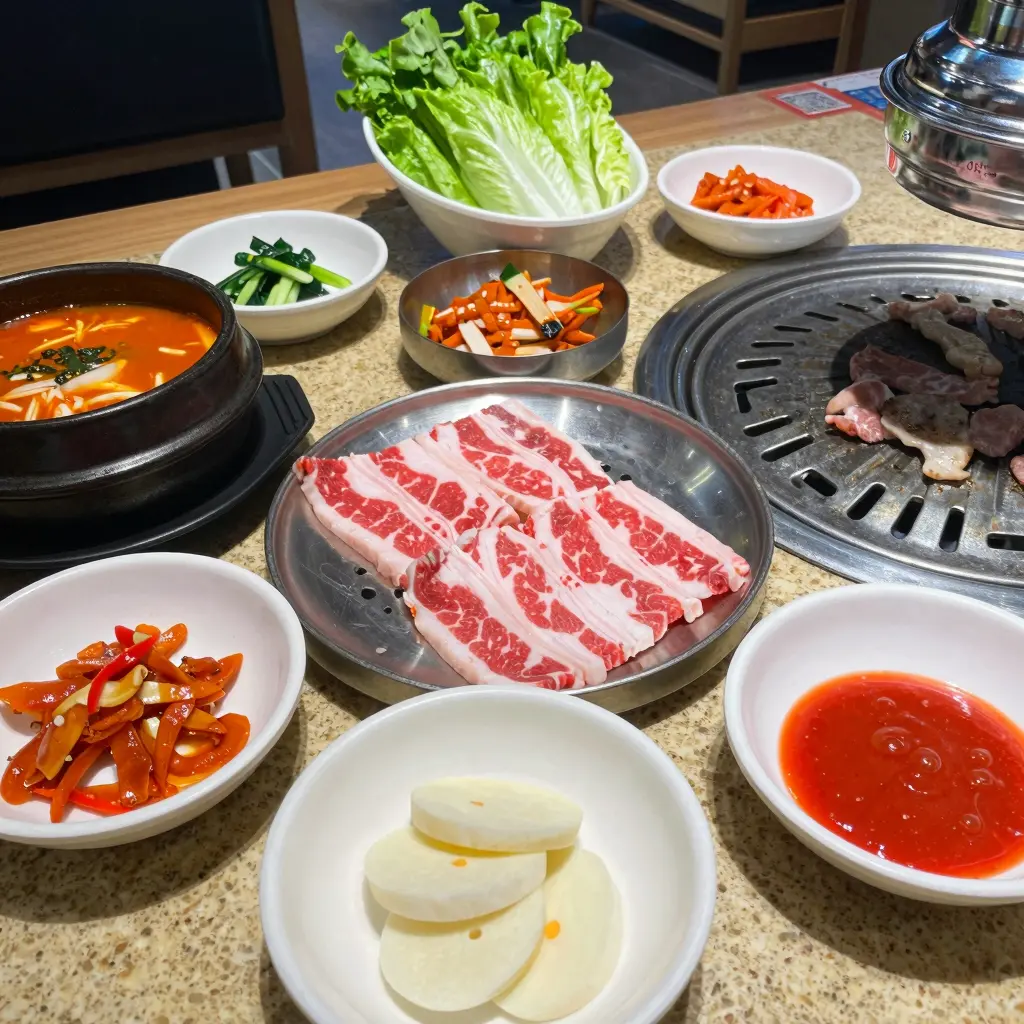
In the vibrant world of Korean cuisine, Korean BBQ stands out as a delectable dining experience, drawing people together for lively gatherings. However, the thought of enjoying this culinary delight without a traditional grill might seem daunting, especially for those who want to replicate the authentic atmosphere at home or in a business setting. As interest in Korean BBQ surges among restaurateurs and food enthusiasts alike, understanding how to prepare this cherished dish without a grill is essential. In this article, we’ll explore innovative techniques for cooking Korean BBQ that will not only maintain the rich flavors and tantalizing aromas but also accommodate modern cooking environments. Join us as we unveil practical solutions to elevate your gatherings and delight your guests with the irresistible taste of Korean BBQ, no grill required! To get started, check out our Korean BBQ and Sushi Menu for more inspiration!
Furthermore, if you’re looking to indulge in an all-you-can-eat experience, discover our All You Can Eat Korean BBQ options that provide a perfect opportunity to enjoy diverse flavors without the hassle of grilling.
Cooking Korean BBQ Without a Grill
Korean BBQ is renowned for its rich flavors and communal dining experience. However, not every restaurant can afford the space or equipment for outdoor grilling. Fortunately, there are several effective cooking methods that allow business owners to serve authentic Korean BBQ without traditional grills. Here’s an overview of some popular alternatives using stovetops, ovens, and electric skillets, their advantages, and how they can be adapted to suit a business setting.
Stovetop Cooking
Stovetop cooking is a flexible method that many restaurants opt for due to its efficiency and ease of use. Here are some advantages:
- Quick and Efficient: Stovetop methods allow for rapid cooking of meats, ensuring quick turnover times during busy hours.
- Controlled Temperature: Stovetops provide precise heat control, allowing chefs to adjust cooking temperatures for different cuts of meat and cooking preferences.
- Versatility: You can use various cookware, such as woks or grilling pans, to accommodate different types of dishes besides BBQ, saving on kitchen equipment costs.
Adaptation for Business: Install multiple burners or induction cooktops to facilitate simultaneous cooking, catering to high demand during peak dining hours. You might also consider using traditional stone pots or skillets to enhance the presentation and dining experience.
Oven Cooking
Using an oven to prepare Korean BBQ can significantly enhance the flavors and texture of marinated meats. Here’s why this method can be advantageous:
- Flavor Development: Cooking at a consistent temperature allows flavors to develop deeply, especially for marinated meats like bulgogi or galbi.
- Batch Cooking: Ovens can handle larger portions, making this method suitable for restaurant settings where meal prep involves many servings.
- Consistent Results: Baking provides reliable results with even cooking and browning.
Adaptation for Business: Use convection ovens capable of high heat settings, which mimic grilling effects. Adopt sheet trays or baking pans with wire racks to allow for fat drainage, enhancing taste and texture.
Electric Skillets
Electric skillets have gained popularity due to their practicality and safety in a commercial kitchen. Their benefits include:
- Ease of Use: Electric skillets are user-friendly, requiring minimal training for kitchen staff, which streamlines operations.
- Mobility: Being portable, electric skillets can be used at various kitchen spots, making it easier to manage cooking space effectively.
- Lower Safety Risks: With no open flames, electric skillets reduce fire hazards, making them safer to use in crowded restaurant environments.
Adaptation for Business: Set up electric skillets at tables for a unique dining experience, allowing customers to cook their own meat. This approach fosters interaction and can enhance customer satisfaction while providing a display of the cooking process.
Conclusion
Utilizing these cooking methods-stovetops, ovens, and electric skillets-can help Korean BBQ restaurants thrive even without traditional grills. Each method comes with distinct advantages that not only enhance the cooking process but also adapt to the dynamic requirements of a business setting. For more insights on operational aspects of Korean BBQ, explore our Korean BBQ menu. By leveraging these alternatives, restaurant owners can offer delightful Korean BBQ experiences that cater to a wide range of customer preferences and dining styles.
Overview of Cooking Methods for Korean BBQ
Here’s a quick reference table comparing different cooking methods for Korean BBQ, highlighting time, equipment needed, and taste profiles:
| Cooking Method | Time | Equipment Needed | Taste Profile |
|---|---|---|---|
| Grilling (Gogigui) | 15-30 mins | Grill (charcoal or gas) | Smoky flavor with charred edges; ideal for marinated meats. |
| Stir-Frying | 10-15 mins | Skillet or wok | Quick, flavorful, maintaining moisture and enhancements from marinades. |
| Stewing | 30 mins – 2 hrs | Pot or slow cooker | Deep flavors; ingredients meld with spices and sauces for richness. |
| Boiling (Hot Pot) | 10-20 mins | Hot pot set or large pot | Light and fresh; focuses on natural taste, with broths flavored by spices or sauces. |
These cooking methods provide various dining experiences, ranging from interactive grilling to flavorful stews, making Korean BBQ a versatile culinary choice. If you’re interested in more about ingredients or dishes, you can learn more about Korean BBQ.
Preparing the Ingredients
Korean BBQ is a culinary experience that revolves around high-quality ingredients and bold flavors. When preparing for a delicious Korean BBQ without a grill, having the right ingredients is essential. Here’s how to select the best quality meats, fresh vegetables, and dipping sauces to elevate your BBQ experience.
Essential Ingredients
1. Marinated Meats
Marinated meats are a hallmark of Korean BBQ, offering deep flavor and tender texture. The most common meats include:
- Beef Short Ribs (갈비): Often marinated in a sweet and savory mixture, it’s crucial to choose well-marbled cuts that will melt in your mouth.
- Brisket (차돌박이): Preferred for its tenderness, look for cuts with a good amount of fat for flavor.
- Pork Belly (삼겹살): A favorite for many, this cut is known for its rich, juicy texture. Select fresh meat with a bright color and firm texture.
2. Fresh Vegetables
Fresh vegetables enhance the BBQ experience and bring balance to the rich flavors of the marinated meats. Here’s how to select them:
- Seasonal Variety: Bell peppers, zucchini, mushrooms, and onions are all excellent choices. Opt for vibrant colors, which indicate freshness and flavor.
- Local Sources: Whenever possible, buy from local farmers or markets. Fresh produce picked at peak ripeness tends to be tastier and more nutritious.
- Preparation: Cut vegetables into bite-sized pieces, ensuring they’re suitable for grilling or steaming alongside your meats.
3. Dipping Sauces
Dipping sauces play a significant role in enhancing the flavors of the grilled meats and vegetables:
- Bulgogi Marinade: A traditional blend of soy sauce, sesame oil, garlic, and sugar pairs perfectly with beef, giving it a sweet and savory taste.
- Ssamjang: A savory dipping sauce made from fermented soybean paste and chili paste adds a spicy kick to grilled dishes.
Conclusion
Selecting high-quality ingredients is key to delivering a satisfying Korean BBQ experience. Focus on marinated meats that are tender and flavorful, fresh vegetables that complement your dishes, and dipping sauces that bring everything together. By choosing carefully, you’ll set the stage for unforgettable Korean BBQ that can be enjoyed right at home, even without a grill.
For more insights on Korean BBQ menus and recipes, don’t forget to check out our Sushi and Korean BBQ menu for inspiration!
User Testimonials
“After transitioning to a Korean BBQ concept without traditional grills, we noticed a remarkable increase in customer satisfaction. The unique dining experience we offer allows guests to enjoy authentic Korean flavors without the hassle of smoke and heat in the restaurant. Our customers love the convenience of cooking at their table with our easy-to-use electric cooking pots. It’s been a game-changer for our business!”
- Jamie Lee, Owner of Kogi Korean BBQ, learn more about our menu.
This testimonial adds credibility and inspires confidence in potential business owners looking to innovate their dining options with Korean BBQ methodologies.
Cooking Korean BBQ Without a Grill: Recipes for All
Korean BBQ is renowned for its succulent flavors and enticing presentation. However, many may find themselves without a grill at home or in their business settings. Luckily, you can recreate the Korean BBQ experience in alternative ways, perfect for restaurants and catering services. Here are recipes for both meat lovers and vegetarians that ensure no one gets left out.
Meaty Delights: Korean BBQ Recipes for Meat Lovers
1. Bulgogi (Marinated Beef)
Ingredients:
- 1 lb thinly sliced beef (ribeye or sirloin)
- 1/4 cup soy sauce
- 2 tbsp sugar
- 2 tbsp sesame oil
- 1 tbsp minced garlic
- 1 tbsp grated ginger
- 1/4 cup green onions, chopped
- Pepper to taste
Instructions:
- In a bowl, mix soy sauce, sugar, sesame oil, garlic, ginger, and green onions.
- Add the sliced beef and let it marinate for at least 30 minutes (or up to overnight in the refrigerator).
- Heat a stove-top skillet or frying pan over medium-high heat.
- Cook the beef for about 2-3 minutes until it’s fully cooked, stirring occasionally.
- Serve hot with rice and side dishes like kimchi. Check out more about making Bulgogi for tips and serving ideas!
2. Dak Galbi (Spicy Stir-fried Chicken)
Ingredients:
- 1 lb chicken thighs, chopped
- 3 tbsp gochujang (Korean chili paste)
- 2 tbsp soy sauce
- 1 tbsp sugar
- 1 tbsp sesame oil
- 1 cup vegetables (like cabbage, sweet potatoes, or zucchini)
Instructions:
- In a mixing bowl, combine gochujang, soy sauce, sugar, and sesame oil. Add the chopped chicken and marinate for 20 minutes.
- Heat a large frying pan and add the marinated chicken along with the vegetables.
- Stir-fry until the chicken is well-cooked, about 10-15 minutes.
- Serve with lettuce leaves for wraps and various dipping sauces.
Veggie Options: Korean BBQ Recipes for Vegetarians
3. Grilled Zucchini and Mushrooms
Ingredients:
- 1 zucchini, sliced
- 1 cup mushrooms, sliced
- 2 tbsp soy sauce
- 1 tbsp sesame oil
- 1 tsp garlic, minced
Instructions:
- Mix the soy sauce, sesame oil, and minced garlic in a bowl.
- Toss the zucchini and mushrooms in the marinade and let sit for 15 minutes.
- Heat a skillet over medium heat and add the vegetables.
- Cook for about 5-7 minutes until tender and slightly charred.
- Serve as a side dish or add to a rice bowl with sesame seeds sprinkled on top.
4. Korean-style Kimchi Fried Rice
Ingredients:
- 2 cups cooked rice
- 1 cup kimchi, chopped
- 1/2 cup vegetables (peas, corn, carrots)
- 2 tbsp soy sauce
- 1 tbsp sesame oil
- 1 egg (optional)
Instructions:
- Heat a skillet and add sesame oil.
- Add the chopped kimchi and fry for 2-3 minutes.
- Stir in the vegetables and cook for another 3 minutes.
- Add in the cooked rice and soy sauce, mixing everything well.
- Push to one side of the pan, crack the egg, and fry it until your desired doneness. Combine and serve hot.
Tips for Cooking Korean BBQ Without a Grill
- Marination: Always let your proteins marinate for at least 30 minutes to maximize flavor.
- Use a Hot Skillet: A high heat will help replicate the grilled taste and texture.
- Serve with Sides: Complement your BBQ dishes with traditional Korean sides like kimchi, pickled radishes, and assorted vegetable banchan.
Conclusion
Cooking Korean BBQ without a grill is entirely achievable with these methods and recipes. By utilizing a stovetop or oven, you can create flavorful meals that satisfy both meat eaters and vegetarians alike. For more ideas, check the Kogi Korean BBQ menu for inspiration!
Feel free to explore each recipe and tweak them to your taste or dietary preferences. Happy cooking!
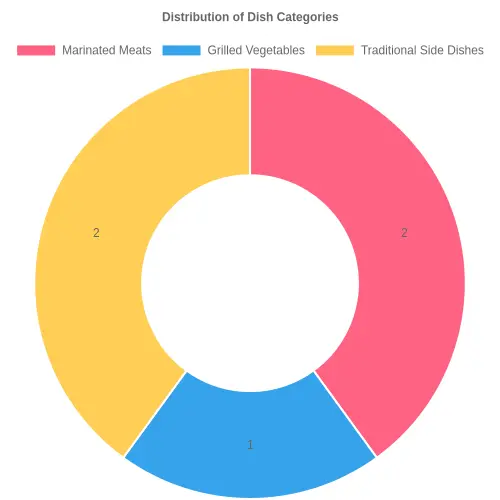
This image showcases a variety of perfectly cooked Korean BBQ dishes, including marinated meats like bulgogi and galbi, grilled vegetables, and traditional side dishes such as kimchi and pickled radishes. These vibrant and delicious dishes illustrate the appealing presentation of Korean BBQ cuisine.
Hosting a BBQ is a fantastic way for business owners to foster community, engage clients, and celebrate achievements. However, when you don’t have access to a grill, it can feel challenging to keep the BBQ spirit alive. Here are some creative strategies to ensure your BBQ event is a success, focusing on ambiance, layout, timing, and preparation.
Plan the Ambiance
Creating the right atmosphere can make a significant difference in your BBQ event’s success.
- Lighting: Use string lights or lanterns to create a warm, inviting environment. It can help set the mood, especially for evening gatherings.
- Seating Arrangements: Arrange tables and chairs in a way that encourages conversation. Consider using communal seating to create a more intimate and friendly environment. Outdoor picnic tables are also a great choice, as they embody the BBQ feel.
Layout and Flow
A well-planned layout ensures guests can move about comfortably, encouraging interaction:
- Food Stations: Set up multiple food stations or buffet setups that allow guests to serve themselves. This can include hot items like roasted vegetables, baked BBQ chicken, and sides like potato salad and coleslaw.
- Beverage Bar: Offer a beverage station with a selection of refreshing drinks. Consider using coolers or dispensers for beverages to keep everything organized and easily accessible.
- Activity Zones: If space allows, create areas for different activities (like games or photo booths) that can keep your guests entertained throughout the event.
Timing is Key
Scheduling your event appropriately can help maximize participation and enjoyment:
- Choose Wisely: Aim for late afternoon to evening. This is when the weather is typically pleasant, making outdoor dining enjoyable.
- Duration: Keep the event long enough for people to mingle but not too long that it becomes tiresome. Aim for a window of 3-4 hours for the BBQ experience.
Preparation in Advance
Preparation is essential to reduce stress on the day of the event:
- Cook in Advance: Utilize your oven to prepare various BBQ favorites. Meats can be marinated and baked, while veggies or sides can be prepped a day earlier. Consider using slow cookers to transform tender meat into BBQ delights that mimic traditional grill flavor.
- Charcoal Alternatives: Use smoked spices or marinades that offer a BBQ flavor profile, allowing the food to echo traditional BBQ without needing a grill.
- Plan Your Menu: Focus on easy-to-eat finger foods or skewers easily cooked in an oven. Kebabs can be placed on skewers and baked until they reach a slight char, embodying the BBQ essence.
By incorporating these tips, business owners can host a BBQ event that rivals traditional gatherings even without a grill. The key is creative menu planning, a relaxing ambiance, and ensuring a smooth flow of activities. For those interested in expanding their Korean BBQ experiences, check out our Korean BBQ and Sushi menu for ideas that can enhance the event.
Conclusion
A successful BBQ event is more about the atmosphere and the experience rather than solely focusing on grilling. With proper planning and creativity, even without a grill, you can create a memorable gathering that your guests will appreciate and enjoy. Whether you are celebrating a milestone, launching a product, or simply bringing the community together, these tips will ensure your BBQ event is a hit!
Flavor Profiles of Different Marinades in Korean BBQ
When preparing Korean BBQ without a grill, understanding the flavor profiles of various marinades and how cooking methods affect them can be crucial for business owners looking to provide an authentic dining experience.
Marinade Types and Flavor Profiles
Here’s a concise overview of common marinade types and their associated flavor attributes:
| Marinade Type | Key Flavor Notes | Cooking Method Effects |
|---|---|---|
| Vinegar-Based | Tangy, Sour | Tenderizes meat, enhances brightness in flavor. |
| Oil-Based | Rich, Smooth | Helps retain moisture, enhancing juiciness. |
| Fruit-Based | Sweet, Fruity | Caramelizes during cooking, adds depth to flavors. |
| Soy Sauce | Salty, Umami | Enhances savory notes, pairs well with grilling. |
Cooking Methods
Each cooking method brings out different characteristics in marinades:
- Grilling: High heat caramelizes sugars, adding a charred flavor.
- Smoking: Infuses a deep smoky essence that complements sweet marinades.
- Roasting or Baking: Longer cooking times allow flavors to deeply penetrate the meat, enhancing overall taste.
Chart of Flavor Profiles
Here is a visual representation of how these marinades influence flavor through different cooking methods:

This chart illustrates the interaction between different marinade types and cooking methods, showcasing their flavor profiles.
Understanding these principles can greatly enhance the quality and acceptability of menu items offered at Kogi Korean BBQ venues.
Conclusion
In conclusion, cooking Korean BBQ without a grill offers a unique and practical approach for business owners looking to host memorable events. This method not only eliminates the safety hazards associated with open flames but also reduces the operational costs tied to purchasing and maintaining traditional grilling equipment. By opting for electric griddles or stovetop methods, business owners can enjoy a versatile and flexible setup, making it possible to serve delicious Korean BBQ in various locations. Furthermore, this approach can help businesses become more environmentally friendly by minimizing smoke and pollution.
As we have discussed, alternative cooking methods not only provide safety and cost benefits but also allow businesses to be creative with their event planning. Whether it’s a corporate gathering, a food festival, or a special occasion, your culinary offerings can truly shine without the need for a grill.
If you’re a business owner ready to explore these exciting possibilities, contact us today for tailored solutions that meet your needs. Let us help you host unforgettable events with authentic and delicious Korean BBQ that everyone will love, all without the hassle of a grill! Don’t wait-reach out now to elevate your culinary experience and make your next event a sizzling success!