
Introduction
In the vibrant tapestry of Korean culture, the art of Korean BBQ holds a unique place, resonating deeply with tradition and community. Among the various offerings, Korean BBQ pork stands out, capturing the hearts and appetites of food lovers across the globe. Its savory marinated flavors, accompanied by a sizzling grill experience, make it a favorite at family gatherings and social events. For business owners looking to diversify their menus, incorporating Korean BBQ pork can offer numerous benefits, both in attracting new customers and in enhancing the dining experience.
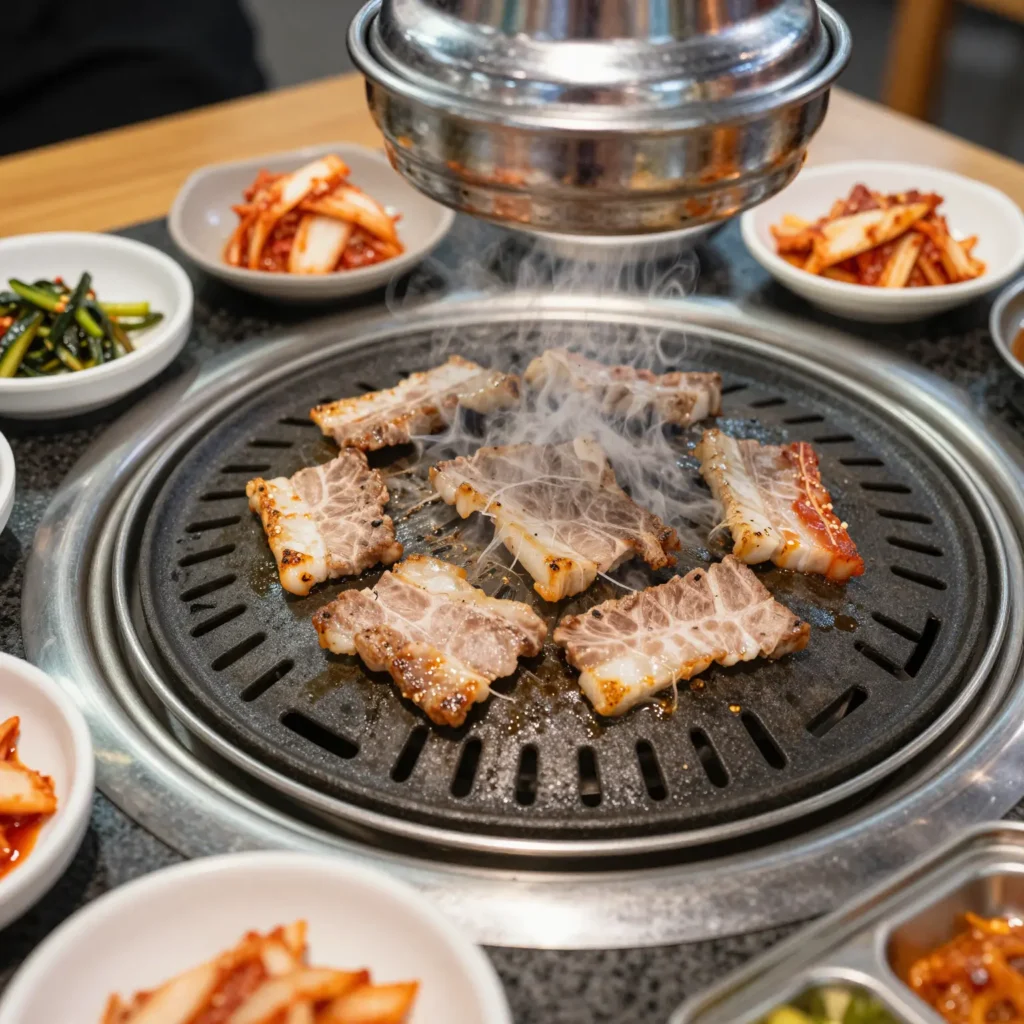
As the culinary landscape evolves, diners are increasingly seeking authentic and immersive food experiences. This trend presents a golden opportunity for restaurants to not just serve food, but to provide a platform for culinary engagement. Korean BBQ pork, with its interactive grilling style, allows diners to participate actively in their meal preparation, fostering a communal atmosphere that encourages sharing and enjoyment. Imagine guests huddled around a grill, flipping marinated slices of pork, surrounded by vibrant side dishes such as kimchi and pickled vegetables. This gastronomic adventure can easily elevate any restaurant’s profile, making it a go-to destination for gatherings and celebrations.
Moreover, the appeal of Korean BBQ extends beyond mere taste; it represents a fusion of flavors and techniques that can inspire creativity in menu design. By offering Korean BBQ alongside other popular cuisines, business owners can create unique dishes that cater to diverse palates while maintaining authentic tastes. With this introduction to Korean BBQ pork, we will explore practical cooking methods, essential ingredients, and tips to successfully integrate this beloved dish into your menu, ensuring that your establishment stands out in today’s competitive market.
Essential Ingredients for Korean BBQ Pork
Preparing Korean BBQ pork requires both quality cuts of pork and delicious marinades to enhance the flavors. Here’s a list of essential ingredients to get started:
- Cuts of Pork
- Samgyeopsal (Pork Belly): The most popular choice for Korean BBQ. Thick slices are grilled and enjoyed with various dips and sides.
- Moksal (Pork Neck): Known for its tenderness and excellent flavor, it’s often considered another BBQ favorite.
- Dwaeji Galbi (Pork Ribs): These marinated ribs are grilled and impart a smoky flavor that enhances the overall BBQ experience.
- Chamchigui (Pork Shoulder): Thinly sliced, this cut is marinated before grilling, providing a rich and savory taste.
- Marinades
- Soy Sauce: A fundamental ingredient that adds umami flavor.
- Sugar: Balances the saltiness of soy sauce and caramelizes beautifully on the grill.
- Sesame Oil: Adds a nutty aroma and flavor to the marinade.
- Garlic: Freshly chopped or minced for a robust flavor.
- Ginger: Adds a spicy warmth and aroma.
- Fruit Purees (e.g., Pear or Apple): Sometimes included for natural sweetness and to tenderize the meat.
Selecting the right cuts and harnessing these marinades can significantly enhance the quality of your Korean BBQ. For a more detailed exploration on how these ingredients can be combined, you can check out this guide.
Conclusion
With these essential ingredients, you’re well on your way to creating a delectable Korean BBQ pork experience that will impress any guest. Enjoy grilling!
How to Cook Korean BBQ Pork: A Comprehensive Guide
Korean BBQ pork, known for its savory and slightly sweet flavor, is a favorite among meat lovers. Whether you’re a business owner in the food industry or just a culinary enthusiast looking to impress your guests, mastering the art of cooking Korean BBQ pork is essential. This guide will provide you a step-by-step approach, including marination, cooking methods, time considerations, and tips for perfect results.
Ingredients for Marination
To achieve the authentic flavor in your Korean BBQ pork, proper marination is crucial. Here’s a simple and effective marinade that you can prepare:
- 1/4 cup soy sauce
- 2 tablespoons brown sugar
- 2 teaspoons sesame oil
- 2 cloves garlic, minced
- 1 tablespoon ginger, minced
- 1 tablespoon rice vinegar
- 1 teaspoon black pepper
- 2 green onions, chopped
- 1 tablespoon gochugaru (Korean red pepper flakes) (optional, for spice)
Step 1: Marinating the Pork
- Combine Ingredients: In a bowl, mix all the marinade ingredients until well combined.
- Prepare the Pork: You can choose cuts such as pork belly or shoulder which are ideal for BBQ. Cut them into thin slices (about 1/4 inch thick) for more uniform cooking.
- Marinate: Place the pork in a resealable plastic bag or a shallow dish, and pour the marinade over the pork. Ensure that it’s evenly coated. Seal the bag or cover the dish and refrigerate for at least 30 minutes, ideally 4 hours or even overnight for maximum flavor. Doing so infuses the meat with the marinade, making it succulent and delicious.
Step 2: Cooking Methods for Perfect BBQ Pork
Once your pork has been marinated, it’s time to cook it. Here are the most popular cooking methods used in Korean BBQ:
- Grilling:
- This is the most traditional method. Use a grill or a tabletop Korean BBQ grill.
- Preheat the grill; ensure the heat is high enough to create a nice sear.
- Grill the marinated pork for about 2-3 minutes on each side for thin slices, or 4-5 minutes for thicker cuts like tenderloin. Aim for a nice char without overcooking.
- Stir-frying:
- If you don’t have outdoor grilling options, stir-frying in a pan or wok is an excellent alternative.
- Heat some oil in the pan and add your marinated pork. Cook until nicely browned, stirring occasionally.
- Broiling:
- Position the pork on a broiling pan and broil in the oven on high, turning occasionally until the meat is cooked through and slightly charred.
- Smoking:
- For those who enjoy the deep flavor of smoke, you can smoke the marinated pork using a smoker. This method takes longer but gives an exceptionally rich flavor.
Cooking Times Explained
Proper cooking times are crucial for achieving perfectly cooked pork:
- Thin slices (like pork belly): 2-3 minutes on each side until the surface is crispy.
- Thicker cuts (like pork loin): 4-5 minutes per side, checking that the internal temperature reaches 70°C (160°F).
Tips for Perfect Korean BBQ Pork
- Don’t Overcrowd: Whether grilling or frying, avoid overcrowding the pan or grill. This ensures even cooking and better charring.
- Let it Rest: After cooking, let the pork rest for a few minutes before slicing. This will help retain moisture.
- Serve with Sides: Traditionally, Korean BBQ is served with fresh vegetables (like lettuce for wrapping), rice, and various dipping sauces. Experiment with flavors by also adding pickled vegetables.
- Experiment with Marinades: Don’t hesitate to adjust the marinade to suit your taste-consider adding fruits like pear or apple for a sweeter flavor.
Conclusion
Korean BBQ pork is an engaging and rewarding dish to prepare and serves as a wonderful centerpiece for gatherings. By following this guide, not only will you ensure amazing flavor and texture, but you’ll also impress your patrons or guests with authentic Korean cuisine. For more Korean BBQ tips, you might want to check out our menu offerings, and don’t hesitate to visit local Korean BBQ spots to see variations in practice! Good luck and happy cooking!
Korean BBQ restaurants are renowned for their rich flavors, vibrant atmosphere, and the unique experience they offer diners. Among the various options available, pork dishes, particularly Samgyeopsal (grilled pork belly), and Daeji Galbi (marinated pork ribs), consistently top customer favorites. Here’s a look at popular feedback and preferences that can guide business owners in enhancing their offerings.
Popular Pork Dishes
-
Samgyeopsal: This dish consists of thick slices of pork belly that are grilled at the table. It often comes accompanied by a variety of condiments and sides (known as banchan). Diners appreciate the interactive grilling experience and the ability to customize their meals with fresh vegetables and sauces, such as ssamjang (a thick, spicy paste). Many reviews highlight the quality of the meat and the rich, smoky flavor achieved through grilling.
-
Daeji Galbi: Another fan-favorite, these marinated pork ribs are celebrated for their unique blend of sweet and savory flavors. Users often mention the tenderness of the meat and the amount of marination as key factors that elevate the dish.
Customer Experiences and Feedback
-
Quality of Meat: A significant aspect of customer feedback revolves around the quality of meat used in these dishes. Diners prefer restaurants that source fresh, high-quality pork, as it significantly affects both flavor and cooking results.
-
Grilling Experience: The tabletop grilling method is a major draw for many patrons. Customers appreciate when the restaurant provides helpful grilling tips or when waitstaff is available to assist with the cooking, thereby enhancing the overall dining experience.
-
Variety and Customization: Versatility is another element that customers favor. Diners enjoy being able to create their own wraps with different sauces and greens alongside their grilled pork. Offering a diverse menu that allows for personalization can lead to high customer satisfaction.
Recommendations for Restaurant Owners
To capitalize on the popularity of pork dishes in Korean BBQ:
-
Focus on Quality: Source high-quality pork and consider offering various cuts to attract diverse clientele. Emphasize freshness in marketing and customer interactions.
-
Enhance the Experience: Create a lively atmosphere with options for interactive grilling. Consider offering demonstrations or tips on how to best grill the pork for optimal flavor.
-
Customize Offerings: Provide an array of dipping sauces and sides that customers can mix and match. This can enhance the dining experience and cater to a wider audience.
By understanding and implementing strategies based on user feedback, restaurant owners can better cater to their customers’ preferences, especially regarding Korean BBQ pork dishes. For more insights on different menu options, check out Kogi Korean BBQ menu and Korean BBQ and Sushi menu.
Comparison of Korean BBQ Pork Marinade Recipes
When it comes to Korean BBQ, the marinade can make all the difference. Here’s a comparison of some popular Korean BBQ pork marinade recipes, detailing their ingredients, preparation time, and flavor profiles.
| Marinade Recipe | Ingredients | Preparation Time | Flavor Profile |
|---|---|---|---|
| Grilled Korean BBQ Marinated Pork Belly | Soy sauce, garlic, sesame oil, sugar, scallions, gochujang | 180 minutes | Rich umami, sweet-savory |
| Korean BBQ at Home | Soy sauce, sesame oil, garlic, gochujang, sugar | 30 minutes | Sweet, spicy, and savory with umami depth |
| Korean Belly Pork | Soy sauce, sesame oil, chili, ginger | 120 minutes | Umami-rich, nutty, spicy |
| Korean BBQ Marinade for Pork | Miso paste, sake, apple juice, ginger | 60 minutes | Rich umami, unique sweetness |
| Quick & Easy Marinade | Soy sauce, sugar, garlic, sesame oil | 15 minutes | Sweet and savory, versatile |
| Aberdeen’s Kitchen Korean BBQ Marinade | Gochujang, soy sauce, garlic, sugar, sesame oil | 20 minutes | Sweet, spicy, with mildly fermented flavor |
Each marinade has its unique characteristics, contributing to a delightful Korean BBQ experience. For business owners looking to enhance their menu, offering a variety of these marinades can cater to diverse customer preferences. Additionally, consider checking out our menu options at Kogi Korean BBQ to see how we incorporate these flavors into our dishes!
Pairing Suggestions for Korean BBQ Pork
Enhancing the experience of dining on Korean BBQ pork goes beyond just the main dish itself; the choice of side dishes and beverages plays a vital role in creating an unforgettable meal. As business owners strive to impress customers, offering thoughtful pairings can elevate the overall dining experience significantly.
Side Dishes (Banchan)
Korean cuisine is renowned for its array of banchan, or side dishes, which are served with meals. Here are some classic choices that pair beautifully with Korean BBQ pork:
-
Kimchi: This iconic dish consists of fermented vegetables, usually napa cabbage or radish, offering a tangy contrast to the rich flavors of grilled pork. Kimchi is not just a culinary staple; it’s also packed with probiotics that can aid digestion.
-
Pickled Radish (Danmuji): These sweet and tangy pickled radish slices provide a refreshing crunch that complements the lush flavors of BBQ pork. Their bright yellow color also adds visual appeal to the dining setting.
-
Seasoned Spinach (Sigeumchi-namul): This dish features blanched spinach seasoned with sesame oil, garlic, and salt. The nutty flavor of sesame oil enhances the veggies and offers a healthy, mild counterpart to heavier pork dishes.
-
Bean Sprout Salad (Kongnamul-muchim): This dish consists of seasoned bean sprouts tossed with sesame oil, garlic, and green onions. It’s light and crunchy, providing an excellent contrast to the meat.
Beverages
In addition to side dishes, the right beverages can further enrich the experience of enjoying Korean BBQ pork. Consider these offerings:
-
Soju: This popular Korean distilled spirit is often associated with BBQ. Its clean taste pairs well with the smoky flavors of grilled pork, making it a favored choice among diners.
-
Makgeolli: A traditional Korean rice wine that is sweet and milky, makgeolli provides a unique flavor profile that can balance the savoriness of BBQ pork while being light on the palate.
-
Korean Beer: Light lagers like Cass or Hite are commonly served with BBQ, providing a refreshing contrast that complements the meal without overpowering it.
-
Soft Drinks: For a non-alcoholic option, sikhye, a sweet rice drink, can be a delightful pairing, especially during warmer months.
By thoughtfully selecting side dishes and beverages to accompany Korean BBQ pork, business owners can create a well-rounded dining experience that not only satisfies but also impresses customers. Offering a variety of flavors and textures through these pairings showcases the depth of Korean cuisine and enhances the overall enjoyment of the meal. To learn more about the diverse menu options you can offer, check out Kogi Korean BBQ for inspiration!
Popularity Trends of Korean BBQ
Korean BBQ has been gaining traction over the past few years, with notable trends influencing its popularity:
- Expansion of Restaurants: There has been a significant increase in Korean BBQ restaurants across urban areas, catering to a diverse demographic.
- Experience-Focused Dining: Many establishments offer a unique dining experience by allowing diners to grill their own meats, creating an interactive meal.
- Health-Conscious Options: A rise in demand for healthier menu items, including greater variety in vegetable sides and lean meat choices.
- Fusion Styles: Korean BBQ is being creatively blended with other cuisines, attracting food enthusiasts looking for innovative dishes.
While specific statistical data is challenging to compile, the mentioned trends highlight the growing popularity of Korean BBQ in today’s food landscape.
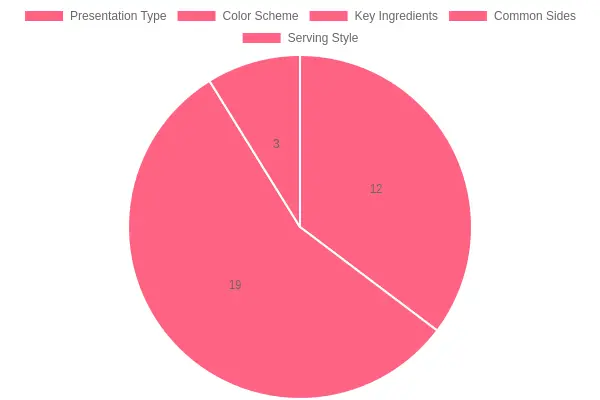
Chart: Data Availability by Category

This chart provides a visual representation of the trends in the popularity of Korean BBQ, indicating various aspects such as restaurant expansion and health-focused offerings.
For more on Korean BBQ dining options, check out our menu for all you can eat Korean BBQ and explore the different styles available.
“Authentic flavors are the heart of Korean BBQ, preserving the true essence of our culinary heritage and offering diners an unforgettable experience. The magic lies in the balance of tradition and innovation, ensuring that every bite tells a story.”
- [Chef Name], Renowned Culinary Expert
When discussing how to cook Korean BBQ pork, the authenticity of the flavors plays a vital role in tempting customers and building a successful business. The true flavors of Korean BBQ come from traditional marination techniques and high-quality ingredients, emphasizing the importance of keeping these methods alive in modern restaurants. For more tips on creating authentic experiences, check out this guide on Kogi Korean BBQ’s menu.
Conclusion: Why Add Korean BBQ Pork to Your Menu?
Incorporating Korean BBQ pork into your restaurant’s menu can yield numerous advantages that boost both customer satisfaction and your bottom line. As the culinary landscape evolves, diners are increasingly seeking unique and flavorful options that provide an authentic dining experience. Here’s why adding Korean BBQ pork is a strategic move for business owners:
1. Cultural Appeal
Korean BBQ has surged in popularity globally, attracting food enthusiasts eager to dive into diverse culinary experiences. By featuring dishes like samgyeopsal (pork belly) or marinated pork ribs, your restaurant can cater to this growing appetite for international cuisine and stand out in a competitive market. Choosing popular items from your menu like Korean BBQ and Sushi Menu can complement your offerings.
2. Flavor Profile
Korean BBQ pork is celebrated for its rich, savory flavors, juxtaposed with sweetness and a hint of spice. This intriguing taste can enhance your menu’s appeal and introduce diners to a deliciously new flavor profile, resulting in memorable dining experiences that encourage repeat visits.
3. Social Dining Experience
Korean BBQ is synonymous with communal dining. The experience is vibrant, as guests gather around grills and share plates. This fosters an inviting atmosphere for groups and families, thus encouraging larger bookings. Such an environment is conducive to upselling drinks and appetizers, further maximizing profits. Restaurants emphasizing social dining can leverage this with menus featured in all-you-can-eat options.
4. Cross-Promotion Opportunities
Adding Korean BBQ pork also presents the chance for cross-promotions with other menu items. It pairs perfectly with traditional Korean side dishes like kimchi, pickled vegetables, and Korean rice, thus broadening your menu appeal and boosting sales.
Call to Action
Now is the time to act! By incorporating Korean BBQ pork into your offerings, you can tap into a burgeoning food trend and set your restaurant apart. Consider revising your menu today, experimenting with flavors, and creating offers that highlight this exciting dish. Transform your dining experience and watch as customers flock to savor the delicious flavors of Korean BBQ!
For more insights and menu ideas, check our All You Can Eat Korean BBQ options.
Join the culinary revolution and take your restaurant to new heights!