
Introduction
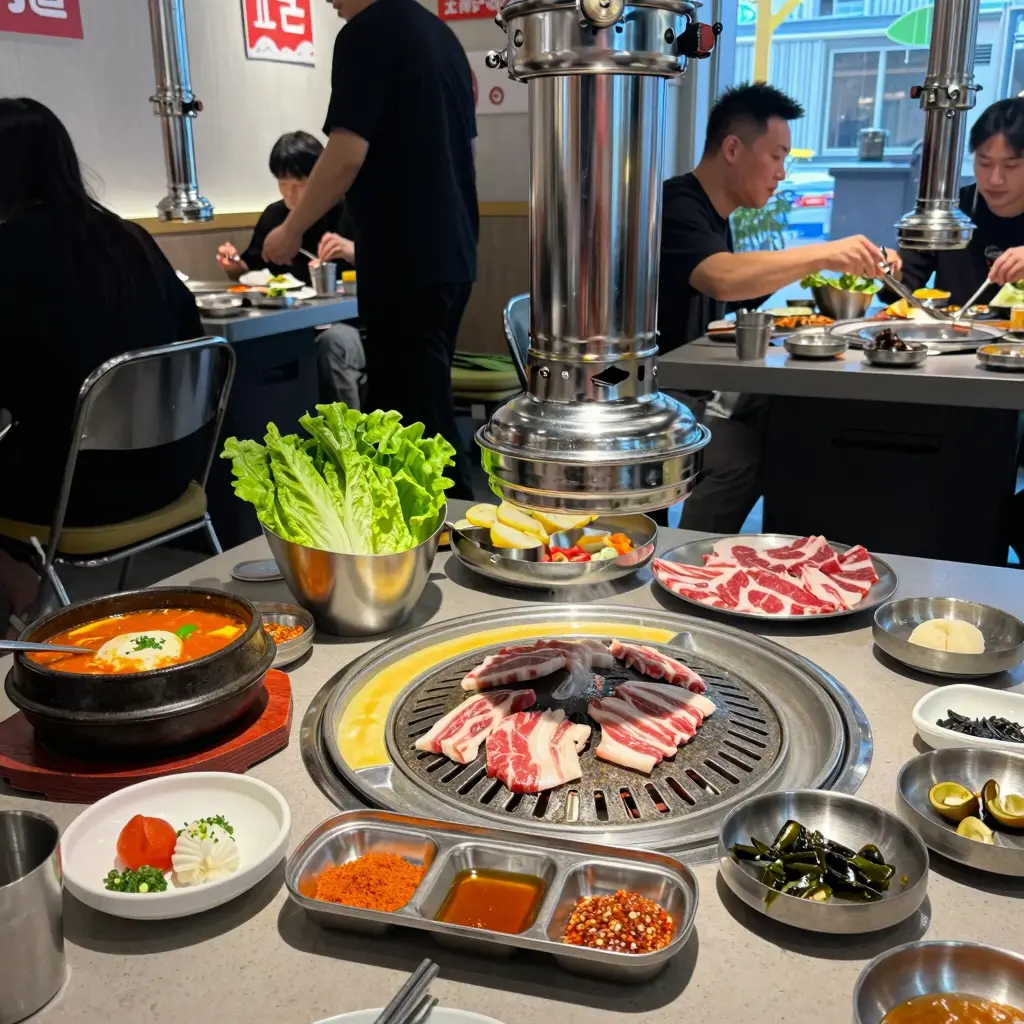
In recent years, Korean BBQ has surged in popularity, not just as a culinary experience but as a unique setting for business events. The interactive nature of grilling your own food at the table fosters a relaxed atmosphere that is conducive to team bonding and client relations. Imagine gathering your team around a sizzling grill, sharing hearty laughs, and engaging in meaningful conversations while cooking together. Such experiences can transform the dynamics of your business meetings, paving the way for innovative ideas and strengthened partnerships.
Mastering the cooking techniques essential for a successful Korean BBQ can immensely enhance these gatherings. Knowing how to select the best cuts of meat, marinating them to perfection, and understanding the intricacies of using a grill can elevate your event from ordinary to unforgettable. Not only does sharing the experience of cooking encourage collaboration, but it also allows for a rich exchange of cultural insights, showcasing the vibrancy of Korean cuisine.
Thus, learning how to effectively conduct a Korean BBQ on the grill is an invaluable skill for any business owner looking to enhance their professional relations. In this guide, we will explore the essential techniques to master Korean BBQ, ensuring that your next business event is not just a meeting but a delightful experience that your colleagues and clients will remember. For a deeper dive into menu options, check out our Korean BBQ and sushi menu.
Essential Equipment for Korean BBQ
For a successful and authentic Korean BBQ experience, certain equipment and utensils are essential. Here’s a list of what you’ll need:
- Tabletop Grill: A portable grill, either charcoal or gas, is crucial for cooking meats directly at the table.
- Charcoal or Heating Element: If using a charcoal grill, quality charcoal will enhance flavor. For gas grills, ensure you have a reliable heating source.
- Grilling Mats/Nets: These are used to prevent food from sticking to the grill and allow for an even cook.
- Tongs: Long-handled tongs are necessary for flipping and serving meats hot off the grill.
- Scissors: Used for cutting meat into manageable pieces, a common practice in Korean BBQ.
- Marinade Brushes: Essential for applying marinades to meats before grilling.
- Serving Dishes: Shallow bowls and plates for sauces, side dishes like kimchi, and serving the grilled meat.
- Chopsticks: A staple for eating in Korean culture, perfect for enjoying the grilled food.
For a more comprehensive look at the different types of grilling equipment, check out this ultimate guide to Korean BBQ equipment.
Grill Preparation
Preparing the grill properly is essential for achieving the best results in Korean BBQ. Here are the steps to ensure your grill is clean, seasoned, and heated just right for a delicious outdoor dining experience:
1. Cleaning the Grill
Before you start, it’s critical to clean the grill thoroughly. Use a grill brush or steel wool to scrub off any residue from previous grilling sessions. This will help avoid unwanted flavors and promote food safety by removing bacteria from leftover food. For cast iron grills, use a non-abrasive sponge to prevent damage. Cleaning not only maintains hygiene but also enhances the taste by keeping flavors pure and untainted. According to Grill Magazine, a clean grill ensures a better culinary experience.
2. Seasoning the Grill
Once the grill is clean, it’s time to season it. Seasoning your grill grates with cooking oil helps to create a non-stick surface, enhancing the overall cooking results. To do this, simply soak a paper towel in vegetable or canola oil and wipe down the grates. This also prevents your food from sticking and adds subtle flavor profiles to your grilled items, as noted in BBQ guides.
3. Preheating the Grill
Preheat the grill on high heat (around 450-500°F) for about 10-15 minutes. This process is vital for ensuring that you achieve a nice sear on meats, which locks in juices and flavors. Effective preheating helps avoid sticking and promotes proper cooking. It’s an essential step that should not be overlooked.
4. Maintaining Optimal Temperature
Throughout the grilling process, it’s important to maintain an optimal cooking temperature. Here are some tips:
- Use a thermometer: Always have a reliable grill thermometer at hand. It helps in monitoring and maintaining the right temperature.
- Adjust vents: For charcoal grills, control airflow by adjusting vents. This can help keep a consistent temperature, which is crucial for even cooking.
- Manage heat zones: Create different heat zones on your grill. A hotter side for searing and a cooler side for cooking can help achieve the perfect BBQ.
- Keep the lid closed: When cooking, keeping the lid down traps heat and smoke, allowing for even cooking.
By following these steps and tips, your grill will be properly set up for a delightful Korean BBQ experience. For more about menu options and BBQ offerings, check out our Korean BBQ and Sushi Menu, which can provide inspiration for your next meal.
Marinating Meats for Korean BBQ
One of the essential components of Korean BBQ is the marinating process, which not only enhances the flavor of meats but also tenderizes them, making them succulent and delicious. The impact of marinating can be significant, as the infusion of flavors penetrates deep into the meat, transforming an average cut into something truly exceptional.
Types of Marinades
Common marinades used in Korean BBQ involve a mix of savory, sweet, and sometimes spicy ingredients. Here are the key components:
- Soy Sauce: Provides depth and a savory umami flavor.
- Sesame Oil: Adds nutty richness and enhances the overall aroma.
- Sugar or Honey: Often brown sugar is used, balancing the saltiness and contributing to caramelization on the grill.
- Garlic and Ginger: These aromatics give a warm, spicy kick, elevating the flavor profile.
- Green Onions: Can be included for added freshness and texture.
- Gochujang (Korean Chili Paste): A spicy addition that can be used for those who enjoy heat.
Popular Marinade Recipes
Here are a couple of popular Korean BBQ meat marinade recipes:
1. Classic Korean Marinade
-
Ingredients:
-
1/2 cup soy sauce
-
2 tablespoons sesame oil
-
2 tablespoons brown sugar
-
3 cloves garlic, minced
-
1 teaspoon ginger, grated
-
1/4 cup chopped green onions
-
Instructions:
- Whisk together all ingredients in a bowl until the sugar is dissolved.
- Use to marinate your choice of meat (beef or pork) for at least 30 minutes to overnight for maximum flavor.
- Grill as desired.
2. Spicy Marinade for Beef
-
Ingredients:
-
1/4 cup soy sauce
-
1 tablespoon sesame oil
-
1 tablespoon brown sugar
-
2 tablespoons gochujang
-
4 cloves garlic, minced
-
2 teaspoons ginger, grated
-
Instructions:
- Mix all ingredients in a bowl until well combined.
- Coat beef strips and marinate for 1-2 hours. The longer you marinate, the spicier and more flavorful the meat will become.
- Grill and serve.
Marinating Times
The time you should marinate your meat depends largely on the cut of meat and the marinade type:
- Short Marination (30 min – 2 hours): Ideal for thinner cuts like pork belly or chicken.
- Long Marination (up to 24 hours): Best for tougher cuts like beef short ribs, as it allows deeper flavor penetration.
For the ultimate experience in Korean BBQ, marinating is a step not to be overlooked. Discover more about our menu options here to see how we incorporate these techniques!
| Meat Type | Flavor Profile | Recommended Cooking Time | Pairing Suggestions |
|---|---|---|---|
| Kalbi (갈비) | Rich, slightly sweet | 5-7 minutes per side | Ssamjang, lettuce wraps, rice |
| Bulgogi (불고기) | Sweet and savory | 4-5 minutes | White rice, banchan, pickled vegetables |
| Samgyeopsal (삼겹살) | Rich, fatty | 3-4 minutes per side | Sesame oil dip, garlic, green onions |
| Daeji Bulgogi (대지 불고기) | Spicy and savory | 4-5 minutes | White rice, banchan, ssamjang |
Grilling Techniques for Korean BBQ
When it comes to Korean BBQ, mastering various grilling techniques is crucial for achieving the right flavors and tenderness of the meats and vegetables. Two primary grilling methods are commonly used: direct grilling and indirect grilling.
Direct Grilling
Direct grilling is the most popular method used in Korean BBQ. This technique involves cooking food over an open flame or a heat source. It’s perfect for grilling thinly sliced meats, such as bulgogi or galbi, which benefit from high heat to achieve a delicious char and caramelization. Here are the essentials:
- Heat Source: Use a charcoal grill or a gas barbecue. Charcoal is preferred for its ability to impart a smoky flavor.
- Cooking Time: The cooking times for direct grilling can be quite short, typically ranging from 1 to 5 minutes per side, depending on the thickness of the meat.
- Doneness: To ensure that meats are cooked to the appropriate level (e.g., medium rare for beef at 135-140°F), use a meat thermometer to check internal temperatures.
This quick cooking method enhances the flavors and texture while maintaining moisture, making it ideal for dining environments such as Korean BBQ restaurants.
Indirect Grilling
Indirect grilling, on the other hand, involves cooking food away from the heat source, using ambient heat to cook the food evenly. This method is best suited for thicker cuts of meat, like pork belly or large chicken pieces. Here’s how to approach indirect grilling:
- Heat Source: This technique often involves preheating the grill, where food is placed on one side, and the heat source on the other.
- Cooking Time: Foods take longer to cook with this method, usually about 10-20 minutes, depending on the thickness of the meat.
- Checking for Doneness: Similar to direct grilling, a thermometer can help ensure that meats reach the safe minimum temperatures:
- Chicken should be cooked to an internal temperature of 165°F.
- Pork should be cooked to at least 160°F.
Importance of Cooking Times and Checking for Doneness
Understanding and managing cooking times is critical in Korean BBQ because different meats require different preparation methods and temperature controls.
-
Enhancing Flavor: Overcooking meat can lead to dryness and a loss of flavor. For example, bulgogi should be tender and juicy, while overcooked may turn tough and chewy.
-
Food Safety: Undercooked meats can pose health risks. It’s essential to ensure that chicken, for instance, is cooked fully to prevent foodborne illnesses.
-
Personal Preference: Some customers may prefer varying levels of doneness, from rare beef to well-done pork. Being knowledgeable about cooking times allows chefs to cater to different tastes effectively.
Conclusion
Mastering grilling techniques such as direct and indirect grilling can significantly enhance the Korean BBQ experience. By paying attention to cooking times and the importance of checking for doneness, business owners can ensure that their patrons enjoy perfectly cooked meals every time. For more insights on enhancing your BBQ offerings, consider exploring our Korean BBQ Menu or check our All You Can Eat Korean BBQ options.
This engaging discussion on grilling techniques is designed to inform business owners about effective methods in the Korean BBQ realm, promoting successful cooking practices that ensure both safety and flavor.
“The joy of grilling isn’t just about the food, but the connections it forges among friends and family.” – unknown
Essential Maintenance Tips for Korean BBQ Equipment
Maintaining your Korean BBQ equipment is crucial for ensuring longevity, safety, and the high quality of food that your restaurant serves. Here are some vital tips for business owners to consider after using their grilling equipment:
Cleaning Procedures
-
Daily Cleaning:
After each use, it’s essential to clean the grill while it’s still warm. Brush off the grates using a grill brush to remove any food residue. For stubborn spots, a grill scraper can be very effective. Ensuring that the grill is clean daily can prevent burnt residue from building up and affecting taste during the next use. -
Deep Cleaning:
At least once a month, conduct a thorough clean. This involves removing all removable parts of the grill (e.g., grates, burners) and cleaning them with a grill cleaner or a baking soda paste. Pay special attention to grease drippings that can cause flare-ups, which can be dangerous. -
Grease Management:
Regularly check and clean grease trays. A full grease tray can not only affect performance but poses a significant fire hazard.
Storage Recommendations
- Indoor Storage:
Whenever possible, store your grilling equipment indoors to protect it from harsh weather elements. Ensure your storage area has proper ventilation. - Outdoor Protection:
If outdoor storage is unavoidable, invest in high-quality grill covers that are both water-resistant and breathable. This minimizes moisture accumulation that could lead to rust or corrosion.
Regular Inspection and Maintenance
- Check for Leaks:
For gas grills, regularly check hoses for leaks. The best method is to apply soapy water on the hoses; if bubbles form, there’s a leak. - Burner Inspection:
Ensure that burners are regularly cleaned and free from blockages to maintain even heat distribution while cooking.
Importance of Equipment Longevity
Maintaining your Korean BBQ equipment is essential not just for its longevity but also for your business’s success:
- Reduces Downtime: Well-maintained equipment leads to fewer breakdowns, ensuring consistent service.
- Improves Food Safety: Properly functioning equipment reduces the risk of foodborne illnesses.
- Cost Efficiency: Quality equipment requires fewer repairs and replacements, saving money long-term.
- Enhances Customer Satisfaction: Consistent food quality leads to repeat customers.
By following these maintenance tips, you can ensure that your Korean BBQ equipment remains in top shape, contributing positively to your restaurant’s reputation and success. For more insights on Korean cuisines, check our menu options!
Conclusion
Korean BBQ presents a unique dining experience that is not only delicious but also fosters social interaction, making it particularly relevant in business settings. As explored throughout this article, the art of Korean BBQ is more than just cooking; it’s about community, collaboration, and building relationships. Incorporating Korean BBQ into corporate events can enrich networking opportunities, boost employee morale, and create memorable client interactions.
When you host a gathering at a Korean BBQ restaurant, guests participate actively in the meal preparation, which cultivates a casual yet engaging atmosphere. This setting helps break down formal barriers and opens avenues for authentic conversation, facilitating deeper connections among colleagues and clients alike. The flavorful options of Korean BBQ allow for catering to various preferences and dietary restrictions, thus appealing to a diverse audience. It has also been shown that dining experiences that are interactive can lead to higher customer satisfaction and a lasting impression.
For business owners looking to differentiate their offerings, mastering the craft of Korean BBQ can enhance their unique selling proposition. It allows you to cater uniquely to the needs of your clients and helps create an everlasting brand perception.
Don’t wait – contact us today to discuss your needs, request a quote, or learn more about how we can support your mission to protect lives and property. Remember, the right culinary experience can take your business gatherings to the next level!