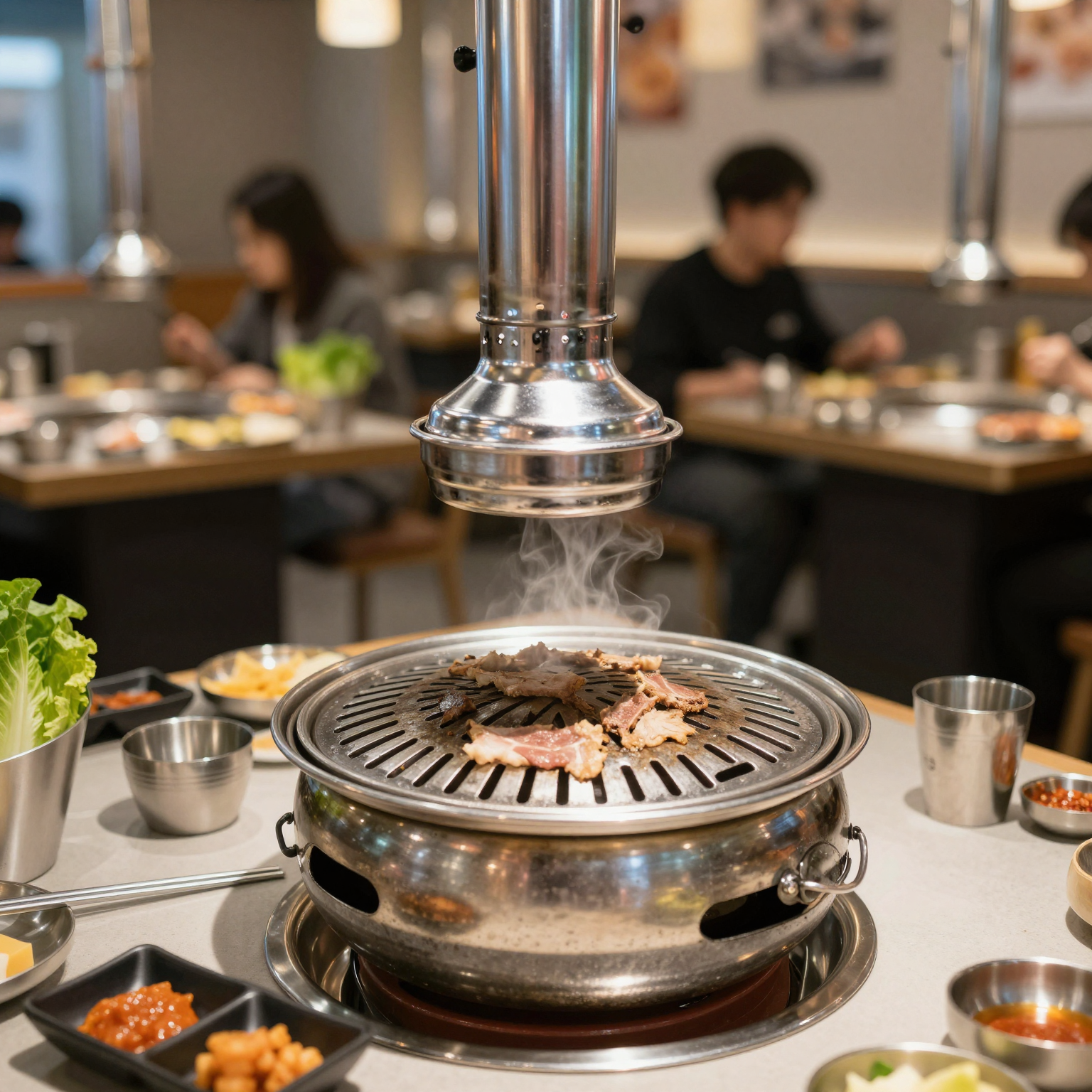
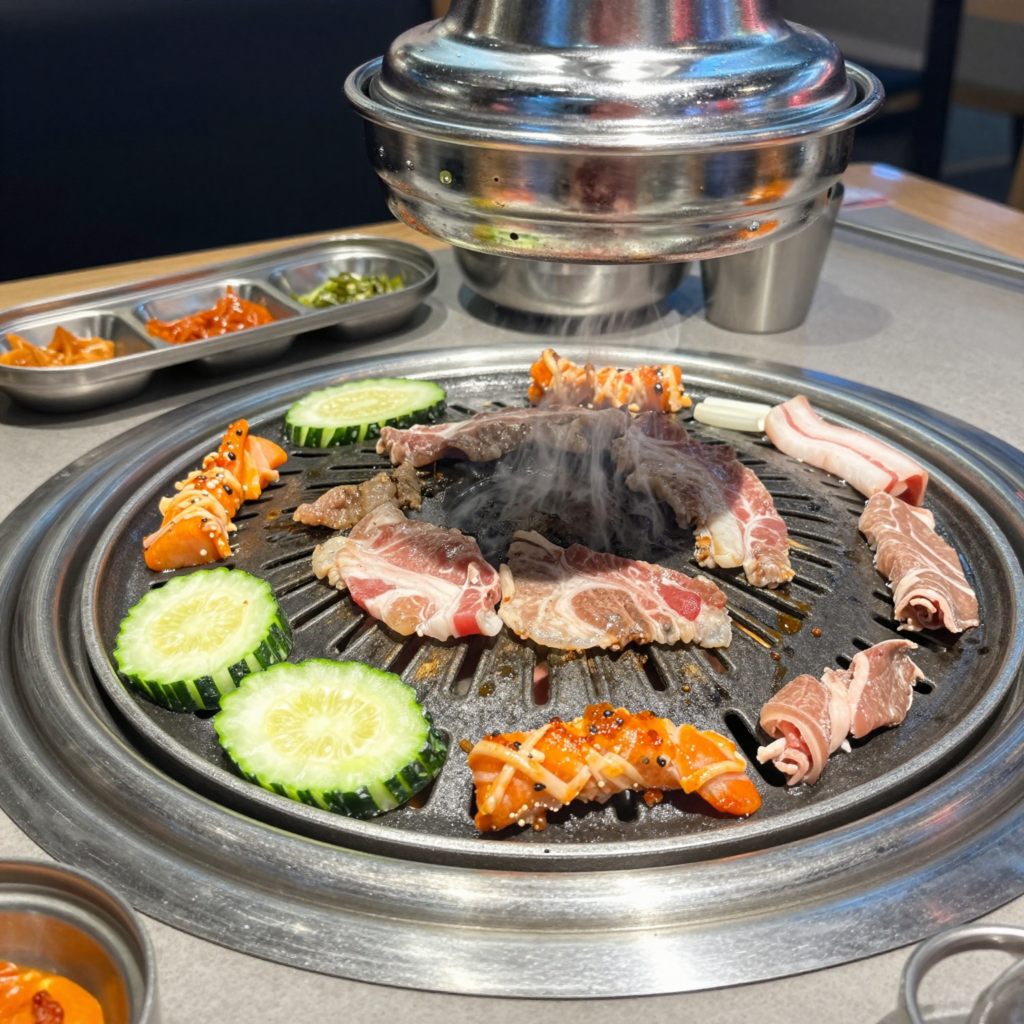
The Importance of Grill Hygiene in Korean BBQ Restaurants
In the lively world of Korean BBQ, an unforgettable dining experience hinges not just on the quality of the ingredients but significantly on the cleanliness of the grill itself. For business owners, maintaining a pristine grill is crucial-not only for hygiene but also for customer satisfaction. Grills that are meticulously cleaned lead to a safer dining environment, reducing the risk of foodborne illnesses and fostering positive reviews that can make or break a restaurant’s reputation.
Moreover, regular grill maintenance and cleaning practices, including the use of appropriate tools and sanitizers, are essential not just for compliance with health regulations but for the enhancement of the food’s flavor. A clean grill not only proves beneficial for hygiene; it also ensures that each dish is cooked to perfection, without lingering odors or flavors from previous meals. This article will delve into effective grill cleaning methods that every Korean BBQ restaurant owner should consider, ensuring both the health of customers and the success of their business. For further insights, explore our all-you-can-eat Korean BBQ options to see how cleanliness enhances the dining experience.
Common Grill Types in Korean BBQ
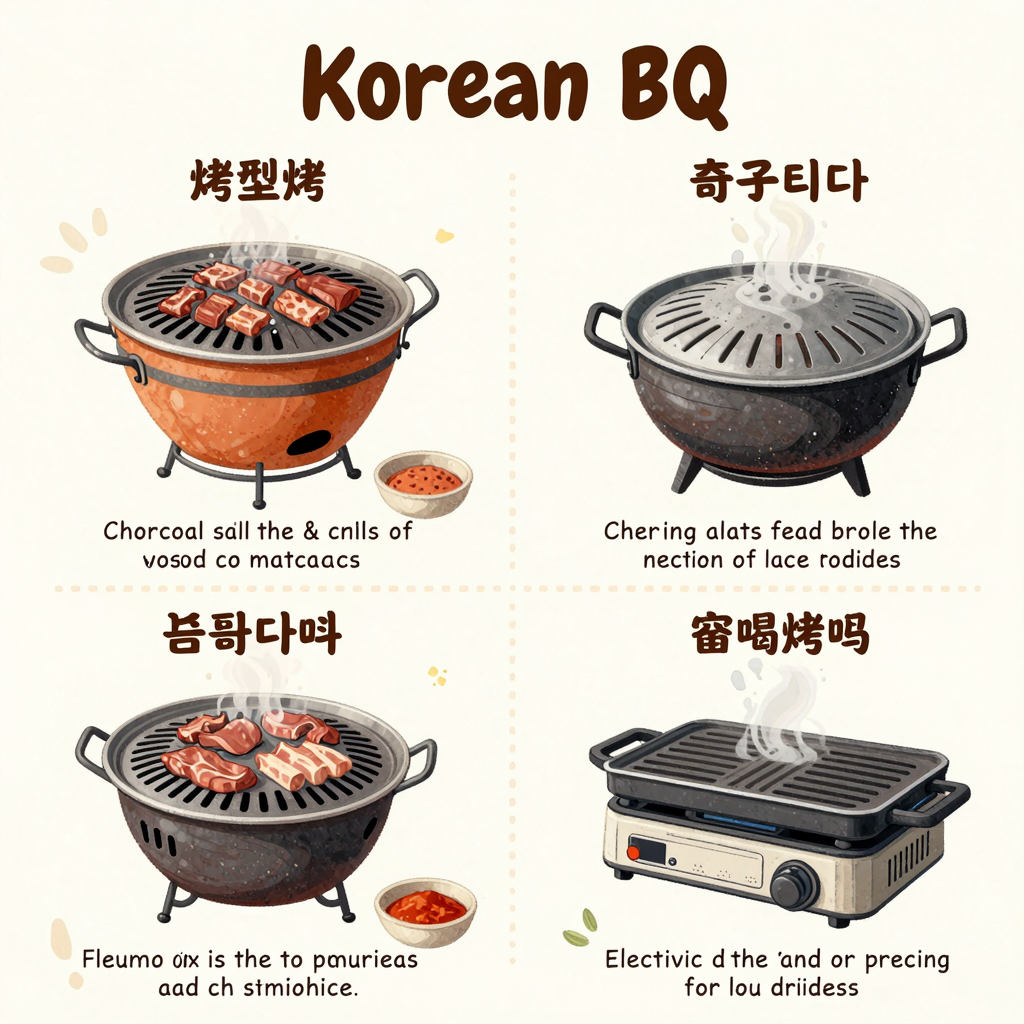
Korean BBQ is known for its vibrant grilling techniques and varied grill types, each contributing to the unique flavors and experiences of the cuisine. Here are some common grill types utilized in Korean BBQ establishments:
-
Tabletop Charcoal Grills: Often referred to as ‘kogi’ or ‘gogi’, these traditional grills use charcoal and feature an oil-drip tray along with built-in fan systems to minimize smoke and enhance cooking efficiency. They are particularly popular in restaurants for authentic flavor.
-
Electric Infrared Grills: Utilizing halogen or ceramic heating elements, these grills provide even heat distribution without producing smoke, making them ideal for indoor settings. They also offer the advantage of easy temperature control and cleaning.
-
Portable Gas Grills: Perfect for outdoor gatherings, portable gas grills incorporate quick ignition systems and precise temperature controls, providing versatility and ease of use for BBQ lovers on the go.
These grill types are pivotal in shaping the Korean BBQ experience, and understanding their maintenance can aid in keeping them in top shape for both flavor and hygiene. For more details on grill selection, learn more about choosing the right grill for your Korean BBQ experience.
Additionally, you might find it useful to explore the menu options available in Korean BBQ, such as all-you-can-eat deals that often utilize these grills extensively. Check out our offerings here: see our menu options.
The Importance of Cleaning Grills in Korean BBQ
Regular cleaning of grills in Korean BBQ is not just a routine task; it is a critical aspect of maintaining a successful restaurant. The significance of hygiene, flavor preservation, and compliance with health regulations cannot be overstated. Here’s why rigorous grill maintenance is essential:
1. Hygiene and Food Safety
A clean grill prevents the growth of harmful bacteria and cross-contamination between different food items. Residue from previous meals can harbor pathogens that pose serious health risks. According to the Government Food Safety Guidelines, regular grill cleaning is essential for preventing foodborne illnesses triggered by bacteria and leftover particles. This emphasizes the restaurant owner’s responsibility to ensure the safety of the dishes served.
2. Flavor Preservation
The unique tastes associated with Korean BBQ come from the vibrant marinades and spices used in the cooking process. A dirty grill can impart off-flavors to the food due to burnt residues. Consistent cleaning not only preserves the intended flavors of your dishes but also enhances the overall dining experience. As noted by many BBQ experts, maintaining a clean cooking surface is vital for upholding the authentic flavors prized by customers.
3. Health Regulations Compliance
Restaurant owners must comply with health regulations that mandate cleanliness in food preparation areas. Frequent grill cleaning protects businesses from potential penalties and lawsuits stemming from non-compliance with hygiene standards. For instance, regulatory bodies require documentation of cleaning logs to ensure consistent maintenance, as highlighted in various local public health notices (Local Public Health Department Notice).
4. Long-Term Benefits
Investing time and resources in regular grill cleaning creates a cleaner and safer environment for both staff and customers. In the long run, this practice can reduce costs associated with health violations and increase customer loyalty. Customers who feel confident in the cleanliness of a restaurant are more likely to return and recommend it to others, leading to sustained business growth.
Maintaining high cleanliness standards should be a top priority for every Korean BBQ restaurant owner. By doing so, you ensure the safety of your clientele, preserve the quality of flavors, and keep your establishment compliant with any health regulations.
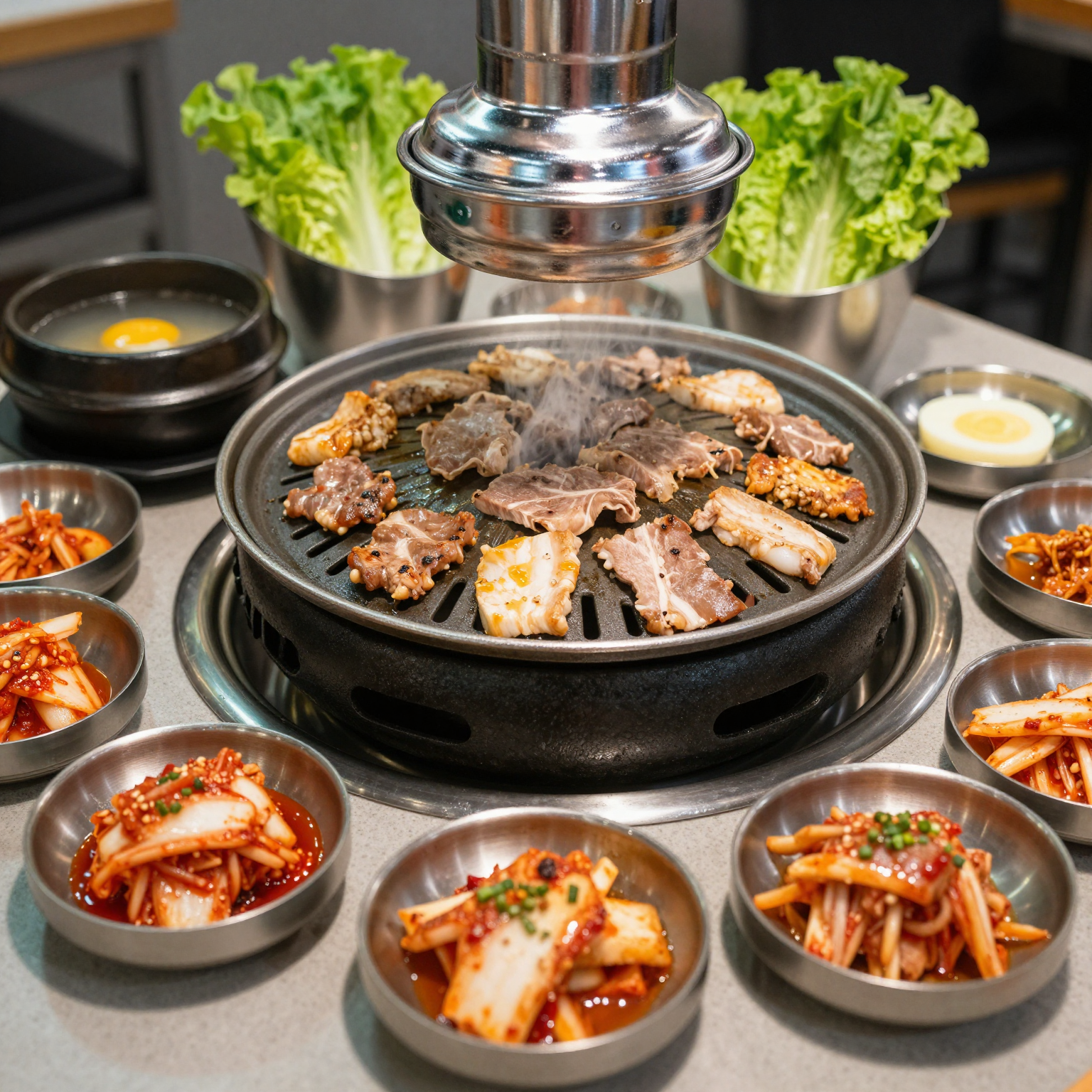
Step-by-Step Guide for Cleaning Charcoal Grills
Cleaning charcoal grills is essential for maintaining their performance and ensuring delicious cooking results. For business owners in the food industry, keeping grills clean is not only about flavor but also hygiene. Here’s a detailed guide to effectively clean charcoal grills focusing on necessary tools and safety measures.
Tools and Materials Needed
- High-Quality Grill Brush: With stiff bristles (at least 18 inches long) for scrubbing grates.
- Metal Scraper: For removing built-up grease and ash.
- Bucket of Hot Soapy Water: Useful for cleaning the grill exterior.
- Sponge or Cloth: For wiping down surfaces.
- Heavy-Duty Grill Cleaner Spray: Optional, for deep cleaning.
- Non-Flammable Container: For disposing of ashes.
- Protective Gloves: To safeguard your hands while cleaning.
- Grill Cover: To protect the grill when not in use.
Step-by-Step Cleaning Process
-
Preheat the Grill: For 10-15 minutes to loosen stuck-on food debris. This step helps in easier removal of grease when scrubbing.
-
Scrub the Grates: Using a long-handled grill brush, scrub the grates while they are still warm to remove food particles and grease. Ensure you get into all corners for thorough cleaning.
-
Clean the Ash Tray: Once the grill cools down, remove the ash tray and empty it into a non-flammable container. A metal shovel or scoop works best for this task.
-
Wipe Down Surfaces: Using a sponge and hot soapy water, wipe the exterior of the grill, including the lid, side tables, and any other surfaces.
-
Deep Cleaning for Stubborn Residue: For tough spots, you may either use a grill cleaner spray or a mixture of vinegar and baking soda. Apply it, let it sit for a few minutes and then scrub with your brush.
-
Final Rinse: If you used soap, make sure to rinse the grill grates well to avoid any soap residue. A damp cloth can be helpful here.
-
Reapply Oil: Lightly coat the grates with cooking oil to prevent rusting before your next grilling session.
-
Cover the Grill: After cleaning, cover the grill with a protective cover to keep it safe from the elements and debris.
Safety Tips
- Always wear gloves to protect your hands.
- Ensure your grill is completely cooled before emptying ashes to prevent burns.
- Use non-abrasive cleaning tools to avoid damaging the grill surfaces.
Regular maintenance of your charcoal grill not only ensures better tasting food but also prolongs its lifespan. For more tips on enhancing your dining experience, check out our Korean BBQ and Sushi Menu.
By following this guide, you can ensure your charcoal grill remains in top shape, providing perfect results for your business needs!
Common Cleaning Solutions for Korean BBQ Grills
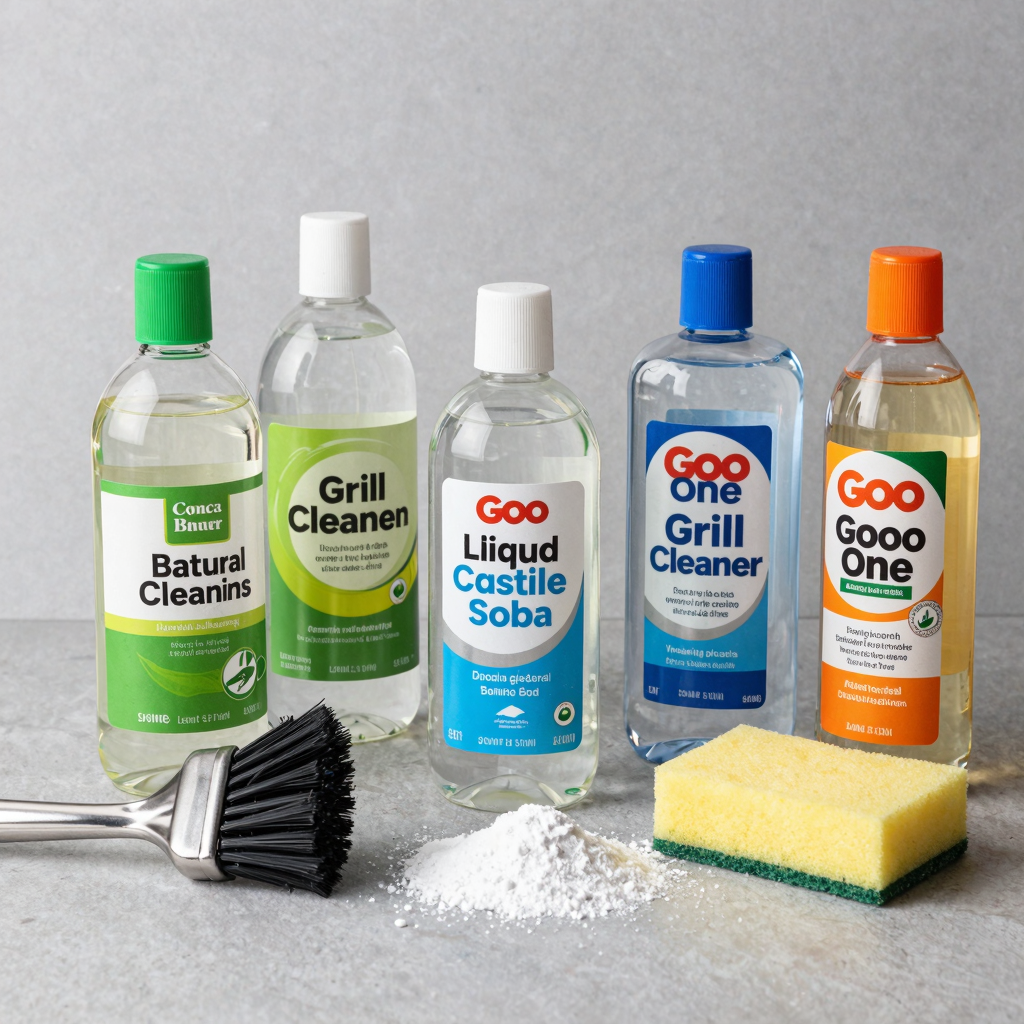
Maintaining a Korean BBQ grill involves effective cleaning solutions that can tackle both commercial and homemade options. Here’s a rundown of common cleaning solutions and their pros and cons:
1. White Vinegar and Water
- Description: Mix equal parts white vinegar and water to create a natural cleaning solution. This is recommended for cast iron griddles or perforated plates used in Korean BBQ.
- Pros:
- Effective in breaking down carbonized fat and residues.
- Safe for the seasoning on cast iron surfaces.
- Cons:
- Not as powerful for extreme grease buildup.
2. Mild Dish Soap
- Description: A mixture of mild dish soap with warm water serves as a routine cleaner.
- Pros:
- Gentle on surfaces and does not strip protective coatings.
- Easy to rinse off without leaving residues.
- Cons:
- Might require more effort for greasy buildup compared to stronger solutions.
3. BBQ Pro Clean
- Description: A commercial cleaner designed for deep cleaning. This formula contains enzymes that work on protein and fat residues.
- Pros:
- Very effective for deep cleaning with minimal physical effort.
- Specifically designed for BBQ grills.
- Cons:
- The need for thorough rinsing to avoid chemical residue.
4. DIY Natural Cleaner
- Description: A mixture of 1 cup of baking soda, ½ cup of liquid castile soap, and 2 cups of warm water.
- Pros:
- Eco-friendly and safe for use on metal surfaces.
- Removes built-up grease effectively without scratching.
- Cons:
- It may take longer to work compared to commercial cleaners.
5. Goo Gone Grill Cleaner
- Description: A commercial-grade cleaner that effectively removes built-up grease and grime.
- Pros:
- Powerful degreasing capabilities.
- Safe for various grill materials like stainless steel and cast iron.
- Cons:
- Strong chemical odor; good ventilation is required.
- Potential harshness on rubber or plastic components.
Conclusion
Using the right cleaning solution is essential for maintaining Korean BBQ grills. Whether you opt for homemade recipes or commercial products, each solution has its strengths and weaknesses. For business owners, it’s crucial to understand these options to ensure the longevity and cleanliness of your grilling equipment.
For additional tips on grill maintenance, be sure to check out this guide.
Word Count: 406
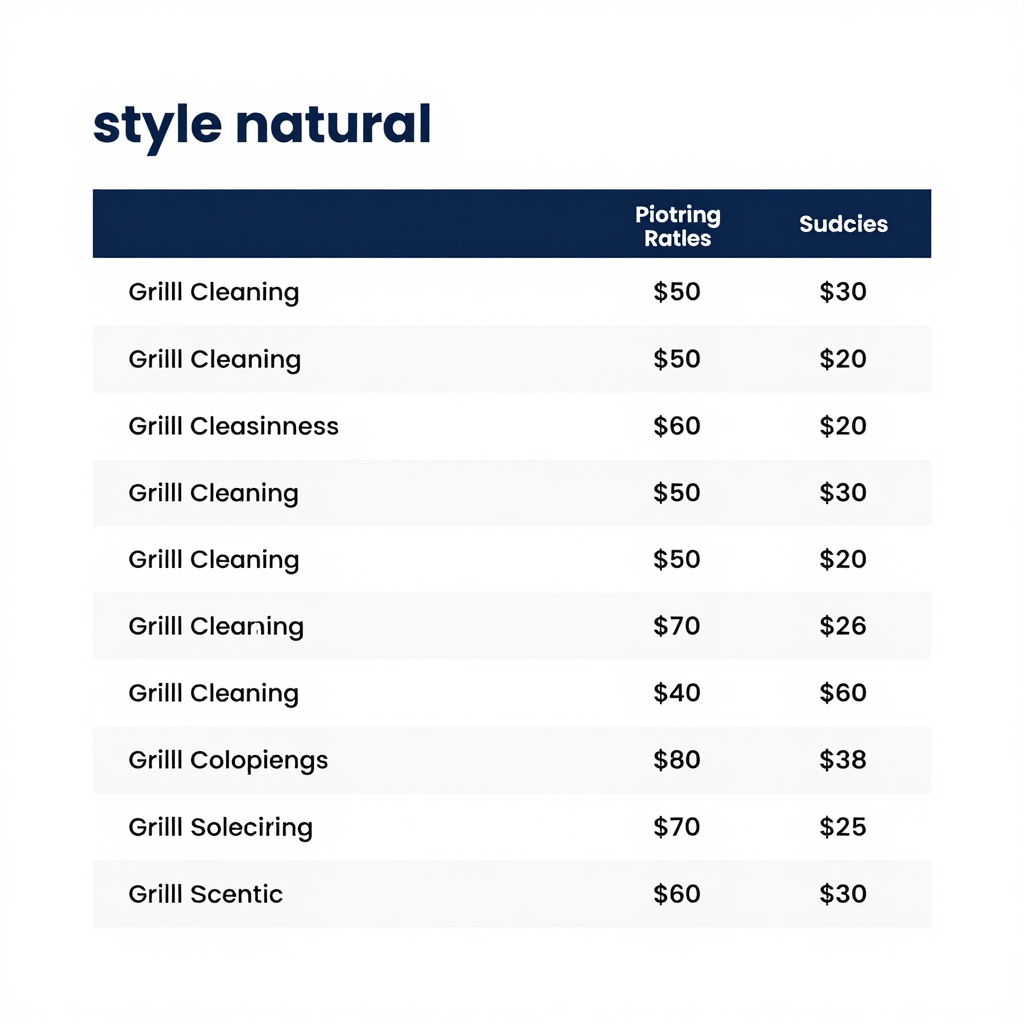
Comparison of Grill Cleaning Solutions
When it comes to cleaning grills, selecting the right solution can greatly enhance efficiency and effectiveness. Below is a comparison of various grill cleaning products evaluated for their performance, ease of use, and pricing.
Key Benefits of Using Proper Grill Cleaning Solutions:
- Efficiency: Save time and effort in maintaining a clean grill.
- Safety: Use food-safe solutions to avoid harmful residues.
- Longevity: Proper care can extend the life of your grill, maintaining its performance for longer.
The Role of Staff Training in Grill Maintenance
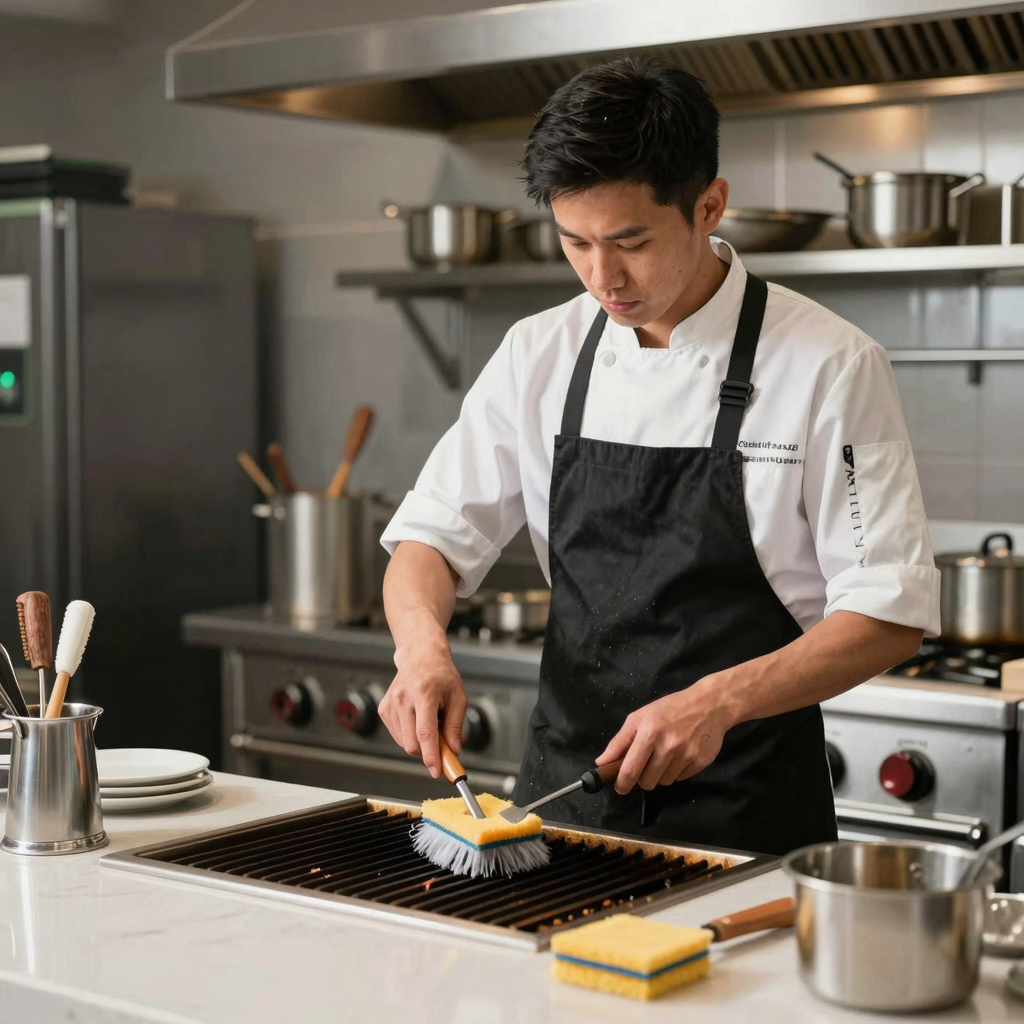
In a restaurant environment, especially those focusing on Korean BBQ, the maintenance of grills is pivotal not only for operational efficiency but also for maintaining a clean and safe dining area. Proper training of staff on grill cleaning techniques can significantly enhance the cleanliness of a restaurant and improve the overall customer experience.
Importance of Staff Training
Training staff in effective grill cleaning practices ensures that they are aware of safety protocols and hygiene standards. According to a report by the National Restaurant Association, establishments with structured training programs experience 40% fewer kitchen-related incidents and see a 28% increase in customer satisfaction scores compared to those without formal training. This is primarily because well-trained personnel can identify potential problems such as grease build-up, which can lead to fire hazards and affect food quality.
Moreover, employees trained in proper grill maintenance techniques can extend the lifespan of the equipment and reduce the risk of costly repairs or replacements. Training also emphasizes the importance of immediate cleaning practices to maintain a clean working environment and uphold the restaurant’s reputation.
Creating an Effective Training Program
To develop a robust training program focused on grill maintenance, consider the following tips:
- Hands-On Demonstrations: Utilize experienced staff to demonstrate proper cleaning techniques, ensuring that new employees understand the nuances of the process.
- Develop Standardized Procedures: Create a checklist for daily and weekly cleaning tasks, ensuring consistency across the kitchen staff.
- Regular Assessments: Implement periodic training refreshers and assessments to reinforce learning and ensure ongoing compliance with safety practices.
- Incorporate Feedback: Encourage staff to provide feedback on the training process, helping to identify areas for improvement and ensuring that the training remains relevant and effective.
- Promote Accountability: Assign specific staff members to oversee grill maintenance, fostering a sense of ownership and responsibility for cleanliness.
By investing in comprehensive training programs, restaurant owners can cultivate a cleaner environment that not only meets hygiene standards but also creates a better dining experience for customers. This focus on cleanliness can also drive customer loyalty and enhance the restaurant’s overall reputation.
The Importance of Grill Maintenance and Cleanliness
Proper maintenance of grills in the hospitality industry is crucial, not just for food quality but also for overall guest experience. According to Dr. Elena Martinez, a food safety and hospitality operations expert with the National Restaurant Association:
“A clean, well-maintained grill is not just a hygiene necessity-it’s a cornerstone of the guest experience. When patrons see a kitchen that prioritizes cleanliness, it builds immediate trust in the quality and safety of their meal. A dirty grill can harbor bacteria, create off-flavors, and even pose a fire hazard. Regular cleaning and maintenance are non-negotiable for both health compliance and maintaining the reputation of a hospitality brand.”
For more insights on maintaining high standards in hospitality, consider reading about grill maintenance best practices.
Implementing these practices not only ensures safety but also enhances customer satisfaction and loyalty, proving that cleanliness directly influences a restaurant’s reputation.
Conclusion
In summary, maintaining clean Korean BBQ grills is not only crucial for food safety and customer satisfaction but also for the longevity of your equipment. As discussed, bacteria like E. coli and Salmonella can thrive on dirty surfaces, posing health risks to your patrons. Moreover, regular cleaning prevents the buildup of charred food particles and grease, which can lead to equipment damage, fires, and negative health inspection outcomes. Implementing effective grill cleaning protocols can protect your restaurant’s reputation and ensure compliance with health regulations, ultimately enhancing the dining experience for your customers.
Additionally, business owners should recognize that a commitment to cleanliness in their grill operations can significantly improve customer retention and trust. This investment in hygiene can lead to fewer operational issues and enhance overall efficiency. Regular maintenance and proper cleaning techniques will not only safeguard your establishment against health risks but also contribute positively to your bottom line.
As a final call to action, if you are looking for high-quality grills or maintenance support, don’t hesitate to contact Zoomlion for your equipment and maintenance needs. Elevate your Korean BBQ restaurant’s quality today!