
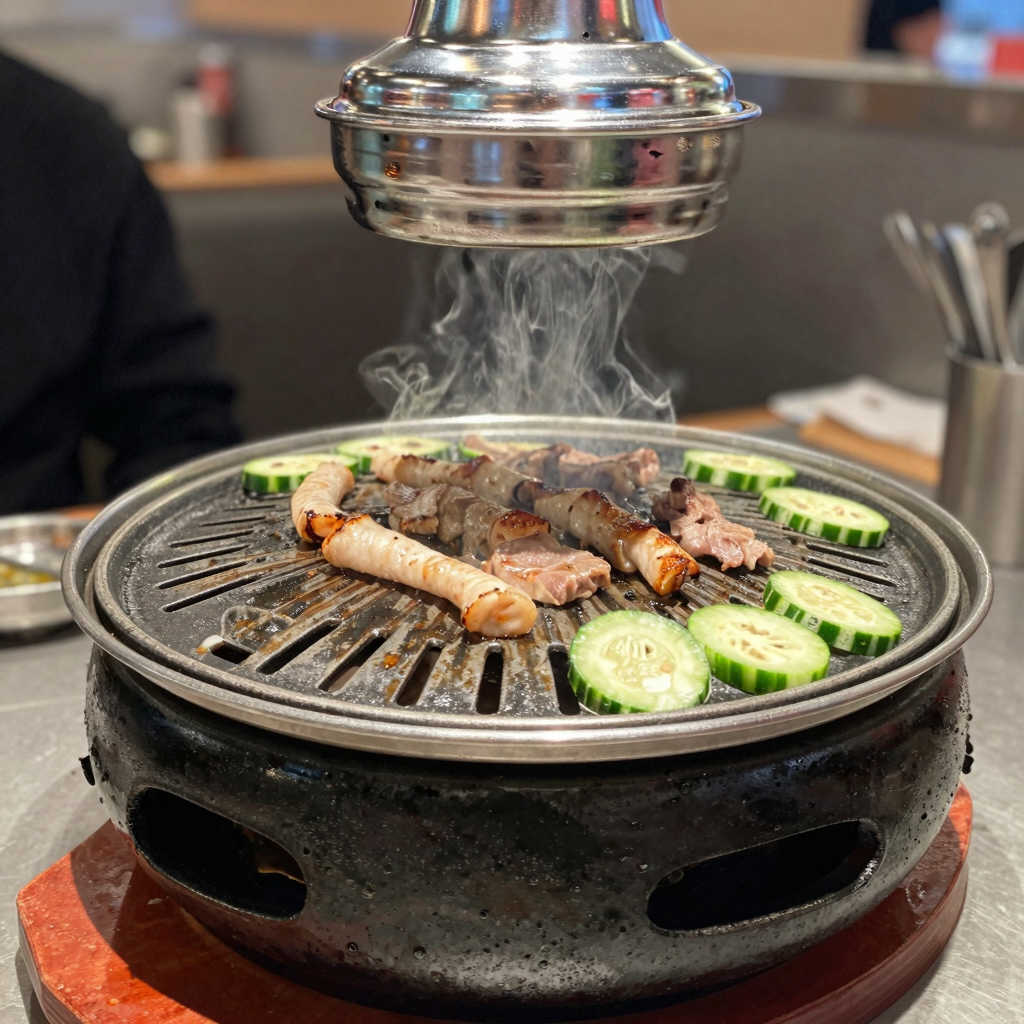
In recent years, Korean BBQ restaurants have surged in popularity, captivating the hearts and palates of food enthusiasts around the globe. This unique dining experience not only allows patrons to enjoy cooking their meals right at the table but also emphasizes communal bonding over sizzling meats and vibrant flavors. However, as these establishments gain traction, the importance of cleanliness in grilling equipment becomes paramount for health and service quality. Dirty grills can lead to foodborne illnesses and unsatisfactory experiences that could tarnish a restaurant’s reputation. Therefore, understanding how Korean BBQ restaurants maintain their grills is crucial not just for health regulations, but also for ensuring diners have an enjoyable and safe meal. In our exploration, we’ll delve into the various cleaning practices employed by these restaurants to uphold standards and guarantee customer satisfaction. Learn more about the Korean BBQ experience here and discover how hygiene plays a pivotal role in enhancing service quality.
Types of Grills Used in Korean BBQ Restaurants
Korean BBQ restaurants primarily feature three main types of grills: charcoal, gas, and electric. Each type has its own set of advantages and disadvantages that can affect the dining experience and the cleaning process thereafter.
1. Charcoal Grills
Charcoal grills are often favored for their ability to impart a rich, smoky flavor to the meat, closely associated with the authentic Korean BBQ experience. However, there are significant challenges.
- Pros:
- Provides a deep, authentic flavor that many dining patrons prefer.
- High temperatures can lead to excellent searing and grilling results.
- Cons:
- Produces considerable smoke, which requires robust ventilation systems such as ducted exhaust hoods.
- Cleaning can be labor-intensive due to ash buildup and grease residue.
2. Gas Grills
Gas grills provide a practical alternative, allowing for more control over heat and simplifying the ignition process. They are becoming increasingly popular due to their efficiency.
- Pros:
- Quick setup and precise temperature control.
- Cleaner operation with reduced smoke, which is beneficial for indoor environments with limited ventilation.
- Cons:
- Lacks the intense smoky flavor characteristic of charcoal grilling.
3. Electric Grills
Electric grills are known for their ease of use and safety, particularly in urban locations.
- Pros:
- Generate no smoke, making them excellent for indoor use without complex ventilation requirements.
- Cleaner and easy to manage; they heat up quickly and maintain consistent temperatures.
- Cons:
- May not achieve the same high temperatures or sear marks as charcoal or gas grills, which can affect flavor.
Cleaning Process Considerations
The cleaning process varies depending on the type of grill used:
- Charcoal Grills: Require scraping away the ash and grease regularly, necessitating a thorough cleaning routine to maintain hygiene standards. Most commonly, a mixture of baking soda and water can be used to tackle stubborn residues after a basic scrape and wash.
- Gas and Electric Grills: Generally, these grills call for less intensive cleaning measures due to lower smoke production. A basic routine can involve using a non-abrasive brush and washing removable components in warm, soapy water. For deep cleaning, vinegar mixed with water is effective.
When considering a grill type for a Korean BBQ restaurant, it’s essential to weigh the flavor profiles and operational efficiencies against the cleaning requirements, given that a well-maintained grill contributes significantly to the overall dining experience. For readers interested in more details, check out our menu options and learn how we maintain a clean and delicious BBQ experience.
Here is a comparison table of various grill cleaning methods that are commonly used in Korean BBQ restaurants, highlighting their effectiveness, time requirements, and safety considerations.
| Cleaning Method | Effectiveness | Time Requirement | Safety Considerations |
|---|---|---|---|
| Scraping | Moderate to High | 10-15 minutes | Can be risky with metal bristles, may pose health hazards. |
| Soaking | High | 30+ minutes (plus drying) | Generally safe, but must ensure thorough rinsing of cleaners. |
| Chemical Cleaners | High | 5-10 minutes | Use of harsh chemicals poses risks to health; requires good ventilation. |
| Electric Cleaners | Very High | <5 minutes | Safe if designed correctly; avoid using low-quality devices that may break. |
For a visual representation of this comparison, check out the infographic:
When running a Korean BBQ restaurant, understanding these methods can enhance the overall dining experience and ensure safety for your customers. To dive deeper into the best practices for Korean BBQ, feel free to learn more about our menu.
The Importance of Regular Grill Cleaning in Korean BBQ Restaurants
Maintaining cleanliness in grills within Korean BBQ restaurants is not just about aesthetics; it plays a crucial role in health standards, customer satisfaction, and the longevity of cooking equipment.
Health Standards
Regular cleaning of grills is essential to meet the rigorous health standards enforced by organizations like the Korea Food Service Safety Authority (KFSSA). Accumulated grease and food residue can harbor harmful bacteria such as Salmonella and E. coli, posing serious health risks to diners. For instance, a dirty grill can lead to cross-contamination and the formation of carcinogenic compounds during high-heat cooking, which can jeopardize the safety of your food offerings.
To ensure compliance, it’s recommended that grills are cleaned thoroughly after every use, employing techniques like using hot water and food-safe degreasers. Such practices not only enhance food safety but also align with the Federal health codes necessary for operation. As noted in the National Restaurant Association’s Food Safety Manual, proper maintenance can save businesses up to 30% in replacement costs over five years due to fewer instances of equipment degradation.
Customer Satisfaction
Customer experience plays a significant role in repeat business, especially in a competitive market like Korean BBQ. A recent survey highlighted that over 78% of customers consider grill cleanliness a determining factor in their dining choices. Establishments that report visible cleaning practices enjoy 40% higher customer satisfaction and repeat visit rates. Customers are more likely to trust a restaurant that displays hygiene certifications and practices visible cleaning methods, such as regular grill scrubbing and fresh ingredient handling.
Neglecting grill cleanliness can lead to a negative dining experience, leading to online complaints and detrimental reviews. Thus, a clean grill not only maintains health standards but significantly enhances customer trust and satisfaction.
Equipment Longevity
From a financial perspective, keeping your grills clean will extend their lifespan. Regular cleaning prevents rust and corrosion caused by grease buildup, ensuring even heat distribution and reducing the risk of grill malfunction. For example, periodic deep cleaning helps maintain the integrity of heating elements and grease traps, which are critical for optimal cooking performance.
In addition, using natural cleaning methods, such as the Korean BBQ technique involving raw onions or radishes, effectively scrapes off residue without the need for harsh chemicals. This approach is both effective and cost-efficient, showing that it’s possible to maintain cleanliness while being mindful of operational costs.
Conclusion
In conclusion, regular grill cleaning in Korean BBQ restaurants is vital. It adheres to health standards, ensures high customer satisfaction, and prolongs the life of valuable equipment. By prioritizing grill cleanliness, restaurant owners can not only comply with regulations but also foster an inviting dining environment that encourages repeat business.
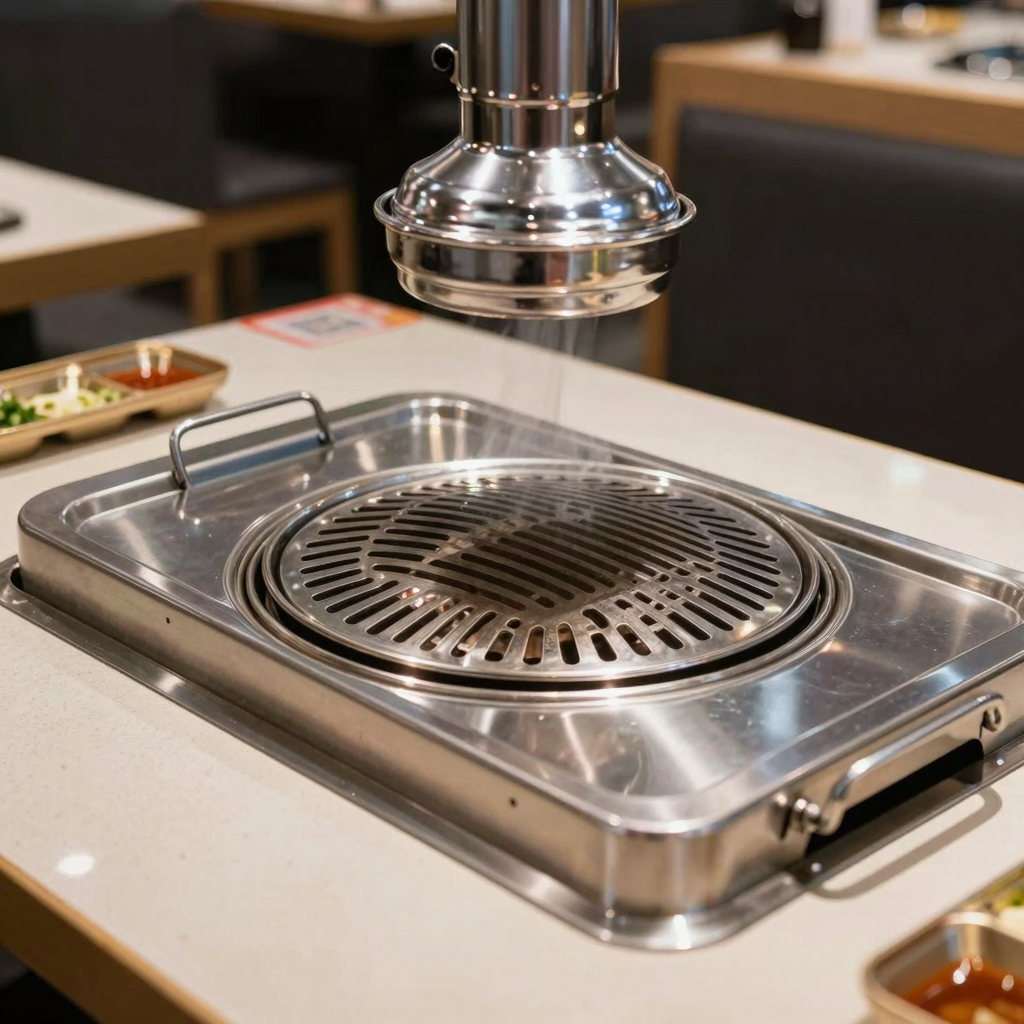
Common Grill Cleaning Practices in Korean BBQ Restaurants
Cleaning grills in Korean BBQ restaurants is essential for maintaining hygiene, optimizing the flavor of the food, and ensuring a safe dining environment. The cleaning routine may vary based on the type of grill used, with specific practices for different time frames: daily, weekly, and monthly.
Daily Practices
Daily cleaning tasks are crucial for ensuring that the grill is ready for the next service and safe for cooking:
- Cast Iron Carbon Grills: After service, staff scrape off food debris using a metal scraper or even a raw onion to prevent sticking. They wipe the surface with a damp cloth and apply a light coat of oil to prevent rust.
- Electric Infrared Grills: Staff perform a quick wipe down of the grates and clean the drip trays. It’s also important to inspect the heating elements for any residue that might affect performance.
- Indoor/Outdoor Hybrid Grills: Similar to their electric counterparts, these grills require scraping of the grates after each use and removal of any grease buildup from grease traps, ensuring that all surfaces are hygienic and odor-free.
Weekly Practices
Weekly cleaning goes a step deeper, requiring more thorough tasks:
- Cast Iron Carbon Grills: These grills need a comprehensive scrub with a grill brush and hot water followed by re-seasoning with oil to ensure longevity and flavor retention. Checking for rust or damage during these cleans is also typical.
- Electric Infrared Grills: A deep clean of the grates using a non-abrasive cleaner is necessary. This includes cleaning internal components like fans and sensors, along with a careful inspection of electrical connections.
- Indoor/Outdoor Hybrid Grills: A complete clean of the grilling surface with degreasers is required, along with sanitizing grease collection systems to avoid unpleasant odors and ensure proper function.
Monthly Practices
Monthly maintenance involves inspections and deeper cleaning tasks:
- Cast Iron Carbon Grills: For these grills, taking out the grates, soaking them in a degreaser, and scrubbing them thoroughly before re-seasoning is important. Inspecting and replacing worn parts as necessary is vital for equipment longevity.
- Electric Infrared Grills: A more elaborate disassembly and cleaning of internal parts, including testing infrared elements and verifying safety features, are part of the monthly routine.
- Indoor/Outdoor Hybrid Grills: A comprehensive inspection of all mechanical and electrical systems is performed, including a deep clean of ventilation and exhaust systems, often leading to professional maintenance checks.
Visual Summary of Cleaning Practices
For a comparative overview of these cleaning practices based on grill type and frequency, take a look at the chart below:
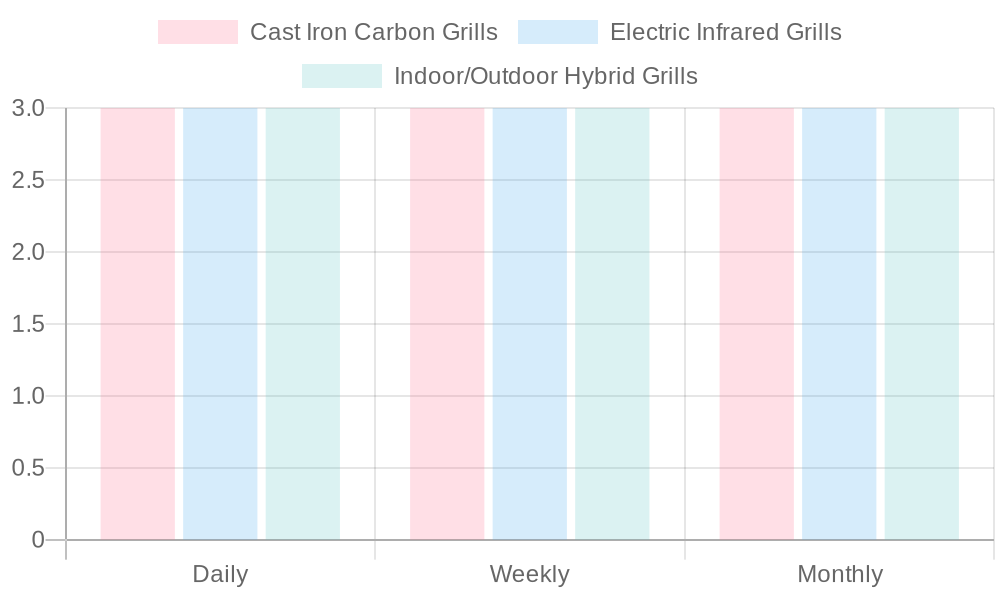
Understanding these cleaning practices not only enhances the dining experience but also engages restaurant staff in maintaining high safety standards. Ensuring your grills are clean and well-maintained can make a significant difference in the success of your Korean BBQ restaurant.
For more insights on menu offerings and operations, you can learn more about our Korean BBQ and sushi menu. Check out how Kogi Korean BBQ houses maintain their quality for continued success!
Recommended Cleaning Frequency for Grill Parts
Maintaining a clean grill is essential for any Korean BBQ restaurant owner. Below is a visual representation of the recommended cleaning frequency for various parts of the grill based on the type of grill used. This chart is designed to help you implement best practices for cleaning and maintenance effectively.
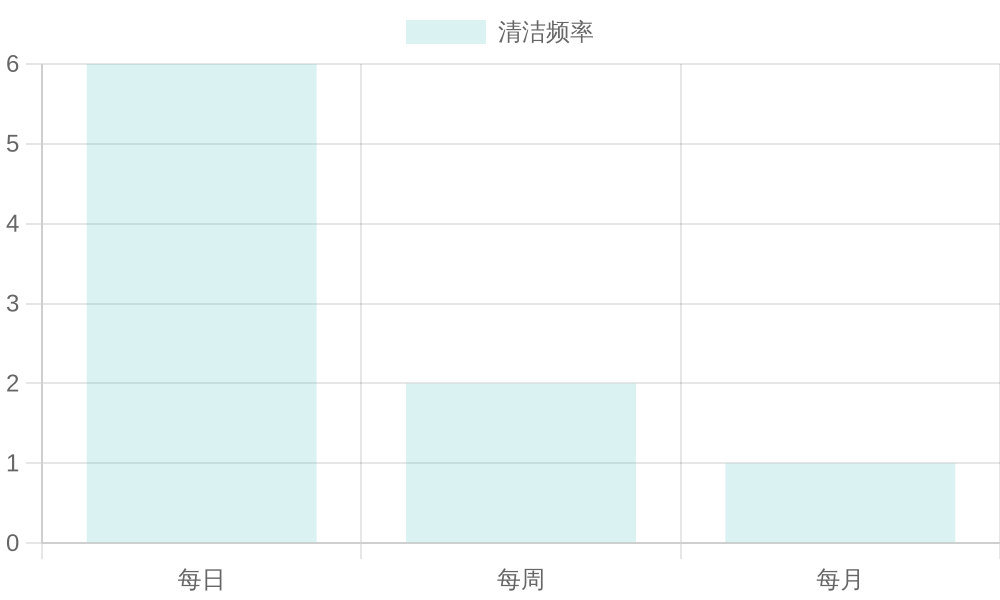
| 清洁频率 | 清洁部位 | 适用烤炉类型 |
|---|---|---|
| 每日 | 烤架 | 气体、炭火、电热 |
| 每日 | 烤炉内部 | 气体、炭火、电热 |
| 每日 | 控制面板/控制装置 | 气体、炭火、电热 |
| 每周 | 油脂收集槽(油池) | 气体、炭火、电热 |
| 每周 | 排气口/通风口 | 气体、炭火、电热 |
| 每月 | 深度清洁(烟罩、热交换器等) | 气体、炭火、电热 |
数据来源:美国国家消防协会(NFPA)标准654《餐饮业设备火灾预防》及美国食品和药物管理局(FDA)食品安全指南。
Training staff in proper grill cleaning procedures is crucial for maintaining hygiene and safety in any restaurant, especially those that specialize in grilling techniques, such as Korean BBQ. Poor cleaning practices not only diminish the quality of food but can also lead to serious health and safety risks.
Ensuring Safety and Cleanliness
Employee training greatly enhances grill safety and cleanliness. According to a report by the National Restaurant Association, restaurants that implement comprehensive training programs witness up to a 40% decrease in safety incidents related to grills and cooking equipment. This reduction is essential since inadequate grill maintenance can result in dangerous grease buildup, a significant fire hazard.
Training on grill cleaning procedures encompasses several safety protocols, such as:
- Using appropriate personal protective equipment (PPE): Ensuring staff wear heat-resistant gloves and aprons to protect against burns.
- Understanding cleaning chemicals: Employees should know how to safely use and store cleaning agents, minimizing the risk of chemical burns or accidental mixing of harmful substances.
- Following structured cleaning schedules: Daily cleaning, weekly deep cleans, and quarterly professional inspections are essential to prevent grease accumulation and cross-contamination.
Effective training enables employees to detect early signs of potential hazards, such as grease overspills, ensuring proactive measures are taken. For example, untrained staff may overlook hidden grease traps, while trained personnel are more likely to adhere to sanitation standards, significantly reducing risks of foodborne illnesses linked to pathogens like Salmonella and E. coli.
Consistent Practices Lead to Better Outcomes
When restaurant staff undergo thorough training, it helps establish a culture of cleanliness and safety. This culture translates into consistent practices, ensuring that every shift meets established cleanliness standards. As reported by ServSafe, a structured training program cultivates awareness among employees about the dangers of neglecting grill cleaning, thereby reinforcing compliance with health codes.
By prioritizing grill safety through effective employee training, restaurant owners can not only enhance food safety and quality but also improve overall operational efficiency. Investing in training pays off, reflecting in better customer experiences and potentially reducing liability risks associated with accidents or food-related illnesses. Training is, therefore, a vital component in the successful operation of any restaurant that features grilling as part of its culinary offerings.
Ultimately, a well-maintained grill can significantly impact kitchen operations, food quality, and safety. Providing staff with training resources ensures they are well-equipped to uphold these standards, benefiting both the restaurant and its patrons.
Restaurant Owner Insights on Grill Cleanliness
“Our sales increased by 28% after we implemented a daily deep-cleaning protocol for our grills and introduced visible hygiene checks for customers. It’s not just about safety-it’s about trust. When guests see a clean grill, they feel confident in every bite.”
- Sarah Lin, Owner of ‘Grill & Co.’, Austin, Texas.
source
This quote encapsulates the vital connection between grill cleanliness and customer trust, which is essential for enhancing business performance. As restaurants strive to meet customer expectations, maintaining clean grills becomes a cornerstone of their operational strategy.
For further insights on managing your Korean BBQ restaurant, check out our article on effective grill management.
Conclusion: The Importance of Grill Cleanliness in Korean BBQ Restaurants
Maintaining a clean grill is not just a matter of aesthetics; it is essential for ensuring food safety, preserving flavor integrity, and enhancing customer satisfaction in Korean BBQ restaurants. A dirty grill can harbor harmful bacteria and lead to cross-contamination, which poses severe health risks to patrons. Furthermore, residues leftover from previous meals can negatively affect the taste of fresh dishes, detracting from the authentic dining experience that patrons expect. Immediate cleaning after each use, including scrubbing with stainless steel wool and using specialized grill cleaners, is crucial for preventing the buildup of grime.
Regular grill maintenance not only ensures compliance with health regulations, such as those outlined by the FDA Food Code, but also prolongs the life of the equipment. Being proactive about grill cleanliness can result in significant cost savings in the long run, making it a smart investment for restaurant owners. Expert services like My Grill Guy offer professional cleaning solutions that guarantee a hygienic and efficient operation.
In conclusion, the significance of maintaining a clean grill in Korean BBQ settings cannot be overstated. It directly influences the overall dining experience and contributes to the establishment’s success. For effective, thorough cleaning solutions tailored specifically for your restaurant needs, reach out to Zoomlion. Let our team assist you in upholding the highest standards of cleanliness for your grills, ensuring delightful meals for your customers every time!