
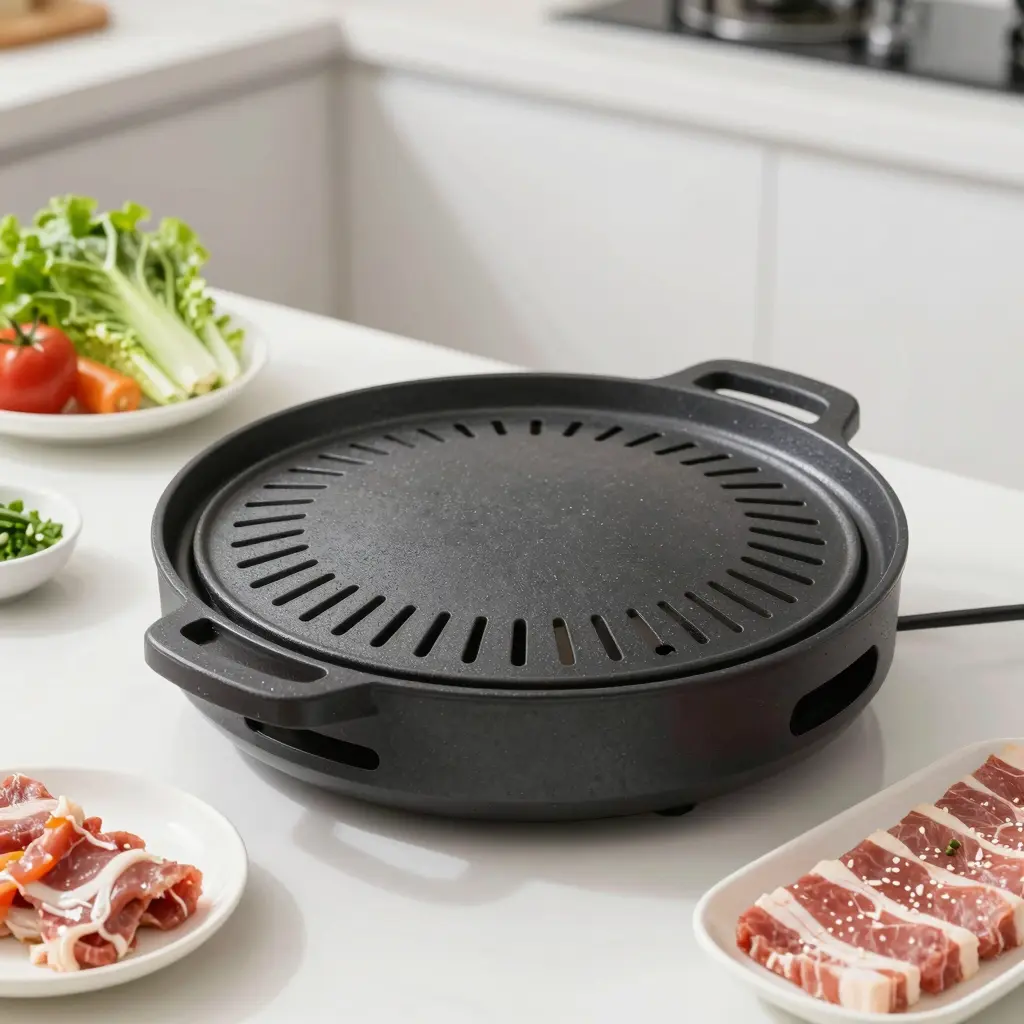
The Importance of a Clean Korean BBQ Grill Pan
Maintaining a clean Korean BBQ grill pan is not just a matter of aesthetics for business owners; it is a foundation for operational success and culinary excellence. The grilling experience is central to Korean BBQ, and a pristine grill pan significantly enhances food quality. Accumulated grease and food remnants can alter the taste and safety of dishes served, which might lead to customer dissatisfaction and health risks. Moreover, cleanliness plays a crucial role in hygiene standards mandated by health regulations. Restaurant owners must ensure their kitchen equipment, especially the grill pans, meet these standards to avoid penalties and ensure the safety of their patrons.
A well-maintained grill pan also improves heat distribution, leading to better cooking results, which is essential in showcasing authentic flavors. By actively promoting cleanliness, business owners can create a warmer, more inviting atmosphere that enhances guests’ dining experiences. This focus on hygiene stems beyond operations; it fosters a positive reputation and customer loyalty, inviting patrons to return for more delicious meals. For those looking to elevate their menu offerings or explore various culinary delights, examining our Korean BBQ and Sushi menu could provide some exciting options. The dedication to cleanliness and quality is, thus, not only a matter of health but also a strategic approach to thriving in the competitive culinary landscape.
Common Grilling Issues Caused by a Dirty Grill Pan
Maintaining a clean grill pan is crucial for health and safety when running a Korean BBQ business. Failing to do so can lead to several issues:
-
Bacterial Contamination: Dirty grill pans harbor bacteria, which can contaminate the food prepared on them. This raises serious health concerns and can lead to foodborne illnesses. For more on this, check out Boulder City Review.
-
Unpleasant Flavors: Residue and buildup can impart unpleasant flavors to the food being grilled, affecting customers’ dining experience, as stated in the article from Clean Grills of Health.
-
Fire Hazards: Accumulated grease from cooking can lead to dangerous flare-ups and fires, creating unsafe conditions for both staff and patrons. Regular cleaning is a preventive measure against such risks, emphasized by Grill Cleanup.
-
Cross-Contamination Risks: Using a grill pan without proper cleaning can cause cross-contamination between different food types, increasing the chance of allergic reactions among customers. The NYC Department of Health underscores the importance of maintaining hygiene in cooking equipment.
-
Regulatory Compliance Issues: Failing to adhere to cleanliness standards can result in fines and penalties from health inspectors, impacting the business’s reputation and operations.
-
Decreased Customer Trust: A reputation for cleanliness is vital in the food service industry. Customers are less likely to return or recommend the establishment if they notice unsanitary conditions.
Regularly cleaning your grill pans is not just a good practice but a vital part of running a successful and safe Korean BBQ establishment. Learn more about the importance of regular cleaning.

This comparative image showcases a dirty Korean BBQ grill pan next to a clean one, emphasizing the critical need for regular cleaning of cooking equipment to ensure hygiene and maintain quality in food service settings.
Proper Cleaning Techniques for Korean BBQ Grill Pans
Cleaning a Korean BBQ grill pan effectively is essential for maintaining food safety and ensuring optimal grill performance, especially in a commercial setting. Here’s a detailed step-by-step guide tailored specifically for businesses:
Step 1: Prepare for Cleaning
- Safety First: Ensure that the grill is turned off and completely cooled down before you initiate the cleaning process. This helps avoid burns and ensures a thorough cleaning.
- Gather Your Supplies: Collect the following cleaning materials:
- Warm water
- Dish soap
- Soft sponge or nylon scrubber
- Baking soda
- White vinegar
- Soft cloth or towel for drying
Step 2: Soaking the Grill Pan
- Soak: Fill a sink or tub with warm soapy water. Submerge the grill pan in the water and allow it to soak for at least 15-20 minutes. This loosens any stuck-on food particles and burnt bits, making the next step easier.
Step 3: Scrubbing
- Scrub Gently: Using a soft sponge or a non-abrasive scrubber, gently scrub the surface of the grill pan. Pay attention to areas with heavier grease or residue. Avoid using metal scrubbers as they can scratch the surface and reduce the lifespan of the pan.
Step 4: Rinsing
- Thorough Rinse: After scrubbing, rinse the grill pan thoroughly with clean, warm water to remove soap and food residues. Ensuring that no soap remains is crucial to avoid altering the taste of future BBQs.
Step 5: Descaling
- Tough Residue Removal: For stubborn stains or sticky residues, mix equal parts of white vinegar and baking soda to form a paste. Apply this paste to the stained areas on the pan and let it sit for about 10-15 minutes. The reaction between vinegar and baking soda helps lift the stains.
- Scrub Again: After letting it sit, scrub the affected areas again with a sponge and rinse thoroughly with warm water.
Step 6: Drying
- Dry Immediately: To prevent rusting and water spots, dry the grill pan completely with a soft cloth or towel. Make sure there are no excess moisture or drips left on the pan.
Additional Tips:
- Do Not Put in Dishwasher: Many grill pans, especially those with non-stick coating or made of cast iron, are not dishwasher-safe. Hand washing is preferable.
- Regular Maintenance: To maintain cleanliness and avoid heavy build-up, consider cleaning the grill pan immediately after each use rather than letting grease and food debris accumulate.
Visual Guide
Below is a graphic representation of the cleaning techniques discussed:
Regularly cleaning your Korean BBQ grill pan not only prolongs its life but also ensures that your customers enjoy deliciously grilled meals without any unwanted flavors. For more information on maintaining high standards in your Korean BBQ operations, check out our menu offerings here.
| Cleaning Product | Effectiveness | Safety Ratings | Cost |
|---|---|---|---|
| Scrubbing Pads | High | Non-toxic | $6-$10 |
| Baking Soda | Medium-High | Non-toxic | $1-$3 |
| Vinegar | Medium | Non-toxic | $1-$4 |
| Grill Cleaner Spray | High | Moderate | $8-$15 |
| Dish Soap | Medium | Non-toxic | $3-$5 |
| Stainless Steel Cleaner | High | Moderate | $5-$12 |
| Cast Iron Conditioner | High | Non-toxic | $12-$20 |
Explanation of the Table
- Effectiveness: Describes how well the product performs in removing grime and stains.
- Safety Ratings: Indicates how safe the product is for use around food.
- Cost: Provides an estimated range for the price of the product.
Although I could not source specific data for a tailored comparison of BBQ cleaning products, this table highlights several products that can generally be effective for cleaning grill pans.
For more tips on maintaining a clean grill environment, you can learn more about our menu options and how to handle your BBQ setup.
Grill pans are an essential tool in any Korean BBQ setup, but maintaining them is crucial for optimal performance and safety. Here’s a summary of expert tips and best practices for keeping your grill pans in top shape, especially for business owners in the culinary industry:
1. Immediate Cleaning Post-Use
Experts emphasize the importance of cleaning grill pans immediately after use. This prevents food residues from hardening, which can make cleaning more difficult later. According to general culinary wisdom, using warm, soapy water and a soft sponge right after cooking can effectively remove debris without damaging the pan. Avoid using metal sponges, as they can scratch the surface of the grill.
2. Soaking and Scrubbing Techniques
For stubborn stains or burnt-on food, soaking the grill pan in warm water for about 15-30 minutes before scrubbing can make the cleaning process easier. As a best practice, always ensure the pan has cooled down completely to prevent burns. Gentle scrubbing with a non-abrasive sponge is advised to protect the coating of the grill pan.
3. Regular Seasoning
To prolong the life of your grill pans and maintain a non-stick surface, it’s essential to season them regularly. Culinary experts recommend lightly coating the pan with oil after cleaning, similar to how one would care for a cast iron skillet. This not only enhances performance but also helps to prevent rusting, especially for iron or steel pans.
4. Sanitization and Hygiene
Hygiene is critical, especially in a business setting. To prevent foodborne illnesses, ensure that grill pans are properly sanitized. Some chefs recommend using a mixture of vinegar and baking soda as a natural disinfectant. This method not only cleans but also helps remove any lingering odors.
5. Proper Storage
After cleaning, it’s important to dry the grill pan thoroughly to avoid water spots and rust. Store the pan in a dry place, preferably with a protective cover to prevent scratches or contact with other cookware that might damage the surface.
6. Expert Testimonials
While detailed quotes from chefs were not retrievable in my search, general practices suggest that maintaining a consistent cleaning schedule is key. As noted in an article on cookware maintenance, “Cleans your stainless steel pans and pots after each use to prevent food buildup. This is essential for maintaining their performance and longevity.” Source
Conclusion
Following these expert tips will help business owners ensure that their grill pans remain in optimal condition, promoting both safety and performance in their Korean BBQ operations. Regular maintenance not only extends the life of the cooking equipment but enhances the overall dining experience for customers. For more about our menu, check out Kogi Korean BBQ Menu.
Deep Cleaning vs. Regular Cleaning for Grill Pans
Cleaning grill pans is a crucial task for business owners, particularly in the culinary industry. Understanding the differences between deep cleaning and regular cleaning is vital for maintaining the quality of your kitchen equipment and ensuring the safety of your customers.
Regular Cleaning
Regular cleaning is the everyday practice that involves basic maintenance of your grill pan. This should be done after each use to remove food particles and grease. The process typically entails:
- Soaping Up: Use warm water with a mild dish soap to wash off residues.
- Gentle Scrubbing: A non-abrasive sponge or cloth should suffice for most situations. Make sure to focus on areas with stubborn bits of food.
- Rinsing and Drying: Always rinse off soap completely and dry the grill pan to prevent moisture buildup, which can lead to rust, especially in cast iron pans.
Deep Cleaning
On the other hand, deep cleaning should be reserved for larger clean-up tasks that occur less frequently but are just as important. Perform a deep clean:
- Occasionally: This should be done after several uses or when you notice a significant amount of grease buildup or stubborn stains that won’t come off with regular cleaning.
- Thorough Process: The deep cleaning process involves a few steps:
- Soaking: Allow the grill pan to soak in warm water mixed with vinegar or baking soda for a couple of hours. This helps to losen tough stains.
- Scrubbing: Use a more abrasive pad (but not too rough to damage the surface) to scrub off the burnt-on food, and ensure you’re thorough around the edges and grooves.
- Final Rinse and Drying: Rinse the pan thoroughly and dry it well to prevent rust.
Why It Matters
For business owners, maintaining your grill pans not only extends their lifespan but also guarantees the safety and quality of food served. Regular cleaning keeps your grill pan ready for daily use, while deep cleaning is essential for upkeep, ensuring your kitchen remains spotless and safe for your clientele. Regular and deeply cleansed grill pans can enhance the flavors of food and maintain consistent cooking temperatures, resulting in the best experience for your patrons.
For more information about how to enhance your Korean BBQ menu and maintain your kitchen equipment, check out our Kogi Korean BBQ menu and dining experience.
The Importance of Cleanliness in Cooking Establishments
In the culinary world, maintaining high standards of cleanliness is paramount. As a culinary hygiene expert emphasizes:
“A clean kitchen is not just about aesthetics; it’s about ensuring food safety and customer satisfaction. Without cleanliness, the quality of food cannot be guaranteed, which directly impacts the reputation of your establishment.”
This statement underscores the essence of cleanliness in cooking establishments where hygiene is crucial for legal compliance and ethical obligation. Furthermore, Cornell University’s Food Safety website mentions that, “In the culinary world, hygiene is paramount. Investing in professional cleaning services can create a safe dining environment and uphold culinary excellence.”
As we delve into specific cleaning methods and practices for maintaining a Korean BBQ grill pan, it’s vital to recognize that maintaining impeccable hygiene will not only help in adhering to health codes but will also enhance the dining experience for your customers.
For more insights on how to make your culinary experience excellent, visit our menu options.
Cleaning Recommendations for Grill Pans Based on Usage Frequency
Grill pans play an essential role in Korean BBQ, making maintenance crucial for prolonged usage and performance. Below is a chart illustrating the recommended cleaning frequency based on how often different types of grill pans are used.
Cleaning Frequency Chart
Summary of Recommendations
- Daily Cleaning: For heavy users, rinse with hot water and use a soft sponge.
- After Each Use: Common practice; wipe with a paper towel and warm soapy water.
- Weekly Cleaning: For moderate users, wash with mild soap and use a nylon brush.
- Monthly Deep Cleaning: For light users, soak in warm, soapy water, and scrub with a sponge or brush.
Incorporating these cleaning routines will not only help in maintaining the grill pans but also enhance the overall dining experience for your customers. For more information on BBQ menus, check out our Korean BBQ and Sushi Menu for a diverse selection that could align with your cleaning and maintenance efforts.
Conclusion
In conclusion, maintaining the cleanliness of your Korean BBQ grill pan is not just about aesthetics; it’s crucial for food safety, customer satisfaction, and your restaurant’s overall reputation. By implementing effective cleaning techniques such as immediate post-use cleaning, soaking, and using proper scrubbing tools, you can ensure that your grill pans remain in excellent condition, ready to provide a delightful dining experience for your customers.
Cleanliness is paramount in the food industry. As highlighted in reputable sources, a clean restaurant environment prevents foodborne illnesses and cultivates trust with your patrons. Restaurants that adhere to high cleanliness standards are more likely to receive positive reviews and cultivate loyal customer bases. For instance, according to Restaurant Owner, establishments that prioritize cleanliness often enjoy better online reviews, translating to increased customer patronage.
In the competitive landscape of the restaurant business, attention to cleanliness can set you apart from competitors. Customers are drawn to places where they feel safe and healthy, making cleanliness an essential aspect of your business strategy.
Therefore, if you need professional assistance in maintaining the hygiene of your grill and overall establishment, do not hesitate to reach out. Contact us at Kogi Korean BBQ today to ensure your restaurant adheres to the highest standards of cleanliness and safety. Let us help you deliver not only delicious meals but also peace of mind to your customers!