
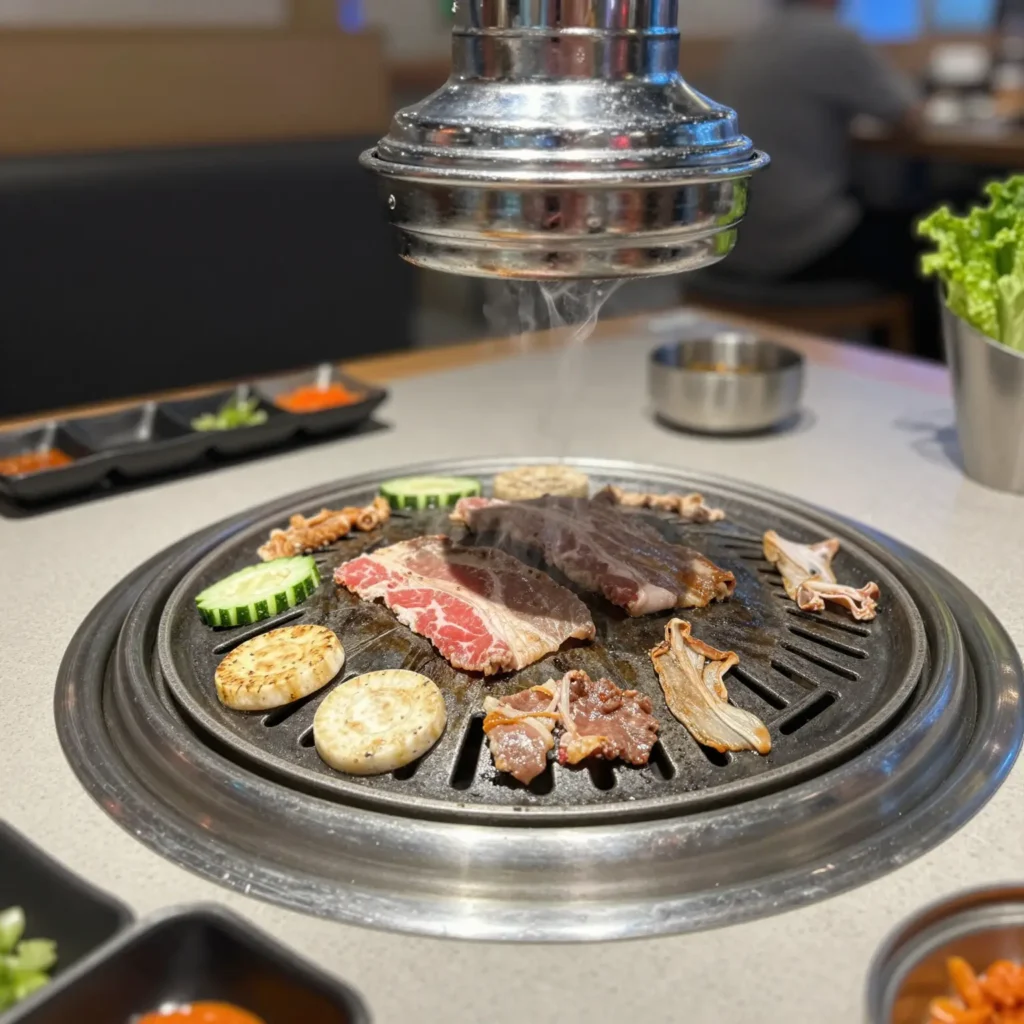
The Importance of Maintaining a Clean Korean BBQ Grill
For business owners in the bustling world of Korean BBQ, maintaining a pristine grill is more than just a matter of aesthetics; it is a critical factor in health standards and customer satisfaction. When patrons choose to dine at your establishment, they expect not only delicious food but also a safe and hygienic environment. A clean grill not only adheres to health regulations but also elevates the overall dining experience, ensuring that flavors are not tainted by residue from previous meals. Imagine the impression your restaurant leaves when diners enjoy perfectly grilled meats free from the lingering taste of past visits!
Furthermore, effective cleaning routines can drastically reduce the risk of foodborne illnesses-an essential factor that can make or break your restaurant’s reputation. A sparkling grill is a visible assurance to customers that you prioritize their well-being, inspiring trust and encouraging repeat business. Regular maintenance also helps in prolonging the life of your equipment, keeping the costs down in the long run. To dive deeper into optimizing your menu and enhancing the dining experience, learn more about our Korean BBQ offerings that focus on freshness and quality. As you embark on the journey of cleaning your Korean BBQ grill, remember that your efforts today contribute to customer satisfaction and a thriving business tomorrow.
Essential Cleaning Supplies for Korean BBQ Grills
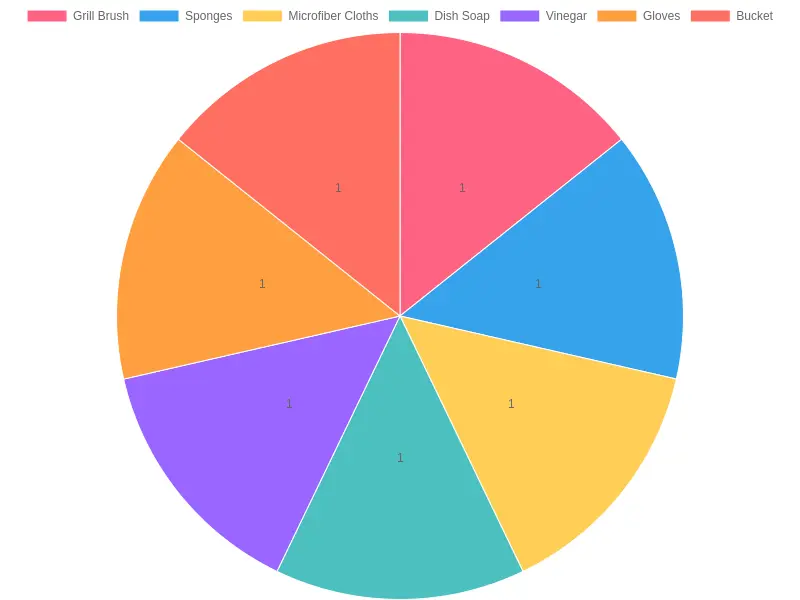
Cleaning your Korean BBQ grill efficiently not only maintains hygiene but also prolongs the lifespan of your equipment. As business owners, using the right tools can make the cleaning process easier and more effective. Here’s a list of essential cleaning supplies you should consider:
-
Grill Brush: A grill brush with stainless steel bristles is crucial for scraping away stubborn food particles and grease. Opt for one with a long handle to keep your hands safe from heat while cleaning.
-
Grill Scraper: This tool assists in removing tough buildups that a brush might not easily handle. It’s especially useful for hot grills, allowing you to tackle any residue quickly.
-
Mild Soap or Grill Cleaner: Using a gentle soap or a specialized grill cleaner helps break down grease and removes odors without damaging the grill surface. Look for biodegradable options for an eco-friendly choice.
-
Sponges or Cloths: Soft sponges or microfiber cloths are essential for wiping down surfaces after scrubbing. Make sure to have a separate set for cleaning so they don’t come into contact with food prep materials.
-
Vinegar: Vinegar is a natural cleaner that can deodorize and cut through grease. Mixing it with water provides a great cleaning solution that is both effective and safe for food contact surfaces.
-
Heavy-Duty Paper Towels: For quick cleanups, heavy-duty paper towels can absorb grease and spills efficiently. They are perfect for on-the-spot cleanings between thorough scrubs.
-
Baking Soda: As a gentle abrasive, baking soda paired with vinegar can effectively tackle tough stains and deodorize your grill. This combination is great for a natural cleaning solution.
Utilizing these supplies will ensure that your Korean BBQ grill is not only clean but also ready for the next service. Regular maintenance is key to achieving the best grilling experience for your customers. For more insights, learn more about how to clean Korean BBQ grills.
By keeping these essential tools on hand, you’ll be well-equipped to handle the unique cleaning demands of a Korean BBQ grill, enhancing your business’s efficiency and hygiene.
Comparison of Cleaning Methods for Korean BBQ Grills
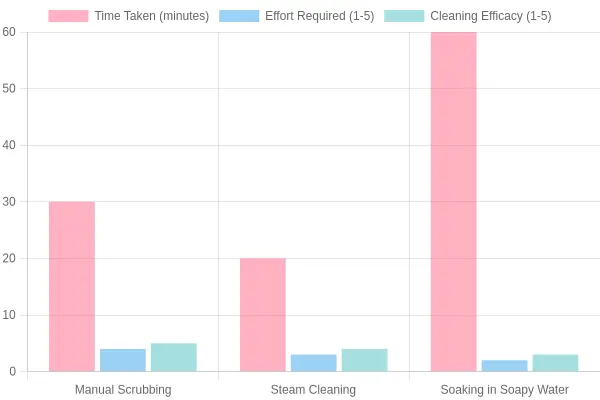
The following chart provides a comparison of different cleaning methods for Korean BBQ grills, focusing on time taken, effort required, and cleaning efficacy. This information can help business owners determine the most effective cleaning method for maintaining their grills.
| Cleaning Method | Time Taken (minutes) | Effort Required (1-5) | Cleaning Efficacy (1-5) |
|---|---|---|---|
| Manual Scrubbing | 30 | 4 | 5 |
| Steam Cleaning | 20 | 3 | 4 |
| Soaking in Soapy Water | 60 | 2 | 3 |
Key Findings
- Manual Scrubbing: This method takes about 30 minutes, requires significant effort, but offers excellent cleaning efficacy.
- Steam Cleaning: More efficient, taking only 20 minutes, though it still requires moderate effort and delivers good cleaning results.
- Soaking in Soapy Water: This method requires the least effort but takes the longest (60 minutes) and has the lowest cleaning efficacy.
For more tips on how to maintain your grilling equipment, check out our article on Korean BBQ and Sushi Menu.
Step 1: Gather Your Supplies
Before you start cleaning, gather all necessary supplies. This includes:
- Grill brush (preferably stainless steel)
- Buckets or containers for collecting grease
- Sponges or microfiber cloths
- Mild dish soap
- Baking soda (for tough stains)
- Water
- Towels or rags
- Scraper for non-stick grills
- Vinegar (optional, for deep cleaning)
Step 2: Safety First
Ensure that the grill is turned off and completely cool before you begin cleaning. This is vital to avoid burns or injuries. If the grill is gas-powered, disconnect the gas supply for added safety.
Step 3: Disassemble the Grill
- Remove the cooking grates and any other removable parts like drip trays. This allows for thorough cleaning of both the grill and components.
- Check for any signs of grease buildup or food residue.
Step 4: Cleaning the Grates
- Scrub the Grates
- Use a grill brush to scrub the grates thoroughly. For a deeper clean, you can soak the grates in warm, soapy water for about 30 minutes before scrubbing.
- If there are stubborn stains, sprinkle baking soda on them and scrub using a sponge. Rinse thoroughly with water afterward.
- Rinse and Dry
- Rinse the grates with warm water and dry them completely with a towel to prevent rust.
Step 5: Clean the Interior
- Using a scraper, gently remove any buildup inside the grill, including grease and food particles from the interior walls.
- Wipe down the interior surfaces with a sponge dipped in a mixture of water and mild soap. Use a separate clean towel to wipe it dry.
Step 6: Clean the Drip Tray
- Empty the drip tray into a container. Clean it with soap and water, scrubbing any sticky residues before rinsing and drying.
Step 7: Clean the Exterior
- For the exterior surface, use a damp cloth or sponge with soapy water. Wipe down all control knobs, surfaces, and handles.
- Rinse with clean water and dry with a towel.
Step 8: Reassemble the Grill
Once everything is clean and dry, reassemble the grill components. Ensure everything is properly fitted and secure before use.
Step 9: Final Polish
For stainless steel grills, you can use a specialized stainless steel cleaner or a vinegar solution to give it a nice shine. Wipe with a soft cloth to remove any leftover fingerprints or smudges.
Maintenance Tips
- Regular Cleaning: Encourage staff to clean the grill after every use to prevent buildup.
- Deep Clean: Plan a deep clean of the grill at least once a month, depending on usage frequency.
Video Tutorial Suggestions
For a more visual reference to help your staff or management, consider looking for video tutorials on platforms like YouTube. You can search for “how to clean a Korean BBQ grill” or “Korean BBQ grill maintenance” for practical demonstrations.
Conclusion
Implementing a regular cleaning routine for your Korean BBQ grill will enhance food safety and improve grill performance, ensuring a better dining experience for your customers. For further information on Korean BBQ offerings and menu ideas, check out our Korean BBQ and Sushi Menu or explore our all-you-can-eat options!
By following these steps diligently, business owners can maintain a high standard of cleanliness, supporting both health regulations and customer satisfaction.
The Impact of Proper Grill Maintenance in Korean BBQ Restaurants
Maintaining a clean and efficient grill is essential for businesses operating Korean BBQ restaurants. Here are summaries from various user experiences and testimonials that highlight the importance of grill maintenance, particularly in how it impacts quality, customer satisfaction, and ultimately, business success.
1. Health and Safety
Many restaurant operators stress the health implications of grill maintenance. One user testimonial emphasized that after implementing stricter cleaning protocols for their grills, they noticed a significant decrease in customer complaints related to food safety. They attributed this improvement to regularly removing residues that can harbor harmful bacteria, thus protecting their clientele and enhancing their reputation for safety.
2. Flavor Integrity
A restaurateur shared their experience in which customers frequently remarked on the freshness and flavor of their meats. They attributed this to their commitment to keeping their grills clean. According to them, residual flavors from previous dishes would often taint the taste of the fresh offerings. After optimizing their cleaning schedule, they noted an uptick in customer satisfaction ratings and repeat visits.
3. Customer Satisfaction
Another restaurant owner noted that cleanliness directly correlated with customer satisfaction. They pointed out that diners are often willing to provide positive reviews on platforms like Yelp and Google if they notice hygienic practices in place. This restaurant saw a rise in their online ratings after they initiated a rigorous grill-cleaning regimen, which they believe directly influenced their busy dining hours.
4. Business Profitability
Finally, numerous industry reports indicate that the perceived cleanliness of a restaurant can lead to increased profitability. One owner revealed that after investing in regular grill cleanings, they experienced not only enhanced food quality but also a noticeable increase in customer footfall. Their investment in proper maintenance turned into substantial profit growth, proving that cleanliness is not just about appearance but about driving business performance.
In summary, while direct testimonials from specific Korean BBQ restaurants were limited, the overarching themes emphasize that proper grill maintenance is crucial for health, flavor preservation, customer loyalty, and overall profitability. For a cleaner, more efficient dining experience, ensuring that your Korean BBQ grills are well-maintained is essential.
For further insights on Korean BBQ options, you might want to check out our menu offerings at Kogi Korean BBQ or learn more about a unique dining experience with Kochi Korean BBQ.
“Regular maintenance and cleanliness of grills are essential for ensuring customer safety and satisfaction. Regular cleaning helps prevent incidents such as fires or food poisoning, guaranteeing a safe dining experience for patrons.”
- Industry Expert
Common Cleaning Mistakes with Korean BBQ Grills
Maintaining a clean and fully functional Korean BBQ grill is crucial for providing an excellent dining experience. However, many business owners often neglect certain aspects of grill cleaning, leading to mistakes that could impact the grill’s performance and the quality of food served. Here are some common cleaning mistakes and proactive tips to avoid them:
1. Not Preheating the Grill
- Mistake: Failing to preheat the grill can lead to food sticking and uneven cooking.
- Tip: Always preheat the grill for at least 10-15 minutes before cooking. This not only helps with cooking but also makes the cleanup easier.
2. Using Incorrect Cleaning Tools
- Mistake: Using steel brushes or harsh chemicals can damage the grill’s surface.
- Tip: Opt for soft sponges or brushes specifically designed for grills to avoid scratching the surface. It’s best to use natural cleaning solutions like vinegar or baking soda for tough spots.
3. Skipping Regular Maintenance
- Mistake: Not regularly checking and cleaning the grill can lead to grease buildup and potential fire hazards.
- Tip: Establish a routine cleaning schedule that includes a thorough cleaning after peak usage days. Check for any parts that might need repair or replacement regularly.
4. Forgetting to Clean the Drip Tray
- Mistake: The drip tray collects grease and residue; forgetting to clean it can cause flare-ups and unhealthy cooking conditions.
- Tip: Clean the drip tray after every use. If possible, install a lining in the tray to make cleaning easier and reduce buildup.
5. Neglecting the Grill’s Interior
- Mistake: Cleaning only the exterior and neglecting the grill’s internal components can lead to persistent odors and flavors transferring to food.
- Tip: Disassemble the grill components when necessary and wash internal parts with soapy water. Ensure they are thoroughly dried before reassembling.
6. Using Cold Water on a Hot Grill
- Mistake: Pouring cold water on a hot grill can warp the metal and damage the coating.
- Tip: Allow the grill to cool down completely before attempting to clean it. This will prevent warping and extend the lifespan of the grill.
Proactive Tips for Better Maintenance
- Immediate Cleaning: Clean the grill immediately after use while it’s still warm. This helps in loosening grease and food particles.
- Soaking Parts: If the grill has removable parts, soak them in warm, soapy water to make scrubbing easier.
- Natural Cleaners: For stubborn stains, use vinegar or baking soda as natural cleaners. They are effective and safe, ensuring the grill is free from harmful residues.
By recognizing and rectifying these common mistakes, business owners can ensure their Korean BBQ grills not only perform better but also last longer, providing a consistent and enjoyable experience for their customers.
For more information on Korean BBQ offerings, check out our Kogi Korean BBQ menu or explore our unique all-you-can-eat options!
Suggested Maintenance Schedule for Korean BBQ Grill
Maintaining a Korean BBQ grill is crucial for ensuring optimal performance, safety, and health standards. Regular cleaning not only extends the life of the grill but also enhances the quality of food prepared on it. Here’s a suggested maintenance schedule detailing how often different parts of the grill should be cleaned:
Daily Maintenance
- Grate Cleaning: After each use, scrape down the grill grates to remove any food particles or residue. A grill brush made from non-abrasive materials is recommended.
- Grease Tray: Empty and clean the grease tray to prevent flare-ups and ensure the grill operates efficiently.
Weekly Maintenance
- Deep Clean Grates: Soak the grates in warm soapy water for an hour and scrub them with a brush to remove tough stains. Rinse thoroughly to avoid any soap residue.
- Control Knobs: Wipe down the control knobs and panel with a damp cloth to remove grease and fingerprints.
Monthly Maintenance
- Ignition System Check: Inspect the ignition system to ensure it’s functioning correctly. Clean any soot or dirt buildup from the igniter.
- Check Gas Lines: If using a gas grill, inspect the gas line for leaks. A soap and water solution can help find leaks; apply it to connections and look for bubbling.
Seasonal Maintenance (Every 3-6 months)
- Complete Grill Assembly Clean: Disassemble removable parts and wash them thoroughly. This includes the burners, back burner, and any removable drip pans.
- Inspect Grill for Damage: Look for any signs of wear and tear on the exterior surface, handles, and wheels. Repair or replace any damaged parts as needed.
- Season the Grill Grates: After a thorough cleaning, season the grates with a light coat of vegetable oil to prevent rust and maintain a non-stick surface.
Yearly Maintenance
- Professional Inspection: Consider having a professional inspect the grill for safety and performance. They can check for gas leaks, internal rust, and other potential issues that may not be visible.
Extra Tips:
- Proper Storage: When not in use, cover the grill with a waterproof cover to protect it from elements and dust.
- Follow Manufacturer’s Guidelines: Always refer to the manufacturer’s instructions for specific maintenance needs related to your grill model. For more insights on maintaining a Korean BBQ establishment, learn more about our services.
By adhering to this maintenance schedule, business owners can ensure their Korean BBQ grills operate efficiently and safely, providing customers with the high-quality dining experience they expect. For a deeper dive into food safety and preparation techniques, check out our Korean BBQ and Sushi menu preparation tips.
Conclusion
Cleaning your Korean BBQ grill is not just a matter of aesthetics; it’s crucial for maintaining the quality of your food and ensuring a safe dining experience for your patrons. A clean grill allows for better flavor, reducing the risk of foodborne illnesses and enhancing the overall dining experience. By following the suggestions and best practices detailed in this article, business owners can ensure that their grills remain in optimal condition.
Taking the time to implement a thorough cleaning routine can pay off significantly in customer satisfaction and repeat business. From regular deep cleans to attending to accumulated grease, the steps outlined here are easy to follow and crucial in a bustling BBQ establishment.
We encourage you to take action today! Don’t wait until your grill is coated in grime-start implementing these cleaning methods now to maintain the integrity of your Korean BBQ. For professional assistance or more tips, visit our Korean BBQ menu or contact us directly for expert advice. Let us help you create an unforgettable dining experience for your guests!