
Introduction
Maintaining a Korean BBQ grill is crucial for business owners in the food industry, especially as it directly impacts customer satisfaction and health standards. A clean grill not only enhances the quality of the food but also ensures compliance with local health regulations. As such, understanding how to clean a Korean BBQ grill effectively is a vital skill that restaurant operators must possess. A well-maintained grill minimizes the risk of foodborne illnesses, improves taste, and creates a more inviting dining atmosphere. Cleanliness reflects a restaurant’s commitment to safety and quality, leading to a loyal customer base and unswerving reviews. In this guide, we will delve into the essential steps and best practices for keeping your Korean BBQ grill spotless, ensuring a safe and enjoyable experience for your guests. Learn more about maintaining a successful restaurant as we explore these crucial cleaning techniques.
Essential Cleaning Supplies for a Korean BBQ Grill
Cleaning a Korean BBQ grill properly is essential for both hygiene and improving the lifespan of the equipment. Here’s a detailed list of essential cleaning supplies you will need:
-
Grill Brush: A heavy-duty grill brush with stainless steel bristles is ideal for scraping off stubborn grease and grime from the grill grates.
-
Grill Scraper: A metal or plastic scraper helps to remove the residual food particles and burnt-on debris that may cling to the grill surface.
-
Cleaning Cloths: Microfiber cloths are recommended as they effectively absorb grease and are gentle on surfaces.
-
Non-Abrasive Sponge: For deeper cleaning, a non-abrasive sponge will clean the grill without scratching the surface.
-
Grill Cleaner: An effective grill cleaning solution specifically designed for BBQ grills will help to break down grease and food residues. Choose one that is non-toxic and BBQ-safe.
-
Baking Soda: A natural alternative for cleaning, baking soda can be mixed with water to create a paste that can help remove tough stains.
-
Vinegar: White vinegar is excellent for cleaning as it can cut through grease and provide a nice shine to stainless steel.
-
Scrub Brushes: Soft and hard scrub brushes to reach corners and crevices that may be hard to clean with a traditional grill brush.
By using these cleaning tools for BBQ grills, business owners can ensure their equipment remains in top-notch condition, leading to better performance and a safer dining experience for customers. For additional tips on maintaining your restaurant’s grill, check out our BBQ menu options.
To learn more about cleaning techniques, visit our page on how to clean a Korean BBQ grill.
Overall, maintaining a clean BBQ grill is vital for providing excellent food and hygiene standards in your establishment.
Cleaning a grill is an essential task for business owners operating Korean BBQ restaurants. Proper preparation not only enhances the longevity of the grill but also ensures a safe working environment for staff. Below are the necessary preparation steps and safety precautions to consider before cleaning the grill.
Steps to Prepare for Cleaning:
- Gather Necessary Supplies:
- Grill Brushes: Ensure you have the right brushes for the grill type.
- Cleaning Solutions: Opt for safe and effective grill cleaners.
- Protective Gear: Use gloves and goggles to protect against cleaning agents.
- Ensure the Grill is Cool:
- Turn Off the Grill: Make sure the grill is turned off and completely cool before starting the cleaning process. This is crucial for safety.
- Disconnect Fuel Sources:
- For Gas Grills: Disconnect the propane or natural gas supply to prevent any leaks or accidents.
- For Electric Grills: Unplug the grill to avoid electrical hazards.
- Prepare the Area:
- Ventilation: Ensure the cleaning area is well-ventilated to evaporate any harmful fumes from cleaning solutions.
- Clear Surroundings: Remove any flammable materials or items that can obstruct your cleaning process.
- Inspect the Grill:
- Check for Damage: Before cleaning, inspect the grill for any damages that may need repair. This is important for safety and maintenance.
Safety Precautions:
- Use Appropriate Cleaning Agents: Always select cleaning agents that are specifically designed for grills to avoid damage and health risks.
- Avoid Abrasive Tools: Do not use metal brushes that can scratch the grill’s surfaces, leading to rust or corrosion.
- Follow Manufacturer Guidelines: Refer to the grill’s manual for specific cleaning instructions tailored to your equipment.
Ideal Time for Cleaning:
- After Busy Hours: The best practice is to clean the grill after peak service times, usually at the end of the day. This allows thorough cleaning without interrupting service operations.
- Regular Maintenance: Schedule deep cleaning on a regular basis, weekly or bi-weekly, depending on the usage of the grill. Consistent cleaning is crucial for hygienic operations and optimal performance.
By following these steps and safety precautions, business owners can maintain their grills in excellent condition, ensuring a safe and enjoyable dining experience for customers. For a deeper insight into effective Korean BBQ practices, learn more about our menu or explore our all-you-can-eat options. These practices not only enhance the quality of food served but also contribute to a positive reputation for the establishment in providing exceptional grill experiences.
This image illustrates a typical Korean BBQ grill setup before and after cleaning, showcasing the difference between a dirty and a clean grill, which emphasizes the importance of maintaining cleanliness for business owners in the restaurant industry.
Step-by-Step Cleaning Guide for Your Korean BBQ Grill
Cleaning a Korean BBQ grill is essential for maintaining hygiene and extending the life of the grill. This step-by-step guide will walk you through the cleaning process, focusing on key components like grates, drip trays, and burners. Here you will learn how to clean a Korean BBQ grill effectively to ensure a top-notch grilling experience.
Gather Your Cleaning Supplies
Before starting, gather the following cleaning supplies:
- Soft brush or grill brush
- Non-abrasive scrubber
- Baking soda
- Vinegar or a commercial grill cleaner
- Bucket of hot soapy water
- Cleaning cloth
Step 1: Preparation
Ensure that the grill is completely cool before starting your cleaning process. Gather your cleaning supplies and set them in an accessible location near the grill. A clean grill not only ensures food is safe to eat but also enhances the flavor of your grilled dishes.
Step 2: Disassemble the Grill Components
Begin the cleaning process by disassembling any removable parts. This typically includes:
- Grill grates
- Drip trays
- Burners (if applicable and removable)
Check your owner’s manual for specific instructions related to your grill model for disassembly.
Step 3: Soak the Grates
Place the grill grates in a large bucket or sink filled with hot, soapy water. Allow them to soak for about 15-30 minutes to loosen food residues and grease. While the grates soak, you can move on to cleaning the other components.
Step 4: Clean the Drip Tray
Clean the drip tray using a mixture of vinegar and warm water or a commercial grill cleaner. Apply the solution and let it sit for a few minutes before scrubbing with a soft cloth or sponge. This will help remove grease and any stuck particles.
Step 5: Scrubbing the Grates
After soaking, take out the grill grates and follow these steps:
- Use a non-abrasive scrubber or a soft grill brush to scrub the surface. This will help eliminate stubborn food particles.
- For tougher spots, create a paste using baking soda and water. Apply it directly on the grime, let it sit for a few minutes, and then scrub again.
Step 6: Rinse and Dry the Grates
Once clean, rinse the grill grates thoroughly with warm water to remove any soap residue. Make sure to dry them completely with a clean towel to prevent rusting. Clean, dry grates will improve the grilling surface and ensure better searing.
Step 7: Clean the Grill Body and Burners
Wipe down the body of the grill with a damp cloth soaked in warm, soapy water or a gentle cleaning solution. If your grill has ceramic or metal burners, ensure they are also cleaned according to the manufacturer’s guidelines, avoiding harsh chemicals that may damage them. If the burners are removable, soak them in warm water as well for a deeper clean.
Step 8: Reassemble and Final Wipe Down
After everything has dried completely, reassemble the grill parts carefully. Perform a final wipe-down of the grill’s exterior with a damp cloth to remove any cleaning residues. Ensure everything is secured correctly before preparing it for your next cooking session.
Tips for Maintaining Your Korean BBQ Grill
- Regular Cleaning: Clean the grill after each use to maintain hygiene and performance. This prevents the build-up of grease and food particles.
- Use Proper Tools: Use grill brushes made specifically for your grill type to avoid scratches.
- Cover the Grill: When not in use, cover it to protect it from dust and debris, which minimizes the need for deep cleaning.
For more information on maintaining your grill or exploring our menu options, you may want to learn more about our selection.
By following these steps, you will ensure your grill is always ready for serving delicious Korean BBQ to your customers! Happy grilling!
Summary of BBQ Grill Cleaning Techniques
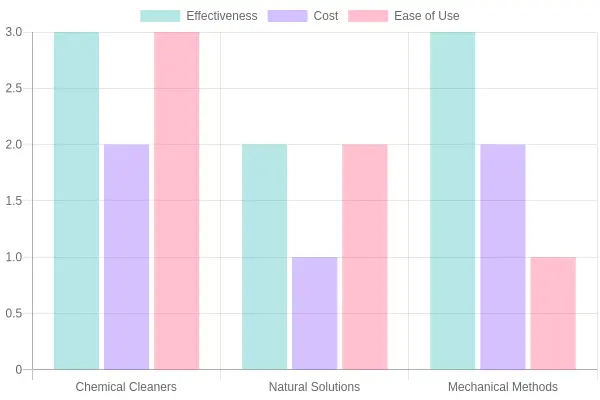
When it comes to cleaning BBQ grills, choosing the right method can significantly affect performance and longevity. Below is a comparison table summarizing the effectiveness, cost, and ease of use for various cleaning methods, which is crucial for busy business owners looking to maintain their grills efficiently.
| Method | Effectiveness | Cost | Ease of Use |
|---|---|---|---|
| Chemical Cleaners | High | Moderate | Easy |
| Natural Solutions | Moderate to High | Low to Moderate | Moderate |
| Mechanical Methods | High | Moderate to High | Moderate to Hard |
Explanation of the Cleaning Methods
- Chemical Cleaners: These are commonly available and often highly effective in breaking down grease and grime. They are easy to use but may require caution in terms of residue left behind.
- Natural Solutions: Many restaurant owners opt for natural cleaning solutions such as vinegar and baking soda. While they are safer and cheaper, the effectiveness might vary depending on the grime buildup.
- Mechanical Methods: This includes using tools like brushes and scrapers. Although very effective, they can be more labor-intensive and time-consuming.
Conclusion
Selecting the right cleaning method for your BBQ grill is essential to ensure it remains effective and safe for food preparation. Regular maintenance helps prolong the grill’s lifespan and ensures better performance, setting a professional standard for any Korean BBQ establishment. For further tips on maintaining your grill, check our full guide on cleaning BBQ grills.
Common Mistakes to Avoid When Cleaning a Korean BBQ Grill
Cleaning a Korean BBQ grill can be a daunting task, especially for business owners. It’s crucial to know common mistakes that can hinder your cleaning process and affect overall hygiene and food quality. Here are some common errors and tips on how to avoid them:
-
Neglecting Regular Cleaning: One of the most prevalent mistakes is failing to clean the grill regularly. Over time, grease and food particles accumulate, leading to unsanitary conditions and a poor taste in food. Tip: Establish a regular cleaning schedule that corresponds with your restaurant’s busy hours. Cleaning after peak times can maintain grill quality and safety.
-
Using Harsh Chemicals: Many owners resort to using potent chemicals that can leave harmful residues or affect the food’s flavor. Tip: Opt for natural cleaning agents such as vinegar and baking soda. These are effective against grease without posing health risks. You can find natural cleaning solutions in our cleaning guide.
-
Cleaning While Grill is Hot: Some may attempt to clean the grill while it’s still hot, risking burns or injuries. Tip: Allow the grill to cool completely before cleaning. This not only ensures your safety but can also enhance cleaning effectiveness as food residues may soften.
-
Not Following Manufacturer Instructions: Ignoring the manufacturer’s cleaning instructions could damage the grill or make cleaning less effective. Tip: Always review the user manual associated with your grill for specific cleaning guidance. Adhering to these instructions can prolong the lifespan of your equipment.
By being mindful of these common mistakes, business owners can ensure a more efficient and safe cleaning process for their Korean BBQ grills, leading to better food safety and customer satisfaction. Regular maintenance helps maintain the quality of the grill, which ultimately reflects on the dining experience of your customers.
Conclusion
Regular cleaning of your Korean BBQ grill is not just a matter of aesthetics; it is a cornerstone of health and safety within your business. By ensuring that your grill is thoroughly cleaned after each use, you significantly reduce the risk of harmful bacteria build-up, which can lead to foodborne illnesses. Additionally, regular cleaning helps to prevent grease accumulation, reducing the likelihood of flare-ups that could pose dangers in the cooking environment.
Not only does a clean grill ensure the health and safety of your customers, but it also enhances the quality and taste of the food prepared on it. According to sources like Health Benefits of BBQ, neglecting this simple maintenance can lead to cross-contamination and an overall compromised cooking experience. Moreover, keeping your grill clean can improve heat retention and efficiency, giving you a better outcome in your cooking efforts.
In summary, prioritize regular cleaning as part of your kitchen routine to foster a safe and hygienic environment. Your commitment to cleanliness will not only protect your patrons but also elevate the dining experience at your establishment.
Don’t wait – contact us today to discuss your needs for maintaining your grill and ensuring the health and safety of your patrons!
Cleaning Frequency for Korean BBQ Grills
To ensure optimal performance and hygiene of your Korean BBQ grill, it’s essential to follow recommended cleaning practices based on usage frequency. Below is a summary of the recommended cleaning frequency for different parts of the grill:
- Daily Cleaning:
- Grill plates and grates
- Drip trays
- Weekly Cleaning:
- Removable components (such as plates and grates) should undergo a more thorough cleaning.
- Monthly Maintenance:
- Inspect all parts and perform thorough cleanings to ensure everything is in working order.
This cleaning routine not only maintains hygiene but also prolongs the lifespan of your grill.
Cleaning Frequency Chart
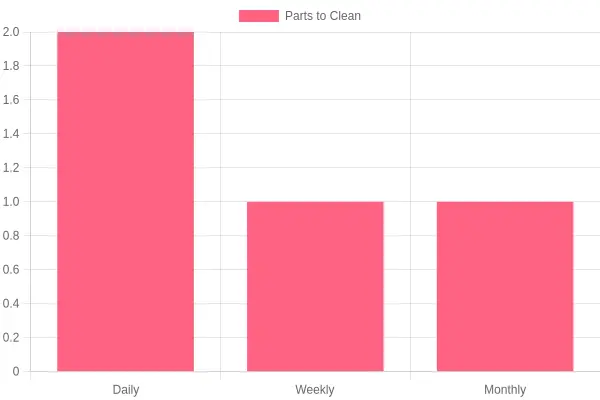
This chart visually represents the recommended cleaning frequency for different parts of a Korean BBQ grill.
Feel free to refer to your grill’s manual for specific advice and follow the guidelines for proper maintenance.
The Importance of Clean Korean BBQ Grills
-
Enhanced Customer Satisfaction
Cleanliness is essential in the food industry, and maintaining clean grills directly impacts customer satisfaction. Guests are more likely to enjoy their dining experience when they witness a clean cooking environment. A dirty grill can significantly detract from the overall ambiance, leading to negative perceptions of the restaurant.
Regular cleaning helps uphold the visual standards of the restaurant, promoting a sense of professionalism and care. A clean grill suggests to customers that the establishment values hygiene and takes pride in its cooking processes. -
Safety and Health Standards
Maintaining clean grills is critical for food safety. Grills that are not regularly cleaned can harbor bacteria, charred food residue, and grease buildup. This not only poses a health risk but could also lead to foodborne illnesses among patrons, which can profoundly impact a restaurant’s reputation.
Several health departments conduct inspections of restaurant kitchens, including grill cleanliness. Poor hygiene practices can result in fines, loss of permits, and negative reviews from health inspectors, causing lasting damage to a restaurant’s credibility. -
Operational Efficiency
From a business owner’s perspective, keeping grills clean can enhance the equipment’s longevity. With regular maintenance, grills function more efficiently, leading to improved cooking times and better-tasting food, which can ultimately boost repeat customers.
Clean equipment also reduces the likelihood of mechanical failures, which can disrupt service and lead to lost revenue during peak dining hours. -
Long-Term Business Success
Reviews and testimonials from patrons often highlight cleanliness as a top factor that affects their willingness to return. In the age of online reviews, maintaining a reputation for cleanliness can directly influence a restaurant’s success.
Engaging with customer feedback related to cleanliness and making adjustments in practice can establish a positive feedback loop that fosters loyal patronage.
Conclusion
While specific testimonials on Korean BBQ grill cleaning were not sourced, the overarching themes of cleanliness, customer satisfaction, and operational efficiency apply throughout the restaurant industry. Investing in regular and thorough grill cleaning not only enhances the dining experience but also ensures compliance with health regulations, promotes safety, and contributes to the long-term success of the business.
For more insights into Korean BBQ offerings and enhancing customer experiences, you might find it beneficial to check out the Kogi Korean BBQ menu or explore the various options available at Kogi Korean BBQ locations.