
Introduction to Korean BBQ
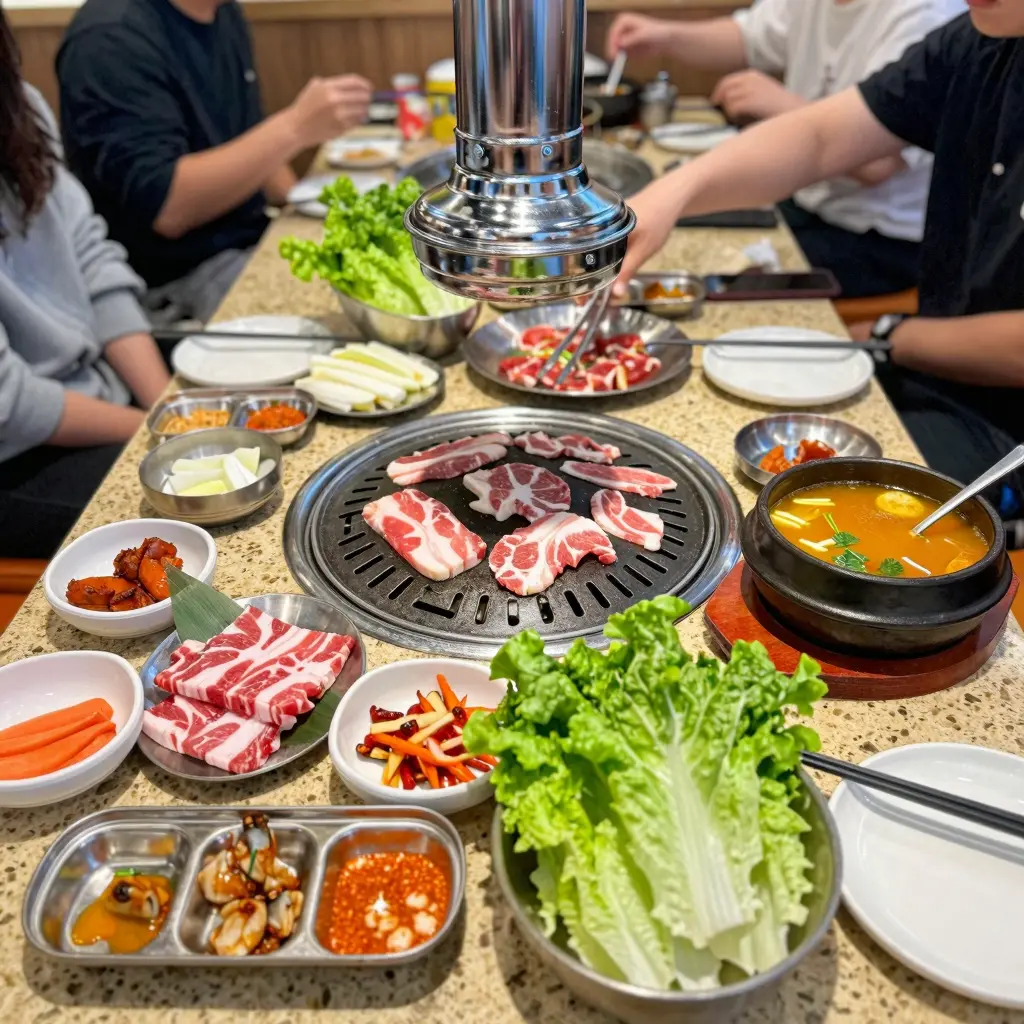
Korean BBQ is more than just a meal; it’s a vibrant dining experience that has captivated palates across the globe and holds a significant place in Korean culture. This interactive style of cooking, which allows diners to grill their own meats right at the table, combines flavors with communal eating, fostering a sense of togetherness and connection. Each meal becomes a celebration as ingredients are thoughtfully marinated, seasoned, and shared among friends and family. This interactive approach appeals to a wide range of customers, making Korean BBQ restaurants not just places to eat, but destinations where memorable social experiences unfold. For business owners considering this cuisine for their restaurants, embracing the concept of Korean BBQ offers the potential for increased foot traffic and customer loyalty. Given its growing popularity, particularly in urban areas and among younger generations, investing in Korean BBQ can provide a unique edge in the crowded dining industry. As you embark on this culinary journey, learn more about menu options and explore the diverse offerings that highlight the rich flavors and traditions of Korea, ensuring both authenticity and innovation in your dining experience.
Essential Ingredients for Korean BBQ
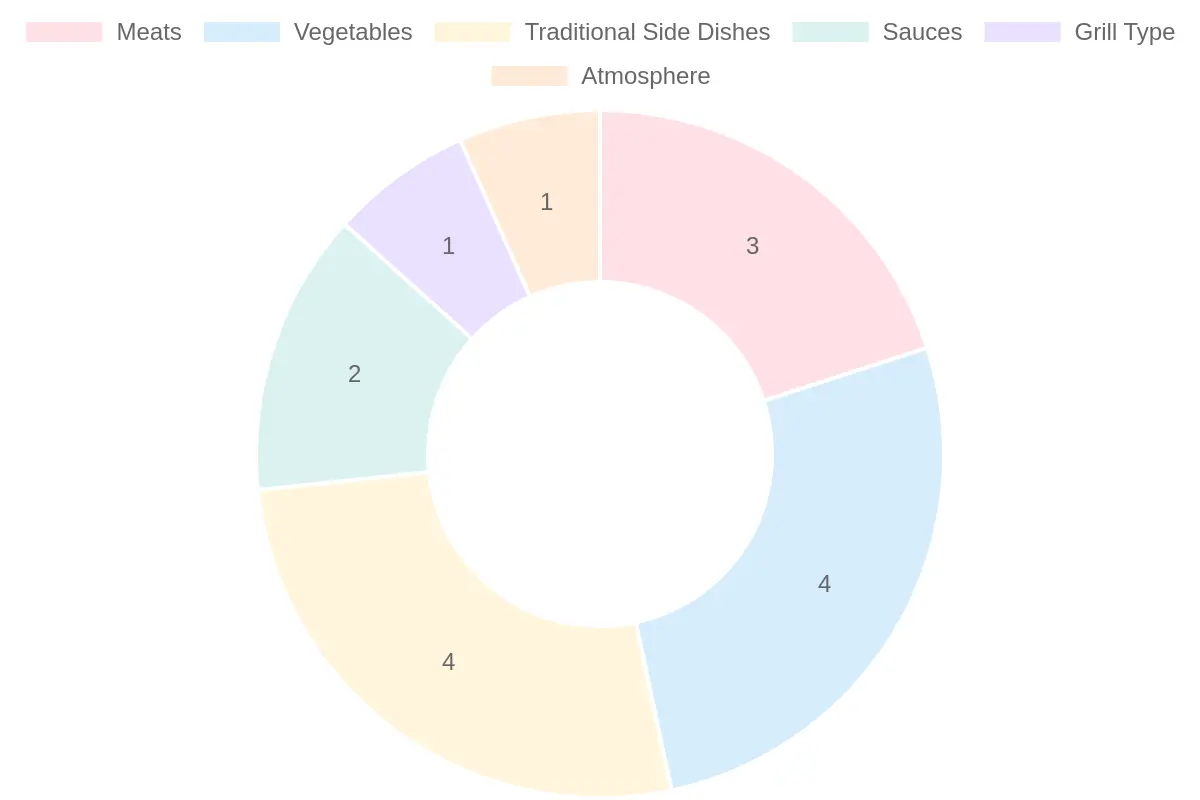
Korean BBQ is not just about grilling meat; it’s an experience that includes various delicious components. Here’s a bullet-point list of essential ingredients that business owners should consider stocking for a satisfactory Korean BBQ service:
-
Meat:
-
Beef: Popular cuts include Bulogi (thinly sliced, marinated beef), Galbi (marinated short ribs), and brisket.
-
Pork: Samgyeopsal (pork belly) is a favorite, along with pork neck and shoulder.
-
Chicken: Dak Galbi (spicy marinated chicken) adds a variety to the meat selection.
-
Marinades and Sauces:
-
Soy sauce, sesame oil, garlic, and ginger are common base flavors.
-
Gochujang (Korean chili paste) and SSAMjang (dipping sauce) enhance the taste and spice levels.
-
Vegetables:
-
Grilled vegetables like mushrooms, zucchini, and onions complement the meats well.
-
Lettuce leaves are often used for wrapping grilled meats and adding some crunch.
-
Side Dishes (Banchan):
-
Kimchi: A fermented vegetable side dish, essential for any Korean meal.
-
Pickled vegetables and rice are commonly served alongside.
-
Korean potato salad can also be a refreshing addition.
These ingredients not only enhance the flavors but also provide a rich and authentic Korean BBQ experience. Familiarizing yourself with these essentials sets the foundation for a successful Korean BBQ service. For more information on specific dishes and offerings, check out Kogi Korean BBQ.
Understanding and stocking these ingredients will help ensure that your kitchen is ready to deliver a satisfying Korean BBQ experience to patrons!
Cooking Techniques Used in Korean BBQ
Korean BBQ is a culinary experience that emphasizes unique cooking techniques, including grilling, marinating, and serving methods. Each method plays a significant role in enhancing flavors and engaging diners, making it crucial for restaurants to master these elements.
Grilling
Grilling is the hallmark of Korean BBQ. Traditionally, it involves cooking marinated meats over an open flame or a smokeless grill. This method not only imparts a smoky flavor but also caramelizes the sugars in the marinade, providing a rich, complex taste. Having portable grills at the table adds an interactive element for guests, allowing them to participate in the cooking process. Business owners can create a lively atmosphere by emphasizing the grilling aspect of the dining experience.
Marinating
Marinating is vital in Korean BBQ for multiple reasons. Typical marinades include soy sauce, sesame oil, garlic, and sugar, which work together to tenderize the meat while infusing it with flavor. The acidic components in some marinades help break down protein fibers, leading to a more tender bite. Marinating also ensures that the meat retains moisture during grilling, enhancing the overall succulence. Offering a variety of marinades can cater to diverse tastes and elevate the dining experience. To learn more about the different marinated options, check out our Korean BBQ menu.
Serving Methods
Korean BBQ is typically served with an array of side dishes, also known as banchan. These include kimchi, pickled vegetables, and various salads, which complement the grilled meat and add depth to the meal. Properly presenting these sides enhances the overall dining experience and showcases the cultural richness of the cuisine. Customers appreciate the interaction and variety offered at the table, encouraging them to try different combinations of flavors. Understanding the serving methods can help restaurant owners create an immersive Korean BBQ experience that appeals to both new and returning customers.
In conclusion, mastering grilling, marinating, and serving methods is essential for providing an authentic and enjoyable Korean BBQ experience. These techniques not only enrich the flavors of the dishes but also promote engagement and satisfaction among diners, ultimately benefiting the restaurant’s reputation and success.
Comparison of Korean BBQ Meats
Korean BBQ is a popular culinary experience that features a variety of meats, each offering unique flavors and textures. Below is a comparison table discussing the characteristics of some of the most popular meats used in Korean BBQ: bulgogi, galbi, and samgyeopsal.
| Meat Type | Flavor Profile | Texture | Cooking Time |
|---|---|---|---|
| Bulgogi | Sweet and savory | Tender and juicy | 2-5 minutes |
| Galbi | Rich, slightly sweet | Meaty and chewy | 5-7 minutes |
| Samgyeopsal | Rich and fatty | Thick and hearty | 7-10 minutes |
Descriptions of Each Meat Type
- Bulgogi: This marinated beef is typically sliced thin, and its marinade often includes soy sauce, sugar, sesame oil, garlic, and pepper. The quick cooking time makes it an ideal choice for beginners.
- Galbi: These are marinated short ribs, often prepared with a sweet soy-based marinade. The meat is thicker compared to bulgogi, requiring a slightly longer cooking time to achieve optimal tenderness.
- Samgyeopsal: This pork belly is particularly popular for its rich flavor and mouthwatering fat content, contributing to its delectable texture. It is best grilled at medium-high heat to allow the fat to render down, making it crispy and enhancing its flavor.
For more in-depth information on the menu offerings at Korean BBQ establishments, consider checking out our menu insights and various Korean BBQ options.
Health Benefits of Korean BBQ Ingredients
Korean BBQ is not only a delightful culinary experience but can also be a wholesome dietary choice due to the nutritional value of its fundamental ingredients-lean meats and an array of vegetables. Here, we will explore the health benefits associated with these typical ingredients, offering valuable insights for health-conscious business owners looking to cater to a diverse clientele.
Lean Meats
Korean BBQ often features lean cuts of meat, such as beef, pork, and chicken. These meats have several health benefits:
-
High in Protein: Lean meats are excellent sources of protein, which is essential for muscle growth and repair. This can be particularly beneficial in a high-energy dining setting, where customers may seek protein-rich options.
-
Vitamins and Minerals: Lean meats provide vital nutrients, including B vitamins (such as B12), iron, and zinc. These nutrients are important for energy production and the immune system, which can boost overall health.
-
Lower in Saturated Fat: Compared to fatty cuts, lean meats like sirloin and tenderloin have less saturated fat, making them a heart-healthy option. This aspect makes Korean BBQ appealing to health-conscious diners.
For more information about Korean BBQ and its diverse menu offerings, consider visiting the Kogi Korean BBQ menu.
Vegetables
Vegetables play a significant role in Korean BBQ, often served as side dishes (banchan) or grilled alongside meats. Their health benefits include:
-
Rich in Nutrients: Vegetables are low in calories but high in vitamins (A, C, K), minerals, and dietary fiber. Fiber aids in digestion and helps maintain a healthy weight, which is appealing to health-conscious customers.
-
Antioxidants: Many vegetables used in Korean cuisine, like spinach, garlic, and cucumber, are rich in antioxidants, which help combat oxidative stress and inflammation in the body, potentially reducing the risk of chronic diseases.
-
Versatile and Tasty: The various cooking methods used for vegetables (grilling, sautéing) can enhance their flavors without losing crucial nutrients, ensuring they are both healthy and enjoyable.
Research indicates that a diet rich in lean proteins and vegetables can help maintain a balanced lifestyle. For further detailed insights into nutrition and health benefits, check resources from Harvard Health.
Conclusion
Incorporating healthy ingredients into the Korean BBQ dining experience not only satisfies the palate but also meets the growing demand for nutritious meals. Business owners should consider these health aspects when planning their menus, catering to a clientele increasingly focused on health and wellness.
Ultimately, emphasizing the high protein content of lean meats combined with the vitality of vegetables can not only boost customer satisfaction but also position your business as a health-conscious choice in the culinary landscape.
For related Korean BBQ offerings and buffet options, explore all-you-can-eat Korean BBQ offerings.
Safety Tips While Cooking Korean BBQ
Cooking Korean BBQ in a restaurant setting can be a delightful experience, but it comes with its own set of safety concerns. Here are some essential safety tips focused on equipment safety, food handling, and fire safety that business owners should consider when training staff:
Equipment Safety
- Regular Maintenance: Ensure all grilling and cooking equipment is regularly inspected and maintained. This prevents potential malfunctions that can cause accidents.
- Safe Handling: Use tools and utensils that are heat-resistant and appropriate for grilling. Avoid using metal utensils on non-stick grill surfaces to prevent damage.
Food Handling
- Cross-Contamination Prevention: Always keep raw meats separate from other food items to prevent cross-contamination. Use different utensils and cutting boards for raw and cooked foods.
- Proper Storage: Ensure that raw ingredients are stored at the correct temperatures. Refrigerate marinated meats and do not leave them at room temperature for too long.
Fire Safety
- Fire Extinguishers: Always have a designated fire extinguisher in the cooking area. Train staff on its proper use should a fire occur.
- Ventilation: Ensure the cooking area is well-ventilated to reduce smoke buildup. Proper airflow can also prevent the risk of fire from grease.
- Supervised Cooking: Never leave the grill unattended. Constant supervision can help catch any potential issues before they escalate.
By implementing these essential safety measures, restaurant owners can create a safe and enjoyable environment for both staff and customers while enjoying the delicious experience of Korean BBQ. For more information on menu offerings and safety practices, learn more about our Korean BBQ menu or discover our all-you-can-eat options at Kogi Korean BBQ.
Popularity of Korean BBQ Over Time
The popularity of Korean BBQ has surged significantly over the past decade, especially within the restaurant industry. This rise is evident in the increasing number of Korean BBQ restaurants opening and the growing consumer interest in Korean cuisine.
To visualize this trend, the following chart illustrates the increase in the number of Korean BBQ restaurants opened over the last decade:
Insights
- Cultural Impact: The growth of Korean BBQ is closely linked to the global rise of Korean culture, particularly its music and film, attracting diverse audiences.
- Experiential Dining: The interest in Korean BBQ reflects a broader trend toward experiential dining, where patrons enjoy a unique, interactive meal experience. This model not only caters to diners looking for entertainment but also provides a social atmosphere suitable for gatherings.
As Korean BBQ continues to be embraced by a wide demographic, understanding its popularity can assist restaurant owners in making informed decisions about menu offerings and marketing strategies. For more information on related topics or menu ideas, you can explore our Korean BBQ and sushi menu or learn about all-you-can-eat options.
Conclusion: Embracing the Korean BBQ Trend
In conclusion, Korean BBQ is not just a dining experience; it’s a cultural journey that brings people together through the joy of cooking and sharing food. For business owners in the food industry, introducing Korean BBQ into your menu can cater to a growing trend of culinary diversity and enhance the overall dining experience for your customers.
Key Points:
- Culinary Diversity: Korean BBQ offers a unique blend of flavors and cooking styles that appeal to a wide range of audiences, including millennials and food enthusiasts eager to explore vibrant cuisines.
- Interactive Experience: The do-it-yourself aspect of Korean BBQ emphasizes community and togetherness, making it an attractive offering for gatherings, parties, and events.
- Economic Potential: As one of the rising stars in restaurant offerings, Korean BBQ can attract new customers and encourage repeat visits due to its engaging dining style and shared plates.
By considering the incorporation of Korean BBQ into your restaurant or food business, you not only enrich your menu but also position your establishment as a contemporary place dedicated to providing memorable experiences. Combining the social environment with delicious offerings can lead to increased customer satisfaction and loyalty.
Join the movement to elevate your culinary offerings and connect with your community by bringing the spirit of Korean BBQ to your restaurant. For effective guidelines on how to implement this exciting cuisine, don’t hesitate to explore our full menu options and discover the possibilities!
Remember, at Kogi Korean BBQ, we are not just about serving food; we are committed to protecting lives and property through our continued focus on safety, quality, and customer satisfaction. Therefore, by adopting this unique dining style, you can safeguard your business’s future while enriching your community’s dining culture. Let’s celebrate good food, great company, and a safe dining environment together!
Call to Action: Visit our website and discover how Kogi Korean BBQ can partner with you in reshaping the culinary landscape in your area. Don’t miss the chance to be part of this exciting food trend!
Understanding Korean BBQ
Korean BBQ is more than just a meal; it’s a culinary experience that emphasizes community and flavor. People gather around grill stations to cook their own meats, creating an engaging and interactive dining experience.
“Korean BBQ transcends just being a meal; it’s an experience that brings people together, celebrating the rich flavors of marinated meats and the vibrant array of banchan that accompany them.”
This quote highlights the social aspect of Korean BBQ, a vital element that can be leveraged in a business setting.