
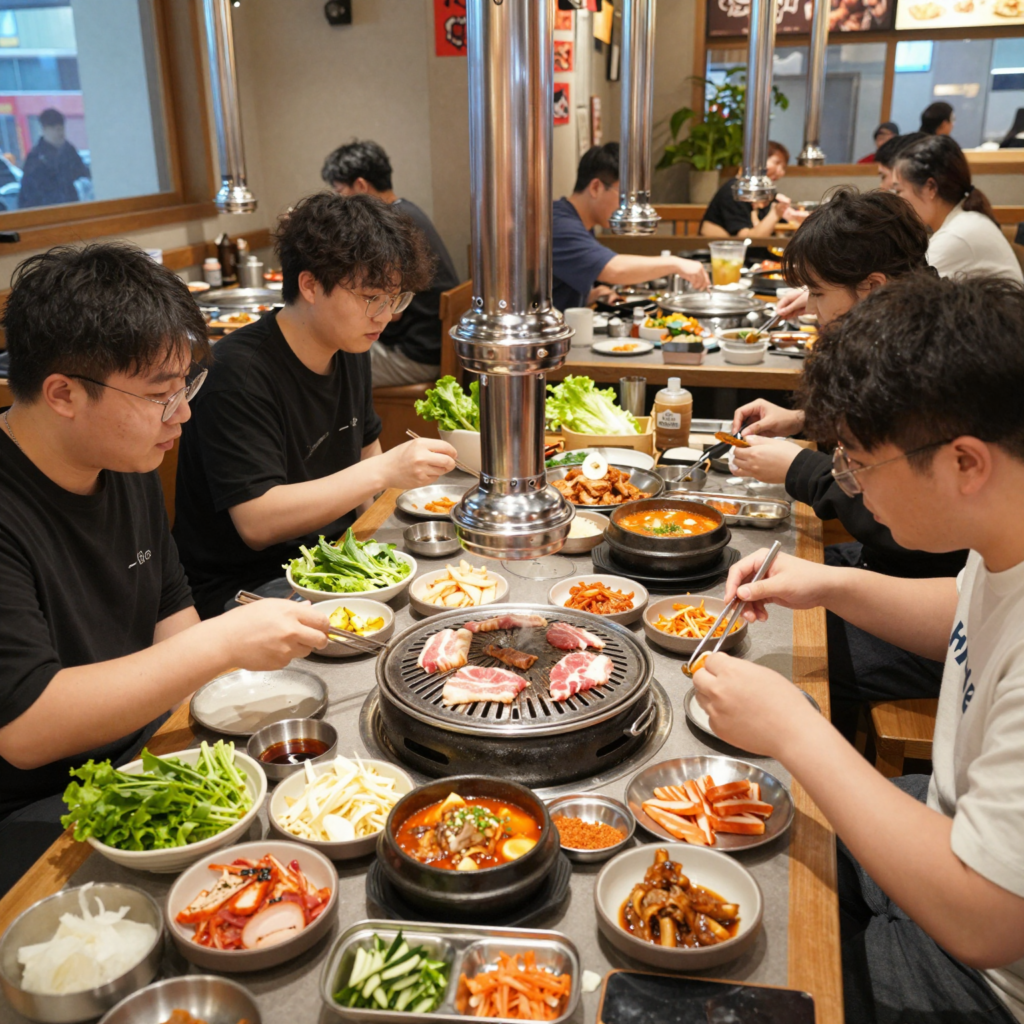
Korean BBQ has taken the culinary world by storm, captivating food enthusiasts with its unique blend of table-side grilling and an array of vibrant, flavorful dishes. The appeal of Korean BBQ restaurants lies in their interactive dining experience, where patrons enjoy not only delectable marinated meats but also a variety of banchan, or side dishes, that add depth and richness to the meal. This communal style of cooking and eating fosters a warm and inviting atmosphere, making it a popular choice for gatherings and celebrations.
Moreover, the recent surge in the popularity of Korean cuisine has opened up numerous opportunities for aspiring restaurateurs and seasoned business owners alike. In this article, we’ll explore how Korean BBQ restaurants work, examining the operational insights and best practices that contribute to their success. Whether you’re considering a new venture or aiming to enhance your existing business, understanding the intricacies of this thriving industry is essential.
Understanding Korean BBQ
Korean BBQ, also known as Korean grilled meat (gogi-gui), is a culinary art form deeply embedded in South Korean culture. It transcends mere dining; it reflects social norms, hospitality, and community values.
Cultural Significance
Korean BBQ restaurants offer more than just food; they provide a social experience that fosters bonding and connection among diners. Here are some of the cultural aspects:
- Communal Dining: Guests gather around a grill, cooking meat together, which encourages interaction and conversation. This setup is vital for strengthening relationships, whether among family, friends, or business associates.
- Symbol of Hospitality: Sharing food is a significant part of Korean culture, where offering a meal signifies a gesture of goodwill. Korean BBQ embodies this by emphasizing shared experiences over individual consumption.
- Traditional Values: The act of grilling together symbolizes equality and care, embodying the Korean principles of ‘jeong’- a deep emotional connection. This practice is especially evident during family gatherings and festive occasions, such as Chuseok or the Lunar New Year.
The Dining Experience
The unique experience of dining at Korean BBQ restaurants is characterized by:
- Interactive Cooking: Diners have the opportunity to grill their meat right at their table. This engagement in the cooking process not only makes for a more enjoyable meal but also allows guests to customize their cooking based on personal preferences.
- Diverse Menu: Typically, diners can choose from a variety of meats, including bulgogi (marinated beef) and galbi (short ribs), alongside an assortment of side dishes known as banchan, which enhance the meal’s flavors and balance.
- Dinner Setting: Most Korean BBQ restaurants are designed with built-in grilling systems (often gas or charcoal), that ensure a fun and clean experience. This setup is ideal for larger gatherings, making it a trendy choice for celebrations and social events.
For business owners looking to establish or improve Korean BBQ restaurants, understanding these cultural nuances and customer expectations will be crucial. You can explore more about the Korean BBQ experience and menu options through our site: all-you-can-eat Korean BBQ in Oakland and Korean BBQ and sushi menu options.
Overall, Korean BBQ encapsulates not just a meal, but a celebration of togetherness, making it a cornerstone of social life in South Korea. Its rapid global expansion highlights its appeal, with Korean BBQ restaurants becoming a growing trend in various countries, inviting more people to experience this culture of communal dining.
Comparison of Different Types of Korean BBQ Grills
When it comes to serving authentic Korean BBQ, grill type can significantly impact the cooking quality, flavor, and maintenance of the dining experience. Below is a comparison of the three popular types of grills used in Korean BBQ restaurants: gas, charcoal, and electric.
| Feature | Gas Korean BBQ Grill | Charcoal Korean BBQ Grill | Electric Korean BBQ Grill |
|---|---|---|---|
| Heat Retention | High – Provides consistent, controllable heat with rapid recovery after opening the lid. Ideal for searing and even cooking. | Very High – Charcoal retains intense heat for long periods, creating a superior sear and smoky flavor profile. Best for high-heat grilling. | Moderate – Heats quickly but may not retain heat as well as gas or charcoal; depends on material quality and insulation. Uniform heating across the surface. |
| Flavor Enhancement | Good – Offers clean, consistent heat. Flavor is primarily from food and marinades; lacks the deep smokiness of charcoal. | Excellent – Delivers authentic, rich, smoky flavor due to the natural combustion of charcoal. Highly prized in traditional Korean BBQ for its distinctive taste. | Fair – Minimal flavor enhancement; flavor comes mainly from food and sauces. No inherent smokiness. |
| Maintenance | Easy – Grates are typically removable and easy to clean. No ash to dispose of. Requires occasional cleaning of burners and drip trays. | Moderate to High – Requires regular removal of ash and cleaning of grill grates. More prone to residue buildup. Needs proper storage to prevent rust. | Easy – Non-stick surfaces and removable parts make cleaning simple. No ash or fuel residue. Minimal upkeep required. |
| User Experience | High – Fast ignition, precise temperature control, and clean operation. Great for beginners and those seeking convenience. Suitable for indoor and outdoor use (with ventilation). | High – Offers an immersive, authentic experience with visible flames and smoky aroma. Requires more attention and skill to manage heat and timing. Best suited for outdoor settings. | High – Safe, quiet, and smoke-free operation. Ideal for apartments or indoor use. Easy to operate with digital controls. Less “authentic” feel but highly convenient. |
For more information on how to set up your Korean BBQ restaurant, check out our full menu offerings. If you’re considering an all-you-can-eat option, visit our Oakland location for more details!
Sourcing High-Quality Ingredients in Korean BBQ Restaurants
In the world of Korean BBQ restaurants, the quality of ingredients is paramount to delivering an exceptional dining experience. High-quality meats and vegetables not only satisfy the palate but also play a crucial role in the overall perception of the restaurant. Here are some insights into the significance and impact of sourcing premium ingredients.
Importance of High-Quality Meats
Korean BBQ is inherently centered around its revered meats, particularly beef cuts such as bulgogi and galbi. Utilizing top-tier beef ensures that women enjoy optimal flavors, tenderness, and juiciness. Restaurants that focus on high-grade beef, like Kogi’s unique beef offerings, often source their products from trusted suppliers who adhere to strict breeding and feeding practices. The difference in taste between high-quality prime beef and lower-grade cuts can drastically affect the flavor profile of the dishes served.
It’s essential to select meats that have been ethically raised and well-fed. Not only does this enhance the flavor, but it also aligns with the growing consumer preference for sustainably and responsibly sourced products. A prime example is the use of 1++ grade Korean beef, which is celebrated for its marbling and flavor depth that enhances any BBQ experience.
The Role of Fresh Vegetables
While meats may take center stage, the selection of fresh, high-quality vegetables is equally important in Korean BBQ restaurants. Ingredients like Napa cabbage, garlic, and various kinds of greens contribute to the freshness and balance of meals. The right vegetables can complement the rich flavors of grilled meats, offering a burst of freshness and crunch. Using locally sourced, organic vegetables not only boosts taste but also supports local agriculture, providing diners with a wholesome dining experience.
Impact on the Dining Experience
High-quality ingredients directly elevate the overall dining experience in Korean BBQ restaurants. When patrons enjoy tender, flavorful meats alongside fresh vegetables, it creates a well-rounded meal that is not only enjoyable but also memorable. Menus that highlight the quality of their ingredients often attract discerning customers who are willing to pay a premium for superior experiences.
Moreover, focusing on ingredient quality enhances repeat business and fosters customer loyalty. Diners appreciate knowing that their meals are made from carefully selected ingredients, which adds to the restaurant’s credibility and reputation. Additionally, incorporating seasonal ingredients allows restaurants to adapt dishes, keeping the menu dynamic and aligned with current culinary trends.
In conclusion, sourcing high-quality ingredients is crucial for Korean BBQ restaurants striving to provide an exceptional dining experience. The importance placed on both meats and vegetables not only contributes to satisfying culinary experiences but also positions restaurants as leaders in the increasingly competitive food industry.
The Cooking Process in Korean BBQ Restaurants
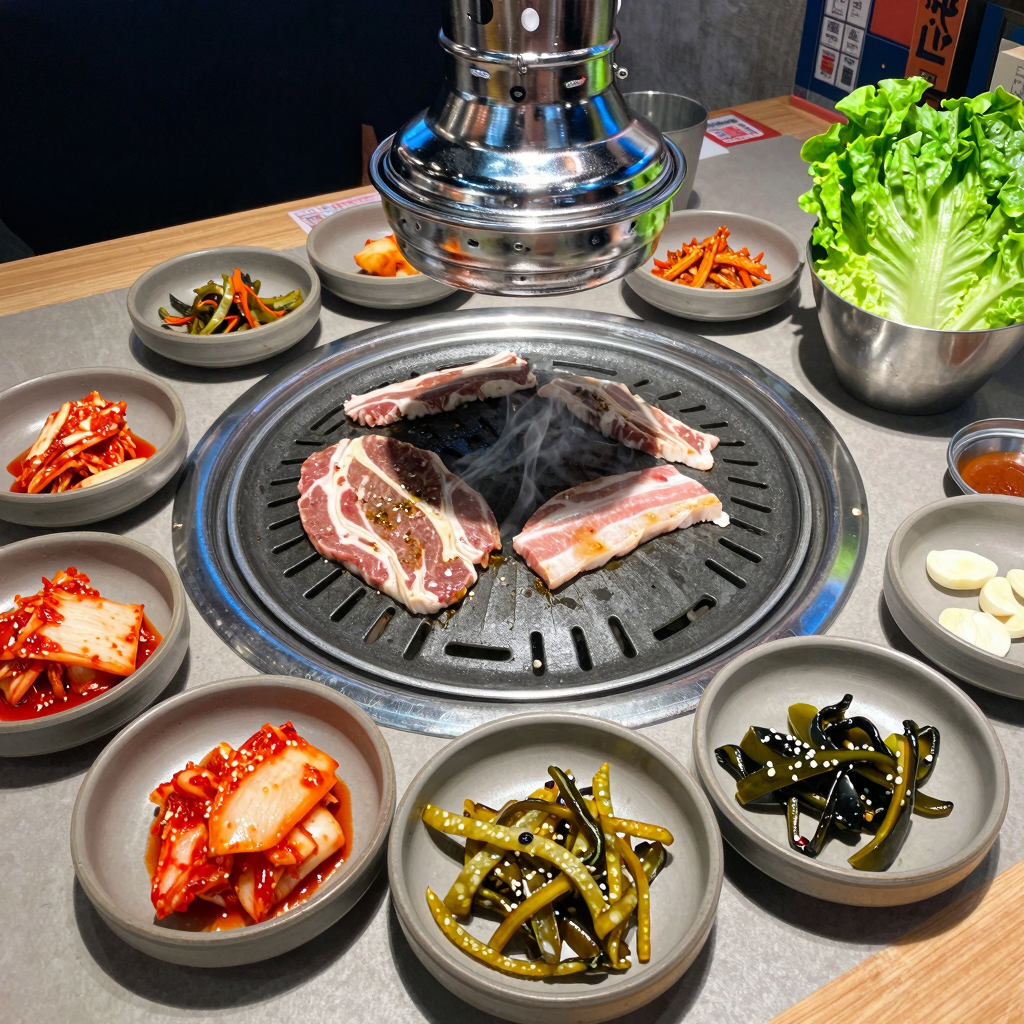
Korean BBQ restaurants present a unique dining experience where diners take an active role in cooking their own meals right at their tables. This interactive process utilizes specially designed grills embedded into the tables, allowing guests to enjoy a fresh cooking experience while fostering social interaction.
Upon being seated, guests are presented with a selection of marinated meats, vegetables, and various side dishes, known as banchan. Popular choices include marinated beef (bulgogi), pork belly (samgyeopsal), and chicken, all ready to be grilled. The grilling typically takes place over a charcoal or gas grill, depending on the restaurant’s setup, which ensures even heat distribution and enhances flavor.
Step-by-Step Cooking Process
- Choose Your Ingredients: Diners select from a variety of meats and vegetables, often accompanied by dipping sauces like ssamjang.
- Grilling: Guests place their chosen items on the hot grill. The cooking time varies based on the type of meat and personal preference for doneness. Typically, diners will turn the food multiple times to achieve an even sear and flavor infusion.
- Serve with Sides: Once grilled, the food can be enjoyed immediately, often wrapped in fresh lettuce along with garlic, sesame oil, and sauces. Side dishes like kimchi and pickled vegetables complement the main meal and add to the overall experience.
The purity of flavors in Korean BBQ is a result of the high-heat cooking method, which allows for crisp edges and juicy interiors, ensuring a satisfying taste each time.
Significance of Tabletop Grilling
The act of grilling at the table is more than just a cooking method; it’s an integral part of Korean culture that emphasizes togetherness and communal dining. This setup allows diners to engage with each other as they cook. Turning the meat, adding side dishes, and serving one another encourages conversation, laughter, and bonding.
- Fostering Relationships: The communal aspect of Korean BBQ creates a warm environment conducive to interaction, where guests take turns cooking and sharing dishes. This participation transforms a simple meal into a shared culinary adventure.
- Culinary Engagement: By allowing guests to control the cooking process, diners can experiment with flavors, cooking times, and sauces. This element of personalization boosts the overall experience and satisfaction of the meal.
The growing popularity of Korean BBQ restaurants reflects a desire for a more active and engaging dining experience, making it a favored choice for special occasions and gatherings. With an emphasis on community, flavor, and interactivity, Korean BBQ stands out as a memorable dining option that encourages not just eating, but also socializing and sharing great moments.
Korean BBQ Restaurant Growth Trends
The Korean BBQ restaurant industry in the United States has experienced significant growth over the past decade. Between 2013 and 2023, approximately 1,600 new Korean BBQ restaurants were opened, while closures remained low at under 300, resulting in a net gain of over 1,300 establishments. This growth reflects increasing consumer interest in engaging dining experiences and the popularity of Korean cuisine, especially among younger generations.
Chart: Growth Trend of Korean BBQ Restaurants (2013-2023)
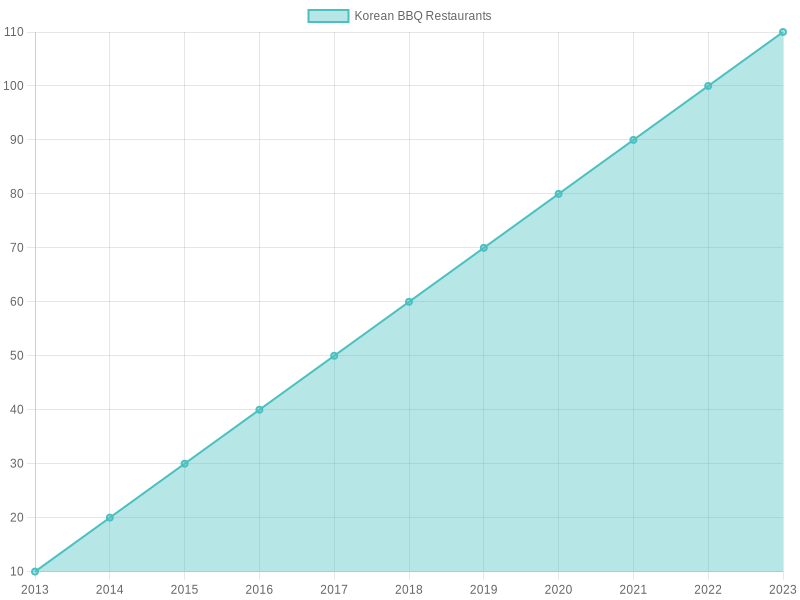
This chart shows the upward trend in the number of Korean BBQ restaurants over the last decade, further emphasizing the opportunities available in this expanding market. For more insights on starting a Korean BBQ restaurant, check out our menu options and dining concepts.
Customer Experience and Service Style in Korean BBQ Restaurants
When it comes to dining in Korean BBQ restaurants, the customer experience is designed not only around great food but also around interactive service that promotes engagement and enjoyment. Here are some key aspects business owners should consider in curating an exceptional customer experience:
1. Interactive Dining
One of the hallmark features of Korean BBQ is the tabletop grilling experience. Diners are often given the role of chefs, cooking their own food right at their tables. This level of interactivity not only makes dining fun but also encourages conversations among diners, enhancing their overall experience.
2. Personalized Service
Service styles in Korean BBQ establishments often include attentive staff who are knowledgeable about the menu. They can provide recommendations on which cuts of meat pair well with specific sauces or sides. Staff interaction is usually warm and friendly, aiming to create a welcoming atmosphere that encourages return visits.
3. Service Speed
Speed of service plays a critical role in customer satisfaction. Customers expect their grills and side dishes to arrive quickly, allowing them to start cooking and enjoying their meal without long waits. Additionally, having a system in place to ensure tables are promptly reset for the next guests can help maintain a steady flow, especially during peak hours.
4. Unique Dining Experiences
In many Korean BBQ restaurants, the uniqueness goes beyond just the food. Some establishments may host themed nights, include live music, or provide a variety of sauces and marinades that allow diners to tailor their meals to their tastes. Such experiences can make a restaurant stand out and attract more customers seeking a memorable dining experience.
Conclusion
For potential business owners, prioritizing customer experience in Korean BBQ restaurants translates into attentive service, engaging dining interactions, and the establishment of a warm and welcoming atmosphere. By focusing on these elements, restaurants can enhance diners’ satisfaction, encourage repeat visits, and foster positive word-of-mouth.
For more insights into popular menu options, check out our Korean BBQ and Sushi Menu and explore dining styles at our All-You-Can-Eat Korean BBQ options.
Importance of the Dining Experience in Korean BBQ
To delve deeper into the significance of customer experience in Korean BBQ restaurants, it’s essential to highlight insights from restaurant owners who are passionate about their craft. One such owner, Ari from a Dallas-Fort Worth Korean BBQ restaurant, articulates this sentiment eloquently:
“Our goal is not just to offer delicious grilled meat, but to create an atmosphere where guests feel at home. Employee training is key to enhancing service quality; all of our staff undergo at least two weeks of systematic training covering etiquette, menu knowledge, and emergency handling. By regularly collecting customer feedback and adjusting service processes in real-time, we’ve seen a 35% increase in customer satisfaction in the past year.”
This quote encapsulates the essence of customer service in the Korean BBQ experience, reinforcing that the dining atmosphere and quality service are just as important as the food itself. In a competitive market, prioritizing customer satisfaction can lead to loyal patrons and a thriving business.
For more insights on Korean BBQ offerings, you can explore our Korean BBQ and Shabu Shabu menu. Additionally, if you’re curious about all-you-can-eat options, check out our All-You-Can-Eat Korean BBQ in Oakland.
Conclusion and Call to Action
In conclusion, understanding how Korean BBQ restaurants operate is crucial for any business owner looking to enter this thriving industry. These establishments offer a unique interactive dining experience where customers grill their own meats, fostering a communal atmosphere. With a focus on select cuts of beef, pork, and chicken paired with a variety of banchan, guests are not just dining; they’re participating in a cultural ritual that emphasizes connection, enjoyment, and creativity. The incorporation of modern grill technology further elevates the dining experience, distinguishing it from traditional BBQ styles.
As you consider launching your own Korean BBQ restaurant, it’s essential to grasp both the mechanics and the cultural significance behind this dining trend. You’re not just serving food; you’re providing an engaging experience that celebrates togetherness and culinary exploration. Whether you’re curious about menu options or specific setup requirements, we encourage you to reach out for advice and resources on getting started. Embrace the vibrant world of Korean BBQ and make your mark in the restaurant industry!