
The Rise of Korean BBQ: A Unique Dining Experience for Business Owners
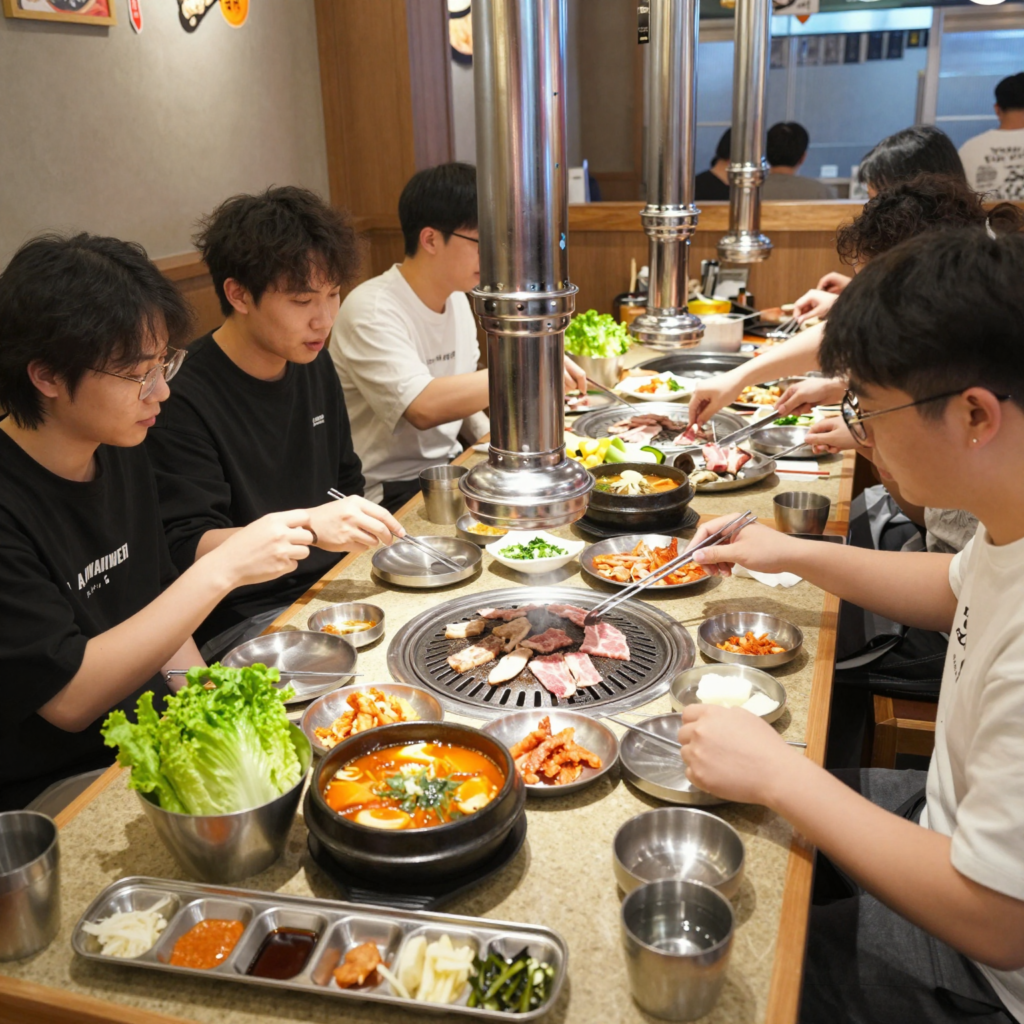
In recent years, Korean BBQ has surged in popularity, captivating not only the taste buds of food enthusiasts but also the attention of business owners seeking to offer unique dining experiences. This vibrant culinary journey invites diners to actively participate in their meal preparation, making it an engaging social activity rather than just another meal. The communal style of cooking at the table encourages interaction, ideal for building connections and enhancing customer satisfaction-a key ingredient for any successful business.
For entrepreneurs, especially in the competitive restaurant industry, incorporating Korean BBQ can set a dining establishment apart from traditional offerings. As patrons increasingly seek unique experiences over mere meals, providing a hands-on, flavorful adventure not only appeals to diverse customers but also creates an environment ripe for socialization and fun. Additionally, the growing interest in global cuisines means that Korean BBQ can attract a wide array of customers, from culinary explorers to those familiar with the cuisine-ensuring a steady stream of diners year-round.
Moreover, the adaptability of Korean BBQ allows businesses to customize their menus to include other trending cuisines, such as sushi or hot pot. Offering a Korean BBQ and sushi menu can enhance the dining experience and provide customers with a range of options that cater to various tastes and preferences. Not to mention, establishments featuring all-you-can-eat formats have become increasingly popular, making it a worthy consideration for those looking to maximize customer value and satisfaction. By tapping into the essence of this unique culinary art, business owners can not only meet but exceed their customers’ cravings for innovation in dining.
As we explore the ins and outs of how to implement Korean BBQ in your restaurant, it’s essential to recognize that this isn’t just about serving food; it’s about creating memorable experiences that will have customers returning time and again. Join the wave of businesses adopting this trend and leverage the allure of Korean BBQ to make your establishment the go-to spot for people seeking exciting dining adventures!
Essential Korean BBQ Equipment for Business Owners
Running a successful Korean BBQ business requires the right tools to provide an authentic dining experience. Here’s a detailed list of essential equipment needed for Korean BBQ, including specific brands that stand out in the market:
-
Grills: The heart of any Korean BBQ setup. You can choose between charcoal grills, such as the Bamboo Grill Co., known for traditional grilling, or electric grills like Cuisinart, which offer convenience and smoke-free indoor grilling. The Germany Pool KQB-415 is also a top choice, featuring advanced infrared heating technology for easy indoor use.
-
Utensils: Essential tools include a sturdy metal spatula for flipping meats, long-handled tongs to avoid burns, and a sharp knife for slicing meat. These tools ensure safety and ease of use.
-
Ventilation Systems: A high-quality ventilation system is key for managing smoke and grease. Look for range hoods with at least 400 CFM airflow. Brands like EASYGRILL and Germany Pool offer excellent solutions that effectively eliminate smoke while cooking.
-
Marinating Containers: Efficient marinating is crucial. Use airtight plastic or glass containers, preferably with a sealing system to enhance flavors and prevent leaks. Brands such as Rubbermaid provide durable options.
-
Serving Plates and Bowls: Traditional Korean BBQ includes various side dishes (banchan). Invest in ceramic serving plates like those from Kimchi, which are perfect for presenting food beautifully.
-
Cooking Oil Sprayers: To enhance flavor and prevent meat from sticking to the grill, consider using oil sprayers. Brands like Misto can provide a fine mist that covers meats evenly, enhancing the grilling experience.
These pieces of equipment will elevate your Korean BBQ establishment, making it more efficient and enjoyable for customers. Learn more about setting up your Korean BBQ restaurant.
By investing in quality equipment, you not only improve your cooking process but also enhance the overall dining experience for your customers at your Korean BBQ establishment.
Cultural Significance of Korean BBQ
Korean BBQ, or “gogi-gui” in Korean, holds a remarkable place within the cultural heritage of Korea, intertwining flavors with history, social dynamics, and communal bonds. This culinary tradition is more than just the preparation and consumption of grilled meats; it serves as a cultural practice that fosters connection, intimacy, and community among people.
Historical Context
The roots of Korean BBQ can be traced back to ancient Korea during the Goguryeo period (37 BC – 668 AD), where meat was reserved for significant celebrations and rituals. Over the centuries, it evolved from a rare luxury to a cornerstone of communal dining, especially during the Joseon Dynasty (1392-1897). Here, it transitioned into an important cultural practice, symbolizing hospitality, feasting, and social gatherings. The communal aspect of grilling and sharing food became entrenched in Korean society, establishing a meaningful connection among participants, who are often friends, family, or business associates. In essence, Korean BBQ has transformed into a rite of passage in many social settings.
Fostering Community and Connection
One of the most defining characteristics of Korean BBQ is its emphasis on togetherness. When people gather around a grill, it creates an intimate atmosphere conducive to relaxation and open communication. Whether it’s a family reunion or a business meeting, the act of cooking and sharing a meal becomes a bridge that strengthens relationships. In fact, as noted in a popular adage, “If you’ve eaten BBQ with someone, you’re already lovers,” highlighting how deeply woven this practice is in establishing trust and rapport.
Moreover, the shared responsibility of grilling, serving, and enjoying food epitomizes the Korean spirit of reciprocity and communal living. The tradition encourages guests to engage actively, often leading to laughter and exchanges that enhance the dining experience. Guests take turns grilling their meat to perfection, making the meal a collaborative effort and transforming it into a celebration of shared efforts and flavors.
Korean Culinary Traditions
Korean BBQ is not only a meal; it reflects broader Korean culinary traditions. Accompanied by an array of banchan (side dishes), it illustrates the significance of balance and variety in Korean cuisine. This diversity in flavors and dishes further enhances the communal experience, as diners share different combinations of meat, sauces, and sides, leading to endless possibilities for taste and enjoyment.
In conclusion, the cultural significance of Korean BBQ extends beyond mere gastronomy; it is a pivotal aspect of Korean identity and social structure. It represents a time-honored tradition that fosters community, nurturing bonds among individuals while allowing for celebrated gatherings around shared meals. In a world that increasingly values connection, Korean BBQ stands as a beautiful testament to the importance of kinship and culinary heritage.
For those looking to explore this cultural experience, a visit to an all-you-can-eat Korean BBQ restaurant can serve as an ideal entry point. The engaging atmosphere and communal dining approach promise a memorable culinary journey that embodies the spirit of Korean BBQ.
Comprehensive Guide to Preparing Meat and Marinades for Korean BBQ
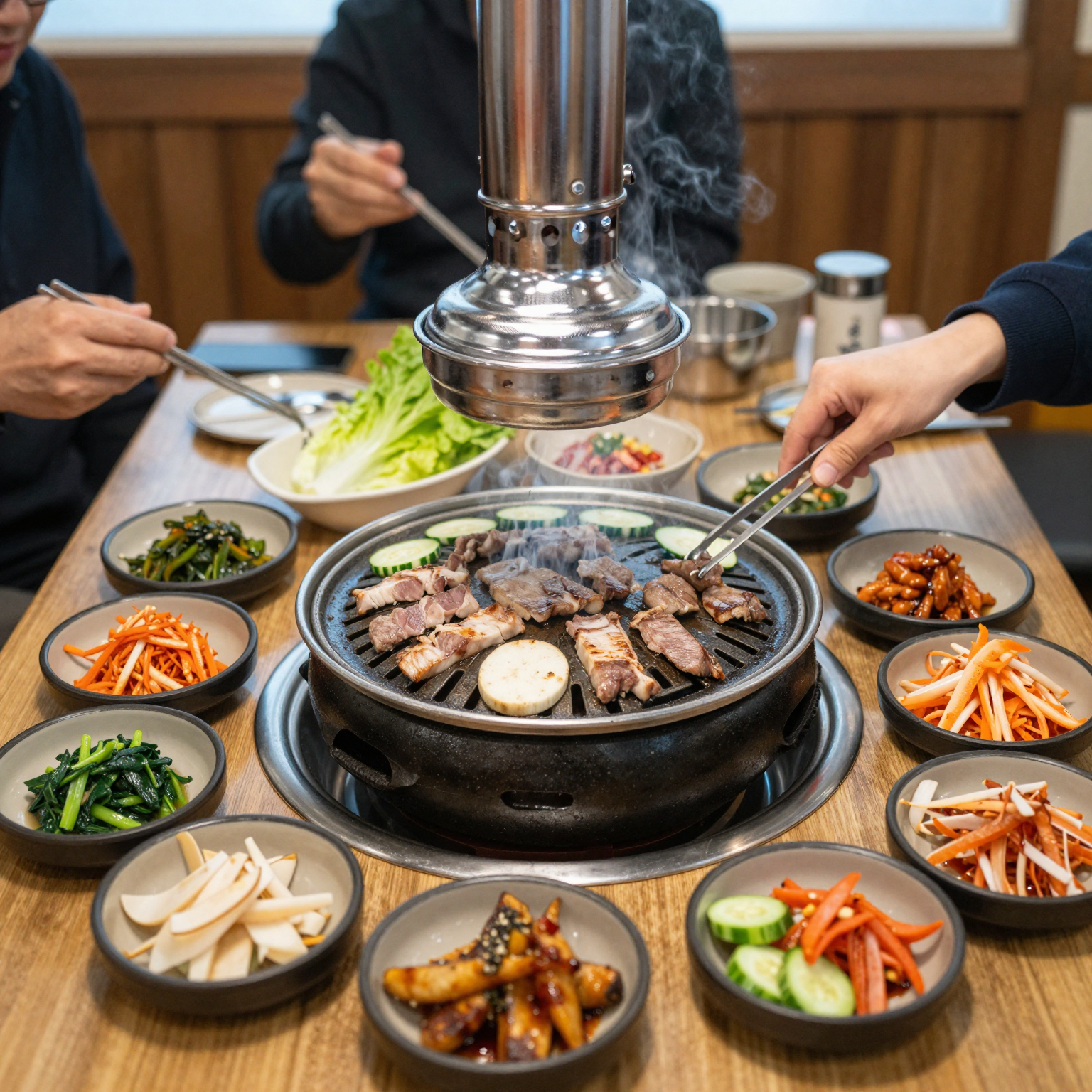
Korean BBQ is not just a meal; it’s an experience. For business owners looking to recreate this culinary delight, understanding how to properly prepare popular meats and their unique marinades is essential. This guide will walk you through the process step-by-step, ensuring that you offer an authentic taste of Korea to your customers.
Popular Meats for Korean BBQ
The success of your Korean BBQ lies in the quality of the meats you choose and the marinades you prepare. Here are some popular options:
1. Beef Ribeye (Kkot deungsim / Galbi)
- Marinating Time: 6-8 hours
- Preferred Cooking Technique: Grill over high heat. This cut often features a spicy marinade, known as yangnyeom sauce, which can be brushed on during cooking for added flavor.
2. Pork Belly (Samgyeopsal)
- Marinating Time: 4-6 hours (longer if preferred)
- Preferred Cooking Technique: Grill directly over hot coals or a gas flame. Serve in small portions to allow the fat to render and crisp up.
3. Chicken Thighs (Dak galbi / Dak gui)
- Marinating Time: 6-8 hours
- Preferred Cooking Technique: High-heat grilling, marinated in a sweet-spicy gochujang-based sauce and served with grilled vegetables.
4. Short Ribs (Galbi)
- Marinating Time: 6-8 hours
- Preferred Cooking Technique: Grill over high heat, typically marinated in a soy-gochujang-sugar mix for a caramelized crust.
Marinade Recipes
Authentic Korean BBQ marinade recipes are key to infusing flavors into your meats. Here are a few classic ones you can use:
General Marinade Ingredients:
- Soy sauce
- Pear or apple juice (for tenderizing)
- Minced garlic
- Sesame oil
- Sugar or honey
Sample Marinade for Beef Ribeye
- Ingredients:
- 1/2 cup soy sauce
- 1/4 cup sugar
- 1/4 cup pear juice
- 1 tbsp minced garlic
- 2 tbsp sesame oil
- Instructions:
- Mix all ingredients in a bowl.
- Add beef ribeye and marinate in the refrigerator for 6-8 hours.
Sample Marinade for Pork Belly
- Ingredients:
- 1/4 cup gochujang (Korean chili paste)
- 1/3 cup soy sauce
- 2 tbsp honey
- 1 tbsp sesame oil
- Instructions:
- Combine all ingredients in a bowl.
- Pour over pork belly and let marinate for 4-6 hours.
Cooking Techniques for Korean BBQ
Korean BBQ emphasizes ‘freshly cut and grilled’ meat with marinated flavors. Here are some techniques for optimal results:
- Heat Management: Use high heat for quick searing, which locks in juices while developing a flavorful crust. Electric grills or stovetop griddles are commonly used in restaurants for consistency.
- Grilling Process: Avoid overcrowding the grill surface. Flip the meat frequently to ensure even cooking and prevent burning.
- Serving Style: Traditionally, grilled meat is served wrapped in lettuce or perilla leaves with condiments like gochujang and garlic. This adds freshness and complexity to each bite.
Visual Guide to Marinade Times
To give you a clearer understanding of marination times and cooking techniques,
Here’s a chart summarizing the marinating times and preferred cooking techniques for popular meats used in Korean BBQ:

Conclusion
Understanding how to prepare popular meats and marinades for Korean BBQ is vital for business owners wanting to provide an authentic experience. Remember to focus on quality ingredients, precise marinating times, and effective cooking methods. Embrace the social aspect of Korean BBQ by creating an interactive dining experience that brings diners together around the grill.
For more information on authentic Korean dishes and menus, check out this All-You-Can-Eat Korean BBQ menu and explore additional ways to elevate your dining options.
Popular Side Dishes (Banchan) with Korean BBQ
Korean BBQ isn’t just about the grilled meat; it’s a complete dining experience enhanced by a variety of side dishes known as banchan. These small plates serve to complement the bold flavors of the marinated meats and provide refreshing contrasts. Below are five popular banchan commonly enjoyed with Korean BBQ:
-
Kimchi
Kimchi is perhaps the most iconic Korean side dish. Made from fermented vegetables, primarily napa cabbage and radishes, it is rich in flavor and nutrition. There are many variations of kimchi, each providing a unique taste profile that can range from spicy to sour. Its tangy flavor acts as a palate cleanser, perfectly balancing the savory richness of grilled meats. As such, it’s an essential part of the Korean BBQ experience. -
Danmuji (Pickled Radish)
These yellow pickled radish slices offer a crunchy, mildly sweet contrast to the umami flavors of grilled meat. Often served cold, danmuji refreshes the palate and enhances the overall dining experience. Its vibrant color and crisp texture make it a visually appealing addition to any BBQ table. It’s a staple in many Korean meals and is especially popular in kimbap as well. -
Kongnamul (Seasoned Soybean Sprouts)
This side dish features blanched soybean sprouts that are seasoned with sesame oil, garlic, and salt. Kongnamul is not only tasty but also adds a nutty flavor and a delightful crunch. It’s a healthy option and brings a lightness to the meal, providing balance in both flavor and texture. -
Sigeumchi Namul (Marinated Spinach)
A popular traditional dish, sigeumchi namul consists of blanched spinach seasoned with sesame oil, garlic, and sesame seeds. This nutritious side offers a nutty flavor that complements the grilled meats exceptionally well. Like other banchan, it applies the Korean culinary principle of balance, offering freshness amid richer options. -
Nabak Kimchi (Water Kimchi)
Different from traditional spicy kimchi, nabak kimchi is a refreshing blend of thinly sliced vegetables in a mildly tangy brine. This cold dish serves as a great palate cleanser and helps cool down the heat from grilled meats. Its light flavor and crunch make it an excellent choice to include alongside heavier dishes.
These side dishes not only enrich the dining experience but also showcase the depth and variety of Korean cuisine. Offering a selection of banchan alongside your Korean BBQ can enhance customer satisfaction and provide a true taste of Korean culture. For more insights on how to enhance your menu, check out our Korean BBQ and Sushi Menu and explore delicious options that can elevate your dining offerings.
Comparison of Korean BBQ Grill Types
When it comes to Korean BBQ, the choice of grill can heavily influence not just the cooking experience but also the flavor of the food. Below is a comprehensive table comparing the three most common types of Korean BBQ grills: gas, charcoal, and electric. This comparison highlights their pros and cons to help business owners choose the right grill setup for their restaurants.
| Feature | Gas Korean BBQ Grill | Charcoal Korean BBQ Grill | Electric Korean BBQ Grill |
|---|---|---|---|
| Flavor | Moderate flavor; consistent heat but lacks the smoky depth of real charcoal. | Authentic, rich smoky flavor due to direct flame and natural charcoal combustion. | Minimal smokiness; flavor is clean and consistent, but not as robust as charcoal. |
| Ease of Use | High – quick ignition, instant heat control via knobs, easy to start and stop. | Moderate – requires lighting charcoal, managing fire, and adjusting airflow; longer preheat time. | Very High – plug-and-play, instant heat, precise temperature control with digital settings. |
| Maintenance | Moderate – grates need cleaning after use; gas lines and burners require occasional inspection. | High – ash cleanup required after each use; grates and vents need thorough cleaning to prevent residue buildup. | Low – non-stick surfaces are easy to wipe down; no fuel residue or ash to manage. |
| Suitable Environments | Indoor (with proper ventilation), outdoor patios, restaurants with gas supply. | Outdoor only (due to smoke and fumes), camping, backyard gatherings, commercial kitchens with exhaust systems. | Indoor (homes, apartments), offices, dorms, small spaces; ideal for indoor use without ventilation concerns. |
| Portability | Low to Moderate – bulky tanks and hoses limit mobility; best for fixed locations. | Moderate – compact models available, but heavier due to metal construction and fuel storage. | High – lightweight, compact designs; easily transportable for travel, picnics, or events. |
| Safety | Moderate – risk of gas leaks if not maintained; requires secure installation. | Moderate to Low – open flame and hot coals pose fire hazard; requires careful handling and supervision. | High – no open flame or combustible fuel; cool-touch exteriors on many models; safer for homes and shared spaces. |
| Cost | Medium – initial cost higher than charcoal; ongoing gas expenses. | Low to Medium – inexpensive fuel (charcoal); grill itself can be affordable. | Medium – moderate upfront cost; low operating cost (electricity). |
| Environmental Impact | Moderate – emits CO₂ and some pollutants; dependent on fossil fuels. | High – produces ash, particulate matter, and greenhouse gases from burning charcoal. | Low – zero emissions during use; efficient energy consumption when powered by renewables. |
Sources: Alibaba.com, Amazon.com, PHOJEWI product listings, Ningbo Eto Outdoor Supplies Co., Ltd., 2025-2026 product specifications and technical details.
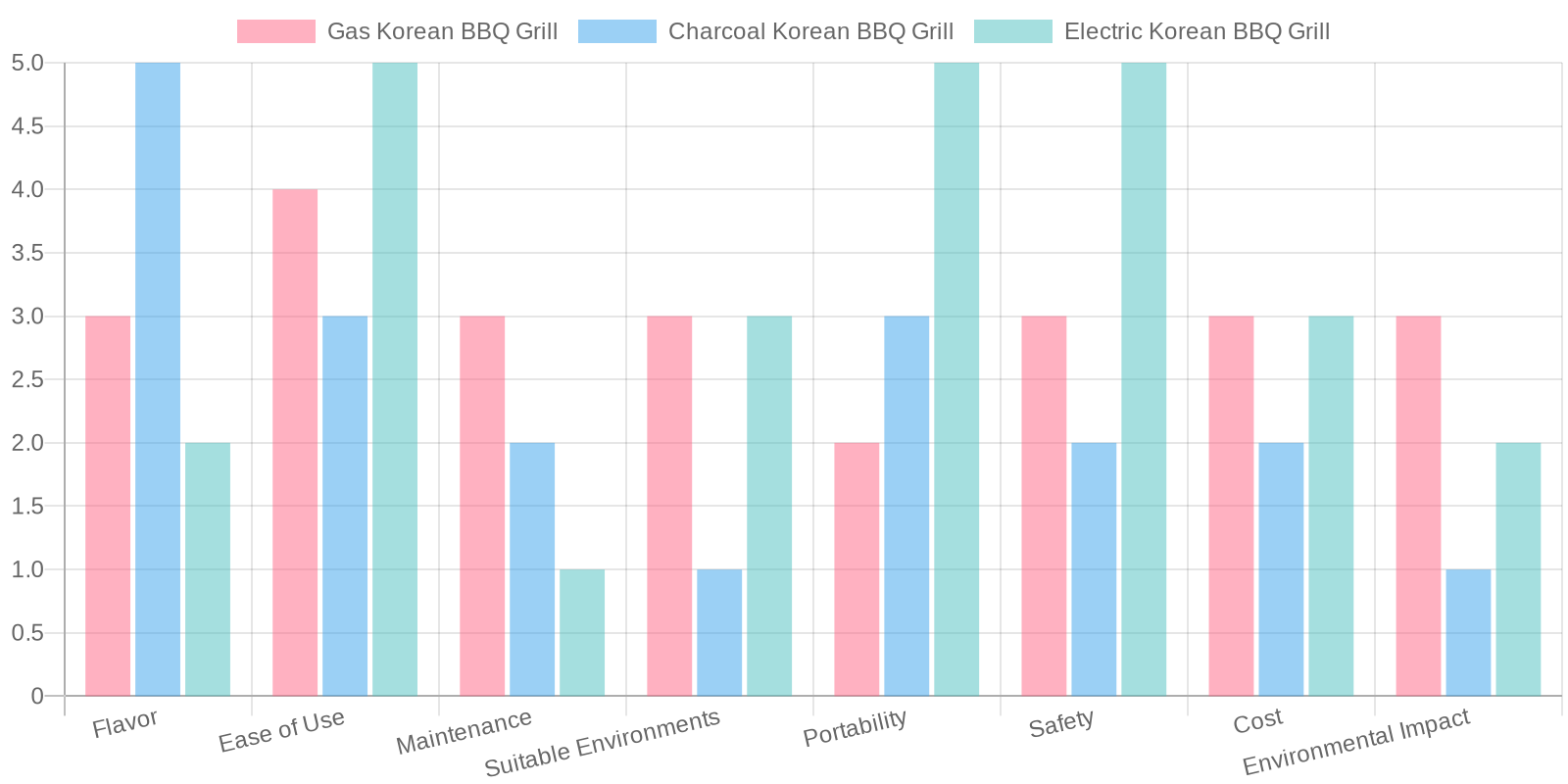
This comparison should help you decide which grill type will enhance your Korean BBQ offerings. Consider your target demographic, restaurant setting, and grilling style when making your choice. For further examples of Korean BBQ options, check out our menu offerings or learn more about our unique dining experience.
Growth of Korean BBQ Restaurants Globally
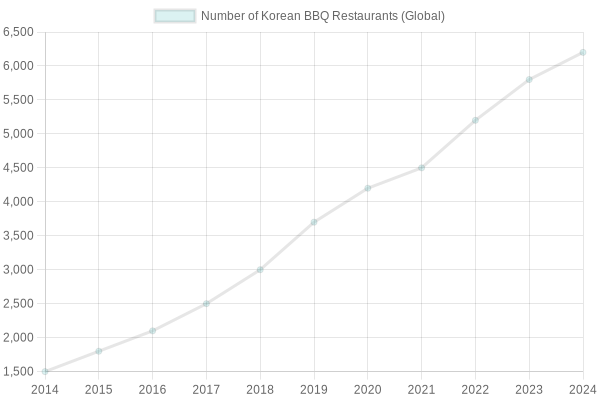
The popularity of Korean BBQ has surged significantly over the past decade, driven by global trends in food culture and the widespread appeal of Korean cuisine. The data below illustrates the growth of Korean BBQ restaurants worldwide from 2014 to 2024, showcasing the increasing interest among diners for this unique culinary experience.
Growth Statistics:
| Year | Number of Korean BBQ Restaurants (Global) |
|---|---|
| 2014 | 1,500 |
| 2015 | 1,800 |
| 2016 | 2,100 |
| 2017 | 2,500 |
| 2018 | 3,000 |
| 2019 | 3,700 |
| 2020 | 4,200 |
| 2021 | 4,500 |
| 2022 | 5,200 |
| 2023 | 5,800 |
| 2024 | 6,200 |
This growth represents an increase of over 310% since 2014, indicating that Korean BBQ is not just a passing trend but a permanent fixture in the global dining landscape. Consumers are increasingly drawn to the interactive dining experience and the social aspects of Korean BBQ, enhancing its appeal.
For more insights into Korean dining culture and offerings, check out our Korean BBQ and Sushi Menu.
Conclusion: Ignite Your Korean BBQ Adventure!
As we have explored throughout this article, establishing a Korean BBQ experience in your business is not just about serving food; it’s about creating a unique atmosphere that encourages social interaction, enhances customer satisfaction, and drives repeat traffic to your restaurant. By offering an engaging dining experience where guests can grill their own meats and enjoy flavorful marinades alongside vibrant side dishes, you will set yourself apart in a competitive market. The hands-on nature of Korean BBQ allows patrons to immerse themselves in a culture that celebrates communal dining, turning a meal into a memorable experience.
With the right design and ambiance, you can capitalize on the growing trend of Korean BBQ, which has been shown to foster customer loyalty and enhance overall dining satisfaction. Studies indicate that participatory dining experiences increase perceived value, making customers more likely to return. This interactive dining format not only attracts BBQ enthusiasts but also brings in curious diners eager to try something new and exciting.
If you’re ready to infuse your business with the vibrant flavors and communal spirit of Korean BBQ, we’re here to help! Our expertise in setting up authentic Korean BBQ experiences can help you transform your culinary vision into reality. From menu selection to interior design, we have the resources and knowledge to guide you.
Don’t miss out on the opportunity to elevate your restaurant’s offering and watch your business thrive. Contact us today to discuss how we can assist you in creating a Korean BBQ experience that your customers will love! Let’s make your restaurant the go-to place for fantastic food and unforgettable experiences!
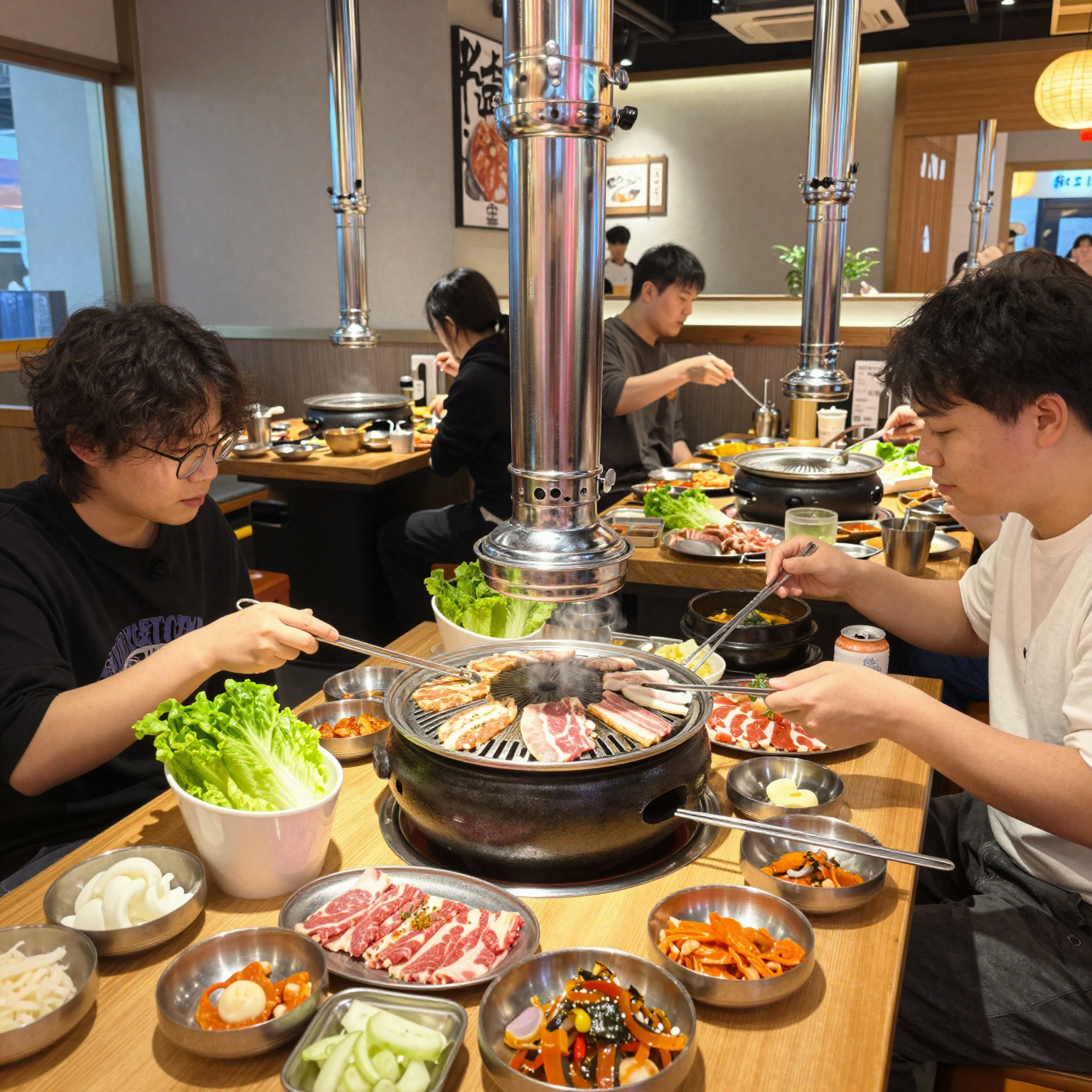
Diners enjoying the interactive and lively experience of Korean BBQ.
The Importance of Experience in Korean BBQ
Korean BBQ stands out not only for its delicious food but also for the rich dining experience it offers. As culinary expert Jihye Kim aptly states,
“It’s the ritual-the sharing of food, the sizzle of the grill at your table, the laughter around it-that makes Korean BBQ unforgettable. You’re not just eating; you’re participating in a cultural tradition where everyone becomes a chef for a moment.”
This shows how crucial it is for business owners to enhance their dining services by creating an engaging and communal atmosphere.
For those looking to delve deeper into the types of Korean BBQ offerings, you can explore our delicious menu options.