
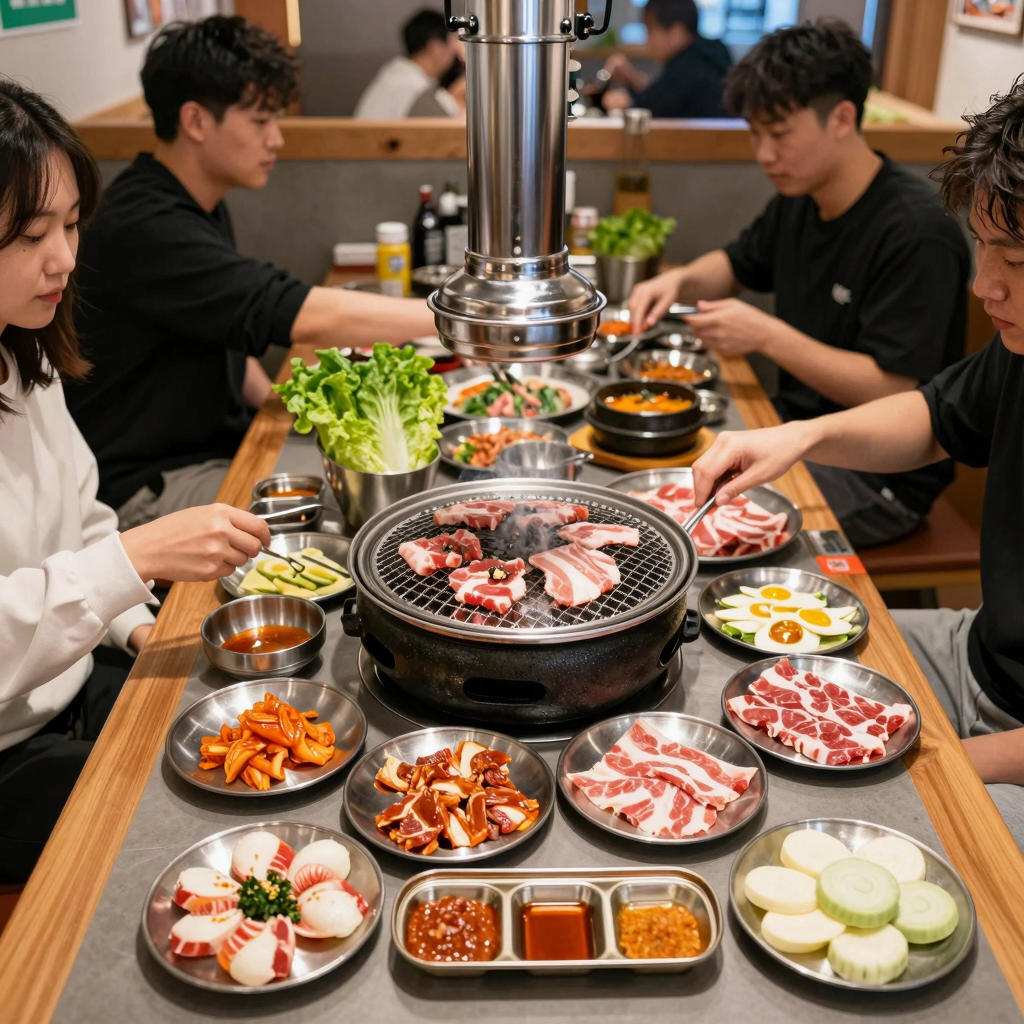
The Allure of Korean BBQ: A Cultural Phenomenon
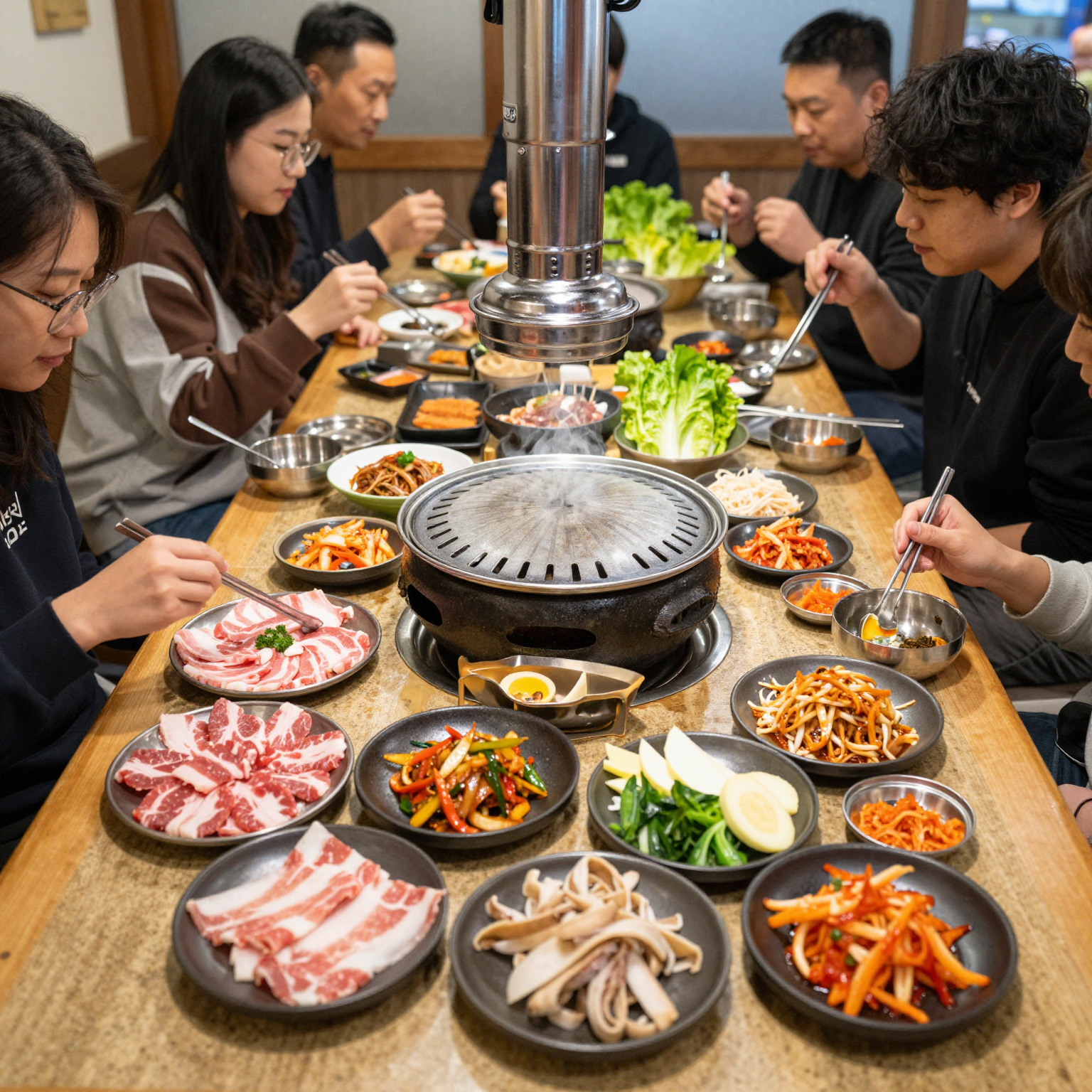
As the savory aroma of grilling meats wafts through the air, Korean BBQ captivates diners around the globe, transforming mealtime into an engaging social event. This unique dining experience not only showcases delicious marinated meats, such as galbi (short ribs) and samgyeopsal (pork belly), but also invites friends and family to gather around the grill, fostering conversation and connection. The cultural significance of this culinary art is deeply rooted in Korean traditions, where communal dining reflects values of hospitality and togetherness. Recent trends indicate a surge in popularity, with Korean BBQ accounting for over 35% of the global Korean food market, making it an appealing choice for business owners seeking to attract customers or host memorable events. In a world increasingly drawn to interactive dining experiences, the question arises: how do you eat Korean BBQ? A delightful fusion of flavors, social bonding, and cultural appreciation awaits those who embrace this sumptuous journey. Discover the joys of Korean BBQ and how it can bring a taste of Korea to your restaurant’s menu!
For more culinary traditions that resonate with diners, explore our offerings or consider our Korean BBQ and sushi menu.
Essential Ingredients for Korean BBQ
Korean BBQ is a culinary experience celebrated for its unique flavors and communal dining style. If you’re a business owner looking to offer authentic Korean BBQ, here’s a comprehensive list of essential ingredients you should consider:
Types of Meats
- Beef: Often the star of the show; popular cuts include:
- Galbi (Grilled Short Ribs): Marinated beef short ribs that are tender and flavorful.
- Bulgogi: Thinly sliced beef marinated in a sweet sauce of soy sauce, sugar, sesame oil, and garlic.
- Brisket: A favorite for its rich flavor and juiciness when grilled.
- Pork: Common choices include:
- Samgyeopsal: Grilled pork belly, often enjoyed with dipping sauces.
- Daeji Bulgogi: Spicy marinated pork that pairs well with grilled vegetables.
- Chicken: Often marinated in a sweet and savory sauce and grilled until juicy, such as:
- Dak Galbi: Spicy marinated chicken ideal for grilling.
- Seafood: Including:
- Shrimp and Squid: Often marinated or seasoned before being grilled.
Marinades
- Soy Sauce: A base for many marinades, contributing saltiness and depth.
- Sesame Oil: Adds a nutty flavor and helps with tenderness.
- Honey or Sugar: Used for sweetness in marinades, balancing savory elements.
- Garlic and Ginger: Essential aromatics for enhancing the flavor profile.
Side Dishes (Banchan)
- Kimchi: Fermented vegetables, usually napa cabbage or radish, known for their tangy and spicy flavor.
- Japchae: Stir-fried glass noodles with vegetables and sometimes meat, rich in flavor.
- Pickled Radish (Danmuji): Adds a crunchy, tangy contrast to grilled meats.
- Soybean Sprout Salad (Kongnamul Muchim): A refreshing side dish that aids digestion.
- For more about banchan, see this guide to Korean BBQ side dishes.
Dipping Sauces
- Ssamjang: A thick, spicy paste made from fermented bean paste and chili paste; often served with lettuce wraps.
- Doenjang: Fermented soybean paste that adds a savory umami flavor.
- To learn about the best dipping sauces, check out this Korean BBQ dipping sauce guide.
Offering these authentic ingredients will not only enhance the dining experience but also reflect the rich and diverse flavors of Korean cuisine. By incorporating these essentials, you can create a memorable Korean BBQ experience for your customers.
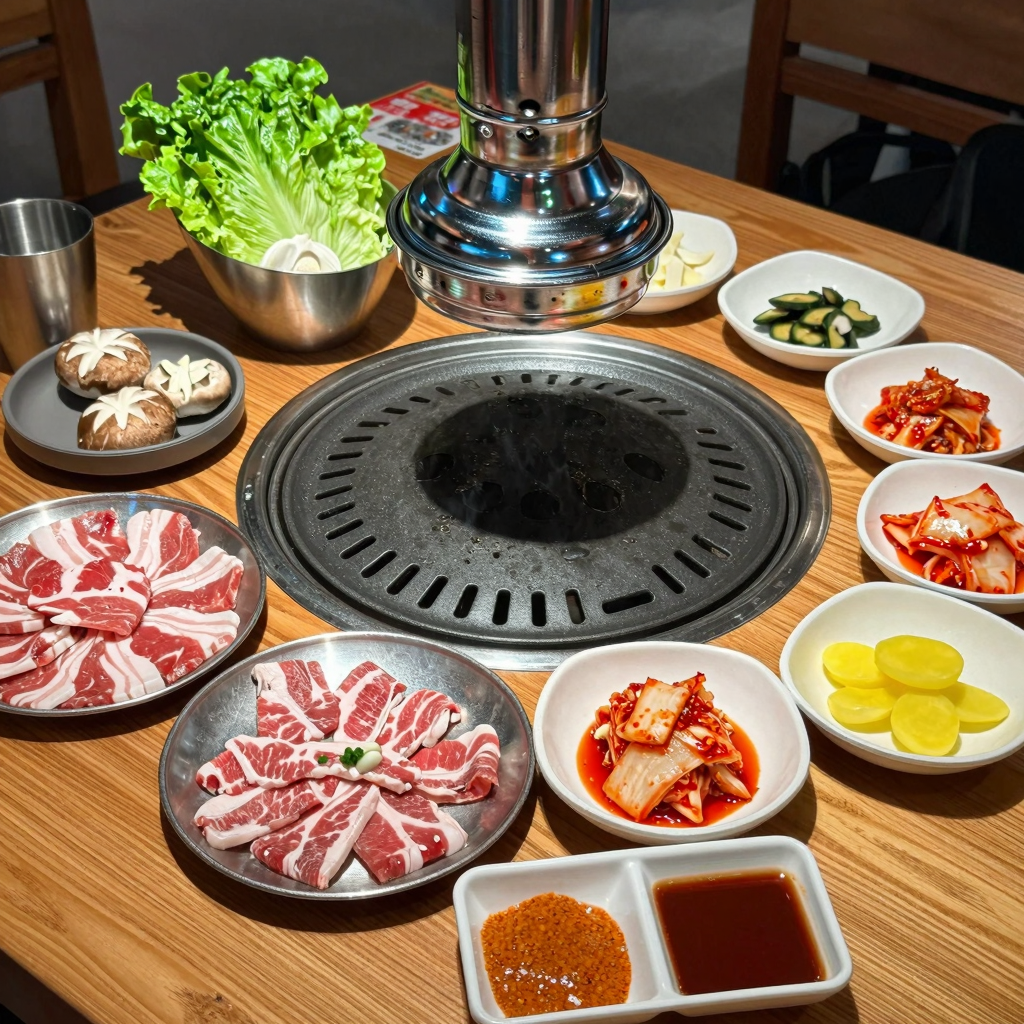
Grilling Techniques in Korean BBQ
Korean BBQ is celebrated for its unique grilling techniques that enhance the flavors of various meats and create an interactive dining experience. Understanding these techniques can be beneficial for business owners looking to set up an authentic Korean BBQ venue.
Types of Grills
There are primarily two types of grills used in Korean BBQ:
- Charcoal Grills
- Overview: Traditional Korean BBQ often employs charcoal grills, renowned for their ability to deliver that distinct smoky flavor. The high heat produced allows for quick grilling, making it ideal for various cuts of meat.
- Best Practices: Ensure proper ventilation when using charcoal, and select high-quality charcoal for even heat distribution. Using portable, barrel-style grills is common in many establishments, allowing for an authentic feel in both indoor and outdoor settings.
- Electric Grills
- Overview: For indoor settings or those lacking proper ventilation, electric grills offer a convenient alternative. They create a reliable heat source and are easier to manage.
- Best Practices: Preheat electric grills thoroughly to avoid sticking and ensure even cooking. These grills are versatile for both meat and vegetables, which can be cooked simultaneously.
Grilling Techniques
- Direct Grilling: In this method, meats are placed directly over a heat source, allowing for quick cooking and a caramelized exterior. This technique is typical for popular choices like bulgogi (marinated beef) and galbi (short ribs), ensuring a tender interior and a slightly charred flavor on the outside.
- Indirect Grilling: This method is less common in traditional Korean BBQ but can be used for thicker cuts. The meat is placed away from direct heat, allowing for slower cooking while retaining moisture.
Tips for Best Practices
- Preparation of Ingredients: Marinate meats properly for enhanced flavors. Fresh ingredients also contribute significantly to the overall dining experience.
- Side Dishes: Offer a variety of banchan (side dishes) to complement the grilled meats. Common choices include kimchi, pickled vegetables, and bean sprouts, which enhance the meal’s flavor profile.
- Interactive Experience: Allow guests to grill their own meats. This not only engages them in the dining process but also enhances the communal atmosphere that is central to Korean BBQ culture.
- Ambiance: Create a traditional atmosphere with Korean decor and suitable lighting that enhances the dining experience.
Setting up a Korean BBQ restaurant involves understanding these grilling techniques and how they contribute to the overall customer satisfaction and dining experience. For additional insight on menu offerings, check out Kogi Korean BBQ Menu and learn more about how to enhance your menu selection with great side dishes and meat options.
By mastering these grilling techniques, owners can create a memorable experience that not only respects the authenticity of Korean BBQ but also delights customers.
Comparison of Popular Korean BBQ Meats
Korean BBQ offers a delightful array of meats, each with distinctive flavors and preparation methods. Below is a comparison table highlighting various popular meats used in Korean BBQ, including beef brisket, pork belly, and marinated chicken. This guide will assist you in understanding their unique characteristics, ideal cooking methods, and preparation times.
| Meat Type | Flavor Profile | Ideal Preparation Method | Cooking Time |
|---|---|---|---|
| Beef Brisket | Tender, clean beef flavor | Grilled quickly, often served unmarinated | 2-3 minutes per side |
| Pork Belly | Rich, fatty, savory umami flavor | Grilled without marinade, enhancing natural flavors | 3-5 minutes per side |
| Marinated Chicken | Sweet-savory, aromatic with soy and pear notes | Marinated in sweet-savory sauce, grilled | 4-6 minutes per side |
Beef Brisket (Chadol-bagi)
- Flavor Profile: Beef brisket is known for its tender texture and clean beef flavor, making it a favorite choice for those who appreciate a leaner option.
- Preparation Method: It is typically served unmarinated and grilled rapidly to preserve its tenderness.
- Cooking Time: Generally takes 2-3 minutes on each side.
Pork Belly (Samgyeopsal)
- Flavor Profile: The rich layers of fat in pork belly yield a deeply savory flavor that is even better when grilled, creating crispy skins and juicy interiors.
- Preparation Method: Commonly cooked simply on a grill without marinades to maintain its rich umami essence.
- Cooking Time: Requires about 3-5 minutes per side.
Marinated Chicken (Dak-galbi)
- Flavor Profile: This chicken option is characterized by a sweet and savory profile from its marinade, often including ingredients like soy sauce, sugar, and pear juice.
- Preparation Method: Chicken is marinated prior to grilling, enhancing its tenderness and flavor.
- Cooking Time: Typically takes 4-6 minutes per side to ensure succulence.
Each of these meats brings its own unique experience to the table, tapping into the rich tradition of Korean BBQ. Whether you’re favoring the tenderness of beef brisket, the rich flavor of pork belly, or the flavorful marinated chicken, understanding these options will enhance your setup for an unforgettable experience.
For more information on various Korean BBQ menu options, consider exploring additional offerings or specials at your chosen venue. Emphasizing these selections can not only enrich your BBQ experience but also appeal to a wide range of tastes among guests.
The Significance of Banchan in Korean BBQ
Korean BBQ is not just about the grilled meats; it’s a comprehensive dining experience enriched by an array of banchan, or side dishes. These small plates are integral to the Korean culinary tradition, serving multiple purposes that go beyond mere accompaniments. Banchan plays a crucial role in balancing flavors, enhancing the overall enjoyment of the meal, and fostering social interactions among diners.
Importance of Banchan
- Balancing Richness: Many of the main dishes feature rich, fatty meats. Banchan includes various fermented and fresh vegetables, which help to balance the high-fat content, promoting better digestion. For instance, kimchi, a staple banchan, is fermented and provides probiotics that aid digestion (Mongvely).
- Enhancing Flavor and Texture: These side dishes introduce unique flavors and textures that contrast with the grilled meats. This includes salty, spicy, and sour notes that invigorate the palate and make each bite more satisfying. A diverse selection of banchan can turn a regular meal into a feast, creating a memorable experience for diners (Medium).
- Cultural Representation: Banchan serves as a cultural expression showcasing Korea’s history, traditions, and agricultural bounty. Each type of banchan reflects regional ingredients and culinary practices, offering diners a taste of Korean heritage.
Common Banchan Dishes
Some of the most popular banchan include:
- Kimchi: Fermented vegetables, often napa cabbage or radishes, seasoned with chili, garlic, and ginger.
- Pickled Radishes (Danmuji): Yellow pickled radishes that add a sweet and tangy crunch.
- Bean Sprout Salad (Sukju Namul): Blanched bean sprouts seasoned lightly with sesame oil and salt.
- Seaweed Salad (Miyeok): A light salad made from edible sea plants.
- Fried Tofu (Dubu): Often served plain or marinated, providing a soft and creamy contrast to the meats.
These dishes not only complement the main BBQ items but also allow guests to tailor their meals to their tastes, making the dining experience more personal and enjoyable (Weee!).
Incorporating Banchan in a Business Setting
For business owners in the restaurant industry, particularly those specializing in Korean BBQ, offering a diverse and authentic selection of banchan can significantly enhance the dining experience. Consider the following:
- Customization: Allowing diners to choose their banchan encourages engagement and personalization of the meal.
- Presentation: Highlight the vibrant colors and textures of banchan in your restaurant’s plating practices. A well-organized banchan section can make meals visually appealing and enticing.
- Cultural Storytelling: Take time to educate your guests about the different banchan, sharing their cultural significance and encouraging appreciation of the rich culinary heritage that Korean BBQ represents.
Incorporating these elements not only enriches the dining experience but also builds customer loyalty by offering them a taste of authentic Korean cuisine. For more on menu options, check out Kogi’s Korean BBQ Menu.
How Do You Eat Korean BBQ
Korean BBQ is a unique culinary experience that combines delightful flavors with rich cultural significance. The interactive nature of dining and cooking together at the table brings not just delicious food, but also strengthens social bonds.
“In Korean culture, whenever we want to celebrate a special occasion or treat friends, we say, ‘I’m treating you to BBQ!’ This phrase deeply reflects that Korean BBQ is not just about the food itself but serves as a symbol of socializing and emotional connection, enhancing joy and friendship.” – A Michelin-starred chef
To truly savor Korean BBQ, you typically start by choosing a variety of marinated meats, vegetables, and dipping sauces. The experience gets even more engaging as you grill these items on a tabletop grill, allowing diners to share in the preparation and enjoyment of the meal.
Tips for Enjoying Korean BBQ
- Select Varieties: Choose a mix of beef, pork, chicken, and seafood to experience different flavors.
- Don’t Skip the Banchan: These small side dishes are essential to complement the main dishes.
- Experiment with Dipping Sauces: Soy sauce, sesame oil, and spicy red pepper sauce can elevate your meal.
For more detailed menu options, check out our Korean BBQ and Sushi Menu or explore all-you-can-eat options available at Kogi Korean BBQ in Oakland!
Dining Etiquette at a Korean BBQ: An Essential Guide
Korean BBQ is not just a culinary experience but a social ritual that reflects deeply entrenched cultural values. Understanding and practicing dining etiquette in this setting is crucial, especially for business owners seeking to create authentic dining experiences. Here’s a detailed look at Korean BBQ etiquette, focusing on how to cook for others, serving techniques, and table manners.
Cooking for Others
At a Korean BBQ, it is customary for the host to initiate the cooking process, but everyone at the table usually participates. Here are some etiquette tips for cooking:
- Lead by Example: The host should start by cooking the first batch of meat, ideally choosing high-quality cuts that are tender and juicy. This not only sets the standard but shows care for the guests’ satisfaction.
- Use Tongs: Always use tongs to handle the meat. This practice maintains hygiene and is a sign of respect towards the others dining.
- Cut to Serve: After grilling, ensure you cut the meat into manageable bite-sized pieces before serving. This allows guests to enjoy the food without struggling with large pieces, enhancing the social aspect of sharing a meal.
Serving Techniques
Korean dining is marked by shared plates and communal dishes. Here’s how to serve properly:
- Elders First: Always serve the most senior person first, showing respect for their status. This is a critical point of etiquette as it highlights humility and respect for hierarchy-a significant value in Korean culture.
- Pass Handily: When passing dishes, do so with both hands, especially if you’re handing food to someone. This gesture, coupled with a slight bow, demonstrates respect.
- Avoid Serving Yourself First: It is seen as impolite to serve yourself before serving others. The actual practice often involves offering food to those around you and encouraging them to eat first before you help yourself.
Table Manners
Maintaining proper table manners is equally important at a Korean BBQ. Observe the following rules:
- Chopsticks Etiquette: Never stick chopsticks upright in a bowl of rice, as this resembles offerings to the deceased. Instead, lay them down on a plate between uses.
- Volume Control: Eating quietly and refraining from loud conversation or laughter is considered respectful. Overly animated behavior can be interpreted as disrespectful.
- Finishing Your Plate: While it is polite to try everything, leaving a small amount of food can be a sign of having enjoyed the meal without overindulging.
The Importance of Understanding Etiquette
For business owners, comprehending and utilizing these dining etiquette rules can significantly impact the authenticity of the dining experience offered in their establishments.
- Building Trust: Proper etiquette fosters mutual respect and builds trust between staff and guests. Demonstrating knowledge of these customs can enhance customer satisfaction and loyalty.
- Cultural Sensitivity: Particularly in a business context, demonstrating cultural awareness can positively influence negotiations. Missteps like serving oneself first or neglecting to prioritize elders may be viewed as arrogance, potentially jeopardizing business deals.
- Professionalism: Abiding by etiquette standards signals professionalism and shows that the business values both its dining culture and its patrons. Offering not just food but a cultural experience can set a restaurant apart in a competitive market.
In conclusion, mastering Korean BBQ etiquette is essential for creating an authentic atmosphere that honors tradition while appealing to diverse customers. By embracing these practices, business owners can ensure their establishments resonate with the rich culture behind the cuisine, leading to a successful dining experience at their Korean BBQ restaurants.
For more insights into Korean BBQ offerings, visit Kogi Korean BBQ menu or check out our all-you-can-eat Korean BBQ options to enhance your business establishment.
User Demographics for Korean BBQ
Understanding the demographics of Korean BBQ enthusiasts can significantly help business owners in tailoring their menus and marketing strategies. Here’s a chart illustrating key user demographics, focusing on age groups, preferences, and dining habits.
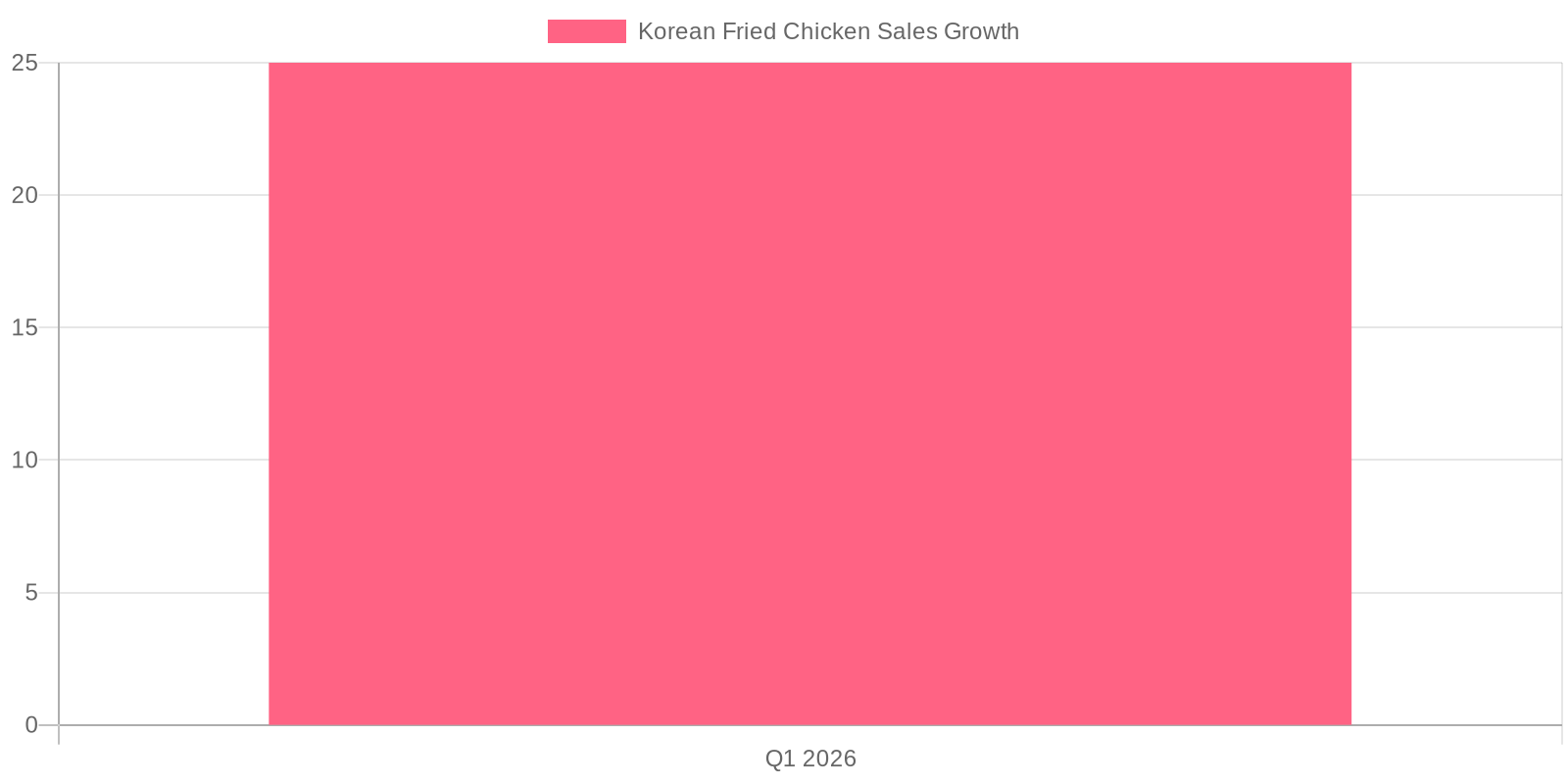
- Age Groups: Majority of consumers fall between the ages of 18-34, who are generally more inclined towards dining experiences that involve interaction and social sharing.
- Food Preferences: Popular choices include beef, pork (especially samgyeopsal), and chicken, with a growing interest in vegetarian options due to dietary trends.
- Dining Habits: A significant number of consumers prefer dining in restaurants, but takeout and delivery options are increasingly gaining traction, especially among younger audiences.
This demographic insight is crucial for business owners looking to adapt their strategies in a competitive market. To explore menu options that cater to diverse preferences, visit our Korean BBQ and Sushi Menu.
You can also learn more about all-you-can-eat options in Oakland for larger gatherings.
Conclusion: Embracing the Korean BBQ Movement
As the restaurant industry continues to evolve, Korean BBQ presents an irresistible opportunity for business owners looking to captivate diners with an engaging and flavorful culinary experience. With high-profit margins, robust customer loyalty, and a surge in global interest, incorporating Korean BBQ into your dining offerings is more than just a trend-it’s a smart business move. According to Forbes, the interactive dining approach encourages guests to spend more time and money at your establishment, while customizable menu options help minimize food waste and ensure satisfying experiences-resulting in repeat customers.
At Kogi Korean BBQ, our extensive history and expertise equip us to support you in menu development using innovative equipment and techniques that appeal to today’s health-conscious diners. Modern advancements in Korean BBQ, from traditional grills to customizable plant-based options, reflect our commitment to quality and authenticity. We’ve worked with numerous successful franchises to develop dynamic menus that combine traditional flavors with contemporary dishes. Want to learn about how to elevate your restaurant’s offerings?
We invite you to reach out to us for assistance in crafting the perfect Korean BBQ menu or organizing your next culinary event. Let Kogi Korean BBQ help you tap into this growing market and ensure your business stands out in today’s competitive landscape. Together, we can create unforgettable dining experiences that keep customers coming back for more!