
The Allure of All-You-Can-Eat Korean BBQ: A Business Perspective
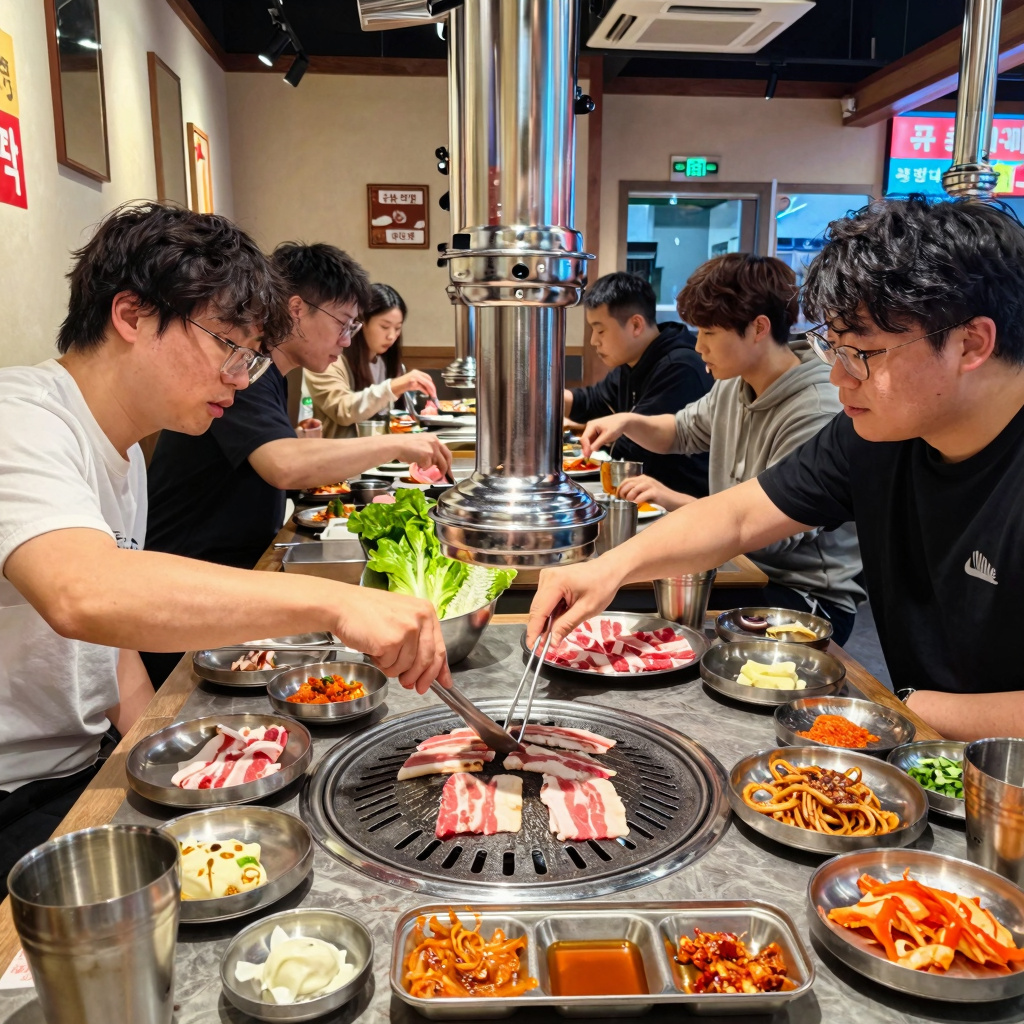
The aromatic allure of grilled meats, savory marinades, and vibrant side dishes draws diners into the thrilling world of all-you-can-eat Korean BBQ (KBBQ). This dining concept, where customers are free to select and grill their favorites at the table, offers a social yet interactive experience unlike any other. For business owners, understanding this unique dining trend is more than just culinary admiration; it is an opportunity to tap into a growing market that’s captivating food lovers across the globe. With the rapid rise of Korean cuisine’s popularity, investing in an all-you-can-eat KBBQ can prove extremely fruitful. Potential investors and restaurateurs must grasp the operational nuances and customer expectations to maximize their chances of success in this deliciously lucrative sector.
In a time where consumers seek out experiences rather than mere meals, all-you-can-eat KBBQ provides a customizable dining adventure that can cater to diverse tastes and preferences. The format not only encourages repeat visits but also creates a community atmosphere, making it perfect for gatherings, celebrations, or simply a night out with friends. For more insights on how to streamline such a business venture, be sure to explore our menu offerings and discover the appealing features that make Korean BBQ a winning choice.
The Origins of Korean BBQ
Korean BBQ has a rich and storied history that dates back to ancient times in the Korean Peninsula. Initially, BBQ was a part of religious ceremonies where meat was grilled as offerings to deities. During the Goryeo Dynasty (918-1392), this practice evolved into a delicacy among the elite. The introduction of iron griddles during the Joseon Dynasty (1392-1897) significantly improved the method of cooking meat, allowing for faster and more even grilling. Influenced by Mongolian grilling techniques, particularly the use of metal shields as makeshift grills, the concept of Korean BBQ began to take shape.
By the mid-20th century, following the Korean War, Korean BBQ transitioned from royal tables to everyday home cooking and restaurant menus. It became a symbol of resilience and togetherness as families gathered around the grill to share meals during a time of recovery and rebuilding. Today, it stands as a national culinary icon not only in South Korea but also around the world, especially following the global popularity of K-Culture and culinary exports.
Cultural Significance
Korean BBQ is more than just a meal; it encapsulates the essence of Korean hospitality and communal dining. The practice often involves a grill set at the table allowing diners to cook their own food, fostering interaction and collaboration. This method of dining reflects South Korean values of shared experiences and community.
In modern Korea, BBQ restaurants are abundant, often bustling with families and friends celebrating special occasions or simply enjoying a meal. The culture around Korean BBQ embodies warmth, camaraderie, and the joy of savoring delicious food together, making it a staple of Korean social life. As such, it not only serves as a reflection of the nation’s rich culinary history but also contributes significantly to the global spread of Korean culture. For those looking to experience authentic flavors of Korean BBQ, options such as Kogi Korean BBQ present an excellent opportunity.
How All-You-Can-Eat Korean BBQ Works
All-you-can-eat (AYCE) Korean BBQ is a unique dining experience that combines quality, interactivity, and the joy of social eating. Here’s how it typically works:
-
Choosing a Meal Plan: Upon arrival, customers select a meal package that varies by price and offerings, often categorized into tiers such as basic, premium, or ultimate. Pricing typically ranges from $30 to $50 per person, depending on the quality and variety of meat available. This plan determines the selection of meats-ranging from beef and pork to chicken-that patrons can enjoy.
-
Ordering Process: After choosing a package, guests use a digital tablet or order via a server. Most AYCE establishments implement a policy allowing diners to select three types of meat per round, keeping the offerings fresh for all guests. The ordered meats are brought directly to the table, accompanied by complimentary sides known as banchan, which may include kimchi, pickled vegetables, or stews, and are refillable throughout the meal.
-
Grilling at Your Table: The primary allure of Korean BBQ is the interactive cooking experience. Diners grill their selected meats on a built-in tabletop grill. Although servers assist by cutting meat and providing guidance, most cooking is the responsibility of the diners. This hands-on activity fosters a casual, communal atmosphere.
-
Time and Menu Limitations: Most restaurants impose a time limit for dining, typically lasting 90 to 120 minutes, to ensure that they can serve as many guests as possible. Reservations are strongly recommended during peak hours to manage crowd expectations.
Tips for Business Owners
- Cost Management: Effective cost control is crucial. Monitor portion sizes and food waste closely.
- Creating a Unique Experience: Enhance the atmosphere through themed nights or interactive events.
- Marketing Strategies: Focus on local marketing efforts; promote on social media channels like Instagram and TikTok to attract nearby audiences. For more insights, check out this guide on opening a successful all-you-can-eat Korean BBQ restaurant.
- Customer Engagement: Consider partnerships with local businesses for cross-promotions to increase foot traffic and community engagement. Further knowledge on building an all-you-can-eat menu can also be found here: all-you-can-eat Korean buffet menu.
Table Comparison of Popular All-You-Can-Eat Korean BBQ Chains
When it comes to all-you-can-eat Korean BBQ, several chains stand out for their unique offerings, pricing, and service modes. Here’s a comparative table showcasing some of the most popular ones:
| Restaurant | Pricing (per person) | Menu Offerings | Unique Offerings | Service Mode |
|---|---|---|---|---|
| Hae Jang Chon | $37.99 (lunch), $43.99 (dinner) | Bulgogi, pork belly, beef short ribs, grilled squid, steamed rice, corn cheese, kimchi, and assorted side dishes | USDA Choice & Prime meats; signature steam egg dish | Self-grilling with staff assistance |
| Ten-Raku | $25.99 | Bulgogi, pork belly, galbi, spicy pork, chicken, mixed grill, kimchi, pickled vegetables | Japanese-Korean fusion items like yakiniku-style skewers | Self-grilling with staff assistance |
| BBQ All You Can Eat 2 | $21.95 | Bulgogi, pork belly, beef short ribs, chicken thighs, tofu, kimchi, and house-made sauces | Budget-friendly all-you-can-eat option with high volume | Self-grilling with minimal staff help |
| Hanu Korean BBQ | $24.99 | Bulgogi, pork belly, galbi, spicy beef, marinated chicken, steamed rice, kimchi, and vegetable banchan | Premium cuts with a focus on marination techniques | Self-grilling with full staff support |
Source URLs:
This comparison provides insights into what each chain offers, allowing business owners and potential franchisees to make informed decisions regarding menu composition and pricing strategies. For further insights on operating a Korean BBQ, learn more about our offerings at Kogi Korean BBQ.
Key Ingredients in Korean BBQ
Korean BBQ (Gogi Gui 고기구이), a beloved culinary tradition, relies on a variety of fresh and flavorful ingredients that contribute to its unique appeal. Here’s a breakdown of the key ingredients used in Korean BBQ, including meats, marinades, and side dishes commonly known as banchan:
Meats
- Beef: Common options include ribeye (갈비살 galbisal), sirloin (안심 ansim), and bulgogi (불고기), which is marinated beef.
- Pork: Popular cuts include samgyeopsal (삼겹살), or pork belly, and dwaeji bulgogi (돼지불고기), which is marinated pork.
- Chicken: Often marinated to enhance flavors, chicken thighs are preferred for tenderness.
Marinades
- Soy Sauce: Essential in most marinades, it provides a rich umami flavor.
- Gochujang: This red chili paste adds spiciness and depth.
- Sesame Oil: A key ingredient that adds nuttiness to marinades.
- Sugar: Helps balance flavors and caramelizes when grilled.
- Fruit Purees: Pear or apple puree is often used to tenderize the meat.
Banchan (Side Dishes)
Banchan are an integral part of the Korean BBQ experience, featuring a variety of small dishes, such as:
- Kimchi: Fermented vegetables, usually napa cabbage or radishes.
- Pickled Vegetables: Such as kkakdugi (cubed radish) and oi muchim (seasoned cucumbers).
- Seasoned Spinach: Known as sigeumchi namul, lightly cooked and seasoned with sesame oil and garlic.
- Bean Sprouts: Often served seasoned with garlic and sesame oil.
For more information on specific Korean BBQ dishes and menu items, you can explore our menu or discover more about banchan and its cultural significance at The Spruce Eats.
Customer Reviews of All-You-Can-Eat Korean BBQ
All-you-can-eat Korean BBQ has become a popular dining option, loved for its interactive cooking experience and variety of flavorful offerings. Customer reviews reveal several common themes and notable insights:
Quality of Meat
- High Standards: Many patrons praise the quality of the meat, often highlighting USDA Choice and Prime standards. For example, customers at Hae Jang Chon in Los Angeles frequently commend their tender beef selections, particularly the short ribs and brisket.
Variety and Options
- Extensive Selections: Establishments like Eat Korean BBQ & Shabu-Shabu in Providence offer an impressive assortment of up to 48 different meat types. Reviews often mention satisfying combinations of ribs, pork belly, and unique options like grilled pineapple and various side dishes.
Dining Experience
- Interactive: Many diners appreciate the hands-on style of cooking their own meals at the table, which enhances the overall experience. However, some diners reported minor frustrations such as small grill surfaces that lead to potential food sticking or burning.
Service Quality
- Mixed Reviews: While some establishments provide excellent service, assisting with grilling and ensuring smooth operations, others experience varying service standards, sometimes reported as slow during peak hours.
Overall Value
- Affordable Pricing: Many guests find the all-you-can-eat model cost-effective, making it an ideal choice for gatherings, especially with family or friends. Overall satisfaction is high, with many declaring it a fun way to enjoy authentic Korean cuisine.
For more insights on the menu options, check out our Korean BBQ and Sushi Menu
Discovering Korean BBQ: A Culinary Experience
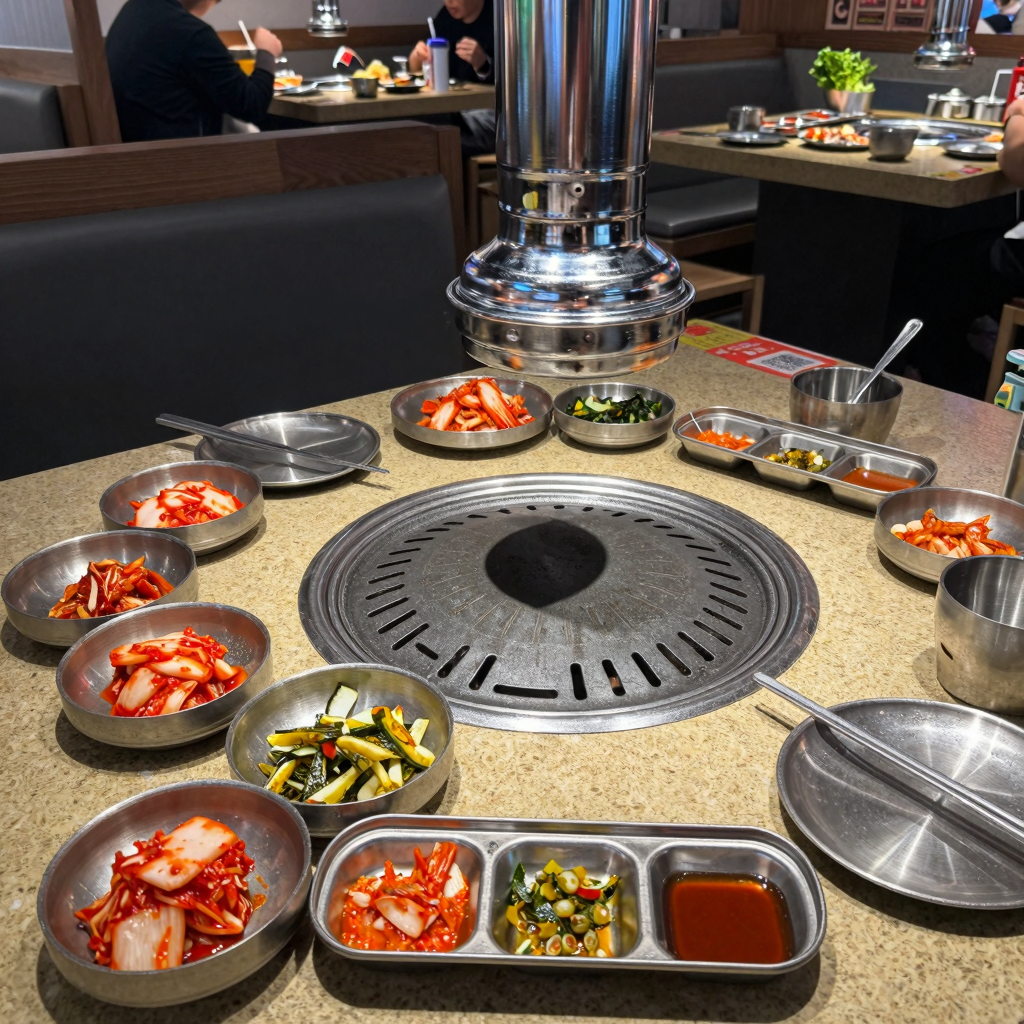
Korean BBQ is not just about the food; it’s an immersive dining experience that celebrates the art of grilling. In a typical all-you-can-eat Korean BBQ setup, patrons are greeted with a central grill embedded in the table, allowing guests to cook their own meats and vegetables right in front of them. This interactive approach fosters a lively atmosphere, encouraging conversations and shared enjoyment among diners.
Accompanying the meats are an array of side dishes known as banchan, which include kimchi, pickled radishes, and seasoned vegetables. These sides play a crucial role, complementing the grilled dishes with vibrant flavors. The environment is often warm and inviting, accentuated by cozy lighting that enhances the overall dining experience.
For more insight into various Korean BBQ options, you can explore our menu or take a look at additional all-you-can-eat locations across the country.
Business Considerations for All-You-Can-Eat Korean BBQ
Starting an all-you-can-eat Korean BBQ restaurant can be a profitable venture, but it comes with unique challenges and considerations. Entrepreneurs should focus on the following aspects:
1. Costs and Pricing Structure
One of the primary concerns is managing costs, which include:
- Food Costs: High-quality meats and ingredients are essential for a good Korean BBQ experience, but these can be expensive. Careful selection and negotiation with suppliers can help lower costs. It’s important to also calculate the cost per meal to establish appropriate pricing that covers expenses and ensures profitability.
- Operational Costs: Utilities, rent, and maintenance, especially for specialized grill equipment and ventilation systems, can add up significantly. Successful implementation of these systems is crucial for maintaining air quality and safety, crucial in any food service environment. Consider models like hooded grill systems to manage smoke and odors effectively (learn more about kitchen ventilation).
2. Staffing
Staffing a Korean BBQ restaurant involves a variety of roles including chefs, servers, and support staff. Recent employment trends show a significant demand for skilled positions in the Korean BBQ space, with a notable workforce requirement across various roles from kitchen to customer service (see job trends here). Managing the staff efficiently is essential to maintaining high customer satisfaction due to the interactive nature of BBQ dining.
3. Customer Service
Excellent customer service is paramount. The all-you-can-eat model relies heavily on customer satisfaction to encourage repeat business. Training staff to be attentive and knowledgeable about the menu enhances the dining experience, which, in turn, increases customer retention.
By carefully considering these factors, entrepreneurs can set a strong foundation for a successful all-you-can-eat Korean BBQ restaurant, balancing costs with high-quality offerings and exceptional service.
Future Trends of All-You-Can-Eat Dining
In the ever-evolving landscape of the restaurant industry, particularly in the realm of all-you-can-eat (AYCE) dining, experts assert that the focus is shifting towards providing enhanced quality and unique experiences. As highlighted by a recent article from the MICHELIN Guide, top chefs point out the importance of value in dining experiences. They state:
“In 2023, the core directions in dining trends emphasize a return to fundamental flavors and a more inclusive menu. Even within the AYCE model, the aim is to provide a high-value dining experience that emphasizes quality ingredients, simplifying processes, and enhancing authentic flavors. This aligns perfectly with the idea that affordability and perceived luxury compete today.”
This insight encapsulates the current transition in the AYCE dining model, where consumers are increasingly seeking quality over quantity. The rise of high-quality, premium ingredients is a trend that aligns with consumers’ desires for meaningful dining experiences.
Moreover, with economic pressures influencing consumer behavior, providing a compelling value proposition will be essential for business owners in the AYCE sector. Adapting to these trends can lead to a differentiated market position and increased customer loyalty. For more insights on menu offerings, you can learn more about Kogi’s Korean BBQ menu.
Conclusion and Call to Action
In conclusion, the all-you-can-eat Korean BBQ model offers a range of benefits that can greatly enhance the dining experience for customers while simultaneously driving profit for business owners. This innovative dining approach not only attracts high volumes of diners but also encourages them to spend more through enticing menu options, interactive grilling experiences, and family-friendly pricing. You may have noted how establishments like KPOT and Hae Jang Chon thrive by creating lively atmospheres filled with the aroma of sizzling meats and the joy of sharing meals among family and friends. Such an environment results in increased table turnover and repeat visits, ultimately leading to a sustainable revenue model.
Moreover, the customizable nature of the all-you-can-eat experience allows guests to choose their own adventure with a variety of meats, sauces, and sides, enhancing their satisfaction and likelihood of recommending the restaurant to others. This model also fosters significant cost control through bulk ingredient purchases and streamlined kitchen processes, making it easier for business owners to maintain profit margins.
If you are a business owner looking to cater to a diverse clientele who craves an engaging and fulfilling dining experience, now is the time to consider exploring this exciting venture. Reach out for inquiries about partnerships with Zoomlion, where we can help you elevate your restaurant offerings and tap into the booming demand for all-you-can-eat Korean BBQ experiences. Don’t miss out on the opportunity to innovate your menu and create lasting memories for your guests. Let’s collaborate to make your establishment the go-to destination for Korean BBQ in your area!