
Discovering the Essence of Korean BBQ
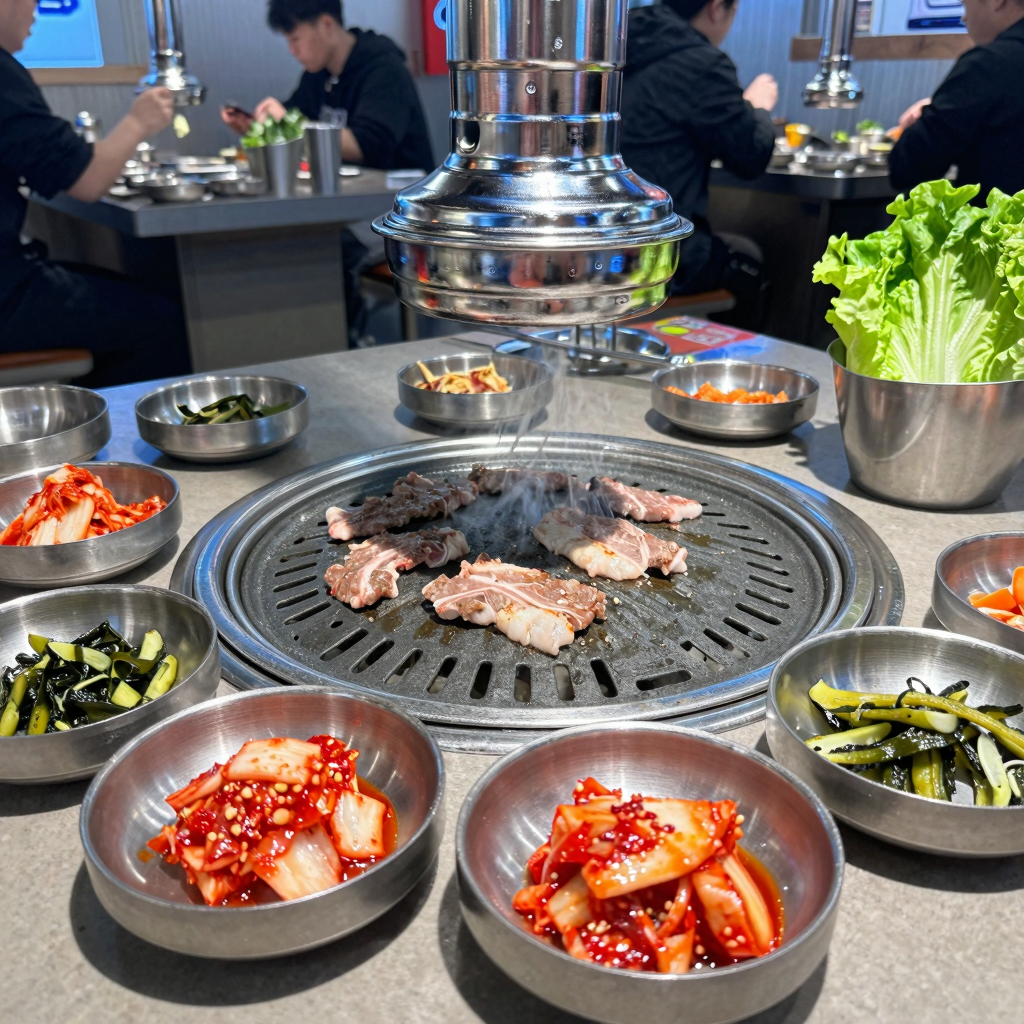
Imagine a bustling table filled with vibrant colors and delectable aromas, where the sound of sizzling meat dances through the air. This is the enchanting world of Korean BBQ, a culinary experience that transcends mere dining, evolving into a lively communal event. As you grill marinated slices of beef bulgogi, juicy pork belly, or tender chicken right at your table, the savory scents intermingle with the sweet tang of sauces and the fragrant hint of garlic, creating an unforgettable feast for the senses. The side dishes, or banchan, bursting with flavors from pickled vegetables to spicy kimchi, enhance the main stars of the meal, ensuring that each bite is a delightful surprise.
The rise of Korean BBQ isn’t just a trend; it reflects a profound shift in how we view dining experiences. In a rapidly evolving culinary landscape, where diners crave authenticity and connection, Korean BBQ satisfies these desires by inviting guests to share in the cooking process and the meal. Restaurants offering diverse dining experiences, such as all-you-can-eat Korean BBQ, thrive in this new environment where communal dining fosters bonding over flavorful dishes.
As business owners, embracing the popularity of Korean BBQ could unlock new opportunities. The captivating flavors and the interactive dining experience resonate with customers seeking something fresh and exciting. By understanding and implementing this unique dining style, you can position your establishment to attract a variety of patrons eager for a memorable meal that blends culinary adventure with social engagement. This thriving culinary trend is more than just a meal; it’s an invitation to connect, explore, and enjoy.
Dive into the spicy, savory, and smoky world of Korean BBQ, and discover an irresistible way to enhance your business and delight your customers.
The Flavor Profile of Korean BBQ
Korean BBQ is a culinary experience that tantalizes the senses, characterized by a complex interplay of flavors that embody a deep-rooted passion for food within Korean culture. The uniqueness of this cuisine stems from its use of rich marinades, diverse dipping sauces, and an expert balance of sweet, salty, and spicy notes.
Marinated Meats: A Symphony of Flavors
At the heart of Korean BBQ lie the marinated meats, most notably bulgogi (thinly sliced beef marinated in a sweet soy sauce mix) and galbi (marinated short ribs). The marinade typically features a combination of ingredients such as gochujang (fermented chili paste), soy sauce, sesame oil, minced garlic, and grated ginger. These ingredients create a flavor profile that is sweet yet savory, with a hint of umami that lingers on the palate. The sweetness often comes from brown sugar or honey, which caramelizes beautifully when grilled, giving the meat a distinctively glossy finish.
For instance, the bold, complex flavor of gochujang adds depth to the dish. With its moderate heat and natural sweetness from fermented rice, it enhances the overall experience by adding a slight spiciness that doesn’t overshadow the other flavors. The richness of sesame oil elevates each bite, wrapping it in a warm, nutty aroma.
Dipping Sauces: Additional Layers of Flavor
Complementing the marinated meats are various dipping sauces, which add another layer to the flavor spectrum. Popular options include yangnyeomjang, a sauce that combines soy sauce, vinegar, sesame oil, and chopped green onions, offering a balanced mix of salty, tangy, and nutty notes. Each dip enhances the grilled meats, intensifying their flavors and providing a sensory experience that marries the smoky grilled essence with a refreshing kick.
Another prevalent sauce is gireum jang, made primarily from toasted sesame oil and seasoned salt. This simple yet flavorful dipping sauce is particularly delightful with fatty cuts like pork belly (samgyeopsal). Its rich, nutty flavor provides an exquisite contrast against the smoky backdrop of grilled meats.
The promise of flavorful exploration doesn’t end here; diners are often able to create personalized experiences. Many opt to mix sauces, adding unique dimensions to their meals. Whether it’s enhancing the spice level or introducing fresh herbs, the options are endless.
Sensory Descriptions Evoking the Experience
A meal at a Korean BBQ is a truly immersive experience. Imagine the sizzle of marinated beef hitting the hot grill, creating a mouthwatering aroma that envelops the dining area. As you sit around the grill, there’s the vibrant anticipation of flipping the meat, watching the juices bubble, and smelling the sweet-salty scent wafting through the air.
The first bite is a revelation-tender, juicy meat that melts in your mouth. The initial sweetness from the marinade coats your tongue, followed by the warm, spicy kick of gochujang that begins to build in intensity. There’s also a subtle earthiness from the garlic that complements the sweet notes brilliantly.
Accompanied by a side of kimchi, a staple in Korean cuisine, every element of the meal works harmoniously. The fermented crunch of kimchi adds a tangy brightness that cuts through the richness, leaving a refreshing aftertaste that balances out the flavors.
A Culinary Balance
Achieving the perfect balance of flavors is an art form in Korean BBQ. The interplay between sweet, salty, and spicy notes captures the essence of Korean flavors, making each meal not just food but a celebration of tradition and culture. With every bite, diners can appreciate the careful crafting of dishes that deliver layers of flavor complexity, making each dining experience memorable.
For those wanting to explore authentic menus, restaurants such as Kogi Korean BBQ provide a rich array of options that embody these flavors perfectly. In this setting, the magic of Korean BBQ becomes a shared experience, amplifying the enjoyment of flavorful dishes crafted with care.
The Cultural Context of Korean BBQ
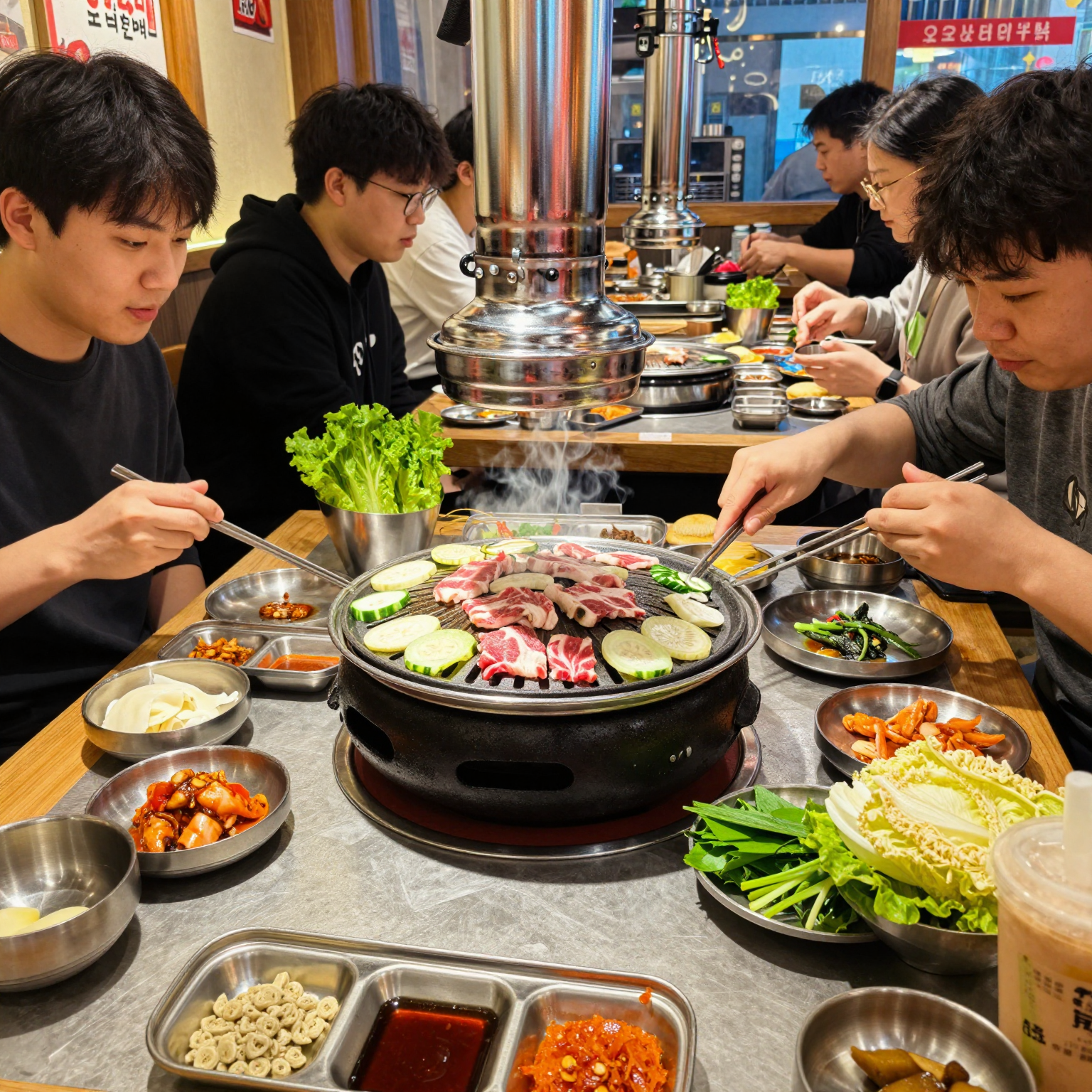
Korean BBQ, or “gogi-gui,” is more than just a culinary delight; it holds deep cultural significance in Korean society. Rooted in centuries of tradition, this communal dining style symbolizes not only a shared meal but also togetherness, hospitality, and the importance of family and community connections. In Korea, BBQ gatherings often bring together friends and family to celebrate life’s milestones or simply enjoy each other’s company. The act of cooking at the table fosters interaction and bonds among participants, turning a meal into a memorable experience.
Cultural Significance in Korea
Korean BBQ has evolved as a key aspect of social life in Korea, becoming a cultural ambassador for the nation. According to a report by BBC News, the unique dining experience encourages conversations and shared laughter around the grill, creating an atmosphere of warmth and camaraderie. The side dishes, or “banchan,” served alongside the grilled meats, enhance the communal experience, allowing diners to sample an array of flavors that represent Korean culture.
The growing trend of food tourism in Korea further exemplifies this cultural love for BBQ. The Korea Tourism Organization reports that international visits to South Korea for food-oriented experiences have increased by 38% in recent years, underscoring the global appeal of Korean BBQ.
Global Popularity
As Korean culture, including K-pop and K-dramas, gains traction globally, Korean BBQ has also witnessed a surge in popularity. Major cities worldwide, notably New York, London, and Sydney, have embraced this unique dining experience. The expansion of Korean BBQ restaurants reflects not only consumer interest but also a shift towards interactive dining styles that appeal to younger generations. The authentic flavors and communal atmosphere are attractive features that resonate with millennials and Gen Z diners, as explained in an article by Forbes.
In 2025, the value of the global Korean BBQ market reached approximately $12 billion, highlighting its vast growth potential. Chains like BBQ (Genesis BBQ) have reported that foreign customers account for over 40% of their sales in prominent locations, illustrating the broadening customer base.
Fostering Community and Connection
Korean BBQ’s style of communal dining fosters a sense of belonging and collaboration among diners. Shared meals encourage deeper personal interactions, creating strong bonds among friends, family members, and even colleagues. An article from BBC Travel points out that the act of grilling one’s own meat not only enhances the dining experience but also provides an opportunity for storytelling and laughter. Moreover, diners are encouraged to engage in mutual food preparation, which is known to create a relaxed environment conducive to social interactions.
Studies show that communal dining can positively affect mental well-being, reducing feelings of isolation and stress. Psychology Today highlights how participatory dining styles, such as those found in Korean BBQ, facilitate connections and help break down social barriers. By allowing guests to interact over a shared grill and various side dishes, business owners can create a vibrant atmosphere that invites customer loyalty and repeated visits.
Unique Dining Experience for Business Owners
For business owners looking to provide unique dining experiences, Korean BBQ offers significant advantages. This style of dining not only promotes social interaction but also capitalizes on the growing trend toward experiential dining. By investing in a Korean BBQ concept, restaurants can tap into a broader consumer market eager for authenticity and shared experiences. As this culinary trend continues to rise, the opportunity to establish a successful Korean BBQ restaurant can prove invaluable in today’s competitive food landscape.
Popular Dishes in Korean BBQ
Korean BBQ is a culinary experience unlike any other, characterized by its grilling techniques, a variety of dishes, and vibrant flavors. Here are some of the most popular dishes you can expect to find at a Korean BBQ restaurant:
1. Bulgogi (불고기)
Bulgogi, meaning “fire meat,” is one of the most recognizable Korean BBQ dishes. This dish typically features marinated beef, sliced thinly and grilled to perfection. The marinade usually consists of soy sauce, sugar, sesame oil, garlic, and pepper. The sweet and savory flavors of bulgogi make it a crowd-pleaser, and its tenderness draws in both seasoned diners and newcomers to Korean cuisine. When paired with rice and various banchan, it provides a perfect balance to the meal. For more about bulgogi, check this out.
2. Galbi (갈비)
Galbi refers to marinated beef short ribs that are grilled over charcoal or gas. The marinade is similar to that of bulgogi but often includes additional ingredients like pear or apple to enhance tenderness and flavor. Galbi is rich and wonderfully smoky, a must-try for meat lovers. Its flavorful and juicy nature becomes a delicious centerpiece when served during a gathering, making it a staple at Korean BBQ restaurants.
3. Samgyeopsal (삼겹살)
Samgyeopsal consists of thick slices of pork belly that are grilled on a hot plate or grill. It is traditionally served without any marinade, allowing the natural flavors of the meat to shine through. Diners typically enjoy samgyeopsal by wrapping it in lettuce leaves along with garlic, green peppers, and a dollop of ssamjang (a thick, spicy sauce). This hands-on approach creates an interactive dining experience, promoting conversation and community.
4. Banchan (반찬)
Banchan refers to a variety of small side dishes served alongside the main course. Common banchan includes:
- Kimchi: Fermented vegetables, usually napa cabbage, seasoned with chili pepper, garlic, and ginger. Kimchi adds a spicy and tangy kick to each bite.
- Pickled Radish (Danmuji): A sweet and sour pickled radish that offers a refreshing palate cleanser.
- Kongnamul: Seasoned soybean sprouts that bring a crisp texture and nutty flavor.
These banchan not only complement the main dishes but also enhance the overall Korean BBQ experience by introducing a variety of flavors and textures. They are typically served in abundance, allowing diners to explore different tastes throughout their meal. To learn more about the essential banchan in Korean dining, check out this article on side dishes.
5. Jeyuk Bokkeum (제육볶음)
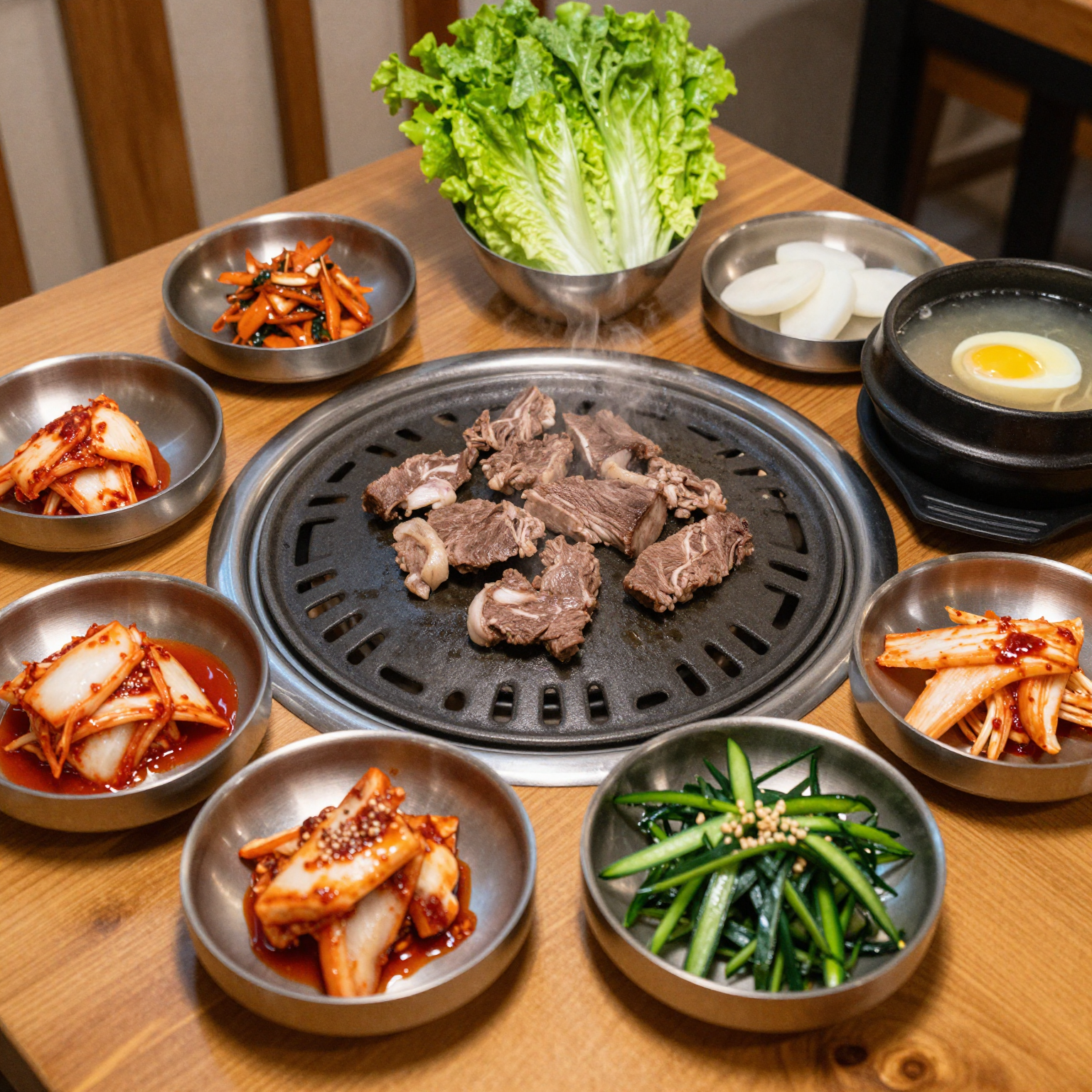
This spicy stir-fried pork dish is marinated in gochujang (Korean chili paste) and other spices. The frying process results in caramelization, producing a delightful spicy-sweet flavor profile. It’s a popular companion dish that provides a contrast to grilled meats, enhancing the overall experience.
Conclusion
Each dish in Korean BBQ contributes to a unique and enjoyable experience, bringing together various tastes and textures that represent the rich culinary culture of Korea. An unforgettable gathering around the grill can leave patrons craving these flavors long after the meal ends.
Current Trends in the Korean BBQ Dining Market
The Korean BBQ experience combines unique dining practices with flavorful dishes, leading to its growing popularity across diverse demographics. As observed, the Korean BBQ market was valued at approximately $11.01 billion in 2023, reflecting an expansive growth trajectory in consumer preferences for health-conscious, high-quality meat options, largely driven by the global rise of Korean culture, affectionately known as Hallyu. With 35.5% of all households in South Korea classified as single-person households, there is a notable shift toward smaller dining formats. This trend of one-person dining has compelled restaurants to tailor their offerings.
Market Growth and Demographic Shifts
According to a recent report from Mordor Intelligence, 2023 has seen distinct changes in the Korean BBQ segment:
- Single-person households are increasing, prompting restaurants to introduce smaller portion sizes and budget-friendly meal options, specifically catering to solo diners. Popular chains like Kyochon Chicken have launched individual meal sets, reflecting this trend.
- Simultaneously, there has been a marked increase in the demand for premium dining experiences, with many establishments now providing private booths and high-quality ingredients to please larger groups looking for a more upscale meal.
- A notable statistic highlights that inflation and economic pressures have led to the rise of budget-friendly ‘single-serving’ options, known as YONO meals, owing to consumers’ desire for convenience.
Statistics Supporting Growth
Despite domestic challenges, such as the decline in casual dining influenced by changing social dynamics, the Korean BBQ industry is witnessing a revival. Data shows that among functioning restaurants, those that cater specifically to tourists, particularly in bustling areas like Myeongdong and Hongdae, reported substantial sales increases, especially with the return of foreign tourism.
A summary of market metrics is displayed in the chart below:
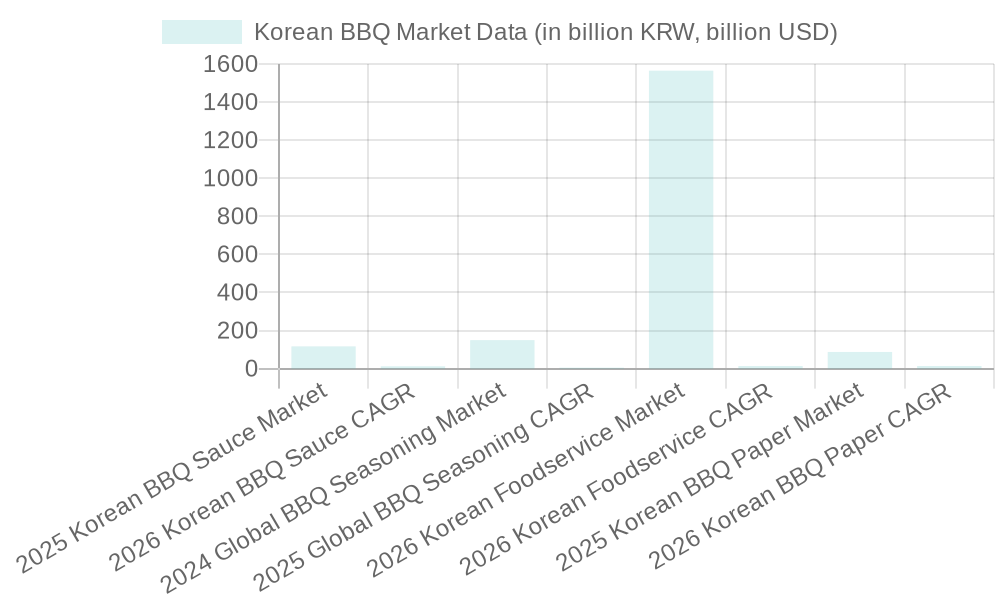
The statistics reflect:
| Indicator | Data | Year | Source |
|---|---|---|---|
| Korean BBQ market value | 116.6 billion KRW | 2025 | Market Data Report, 2026 |
| Korean BBQ market growth rate (CAGR) | 12.39% | 2026-2033 | Market Data Report, 2026 |
| Global BBQ seasoning market value | 149.7 billion USD | 2024 | GVR Report, 2026 |
| Korean foodservice market value | 1565.1 billion USD | 2026 | Foodservice Market Outlook, 2026 |
| Korean BBQ paper market value | 87.5 billion KRW | 2025 | BBQ Papers Market Trends, 2025 |
Insights and Future Directions
Looking ahead, the industry must intelligently navigate domestic pressures while capitalizing on its robust international appeal. To adapt to these trends, Korean BBQ restaurants are innovating through:
- Expanding menu options to include smaller, more affordable portions for individuals while retaining authenticity in flavors and experiences.
- Investing in larger, immersive flagship locations to offer premium experiences that attract not only local patrons but international tourists as well.
- Targeting emerging markets with strong growth potential, further amplifying the global footprint of Korean BBQ brands.
In conclusion, the rise of Korean BBQ is not merely a culinary trend but a significant evolution in dining preferences influenced by demographics, economics, and a broader cultural wave. As restaurant owners adapt to these currents, the potential for sustained growth in this delectable segment looks promising.
| Aspect | Korean BBQ | American BBQ | Japanese BBQ |
|---|---|---|---|
| Taste | Sweet, savory, spicy | Smoky, tangy, often sweet | Light, umami, delicate |
| Cooking Method | Grilled at the table | Slow-cooked, smoked | Tabletop grilling |
| Dining Experience | Interactive, social | Communal, leisurely | Intimate, focused |
| Common Ingredients | Thin cuts of marinated meat like bulgogi and galbi | Brisket, ribs, pulled pork | Thinly sliced meats, seafood, vegetables |
“What looks good tastes good.” – An ancient Korean proverb that reflects the deep cultural significance of visual appeal and flavor harmony in Korean BBQ, emphasizing the care put into food presentation and preparation. This principle is echoed by chef experts who underline its importance during the grilling experience, connecting diners not just to the flavors on their plate, but also to the vibrant culture surrounding them.
Korean BBQ is an experience that engages all the senses, combining vibrant flavors with an interactive cooking process. To explore more about the rich menu options and cultural experiences, check out Kogi Korean BBQ’s menu and gain deeper insights into Korean BBQ’s available versions in our Oakland locations.
Conclusion
Korean BBQ is not just about taste; it encapsulates a cultural narrative that celebrates the interplay of flavors, textures, and presentation. Whether in social gatherings or personal feasts, Korean BBQ continues to be a gastronomic delight that invites both newcomers and seasoned enthusiasts to appreciate its depth and richness.
Health Benefits of Korean BBQ
Korean BBQ is not just about delicious flavors; it also presents a noteworthy pathway to healthier eating. Emphasizing the integration of fresh vegetables and lean meats, it aligns well with the nutritional preferences of today’s health-conscious consumers. Here’s an in-depth look at its health benefits and what it means for restaurant owners serving these demographics.
Nutritional Components of Korean BBQ
Traditional Korean BBQ is centered around grilled meats, such as beef, pork, or chicken, accompanied by a wide variety of fresh vegetables and side dishes, known as banchan. Some of the key health benefits include:
-
Lean Proteins: Meats such as sirloin, tenderloin, and chicken are often favored in Korean BBQ, providing high-quality protein with lower saturated fat content. This is essential for muscle repair, hormone production, and satiety, making it a great choice for those looking to manage their weight and overall health.
-
According to a Medical News Today article, leaning towards lean cuts is a practice that aligns with heart-healthy dietary guidelines.
-
Rich in Vegetables: Korean BBQ meals are typically served with a colorful array of vegetables like lettuce, radishes, and mushrooms. These ingredients are not only visually appealing but also packed with vitamins, minerals, and dietary fiber, which aids digestion and overall health.
-
Fresh vegetables are crucial for maintaining a balanced diet. They help combat the potential downsides of heavier sauces or proteins that might be included if consumers opt for less healthy BBQ choices.
-
Fermented Foods: A significant component of the Korean culinary experience includes fermented dishes like kimchi. Fermented foods have been recognized for their probiotic benefits, supporting gut health and enhancing the immune system. Healthline highlights that these foods contain essential probiotics that positively impact digestion and nutritional absorption.
Catering to Health-Conscious Diners
The rising interest among consumers in adopting healthier eating habits has prompted restaurants to promote Korean BBQ as part of a healthier dining experience. Here are some trends that restaurateurs should consider:
-
Customization of Dishes: Offering customizable menu options allows diners to pick their preferred proteins and side dishes, encouraging the inclusion of more vegetables and healthier sauces. This flexibility is key in today’s dining landscape, where individual dietary preferences and restrictions are common.
-
Focus on Fresh Ingredients: The appeal of Korean BBQ lies in its fresh ingredients. Business owners should emphasize sourcing high-quality meats and seasonal vegetables, which can also enhance the flavor profile of the dishes while aligning with health-conscious trends.
-
Mindful Cooking Techniques: While grilling is a prominent method in Korean BBQ, accompanying options such as steaming or using marinades can help reduce the formation of harmful byproducts associated with high-heat cooking. This is increasingly important to diners who prioritize health in their food choices.
Conclusion
For restaurant owners looking to attract a health-conscious clientele, highlighting the health benefits of Korean BBQ can be an excellent strategy. By sourcing fresh, lean ingredients and providing options for customization, businesses can offer a dining experience that aligns with the preferences of modern consumers. The growing trend of prioritizing wellness in food choices positions Korean BBQ as not just a culinary experience, but as a delicious avenue to healthier eating. Embracing these aspects not only meets consumer demand but also establishes a brand’s commitment to promoting health within the dining culture.
Conclusion and Call to Action
In conclusion, the experience of enjoying Korean BBQ is a multi-sensory delight that stands out in the world of culinary offerings. Its unique flavors-characterized by marinated meats grilled to perfection, paired with a selection of tantalizing sauces and crunchy side dishes-offer diners a rich tapestry of tastes that tantalize the palate. The interactive nature of Korean BBQ, where customers engage in the cooking process themselves, not only enhances the meal but also creates a vibrant social atmosphere. This communal dining experience allows diners to connect over joyful moments, making it an ideal choice for families and friends alike.
Moreover, the integration of high-quality, fresh ingredients characteristic of Korean cuisine contributes to the appeal of Korean BBQ. With healthy options like marinated vegetables, robust salads, and fermented side dishes such as kimchi, restaurants can cater to health-conscious customers while ensuring taste is never compromised. The adaptability of Korean BBQ-available in various formats like all-you-can-eat or à la carte-offers a flexible business model tailored to diverse customer preferences.
As a business owner, consider the myriad advantages of incorporating Korean BBQ into your offerings. Not only does it tap into emerging trends in experiential dining, but it also aligns with growing consumer demand for diverse, high-quality food options (learn more about Korean BBQ offerings). By exploring unique culinary experiences like Korean BBQ, you position your establishment as a forward-thinking leader in the dining sector, capable of attracting a wider customer base and boosting profitability.
Explore the potential to create unforgettable dining experiences at your restaurant by incorporating Korean BBQ into your menu. This not only enhances customer satisfaction but also reinforces your commitment to offering innovative and diverse dining options that meet the evolving tastes of today’s consumers (discover your options).