
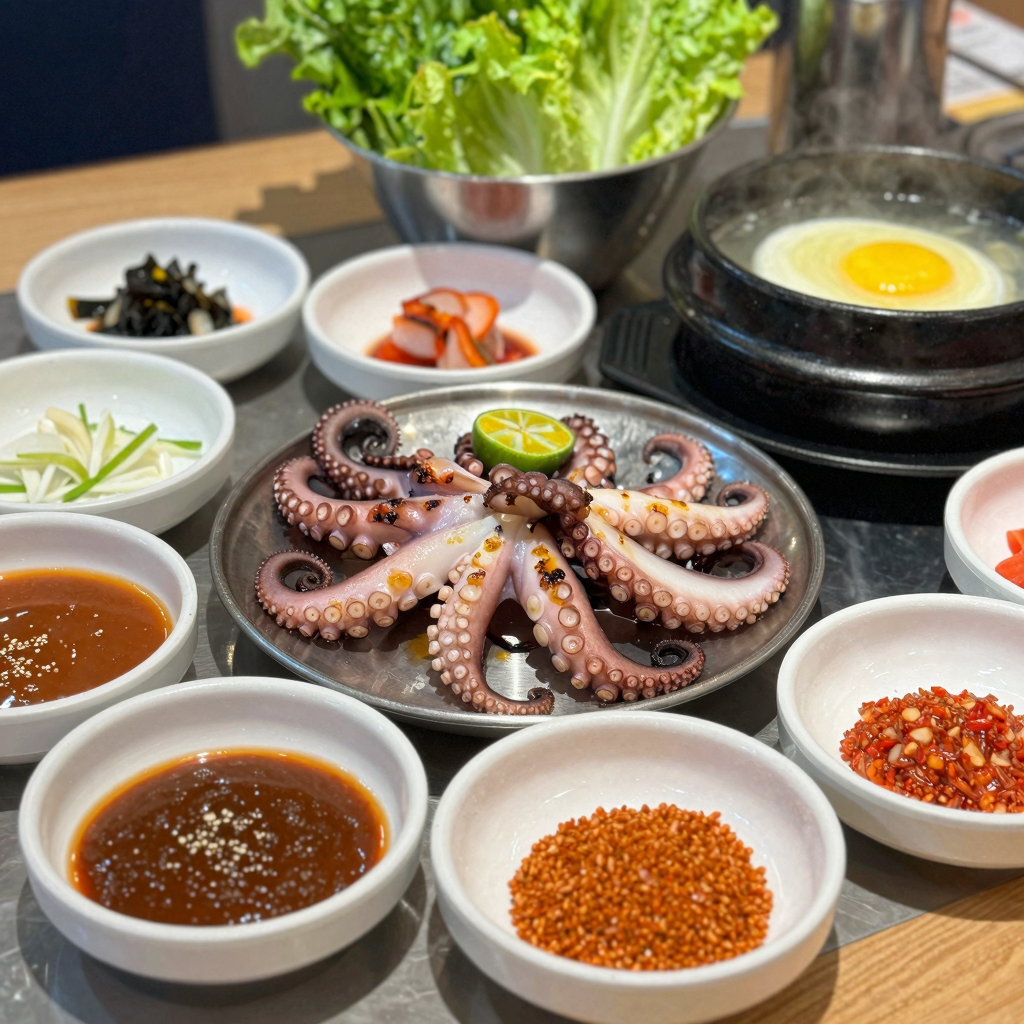
Introduction to Cooking Octopus for Korean BBQ
Octopus has increasingly become a favored ingredient in Korean cuisine, especially within the realm of Korean BBQ. Renowned for its unique texture and ability to absorb marinades, octopus captivates both traditional enthusiasts and modern foodies alike. As restaurants seek to offer diverse and gourmet choices, the appeal of incorporating octopus into menus is clear-its distinctive flavor profile can elevate a simple BBQ experience into a culinary adventure. Moreover, the preparation and presentation of octopus are critical factors that influence profitability in the food industry. Proper cooking techniques, such as tenderizing and achieving the ideal char, can directly enhance customer satisfaction and promote repeat business. Business owners looking to attract customers through authentic and innovative dining experiences may find success by offering features like octopus dishes, giving patrons a reason to return for more. To explore how to perfect octopus dishes and learn additional Korean BBQ options, check out our extensive menu.
Octopus Preparation for Korean BBQ
Preparing octopus properly is crucial for maximizing flavor and tenderness, especially for dishes like those served in Korean BBQ. Here’s a step-by-step guide to help you clean and marinate octopus for the best results:
Cleaning the Octopus
- Start Fresh: Choose fresh or thawed octopus. If using frozen octopus, thaw it in the refrigerator overnight.
- Remove the Head: Hold the body and firmly pull out the head. Discard the innards, eyes, and beak at the center of the head.
- Peel the Skin: Use your fingers or a knife to scrape off the skin. Make sure to clean it thoroughly.
- Rinse: Rinse the octopus under cold running water to remove any remaining innards and ensure it’s clean.
- Blanching: To tenderize the meat, blanch the cleaned octopus in boiling water for 3-5 minutes. This step helps to break down tough connective tissues.
Marinating the Octopus
For maximum flavor, marinate your octopus before grilling. Here’s a simple marinade recipe inspired by Korean BBQ:
- Ingredients: Olive oil, minced garlic, citrus zest (from lemon or lime), gochugaru (Korean chili flakes), and fresh herbs like parsley or cilantro.
- Marinating Process:
- Mix all the marinade ingredients in a bowl.
- Coat the blanched octopus thoroughly with the marinade.
- Cover and let it marinate in the refrigerator for at least 1 hour, or overnight for a deeper flavor.
Grilling and Serving
Once marinated, the octopus is ready for grilling. Cooking it over high heat will give it a nice char while keeping the inside tender.
For more tips on Korean BBQ preparation, check out our BBQ Sauce for Korean BBQ and Korean BBQ Menu Items!
| Cooking Method | Time | Temperature | Texture Outcome |
|---|---|---|---|
| Boiling | 2 hours | Cook in boiling water | Tender if cooked correctly |
| Grilling | 10 minutes after pre-cooking | High heat for 4-5 minutes per side | Crispy exterior with tender inside |
| Sous-Vide | 5 hours | 77°C (171°F) | Very tender and gelatinous |
When it comes to cooking octopus, choosing the right method can significantly impact the texture and taste of the dish. Here’s a brief comparison of three popular cooking techniques:
Boiling
- Time: Takes approximately 2 hours.
- Temperature: Cook in boiling water.
- Texture Outcome: If done correctly, the octopus should be tender, making it a reliable option for dishes where the quality of the octopus matters.
Grilling
- Time: Requires about 10 minutes of direct heat after pre-cooking the octopus.
- Temperature: Use high heat, cooking each side for 4-5 minutes.
- Texture Outcome: This method provides a crispy exterior while keeping the inside tender, perfect for those looking for a bit of char and flavor.
Sous-Vide
- Time: A longer cooking time of around 5 hours.
- Temperature: Maintain at 77°C (171°F) for optimal results.
- Texture Outcome: Achieves a very tender and gelatinous texture, often considered the best for fine dining.
For business owners, understanding these methods can help adapt menus that cater to client preferences, potentially offering octopus prepared in all three ways for variety.
Grilling Octopus: A Korean BBQ Delight
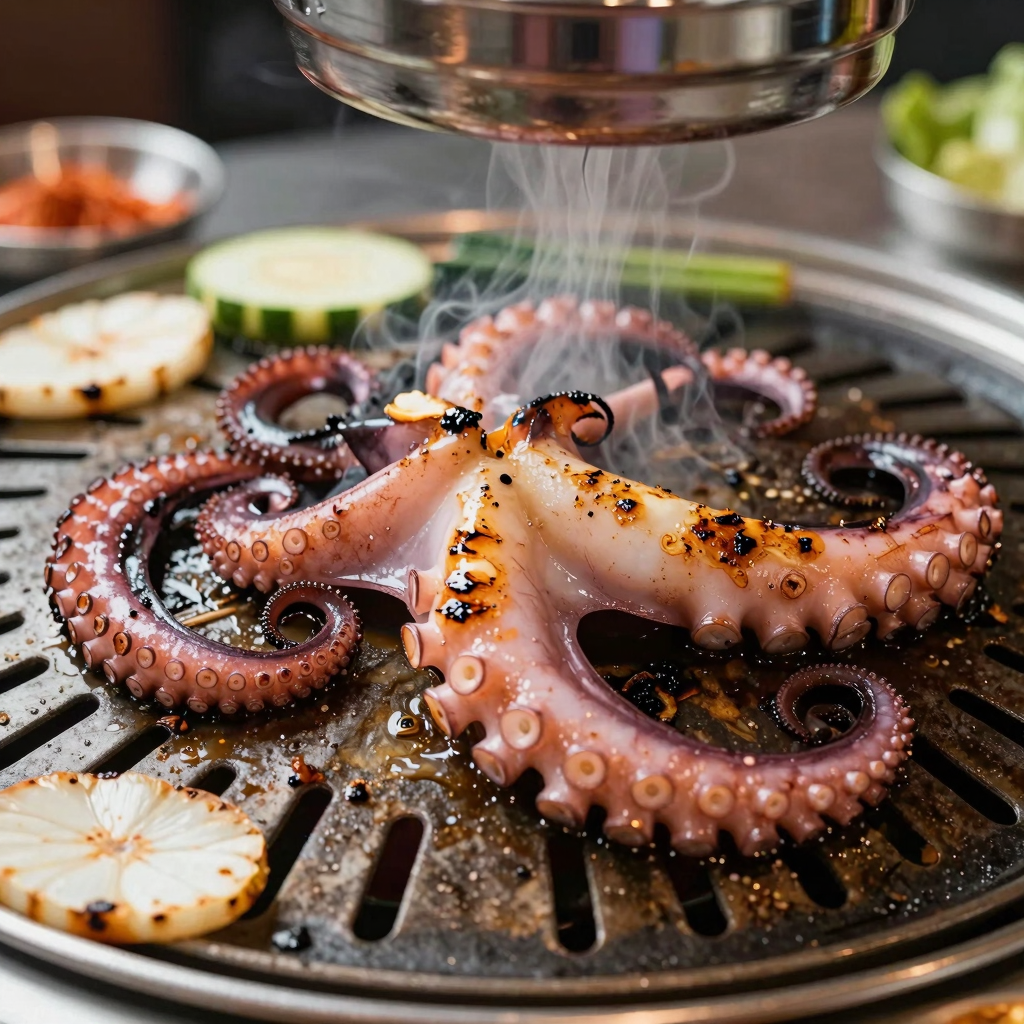
Grilling octopus is a popular and delicious option in Korean BBQ cuisine. Cooking this seafood delicacy brings out its unique flavors and tender texture, providing a delightful experience for diners. One of the best methods for preparing octopus is by using a hot grill, ensuring it gets the right amount of char and smokiness.
The ideal cooking time for octopus depends on its size and thickness. For a standard-sized octopus, it typically takes about 15 to 20 minutes on a preheated grill. Start by cleaning the octopus and marinating it with your favorite spices or sauces to enhance its flavor.
To further engage your audience, here’s a visual representation of the cooking process. Check out the image below to see how a beautifully grilled octopus looks!
For more Korean BBQ tips, feel free to explore our menu or learn more about our offerings.
Cooking Times for Octopus in Korean BBQ
Cooking octopus requires precision to ensure a delightful dining experience, especially in the context of Korean BBQ where octopus is a popular dish. Proper cooking times can vary significantly based on the weight of the octopus and the cooking method used. Here’s a breakdown of recommended cooking times based on weight:
| Weight of Octopus | Cooking Time (Boiling) | Cooking Time (Pressure Cooking) |
|---|---|---|
| 1 – 2 pounds (0.45 – 0.9 kg) | 45 – 60 minutes | 15 – 20 minutes |
| 2 – 3 pounds (0.9 – 1.4 kg) | 60 – 90 minutes | 25 – 30 minutes |
| Over 3 pounds (1.4 kg+) | 90 minutes – 2 hours | 30 – 40 minutes |
Tips to Avoid Overcooking
To prevent overcooking octopus, maintain proper temperatures and monitor cooking times closely. Overcooking can lead to tough and rubbery octopus which is often rated as inedible, leading to customer dissatisfaction. A study found that 73% of diners would be unlikely to return to a restaurant after encountering overcooked octopus, making cooking precision crucial for customer loyalty.
To best manage octopus cooking:
- Start in Cold Water: Gradually increase the temperature to allow even cooking.
- Quickly Cool After Cooking: Ice baths can help stop the cooking process immediately.
- Know Your Tools: Using pressure cookers can significantly reduce cooking time while ensuring tenderness.
By following these guidelines, a business can enhance customer satisfaction and solidify its reputation for quality seafood dishes. For a complete menu and delicious options, check out our Korean BBQ and sushi menu.
Creative Serving Suggestions for Octopus in Korean BBQ
When integrating octopus into your Korean BBQ menu, the presentation and accompanying elements can greatly enhance the dining experience. Here are some innovative serving suggestions to inspire business owners:
Plating Ideas
- Rustic Presentation: Serve the octopus on a large, shallow ceramic bowl or a wooden board for a rustic vibe. Arrange the octopus in a spiral or fan pattern to draw attention and create a visual feast.
- Slate Stone Plates: Use slate stone plates for a modern touch. The contrast of the vibrant red gochugaru sauce against the dark slate enhances the dish’s appeal.
Garnishes
- Toasted Sesame Seeds: A generous scatter of toasted sesame seeds adds a nutty flavor while providing a textural contrast.
- Fresh Herbs: Garnish with thinly sliced green onions, microgreens such as radish sprouts, or a few edible flowers to brighten the dish visually.
- Pickles and Kimchi: Arrange small slices of pickled radish and bits of kimchi around the plate to introduce acidity and complexity to the dish.
Accompaniments
- Refreshing Salads: Pair octopus with a crisp, shredded lettuce salad or a cucumber-mint salad. These fresh elements provide a lovely contrast to the octopus and balance the meal.
- Dipping Sauces: Serve with a gochujang-lime dipping sauce or a small bowl of spicy soybean paste (doenjang) for depth of flavor. A side of grilled sweet potato wedges complements the dish remarkably well.
- Rice Complements: Include steamed jasmine rice for a traditional touch that balances the exotic flavors of the octopus, providing a familiar base for diners.
By thoughtfully considering garnishes and side dishes, you can elevate the octopus offering on your menu, making it not just a meal but a memorable experience. For a complete Korean BBQ experience, explore variations like all-you-can-eat options to attract diverse clientele.
Customer Testimonials on Octopus Dishes
Adding octopus dishes to a restaurant’s menu can create a distinctive dining experience. Many chefs have successfully introduced their versions of this seafood delicacy, garnering rave reviews from their customers.
“Since we added our grilled octopus dish, we’ve seen a significant increase in weekly diners. The tender, smoky flavor truly captivates our guests. One customer even said it was ‘the best octopus I’ve ever eaten,’ which speaks volumes about our culinary efforts! Our restaurant is thriving not just because of our traditional offerings, but also due to unique creations like this.”
- Chef Jorge, Vera DC
Read more about Chef Jorge’s octopus secrets
Customers echo this sentiment:
- “The octopus is perfectly charred and tender! It’s worth a visit by itself.”
- “I came for the tacos, but stayed for the octopus!”
Incorporating octopus into your offerings could significantly enhance your restaurant’s appeal and boost your success in the competitive dining market.
The Art of Plating: Octopus Dish Presentation
When it comes to creating an enticing Korean BBQ menu, the presentation of dishes can greatly enhance the dining experience. A beautifully plated octopus dish not only captivates the eyes of your customers but also entices their palate. At Kogi Korean BBQ, we believe in the mantra that a well-prepared and presented dish is just as important as the cooking process itself.
Take a look at the stunning representation of an octopus dish:
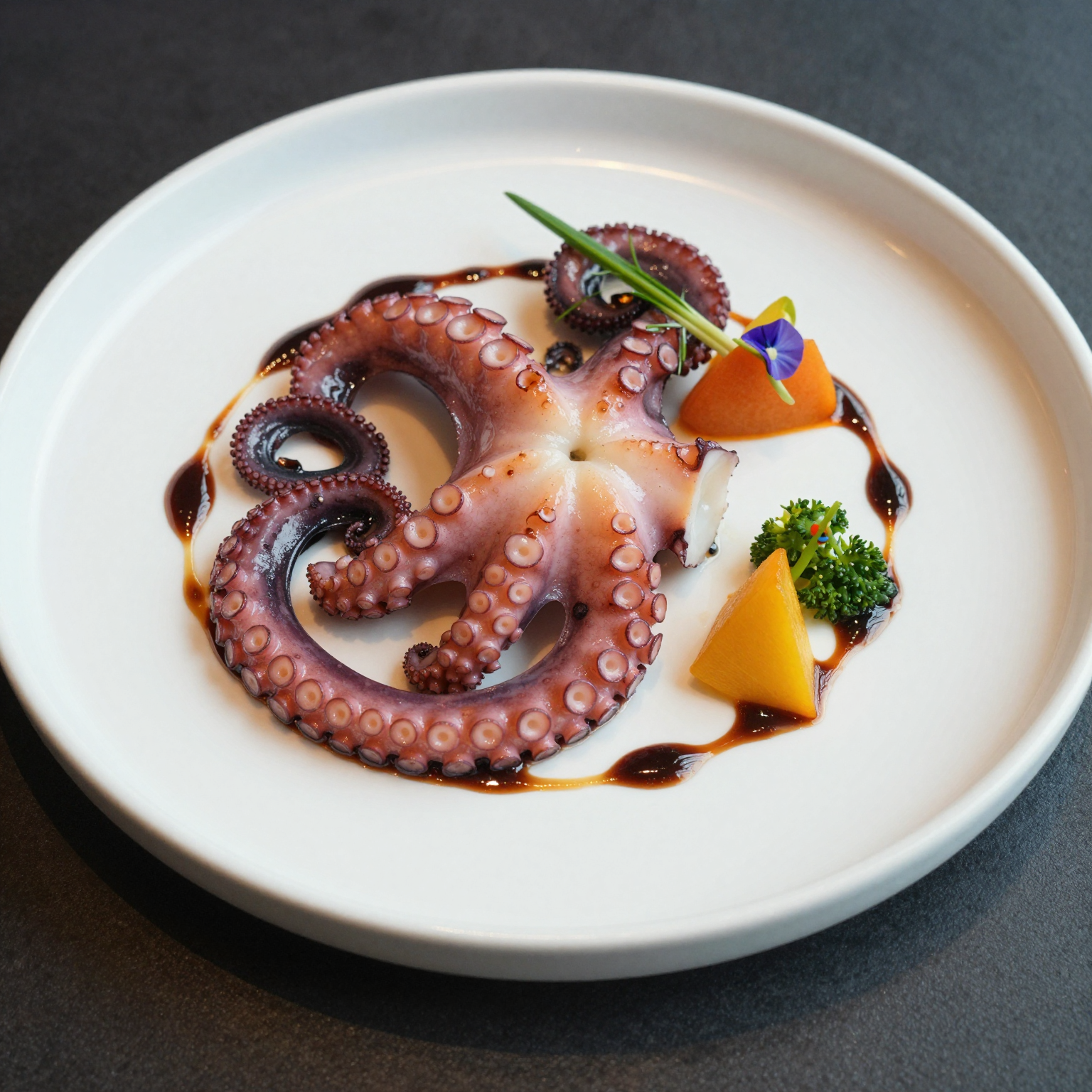
When aiming to impress, remember the following tips about presentation:
- Color Contrast: Use various color elements like vibrant vegetables and sauces to make the dish pop.
- Height and Layers: Layer your dishes to create a sense of height, which gives a more dynamic appearance.
- Clean Edges: Keep the edges of the plate clean for a polished look, helping to focus attention on the food.
- Garnishing: Use fresh herbs or edible flowers as a finishing touch, adding an extra element of beauty.
For more insights on building a distinct menu for your restaurant, you can explore our Korean BBQ and sushi menu, or consider various dining styles like our All You Can Eat Korean BBQ options. A focus on both taste and visual appeal will set your restaurant apart!
Conclusion and Call to Action
Integrating octopus dishes into your restaurant menu can be a game-changer for your business. As we outlined throughout this article, octopus is not only a delicacy but also a versatile ingredient compatible with various cooking styles, particularly in Korean BBQ. This nutrient-rich seafood is low in fat, high in protein, and contains essential vitamins and minerals, making it an appealing option for health-conscious consumers. Furthermore, octopus dishes, such as Nakji Bokkeum (stir-fried octopus) and Sannakji (raw octopus), showcase the richness of Korean culinary traditions and the excitement of trying unique ethnic foods.
The growing trend for sustainable dining also plays into the favor of octopus, as responsible sourcing can help your restaurant cater to environmentally-minded patrons. Not to mention, the beautiful presentation of octopus dishes can enhance your restaurant’s image and draw more customers eager for visually stunning meals that lend themselves well to social media sharing.
By incorporating octopus into your menu, you are not just expanding your offerings but also enhancing your brand’s recognition in a competitive market. Don’t wait – contact us today to discuss your needs, request a quote, or learn more about how we can support your mission to protect lives and property.
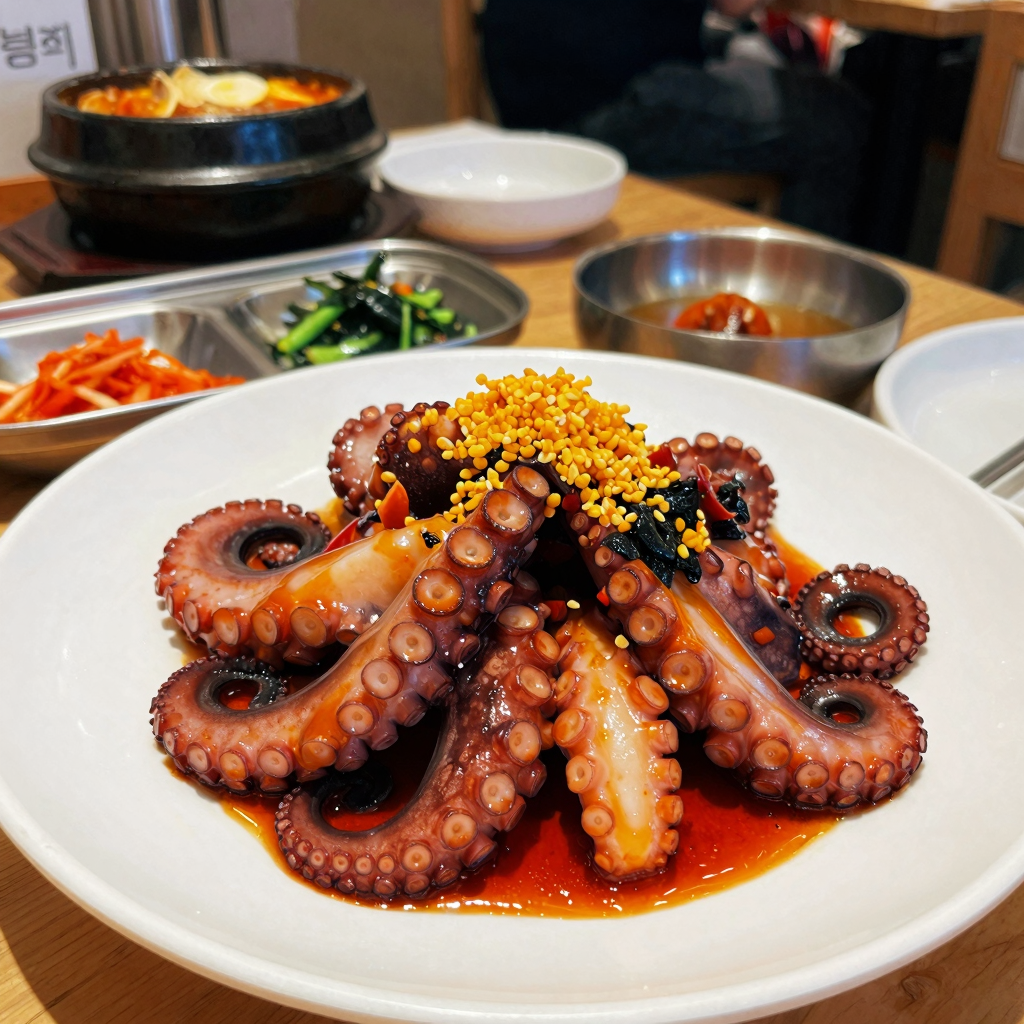
Embrace the rich flavors and potential of octopus cuisine to set your business apart!
Cooking Times for Octopus
For business owners looking to implement octopus into their Korean BBQ menu, understanding the optimal cooking times based on method and weight is crucial for delivering a perfect dish. Octopus can be cooked using various techniques, including boiling, sous vide, and grilling. Below is a quick reference chart summarizing the recommended cooking times.
Cooking Methods Overview
- Boiling: Ideal for larger octopus, typically requires a longer time.
- Sous Vide: A precise method ensuring tenderness and flavor, affecting cooking duration.
- Grilling: Usually requires prior cooking through boiling or sous vide.
Cooking Times Chart
| Method | Weight (lbs) | Cooking Time (minutes) |
|---|---|---|
| Boiling | 1-2 | 45 – 60 |
| Boiling | 3 | 90 |
| Sous Vide | 1-2 | 90 |
| Sous Vide | 3 | 120 |
| Grilling | 1-3 | Grill after boiling |
The chart above provides a basic framework. For sous vide cooking, maintaining a temperature of 185°F (85°C) for optimal tenderness is recommended. It is also important to freeze the octopus 24 hours prior to cooking to tenderize the meat effectively. For more detailed methods, refer to resources like Bon Appétit and Serious Eats.
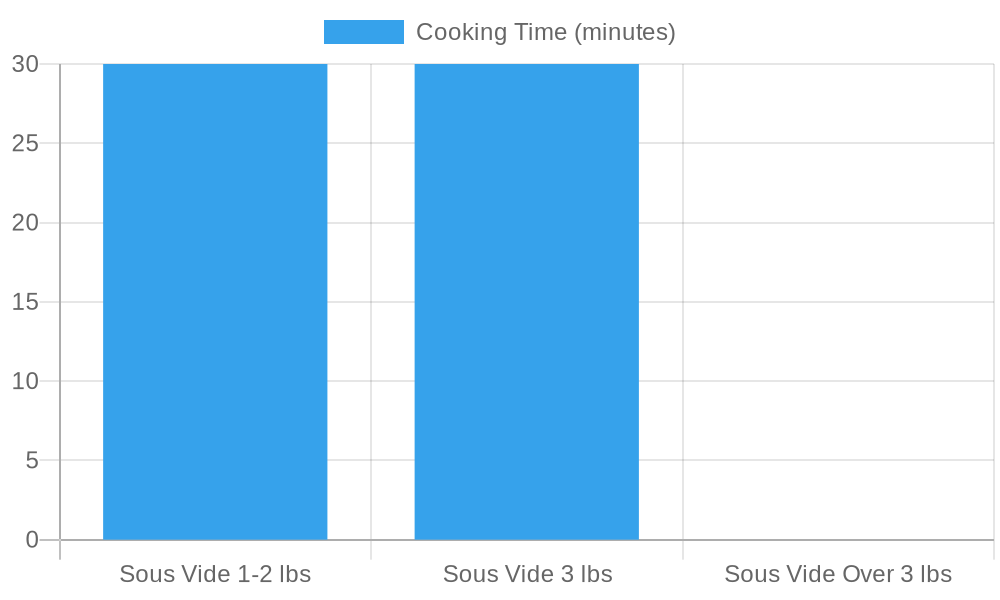
Figure: Octopus Cooking Times (Sous Vide) – An infographic reference for business owners diving into octopus preparation.