
Introduction
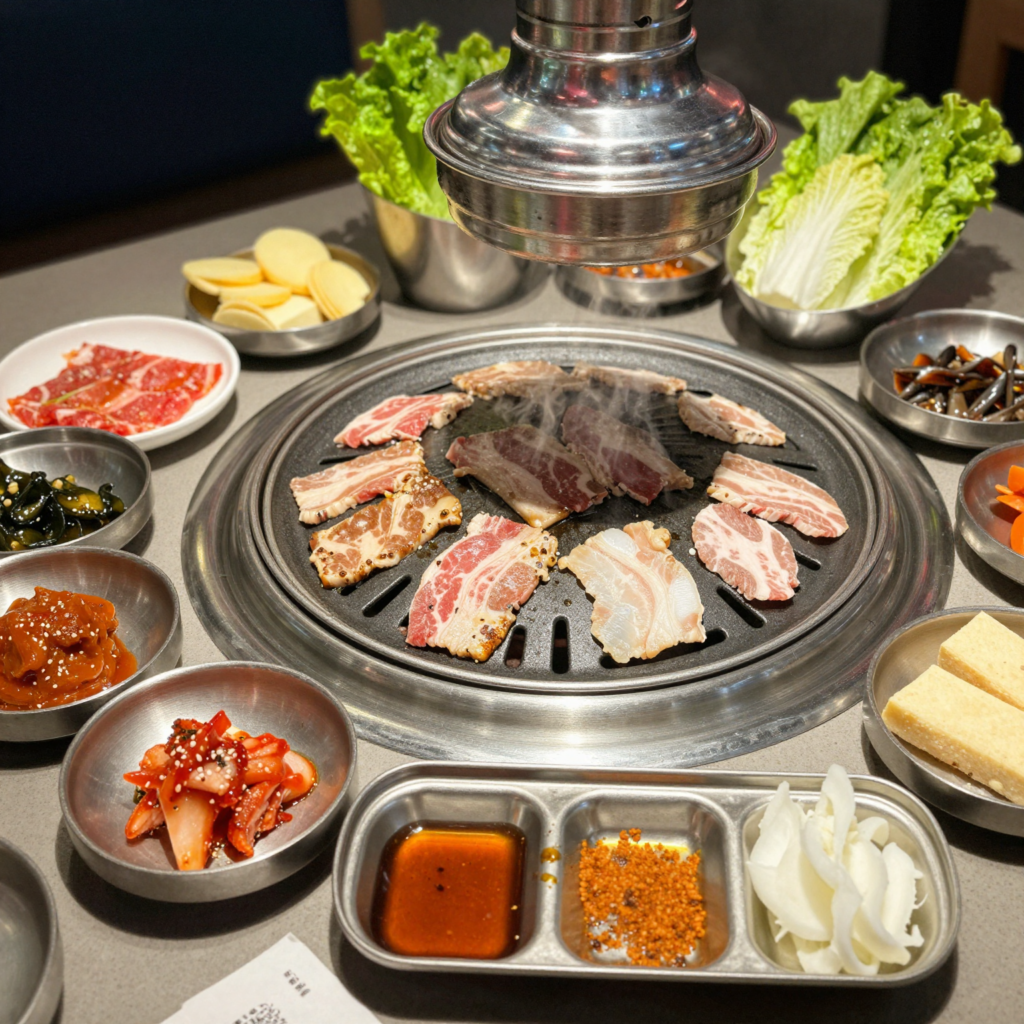
Understanding how long to cook meat for Korean BBQ is essential for anyone looking to enhance the dining experience, particularly business owners in the competitive restaurant industry. Proper cooking times not only ensure that meats are flavorful and tender but also elevate the overall customer experience. When patrons know that they are enjoying expertly cooked dishes, they are more likely to return and recommend your establishment to others. For restaurant operators, mastering the intricacies of Korean BBQ cooking times can significantly impact overall service quality and customer satisfaction. By providing diners with perfectly grilled meat, you foster an environment that combines tradition with culinary excellence, ultimately leading to increased loyalty and repeat business. If you’re interested in expanding your offerings, take a closer look at the Kogi Korean BBQ menu to see how diverse options can cater to different palates and preferences.
Cooking Times for Korean BBQ Meat
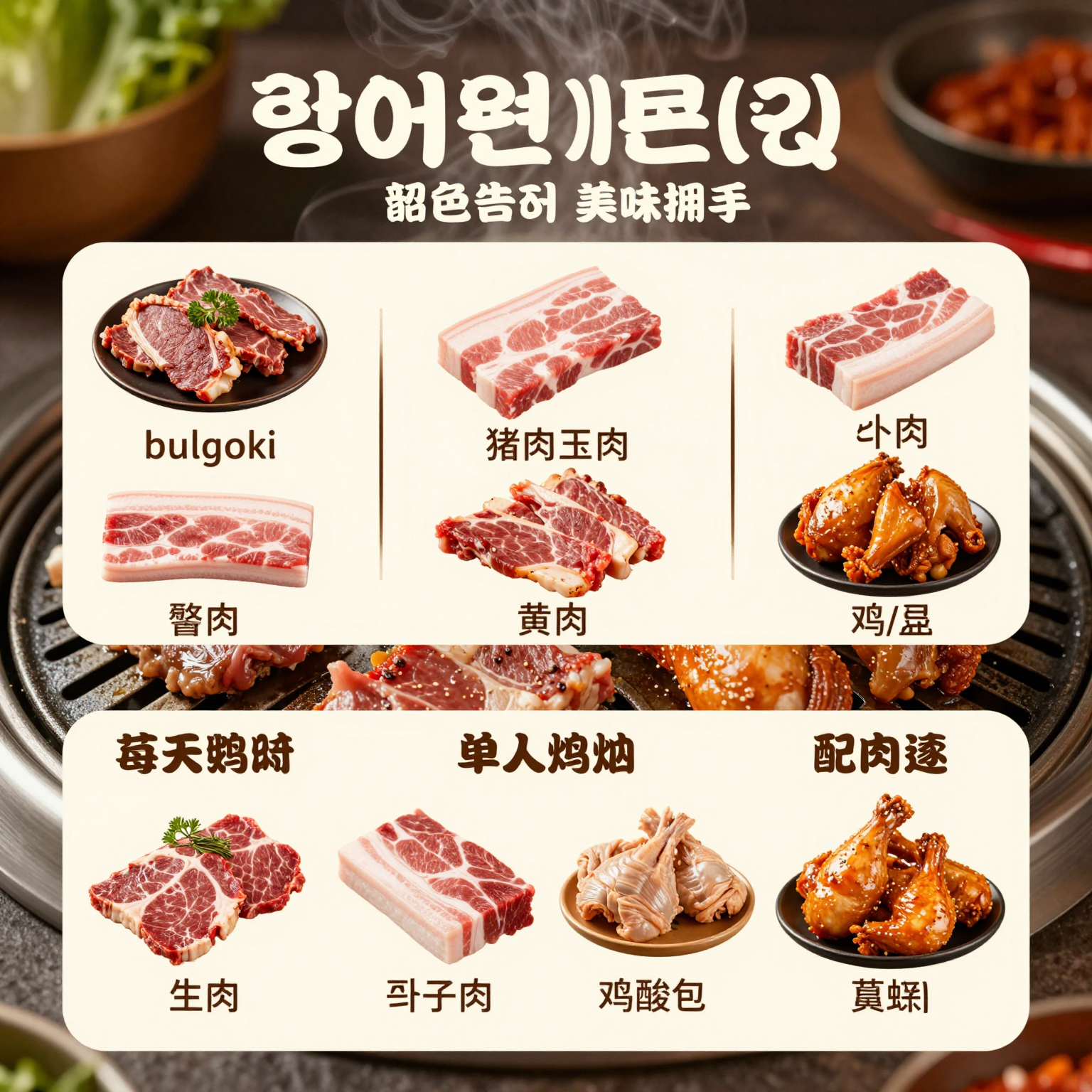
Korean BBQ is not only about marinating and grilling your meat but also knowing how long to cook each type to perfection. Here, we provide you with a detailed list of various types of meat commonly used in Korean BBQ along with their respective cooking times.
- Beef Bulgogi: Cook for about 2 minutes per side. Since bulgogi is typically thinly sliced, it cooks quickly and should be slightly charred.
- Galbi (Beef Short Ribs): This thicker cut requires about 2 to 3 minutes per side over high heat. Be sure to let it rest for a minute after cooking to retain juices.
- Pork Belly: Slices should be cooked for 4 to 5 minutes per side. The higher fat content makes it essential to cook thoroughly for optimal flavor and tenderness.
- Pork Shoulder: Similar to pork belly, it needs about 4 minutes per side for the best results.
- Ground Beef: Typically used in dishes like kimchi fried rice, cook for around 2 to 3 minutes total, stirring constantly.
- Chicken (Boneless): Always ensure your chicken reaches an internal temperature of 165°F (74°C). Cook for approximately 4 to 5 minutes per side.
- Chicken Thighs: These take a bit longer, approximately 6 to 7 minutes per side, depending on thickness.
To enhance your Korean BBQ experience, always remember to cook your meat over high heat for excellent browning and flavor. Additionally, allowing the meat to rest post-cooking helps lock in flavors.
For more specific details on the dishes you can create, check out the Kogi Korean BBQ menu or explore options for an all-you-can-eat Korean BBQ experience.
Factors Affecting Cooking Time for Korean BBQ Meat
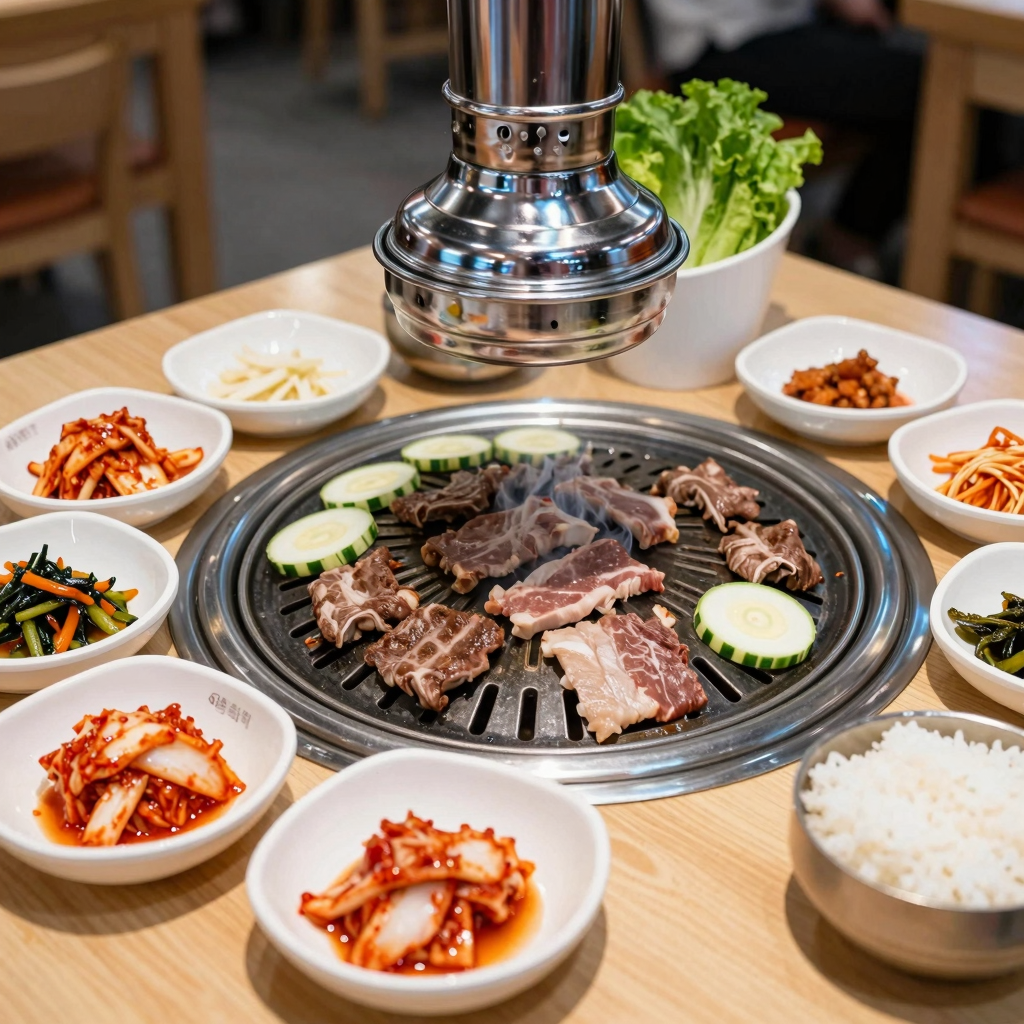
Korean BBQ is an engaging culinary experience that combines flavorful meat with interactive grilling. However, achieving the perfect cook on each cut of meat can be influenced by several critical factors:
1. Meat Thickness
The thickness of the meat plays a significant role in determining cooking time. Thicker cuts require longer durations on the grill to ensure that they are cooked thoroughly without burning the exterior. For instance, cuts like galbi (beef short ribs) may take 6-10 minutes per side, while thinly sliced beef such as bulgogi (marinated beef) cooks much quicker, typically requiring only 2-4 minutes per side. This is essential for achieving a juicy interior without overcooking, which can lead to dryness and toughness source.
2. Grill Type
The type of grill utilized-be it charcoal, gas, or electric-also significantly impacts cooking times. Each grill type offers different heat intensity levels and control:
- Charcoal Grills: These provide high, direct heat, making them ideal for achieving a nice sear on meats. However, they can cause fluctuating temperatures, requiring constant monitoring to avoid charring or undercooking.
- Gas Grills: They offer stable heat levels that can be adjusted for more controlled cooking. This consistency is beneficial in achieving perfect doneness across different meat types.
- Electric Grills: Typically used for indoor grilling, electric grills distribute heat more evenly and are effective for cooking meats without the high risk of flare-ups associated with charcoal. However, they might generate a bit less char or flavor compared to traditional methods source.
3. Heat Level
The level of heat applied during the cooking process is crucial. Higher heat levels significantly speed up cooking times but increase the risks of burning and overcooking, particularly with thinner cuts of meat. On the other hand, lower heat allows for more even cooking and enhances flavor development through caramelization, allowing for a crisp exterior while keeping the interior moist. Adjusting the heat level based on meat thickness can help in achieving the best possible texture and flavor.
Conclusion
Understanding these factors-including meat thickness, grill type, and heat level-is key for business owners operating Korean BBQ restaurants. By employing proper techniques and adjusting cooking times accordingly, you can deliver an unforgettable dining experience that keeps customers coming back for more.
For more insights on the delicious offerings available, check out our menu options to entice your customers with delectable Korean BBQ choices.
Cooking Times for Different Meats in Korean BBQ
When it comes to Korean BBQ, knowing the right cooking times and temperatures for each type of meat is essential for serving perfectly grilled dishes. Below is a comparative table that showcases various meats, including beef, pork, chicken, and seafood, along with their ideal cooking times and recommended temperatures.
| Meat Type | Cooking Time per Side | Recommended Temperature (°F) | Recommended Temperature (°C) |
|---|---|---|---|
| Beef (e.g., bulgogi) | 3-5 minutes | 400-450 | 200-230 |
| Pork Belly | 4-6 minutes | 375-400 | 190-200 |
| Chicken Thigh | 4-5 minutes | 400-450 | 200-230 |
| Beef Short Ribs | 8-10 minutes total | 450-500 | 230-260 |
| Chicken Breast | 1.5-2 minutes | 400-450 | 200-230 |
| Shrimp | 1-2 minutes total | 400-450 | 200-230 |
| Pork Loin | 1.5-2 minutes per side | 375-400 | 190-200 |
For a deeper dive into cooking techniques and tips, be sure to check out this guide on Korean BBQ cooking times and temperatures.
Properly preparing and cooking the meat is vital for achieving that classic Korean BBQ flavor and tenderness! Make sure to marinate your meats beforehand for the best results. Enjoy your grilling!
Case Study: Enhancing the Korean BBQ Experience through Meat Cooking Times
In the competitive landscape of the Korean BBQ industry, efficiency and quality are paramount to attracting and retaining customers. A case study from Gogi Korean BBQ, a mid-sized restaurant located in Los Angeles, showcases how understanding meat cooking times can drastically transform menu offerings and customer satisfaction.
Originally, Gogi Korean BBQ struggled with customer complaints regarding the undercooking or overcooking of meats. Recognizing this issue, the owner decided to streamline the cooking process and to implement precise meat cooking protocols. They enlisted a restaurant consultant who specializes in Korean cuisine to assist in understanding optimal cooking times for various types of meat, including beef, pork, and chicken. Through sampling and customer feedback, they established a comprehensive guide detailing the ideal cooking durations for different cuts and thicknesses of meat.
This newfound knowledge proved invaluable. For example, it was determined that beef brisket should be cooked for approximately 4-5 minutes per side, while pork belly requires around 3-4 minutes. This attention to detail helped in crafting a better menu, allowing chefs to serve consistently delicious meats right off the grill, ensuring that every customer’s dining experience was satisfying.
Benefits Experienced After Implementation
The results of this initiative were remarkable:
- Increased Customer Satisfaction: Customer reviews on platforms like Yelp and Google saw a tremendous uplift, with patrons praising the quality and taste of their meals. Many diners expressed appreciation for being served perfectly cooked meat, which they noted made their dining experience more enjoyable.
- Higher Return Rates: The restaurant observed a notable increase in return visits, as patrons began recommending Gogi Korean BBQ to friends and family, thus enhancing word-of-mouth marketing.
- Balanced Kitchen Workflow: With clearer cooking times established, operational efficiency within the kitchen improved, allowing chefs to manage multiple tables seamlessly during busy dining hours.
- Guaranteed Safety and Consistency: Establishing these cooking times not only enhanced flavor but also met food safety standards, resulting in fewer incidences of undercooked dishes and leading to increased customer trust.
In conclusion, Gogi Korean BBQ stands as a testament to the importance of understanding meat cooking times in enhancing menu offerings. By implementing precise cooking protocols and training their staff accordingly, they not only elevated their culinary standards but also significantly improved customer satisfaction-a key takeaway for any business owner in the Korean BBQ industry. For more insights into optimizing menu offerings, learn more about Korean BBQ best practices.
Cooking Times for Different Meats in Korean BBQ
Cooking meat is an integral part of Korean BBQ, and knowing the right cooking times can enhance the experience significantly. The following chart provides an easy reference for the cooking times of various common meats used in Korean BBQ.
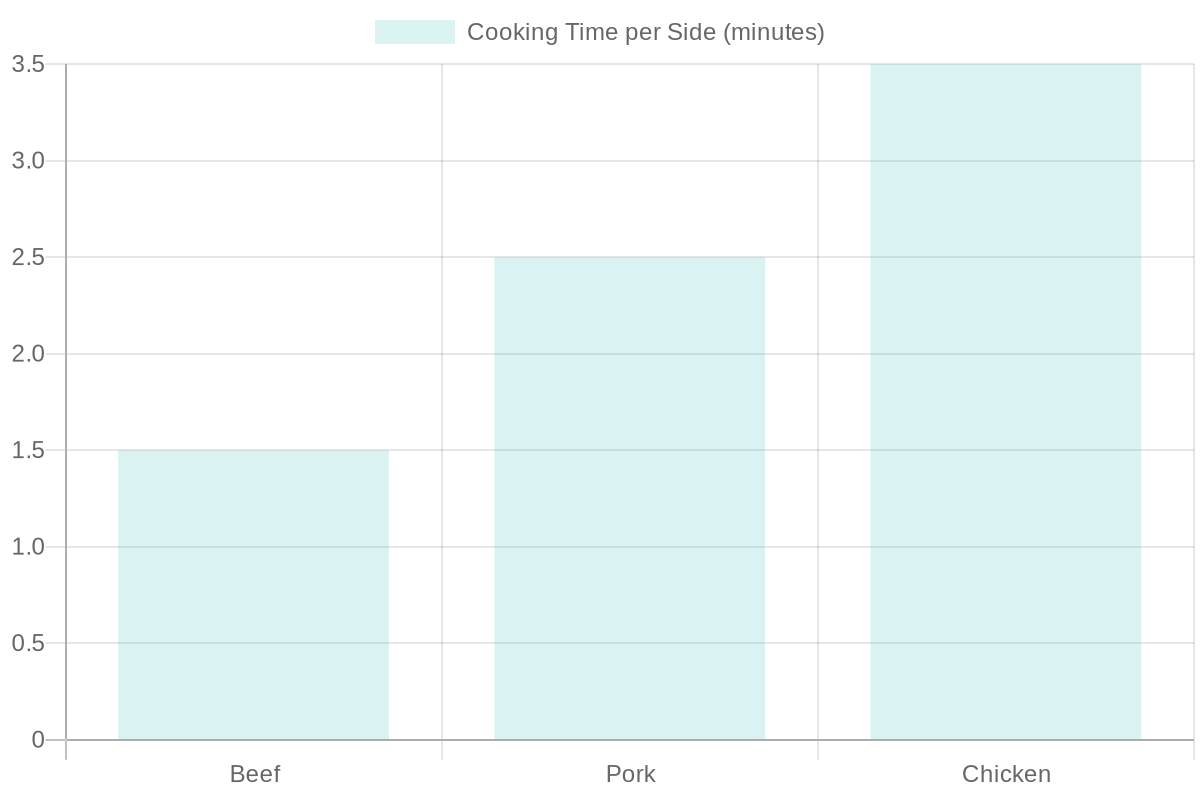
Quick Reference Cooking Times
| Meat Type | Cut Example | Cooking Time per Side | Notes |
|---|---|---|---|
| Beef | Ribeye | 1-2 minutes | Cook until grill marks appear and internal temperature reaches desired doneness. |
| Pork | Belly (Braised pork belly or samgyeopsal) | 2-3 minutes | Cook until crispy and golden brown; fat renders out during cooking. |
| Chicken | Thigh (Boneless, skinless) | 3-4 minutes | Ensure internal temperature reaches 165°F (74°C) for safety. |
Note: Cooking times may vary based on thickness, heat level, and personal preference for doneness.
For more insights into Korean BBQ, you can learn more about our menu options or discover our all-you-can-eat options to enhance your dining experience.
Common Grilling Mistakes in Korean BBQ for Business Owners
When it comes to grilling for a Korean BBQ experience, there are common mistakes that can overshadow the culinary delights your customers expect. Business owners must be aware of these pitfalls to ensure a successful dining experience and repeat customers.
1. Under Cooking the Meat
One of the most significant risks in grilling Korean BBQ is undercooking the meat. This is particularly relevant with popular cuts like bulgogi or galbi, which require precise cooking times. Undercooked meat can not only alter the flavor but also pose serious health risks due to foodborne illnesses. The key is to follow proper cooking durations:
| Meat Type | Cooking Duration per Side (Minutes) | Notes |
|---|---|---|
| Bulgogi (Marinated Beef) | 3-4 | Cook until caramelized and juices run clear. |
| Galbi (Beef Short Ribs) | 4-5 | Marinate for at least 2 hours; cook until the meat pulls away from the bone easily. |
| Samgyeopsal (Pork Belly) | 3-4 | Grill until golden brown and crispy with a juicy interior. |
| Chicken (Marinated) | 4-5 | Use thigh meat for best results; cook until internal temperature reaches 165°F (74°C). |
The importance of using a timer is critical. For instance, bulgogi typically cooks in about 3-4 minutes in total, while galbi can require up to 5-7 minutes. These durations help ensure that the meat is thoroughly cooked while retaining its juiciness and flavor.
2. Over Cooking the Meat
On the flip side, overcooking is another common mistake that leads to tough, dry meat. High heat is crucial for Korean BBQ, but maintaining that heat without ruining the meat can be tricky. Each cut needs to be monitored closely, and cooking should not extend beyond the recommended periods.
3. Lack of Staff Training
Proper training for your staff is essential to avoid these mistakes. Investing time in teaching your team about different meat types, their respective cooking times, and visual cues for doneness can significantly enhance the customer experience. Staff should be aware that factors such as grill temperature and thickness of meat can affect cooking times.
4. Ignoring Marinade Timing
Another common oversight is not allowing adequate marinade time. For best results, marinate your meats for a minimum of two hours, preferably overnight. This step is crucial for delivering the flavorful, tender experience that lures customers back.
Ways to Enhance the Dining Experience
- Provide Visual and Sensory Cues: When grilling, meat should appear golden brown with slight char marks, and juices should run clear. These indicators can help both you and your staff assess doneness better.
- Offer a Variety of Dipping Sauces: Presenting diverse dipping sauces can greatly enhance flavors and may help distract diners from any minor overcooking issues.
Business owners should ensure that Korean BBQ offerings are both delicious and cooked properly to encourage repeat visits. By avoiding these common grilling mistakes, you can create a memorable dining experience that keeps customers coming back for more. For more insights on effective grilling practices, check out this resource.
The Importance of Proper Cooking Times in Korean BBQ
In the realm of Korean BBQ, precision in cooking times is not just a recommendation; it’s essential for achieving the desired texture, flavor, and safety of the meat. Renowned culinary expert Chef Min-Ji Lee from the Korean Culinary Institute emphasizes this point:
“Proper cooking times are essential to achieving the ideal texture and flavor in Korean BBQ. Overcooking can dry out the meat, while undercooking may pose health risks and result in an unpleasant chewiness.”
- Chef Min-Ji Lee
Chef Lee notably mentions that marinated beef short ribs (galbi) should be grilled for exactly 3-4 minutes per side over high heat, while bulgogi requires just 2-3 minutes per side to keep the tenderness intact and avoid excess char.
This highlights the necessity of timing in the cooking process, where a few seconds could greatly impact the final outcome.
For business owners in the Korean BBQ industry, understanding and effectively applying these cooking times can enhance the dining experience for customers and ensure food safety. To further explore the menu options at your establishment, consider checking out our full BBQ menu.
In conclusion, understanding the precise cooking times for various meats in Korean BBQ is essential for both enhancing the dining experience and ensuring food safety. From the succulent tenderness of marinated bulgogi to the juicy grills of galbi, each type of meat requires specific attention to cooking levels to achieve that perfect taste and texture. Remember, factors such as grill heat, thickness of the meat, and desired doneness all play pivotal roles in determining when your meat is ready to be enjoyed. As a business owner, providing your customers with perfectly cooked meats will not only set you apart but also elevate their overall dining experience.
Don’t wait – contact us today to learn more about how you can improve your Korean BBQ offerings and ensure your establishment shines in the competitive food landscape. With the right guidance and resources, you can make a significant impact on your guests’ satisfaction and your bottom line. For menu inspiration, check out our Korea BBQ and Sushi Menu and discover how to take your restaurant to the next level!
Additionally, if you’re curious about all-you-can-eat Korean BBQ options available near you, take a look at our All-You-Can-Eat Korean BBQ in Oakland for ideas that can keep your customers coming back for more!
Elevate your Korean BBQ experience today!