
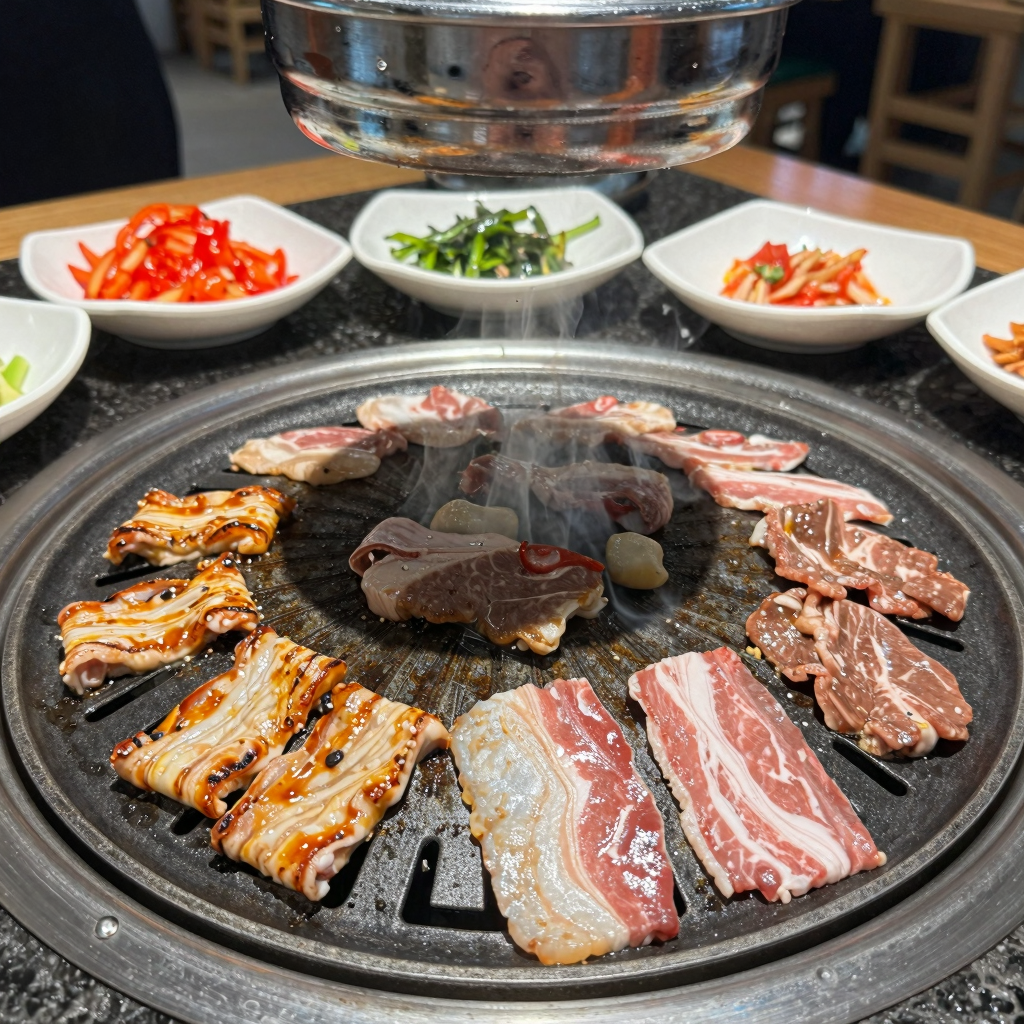
Introduction: The Appeal of Korean BBQ
In recent years, Korean BBQ has surged in popularity, transforming dining into an immersive and interactive experience that clients crave. The allure lies not only in the mouthwatering selection of marinated meats and vibrant side dishes but also in the thrill of grilling your own food right at the table. As a business owner in the culinary landscape, understanding the nuances of cooking times for various meats is essential. Each cut, whether it be succulent pork belly or tender beef short ribs, demands precise grilling to achieve that perfect balance of flavor and texture.
For instance, thinly sliced meats like bulgogi require a mere 8-12 seconds per side to optimize tenderness, while thicker cuts necessitate longer periods to ensure that they are fully cooked and flavorful. Failing to master these cooking times can lead to inconsistent results that may disappoint customers and jeopardize their return. Knowing the specifics of how long to cook each type of meat not only enhances the dining experience but also solidifies your establishment’s reputation for quality. As you navigate the competitive landscape of Korean BBQ, a keen understanding of these culinary principles can set your business apart and keep your customers coming back for more. Learn more about Korean BBQ for insights on creating a memorable dining experience that combines fun and flavor.
Common Meats Used in Korean BBQ
Korean BBQ offers a delightful array of meats, each bringing a unique flavor and texture to the table. Here’s a list of some of the most popular cuts:
-
Bulgogi: This is marinated beef, typically made from sirloin or brisket. The marinade often includes soy sauce, sugar, sesame oil, garlic, and pepper, creating a sweet and savory flavor when grilled.
-
Galbi: These are marinated short ribs, known for their tenderness and rich flavor. The marinade usually consists of soy sauce, sugar, garlic, and sesame oil, which caramelizes beautifully when cooked.
-
Samgyeopsal: A quintessential Korean BBQ option, this is thick slices of pork belly grilled without marinade. It is often enjoyed with lettuce wraps and ssamjang, a spicy dipping sauce.
-
Beef Brisket: Known for its rich flavor and tenderness when grilled, brisket is a favorite among BBQ lovers. It’s commonly served unseasoned or marinated lightly.
-
Pork Shoulder: This cut is juicy and flavorful, often marinated for grilling. It can be prepared in various ways, adding versatility to Korean BBQ menus.
-
Chicken: Marinated chicken is also popular. It is often prepared as skewers or grilled in pieces to retain moisture and flavor.
-
Seafood: Squid and shrimp are commonly included in Korean BBQ, providing lighter options that are delicious when grilled.
This variety makes Korean BBQ not only a flavorful experience but also a social one, as diners gather to grill their meats right at the table. For those looking to explore a broader menu, check out our various offerings.
Recommended Cooking Times and Internal Temperatures for Korean BBQ Meats
When operating a Korean BBQ, it’s essential to know the recommended cooking times and internal temperatures for different meats to ensure safety and quality. Below is a concise guide to help business owners serve delicious and safe dishes.
| Meat Type | Cooking Time (Minutes) | Recommended Internal Temperature (°F) | Description |
|---|---|---|---|
| Beef | 2-3 per side | 130-135°F (54-57°C) | For tender cuts like steak or ribeye; medium rare. |
| Pork | 4-6 per side | 145°F (63°C) | For pork belly or tenderloin; ensure to rest for 3 minutes after cooking. |
| Chicken | 10-12 | 165°F (74°C) | Cook until meat is no longer pink; best for thighs and breasts. |
Cooking Guidelines
- Use a meat thermometer: Always check the internal temperature to prevent undercooking, especially for chicken, which is more prone to foodborne illnesses.
- Rest after cooking: Allow meats to rest for a few minutes, particularly pork and beef, to ensure juices redistribute and enhance flavor.
This table serves as a quick reference and is based on USDA guidelines ensuring the safety and quality of the meats served. For further details on cooking guidelines, you can read more about safe cooking temperatures recommended by the USDA.
Factors Affecting Cooking Times at Korean BBQ
When it comes to cooking meat at Korean BBQ, several critical factors profoundly influence cooking times. Understanding these variables is essential for restaurant owners to ensure that meats are cooked perfectly, enhancing both flavor and safety.
Thickness of the Meat
The thickness of the meat is one of the most significant determinants of cooking time. Thicker cuts require substantially more time for heat to penetrate and cook the meat evenly through to the center. For example, a 1-inch thick steak will cook significantly longer than a thinner cut. This is crucial for achieving the desired doneness without compromising food safety. If meat is not cooked sufficiently in the center, it could pose health risks. As noted in articles from Serious Eats and FoodSafety.gov, thicker pieces must be monitored closely to ensure they reach safe internal temperatures.
Initial Temperature of the Meat
The initial temperature at which the meat starts also plays a vital role in cooking time. Meat that is cold from the refrigerator will take longer to cook than meat that has been allowed to come to room temperature. This is because cooking cold meat requires additional time for the heat to start affecting the interior of the cut. It is advisable for business owners to encourage clients to let their meat sit out for a brief period prior to cooking to achieve more even and predictable results.
Type of Heat Source
The type of heat source used affects how quickly the meat cooks as well. Different heat sources-whether gas, electric, or charcoal-can generate various intensity levels of heat. While a higher heat can speed up cooking, it is essential to remember that the ultimate cooking temperature achievable is capped by the medium being used (e.g., water will boil at 100°C/212°F, regardless of how high the flame is). Thus, while initial heat intensity can accelerate cooking, it must still complement meat thickness and initial temperature for optimal cooking outcomes. This understanding can lead to improved control over the cooking results and enhances customer satisfaction.
In summary, it is critical for business owners in the Korean BBQ sector to consider meat thickness, initial meat temperature, and the type of heat source when determining cooking times. By enhancing their knowledge of these factors, restaurant owners can deliver high-quality, safe, and delicious meals that meet customer expectations.
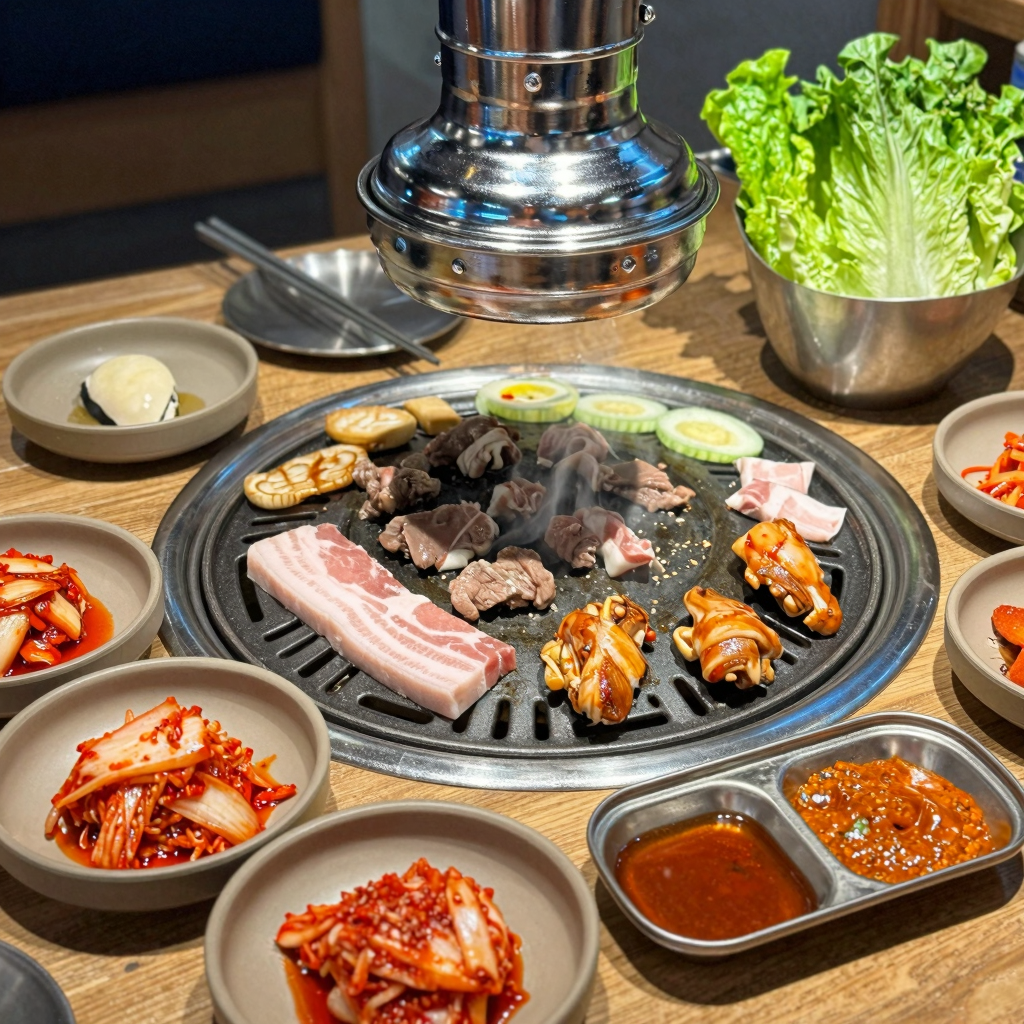
Ideal Tools for Korean BBQ
When establishing a successful Korean BBQ restaurant, selecting the right tools and equipment is critical to delivering an exceptional dining experience. Here’s a breakdown of essential tools and grill types that can enhance your cooking efficiency and the enjoyment of your guests.
Grill Types
- Tabletop Infrared Grills
- Examples: Korean BBQ Iron Plate, Ssämok Grill
- Benefits: These grills provide even heat distribution and can be placed directly on the dining table, allowing customers to grill their own meat to perfection.
- Charcoal Grills
- Authentic Flavor: Many traditionalists prefer charcoal grilling for the authentic smoky flavor it imparts to the meat.
- Heavy-duty and heat-resistant: Consider premium options that combine safety with performance.
- Electric Grills
- Adjustable Temperature Controls: Offering convenience and precise cooking temperatures, electric grills are user-friendly and ideal for busy environments.
Essential Cooking Utensils
- Stainless Steel Tongs: Versatile and heat-resistant, these are a must-have for flipping and serving hot meats safely.
- Meat Scissors: Ideal for cutting marinated meats into bite-sized pieces.
- Multi-purpose Spatulas: Useful for flipping various types of side dishes and meats universally.
- Dedicated Meat Slicing Tools: Having sharp, specialized knives allows for precise cuts, enhancing presentation and flavor.
Additional Recommendations
- Premium Griddles: Look for materials like high-carbon steel or cast iron that retain heat well and enhance flavors through better heat retention.
- Smart Grilling Systems: Consider investing in systems with built-in timers and temperature sensors to ensure consistent cooking quality.
- Ventilation Equipment: High-quality smoke extractors are essential for maintaining a comfortable environment in your restaurant.
By equipping your restaurant with these essential tools, you ensure a seamless cooking experience that can impress your patrons and keep them returning for more of your delicious offerings. For more details on Korean BBQ, check out our menu options and all-you-can-eat deals.
Health and Safety Guidelines for Cooking Meat at Korean BBQ
As a business owner in the Korean BBQ industry, it’s crucial to adhere to stringent health and safety guidelines to ensure the well-being of your customers and staff. Here are some key practices recommended by health agencies:
1. Hand Hygiene
- Korean MFDS: Strict handwashing protocols for food handlers are essential, especially after handling raw meat or touching surfaces.
- CDC: Emphasizes washing hands with soap and water for at least 20 seconds before and after handling food, particularly raw meat.
- KRA: Promotes regular handwashing by all staff to prevent cross-contamination.
2. Utensil Use & Cross-Contamination
- Korean MFDS: Separate utensils must be used for raw and cooked meat, with clear labeling and stringent segregation practices.
- CDC: Advises never to place cooked food on surfaces that held raw meat to avoid cross-contamination.
- KRA: Encourages the provision of designated utensils for raw and cooked items while training staff on the importance of separation techniques.
3. Cooking Temperatures & Thoroughness
- Korean MFDS: Meat must be cooked thoroughly to eliminate pathogens, recommended temperatures include 71°C (160°F) for beef
and 75°C (167°F) for pork. - CDC: Recommends cooking meat to safe internal temperatures (e.g., 145°F/63°C for whole cuts; 160°F/71°C for ground meat).
- KRA: Suggests that visual checks, such as ensuring no pink remains and juices run clear, should be part of cooking verification.
4. Surface & Equipment Sanitation
- Korean MFDS: Mandates rigorous cleaning and disinfection of all equipment and facilities.
- CDC: Advocates for sanitizing surfaces and utensils before and after food preparation.
- KRA: Requires regular cleaning schedules for grills and surfaces between uses to maintain hygiene standards.
5. Storage & Handling
- Korean MFDS: Provides guidelines for storing raw and cooked meats, including maintaining temperature control and proper sealing.
- CDC: Advises keeping raw meat at or below 40°F (4°C) to prevent spoilage.
- KRA: Suggests immediate refrigeration of perishable items and careful organization to avoid contamination.
6. Staff Health & Training
- Korean MFDS: Requires annual health screenings and food safety training for all employees.
- CDC: Recommends that sick employees stay home and that all staff are trained in food safety practices.
- KRA: Supports ongoing training programs aimed at safe food handling and personal hygiene.
For more information about menu options and safe practices at your Korean BBQ, explore our menu options.
Conclusion
By implementing these health and safety guidelines, you can establish a successful Korean BBQ operation that prioritizes food safety and customer satisfaction. Regular training and adherence to these practices will minimize risks and enhance your restaurant’s reputation.
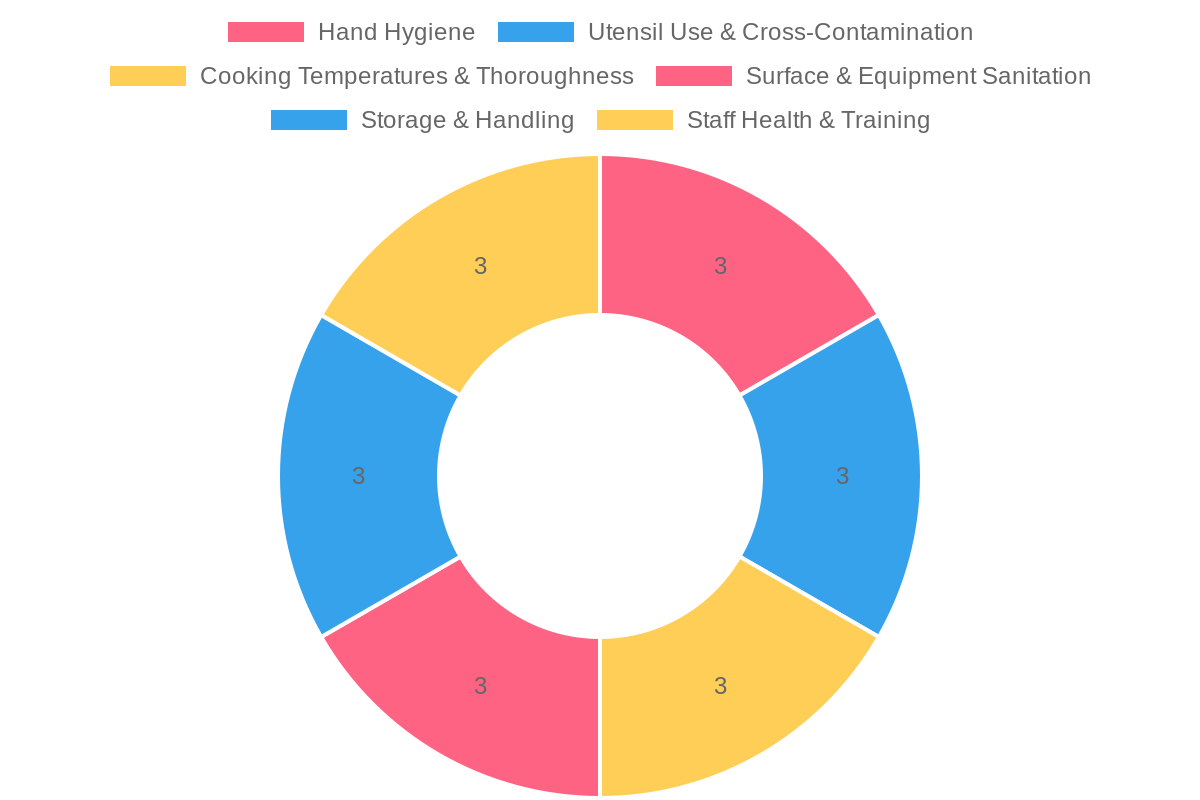
Sources: Korean MFDS, CDC, Korean Restaurant Association
Learn more about Korean BBQ safety tips.
Ideal Internal Cooking Temperatures for Meats at Korean BBQ
To ensure food safety and provide delicious options in your Korean BBQ business, it’s essential to cook meats to the appropriate internal temperatures. The following chart summarizes the safe internal cooking temperatures for various types of meats commonly served:
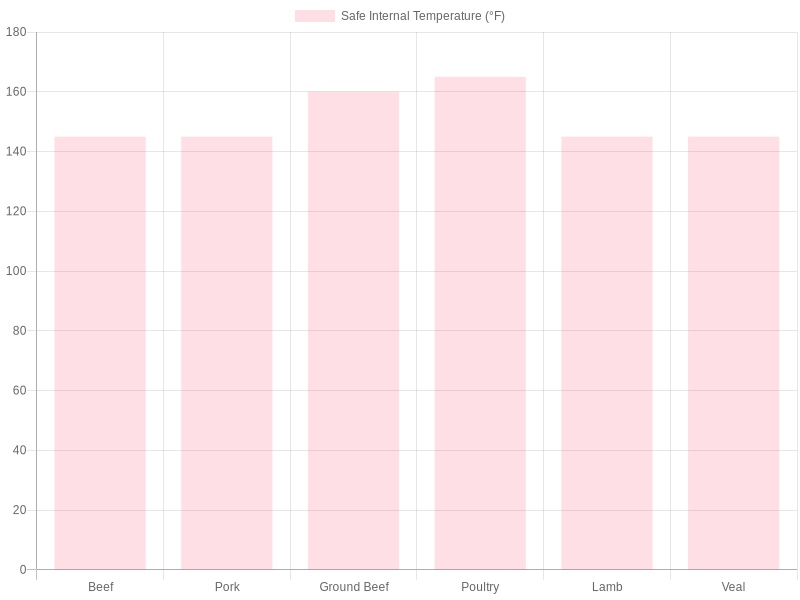
This chart illustrates the following safe cooking temperatures:
- Beef: 145°F (63°C)
- Pork: 145°F (63°C)
- Ground Beef: 160°F (71°C)
- Poultry: 165°F (74°C)
- Lamb: 145°F (63°C)
- Veal: 145°F (63°C)
It is crucial for business owners to monitor these temperatures carefully to avoid foodborne illnesses and to provide high-quality dining experiences. For more insights on a delicious menu, explore our offerings.
Source: USDA Food Safety and Inspection Service
In conclusion, understanding the cooking times for various meats in Korean BBQ is not merely a culinary detail; it is a fundamental aspect that can significantly enhance the dining experience for customers and contribute to the operational success of business owners. The rapid cooking required for popular cuts like beef short ribs (galbi), pork belly (samgyeopsal), and chicken underscores the importance of precise timing. Most of these cuts require only 1 to 2 minutes per side to achieve the optimal balance between a crispy exterior and a tender interior, crucial for satisfying customer preferences and ensuring food safety. Furthermore, mastering cooking times helps minimize waste and efficiently manage kitchen throughput during busy service hours. By investing in staff training and utilizing techniques such as timers and visual monitoring, businesses can establish a consistent and high-quality dining experience. Ultimately, understanding and executing correct cooking times can lead to greater customer satisfaction, repeat patronage, and a competitive edge in the vibrant world of Korean BBQ. For further insights into menu options, feel free to explore our Korean BBQ and sushi menu or discover all-you-can-eat options available that highlight these delicious dishes.
Get in Touch to Elevate Your Korean BBQ Venture!
Are you ready to take your Korean BBQ business to the next level? At Kogi Korean BBQ, we are dedicated to providing not just delicious culinary experiences but also expert guidance to help you succeed in this vibrant market. Whether you have questions about menu planning, sourcing quality ingredients, or efficient cooking methods, our team is here to assist you every step of the way.
Don’t miss out on the opportunity to create unforgettable dining experiences for your customers! Contact us today for personalized assistance and let us help you make your Korean BBQ dreams a reality. Together, we can bring the rich flavors and traditions of Korean cuisine to your patrons, ensuring they indulge in a delightful culinary journey.
Reach out now for more information or assistance regarding your Korean BBQ ventures, and let’s make it a sizzling success together! Explore our offerings or check out our all-you-can-eat options for inspiration!