
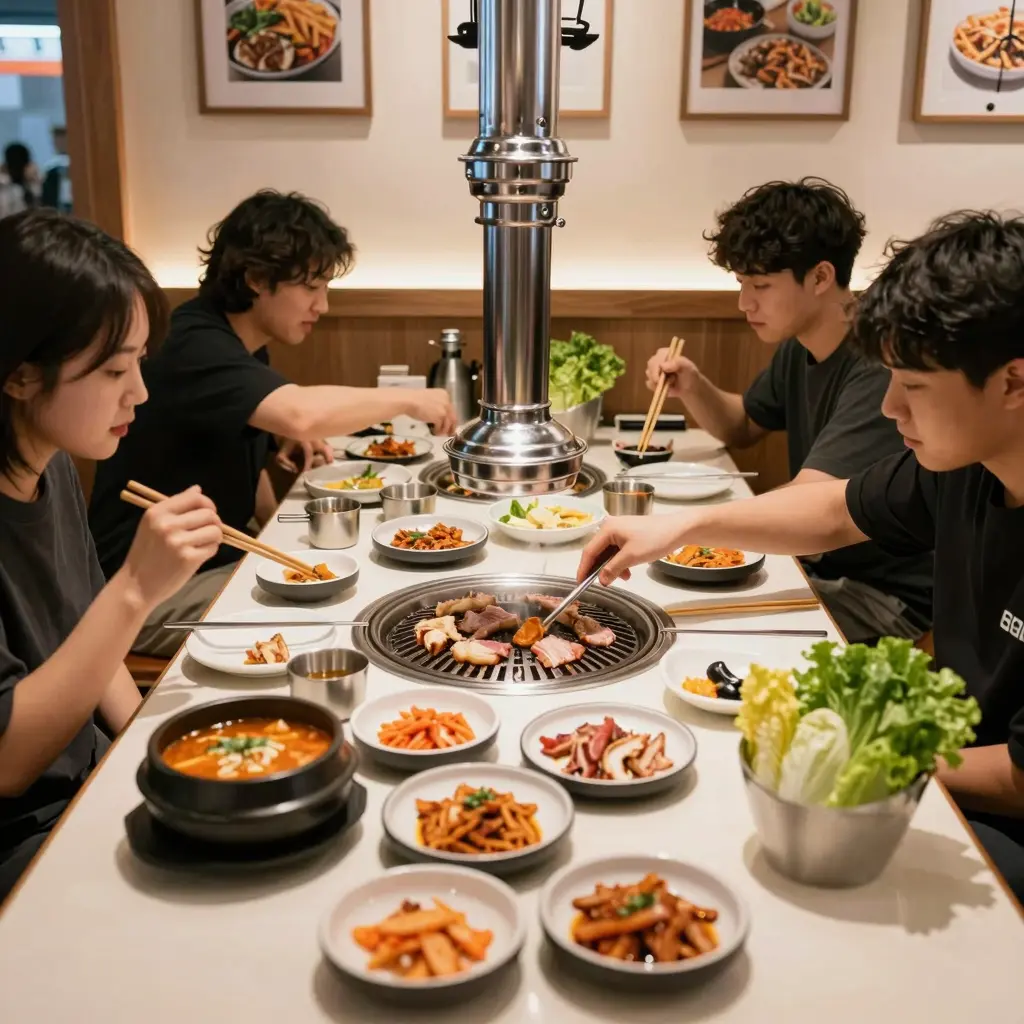
Starting a Korean BBQ restaurant is becoming not just a culinary adventure, but a highly lucrative business opportunity for aspiring restaurateurs. The popularity of Korean BBQ has surged in recent years, captivating food enthusiasts with its interactive dining experience and delicious flavors. Unlike traditional dining, where meals are served plated, a Korean BBQ restaurant allows guests to grill their own meats at their table, creating a fun social experience that’s perfect for gatherings, dates, and celebrations. This hands-on approach not only enhances customer enjoyment but also fosters repeat business, contributing to robust profit margins.
This vibrant dining trend has gained momentum, with diners increasingly seeking unique gastronomic experiences, positioning Korean BBQ as a frontline contender in the competitive restaurant landscape. As you consider the prospect to start a restaurant, entering the realm of Korean BBQ could provide more than just a niche offering; it taps into a growing market hungry for innovative food experiences. Research indicates that the demand for Asian cuisine in the United States has skyrocketed, significantly favoring establishments that prioritize communal dining and fresh, high-quality ingredients. Whether you are looking to open your first location or expand an existing chain, the allure of Korean BBQ is undeniable.
Moreover, the profitability of a Korean BBQ restaurant can be attributed to its unique model, which often includes various all-you-can-eat options. This pricing strategy not only attracts customers but also secures a steady revenue stream. As you plan your venture into the Korean BBQ scene, understanding the crucial factors-including location, menu offerings, and market trends-will be essential. With the right approach, you can turn your passion for Korean cuisine into a thriving business that delights diners and stands out in the bustling restaurant sector. Get ready to grill your way to success!
Initial Costs to Start a Korean BBQ Restaurant
Starting a Korean BBQ restaurant requires careful financial planning and consideration of various costs. The initial investment can be substantial, depending on factors such as location, size, and quality of equipment. Here’s a breakdown of the essential costs involved:
- Lease Costs: \$15,000 – \$50,000 per year, depending on location and size of the restaurant.
- Licensing and Permits: \$1,000 – \$5,000 for necessary health permits, business licenses, and food service permits.
- Kitchen Equipment: \$75,000 – \$125,000 for grills, ventilation systems, refrigerators, and other kitchen appliances crucial for a Korean BBQ setup. For instance, custom-built table grills can cost between \$10,000 and \$15,000 each. Check this article for more equipment details.
- Furniture and Decor: \$20,000 – \$50,000 for dining tables, chairs, layout design, and aesthetics that resonate with Korean culture.
- Initial Inventory: \$10,000 – \$30,000 for quality meats, marinades, side dishes, beverages, and other food supplies.
- Staffing Costs: \$10,000 – \$30,000 for hiring chefs, waitstaff, and other essential personnel before launching.
- Marketing and Advertising: \$5,000 – \$15,000 for promoting the restaurant, creating a website, and initial marketing materials.
- Miscellaneous Costs: \$5,000 – \$10,000 for unexpected expenses, repairs, and other operational costs that may arise during setup.
In total, initial startup costs for a Korean BBQ restaurant can range from $150,000 to $500,000. The investment can exceed these figures depending on specific choices and restaurant size.
For an insightful perspective on what it takes to establish such a restaurant, consider exploring how to start a Korean BBQ restaurant. What you choose in terms of quality and location can greatly impact your startup expenses.
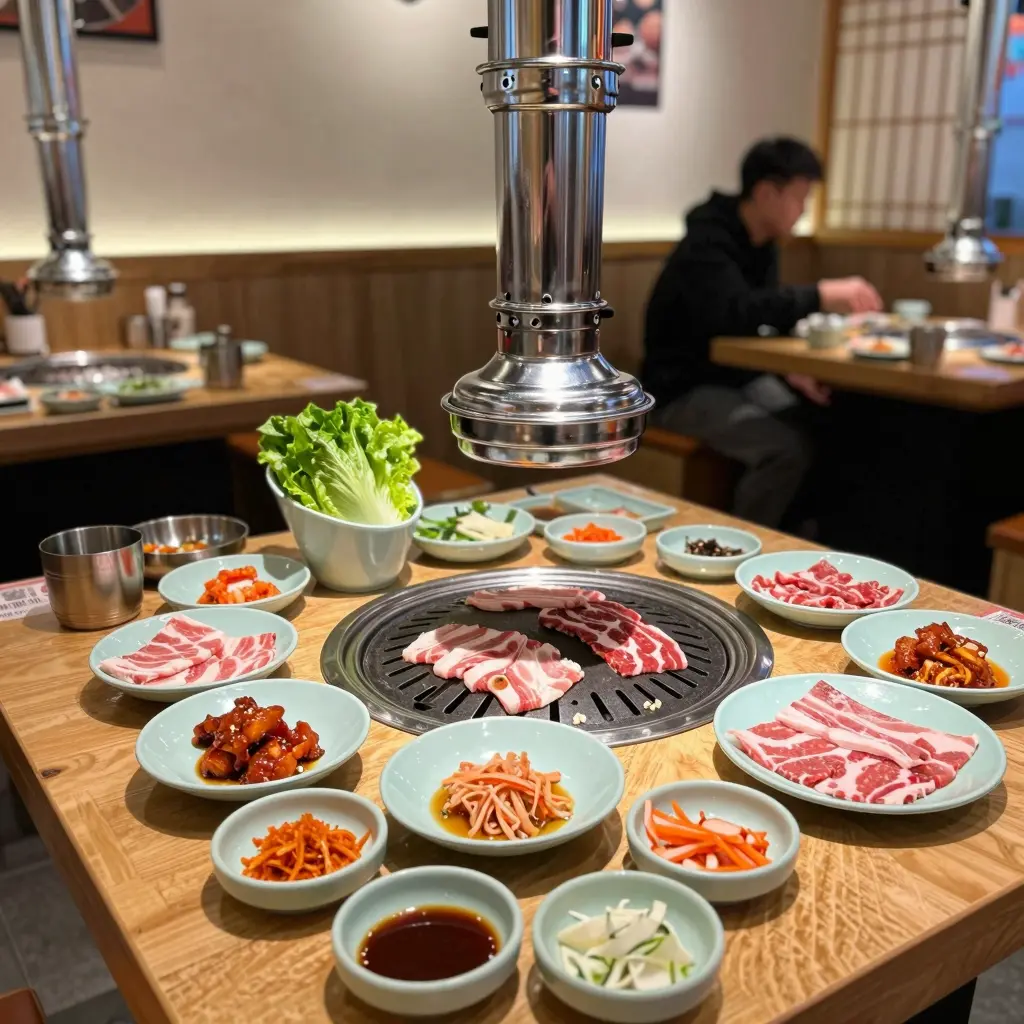
Market Analysis for Starting a Korean BBQ Restaurant
Conducting thorough market analysis is an essential first step before launching any restaurant, especially a specialized dining experience like a Korean BBQ restaurant. This study helps business owners gain insights into target demographics, competitive landscapes, and potential customer preferences-all critical elements for ensuring the restaurant’s financial success and sustainability.
Target Demographics
Understanding the target demographic is critical in setting the direction of the restaurant’s concept and marketing strategies. Korean BBQ often appeals to a diverse audience ranging from young adults and families looking for dining experiences to food enthusiasts and cultural explorers.
- Young Adults: Millennials and Gen Z are increasingly drawn to interactive dining experiences like Korean BBQ. This generation craves unique culinary adventures and is more likely to share these experiences on social media, making them a prime target for marketing campaigns.
- Families: Offering all-you-can-eat options can cater to families looking for cost-effective dining solutions. Korean BBQ allows for customization, which appeals to parents wanting to satisfy varied tastes among their children.
By identifying these segments, restaurant owners can fine-tune their marketing strategies to attract and retain these audiences.
Analyzing Competition
In any market, understanding the competition is vital. A successful Korean BBQ restaurant must analyze local competitors to comprehend their offerings, pricing strategies, and customer engagement tactics.
- Competitor Analysis: Evaluate how similar restaurants position themselves. What unique features do they offer? Are there successful restaurants nearby that serve other cuisines? Knowing their strengths and weaknesses can provide insights into potential market gaps.
- Location Considerations: The location of your restaurant plays a pivotal role in its success. High foot traffic areas may attract spontaneous customers, while neighborhoods with a high concentration of target demographics may yield better long-term patrons.
Customer Preferences
Understanding what potential customers want from a dining experience can significantly influence menu design and service offerings. This aspect of market research can drive restaurant strategies, improving customer satisfaction and loyalty.
- Menu Design: Knowing customer preferences can help in curating a menu that not only features traditional Korean BBQ but also accommodates dietary preferences, such as vegetarian or gluten-free options.
- Dining Experience: Today’s customers value unique experiences. Incorporating elements such as quality service, themed nights, or partnerships with local brews can elevate their overall dining experience.
Conclusion
The importance of conducting thorough market analysis in establishing a Korean BBQ restaurant cannot be overstated. Understanding target demographics, analyzing competition, and aligning with customer preferences creates a comprehensive strategy that mitigates risks and enhances the probability of success. For those contemplating this venture, early investments in restaurant market research are proving invaluable in shaping the foundation for future profitability.
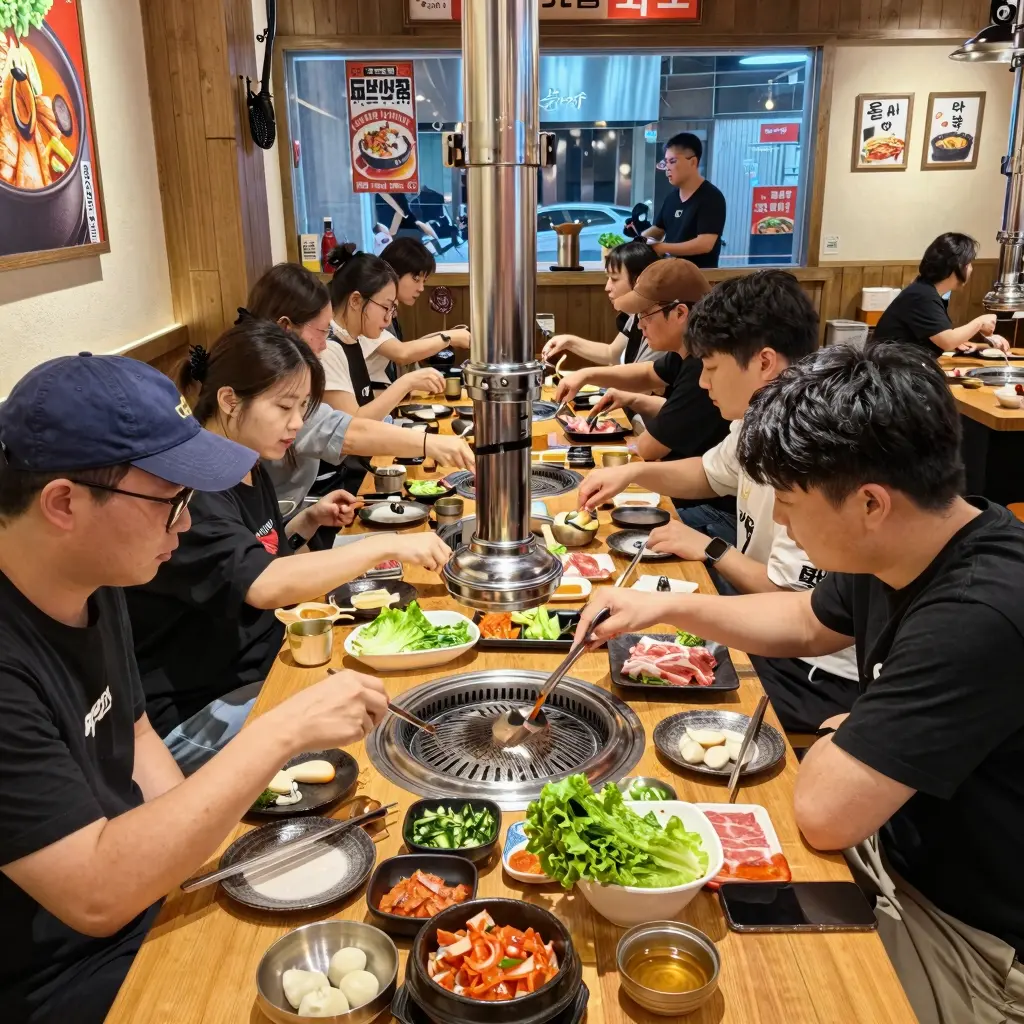
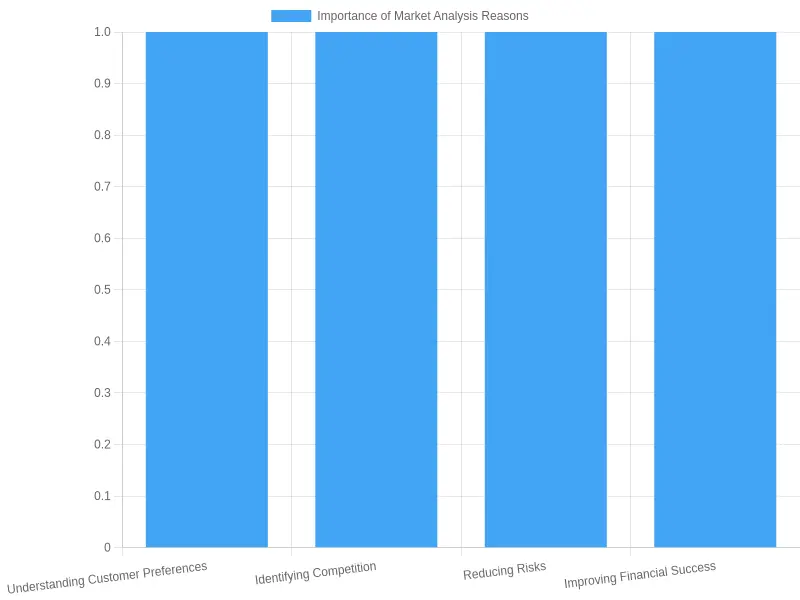
Reasons for Market Analysis
A graphical representation showing essential factors such as understanding customer preferences, identifying competition, reducing risks, and improving financial success.
Essential Equipment for a Korean BBQ Restaurant
Starting a Korean BBQ restaurant requires not only a vision but also a practical approach to equipment procurement. Here’s a useful table to help potential owners budget effectively for their essential equipment needs:
| Equipment Type | Estimated Cost (USD) |
|---|---|
| Charcoal Grill | $1,500 to $5,000 |
| Ventilation System | $3,000 to $10,000 |
| Tables and Chairs | $2,000 to $6,000 |
| Serving Carts | $500 to $1,500 |
| Cooking Utensils | $300 to $700 |
| Tableware (dishes, cutlery) | $1,000 to $2,500 |
| Kitchen Equipment (fridge, freezer) | $4,000 to $10,000 |
| Cleaning Equipment | $200 to $600 |
| POS System | $1,000 to $3,000 |
| Total Estimated Startup Costs | $15,000 to $39,000 |
This table provides a comparison of necessary equipment with estimated costs, helping you plan more effectively. For more insights on starting a Korean BBQ restaurant, learn more here.
Also, for menu planning considerations, be sure to check our Korean BBQ and Sushi Menu.
Legal Requirements for Starting a Korean BBQ Restaurant
Starting a Korean BBQ restaurant involves navigating a labyrinth of legal requirements that are crucial for ensuring compliance and safe operations. This comprehensive guide focuses on three primary aspects: licensing, health regulations, and local food safety laws. As a potential restaurant owner, understanding these requirements will help streamline the process and set your business up for success.
1. Licensing Requirements
Before you can open your Korean BBQ restaurant, you must obtain various licenses and permits that allow you to operate legally. Key licenses required include:
- Business License: A basic requirement for all businesses. This license legitimizes your restaurant within your local community.
- Food Service License: Issued by the local health department, this license ensures that your restaurant complies with food safety guidelines. Each state has its specific regulations, so checking with local authorities is essential.
- Alcohol License (if applicable): If you plan to serve alcohol, including Korean soju or beer, you’ll need an alcohol license, which typically involves a more rigorous application process.
- Fire Department Permit: Given the nature of Korean BBQ, which utilizes grills and open flames, a fire department inspection may be necessary.
For a more detailed overview of the necessary permits, check out Next Insurance’s guide on restaurant licenses and permits.
2. Health Regulations
Health regulations are vital in the food industry, especially for a concept like a Korean BBQ restaurant, where safe food handling and preparation methods are critical. The following health regulations should be adhered to:
- Compliance with FDA Food Code: The U.S. Food and Drug Administration (FDA) provides a Food Code that serves as a model for state and local jurisdictions in developing their food safety regulations. Familiarizing yourself with this code is crucial (FDA Food Code).
- Employees’ Health and Hygiene: Ensure that all employees are trained in food safety practices, including proper hand-washing techniques and guidelines for managing foodborne illnesses.
- Regular Inspections: Local health departments conduct regular inspections to ensure compliance with public health standards. Preparing for these inspections should be a priority in your operational plan.
3. Local Food Safety Laws
Food safety laws vary significantly based on locality. It’s essential to recognize and comply with specific food safety regulations imposed by your state and local authorities. Important protocols include:
- Hazard Analysis and Critical Control Points (HACCP): Implementing a HACCP plan can be beneficial. This framework helps identify potential food safety hazards and establish critical control points for ensuring food safety (National Restaurant Authority).
- Employee Food Handlers Licenses: Depending on your locality, you may be required to ensure that your kitchen staff obtains food handler’s permits, which typically involves training on food safety.
- Food Temperature Controls: Establish protocols for maintaining safe food temperatures and regularly monitoring food temperature storages, particularly crucial for fresh ingredients used in Korean BBQ.
Understanding and adhering to these legal requirements is crucial for the successful launch and operation of your Korean BBQ restaurant. By being diligent about licensing, health regulations, and food safety laws, you not only protect your business but also ensure the safety and satisfaction of your customers.
Startup Costs Breakdown for a Korean BBQ Restaurant
Starting a Korean BBQ restaurant involves significant financial planning, and understanding the distribution of startup costs is critical for aspiring owners. Below is a chart that visually represents the breakdown of these costs, highlighting major categories and their associated expenses.
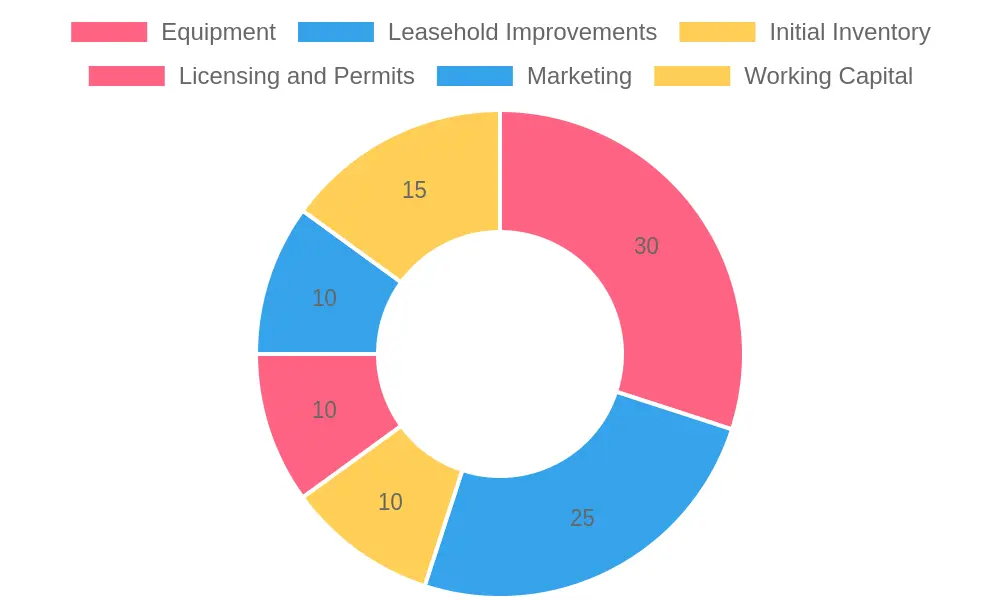
| Category | Percentage |
|---|---|
| Equipment | 30% |
| Leasehold Improvements | 25% |
| Initial Inventory | 10% |
| Licensing and Permits | 10% |
| Marketing | 10% |
| Working Capital | 15% |
Key Breakdown:
- Equipment (30%): This includes all kitchen appliances and dining furniture essential for service.
- Leasehold Improvements (25%): Costs associated with renovating the rented space to meet the specific needs of a Korean BBQ restaurant.
- Initial Inventory (10%): This entails the stock of food and beverages required to serve customers from day one.
- Licensing and Permits (10%): Necessary licenses and permits to operate legally, including health and safety certifications.
- Marketing (10%): Initial marketing efforts to promote your restaurant and attract customers.
- Working Capital (15%): Funds reserved for daily operations and unexpected expenses during the first few months.
For a more in-depth understanding of the process and additional details, learn more here and check out startup tips.
Expert Insights on Success Factors for Starting a Korean BBQ Restaurant
Starting a Korean BBQ restaurant can be an exciting venture, but understanding the critical success factors is essential. Here are some key expert insights:
“Starting a Korean BBQ restaurant requires a significant initial investment, estimated at around $250,000 to $500,000, covering location acquisition, renovation, equipment, licenses, permits, marketing, and recruitment.”
“Quality food and a unique dining experience are paramount in driving customer satisfaction and repeat visits. Popular trends suggest that immersive dining concepts stand out in the competitive landscape of restaurants.”
“The growing demand for Korean BBQ signifies the potential for new entrants in a thriving market, indicating there is room for fresh concepts and ideas that cater to evolving customer preferences.”
These insights emphasize the importance of financial planning, understanding market trends, and focusing on customer experiences when embarking on this culinary journey. For those interested in exploring more about diverse Korean dining options, consider checking out our menu offerings at Kogi Korean BBQ.
Additionally, small adjustments in decor and service could significantly enhance the atmosphere, ultimately contributing to customer satisfaction and loyalty.
Overall, conducting thorough research and planning, alongside expert insights, can greatly increase the likelihood of success in opening a Korean BBQ restaurant.
Conclusion
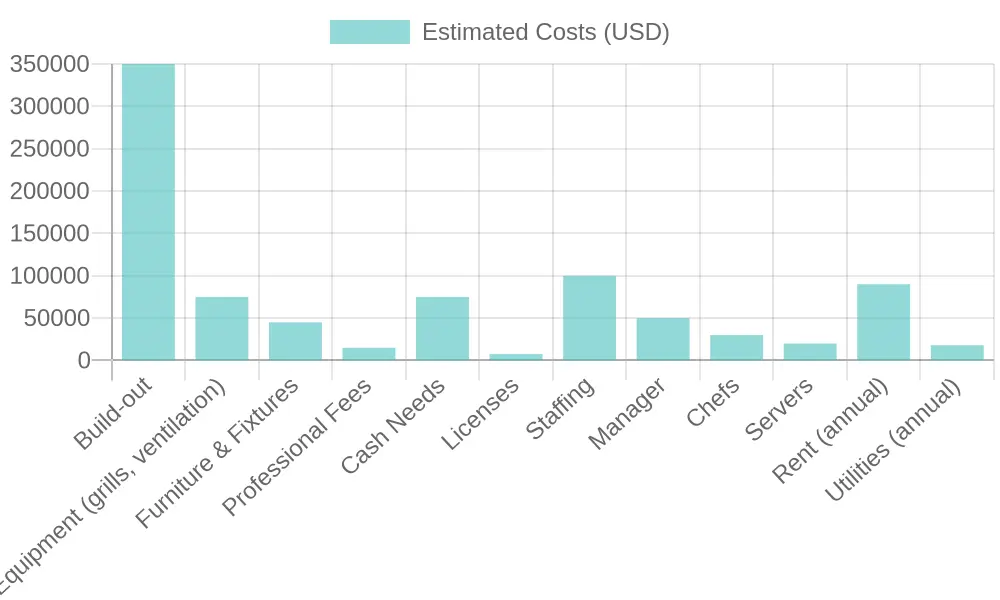
Starting a Korean BBQ restaurant can be a rewarding venture, deeply rooted in the rich culinary traditions of Korea. However, it requires careful planning and significant financial investment. Based on recent findings, here’s a brief summary of the costs involved:
- Capital Expenditures (CAPEX): Expect to spend between $218,000 to $748,000 in initial outlays, depending on your restaurant size and location.
- Staffing: Anticipate annual staffing costs around $100,000, which includes various roles such as managers, chefs, and servers.
- Location Expenses: Rent can range between $60,000 to $120,000 annually, adding to the overhead costs that must be carefully considered.
- Licensing and Permits: These can add an additional cost estimated at $5,000 to $10,000.
Comprehending these figures is essential to determine what your initial capital should be and to create a sustainable business model in the necessary competitive market.
To visualize this breakdown further, here’s a chart detailing the costs associated with starting a Korean BBQ restaurant.
Now is the best time to turn your entrepreneurial dream into a reality. With the rising popularity of Korean BBQ, you can carve out your niche in this exciting industry.
For personalized assistance and quotes as you embark on this journey, don’t hesitate to contact Zoomlion. Let us support you in sourcing the right equipment, navigating regulatory requirements, and ensuring you start on solid financial grounds. Your success story begins today!
Frequently Asked Questions about Starting a Korean BBQ Restaurant
Starting a Korean BBQ restaurant can be an exciting venture, but it also comes with its own set of challenges. Below is a compilation of frequently asked questions to help aspiring restaurant owners navigate this journey.
1. What are the estimated startup costs for a Korean BBQ restaurant?
- Initial Investments: Startup costs can range from $180,000 to $220,000 for capital expenditures. This includes specialized ventilation systems and grilling equipment, which are essential for a Korean BBQ setup (source: Financial Models Lab).
- Funding Sources: Consider various funding options such as traditional bank loans, investors, or even crowdfunding to gather the necessary capital (source: Business Plan Templates).
2. How should I select a location for my restaurant?
- High Foot Traffic: Look for areas with high pedestrian traffic. Locations near shopping malls or business districts can attract more customers.
- Demographics: Analyze the local demographics to ensure there’s a potential customer base interested in Korean cuisine. Markets with a significant number of Asian restaurants can indicate a predisposition toward such cuisines.
- Accessibility: Ensure that the location is accessible via multiple forms of transportation.
3. What should I include in the menu?
- Authentic Selections: Focus on traditional Korean BBQ dishes like bulgogi, galbi, and samgyeopsal. Incorporating various side dishes (banchan) will also enhance the dining experience.
- All-You-Can-Eat Options: Consider offering an all-you-can-eat menu, which is a popular trend in Korean BBQ restaurants (check out this option for inspiration).
- Seasonal Variations: Make a plan for seasonal menus to refresh your offerings based on ingredient availability and customer preferences.
4. What types of equipment will I need?
- Grills and Ventilation: High-quality grills that allow customers to cook at their tables, along with effective exhaust fans or hoods to manage smoke and odors, are crucial (source: Startup Financial Projection).
- Kitchen Appliances: You will need a dependable kitchen setup, including fridges, freezers, and cooking appliances specific to Korean cuisine preparation.
5. How can I attract customers?
- Marketing Campaigns: Utilize social media platforms for promotional campaigns to showcase your restaurant’s unique features and menu items.
- Community Engagement: Engage with your community through events, tasting sessions, or even workshops on Korean BBQ cooking techniques.
- Loyalty Programs: Implementing loyalty programs can encourage repeat business and enhance customer satisfaction.
By addressing these frequently asked questions, aspiring business owners can better prepare for the challenges of opening a Korean BBQ restaurant and ensure they create a delightful dining experience.
This section has provided insights into financing, location, and menu planning for those considering entering the Korean BBQ market. For more detailed inspiration about menus and restaurant layouts, check out our Korean BBQ menu examples.