
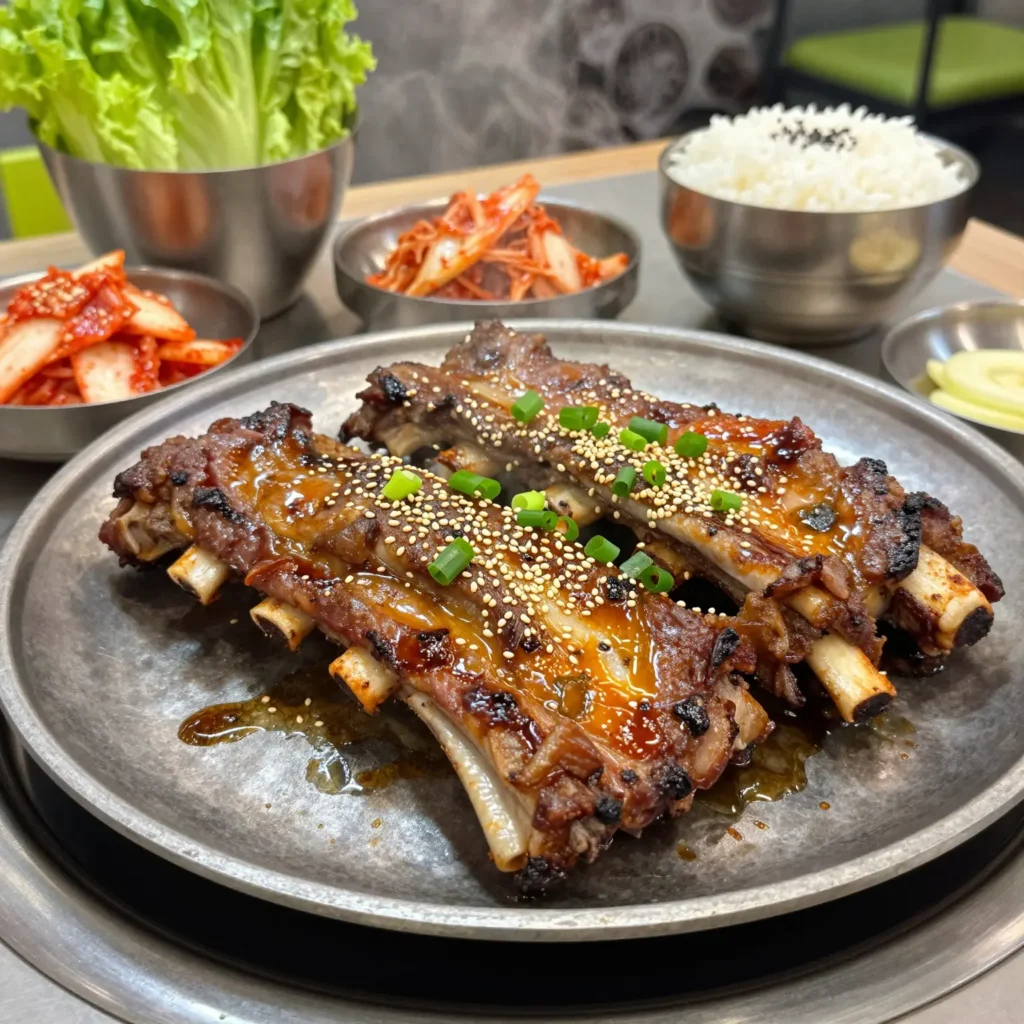
Introduction to BBQing Korean Ribs
In the world of culinary arts, few techniques resonate as deeply as mastering the art of barbecue, particularly when it comes to Korean ribs. For restaurant owners aiming to elevate their menu offerings and enhance customer satisfaction, learning how to prepare deliciously tender and flavorful Korean-style BBQ ribs can be a game-changer. The Korean BBQ experience is not only about the food but also about the atmosphere, flavor profiles, and dining experience it offers. By mastering this technique, business owners can attract new customers and retain loyal patrons, all while differentiating their establishment in a competitive market.
Korean ribs, traditionally known for their unique cuts and marinating techniques, require specific skills for proper BBQing to achieve that mouthwatering outcome that keeps diners coming back. This article will provide an in-depth guide on the essential steps to BBQing Korean ribs right, from selecting the best cuts, preparing flavorful marinades, to utilizing the ideal grilling techniques. Additionally, we will explore the significance of offering authentic Korean BBQ options in your menu, as it has the potential to elevate overall customer experiences and satisfaction, leading to increased business success. Join us on this culinary journey to ensure your restaurant stands out as a hotspot for Korean BBQ lovers! For a glimpse of the range of options available, check out our menu for inspiration!
The History and Significance of Korean BBQ
Korean BBQ, an increasingly popular dining experience worldwide, has its origins rooted deeply in Korea’s rich history. The tradition of grilling meat dates back to as early as the Goguryeo era (37 BCE to 668 CE), originally reflecting the communal and social aspects of Korean culture. Among the many delicious offerings of Korean BBQ, short ribs or “Galbi” hold a prominent place, both for their flavor and their meaning in the dining experience.
Origins of Korean BBQ
The roots of Korean BBQ can be traced back to a nomadic lifestyle where marinated meats were grilled over an open flame. Specific to short ribs, marinated in a blend of soy sauce, garlic, and sugar, Galbi is a representation of this evolution. Originally, this dish was a way for Korean families to bond, and today it continues to be symbolic of togetherness in modern dining.
Fascinatingly, the LA Galbi variant emerged with Korean immigrants adapting their recipes in Los Angeles, which showcases how Korean BBQ has evolved while maintaining its traditional essence. This adaptability highlights the significance of short ribs within this culinary practice – a dish that represents both nostalgia and innovation.
Cultural Significance
Korean BBQ is often seen as a communal activity, where diners gather around a grill and participate in the cooking process. The interactive nature of preparing food together fosters connections, making it more than just about eating – it’s an experience of bonding and sharing. This cultural emphasis on community enhances the dining appeal at restaurants. According to research, over 70% of customers value communal dining experiences, making Korean BBQ a popular choice for groups.
- Communal Dining: Central to Korean culture, this aspect makes every meal an opportunity for social interaction. The loved tradition attracts not only Koreans but also a growing number of non-Koreans, intrigued by the culture behind the food.
- Unique Dining Experience: The aspect of cooking at the table offers a sensory experience beyond just taste, adding excitement and engagement that enhances customer satisfaction.
Enhancing Restaurant Appeal
Integrating Korean BBQ into your restaurant’s menu can greatly enhance its appeal to customers. Offering marinated short ribs as a flagship dish provides a unique culinary experience that can attract diverse demographics. Celebrating this communal cooking concept not only highlights the menu but elevates the entire dining experience.
- Interactive Atmosphere: Customers enjoy cooking their own meats, which sets apart Korean BBQ from other dining styles. It fosters camaraderie and provides entertainment that extends beyond food.
- Increased Engagement: Establishing a vibrant atmosphere that celebrates not only the food but also the cultural practice of sharing encourages patrons to linger longer, thus increasing potential revenue.
Interesting Facts
Here are some engaging facts that may intrigue your customers:
- The word “Galbi” translates to “ribs” in Korean and is often served with a variety of side dishes known as “banchan.”
- Korean BBQ has seen a surge in popularity, especially in Western countries, with many new restaurants opening each year.
- The grilling technique used in Korean BBQ influences the flavor and texture of the meat greatly, enhancing the overall experience.
By embracing the rich history and cultural significance of Korean BBQ, particularly with short ribs, restaurant owners can enhance their menu and engage customers in a meaningful way, creating a unique dining adventure that celebrates togetherness and flavor. For more on how to incorporate these elements into your restaurant, check out Korean BBQ and Sushi Menu for ideas.

Chart depicting the popularity growth of Korean BBQ, indicating a rising trend in consumer interest.
For a deeper dive into the tradition of Korean BBQ, consider visiting our Kogi Korean BBQ page where we share more about our offerings and engagement with this cherished cuisine.
Essential Ingredients for Authentic Korean Ribs
Preparing delicious Korean ribs, particularly the famed Galbi, requires careful attention to the quality of meat and the right ingredients for marination. Here’s a detailed list of essential elements you’ll need:
-
Beef Short Ribs (Galbi): This is the primary meat used in Korean ribs. Look for flanken-style ribs, which are cut across the bones at about 1 inch thick, perfect for grilling and marinating.
-
Soy Sauce: An essential component of the marinade, soy sauce adds a rich, savory base with umami flavor. Look for a good quality, low-sodium variety to control the saltiness.
-
Sugar: Both granulated and brown sugar can be used. Sugar balances the saltiness of the soy sauce and helps achieve a caramelized crust when grilling.
-
Garlic: Freshly minced garlic infuses the marinade with aromatic flavor and complements the meat beautifully. Typically, several cloves are used.
-
Ginger: Fresh ginger provides a zesty kick, making the marinade vibrant and aromatic. Grating the ginger releases its essential oils, enhancing the flavor.
-
Sesame Oil: A drizzle of this nutty oil adds depth and richness to the marinade, making it richer and more fragrant.
-
Green Onions: Chopped green onions are often added for a fresh taste that brightens the hearty beef.
-
Gochujang (Korean Chili Paste): For a spicy kick, add gochujang. This fermented paste is essential in many Korean dishes, offering both heat and complexity to the flavor.
-
Pear or Apple Puree: Sometimes, ripe pears or apples are added to marinate for their natural sweetness and enzymes that tenderize the meat.
-
Sesame Seeds: Toasted sesame seeds make a delightful garnish for the finished dish, adding texture and a nutty flavor.
When you combine these ingredients to marinate your short ribs, let them sit for at least 6 hours, or overnight for best results. This not only enhances the flavor but also tenderizes the meat.
To serve, grill the marinated ribs Korean BBQ-style, and enjoy the wonderful symphony of flavors. For more tips and the complete Korean BBQ experience, check out our Korean BBQ menu.
Happy grilling!
| Region | Key Ingredients | Cooking Method |
|---|---|---|
| Seoul | Soy sauce, sugar, pear, ginger, garlic | Marinated and grilled (Galbi) |
| Jeolla | Gojujang, sesame oil, scallions, black pepper | Braised (Galbi-Jjim) |
| Gyeongsang | Gochugaru, honey, fruit juices (pineapple, apple) | Grilled, often served as a hot plate |
| Chungcheong | Spicy paste, soy sauce, ginger | Slow-cooked in a pot |
| Busan | Seafood components, mustard oil, apple | Mixed grill style (often accompanied by seafood) |
| Incheon | Sweet soy sauce, honey, green onions | Grilled, paired with rice and side dishes |
Step-by-Step Guide to Preparing Korean Ribs
Korean ribs, especially the popular Galbi, are known for their rich flavor and tenderness. Implementing this guide can help business owners prepare mouthwatering Korean ribs that delight customers. This guide covers everything from marinating to cooking methods – grilling versus baking.
Ingredients Needed
To prepare Korean ribs, you will need the following ingredients:
-
For the Marinade:
-
1 cup soy sauce
-
1/2 cup brown sugar
-
1/4 cup rice wine or mirin
-
1/4 cup sesame oil
-
1 tablespoon minced garlic
-
1 tablespoon grated ginger
-
1 tablespoon sesame seeds (optional)
-
1/2 teaspoon black pepper
-
For the Ribs:
-
3-4 pounds of beef short ribs, cut into 2-inch pieces
Step 1: Preparing the Marinade
- Mix Ingredients: In a large bowl, combine soy sauce, brown sugar, rice wine, sesame oil, minced garlic, grated ginger, sesame seeds, and black pepper. Whisk until the sugar dissolves completely.
- Taste and Adjust: Before marinating, taste the marinade. You can adjust the sweetness by adding more brown sugar or balance it with additional soy sauce for saltiness.
Step 2: Marinating the Ribs
- Marinate: Place the short ribs into a large zip-lock bag or a shallow baking dish. Pour the marinade over the ribs, ensuring each piece is coated. Seal the bag or cover the dish with plastic wrap.
- Refrigerate: Let the ribs marinate for at least 3 hours, ideally overnight. This allows the flavors to penetrate the meat thoroughly. For more tips on great marinades, check out our menu options.
Step 3: Cooking Methods – Grilling vs. Baking
Grilling Korean Ribs
- Prepare the Grill: Preheat your grill to a high heat. Make sure grates are clean and lightly oiled to prevent sticking.
- Cook Ribs: Remove the ribs from the marinade, shaking off excess marinade. Place them directly on the grill.
- Grill: Cook for about 5 minutes on each side, or until you achieve a nice char and the internal temperature reaches at least 145°F (63°C). Keep an eye on them to prevent burning.
- Rest: Once done, remove from the grill and let rest for 5 minutes before serving. This allows juices to redistribute within the meat.
Baking Korean Ribs
- Prepare the Oven: Preheat your oven to 350°F (175°C). Line a baking sheet with aluminum foil or parchment for easy cleanup.
- Bake Ribs: Remove the ribs from the marinade and place them in a single layer on the baking sheet. Bake for about 1 hour, flipping halfway through to ensure even cooking.
- Broil for Finish: For extra caramelization, turn your oven to broil for the last 5-7 minutes. Watch closely to avoid burning, as this step quickly adds color and flavor.
- Rest and Serve: Remove from the oven, let the ribs rest for 5 minutes, then serve hot.
Step 4: Serving Recommendations
Serve your Korean ribs with a side of pickled vegetables and steamed rice. For those looking to enhance their dining experience, you can also offer a selection of dipping sauces. Discover more about ideal side dishes in our Korean BBQ buffet options.
Conclusion
Preparing Korean ribs requires simple ingredients and techniques, which can be easily implemented in any commercial kitchen. Whether grilling or baking, the key is in the marinade and careful cooking methods that ensure tenderness and flavor. By following this guide, business owners can delight their patrons with authentic and delicious Korean rib dishes.
Common Mistakes to Avoid When BBQing Korean Ribs
Barbecuing Korean ribs can seem effortless, but several common missteps can lead to subpar results. Business owners focused on delivering high-quality Korean BBQ should be aware of these pitfalls to enhance customer satisfaction and overall dining experience. Here are key mistakes to avoid:
-
Forgetting the Marination Time
One of the essential aspects of Korean BBQ is the marinade. Many beginners either marinate for too short a period or skip this step altogether. For optimal flavor, ribs should be marinated for at least 2-4 hours, but ideally overnight. This allows the flavors to penetrate deeply. -
Using High Heat Without Control
Overcooking or burning the ribs is common when using high heat. Unlike other meats, Korean ribs require a careful balance of heat to ensure tenderness without charring. Use medium heat and monitor the temperature closely to achieve the perfect cook. -
Cutting Meat Too Soon
A frequent mistake is slicing into the ribs immediately after grilling. This can cause juices to leak out, leading to dry meat. Let the ribs rest for at least 5-10 minutes after coming off the grill to allow juices to redistribute, ensuring moist and flavorful results. Learn more about this technique here. -
Neglecting Temperature Checks
Not using a meat thermometer can result in overcooked or undercooked meat. For Korean ribs, the internal temperature should reach at least 145°F (63°C) for food safety, but many chefs aim for 190°F (88°C) for perfectly tender results. Use a reliable thermometer for accuracy. -
Overloading the Grill
Crowding the grill can lead to uneven cooking. It’s crucial to leave space between each piece of meat to ensure they grill evenly. Too many ribs at once can result in steaming rather than grilling, compromising the flavor and texture. -
Ignoring Side Dishes and Accompaniments
Korean BBQ is not just about the meat; side dishes (banchan) play an integral role. Skipping these can detract from the dining experience. Offer a variety of sides like pickled vegetables or kimchi to complement the rich flavors of the ribs. -
Not Experimenting with Flavors
Sticking strictly to traditional ways without experimenting can limit innovation. Encourage trying different marinades, such as spicy gochujang or sweet soy glaze, to give a unique twist to the ribs.
By avoiding these common mistakes, business owners can significantly elevate their Korean BBQ offerings, ensuring that every diner has a memorable experience. For more insights on Korean BBQ, visit Kogi Korean BBQ’s menu.

Description
Here is a visual representation of a traditional Korean BBQ setup. You can see marinated beef short ribs sizzling on the grill, which is a vital part of the Korean BBQ experience.
Conclusion
In conclusion, mastering the art of BBQing Korean ribs is not just a culinary skill; it is a significant factor that can elevate a restaurant’s offerings, ensuring customer satisfaction and repeat business. Throughout this article, we have explored key techniques that form the foundation of effective Korean BBQ preparation:
- Marinade Importance: Proper seasoning and marinade are crucial for flavor; techniques like using the right blend of soy sauce, sesame oil, garlic, and sugar enhance the ribs significantly. Detailed recipes, such as those from Korean Bapsang, can help achieve maximized taste.
- Cooking Methods: Various methods such as grilling, broiling, and slow cooking are discussed. Each has its merits, providing unique textures and flavors to the ribs, as shown in resources and insights from sources like Aussie Beef & Lamb and various Korean cuisine blogs.
- Focus on Technique: Proper techniques, including controlling grill temperatures and timing, can influence the tenderness and flavor profile of the final product. BBQ experts advocate for consistent practice and improvement in grilling skills as major contributors to defining success in this area.
Moreover, understanding customer preferences and the dynamics of dining experiences directly impacts satisfaction. As explored in the articles about BBQ trends, mastering these techniques can significantly enhance a restaurant’s reputation and its customers’ experiences.
For restaurant owners looking to refine their BBQ skills, understanding and implementing these best practices in BBQing Korean ribs can set your offerings apart from competitors. By prioritizing these culinary techniques, you can foster a stronger connection with your customers, encouraging them to return and enjoy your unique brands of Korean BBQ.
If you’re ready to take your restaurant’s offerings to the next level, consider contacting us at Kogi Korean BBQ for assistance in mastering BBQ techniques that will delight your patrons.
By embarking on this journey of culinary excellence, you not only improve your restaurant’s menu but create memorable dining experiences that keep customers coming back for more!
Enhance Your Business with Expert BBQ Menu Design
Are you a business owner looking to elevate your BBQ offerings? Now is the time to take action. Tailoring your menu with expert advice can lead to enhanced customer satisfaction and drive sales. Professional culinary consultants can provide insights into the ideal layout of your menu, ensuring your BBQ items stand out and attract attention.
Here are some compelling reasons to reach out for expert advice:
- Increased Orders: Research shows that expert menu design positively influences customer choices, encouraging them to explore more options (learn more here).
- Menu Psychology: Understanding how the arrangement and wording of your offerings can manipulate customer choices is crucial. Expert insights can help you craft menus that are both appealing and effective (see the psychology of menu design).
- Authenticity in BBQ: Knowledge of traditional BBQ techniques can set your restaurant apart, building a loyal customer base that appreciates quality. Expert support ensures your BBQ techniques resonate with your brand’s ethos (read more about BBQ success).
At Kogi Korean BBQ, our mission is to protect lives and property while enhancing dining experiences. By collaborating with us, you will not only improve your BBQ offerings but also align with our commitment to quality and care in every meal served.
Contact us today to see how we can help transform your menu into a masterpiece that delights your customers and boosts your sales!
Mastering Korean BBQ Techniques for Customer Satisfaction
Korean BBQ is not just about grilling meat; it’s an art form that requires precision, knowledge, and a keen understanding of flavor profiles. Acknowledging the nuances of Korean BBQ can significantly enhance customer satisfaction, making your restaurant a preferred dining choice. As Kim Sook, a renowned Korean BBQ chef, emphasizes:
“Mastering the techniques of Korean BBQ is essential; the quality of the experience directly impacts the happiness of the guests. When they taste perfectly marinated meat cooked to perfection, they leave satisfied and eager to return.”
This quote underscores the importance of proper techniques in achieving flavorful dishes that invite guests to revisit.
To achieve this, business owners should consider:
- Using High-Quality Ingredients: The foundation of great BBQ begins with quality meat and fresh produce.
- Understanding Marinades: Mastering marinades, which often include soy sauce, sugar, sesame oil, garlic, and ginger, is vital in infusing flavors.
- Grill Preparation: Properly heating and maintaining the grill is crucial for cooking meat evenly.
- Pairing Sides: Korean BBQ is not complete without complementary sides and sauces that enhance the overall dining experience, encouraging customers to savor each bite.
For more insights on a wide variety of Korean BBQ techniques, check out my favorite Korean BBQ techniques. Incorporating these elements into your strategy can lead to a more elevated experience for your clientele.
In conclusion, as you refine your skills in Korean BBQ techniques, the impact on customer satisfaction will be profound, encouraging repeat visits and positive word-of-mouth referrals.