
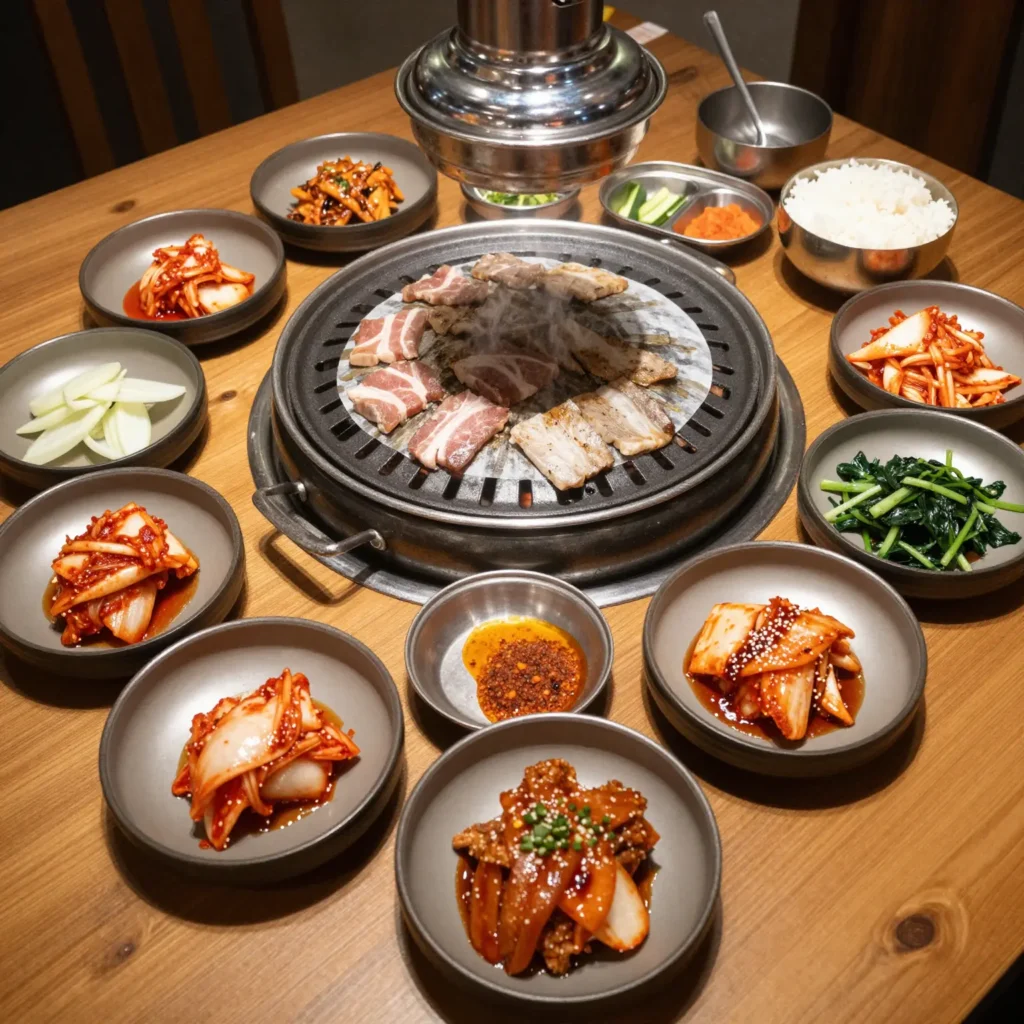
The Importance of Protein in Diets Through Korean BBQ
Incorporating adequate protein into our diets is crucial for overall health and well-being. Protein plays a vital role in building and repairing tissues, producing enzymes and hormones, and supporting a healthy immune system. For business owners, promoting a protein-rich diet can lead to improved employee health, increased energy, and enhanced productivity. One delightful and flavorful way to emphasize protein consumption is through Korean BBQ, which offers a variety of protein sources, including high-quality meats such as beef and pork, as well as rich and nutritious side dishes. Offering Korean BBQ not only tantalizes taste buds but can also serve as a healthier dining option that helps foster a vibrant workplace culture. By encouraging employees to indulge in these delicious, protein-packed meals, business owners can take a proactive approach to employee health and satisfaction. To discover more about the delicious offerings available, learn more about our Korean BBQ and sushi menu.
Whether it’s enjoying an all-you-can-eat experience or exploring unique flavors, Korean BBQ stands out as an exceptional choice to meet the increasing demand for healthier dining options.
Comparison of Meats Used in Korean BBQ
Korean BBQ features a variety of meats, each bringing unique flavors and nutritional benefits to the table. Below, we present a comparison table detailing the protein content, preparation methods, and typical serving sizes for popular options in Korean BBQ:
| Meat Type | Protein Content (per 3 oz) | Preparation Method | Typical Serving Size |
|---|---|---|---|
| Beef | 22 – 26g | Grilled, Marinated | 3 – 5 oz |
| Pork | 20 – 24g | Grilled, Marinated | 3 – 5 oz |
| Chicken | 24 – 28g | Grilled, Marinated | 4 – 6 oz |
As seen in the table, beef, pork, and chicken all offer substantial protein per serving, with chicken generally being the leanest option. Each type is typically marinated to enhance flavor before being grilled on-site, a hallmark of the Korean BBQ dining experience. For more detailed insights about the offerings at various Korean BBQ venues, you can explore our menu options.
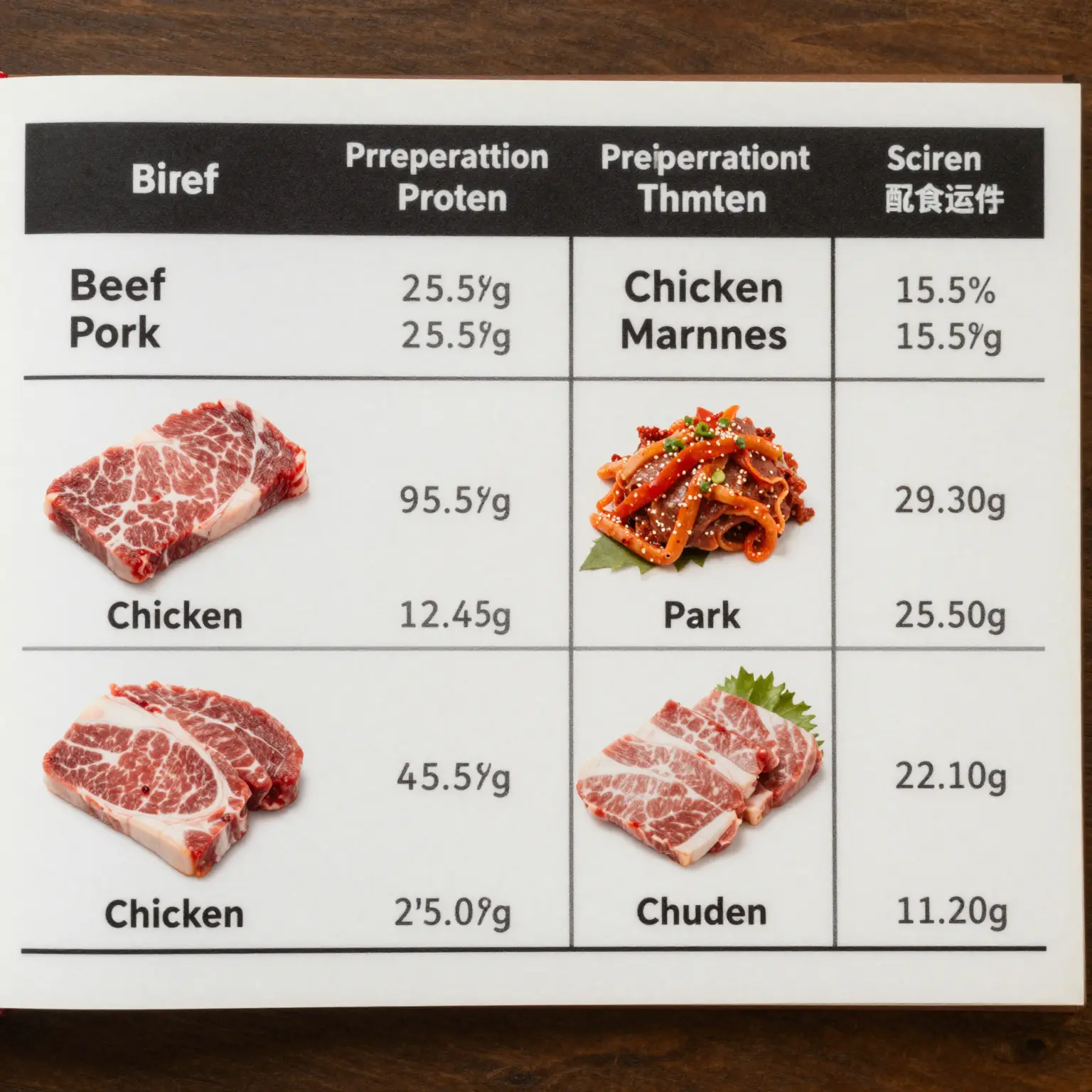
A visual representation comparing the popular meats used in Korean BBQ, highlighting their protein content, preparation methods, and serving sizes.
Health Benefits of Protein for Busy Professionals
As a busy professional, maintaining energy levels, supporting muscle maintenance, and enhancing overall productivity is crucial. One key macronutrient that plays a pivotal role in achieving these goals is protein. Here are the primary health benefits of protein that you should consider:
1. Energy Levels
Protein is essential for creating enzymes and hormones that drive several biochemical reactions in the body. Consuming a protein-rich diet helps in stabilizing blood sugar levels, thus providing a more sustained energy release throughout the day. For busy professionals juggling multiple responsibilities, high-protein snacks and meals can prevent the afternoon slump and keep energy high. This is especially helpful for those who may not have the time for regular meal breaks.
2. Muscle Maintenance and Recovery
For individuals who often engage in physical activities or prolonged periods of sitting, protein is vital for muscle maintenance and recovery. It helps repair tissues and builds new cells, which is especially important for professionals who might engage in physical tasks or exercise during their limited free time. According to a Harvard Health article, adequate protein intake is critical for sustaining muscle mass as we age, which directly correlates with maintaining physical productivity and strength.
3. Enhancing Overall Productivity
Research indicates that protein consumption may enhance cognitive functions, including memory and attention span. This is particularly beneficial for business owners and professionals who need to be at the top of their game during meetings or while making critical decisions. High-protein meals often help in reducing feelings of fatigue and improving mental clarity, thereby facilitating greater productivity at work. Furthermore, quick and easy protein-rich foods, such as grilled meats from Kogi Korean BBQ, make it convenient to meet daily protein goals without feeling sluggish.
Conclusion
Incorporating protein into your diet as a busy professional is not merely about muscle building; it is essential for maintaining energy, muscle health, and overall productivity. Understanding the protein content in foods you consume, like the Korean BBQ meats, can guide you toward making better dietary choices that fit your hectic lifestyle.
By prioritizing protein, you can enhance your work performance, foster a healthier body, and promote lasting energy throughout your day.
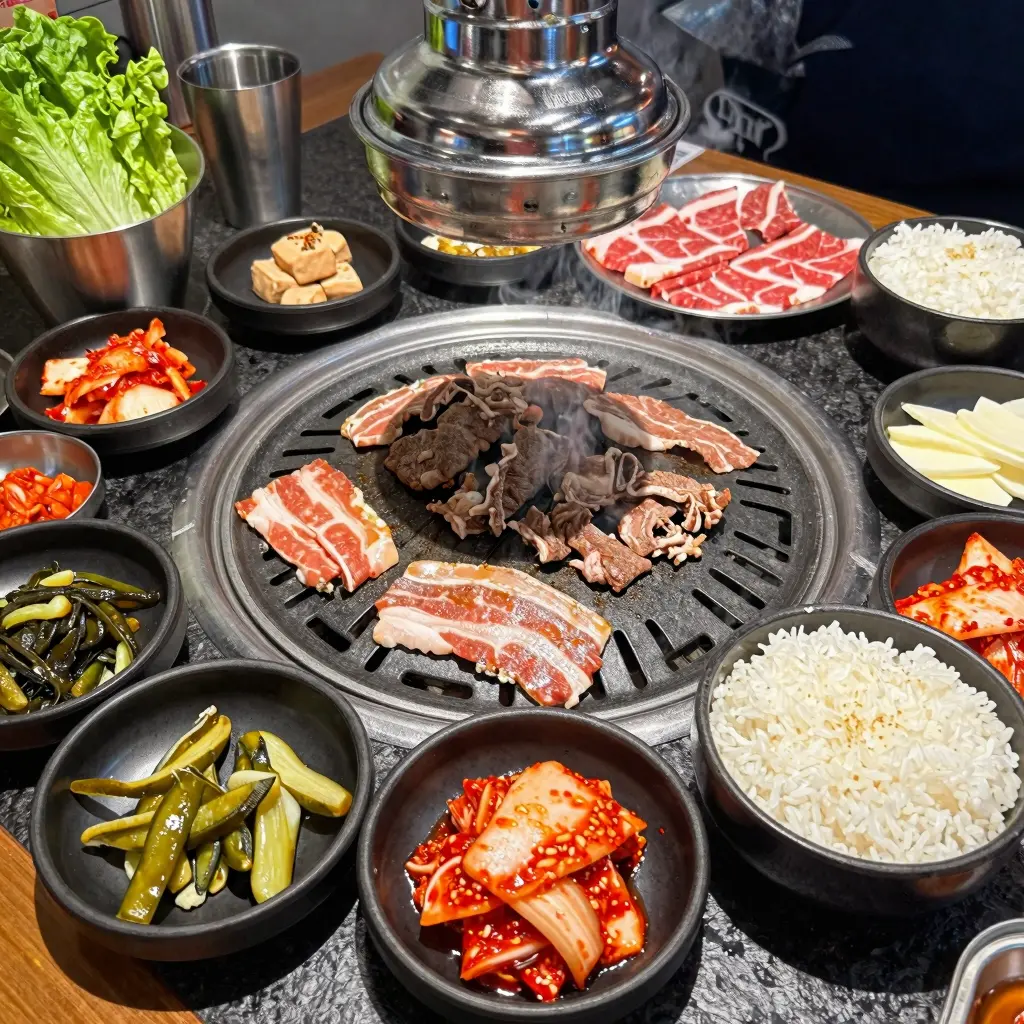
A vibrant and appetizing Korean BBQ spread, showcasing a variety of meats such as marinated bulgogi and galbi, along with an array of colorful side dishes like kimchi, pickled vegetables, and rice, all arranged on a grill table to illustrate a typical Korean BBQ dining experience.
Understanding Daily Protein Needs for Adults in a Work Environment
The requirements for daily protein intake can vary significantly depending on individual health needs, activity levels, and lifestyle choices. Nutrition experts and healthcare organizations offer differing guidelines, but there is general consensus on the importance of protein in maintaining health and well-being, especially in a work environment where energy levels and efficiency are crucial.
Key Recommendations from Health Experts
- Harvard Health highlights that adults require about 0.8 grams of protein per kilogram of body weight, which translates to approximately 56 grams for men and 46 grams for women. This is the minimal protein intake to meet basic nutritional needs and can vary with activity levels or health conditions. Learn more.
- According to the World Health Organization (WHO), protein should account for 10-15% of caloric intake, which is around 50-75 grams for a daily intake of 2,000 calories. Read more.
- Consumer Reports suggest adult men aged 19 to 50 should aim for about 96 grams daily, while women in the same age range need approximately 70 grams. This recommendation emphasizes the need for individual adjustments based on health and lifestyle. Article Here.
Workplace Influences on Protein Needs
In a work environment, protein consumption can play a significant role in managing energy levels and muscle maintenance. Higher protein intake may be particularly beneficial for active individuals, and the recommendations can go as high as 1.2-1.6 grams per kilogram of body weight, depending on the level of physical activity and age groups, especially for older adults. The Mayo Clinic emphasizes that adults need to balance their protein intake, especially if they have health issues that may be aggravated by excessive protein consumption. Mayo Clinic Article.
Protein Intake Summary
Below is a summary of various daily protein intake recommendations:
| Source | RDA (grams/day) | WHO Recommendation (grams/day) | Additional Notes |
|---|---|---|---|
| NIH | 56 (men), 46 (women) | – | Minimum intake to meet nutrient needs. Source |
| WHO | – | 50-75 | Protein should make up 10-15% of daily energy intake based on a 2000 calorie diet. Source |
| Health Service | 56 (men), 46 (women) | – | Minimum to maintain lean body mass. Source |
| Active standards | 0.8 (per kg body weight) | – | Guidelines reflect varying needs based on activity level. |
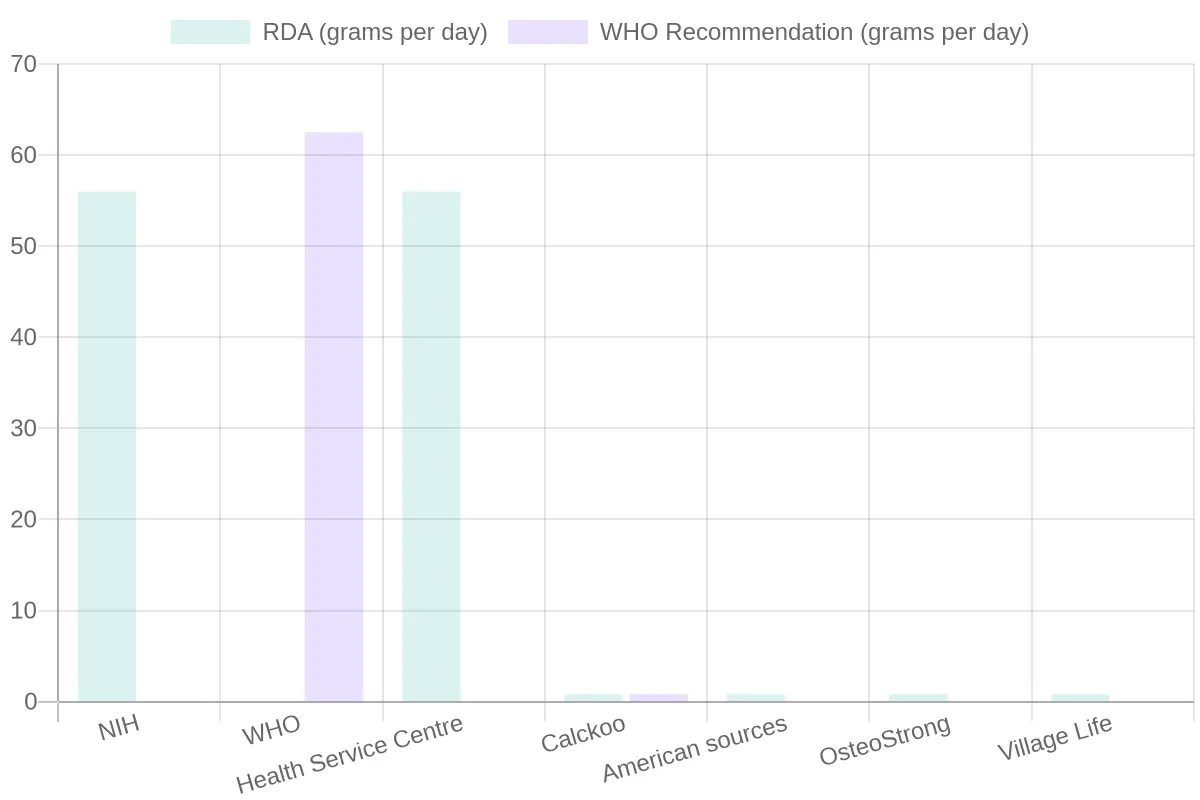
In conclusion, understanding and adjusting daily protein needs according to professional dietary guidelines can help adults maintain their health, especially in busy work environments like those in the restaurant and food service industries. By keeping these recommendations in mind, business owners can better support their employees’ health and productivity.
Complementing Protein with Korean BBQ Side Dishes
When it comes to enhancing protein intake in Korean BBQ, the side dishes (known as banchan) play a crucial role. These sides not only add flavor and variety but also contribute essential nutrients that balance out the larger protein sources like grilled meats. Here’s a list of popular Korean BBQ side dishes along with their protein content:
- Kimchi: This classic fermented dish has about 2g of protein per half-cup. Kimchi is rich in probiotics, making it beneficial for gut health and digestion.
- Cheesy Corn: With approximately 4g of protein per serving, cheesy corn combines sweet and savory flavors, providing a comforting and filling addition to the meal.
- Pickled Vegetables: Variants like pickled radish or cucumber offer around 1g of protein per serving. They’re low-calorie, refreshing elements that cleanse the palate.
- Bean Sprouts: These provide about 3g of protein per cup. They’re often seasoned with sesame oil and garlic, making them a tasty, crunchy side.
- Seasoned Greens: Dishes such as spinach with sesame can deliver roughly 4g of protein per cup. They are nutrient-dense, with added vitamins and minerals that enhance overall health.
Including these side dishes not only boosts the nutritional profile of your BBQ meal but also ensures a variety of flavors and textures that please the palate. For more insights on the benefits of Korean BBQ, learn more about our offerings at Kogi Korean BBQ.
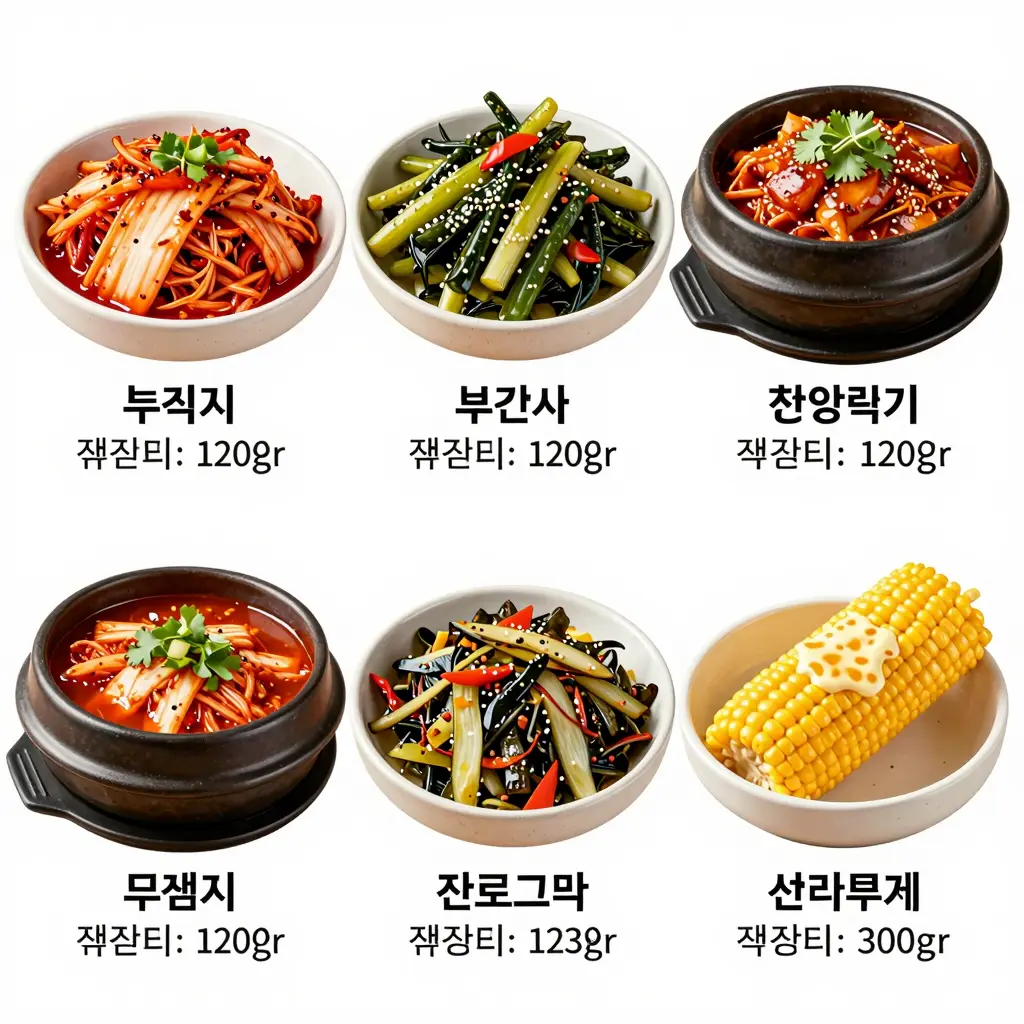
These side dishes exemplify how thoughtful culinary combinations can enhance both taste and nutrition, making any Korean BBQ experience well-rounded and satisfying. By incorporating a range of banchan, business owners can create a more appealing menu that highlights the diverse benefits of a Korean BBQ meal.
Protein Content of Korean BBQ Meats
Korean BBQ is not only delicious but also packed with protein, making it a popular choice for health-conscious diners and meat lovers alike. The protein content varies among the different types of meats commonly used in these barbecues. Below is a chart that visualizes the protein content of popular Korean BBQ meats:
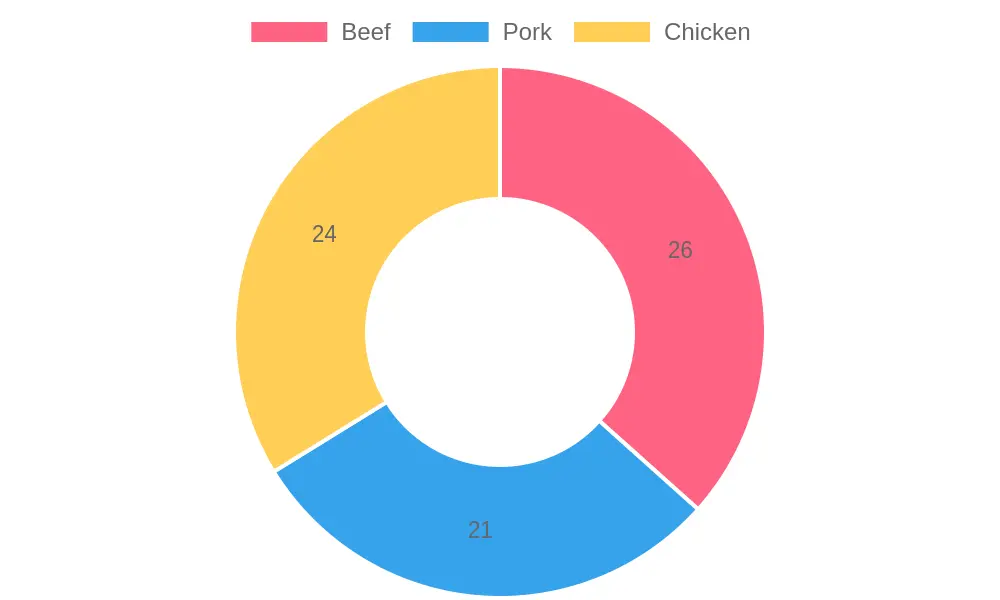
| Meat Type | Protein Content (per 100g) |
|---|---|
| Beef | 26g |
| Pork | 21g |
| Chicken | 24g |
As seen in the chart, beef has the highest protein content at 26 grams per 100 grams, followed closely by chicken with 24 grams, and pork at 21 grams. This information is essential for business owners in the food industry, particularly those serving Korean BBQ, as it can help tailor their menu offerings to meet customer dietary preferences.
For more insights about the variety of Korean BBQ dishes and dietary options, you can explore our menu. Whether it’s for hosting events or daily specials, understanding the nutritional aspects can give your business a competitive edge.
Conclusion
Incorporating Korean BBQ into a healthy eating plan can be an exciting and delicious way for businesses to cater their events and gatherings. With its high-quality protein sources and vibrant array of vegetables, Korean BBQ is not only enjoyable but also nutritious. Grilled meats, such as beef and chicken, provide essential amino acids that support muscle recovery and overall health. The presence of essential vegetables and traditional side dishes adds fiber and a variety of vitamins and minerals, making it a well-rounded option for any meal.
Employers looking to promote a healthier workplace culture should consider the benefits of serving Korean BBQ during team lunches or corporate events. With its customizable nature, each attendee can tailor their meal to their dietary preferences, allowing for both meat lovers and vegetarians to enjoy. This flexibility is further complemented by the interactive experience of grilling at the table, which fosters camaraderie and team bonding.
For those wary about calorie considerations, it’s important to recognize that Korean BBQ can be enjoyed in moderation, ensuring a balance between indulgence and health. Offering options like low-fat protein and a variety of grilled veggies means that Korean BBQ can align perfectly with health-conscious eating patterns.
In conclusion, integrating Korean BBQ into your business’s catering options not only delights the palate but also supports employee well-being. As you explore creative ways to enhance workplace events, consider the nutritious and flavorful possibilities that Korean BBQ brings to the table.
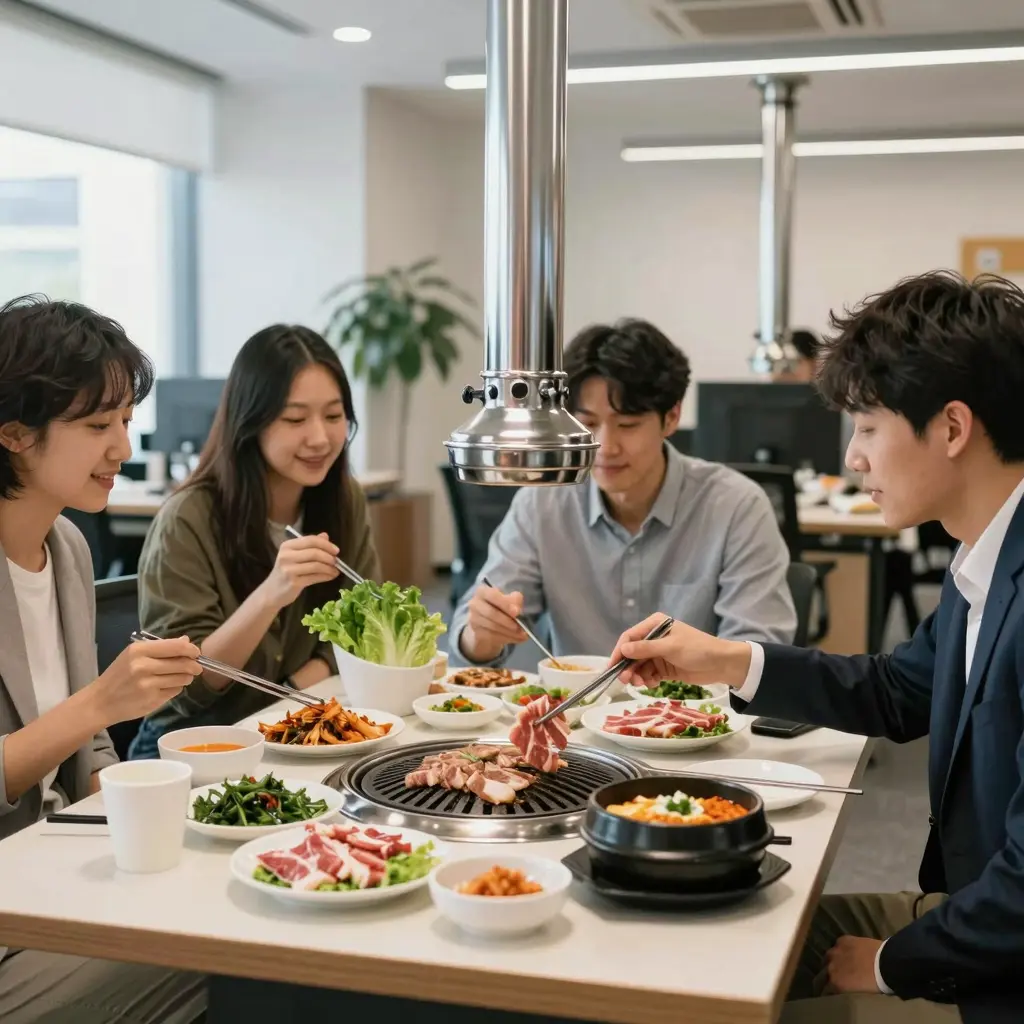
Korean BBQ sets the stage for healthy, interactive dining with colleagues.
The Importance of Protein in Korean BBQ
Protein plays a crucial role in our diets, especially for those seeking to maintain muscle mass and support overall health. As professionals in the food industry, understanding protein’s significance can help you cater to health-conscious consumers. Here’s a relevant quote from a nutritionist:
“Protein is essential for growth, repair, and maintaining muscle mass, especially in busy lifestyles. Ensuring a proper intake can enhance physical performance and support recovery processes.”
Integrating dishes rich in protein, such as those found in Korean BBQ, not only satisfies cravings but also contributes to a balanced diet. For more on integrating diverse menu options, consider exploring our all-you-can-eat Korean BBQ offerings.
Adding protein-rich components can elevate your menu and cater to health-centric customers.
Take Your Dietary Needs to the Next Level
As a business owner, catering to the dietary requirements of your customers is crucial, especially when it comes to popular cuisines like Korean BBQ. The right balance of flavors and nutrition can elevate your dining experience and keep customers coming back for more. If you’re looking to enhance your menu with delicious, protein-rich options tailored to your clientele’s needs, we are here to help!
At Kogi Korean BBQ, we specialize in providing tailored solutions for your dietary needs, from delicious BBQ to innovative menu options that include a range of protein sources. Whether you are looking to integrate healthier options or simply want to diversify your offerings, we can support you.
Why Choose Us?
- Expert Consultation: Our team will work closely with you to understand your specific requirements and customer preferences.
- Quality Ingredients: We source only the finest ingredients to ensure your dishes not only taste great but are packed with nutritional value.
- Menu Innovation: With our extensive knowledge of Korean cuisine, we can help you create signature dishes that stand out while meeting dietary guidelines.
Get in Touch Today!
Don’t let your menu fall flat! Reach out to us at Kogi Korean BBQ for personalized support tailored to your business’s unique needs. Let’s work together to make your restaurant the go-to destination for delicious and healthy Korean BBQ. Contact us today to schedule a consultation and discover how we can transform your offerings!