
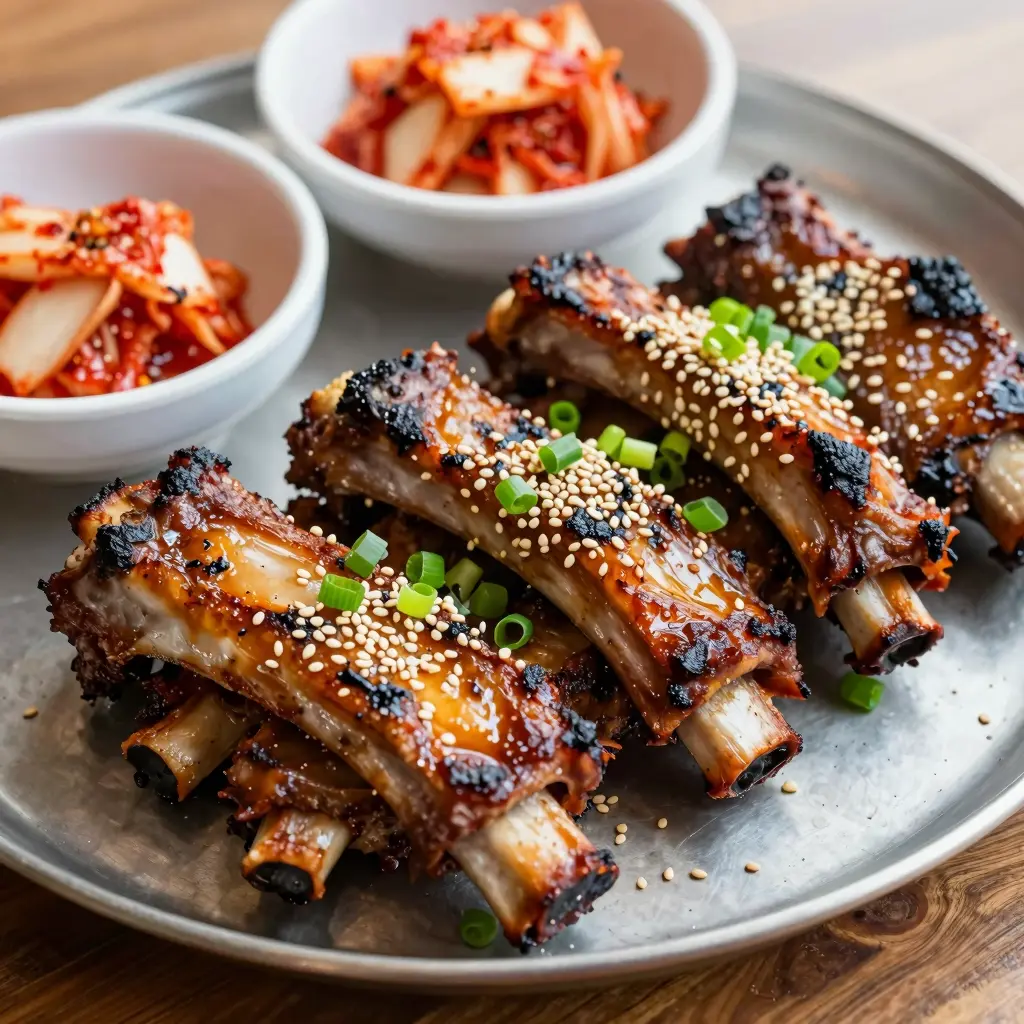
The Delicious Allure of BBQ Korean Ribs
Barbecued Korean ribs, with their mouthwatering combination of sweetness and savory umami, have captured the hearts-and appetites-of food lovers everywhere. Touted for their rich flavors and tender meat, these ribs are quickly becoming a must-have at events and gatherings, especially among business owners looking to elevate their catering options. In recent years, the popularity of BBQ Korean ribs has surged, making them a star attraction on menus across the nation. Masterfully prepared, they offer an unforgettable dining experience that leaves guests craving more. With expert preparation techniques, including marinating in traditional gochujang and grilling to perfection, business owners can create not just a meal, but a culinary sensation that resonates with diners. For those looking to enhance their offerings, explore the diverse menu options available in the world of Korean BBQ, and discover how to bring the irresistible taste of these ribs to your events.
Choosing to incorporate BBQ Korean ribs into your culinary lineup is more than just a decision about food; it’s about building memories and a loyal customer base around delicious experiences. Dive into the unique techniques of grilling Korean ribs and learn how they can transform your catering services into a sought-after delight.
The Rich History of Korean BBQ
Korean BBQ, known locally as gogi-gui, has evolved through centuries, intertwining cultural significance with communal dining practices. This culinary art form mirrors the hospitality and warmth embedded in Korean culture, where food preparation becomes a shared experience rather than just a means of sustenance.
The roots of Korean BBQ can be traced back to prehistoric times when meat was grilled and shared among tribes. However, its true evolution began during the Goryeo Dynasty (918-1392), when the use of a grill became popular for food preparation. As various regions of Korea developed their unique grilling techniques, the practice began to take on distinct characteristics that defined Korean BBQ.
Cultural Significance
At its heart, Korean BBQ embodies the spirit of community and family. This tradition encourages patrons to gather around a grill, fostering conversations and connections. The atmosphere of shared cooking reflects an essential aspect of Korean culture-the importance of togetherness. Often, meals consist of a variety of marinated meats, vegetables, and a plethora of banchan (side dishes), amplifying the diverse flavors and textures experienced during a meal.
The evolution of Korean BBQ has adapted over centuries. In modern times, Korean BBQ establishments have sprouted globally, emphasizing accessibility and convenience while retaining traditional flavors. This blend of old and new appeals not only to customers craving authenticity but also to those seeking innovative dining experiences.
Moreover, the rise of fusion menu items has given Korean BBQ a new identity, integrating it into global culinary landscapes. For business owners, embracing these traditions and educating customers on the heritage behind dishes can lead to a deeper appreciation and loyal patronage.
As we explore how to barbecue Korean ribs and other staples, understanding the cultural heritage behind Korean BBQ enriches the dining experience. For businesses looking to make a mark, ensuring that this historical significance is acknowledged can be a rewarding endeavor.
To learn more about traditional Korean BBQ and its adaptations, check out our Korean BBQ and Sushi menu!
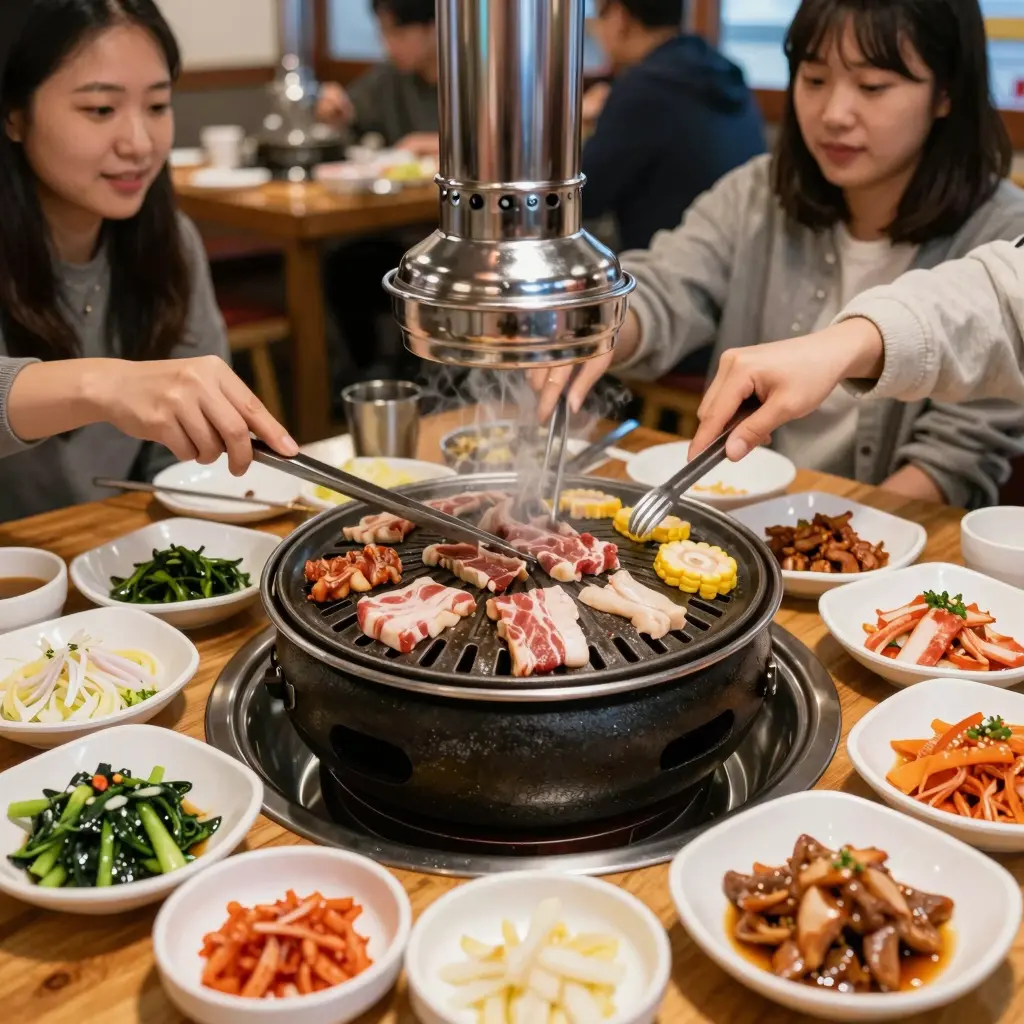
As the appeal of Korean BBQ continues to soar, the depth of its history and community-driven nature further establish its lasting impact on culinary practices worldwide. Don’t miss the chance to incorporate this rich tradition into your business!
Essential Ingredients for Korean BBQ Ribs
If you’re planning to serve delicious BBQ Korean ribs at your event, it’s crucial to gather the right ingredients. Here’s a concise list of essential items needed for preparing this popular dish:
- Short Ribs: This is the primary cut of meat for Korean BBQ ribs, typically cut into thin strips for quick grilling.
- Soy Sauce: Acts as a critical base for the marinade, providing umami flavor to the meat.
- Sugar: Brown sugar or honey adds sweetness and helps caramelize the meat when grilling.
- Garlic: Fresh minced garlic is a staple flavor that enhances the overall taste of the ribs.
- Ginger: Adds a touch of warmth and spice to the marinade, balancing the flavors.
- Sesame Oil: Offers rich flavor and aroma, contributing to the authenticity of the dish.
- Green Onions: Sliced green onions add freshness and can be used as a garnish.
- Pear or Apple: Pureed fruit helps tenderize the meat while adding a hint of sweetness to the marinade.
Combining these ingredients will create the signature savory and slightly sweet profile of Korean BBQ ribs. For an authentic experience, consider serving these ribs with side dishes like kimchi, rice, and pickled vegetables. Learn more about our Korean BBQ menu for additional ideas and inspirations.
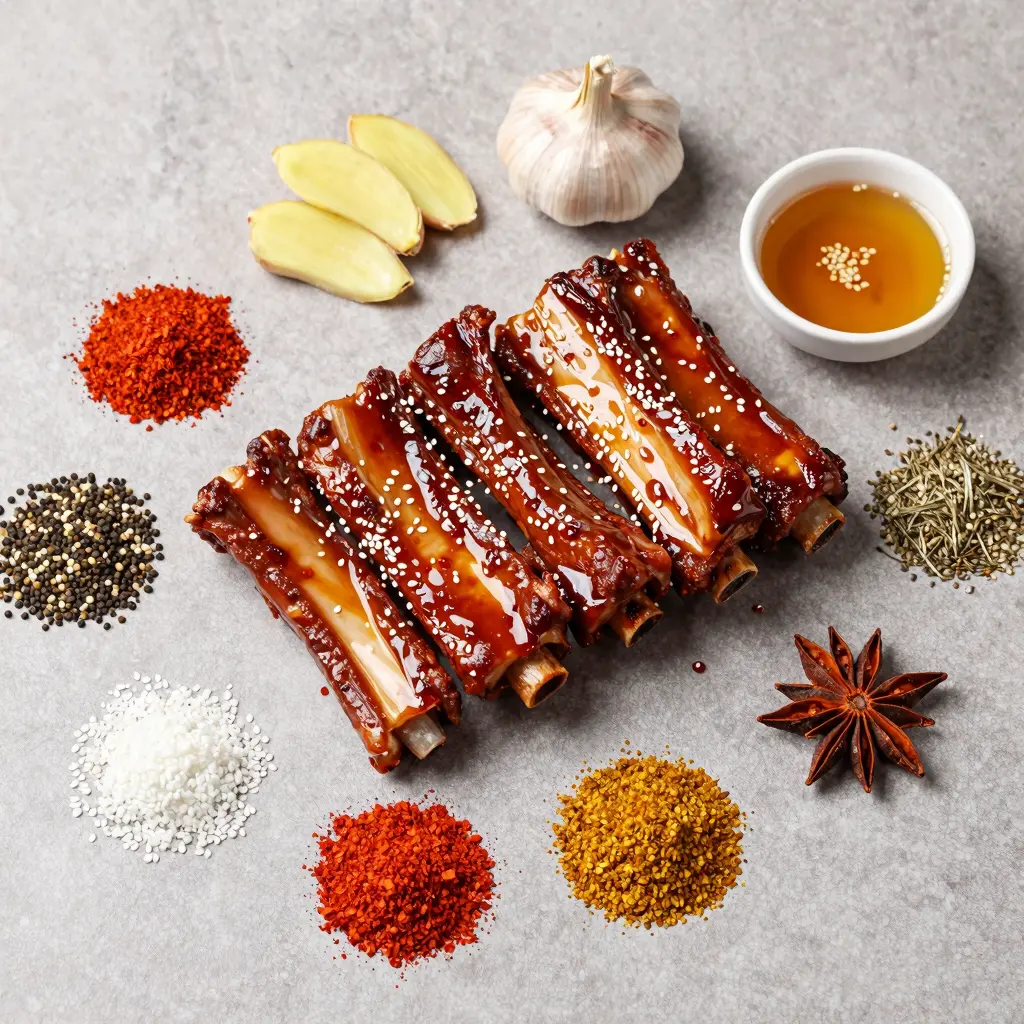
Step-by-Step Guide to Marinating Korean Ribs
Marinating Korean ribs, specifically the delicious Kalbi (short ribs), is a vital step in achieving that mouthwatering flavor profile that impresses clients and guests alike. Below is a detailed, actionable guide specifically tailored for business owners looking to elevate their barbecue offerings.
1. Gather Your Ingredients
Start with high-quality short ribs and ensure you have the following core marinade ingredients ready:
- Soy Sauce: 1 cup, for saltiness and umami.
- Brown Sugar: 1/3 cup, for sweetness and caramelization.
- Garlic: 6 cloves, minced, for aromatic flavor.
- Ginger: 1 tablespoon, grated, to enhance freshness.
- Sesame Oil: 2 tablespoons, for a rich, nutty aroma.
- Green Onions: 4 stalks, chopped, to add crunch and flavor.
- Black Pepper or Korean Red Chili Pepper: Optional, for an extra kick.
2. Prepare the Marinade
- In a mixing bowl, combine soy sauce, brown sugar, minced garlic, grated ginger, sesame oil, and black pepper (or chili). Whisk until the sugar is dissolved and everything is well mixed.
3. Marinate the Ribs
- Place the short ribs into a large zip-top plastic bag or shallow dish.
- Pour the marinade over the ribs, ensuring that they are well-coated. Seal the bag or cover the dish.
- For best results, marinate in the refrigerator for 4 to 8 hours. For fuller flavor absorption, overnight marination (8-12 hours) is ideal, but do not marinate longer than 24 hours to avoid mushiness.
4. Cooking Techniques
- Grilling: The preferred method! Preheat your grill to high heat and grill the marinated ribs for 3-5 minutes on each side until caramelized.
- Broiling: If grilling isn’t an option, broil on high for about 4-5 minutes on each side, keeping a close watch to prevent burning.
- Stovetop Searing: Heat a heavy skillet over medium-high heat. Sear each side for 4-6 minutes until nicely charred, then lower the heat to cook through.
5. Serving Suggestions
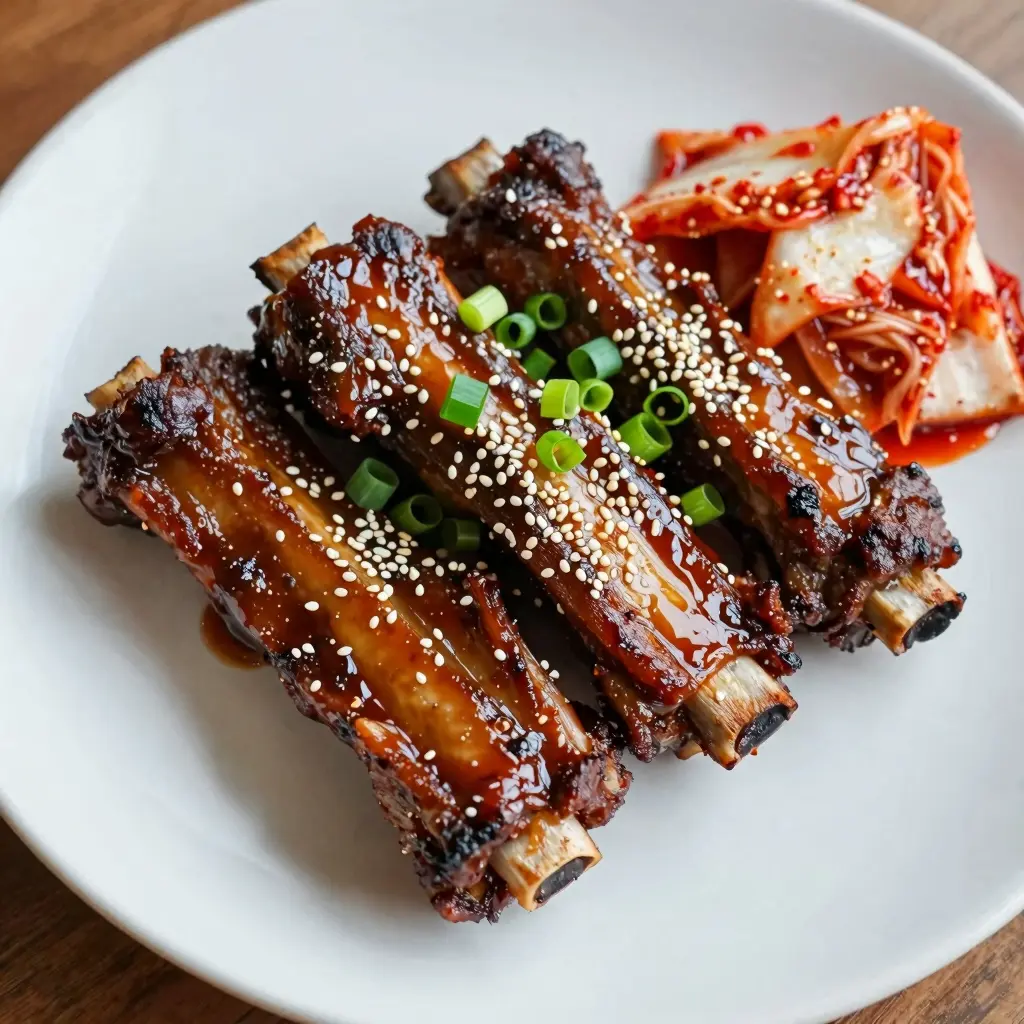
- Arrange the cooked ribs beautifully on a platter adorned with sesame seeds and chopped green onions.
- Serve alongside steamed rice and classic kimchi for an authentic experience that clients will rave about.
Tips for Success
- Timing is Key: While a minimum of 4 hours is acceptable, marinating overnight is preferred for the best flavor.
- Consistency in Marinade: Make sure the marinade reaches all parts of the meat for even flavor distribution.
- Experiment: Adjust ingredients like sugar or chili based on your target audience’s preferences.
With this step-by-step guide, you can confidently serve show-stopping Korean ribs that not only please the palate but also showcase your culinary skills. For more insights on Korean barbecue offerings, explore our menu options.
Comparison of Beef Cuts for Korean BBQ
Choosing the right cut of meat is crucial for a successful Korean BBQ experience. Below is a table that compares some popular cuts of beef suited for Korean BBQ, highlighting their respective costs, flavors, and recommended preparation techniques to help business owners make informed catering choices.
| Cut | Cost (per lb) | Flavor | Preparation Techniques |
|---|---|---|---|
| Ribeye | $15.99 | Rich | Grill |
| Sirloin | $9.99 | Medium | Quick sear |
| Bulgogi | $12.99 | Sweet/Savory | Marinate |
For more insights on the popular dishes in the Korean BBQ scene, check out our menu options. Additionally, explore the experience of our all-you-can-eat offerings here.
Cooking Methods for Korean Ribs: A Guide for Business Owners
Korean ribs, also known as “galbi,” are a favorite in Korean cuisine. They are flavorful and tender, making them a great option for catering. Business owners looking to add Korean BBQ to their menus can benefit from mastering various cooking methods, including grilling, oven roasting, and broiling. Each method has its pros and cons, and with the right tips, you can enhance the flavor of your ribs.
1. Grilling
Grilling is the classic method for cooking Korean ribs and is often preferred for its ability to impart a unique, smoky flavor to the meat.
Pros:
- Flavor: The direct heat from a grill gives a charred and smoky flavor, enhancing the taste of the marinated ribs.
- Texture: Grilling adds a crispy exterior while keeping the inside tender.
Cons:
- Temperature Control: It’s crucial to manage the heat to prevent burning.
- Weather Dependency: Outdoor grilling can be affected by weather conditions, which may not be suitable for all catering environments.
Tips for Grilling:
- Use high-quality charcoal or wood chips for added flavor.
- Preheat the grill well before placing ribs on it for even cooking.
- Marinate the ribs in a sweet and savory Korean BBQ marinade to enhance their flavors. A popular option can be found in this helpful guide on Korean BBQ marinades.
2. Oven Roasting
Oven roasting offers a convenient way to cook ribs, particularly for larger batches, and is less weather-dependent than grilling.
Pros:
- Consistency: It provides even heating throughout, ensuring that all ribs are cooked thoroughly.
- Convenience: Can be done indoors with minimal supervision.
Cons:
- Less Flavor Complexity: Lacks the smoky flavor associated with grilling unless appropriate spices or marinades are used.
- Potentially Dryer Meat: If not monitored properly, ribs can dry out in the oven.
Tips for Oven Roasting:
- Cover the ribs with foil to retain moisture and improve tenderness. Consider a step-by-step guide on how to cook beef short ribs Korean style.
- Start at a high temperature, then reduce it to allow for thorough cooking without dryness.
3. Broiling
Broiling is an alternative to grilling that utilizes high heat from above, similar to an upside-down grill.
Pros:
- Less Mess: Easier clean-up compared to grilling, especially with an indoor setup.
- Controlled Environment: Ideal for quick cooking and works well in smaller kitchens.
Cons:
- Heat Proximity: Needs constant monitoring to prevent charring and burning, which can happen quickly at high temperatures.
- Limited Quantity: May not cook large batches effectively at once.
Tips for Broiling:
- Keep an eye on the ribs while they cook to ensure they do not burn. Use timers for better control.
- Consider utilizing broiling techniques from culinary sources to achieve high-quality results.
Implementing in Catering Practices
For business owners, selecting the right cooking method will depend on your kitchen setup, staff capabilities, and the dining environment. Here are some implementation tips:
- Equipment: Invest in good-quality grills and ovens that can handle high volume cooking.
- Staff Training: Ensure that kitchen staff is trained in various cooking techniques, particularly focusing on temperature control and monitoring, to prevent mishaps.
- Menu Variability: Offer grilled, roasted, and broiled options in your menu to cater to diverse clientele preferences.
By harnessing these cooking methods effectively, you can create delicious Korean ribs that keep your customers coming back for more. Explore more about Korean BBQ options on our Kogi Korean BBQ menu to enhance your offerings!
Optimal Cooking Times and Temperatures for Korean Ribs
To ensure Korean ribs are cooked perfectly, different cooking methods and their respective times and temperatures are crucial for business owners to consider. The following chart serves as a quick reference guide:
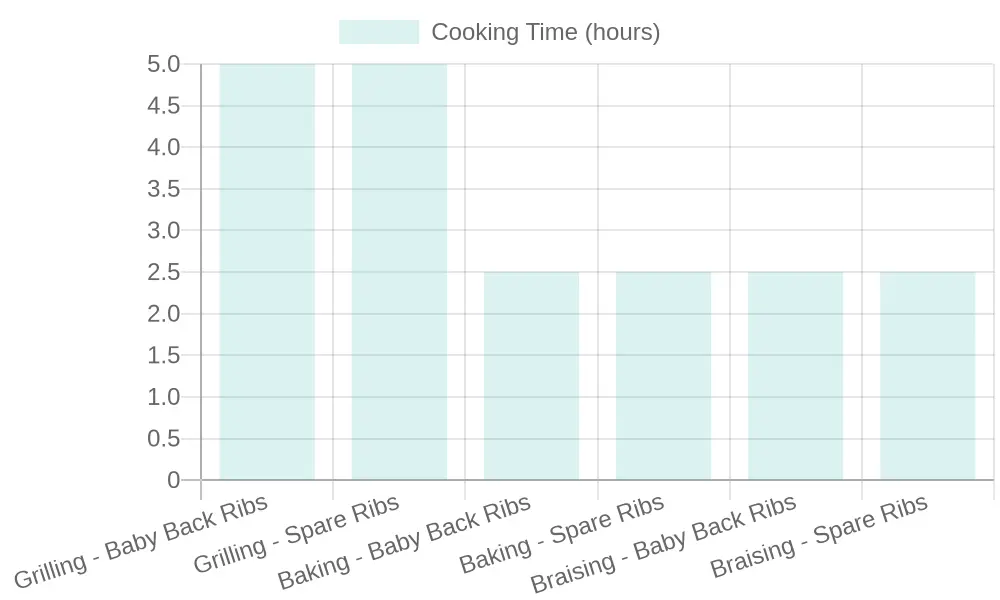
| Cooking Method | Meat Type | Temperature Range (°F) | Cooking Time |
|---|---|---|---|
| Grilling | Baby Back Ribs | 190 – 205 | 4 – 6 hours |
| Grilling | Spare Ribs | 190 – 205 | 4 – 6 hours |
| Baking | Baby Back Ribs | 190 – 205 | 2 – 3 hours |
| Baking | Spare Ribs | 190 – 205 | 2 – 3 hours |
| Braising | Baby Back Ribs | 190 – 205 | 2 – 3 hours |
| Braising | Spare Ribs | 190 – 205 | 2 – 3 hours |
For more insights into the preparation of delicious Korean BBQ, you can refer to our menu options here. Understanding these optimal conditions can greatly enhance the quality of the dishes served, ensuring customer satisfaction and repeat business.
Conclusion: Elevate Your Business Events with Korean BBQ Ribs
In summary, preparing Korean BBQ ribs for business events is not just about grilling delicious meat – it’s about creating a lasting impression that reflects your professionalism and hospitality. The distinctive flavors of Korean BBQ, combined with the interactive nature of grilling, allow for an unforgettable dining experience that can facilitate networking and collaboration among clients and colleagues.
As you have learned, there are several key points to consider:
- Choose Quality Ingredients: Selecting the right cuts of meat and marinating them properly is essential for taste and presentation.
- Create an Engaging Atmosphere: The interactive cooking experience of Korean BBQ encourages conversation and camaraderie, making it ideal for business gatherings.
- Consider Menu Variety: Offering a range of dishes, including side dishes and drinks, can cater to various tastes and dietary restrictions, enhancing the overall experience.
Taking the time to properly prepare Korean BBQ ribs and carefully plan your event will showcase your attention to detail and commitment to excellence. Whether you’re hosting a casual lunch or an important meeting, this approach will help ensure your event is memorable.
If you’re ready to elevate your next business event or need support in organizing a catered Korean BBQ, don’t hesitate to reach out. Contact us for expert advice or to get a quote tailored specifically to your needs. Visit our Kogi Korean BBQ menu to explore options that will impress your guests!
Ready to Elevate Your BBQ Experience?
Planning a BBQ event can be overwhelming, but it doesn’t have to be! By partnering with a professional catering service like Kogi Korean BBQ, you can turn your BBQ event into a memorable occasion. Our experienced team understands the nuances of organizing a successful BBQ, ensuring everything from the perfect marinades and cook times to the right ambiance is taken care of.
Whether you’re hosting a corporate event, a family reunion, or any special gathering, we’ve got you covered. Our menu options are extensive and customizable, providing authentic Korean BBQ dishes that will satisfy every palate. Plus, our hands-on service allows you to focus on enjoying the moment, while we manage the grilling and serving.
If you’re ready to discuss your BBQ plans, we invite you to contact us for quotes or support. Our team is dedicated to making your event seamless and delightful. Don’t hesitate to learn more about our catering services today! Let’s make your BBQ event unforgettable!
Your perfect BBQ is just a conversation away!