
Introduction to Korean BBQ
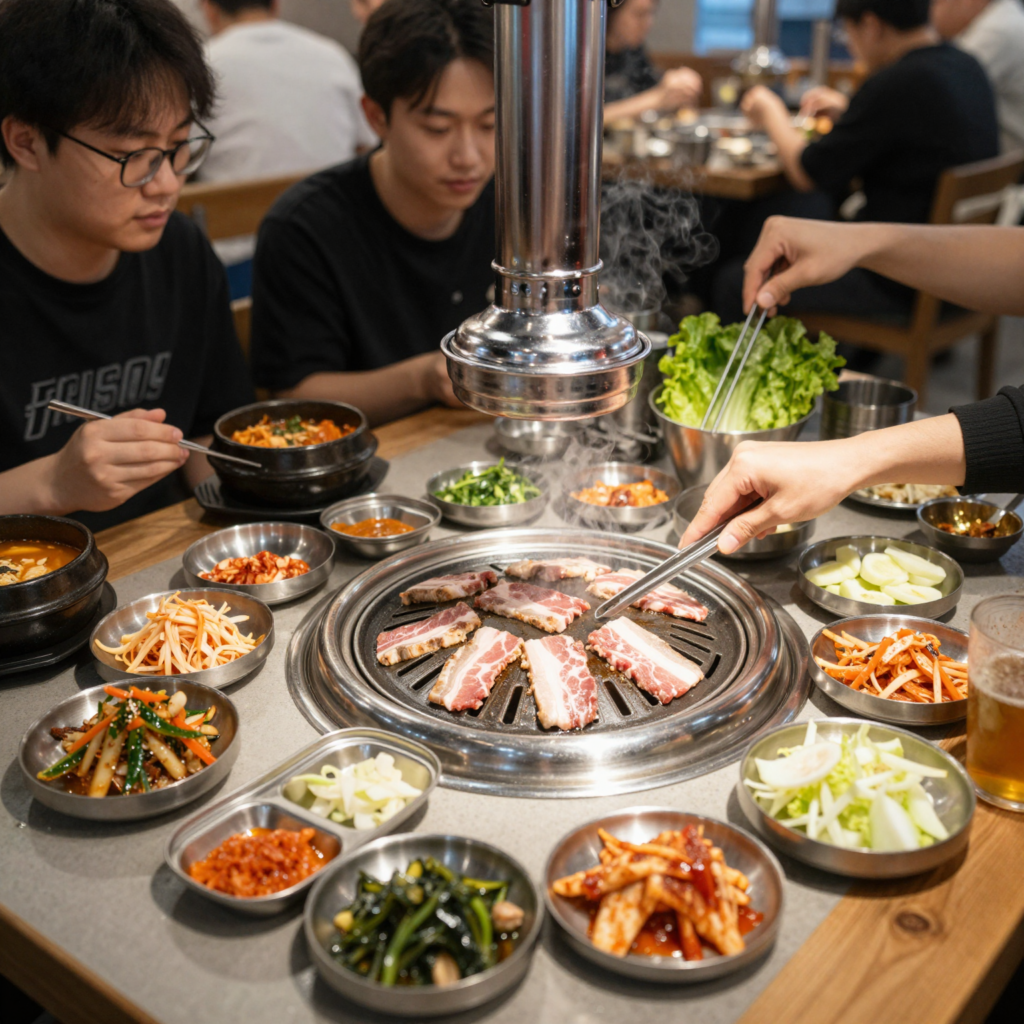
Korean BBQ, known as “Gogi-gui,” is more than just a dining experience; it is a vibrant cultural tradition that brings people together around sizzling grills directly at their tables. Unlike traditional barbecue styles that often focus on slow-cooking meats over wood or charcoal, Korean BBQ emphasizes quick-cooking marinated cuts, allowing for an interactive meal where diners participate in the cooking process. Essential ingredients like gochujang (spicy red pepper paste) and sesame oil, along with a plethora of banchan (side dishes), create a unique flavor profile that sets it apart from other BBQ cuisines. In this article, we will explore the essential features of Korean BBQ that can enhance culinary offerings for restaurant business owners, including menu diversity, dining styles, and the growing demand for all-you-can-eat formats. To learn more about great menu options, visit our Korean BBQ and Sushi menu.
The History of Korean BBQ
Korean BBQ, a culinary gem, has evolved from its regal origins to become a global sensation. Its roots can be traced back to ancient Korea, where meat grilling was a survival technique, evolving into a cultural ritual during the Goryeo and Joseon Dynasties. In the Goryeo Dynasty (918-1392), controlled grilling methods emerged, while during the Joseon era (1392-1897), grilled meats became popular in elite banquets. By the mid-20th century, particularly post-Korean War, this delicacy transitioned from exclusive dining to a widely celebrated communal meal enjoyed by families and friends.
Modern Korean BBQ is not only about food-it’s a social event characterized by a shared cooking experience at the table. This interaction is vital to Korea’s hospitality culture, often representing family bonding and communal spirit.
Cultural Implications and Market Trends
Today, Korean BBQ serves as a symbol of Korean identity and resilience, while also impacting global dining trends. Over the years, consumer demands have shifted towards experiences combining food with entertainment. Recent statistics show that as of 2026, the global market for Korean BBQ is expanding rapidly due to increased interest in communal dining, flavorful grilled dishes, and a surge in social media promotion of Korean cuisine.
- Market Growth: The global Korean BBQ restaurant market is projected to thrive, influenced by a rising appetite for authentic and flavorful dining experiences. Notably, North America and parts of Southeast Asia are seeing significant expansion due to a post-pandemic recovery in the foodservice sector.
- Consumer Preferences: The craving for smoky, grilled flavors and visually appealing meals influenced heavily by online platforms is transforming how restaurants operate. Traditional grills are evolving, with many establishments opting for advanced grilling technology to enhance both customer experience and operational efficiency.
To explore the menu offerings of Korean BBQ, check out the Kogi Korean BBQ menu. The allure of this communal dining experience continues to attract a diverse clientele, from families to young professionals, making it a lucrative venture for business owners.
Key Differences Between Korean BBQ and Traditional BBQ
-
Cooking Methods:
-
Korean BBQ: Utilizes a tabletop grill where guests cook their own thinly sliced, marinated meats (like bulgogi and galbi). The grilling is typically quick, often taking under 5 minutes per portion and emphasizing high heat.
-
American BBQ: Involves slow cooking on wood-fired pits or smokers for several hours, focusing on larger, tougher cuts of meat like brisket and ribs that develop deep, smoky flavors.
-
Ingredients:
-
Korean BBQ: Uses marinated meats that can include soy sauce, sesame oil, garlic, and fruit juices (like pear). Accompaniments often include fresh vegetables (lettuce, kimchi) for wrapping the meat.
-
American BBQ: Features dry rubs and sauces made primarily of tomato and vinegar, with side dishes like coleslaw and baked beans. Meats are typically seasoned with dry rubs before slow cooking.
-
Dining Experience:
-
Korean BBQ: Highly interactive and social; diners engage in grilling their food together, creating a communal atmosphere.
-
American BBQ: Focuses on savoring the final dish, typically served in a more laid-back environment with less participation in the cooking process.
-
Flavors and Texture:
-
Korean BBQ: Results in tender and juicy bites with a slightly caramelized surface due to high-heat grilling.
-
American BBQ: Yields fall-apart tender meat with rich, smoky layers developed from long cooking times.
For additional insights on Korean BBQ styles, check out our Kochi Korean BBQ menu and explore our extensive Korean BBQ and sushi menu.
Social Aspects of Korean BBQ
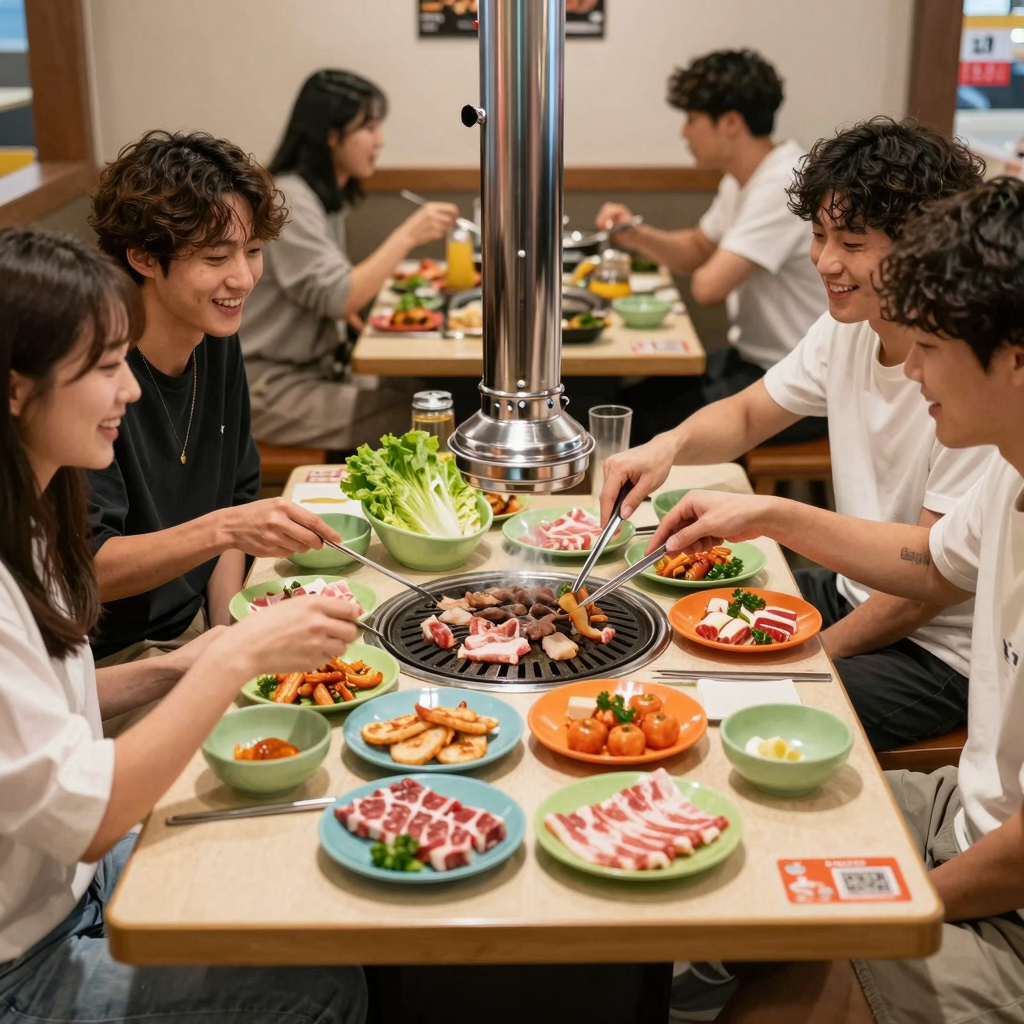
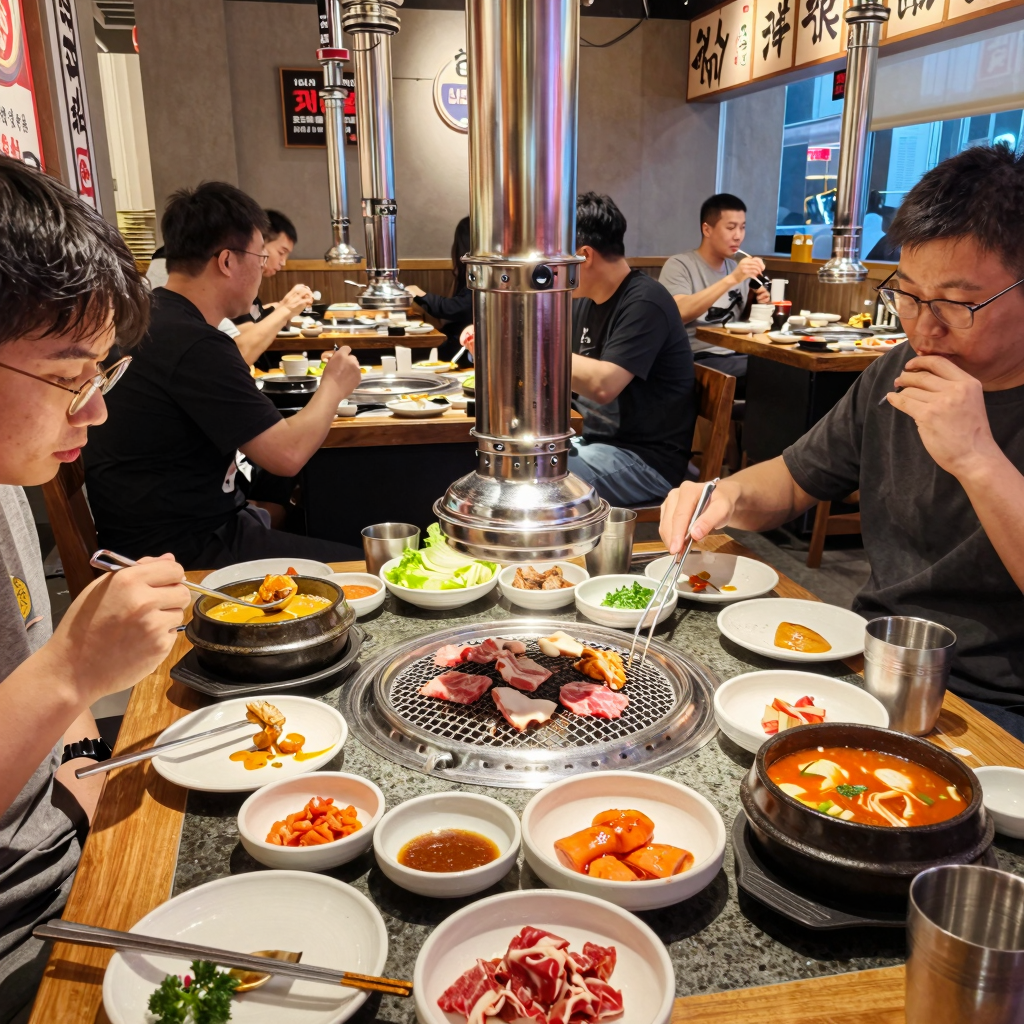
Korean BBQ is much more than a meal; it’s a vibrant social experience that encourages interaction and connection among diners. Central to the concept is the tabletop grill, where guests actively participate in cooking their own food, creating an atmosphere of collaboration and shared enjoyment. This unique dining format results in an engaging culinary ritual that enhances social bonds between friends, family, or colleagues.
Encouraging Conversation and Interaction
The act of grilling meat together allows diners to engage in lively discussions about preferred cooking styles and flavors. As they pass around plates of meats, sauces, and side dishes, they foster a communal environment that stimulates interaction. This participatory approach ensures that everyone has a role in the experience, promoting teamwork and connection. According to BBC Travel, this active involvement is a key reason why Korean BBQ is often chosen for gatherings-with the focus not just on the food but on strengthening relationships.
The Joy of Customization
Korean BBQ also offers an array of options, allowing diners to customize their meals. Guests can select different cuts of meat, sides, and dips, which creates opportunities for sharing preferences and trying new flavors together. This sensory experience-filled with smell, sound, and taste-transforms a simple meal into a dynamic event that heightens engagement, breaking down social barriers.
Recommendations for Restaurant Owners
For business owners, creating a space that emphasizes this communal dining experience can lead to vibrant, repeat customers. Consider incorporating table grills, offering diverse menu options, and designing a cozy atmosphere where people are encouraged to linger and connect. Such elements make dining at your establishment not just a meal, but a cherished social experience.
Popular Korean BBQ Dishes
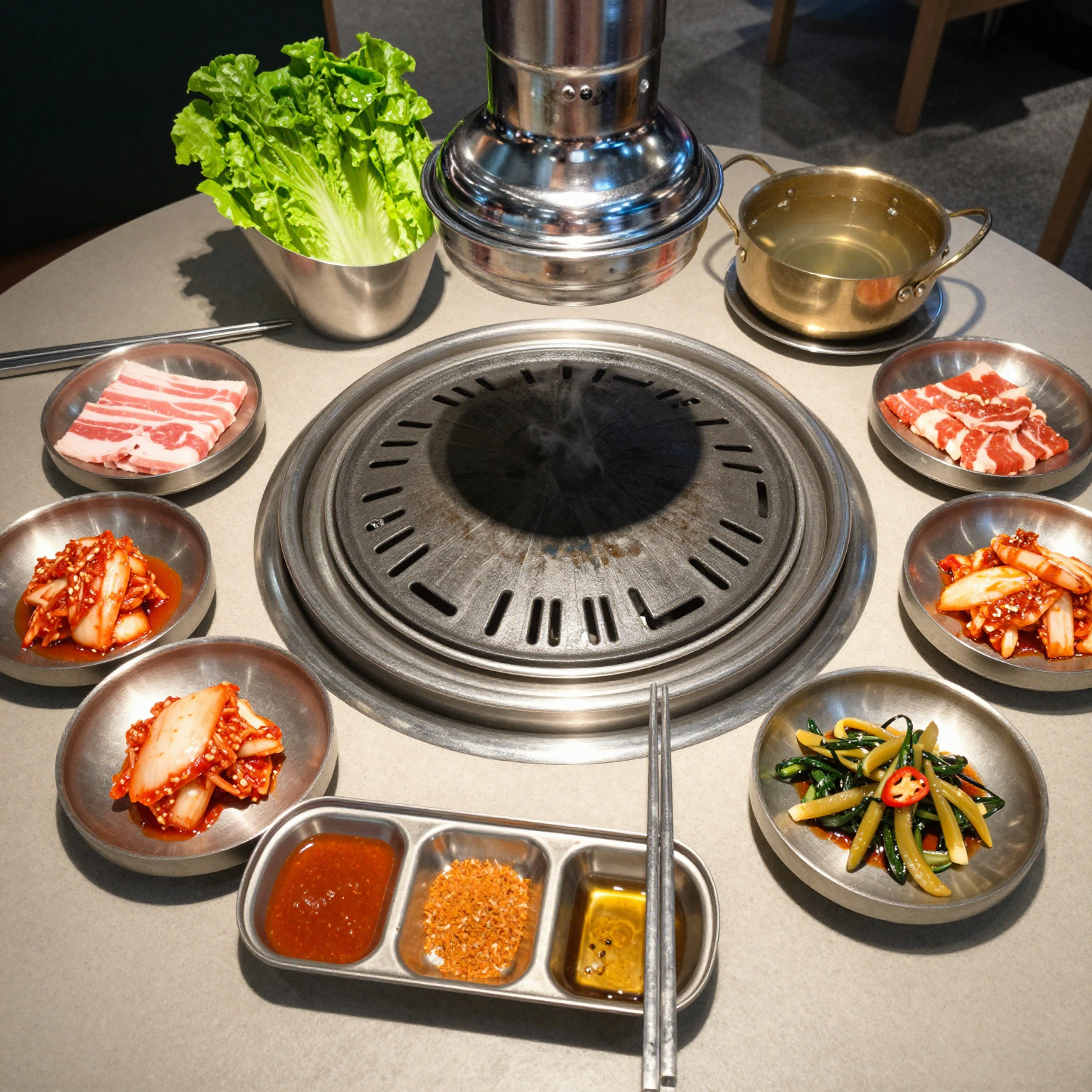
Korean BBQ, a delightful culinary experience originating from Korea, has captured the hearts and taste buds of food enthusiasts around the globe. This unique style of cooking involves grilling marinated meats at the dining table, creating a social and interactive atmosphere. Here, we explore some of the most popular dishes in Korean BBQ, along with insights relevant for culinary business owners and emerging trends.
1. Bulgogi
Bulgogi, which translates to “fire meat,” is one of the most recognizable Korean BBQ dishes. It is prepared using thin slices of marinated beef, typically ribeye or sirloin, that is marinated in a mixture of soy sauce, sugar, sesame oil, garlic, and pepper. The marinade not only tenderizes the meat but also imparts a sweet and savory flavor. Cooking bulgogi on a grill enhances its charred exterior while keeping the inside juicy. Businesses looking to expand their menu should consider incorporating bulgogi due to its widespread popularity and versatility.
2. Galbi
Galbi, or Korean short ribs, is another classic that requires marination. Cut from beef ribs, the meat is marinated in a sauce similar to bulgogi but may also include grated pear for sweetness. This dish is renowned for its tenderness and rich flavor. As demand for premium cuts of meat increases, offering galbi can attract a more discerning customer base willing to pay a premium for quality dishes.
3. Samgyeopsal
Samgyeopsal consists of thick slices of pork belly, often grilled at the table. Unlike other dishes, samgyeopsal is typically served unseasoned, allowing the natural flavor of the meat to shine. Customers are encouraged to wrap the grilled pork in lettuce leaves, along with garlic, green peppers, and a dollop of ssamjang (a thick dipping sauce). This dish highlights a trend towards experiential dining, where customers engage directly with their food preparation.
4. Vegetarian Options
As more patrons seek health-conscious choices, many Korean BBQ restaurants are introducing vegetarian options such as grilled mushrooms, tofu, and various seasoned vegetables. By offering these dishes, businesses can tap into the growing vegetarian and vegan markets while ensuring inclusivity on their menus.
Culinary Business Trends
According to a recent Market Research Future report, the South Korean BBQ grills market is projected to reach $8.75 billion by 2025, with a compound annual growth rate (CAGR) of 6.6% up until 2033. This growth reflects the increasing popularity of BBQ experiences, highlighting the potential for new establishments focusing on authentic and high-quality Korean BBQ. Additionally, trends indicate a rise in fusion concepts that blend traditional dishes with modern flavors, catering to diverse consumer preferences.
In summary, the diverse and flavorful nature of Korean BBQ makes it an attractive option for culinary business owners looking to capture a larger audience. By understanding popular dishes and current market trends, restaurants can tailor their offerings to better meet consumer demands, ultimately leading to success in the competitive dining landscape.
Rise of Korean BBQ: A Growing Phenomenon
Korean BBQ (KBBQ) has experienced a significant upward trend in popularity, particularly in recent years. Here are some insights into its rise and business potential:
Global Popularity Statistics
According to data from a 2024 survey on Korean food popularity, Korean cuisine has become increasingly popular across various regions, with KBBQ standing out as a favored choice. In Southeast Asia, KBBQ has become especially popular, reflecting a trend where global audiences seek unique dining experiences that provide interactive and social dining; KBBQ fits this bill perfectly.
Market Growth Overview
Recent reports indicate the South Korean BBQ grills market was valued at approximately USD 8.75 billion in 2025, with a projected CAGR of 6.6% from 2026 to 2033. The demand for innovative cooking technology, particularly smart grills that integrate AI features, is driving this growth. By 2023, about 35% of newly sold grills featured such advancements. This push towards technology exemplifies KBBQ’s adaptability to modern consumer preferences.

Expanding Restaurant Footprint
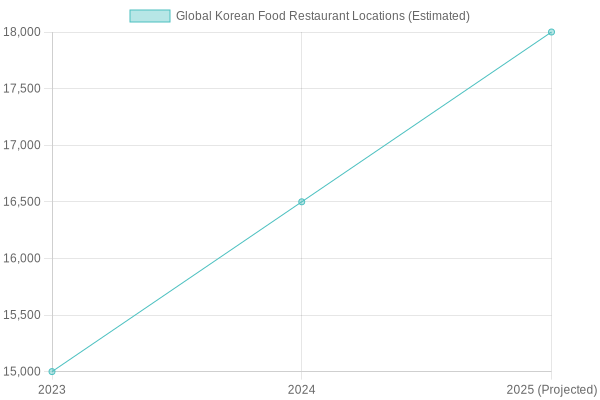
The number of Korean food restaurants globally has surged, with an estimated 15,000 locations in 2023, marking significant year-on-year growth. This is expected to rise to 18,000 by 2025, indicating robust international expansion, especially in regions like North America and Latin America. Such growth is influenced not only by cultural phenomena like K-pop but also by the increasing desire for diverse culinary experiences.
Conclusion
The rise in KBBQ’s popularity signifies a lucrative opportunity for business owners. As consumer preferences continue to evolve, those in the food and restaurant industry should consider incorporating Korean BBQ offerings to capitalize on this growing trend and meet the appetites of a diversifying clientele. For more on menu options, you can check out our Korean BBQ and Sushi Menu.
| Category | Korean BBQ | American BBQ | Other BBQ (e.g., Caribbean, Mexican) |
|---|---|---|---|
| Primary Flavor Base | Gochujang (fermented red chili paste), Doenjang (fermented soybean paste) | Tomato Paste, Vinegar, Molasses | Honey, Brown Sugar, Soy Sauce |
| Aromatic Elements | Garlic, Sesame Oil, Green Onion, Fresh Ginger | Smoked Paprika, Black Pepper, Onion | Cumin, Coriander, Garlic, Onions |
| Sweeteners | Pear Puree, Brown Sugar, Rice Syrup | Molasses, Brown Sugar, Honey | Honey, Brown Sugar, Maple Syrup |
| Umami & Depth | Doenjang, Soy Sauce, Fermented Pastes | Smoke (from wood/charcoal), Worcestershire Sauce | Fish Sauce, Malt Vinegar, Citrus Juice |
| Heat Source | Gochujang, Gochugaru (Korean chili flakes) | Cayenne Pepper, Hot Sauce | Habanero, Chipotle Peppers, Scotch Bonnet |
Sources:
- Top Korean BBQ Sauce Recommendations For Authentic Flavor
- How To Make A Spicy Korean-Style BBQ Sauce At Home
- Korean cuisine’s rise in Australia
Conclusion
In conclusion, understanding the distinct differences presented in Korean BBQ, from the variety of meats and marinades to the unique grilling experiences, is essential for business owners in the food industry. By recognizing these cultural nuances, restaurant owners can better cater to customer preferences, offering authentic experiences that resonate with both local patrons and visitors. This understanding not only fosters customer satisfaction and loyalty but can also enhance operational strategies, potentially leading to increased profitability.
As we’ve outlined, distinguishing between traditional Korean BBQ methods and modern adaptations can give restaurants a strategic advantage in a competitive market. By embracing cultural culinary differences, businesses can effectively engage with diverse clientele and build lasting relationships based on trust and mutual appreciation.
For business owners looking to delve deeper into how Korean BBQ can be leveraged for success, don’t hesitate to learn more about menu offerings or explore authentic dining experiences. Feel free to reach out for further details on how to integrate these culinary insights into your business strategy!
Emphasizing the Value of Korean BBQ
Korean BBQ isn’t just a meal; it’s an experience that brings people together. According to food critic Min-Ji Lee, “Korean BBQ delivers exceptional value when you consider the interactive dining experience, high-quality marinated meats, and generous portions. Even at premium locations, the cost per gram of protein is significantly lower than other fine-dining options. For those who enjoy cooking their own food and sharing meals, it’s one of the most rewarding culinary experiences in Asia.” This perspective can inspire business owners to differentiate their offerings by providing not just food but an authentic cultural experience.
For more on enhancing the Korean BBQ experience, check this out.