
Exploring Korean BBQ: Flavors That Ignite Passion
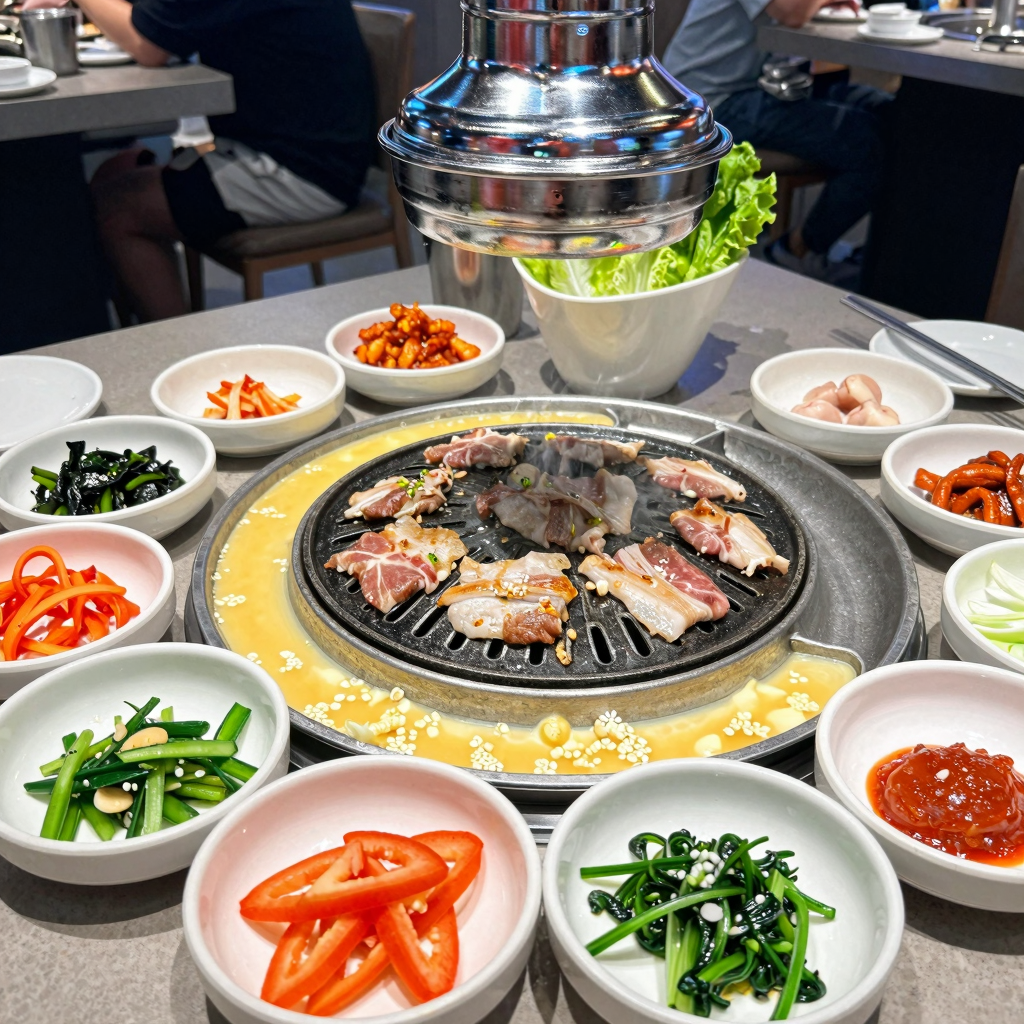
Korean BBQ has taken the culinary world by storm, captivating taste buds and skyrocketing in popularity across various cultures. But what is it about this dynamic dining experience that draws people in? The answer lies not only in the enticing flavors and the thrill of grilling your meal right at the table but also its cultural significance that fosters community and connection. For many, asking “how hot is Korean BBQ” extends beyond the physical heat of the grill; it encompasses the passion and warmth shared during meals with friends and family. In Korea, BBQ is more than just food; it is an event, often marked by laughter, storytelling, and the sharing of unique side dishes known as banchan. Whether you’re a seasoned restaurant owner or venturing into the world of Korean cuisine, understanding the cultural context of Korean BBQ can provide valuable insights into its emotional and social dimensions. Discover more about this vibrant dining scene as we delve deeper into what makes Korean BBQ not just a meal, but a cherished cultural practice.
The Ideal Temperature Range for Korean BBQ Cooking
When it comes to Korean BBQ cooking temperatures, understanding the optimal ranges for various meats is crucial for achieving that authentic flavor and texture. The two staple meats in Korean BBQ-bulgogi and galbi-have specific temperature requirements to unlock their full culinary potential.
Bulgoi (Marinated Beef)
Bulgogi, a popular dish made from thinly sliced marinated beef, is best cooked at high heat. The optimal temperature for grilling bulgogi ranges from 400°F to 450°F (200°C to 230°C). At this temperature, each side should be cooked for approximately 60 to 90 seconds. This quick cooking method not only helps in obtaining a nice sear but also ensures that the inside remains juicy and tender, thanks to the caramelization of sugars in the marinade (source).
Galbi (Short Ribs)
In contrast, galbi, which consists of marinated short ribs, requires a slightly lower cooking temperature between 375°F to 400°F (190°C to 200°C). Cooking time for galbi is also longer, usually about 3 to 5 minutes per side. This moderate heat allows the fat to render slowly, resulting in tender meat that does not dry out, while still creating a flavorful char on the outside (source).
Tips for Perfect Cooking
- Use a Grill or Cast Iron Skillet: A well-preheated grill or a cast iron skillet distributes heat evenly, ensuring that the meats cook perfectly.
- Monitor Internal Temperature: For medium-rare bulgogi, aim for an internal temperature of 130°F to 135°F (54°C to 57°C). For galbi, you may want to reach 145°F (63°C) to ensure safety and optimum tenderness.
Getting the temperatures right is fundamental in Korean BBQ, enhancing the experience for both customers and chefs alike. Understanding these meat types and their respective cooking requirements will help business owners provide a memorable dining experience at their establishments. For assistance with creating the perfect Korean BBQ menu, check out our menu options.
Cooking Times and Temperatures for Korean BBQ Meats
When it comes to Korean BBQ, cooking meat to perfection is vital for the best flavor and texture. Below is a well-structured comparison table that outlines various types of meat commonly used in Korean BBQ, along with their recommended cooking temperatures and cooking times.
| Type of Meat | Recommended Temperature | Cooking Time per Side |
|---|---|---|
| Thinly sliced beef (Bulgogi) | 425°F (220°C) | 2-3 minutes |
| Beef short ribs (Galbi) | 450°F (230°C) | 3-5 minutes |
| Pork belly (Samgyeopsal) | 400°F (200°C) | 4-6 minutes |
| Chicken thighs (Dak-galbi) | 425°F (220°C) | 5-7 minutes |
| Fish fillets | 400°F (200°C) | 3-4 minutes |
Summary
- Always preheat your grill or stovetop griddle for even cooking.
- Flip the meat only once for optimal searing and flavor retention.
- Marinate your meats for at least 2 hours, preferably overnight, to enhance tenderness and flavor.
For more insights about Korean BBQ styles and menus, you can learn more about our offerings.
Cultural Significance of Korean BBQ in Business Settings
Korean BBQ is much more than a meal; it serves as a vital cultural institution in the realm of business, particularly in South Korea and among companies that engage with the Asian market. The dining experience of Korean BBQ uniquely fosters relationship-building among business partners, clients, and employees. Clients are invited to share a meal, showing they are valued. This practice is rooted in the belief that a meal cooked together demonstrates trust and camaraderie.
Establishing Relationships through Shared Meals
In informal business gatherings, the act of grilling food at the table promotes open communication, allowing participants to engage in conversation without the constraints typical of formal meetings. As noted in a Forbes article, such settings facilitate mutual respect and the breaking down of hierarchical barriers, making it easier for executives to connect on a personal level. A survey by the Korea Institute of Business Culture indicated that 73% of multinational companies operating in Seoul incorporate Korean BBQ into their networking strategies.
Korean BBQ as a Cultural Medium
The ritual of sharing food, such as grilling meat, aligns with core Confucian values that emphasize harmony and respect within professional relationships. According to BBC News, the practice of offering the first bite to others acts as a gesture of generosity that reinforces social cohesion in high-stakes contexts. Furthermore, these shared experiences are instrumental in assessing personality compatibility, building rapport, and eventually establishing lasting partnerships.
In summary, Korean BBQ effectively demonstrates how food can serve as a powerful tool in cultivating strong business relationships, embodying the essence of bonding, understanding, and trust.
Exploring the Health Implications of Korean BBQ
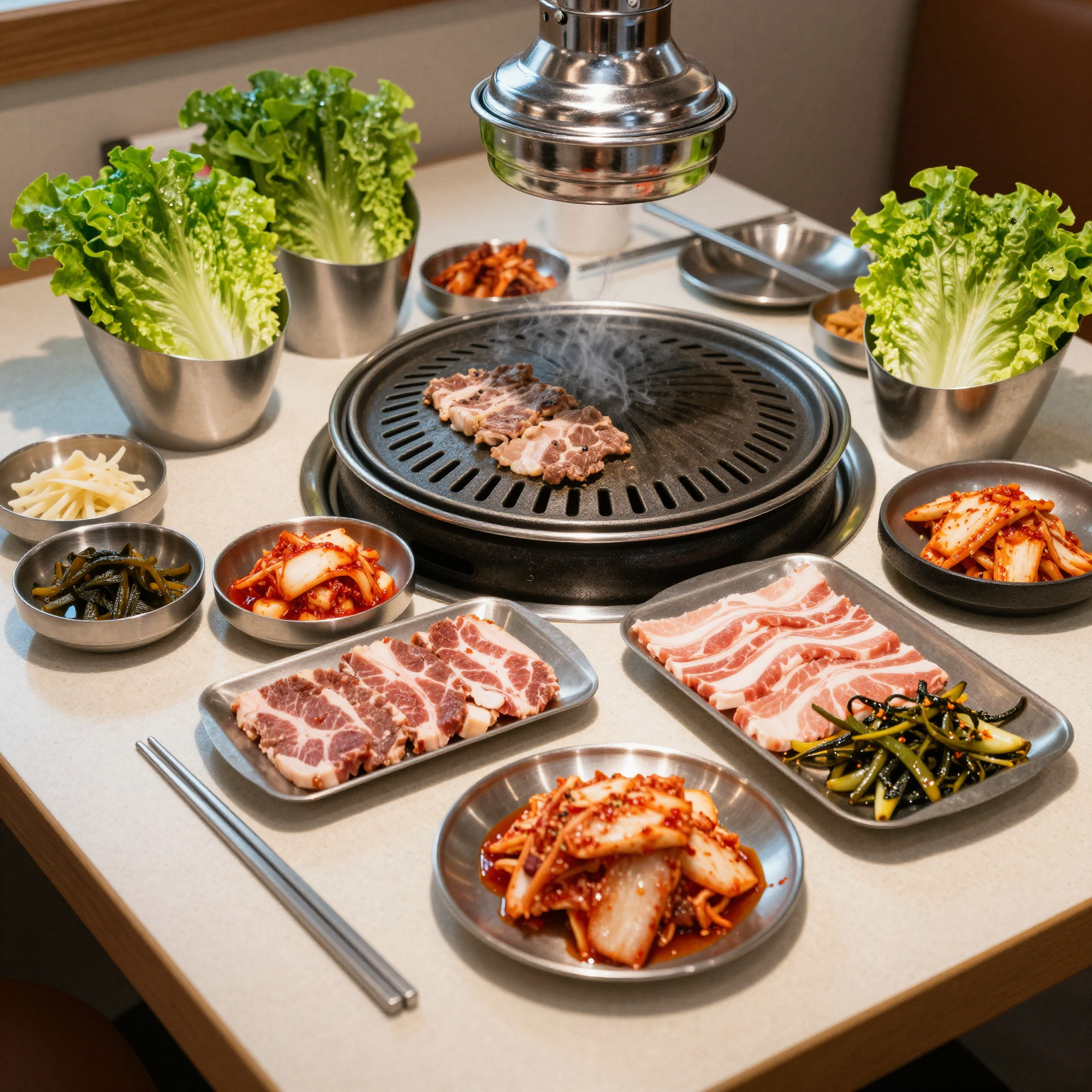
Korean BBQ is not only a popular dining experience but also provides numerous health benefits when enjoyed mindfully. Understanding its nutritional aspects, portion control, and potential health-conscious choices can add value to the dining experience while promoting healthy eating habits.
Nutritional Value of Korean BBQ
Korean BBQ is typically a feast of grilled meats, often accompanied by various side dishes known as banchan, including vegetables and fermented items like kimchi. The nutritional profile of the meats can vary, but many options are rich in protein while offering a low carbohydrate count. Below is a nutritional comparison for common types of Korean BBQ meats:
| Meat Type | Calories (per 100g) | Protein (g) | Fat (g) | Carbohydrates (g) |
|---|---|---|---|---|
| Beef (Ribeye, Grilled) | 270 | 26 | 19 | 0 |
| Pork (Belly, Grilled) | 350 | 20 | 28 | 0 |
| Chicken (Breast, Grilled) | 165 | 31 | 3.6 | 0 |
Sources: USDA FoodData Central, Eat This Much.
As seen, beef provides high protein content but also higher fat levels. In contrast, chicken offers lean protein with significantly lower calories and fat. This diversity allows diners to make tailored choices based on their individual dietary preferences and health goals.
Balanced Nutrition and Portion Control
Incorporating a variety of meats along with vegetables can portray a balanced plate characteristic of the Korean BBQ experience. Diners are encouraged to fill their plates with a colorful assortment of grilled vegetables, leafy greens, and a small portion of meat to ensure balanced nutrition. To maintain portion control:
- Focus on Variety: Including multiple vegetable sides can help balance caloric intake while providing essential vitamins and minerals. Options such as spinaches, mushrooms, and carrots contribute to a well-rounded meal.
- Mindful Eating: Eat slowly and savor each bite, which can prevent overindulgence and promote digestive health.
- Limit High-Calorie Sauces: While sauces like sesame oil and gochujang add flavor, they can also increase caloric intake. Opt for lighter dipping sauces to enjoy without excess calories.
For those interested in additional options, many establishments offer all-you-can-eat variations, making it crucial to choose wisely from menus like Kogi Korean BBQ’s offerings to create meals that support health goals.
Conclusion
Korean BBQ can be a healthy dining option when approached with a focus on nutritional balance and portion control. Embracing the variety of foods available allows both flavor satisfaction and health benefits, serving as an excellent option for social dining while keeping health considerations in mind. Enjoying dishes with high protein and low carbs can align with various dietary preferences, making it a versatile choice for health-conscious diners.
Top 5 Meats for Korean BBQ
-
Chadolbaegi (Thinly Sliced Ribeye)
Known for its abundant marbling, this meat is ideal for quick grilling. Its melt-in-the-mouth texture makes it a favorite among BBQ enthusiasts. -
Samgyeopsal (Pork Belly)
This quintessential Korean BBQ cut features a perfect balance of fat and meat. Grilling it leads to crispy edges and rich flavors, making it a must-try. -
Galbi (Beef Short Ribs)
These flavorful short ribs are marinated in a blend of sweet soy sauce and spices, resulting in a delicious glaze that caramelizes beautifully when grilled. -
Sogalbi (Sirloin/Flank Cut)
A leaner option than galbi, this cut offers great flavor and is best enjoyed when grilled to medium-rare for a tender bite. -
Dakgogi (Marinated Chicken Breast)
A lighter alternative, this chicken is often marinated in a sweet and savory mixture, making it a popular choice among those seeking a healthier option.
For more insights regarding the Korean BBQ experience, learn more about our menu.
In conclusion, experiencing Korean BBQ is not just about indulging in flavorful grilled meats, but also about embracing a unique social dining culture that encourages connection and conversation. The interactive nature of Korean BBQ, where guests take turns grilling their own meat, creates a camaraderie that is perfect for networking opportunities. With the rise of Korean pop culture enhancing interest in this cuisine, it has become a gateway for food lovers to explore broader Korean culinary traditions.
For business owners, introducing Korean BBQ into your dining or networking events can uplift the atmosphere, foster relationships, and create memorable experiences for clients and employees alike. Not only does this culinary option cater to diverse palates, but it also promotes a sense of community that can be beneficial in establishing strong business ties.
Don’t wait – contact us today to discover how Korean BBQ can elevate your next event and bring people together around the grill!
The Importance of Heat in BBQ Cooking
As any seasoned chef would tell you, the control of heat is integral to the art of barbecue. According to Ignacio Guillermo Virgen, a notable chef in the BBQ scene,
“The key to great BBQ is patience and control of heat-low and slow over wood fire allows the meat to develop deep flavor and tenderness.”
This highlights that the mastery of heat can transform a simple piece of meat into a culinary delight. For business owners interested in perfecting their BBQ offerings, understanding heat levels is crucial for achieving tender and flavorful dishes.
For those seeking to expand their BBQ knowledge and explore different menu options, consider checking out Kogi’s Korean BBQ and Sushi Menu and All-You-Can-Eat Korean BBQ Offerings.
Whether you’re hosting a BBQ event or running a restaurant, mastering the right heat levels will help you deliver an unforgettable dining experience.
Rising Popularity of Korean BBQ Restaurants: Insights for Business Owners
The Korean BBQ restaurant segment is experiencing remarkable growth, with numerous statistics highlighting its expanding market. According to the Statista 2023 report, the global Korean BBQ restaurant market size reached approximately $12.8 billion, marking a year-on-year growth of 14.6% compared to 2022. Major markets include South Korea, which accounts for 38% of the market, the United States at 25%, and China at 12%. This surge in popularity is driven particularly by younger consumers, where 22% more visits were recorded from Gen Z and Millennials in North America between Q1 and Q4 of 2023.
Key Trends Influencing Adoption
- Cultural Influence: The global popularity of K-pop and K-dramas has significantly impacted consumer demand for Korean cuisine, including Korean BBQ.
- Social Media Impact: Viral social media trends, especially on platforms like TikTok, have contributed to increased interest, particularly among younger demographics. In fact, 63% of American consumers aged 18-35 dined at a Korean BBQ restaurant in 2023, a significant rise from 47% the previous year. 58% of these diners stated that the interactive experience of grilling their food influenced their choice of dining.
- Franchise Expansions: Notable chains such as Kogi BBQ and Seoul Garden were pivotal in this growth, opening 11 new locations across the U.S. in 2023. Moreover, KPOT Korean BBQ & Hot Pot became the fastest-growing brand in the U.S., with sales climbing to $550 million by the end of the year (up from $300 million in 2020).
Conclusion
The evolving landscape of Korean BBQ restaurants provides a compelling case for investment and expansion. Business owners should harness these trends by enhancing their marketing strategies and customer engagement, leveraging social media, and considering franchise opportunities.
For more insights into Korean BBQ dining options, visit our pages on All You Can Eat Korean BBQ in Oakland and Kogi Korean BBQ.