
Introduction to Korean BBQ and Its Costs
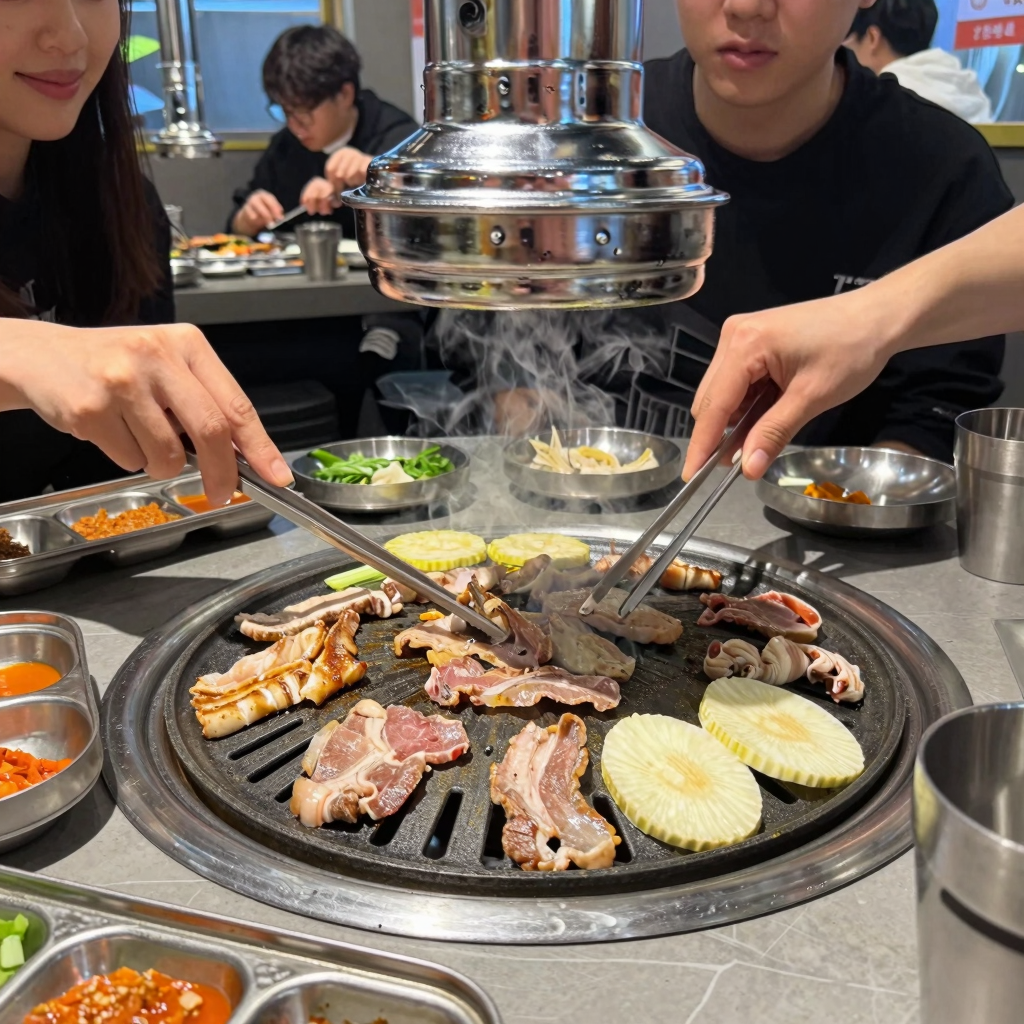
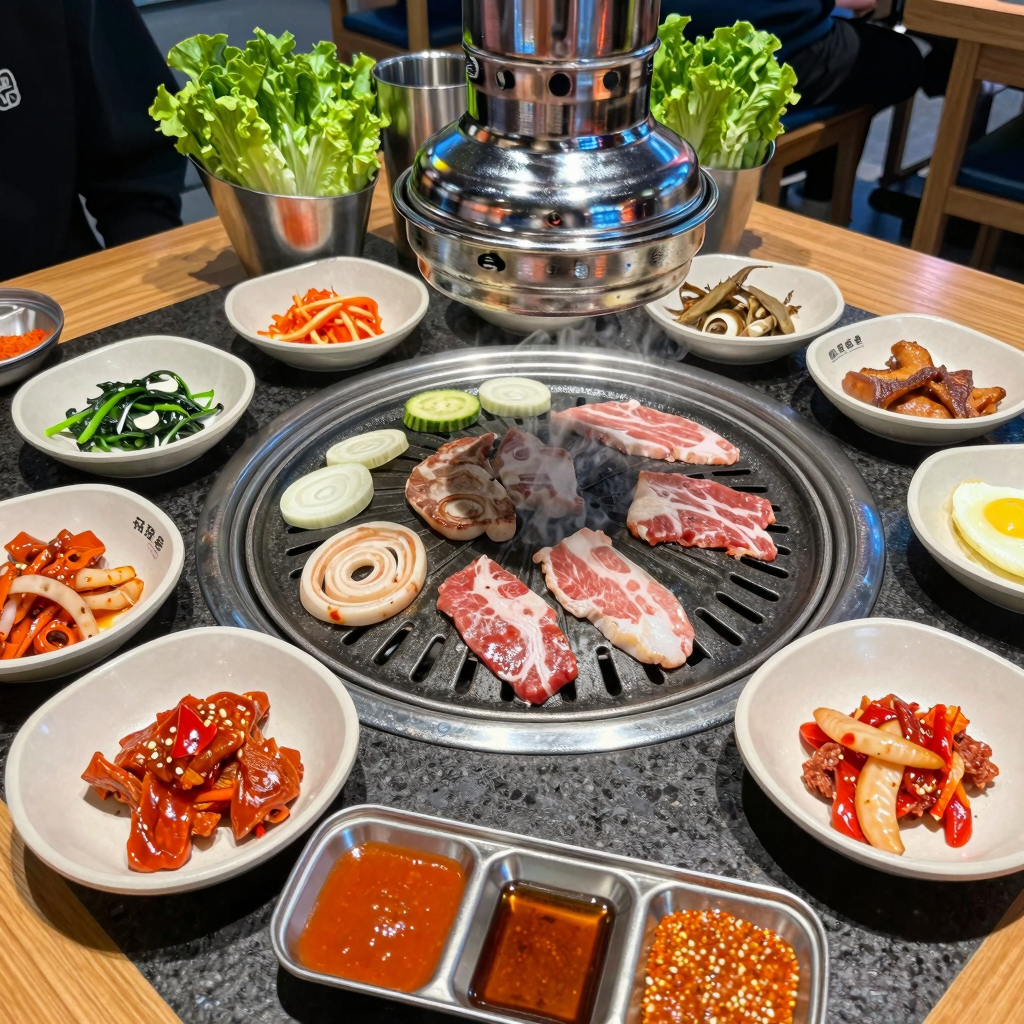
Korean BBQ has captured the taste buds of food enthusiasts around the globe, emerging as one of the most beloved dining experiences. Its unique blend of sizzling meats, interactive cooking, and vibrant flavors makes it a favorite among both casual diners and serious foodies. However, for business owners contemplating this culinary trend, a pressing question arises: how expensive is Korean BBQ? In bustling cities like Seoul, the average cost can range from ₩15,000 to ₩40,000 ($13-$35) per person, depending on the quality of the establishment and the choice of meats. Budget-friendly venues, which typically charge between ₩15,000 to ₩25,000, can be perfect for informal meetings. On the other hand, more upscale restaurants offering premium cuts often start at ₩31,700, providing excellent value for client dinners where an impressive ambiance is equally important. Understanding these price points can help business owners gauge how to incorporate this dynamic dining option into their strategy, whether for team-building outings or client engagements that leave a lasting impression.
For a detailed look at menu options, check out our guide on Korean BBQ and Sushi Menu or discover the nuances of pricing in our review of All-You-Can-Eat Korean BBQ in Oakland.
Benefits of Offering Korean BBQ in Restaurants
Korean BBQ has unique advantages for business owners looking to enhance their restaurant offerings. Here are some key benefits:
- Interactive Dining Experience: Korean BBQ allows customers to grill their meat at the table, creating a fun and engaging atmosphere that promotes social interaction.
- High Profit Margins: The average profit margin for a Korean BBQ restaurant ranges from 8% to 12%, with high gross margins averaging 65% due to markup on meats and side dishes.
- Cultural Appeal: With the popularity of K-pop and Korean dramas, there is a growing fascination with Korean cuisine, making it an attractive dining option for many demographics.
- Menu Diversity: Korean BBQ restaurants can offer an array of dishes, appealing to various tastes and dietary preferences, thus increasing average check sizes.
- Strong Brand Recognition: The global trend in Korean food can help restaurants capitalize on the growing demand for authentic dining experiences.
For more insights into the benefits of Korean BBQ, check out this article on profitability and the cultural trends influencing dining.
Cost Variables of Korean BBQ
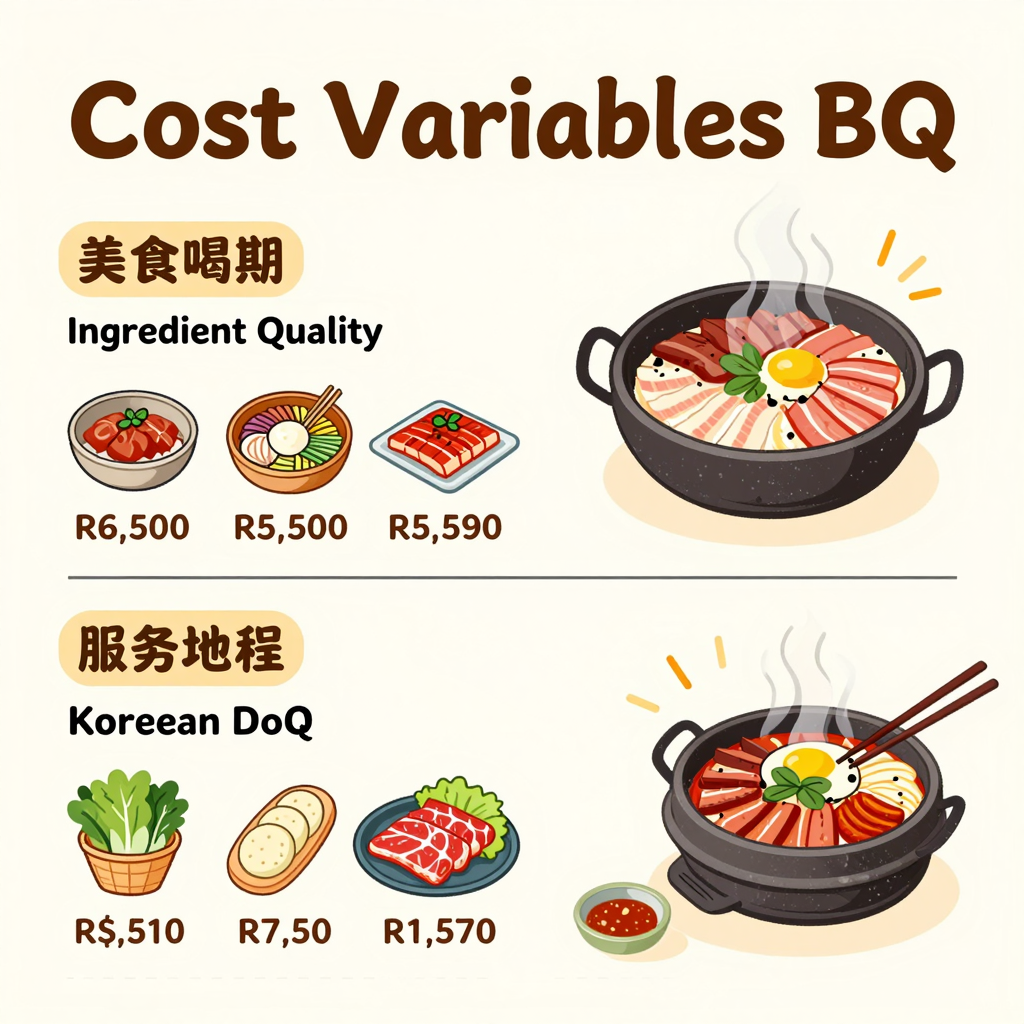
When it comes to Korean BBQ, the costs can vary significantly based on a number of variables that business owners need to understand. Key factors influencing the price of Korean BBQ include ingredient quality, location, and service style.
Ingredient Quality
Ingredient quality is paramount in determining the price of Korean BBQ. For instance, high-grade meats like Hanwoo beef can range from $80 to $120 per person in upscale venues, whereas standard cuts might be priced between $35 and $55 per person. In addition to the meat, the quality of side dishes and sauces also affects costs. Authentic Korean ingredients such as gochujang and doenjang can add additional expenses, particularly when sourced from premium suppliers. According to Food & Wine, these ingredients can range from $10 to $25 per bottle.
Location
The location of the restaurant plays a crucial role in its pricing strategy. For example, Korean BBQ restaurants in urban centers like Seoul typically have higher costs due to elevated rent and labor expenses. Casual dining chains in secondary cities may offer more affordable options, averaging around $30-$50 per person. In the United States and Canada, the price range can vary from $40 to $75 depending on the local market conditions and clientele preferences, with premium setups commanding higher rates. Factors related to location can be explored further here.
Service Style
The style of service also influences the overall dining cost. Self-grilling setups are generally more budget-friendly, while establishments offering waiter service or table-side grilling tend to charge more. A restaurant providing an assisted grilling experience could see prices jump by 30-50% due to added labor costs. For patrons, this means that enjoying a higher-end Korean BBQ experience will involve both higher ingredient costs and increased overhead related to service.
In summary, business owners should consider ingredient sourcing, location analytics, and chosen service styles when estimating their pricing models for Korean BBQ, ensuring they balance quality and customer satisfaction effectively.
Price Comparison of Korean BBQ
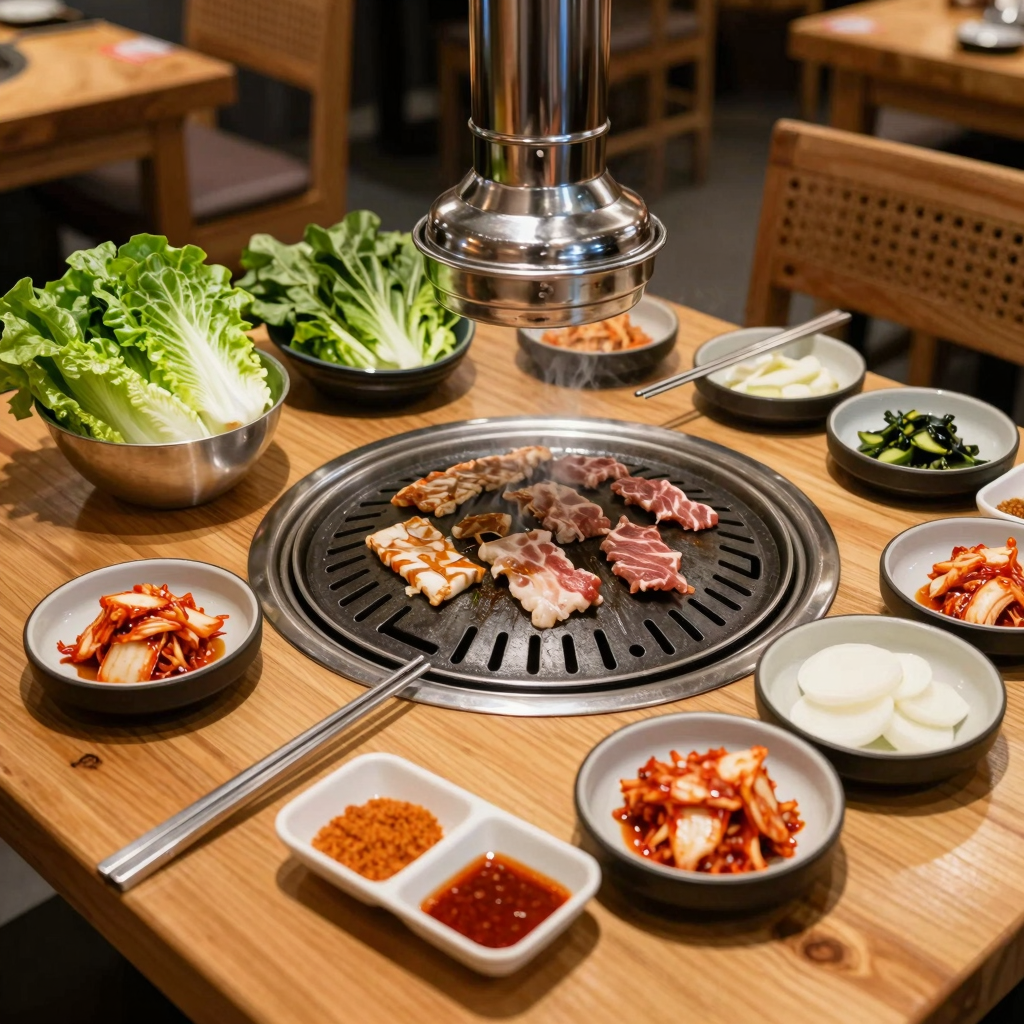
Understanding the cost of Korean BBQ can greatly help business owners make informed decisions about menu pricing and customer expectations. Prices for Korean BBQ vary across the United States, primarily influenced by regional differences.
Average Price Ranges by Region
| Region | Average Price Range per Person (All-You-Can-Eat) | Notes |
|---|---|---|
| Major Cities (e.g., NY, LA) | $30 – $50 | Premium or high-end restaurants may charge $75+; prices influenced by location and quality. |
| Mid-sized Cities (e.g., Chicago, Denver) | $25 – $40 | Slightly lower due to reduced overhead costs compared to major cities. |
| Suburb & Small Towns | $18 – $28 | Budget-friendly options available, often including combos with sides. |
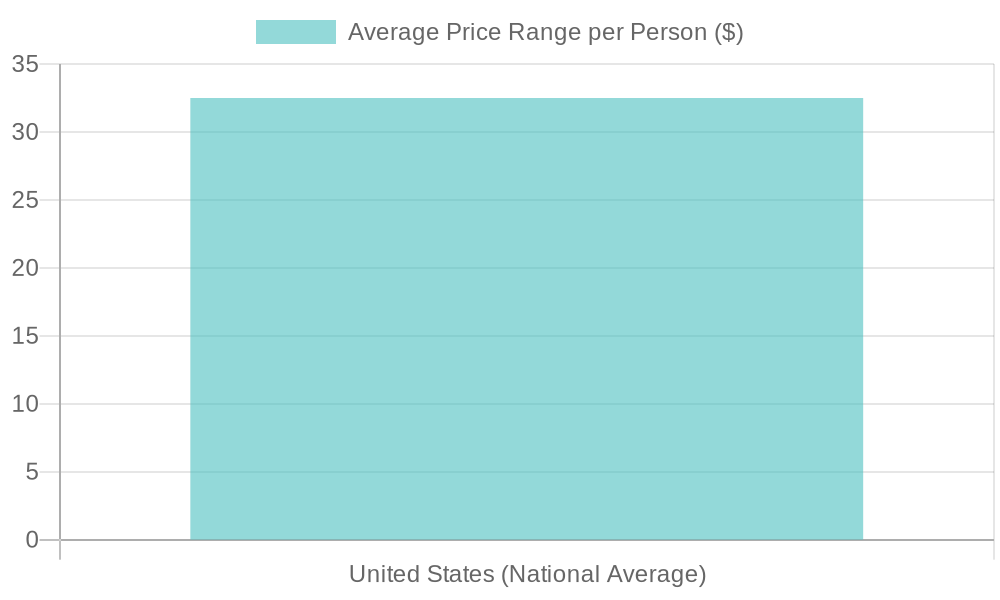
The average price for a casual dining experience across the United States is about $35 per person, which typically includes several side dishes (banchan) that enhance the meal experience. For more detailed menu options, check out the Kogi Korean BBQ Menu. The differentiation in pricing often aligns with ingredient sourcing and local labor markets, making it critical for business owners to tailor their offers accordingly.
Comparison of Korean BBQ Options
When it comes to Korean BBQ, there are various options available, each offering unique experiences, pricing, and styles of consumption. Below is a table comparing traditional versus modern Korean BBQ, including all-you-can-eat and à la carte options.
| Type of Korean BBQ | Pricing (Approx.) | Consumption Style | Customer Experience |
|---|---|---|---|
| Traditional BBQ | $20 – $40 per person | Family-style, communal dining | Involves grilling at the table with choices of marinated meats and sides. (Example: Kogi BBQ) |
| Modern BBQ | $15.99 (lunch) – $24.99 (dinner) | Individual servings, quick dining | Fast-paced environment with a focus on variety and extensive menus. |
| All-You-Can-Eat BBQ | $15.99 (lunch), $24.99 (dinner) | Unlimited options with choice of meats and sides | Ideal for groups and meat lovers, offers great value compared to individual item prices. (Gen Korean BBQ) |
| À La Carte BBQ | $16.99 (pork belly), $28.99 (ribeye) | Individual orders, premium cuts | More personalized experience, focusing on higher quality meats and individual preferences. |
Key Insights
- Pricing: All-you-can-eat options can save money for those who enjoy larger quantities. Traditional options may offer unique flavors but at a higher cost.
- Styles: The traditional style promotes a communal atmosphere, while modern BBQ tends to be more informal and fast.
- Experience: All-you-can-eat is well-received for its variety, appealing to both seasoned fans and newcomers alike.
This table provides a cohesive overview for business owners looking to understand the different market offerings in Korean BBQ and their customer appeal. For more insights on menu options, check out our menu options.
Customer Spending Habits in Korean BBQ
Korean BBQ has become a popular dining choice worldwide, and understanding customers’ spending habits is crucial for restaurateurs in the industry. On average, customers in South Korea spend approximately 15,000 KRW (about $12 USD) for a lunch meal and 25,000 KRW (roughly $20 USD) for dinner. For premium dining experiences, this spending can increase to about 30,000 KRW (around $24 USD), reflecting the growing trend towards high-quality ingredients and an enhanced dining atmosphere.
| Meal Type | Average Spending (KRW) |
|---|---|
| Lunch | 15,000 |
| Dinner | 25,000 |
| Premium Dining | 30,000 |
Source: Internal data based on 2023 consumer spending trends in South Korea.
Several factors influence these spending habits, leading to variations in customer choices:
Key Influencing Factors
- Food Quality: Customers tend to prioritize the quality and freshness of the ingredients. For example, premium cuts of meat and traditional marinades can significantly sway a customer’s willingness to pay more.
- Dining Experience: The interactive nature of Korean BBQ, where diners grill their own meat at the table, adds to the overall experience. This unique aspect can justify a higher price point, creating a social atmosphere that many diners enjoy.
- Cultural Influence: The popularity of Korean culture, including K-Pop and dramas, has made Korean BBQ a trendy dining choice among younger demographics, further enhancing their willingness to spend.
- Social Media Exposure: Restaurants that effectively promote their ambiance and unique dishes on platforms like Instagram attract more customers, often leading to higher spending.
- Service Quality: Exceptional service can elevate the dining experience, making customers more likely to return and spend more on their next visit.
In conclusion, as the demand for Korean BBQ continues to rise, tracking customer spending habits and understanding these influencing factors will be vital for business owners aiming to capitalize on this trend. Focusing on high-quality offerings, unique dining experiences, and effective marketing can lead to increased customer satisfaction and higher profits. For different menu options, consider exploring offerings at Kogi Korean BBQ and Kogi BBQ San Diego.
“Integrating Korean BBQ into a restaurant menu is not just a trend but a strategic investment. The upfront costs-including equipment upgrades and staff training-are offset by a significant increase in customer engagement and perceived value.”
- Expert Insights, Forbes Hospitality read more.
Conclusion
Korean BBQ is not just a meal; it’s an experience that combines delightful flavors, engaging cooking methods, and a social atmosphere that draws diners in. By examining the costs involved-from initial investment for equipment and decor to ongoing expenses for high-quality ingredients and labor-it’s clear that establishing a Korean BBQ restaurant can be both profitable and rewarding.
Moreover, the appeal of Korean BBQ continues to surge, making it a viable option for business owners looking to break into the restaurant market. Reports indicate that the market for Korean BBQ has demonstrated impressive growth, with sales reaching upwards of $730 million in 2021, reflecting a rapid increase over the previous year. This trend suggests a robust opportunity for investment and business expansion, especially for those hungry for unique dining experiences.
If you’re a business owner interested in exploring the world of Korean BBQ, we invite you to discuss your needs with us at Kogi Korean BBQ. Our expertise can help you navigate the costs and benefits effectively, ensuring you create a fulfilling dining experience that resonates with customers. Let’s turn your vision into reality!
Trends in Korean BBQ Popularity
Korean BBQ has seen a significant rise in popularity in recent years, particularly in North America and parts of Europe. This increase has various implications for business owners looking to enter or expand in the restaurant market. Below are some key takeaways on the trends and their potential business impact:
Growing Revenue and Interest
In recent reports, Korean BBQ restaurants, such as KPOT, have demonstrated remarkable growth, with revenues skyrocketing from $3 billion in late 2020 to significant figures by the end of 2023. The appeal of Korean BBQ is driven by its interactive dining experience, offering a unique combination of meats and hot pot options, which aligns well with current consumer preferences for engaging meal options.
According to data from 2023, searches related to Korean food have increased by 3.81% month-over-month over five years, reflecting sustained interest in this cuisine that keeps rising yearly. This consistent demand presents a lucrative opportunity for new restaurants and existing ones looking to innovate.
Trends Illustrated
Korean BBQ Popularity Trend (2018-2023)
This chart displays the increasing trends in Korean BBQ’s popularity. As indicated, the surge in consumer interest informs business decisions that may entail expanding menus, incorporating Korean BBQ elements, or even opening dedicated establishments.
The vibrant and social nature of Korean BBQ not only draws food enthusiasts but also encourages group dining experiences, a trend that many restaurants can leverage to enhance customer engagement. Learn more about menu offerings that can attract new customers and retain existing ones.
Business Opportunities
- Menu Diversification: Introducing Korean BBQ items can attract a broader customer base.
- Social Dining Experience: Encourage group bookings to utilize the interactive nature of BBQ.
- Marketing Strategies: Highlight the unique aspects of Korean BBQ through social media campaigns.
As the popularity continues, it’s crucial for restaurant owners to explore innovative strategies to capitalize on this growing trend while offers enticing, flavorful options that align with consumer preferences.