
Introduction to Korean BBQ: A Communal Culinary Experience
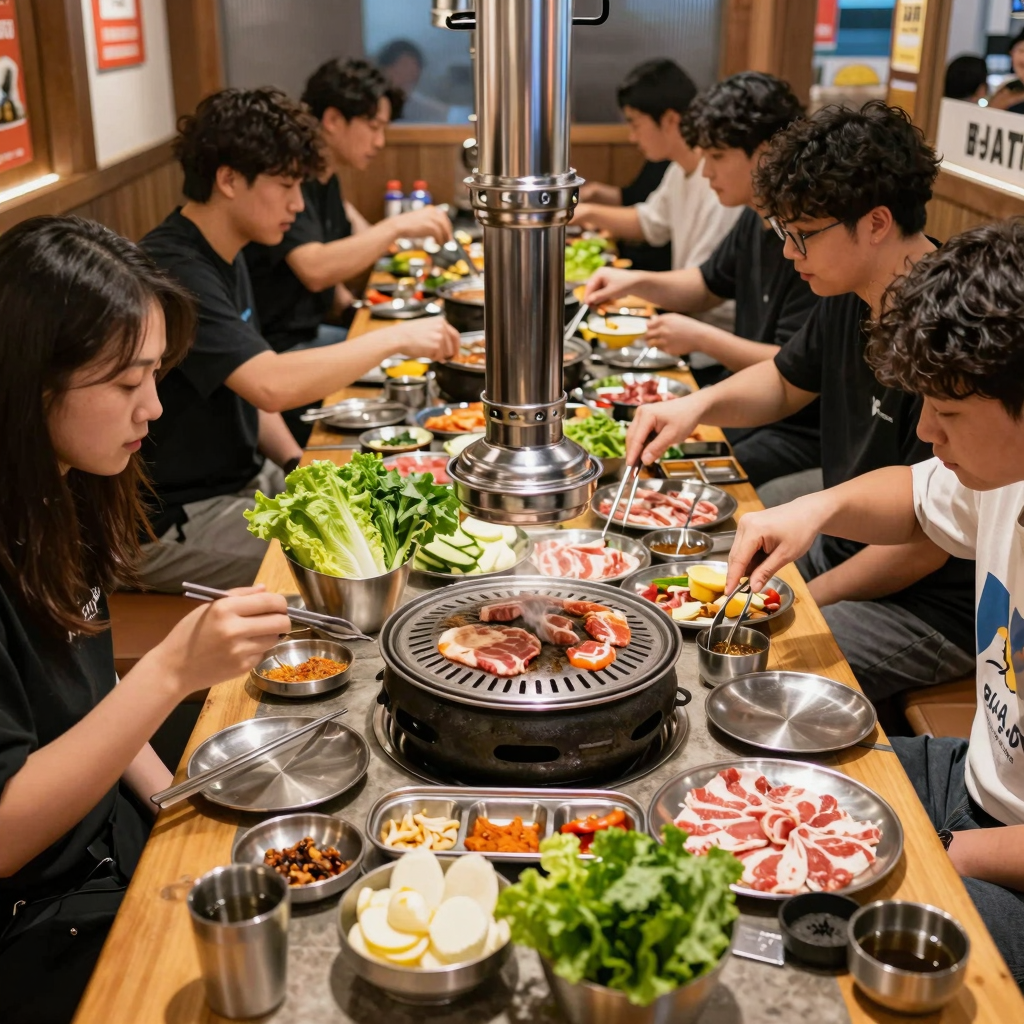
Korean BBQ is more than just a meal; it’s a vibrant cultural experience that brings people together around sizzling grills for an unforgettable dining adventure. As business owners look to elevate their outdoor dining concepts, understanding the essence of Korean BBQ can offer invaluable insights into customer engagement and satisfaction. The communal nature of this dining style encourages guests to share not only food but also stories, laughter, and connection, making it a compelling option for any restaurant looking to enhance its appeal.
In a typical Korean BBQ setting, patrons are seated at tables equipped with built-in grills, allowing them to cook their selections of marinated meats, vegetables, and delectable side dishes right at their table. This interactive dining approach not only fosters a sense of participation but also enhances the overall experience, as diners can customize their meals to their liking. The ambiance is often lively, filled with the tantalizing aroma of grilled flavors, the sounds of sizzling meat, and the chatter of happy guests, all contributing to a unique atmosphere that draws people in.
Moreover, the significance of Korean BBQ extends beyond just culinary enjoyment; it embodies values of community and hospitality that resonate deeply within Korean culture. Guests are encouraged to share and taste a variety of dishes, promoting a sense of unity and collective enjoyment. For business owners aiming to implement or enhance their outdoor dining offerings, embracing the communal and interactive elements of Korean BBQ can set them apart in a competitive market.
By incorporating these aspects into their business models, owners can create not just a dining destination but a memorable social experience that keeps customers coming back. With concepts like those found in Kogi Korean BBQ and the various popular styles, such as buffet options highlighted in all-you-can-eat Korean BBQ, business owners are well-positioned to tap into a dynamic and growing market.
A Brief History of Korean BBQ
Korean BBQ, known as bulgogi (meaning “fire meat”), carries a rich historical tapestry that dates back to ancient times. Its origins can be traced back to the *Goryeo Dynasty (918-1392) when meat was considered a delicacy reserved for special occasions such as religious ceremonies and noble feasts. Early grilling methods were influenced by Mongol culture, particularly during the invasions in the 13th century, which introduced techniques like open-fire roasting. These methods paved the way for grilled meat dishes known as *maekjeok* or neobiani, evolving into what we now recognize as Korean BBQ today.
The development of marinated meats and the iconic grill design resembling the shields used by Mongol warriors were significant turning points in the culinary evolution of this vibrant dish. It gained more prominence after the Japanese rule in Korea through the Japanese-language newspaper Asahi Shimbun, which documented the grilling culture that was emerging by the 1930s.
By adopting these traditional preparation methods, business owners can infuse authenticity into their Korean BBQ concepts. Understanding the cultural significance of communal dining-where family and friends gather around a grill-can also enhance the overall dining experience, inviting customers to participate in a time-honored ritual.
Cultural Influences on Korean BBQ Preparation
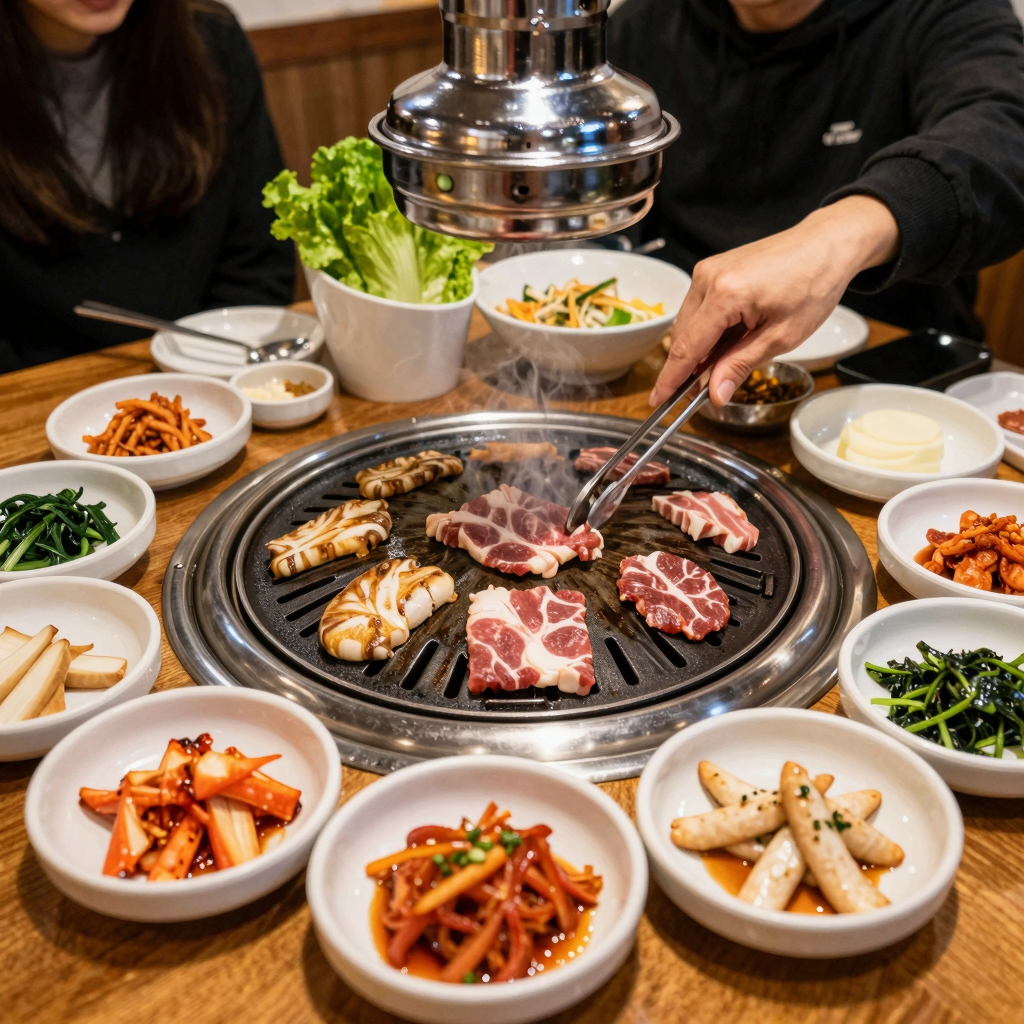
Korean BBQ’s cooking methods are undeniably shaped by historical agricultural practices and Confucian values. The communal dining style, where guests grill their meat at the table, reflects Korea’s emphasis on family unity and social harmony. During the Joseon Dynasty, advancements in metallurgy led to the creation of iron griddles (gogi-gui) to facilitate cooking in colder climates, further enhancing the grilling experience.
Furthermore, the pairing of grilled meat with various banchan (side dishes), such as kimchi and fermented vegetables, stems from traditional preservation techniques and the Koreans’ holistic approach towards meal balance. The practice of serving side dishes alongside the main course signifies respect for ingredients and harmony in flavors-a key consideration for entrepreneurs looking to establish authentic Korean BBQ eateries.
The unique preparation methods of Korean BBQ invite adaptability, making it appealing globally while maintaining its distinct cultural roots, an important factor for business owners to consider when crafting their menus.
In today’s global food landscape, Korean BBQ is celebrated not only for its rich flavors but also for its interactive dining style, representing much more than just a meal. Establishments serve to create an experiential dining environment, which the modern consumer seeks more than ever.
For business owners aiming to tap into this culinary trend, understanding and implementing the history and cultural practices involved in Korean BBQ can lead to a more authentic and meaningful customer experience. This strategy can significantly enhance customer loyalty and business success in this rapidly evolving market.
Exploring the Different Types of Korean BBQ
Korean BBQ offers a delightful array of flavors and dining experiences, making it a staple for many food enthusiasts. The two most renowned styles are Galbi and Bulgogi, each with unique preparation methods and cultural significance. Let’s dive deeper into each type, how they are prepared and served, and the demographics they appeal to.
Galbi: Grilled Ribs
Preparation and Serving
Galbi, literally meaning “ribs,” primarily refers to beef short ribs marinated in a sweet and savory sauce. The marinade usually consists of soy sauce, sugar, garlic, sesame oil, and sometimes pear juice for added tenderness. The marinated ribs are traditionally grilled over charcoal, which imparts a rich, smoky flavor that is highly cherished in Korean cuisine.
When served, Galbi is often accompanied by ssam (lettuce wraps), allowing diners to wrap the grilled meat with a variety of condiments like garlic, green chili, and ssamjang (a thick, spicy paste). This communal style of eating enhances social interactions among diners, adding to the overall experience of enjoying Korean BBQ.
Demographics Appeal
Galbi tends to attract families and groups of friends who enjoy a shared dining experience. Its interactive nature appeals especially to younger generations and those looking to celebrate special occasions. The slightly sweet and umami flavors are also generally favored by those who may not usually enjoy spicy foods, making it accessible to a wider audience, including children and less adventurous eaters.
Bulgogi: Marinated Grilled Beef
Preparation and Serving
Bulgogi, meaning “fire meat,” involves thinly sliced beef marinated in a fragrant mix of soy sauce, sugar, sesame oil, garlic, ginger, and occasionally fruit. The soft, thin cuts make it perfect for quick cooking on a grill or hot plate, often served sizzling hot, which adds to its appeal.
Bulgogi is commonly accompanied by rice and various banchan (side dishes), including kimchi, pickled vegetables, and more. It can also be served in a stir-fry format or as a topping in bowls, expanding its versatility in meals.
Demographics Appeal
Bulgogi is particularly popular among younger diners and those new to Korean cuisine due to its mildly sweet and savory flavors that set it apart from other grilled dishes. It is often chosen for family-friendly gatherings, appealing to children and older adults alike. Furthermore, the rise of Korean BBQ in Western countries has seen Bulgogi feature prominently in promotional menus, attracting a diverse clientele interested in healthy, grilled options with robust flavors.
Conclusion
Both Galbi and Bulgogi exemplify the rich culinary heritage of Korean BBQ. They offer unique tasting experiences while catering to different demographics, from energetic families to curious foodies. Moreover, the potential for regional variation and personal adaptation-such as through different marinades or cooking styles-continues to broaden their appeal.
Understanding these differences is crucial for any business owner looking to tap into the booming Korean BBQ market. By offering a range of options that cater to various preferences, including the popularity of shared dining experiences and health-conscious choices, restaurants can attract a wider audience and provide exceptional dining adventures.
For more information on the diverse offerings available, you can explore our menu or learn about our dining experience.
Final Thoughts
As you consider entering the world of Korean BBQ, remember to focus not only on the food but also on the communal experience it brings. Adapting to customer preferences and being aware of the demographic trends can help create a memorable restaurant atmosphere that keeps customers returning for more!
Essential Equipment for Korean BBQ Restaurants
To successfully operate a Korean BBQ restaurant, it’s crucial to invest in quality equipment that enhances functionality and ensures an authentic dining experience. Below are the essential items needed:
- Electric or Gas-Powered Round Grills: Designed for even heat distribution and minimal smoke, these grills are typically circular and made from stainless steel. Models like the MA-2100 are popular for their health benefits and efficiency.
- Tabletop Grill Systems: Built-in electric grills that can be embedded into tables, offering convenience and safety for an enjoyable dining experience. Many have temperature controls and non-stick surfaces for easy cleaning.
- Ventilation & Exhaust Systems: Essential for managing heat and odors in indoor settings, many modern grills come with integrated exhaust solutions to enhance air quality and comfort.
- Stainless Steel Grill Pans and Skewers: Durable and heat-resistant, these items allow for consistent cooking performance and are easy to clean.
- Automated Temperature Monitoring Systems: Helps in maintaining optimal cooking temperatures without constant supervision, ensuring food safety and quality.
- Integrated Waste Management Solutions: Including grease traps and ash collection systems for safe disposal, crucial for maintaining hygiene in the kitchen.
- Additional Accessories: Such as charcoal baskets, serving platters, and side tables for sauces and condiments to improve the overall dining experience.
For more insights on Korean BBQ and available menu options, you can learn more about our offerings.
Understanding the Demographics of Korean BBQ Customers in 2023
Korean BBQ has seen a surge in popularity, evolving into a vibrant dining choice that appeals especially to younger crowds. This article delves into the demographics of customers visiting Korean BBQ restaurants, their preferences, and dining habits, offering insights for business owners keen on attracting this ever-growing clientele.
Key Demographic Insights
According to recent studies, the primary demographic for Korean BBQ restaurants consists of young adults. Here are some crucial statistics gathered from various reliable sources:
- Age Distribution:
- 18-24 years: 15%
- 25-34 years: 30%
- 35-44 years: 20%
- 45-54 years: 15%
- 55+ years: 10%
- Not Specified: 10%
These statistics confirm that 68% of regular patrons at Korean BBQ restaurants are between the ages of 25 and 44, with a significant proportion of this demographic being members of Generation Z (ages 18-25). This group frequently opts for dining out, with 58% engaging in Korean BBQ at least twice a week, reflecting their penchant for social culinary experiences (source).
Dining Preferences & Habits
Business owners need to consider the following trends when catering to the preferences of their customers:
-
Influence of Social Media: A strong Instagram and TikTok presence plays a pivotal role in attracting young diners. About 72% of Generation Z respondents indicated they select restaurants based on their social media marketing. The visual appeal of the food and the restaurant ambiance are crucial for sharing on these platforms.
-
Health Conscious Choices: There is a significant shift towards healthier menu options. Over 56% of consumers now prefer low-sodium marinades and plant-based proteins, catering to both health-conscious diners and those on vegetarian diets. Ingredients such as tofu or mushrooms are becoming increasingly popular (source).
-
Dining Experience Matters: Customers, especially those under 30, appreciate experiential dining. Features like table-side grilling, interactive cooking with friends, and personalized dipping sauces are appealing factors that enhance the overall experience and keep diners returning. The ability to customize one’s meal has seen a notable increase in interest (source).
Important Factors Influencing Dining Choices
Business owners should be aware of various factors influencing decisions to visit Korean BBQ:
| Factor | Importance (%) |
|---|---|
| Food Quality | 70 |
| Social Media Influence | 65 |
| Ambiance | 56 |
| Brand Reputation | 45 |
| Price | 34 |
Conclusion
Understanding these customer demographics and preferences allows Korean BBQ restaurant owners to tailor their services effectively. Emphasizing quality ingredients, engaging social media strategies, and creating unique dining experiences are vital steps for attracting and retaining a loyal customer base. By catering to the younger audience’s needs, restaurants can secure a competitive edge in the culinary landscape.
Legal Considerations for Operating a Korean BBQ Restaurant
Starting a Korean barbecue (BBQ) restaurant involves navigating a slew of legal requirements, health regulations, and safety protocols. Here’s what aspiring business owners need to keep in mind:
1. Business Licensing and Permits
To legally operate a Korean BBQ restaurant in the United States, you will need to secure several permits and licenses:
- Business License: Obtain a general business license from your city or county. This usually involves registering your business name.
- Employer Identification Number (EIN): This is necessary for tax purposes and is required by the Internal Revenue Service (IRS).
- Food Service Permit: This must be acquired from your local health department and typically requires an inspection of your establishment to ensure compliance with health regulations. Learn more about food service permits.
- Alcohol License: If you plan to serve alcohol, apply for a liquor license from your state’s alcohol control board.
For a Korean BBQ restaurant, open-flame grilling or cooking methods may require additional fire permits, as they pose unique hazards. Always check local regulations to ensure compliance.
2. Health and Safety Regulations
Health and safety is paramount in the food service industry. You need to adhere to several regulations to protect your customers and employees:
- FDA Food Code Compliance: Your BBQ restaurant must align with the FDA Food Code, which outlines best practices for food safety, including personal hygiene and proper food handling. For detailed guidelines, refer to the FDA Food Code 2022.
- Employee Training: All employees who handle food should have completed food safety training and obtained food handler certifications. This ensures they are knowledgeable about food hygiene and safety practices.
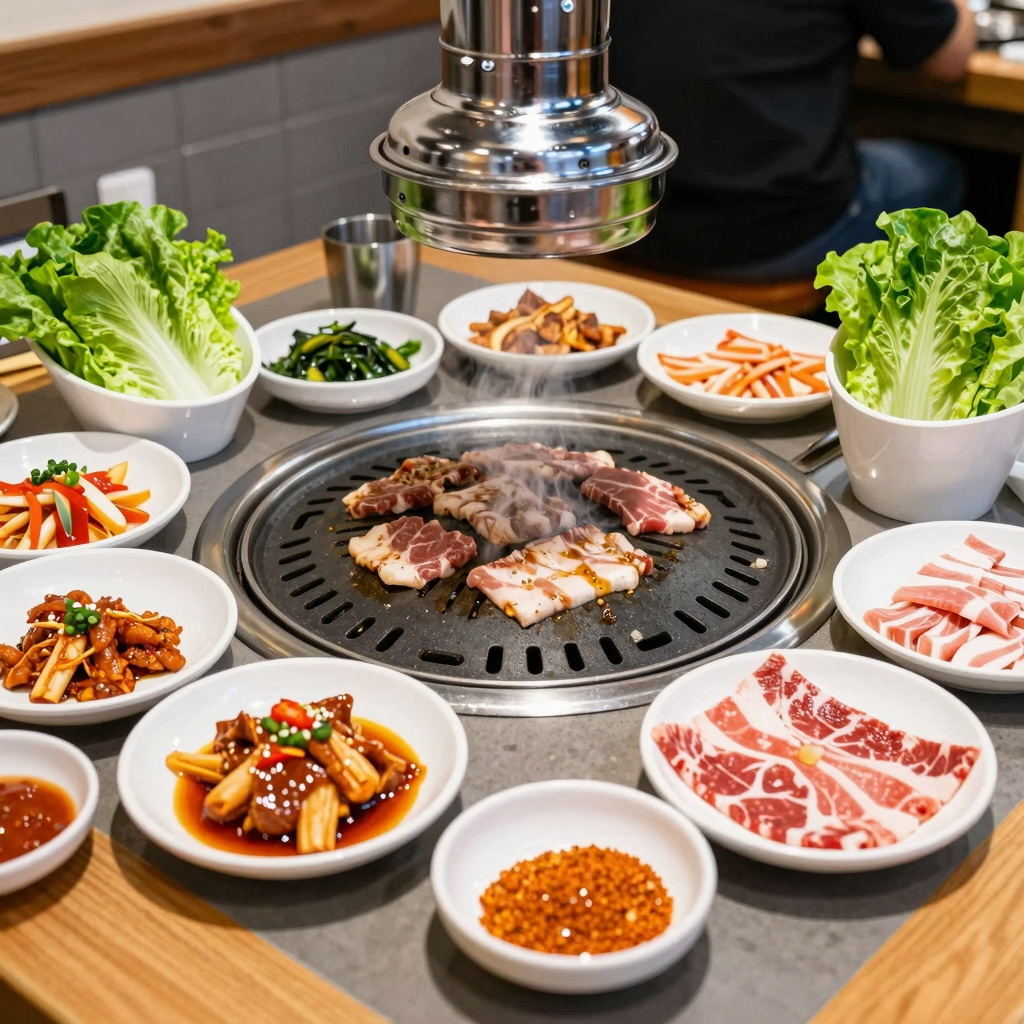
- Ventilation and Grill Safety: Korean BBQ often involves cooking at the table, which requires proper ventilation systems to prevent smoke accumulation and fire risks. An installed exhaust system will help mitigate these issues.
3. Specific Regulations Unique to Korean BBQ
Operating a Korean BBQ provides unique challenges:
- Open Flames: Most local regulations are strict about using open flames in restaurants. Make sure your facility complies with fire codes and that you have adequate fire extinguishing devices available. Restaurants must also apply for specific permits if they use charbroilers or other high-heat cooking equipment.
- Zoning Laws: Confirm whether your chosen location is zoned for restaurants. In some areas, particularly urban settings, specific zoning laws may restrict certain cooking methods or commercial activities. For example, in New York City, a Special Permit may be necessary for any establishment utilizing gas grills or charbroilers (Zoning Regulations NYC).
4. Compliance and Inspection
Expect regular health inspections to ensure compliance with food safety and health codes. This may include checks on:
- Cleanliness of kitchen and dining areas
- Proper food storage and preparation practices
- Employee hygiene
- Sanitation of food contact surfaces
Inspections can vary greatly by locality, so stay informed about your area’s specific requirements and prepare for routine inspections to avoid costly re-inspections or fines.
Conclusion
Opening a Korean barbecue restaurant requires diligence in meeting legal and regulatory standards. Ensuring that you have the right permits, prioritize food safety practices, and adhere to local zoning laws is critical for your business’s success. Consider consulting with a legal professional who specializes in food service law to navigate these requirements effectively and minimize risk.
Whether you’re interested in the delicious menu options or the vibrant experience of Korean BBQ, understanding these legal considerations will pave the way for a compliant and successful establishment. Explore more about our Korean BBQ menu options.
Estimated Costs for Korean BBQ Restaurant Setup
Starting a Korean BBQ restaurant requires careful budgeting for equipment and setup. Below is a table comparing the estimated costs for various essential equipment types needed to create an authentically delightful experience for patrons.
Equipment Cost Comparison
| Equipment Type | Description | Average Price (USD) | Source |
|---|---|---|---|
| Korean BBQ Grill | Indoor, electric or gas-powered grill with circular design for tableside cooking; often includes ventilation. | $1,500 – $4,000 | Alibaba.com |
| Gas Range Burner | Commercial-grade burner for high-heat cooking; commonly used in kitchen prep areas. | $800 – $2,500 | Alibaba.com |
| Rotisserie Oven | Electric or gas-powered oven for slow-roasting meats like galbi (beef short ribs). | $2,000 – $6,000 | Alibaba.com |
| Steam Kettle | Used for steaming rice, dumplings, and side dishes (banchan); available in stainless steel models. | $600 – $1,800 | Alibaba.com |
| Pressure Cooker | For fast-cooking soups, stews, and beans; essential for traditional Korean cuisine. | $300 – $900 | Alibaba.com |
| Ventilation System | Hood and exhaust system required for indoor grills to manage smoke and heat; critical for compliance. | $3,000 – $8,000 | Alibaba.com |
Note: Prices are estimates based on commercial-grade equipment available through global suppliers as of May 2026. Actual costs may vary by region, brand, and customization.
Visual Representation of Costs
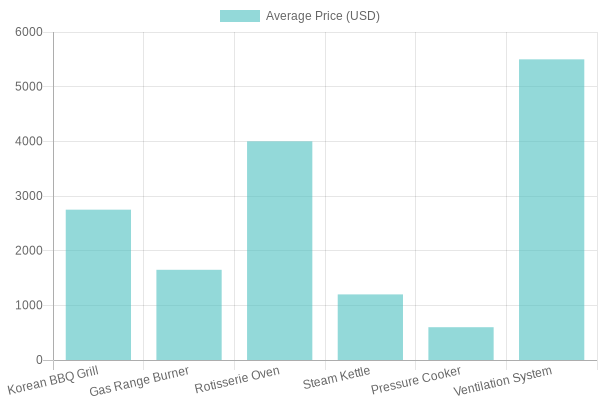
Graph representing average equipment costs for starting a Korean BBQ restaurant.
This breakdown should effectively help business owners plan their budgets as they explore the exciting venture of opening a Korean BBQ restaurant.
Growth of Korean BBQ Popularity
Business owners should be very aware of the rapidly growing market for Korean BBQ in recent years. The popularity of this cuisine has been on the rise, with significant expansion across North America. In the following chart, you can see the growth trend of Korean BBQ restaurants in the U.S. from 2021 to 2023.
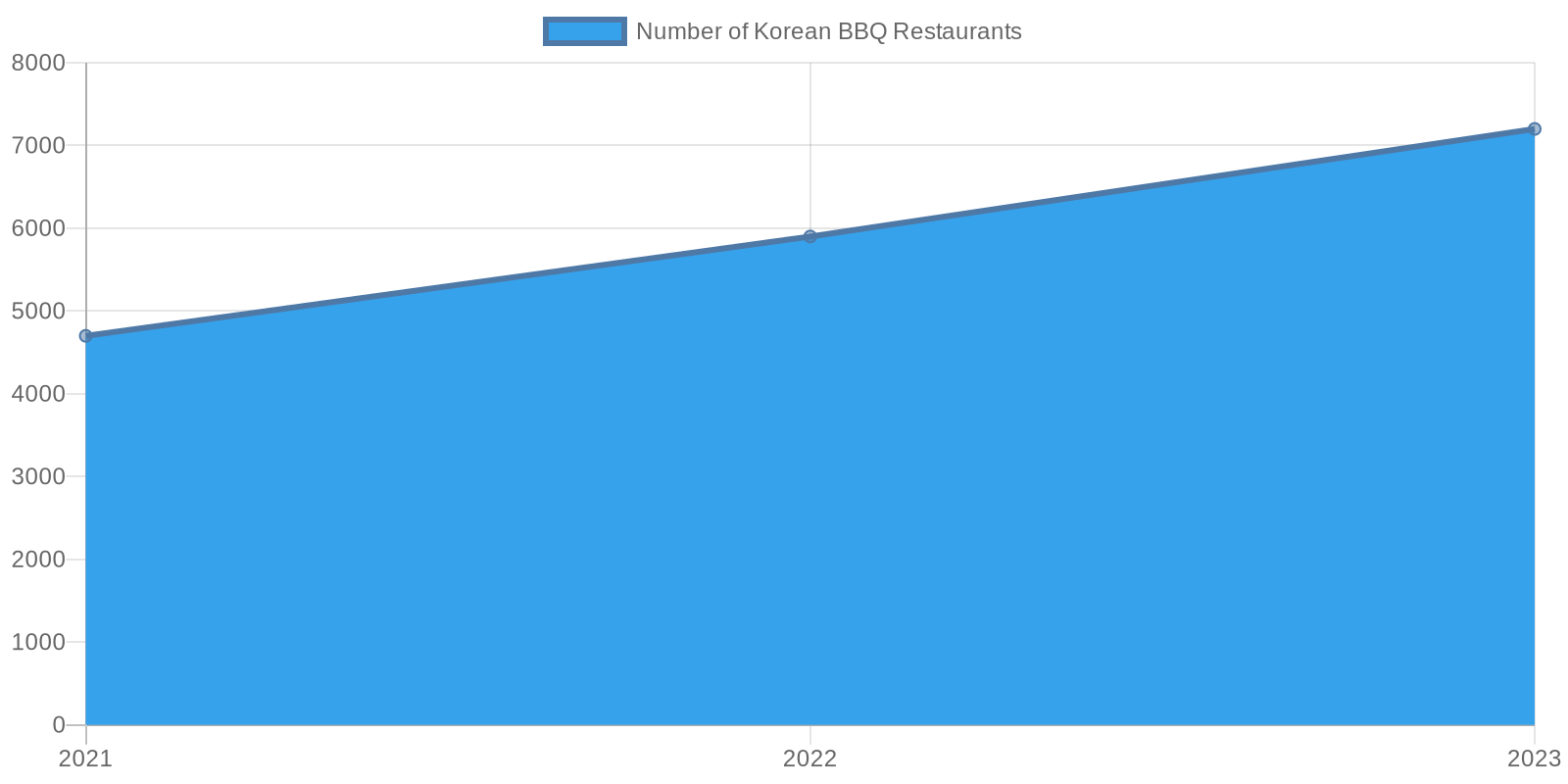
| Year | Number of Korean BBQ Restaurants |
|---|---|
| 2021 | 4,700 |
| 2022 | 5,900 |
| 2023 | 7,200 |
This increase from 4,700 restaurants in 2021 to 7,200 in 2023 highlights a 53% growth in just two years. Major franchises are expanding rapidly, and the increasing interest from consumers for Korean cuisine fuels this growth.
If you are interested in understanding how to capitalize on this trend, make sure to check out our menu options for Korean BBQ and explore how you can integrate similar offerings to attract a growing clientele.
Conclusion and Call to Action
In conclusion, Korean BBQ stands as a remarkable dining experience that uniquely combines the excitement of grilling with the joy of communal eating. Throughout this article, we explored how this vibrant cuisine operates-from the at-table grilling techniques to the diverse array of fresh ingredients that characterize the meal. The quick cooking process allows diners to enjoy their food immediately, enhancing its freshness and flavor-elements that set Korean BBQ apart from Western BBQ styles.
The popularity of Korean BBQ is not only a cultural phenomenon, as shown by the Korean wave that has captured interest worldwide, but also a lucrative opportunity for business owners. With increased consumer interest in Korean cuisine, especially within urban areas, now is a perfect time to invest in bringing this culinary experience to your restaurant or food establishment. By ensuring authenticity and quality in your offerings, you can attract a diverse clientele eager to engage in this unique dining ritual.
If you’re ready to explore how Korean BBQ can add value to your business, learn more about how to incorporate Korean BBQ into your menu. Our team is here to guide you through the process and help you harness the vibrant energy of Korean dining culture in your establishment. Don’t miss out on this growing trend-reach out today and discover how we can assist you in tapping into the world of Korean BBQ!