

Korean BBQ is rapidly becoming a favorite for businesses looking to elevate their corporate events. The unique experience of cooking Korean BBQ on a stove is more than just a meal; it’s a dynamic way to foster team bonding and enhance employee satisfaction. As colleagues gather around a sizzling grill, they partake in a culinary journey that encourages collaboration, communication, and camaraderie. The interactive nature of grilling your own meats and vegetables creates an informal setting that can break down barriers and spark meaningful conversations. Furthermore, incorporating Korean BBQ tips into your business events not only showcases a trendy dining option but also reflects a commitment to employee engagement. By choosing Korean BBQ for your next corporate gathering, you’re not just providing a meal; you’re crafting memorable experiences that contribute to a more cohesive and satisfied workplace.
Essential Equipment for Korean BBQ Cooking
When diving into the art of Korean BBQ, having the right equipment is crucial for an authentic and enjoyable experience. Here’s a list of essential items you’ll need for cooking Korean BBQ on the stove:
- Portable Grill: An electric or portable gas grill is ideal for indoor use, enabling you to grill meats and vegetables evenly.
- Tongs: Use sturdy tongs for flipping and serving food. They are essential for safely handling hot meats.
- Scissors: A common tool in Korean households, scissors can be used to cut meat into bite-sized pieces directly off the grill.
- Grill Pan or Skillet: If you don’t have a portable grill, a cast iron or grill pan on the stove works perfectly for achieving that grilled flavor.
- Heat-Resistant Gloves: Protect your hands while handling hot equipment.
- Serving Dishes: Have a variety of serving dishes ready for marinades, sauces, and side dishes like kimchi and pickled vegetables.
These items not only enhance your cooking experience but also bring the authentic flavors of Korean BBQ right to your home table. For additional insights into menu options and more, you can check our Korean BBQ menu and learn about Korean BBQ dining options.
Selecting the Right Ingredients for Korean BBQ
Choosing fresh and high-quality ingredients is crucial for delivering an authentic and satisfying Korean BBQ experience. The right selection can greatly enhance the overall dining experience, ensuring that each bite is packed with flavor.
1. Meat Selection
- Freshness: Always choose meats that are fresh, with a vibrant color and a firm texture. Look for cuts like bulgogi (marinated beef) or samgyeopsal (pork belly) which are popular in Korean BBQ. Fresh meat usually has a natural sheen and should not have any off-putting odors.
- Cuts and Quality: Consider the cut of meat. Certain cuts like ribeye or sirloin are ideal for grilling due to their marbling, which enhances juiciness and flavor. Additionally, opt for grass-fed or organic options whenever possible, as they have richer flavors and are often healthier.
2. Vegetable Selection
- Freshness is Key: Choose vibrant vegetables like lettuce, scallions, and peppers. Fresh vegetables provide a crisp texture and a burst of flavor, which complements the richness of grilled meats. For instance, using crisp romaine lettuce for wrapping grilled meat adds an enjoyable crunch.
- Seasonal Choices: Selecting seasonal vegetables can enhance flavor and nutrition. Seasonal produce is often more flavorful and nutrient-dense, which can elevate the overall quality of your meal.
3. Sauce Selection
- Local and Quality: When it comes to sauces, prioritize locally crafted varieties. These often have a richer flavor and fewer preservatives than mass-produced sauces. Pay attention to the ingredient list; sauces made with natural ingredients will not only taste better but are healthier.
- Health Considerations: Opt for sauces that are low in sugar and sodium. This can make a significant difference in your meal’s overall nutritional value while still delivering the authentic flavors you expect from Korean BBQ.
Enhancing the Dining Experience
When high-quality ingredients are utilized, every dish comes together beautifully, enhancing the dining experience for your guests. The combination of flavorful meats, fresh vegetables, and rich sauces creates a multi-layered tasting experience that is at the heart of Korean BBQ. For more insights on enhancing your BBQ menu, consider exploring menu options from Kogi Korean BBQ to inspire your culinary choices.
In conclusion, selecting quality ingredients for Korean BBQ not only impacts flavor but also offers a health-conscious dining option. By focusing on freshness, seasonality, and quality, you can craft a memorable culinary experience for your patrons.
Comparison of Popular Meats for Korean BBQ
When preparing Korean BBQ, the choice of meat significantly impacts the overall dining experience. Here’s a comparison table of the most popular meats used in Korean BBQ, focusing on their flavor, tenderness, cooking time, and best marinades.
| Meat | Flavor | Tenderness | Cooking Time | Best Marinade |
|---|---|---|---|---|
| Beef | Rich flavor | Tender | 2-4 minutes | Soy sauce and garlic marinade |
| Pork | Mild flavor | Needs careful cooking for tenderness | 4-6 minutes | Gochujang |
| Chicken | Light flavor | Tender if cooked correctly | 5-7 minutes | Soy sauce and citrus marinade |
This table provides a quick look at the essential characteristics of each type of meat. For more detailed information on Korean BBQ menu options, including specific dishes, feel free to navigate through various links on our site.
How to Properly Marinate Meats for Korean BBQ
Marinating meats is a vital part of preparing for a memorable Korean BBQ experience. Not only does marinating enhance the flavor of the meat, but it also helps to tenderize it, ensuring a juicy and satisfying bite. Below are step-by-step instructions tailored for various types of meats commonly used in Korean BBQ, along with timing and tips on flavor infusion.
1. Selecting Your Meat
Different meats require varying marination techniques. Here are some popular options:
- Beef: Best choices include bulgogi cuts, short ribs, and sirloin.
- Pork: Belly, shoulder, or chops work well with marinades.
- Chicken: Thighs and breasts are favored for their flavor and moisture.
2. Common Marinades
Here are a few popular marinades that suit different meats:
| Marinade Type | Ingredients | Meat Types | Marinating Time |
|---|---|---|---|
| Soy Sauce Marinade | Soy sauce, sesame oil, garlic, sugar, pepper | Beef, chicken, pork | 30 mins to overnight |
| Gochujang Marinade | Gochujang, soy sauce, rice vinegar, sesame oil, garlic, sugar | Chicken, pork | 30 mins to a few hours |
| Sesame Oil Marinade | Sesame oil, minced garlic, soy sauce, pepper | Beef, pork | 30 mins to 2 hours |
| Fruit-Based Marinade | Pureed kiwi, pear, or pineapple with soy sauce, sesame oil | Tender cuts of beef or pork | 30 mins to 1 hour |
3. Step-by-Step Marinating Process
Step 1: Prepare the Marinade
Choose one of the marinades listed above. Mix all ingredients in a bowl until well combined.
Step 2: Cut the Meat
If not already done, slice your meat against the grain into thin strips or bite-sized pieces to ensure better flavor absorption.
Step 3: Marinate the Meat
Place the meat into a resealable plastic bag or a glass container. Pour the marinade over it, ensuring the meat is fully coated. Seal the bag or cover the container.
Step 4: Refrigerate
Allow the meat to marinate in the refrigerator. This should be done for at least 30 minutes and can go up to overnight for deeper flavor infusion.
Step 5: Remove and Drain
When ready to cook, remove the meat from the marinade. Drain excessive marinade to prevent flare-up during grilling.
4. Tips for Effective Marinating
- Timing: Marinade times can vary based on the type of meat. For tender cuts, shorter marination times are effective, while tougher cuts benefit from longer marination periods.
- Safety: Always marinate in a refrigerator to avoid bacteria growth.
- Avoid Over-Marinating: Over-marinating can lead to mushy texture, especially with fruit-based marinades.
- Taste Balance: Aim for a balanced mix of sweet, salty, and umami elements in your marinade, showcasing the core flavors of Korean cuisine.
Conclusion
Mastering the art of marinating the right meats can elevate your Korean BBQ experience significantly. For additional tips on the Korean BBQ process and to explore various delicious menu offerings, check out our Korean BBQ and Sushi Menu and All You Can Eat Korean BBQ pages.
Ready to fire up your stove? Happy cooking!

Safety Tips for Stovetop Korean BBQ
Cooking Korean BBQ on the stovetop can be an exciting experience, but it’s essential for business owners to prioritize safety in the cooking process. Here are crucial safety tips to keep in mind:
-
Ventilation:
-
Ensure your cooking area is well-ventilated to manage smoke and odors. Use range hoods or open windows to promote airflow.
-
Proper ventilation minimizes the risk of smoke alarms being triggered and enhances air quality.
-
Fire Hazards:
-
Monitor the cooking process closely since Korean BBQ typically involves high temperatures, presenting fire risks especially from grease splatter.
-
Always keep a fire extinguisher nearby and avoid leaving the grill unattended.
-
Handling Hot Equipment:
-
Use heat-resistant gloves or mitts when touching hot pans or grilling equipment. Lack of caution can lead to burns.
-
Ensure hot equipment is placed on stable, heat-resistant surfaces to prevent spills or tipping accidents.
-
Food Safety:
-
Cook meat thoroughly to prevent foodborne illnesses. A digital meat thermometer can be beneficial for accuracy.
-
Use separate utensils for raw and cooked foods to avoid cross-contamination, maintaining hygiene standards.
-
Keep Flammable Items Away:
-
Keep all flammable materials like cloth towels or paper away from the cooking area to reduce fire risks.
For more detailed insights on menu offerings, explore our Korean BBQ and Sushi menu. Safety is not only about following these guidelines but also ensuring that your cooking space is optimized for delicious yet safe Korean BBQ experiences!
Conclusion: Integrating Korean BBQ Experiences into Corporate Culture
As business owners, the opportunity to integrate unique experiences into your corporate culture is not just a way to enhance employee satisfaction but a powerful tool for team building. Imagine your team gathered around a grill, preparing and enjoying Korean BBQ together; this communal dining experience can forge stronger bonds and improve collaboration.
Why Korean BBQ?
Korean BBQ stands out as a wonderful choice for corporate team-building activities. It allows your employees to engage in a flavorful, interactive dining experience, encouraging conversations and laughter. Here are several reasons to consider incorporating Korean BBQ into your business environment:
- Enhanced Communication: The interactive nature of grilling at the table fosters open dialogue among team members, breaking down barriers that might exist in a traditional office setting.
- Cultural Enrichment: Korean BBQ introduces cultural diversity to your team, promoting empathy and understanding through shared experiences, which is vital in today’s diverse corporate workplace.
- Fun and Enjoyable: A casual dining experience like this can significantly boost morale and make your employees feel more valued. When your team enjoys their time together, they are more likely to feel satisfied with their job and its culture.
- Flexibility and Inclusivity: Most Korean BBQ restaurants offer a range of options catering to various dietary preferences, helping accommodate all members of your team.
Call to Action
Consider hosting a Korean BBQ event at one of our locations or exploring our all-you-can-eat options to create memorable experiences for your employees. By doing so, you’re not just investing in a meal; you’re investing in your team’s happiness and the overall effectiveness of your corporate culture. Let’s elevate the workplace experience together!
Popularity of Korean BBQ in Business Settings
Korean BBQ has seen a significant rise in popularity for business gatherings and events. Recent statistics illustrate how this trend has come about, influenced by cultural factors and the social atmosphere of dining.
The chart below showcases the distribution of market volume concerning dining occasions, which account for 26.8%. This portrays the pivotal role that Korean BBQ plays in providing a unique dining experience suitable for both casual and formal events.
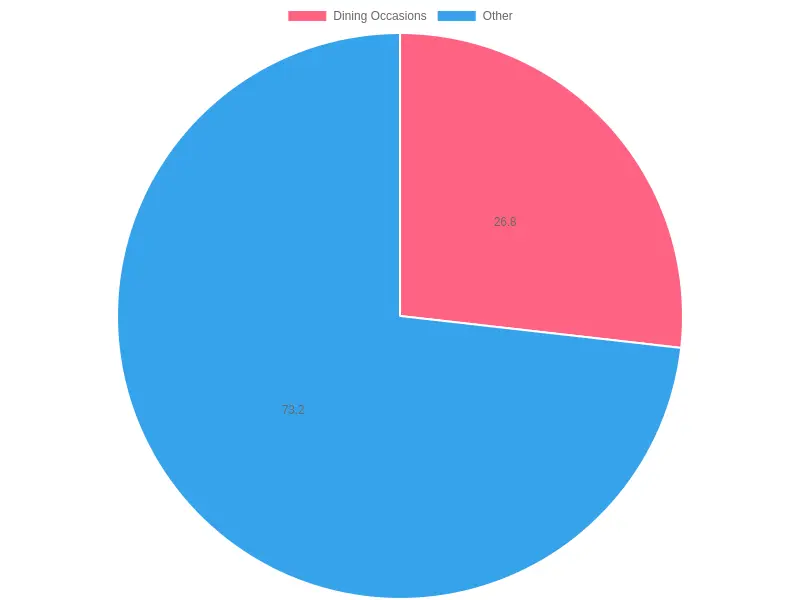
Market Volume Distribution by Dining Occasions (Influenced by K-pop and Social Media)
Influencing Factors
- The appeal of Korean BBQ extends beyond mere dining; it has become a cultural phenomenon fueled by K-pop and social media visibility. These influences significantly enhance its desirability as a dining choice in professional settings.
Conclusion
Integrating Korean BBQ into business events not only provides a memorable culinary experience but also reflects a contemporary understanding of social dining. Business owners looking to attract clients might consider implementing Korean BBQ options in their catering services.
For further related insights on Korean cuisine, you can explore our menu offerings.
Blockquote
“Korean BBQ offers more than just a meal; it provides a unique cultural experience that fosters social interaction and enhances customer satisfaction. The trend of Korean BBQ restaurants is on the rise, appealing especially to younger consumers who value fresh, high-quality ingredients and interactive dining.”
This perspective highlights the importance of Korean BBQ not only as a culinary option but also as a compelling business model that attracts diverse clientele, crucial for restaurant owners considering incorporating it into their offerings.