
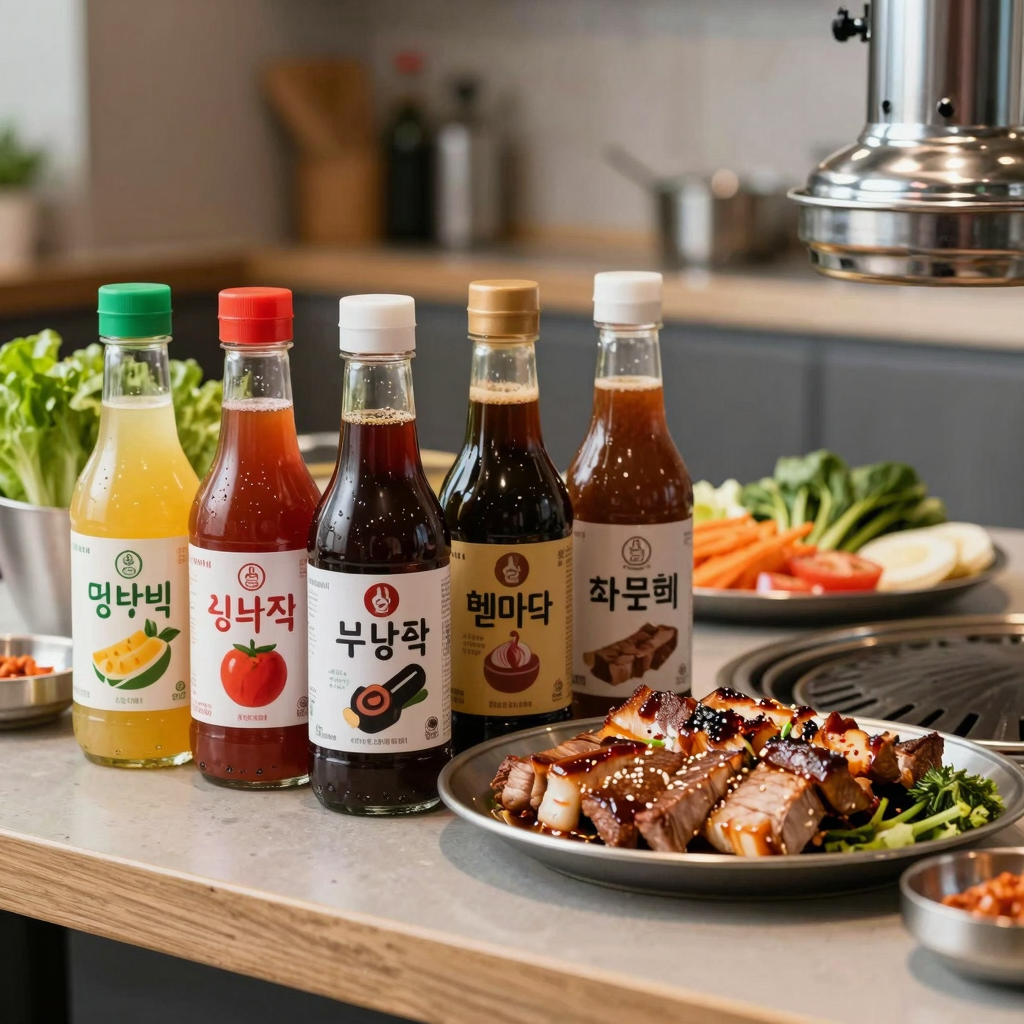
In the bustling world of culinary delights, few flavors capture the essence of enjoyment like Korean BBQ sauce. Known for its rich, sweet, and savory profile, this sauce not only enhances the taste of grilled meats but also embodies a significant aspect of Korean dining culture, from lively restaurants to home kitchens. With its growing popularity, business owners in the food industry must ask themselves: how long does Korean BBQ sauce last in the fridge? Understanding the shelf life of this beloved condiment is crucial for managing inventory effectively and ensuring food safety standards are met. Proper storage impacts not only the flavor but also the overall quality of dishes served. As we delve deeper into the longevity of Korean BBQ sauce, restaurant operators can refine their inventory practices, keeping both their customers and their bottom line satisfied.
When it comes to the shelf life of Korean BBQ sauce, several key factors can play a significant role:
-
Ingredients: The type and quality of ingredients used can greatly affect the sauce’s stability. High acidity (like vinegar) and salt content help preserve the sauce and inhibit bacterial growth.
-
Storage Conditions: Proper storage is critical. An unopened sauce can typically last longer when kept in a cool, dry place. Once opened, it should be refrigerated to maintain freshness and prevent spoilage.
-
Opened vs Unopened: Unopened sauces generally have a longer shelf life due to their sealed environment. Once opened, they are exposed to air, leading to degradation. It’s best to use opened sauces within a month for optimal flavor and safety.
For more on Korean BBQ, check out our menu and discover the amazing dishes we offer!
Best Practices for Storing Korean BBQ Sauce
When it comes to storing Korean BBQ sauce, adhering to food safety principles is paramount, especially for business owners looking to maintain quality and safety in their culinary offerings. Here are the essential guidelines:
Temperature Control
- Ideal Storage Temperature: According to the U.S. Food and Drug Administration (FDA), the ideal temperature for refrigerated storage of opened Korean BBQ sauce is below 4°C (40°F). This temperature helps inhibit bacterial growth, ensuring food safety.
Containers for Storage
- Use Airtight Containers: To preserve freshness and prevent contamination, store Korean BBQ sauce in clean, airtight containers. Shallow containers are recommended as they cool more quickly and evenly when refrigerated.
- Segregate Sauces: If you bulk prepare sauces, divide them into smaller portions. This practice not only facilitates quicker cooling but also minimizes the risk of cross-contamination.
Cooling Practices
- Quick Cooling: After cooking or preparing the sauce, it is crucial to cool it rapidly. Never let the sauce sit at room temperature. Instead, cool it in a cold water bath or place it in shallow containers to bring the temperature down swiftly below 20°C within two hours.
Usage Timeline
- Shelf Life: Unopened Korean BBQ sauce can safely be stored for 12 to 24 months in a cool, dry place. Once opened, it should be refrigerated and used within 3 to 6 months for optimal flavor and safety. Self-made sauces or those without a clear expiration date should ideally be consumed within 1 month after opening.
- Freezing: For long-term storage purposes, you can freeze small portions of the sauce. However, avoid keeping it in the freezer for longer than 2 to 3 months to prevent quality loss.
Warning Signs of Spoilage
Check for any off odors, discoloration, or mold before using the sauce. If any of these indicators are present, it’s best to discard the sauce immediately.
By following these best practices, business owners can ensure that their Korean BBQ sauces remain safe and appealing to customers. For more insights on Korean cuisine, consider checking out our Korean BBQ menu options or all-you-can-eat Korean BBQ experiences.
Comparing Homemade vs Commercial Korean BBQ Sauces
When considering the longevity and quality of Korean BBQ sauces, it’s crucial to understand the differences between homemade and commercial varieties. Below is a table that outlines their key differences, including shelf life, ingredients, and the presence of preservatives.
| Feature | Homemade Korean BBQ Sauce | Commercial Korean BBQ Sauce |
|---|---|---|
| Shelf Life | 5-7 days in refrigerator; up to 3 months frozen | 12-24 months unopened at room temperature; up to 6 months opened |
| Ingredients | Fresh ingredients: gochujang, soy sauce, sesame oil, sugar, garlic, fruit juice (like pear or apple) | Often includes preservatives and stabilizers (e.g., sodium benzoate, potassium sorbate, citric acid) along with similar flavorings |
| Potential Preservatives | None; relies on acidity and refrigeration | Includes preservatives to inhibit microbial growth and extend shelf life |
Key Takeaways
- Shelf Life: Homemade sauces have a much shorter lifespan due to the lack of preservatives, often requiring prompt consumption, while commercial sauces are designed for longer storage.
- Quality Control: Homemade sauces can offer richer flavors free from artificial additives, while commercial varieties provide consistency and convenience for business use.
For further details on how these differences might impact your restaurant or BBQ business, you can learn more about Korean BBQ options or explore our full all-you-can-eat Korean BBQ menu.
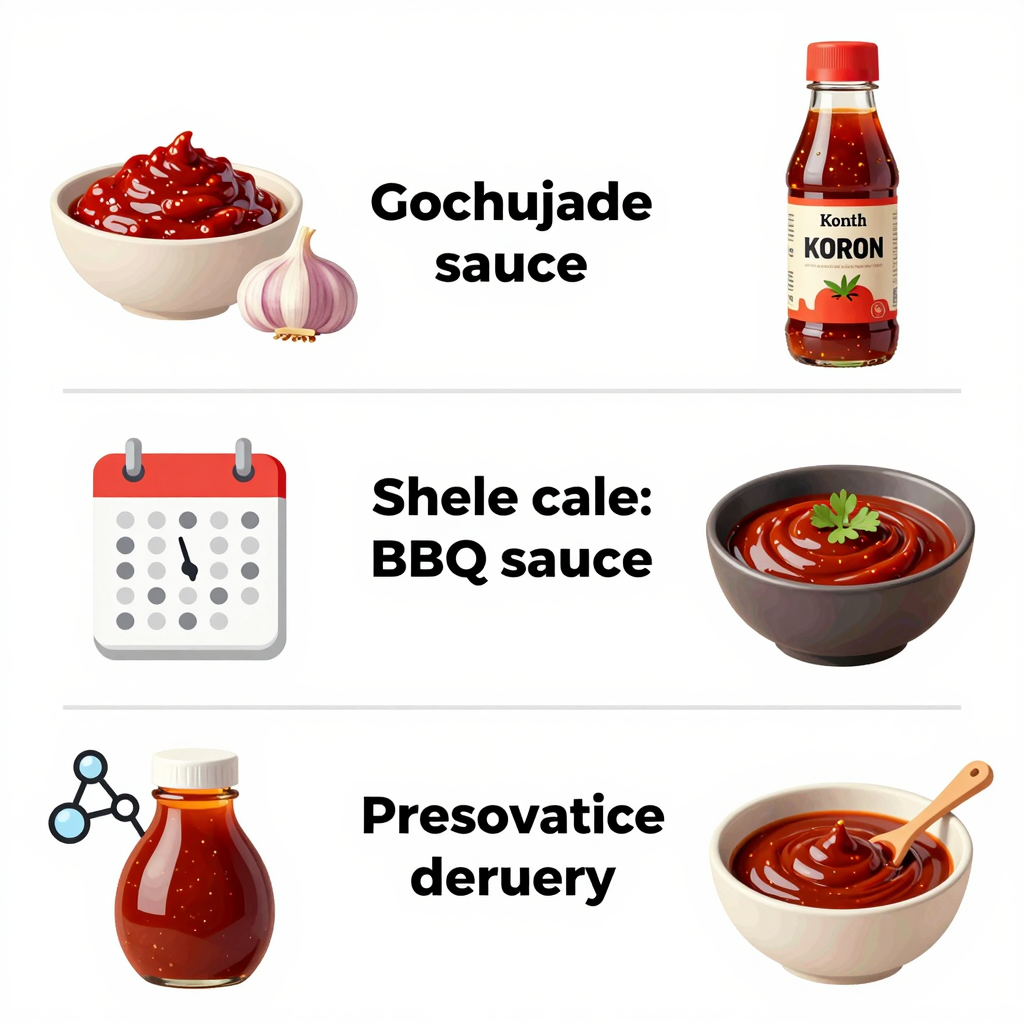
Visual comparison of homemade and commercial Korean BBQ sauces.
This table serves as a crucial resource for business owners looking to differentiate between sauce options, ensuring they cater to customer preferences effectively in their offerings.
Signs of Spoilage in Korean BBQ Sauce
As a business owner in the culinary industry, ensuring the quality of your ingredients is crucial for customer satisfaction and reducing waste. Understanding the signs of spoilage in Korean BBQ sauce can help you maintain high standards and avoid serving expired or spoiled products.
Visual Cues
- Mold: One of the most obvious signs of spoilage is the presence of mold. If you notice fuzzy spots on the surface of the sauce or around the lid, it’s time to discard it.
- Color Change: Fresh Korean BBQ sauce typically has a rich, vibrant color. If you see any darkening or unusual discoloration, it’s a sign that the sauce may have spoiled.
- Texture Changes: A high-quality Korean BBQ sauce has a uniform texture. If it becomes excessively thick, slimy, or has separated significantly, you should consider it spoiled.
Odor Cues
- Foul Odor: A sour or rancid smell is a clear indicator that the BBQ sauce has gone bad. The original savory and slightly sweet aroma should not be replaced by any unpleasant scents.
- Off-Flavors: If the sauce tastes off, sour, or markedly different from its expected flavor profile, this is a strong sign to toss it out.
Practical Tips to Reduce Waste
- Store Properly: Unopened bottles of Korean BBQ sauce can last up to two years at room temperature, while opened bottles should be refrigerated and consumed within 3-6 months for optimal quality. For detailed storage tips, visit Food Safety Basics.
- Regular Checks: Establish a routine for checking your sauces. Regularly inspect them for any visual or odor cues of spoilage.
By following these guidelines, you can uphold the quality of your service and minimize waste effectively.
Shelf Life of Various Sauces
Understanding how long your sauces last can help maintain quality and safety in your business. Below is a chart illustrating the lifespan of common sauces such as BBQ sauce, soy sauce, ketchup, mayonnaise, and mustard.
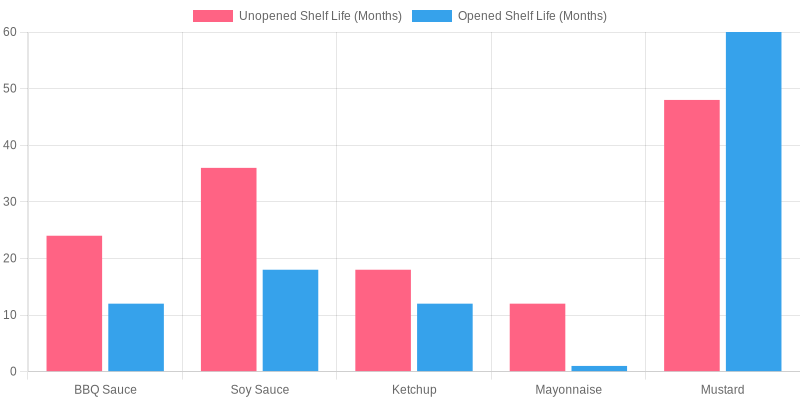
| Sauce Type | Unopened Shelf Life | Opened Shelf Life |
|---|---|---|
| BBQ Sauce | 24 months | 12 months |
| Soy Sauce | 36 months | Indefinite (best within 18 months) |
| Ketchup | 18 months | 12 months |
| Mayonnaise | 12 months | 1 month |
| Mustard | 36-60 months | Years |
Source: USDA Food Safety and Inspection Service.
This chart serves as a quick reference for business owners looking to ensure that their sauce inventory remains fresh and safe for consumption. By following these guidelines, you can help minimize waste and maintain the quality of your offerings.
How Long Does Korean BBQ Sauce Last in the Fridge?
Korean BBQ sauce is an essential ingredient for many businesses in the food industry. Understanding its shelf life and safe storage practices is crucial, especially for restaurants and catering services.
Shelf Life and Storage
Typically, unopened Korean BBQ sauce can last for one to two years past its expiration date if stored in a cool, dry place. Once opened, it can be safely kept in the refrigerator for about three to six months. Proper storage not only helps maintain the flavor but also ensures food safety for your customers.
Testimonial: Chef Min-Ji Park, owner of Seoul Bites Restaurant in Los Angeles, emphasizes the benefits of using certified Korean BBQ sauce. She says, “The sauce reduces prep time and ensures food safety across our high-volume operations. With a 24-month shelf life, managing our inventory is easier, and we’ve seen a 30% increase in customer satisfaction since making the switch.” Learn more about certified sauces here.
Best Practices
To maximize the shelf life of your Korean BBQ sauce:
- Store it in the refrigerator once opened.
- Use clean utensils to scoop out the sauce to avoid contamination.
- Keep the lid tightly sealed when not in use.
Conclusion
By understanding the longevity and proper handling of Korean BBQ sauce, business owners can improve their inventory management and enhance the dining experience for their customers. Adopting a certified sauce not only helps in maintaining quality but also raises overall customer satisfaction rates.
Conclusion
In the world of culinary delights, Korean BBQ sauce stands out not just for its rich flavor but also for its shelf life and storage characteristics. When properly stored in the refrigerator, an opened bottle of Korean BBQ sauce can last anywhere from 6 to 12 months. To guarantee the sauce maintains its freshness, always seal it tightly and keep it away from any strong-smelling foods that could affect its flavor.
Signs that your Korean BBQ sauce has spoiled include noticeable changes in color, such as darkening or the presence of mold, as well as off odors or a sour taste. If you observe any of these indicators, it is crucial to discard the sauce immediately. Refrigeration helps to slow down bacterial growth, but it is essential to monitor your sauce regularly. Unopened bottles can have a shelf life of up to two years if stored correctly in a cool, dry place. Always utilize clean utensils when serving to prevent contamination, which can impact longevity.
By adhering to these best practices, you can ensure that your Korean BBQ sauce remains as delightful as the day you opened it. For those who have specific questions or are looking to purchase premium quality Korean BBQ sauces, don’t wait – contact us today to discuss your needs! We’re here to help you every step of the way.
If you’re interested in exploring more about Korean culinary offerings, feel free to check our Korean BBQ menu or learn about our all-you-can-eat options.
How Long Does Korean BBQ Sauce Last in the Fridge?
Understanding the shelf life of Korean BBQ sauce is essential for both consumers and business owners that utilize this flavorful condiment in their dishes. Proper storage can help maintain its quality and safety for consumption. Let’s dive into the specifics of how long you can expect Korean BBQ sauce to last in your refrigerator.
Unopened vs. Opened
- Unopened Korean BBQ Sauce: When stored properly in the fridge, an unopened bottle can last up to 1 year.
- Opened Korean BBQ Sauce: Once opened, it’s recommended to use it within 3 to 6 months for the best flavor and quality.
Key Considerations
- Even though the sauce might be safe to consume beyond these time frames, its flavor and texture may deteriorate.
- Always check for signs of spoilage, such as color changes, off smells, or any visible mold before using.
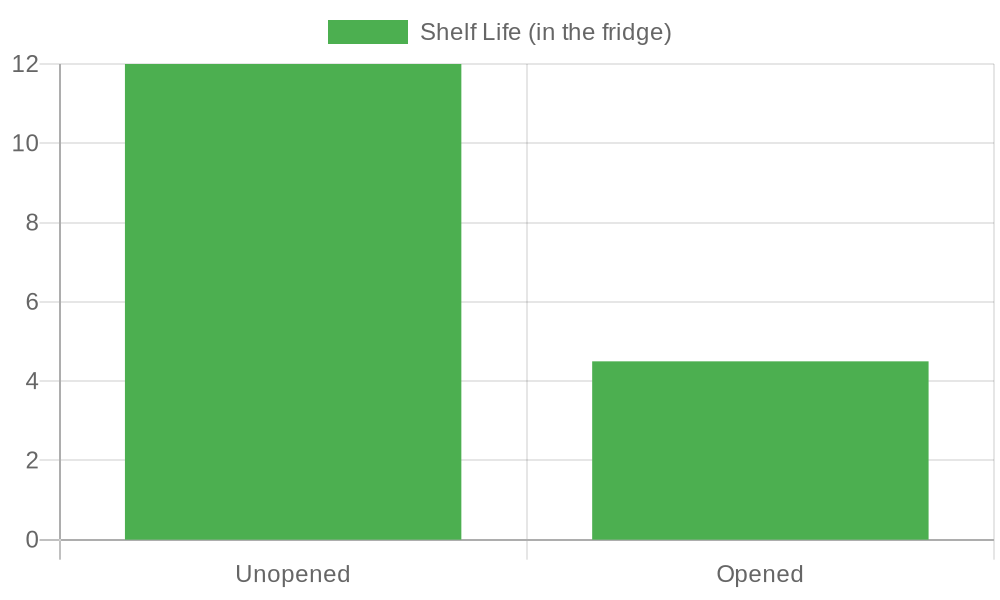
Here’s a concise table summarizing these findings:
| Condition | Shelf Life (in the fridge) |
|---|---|
| Unopened | 1 year |
| Opened | 3-6 months |
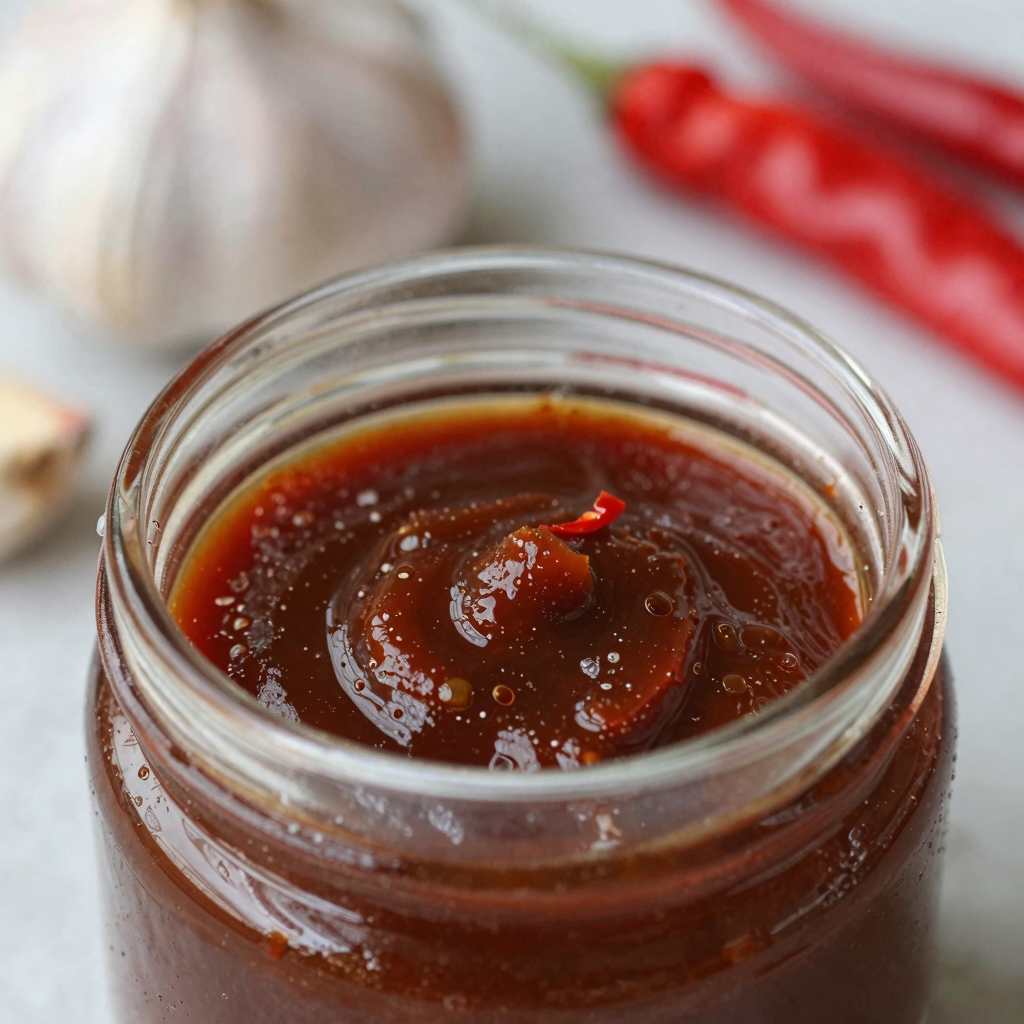
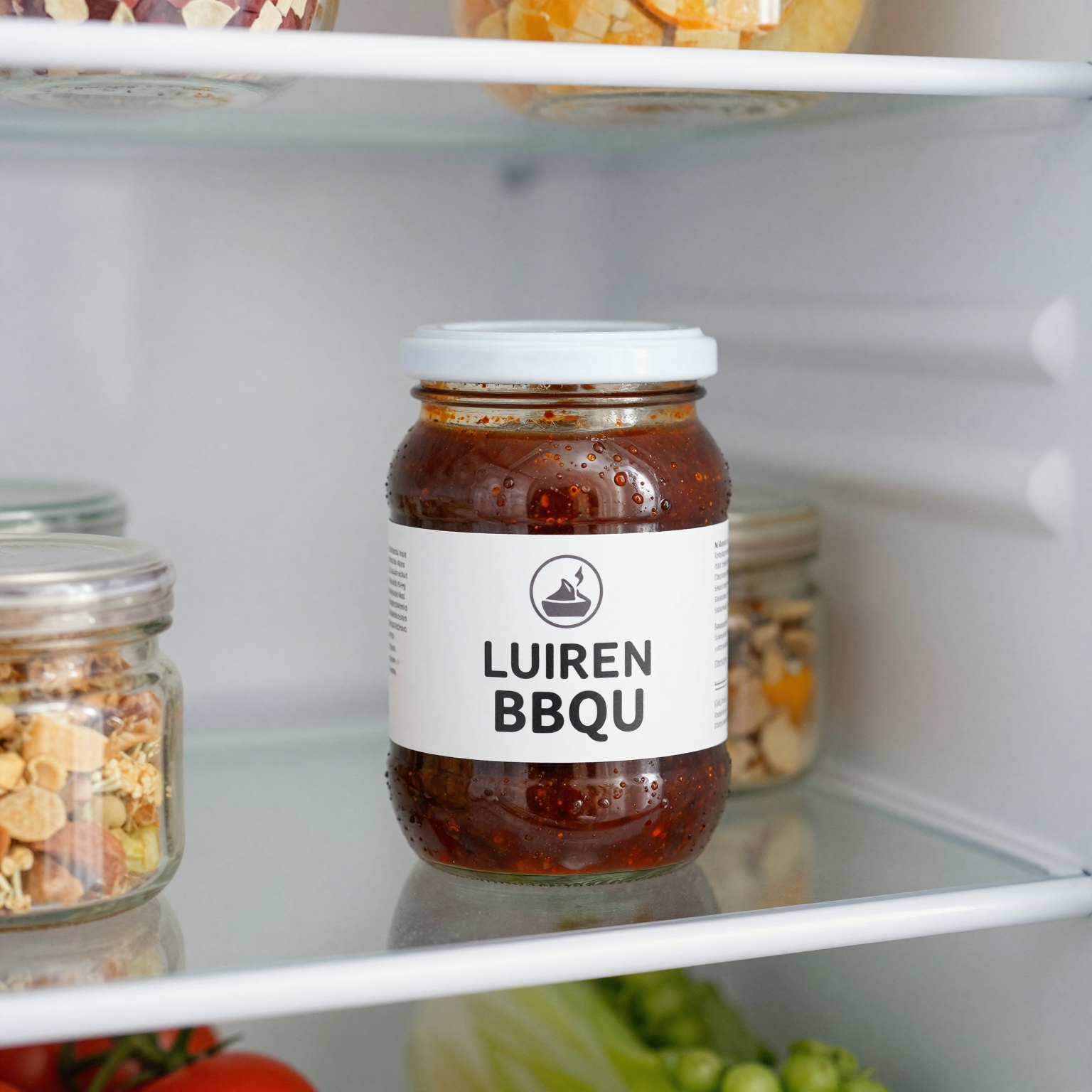
Image of Korean BBQ sauce in a glass container with fresh ingredients in the background.
Visual Representation
The following bar graph illustrates the shelf life of Korean BBQ sauce:
Conclusion
Maintaining the quality of Korean BBQ sauce in your establishment not only enhances customer satisfaction but also showcases your commitment to serving quality dishes. For more insights on Korean BBQ dining options, visit our menu.
For business owners interested in buffet-style dining, check out our section on all-you-can-eat Korean BBQ.
By ensuring proper storage and being mindful of shelf life, you can enjoy the great flavors that Korean BBQ sauce brings to your dishes!