
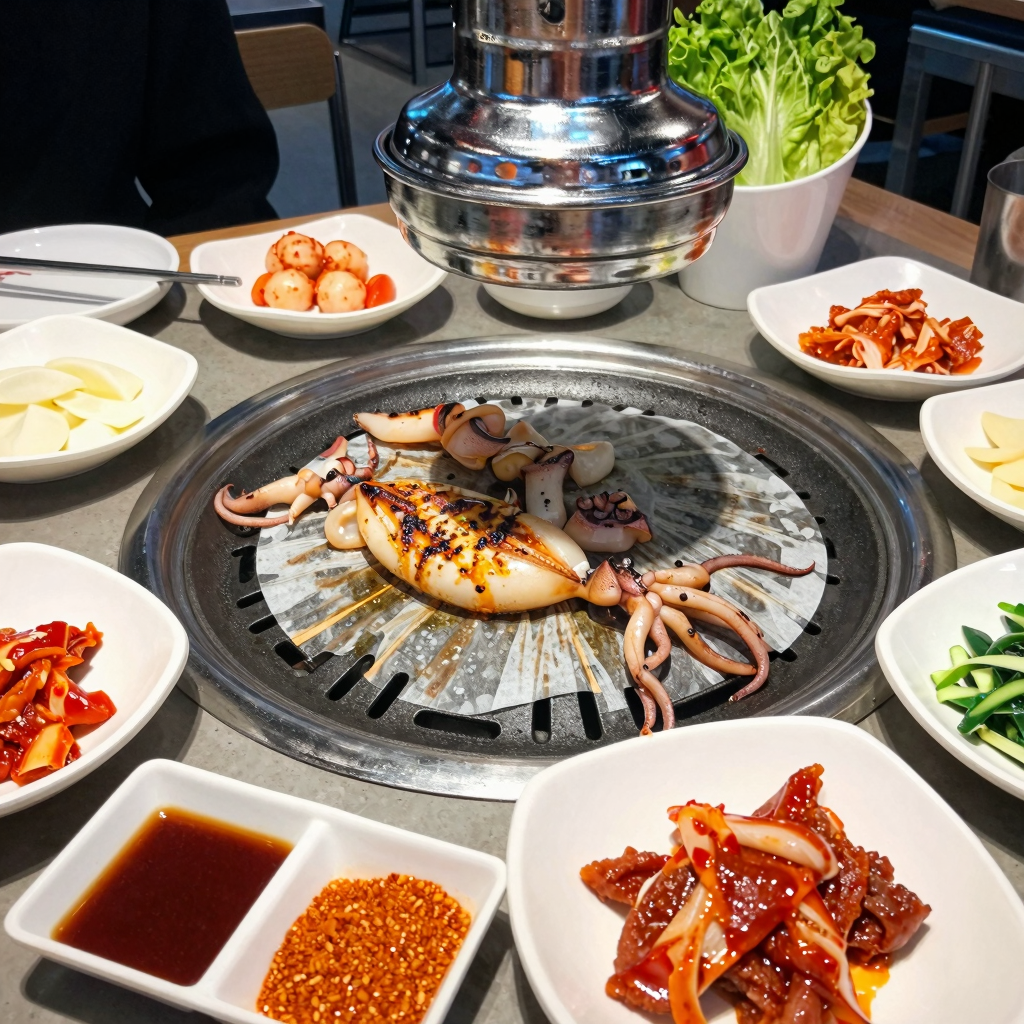
Introduction to Korean BBQ and Cooking Squid
In recent years, Korean BBQ has surged in popularity across the globe, captivating the tastes and imaginations of food enthusiasts and casual diners alike. The unique experience of grilling marinated meats at the table, accompanied by an array of tantalizing side dishes, has made it a social dining phenomenon. A standout item on many Korean BBQ menus is squid, which provides a distinct taste and texture that can elevate any dining experience. However, cooking squid to perfection requires precise timing, as it can easily transform from tender delicacy to rubbery mishap if left on the grill for too long.
For business owners looking to enhance their culinary offerings or create a unique dining experience, understanding how to properly cook squid on a Korean BBQ grill is essential. The optimal cooking time for squid is between 30 to 60 seconds on high heat, whether it’s set over an open flame or a flat top. This critical knowledge can help ensure that the squid retains its juicy, succulent nature, maintaining a delightful texture that patrons will rave about. Not only does proper timing safeguard the squid’s integrity, but it also allows for creativity with marinades and spices, from traditional gochujang-based flavors to innovative fusion styles. By mastering the art of squid preparation, restaurant owners can offer diners something truly special that stands out in the competitive food landscape, contributing to a memorable and satisfying dining experience.
Learn more about the cultural significance of Korean BBQ and consider incorporating diverse seafood options to attract new customers.
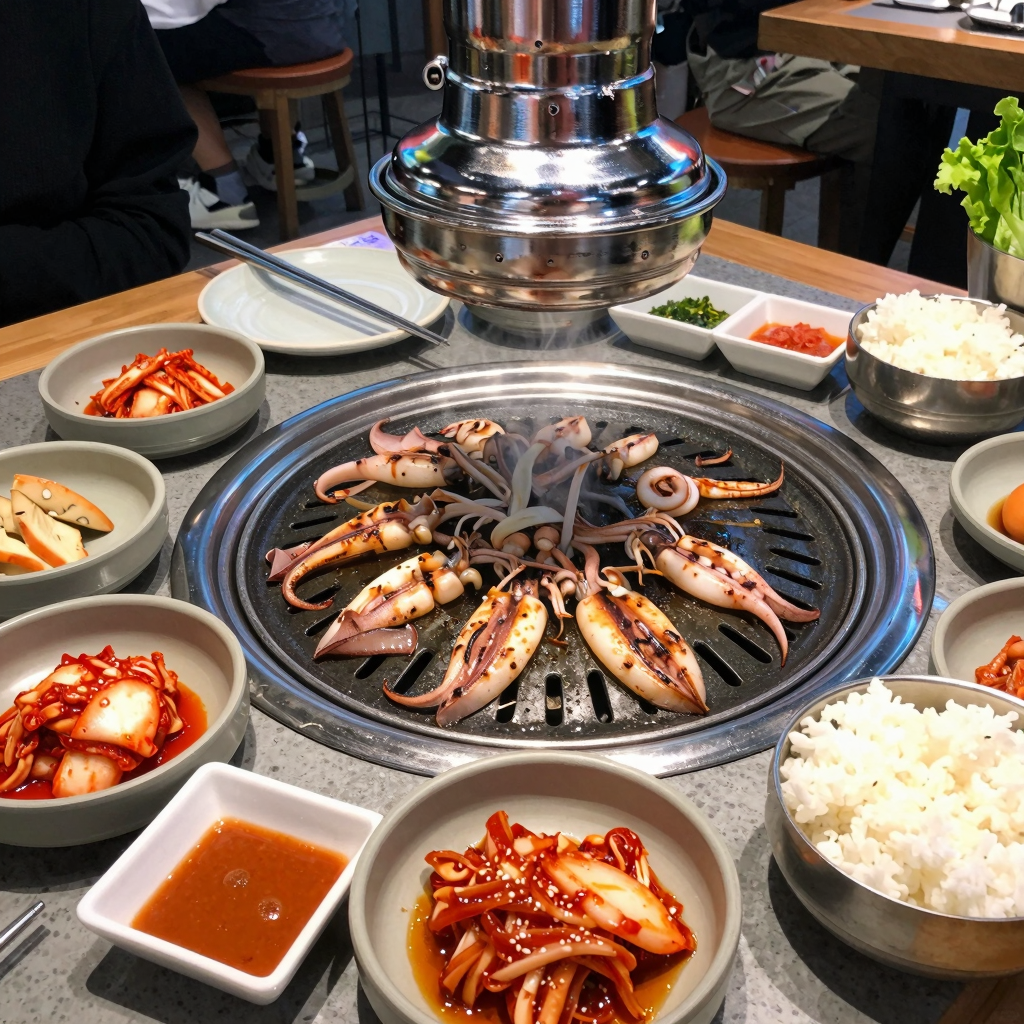
Engaging food lovers and encouraging repeat visits will depend on how well you execute such dishes, especially when squid is featured prominently on the menu. With the correct insights and skills, your establishment can become a go-to destination for adventurous eaters looking to dive into the flavorful world of Korean BBQ.
By focusing on unique offerings like perfectly grilled squid, you position your business not just as a restaurant, but as an exploration of savory experiences that celebrate Korean culture.
The Importance of Time in Cooking Squid
Cooking squid properly is a critical skill in professional kitchens, especially when striving for restaurant-quality dishes. The primary consideration in cooking squid is time; it can make the difference between a tender, flavorful meal and a tough, rubbery disappointment. For business owners in the culinary industry, understanding the significance of cooking durations can markedly influence meal quality and enhance customer satisfaction.
Squid Types and Their Cooking Requirements
There are several common types of squid used in culinary applications:
- Common Squid (Loligo): Typically requires rapid cooking methods to maintain tenderness, with optimal cooking times of 2-5 minutes when sautéed or grilled.
- Giant Squid: The tentacles can be pan-fried for about 5 minutes, while the body might need boiling or stewing for 15-20 minutes.
- Humboldt Squid: Best cooked quickly, similar to the common squid, or cooked slowly if braising for a soft texture.
The cooking method you select directly correlates with the type of squid you’re preparing. For instance, quick high-temperature methods are ideal for the body and tentacles of the common squid, allowing for a perfect texture without the risk of becoming tough. On the other hand, larger varieties like the giant squid benefit from longer cook times that allow flavors to develop and the meat to soften.
Timing: A Double-Edged Sword
Research emphasizes that if cooking times are too rapid or prolonged, it can have detrimental effects:
- Under-Cooking: Failed to enhance flavor compounds, leaving the squid bland.
- Over-Cooking: Leads to moisture loss and a chewy texture that can make even the best-quality squid unpalatable.
For example, a study noted that cooking squid in a sous vide method (a cooking technique where vacuum-sealed food is immersed in a temperature-controlled water bath) showed that exceeding optimal cooking times could lead to significant cooking losses affecting both juiciness and overall quality. This aspect is particularly crucial for restaurants that aim to keep repeat customers.
Impacts on Meal Quality and Customer Satisfaction
Understanding the nuances of squid cooking times can enhance the overall dining experience. When squid is served at the correct texture and flavor profile, it not only meets but exceeds customer expectations. A well-prepared squid dish can elevate a restaurant’s reputation and increase customer loyalty. Moreover, many customers at Korean BBQ establishments are increasingly knowledgeable about their food, making precision in cooking even more vital.
By ensuring cooking times are closely monitored-whether it’s for quick grilling or slow braising-restaurant owners can significantly improve the final product served to patrons. A firm grasp of cooking durations is essential to combining sophisticated culinary techniques with the proper execution, ensuring that the squid dish is not only tasty but a highlight of the dining experience.
For more insights into crafting impeccable dishes at your establishment, feel free to explore our Korean BBQ menu or check out our all-you-can-eat offerings to enhance your dining experience.
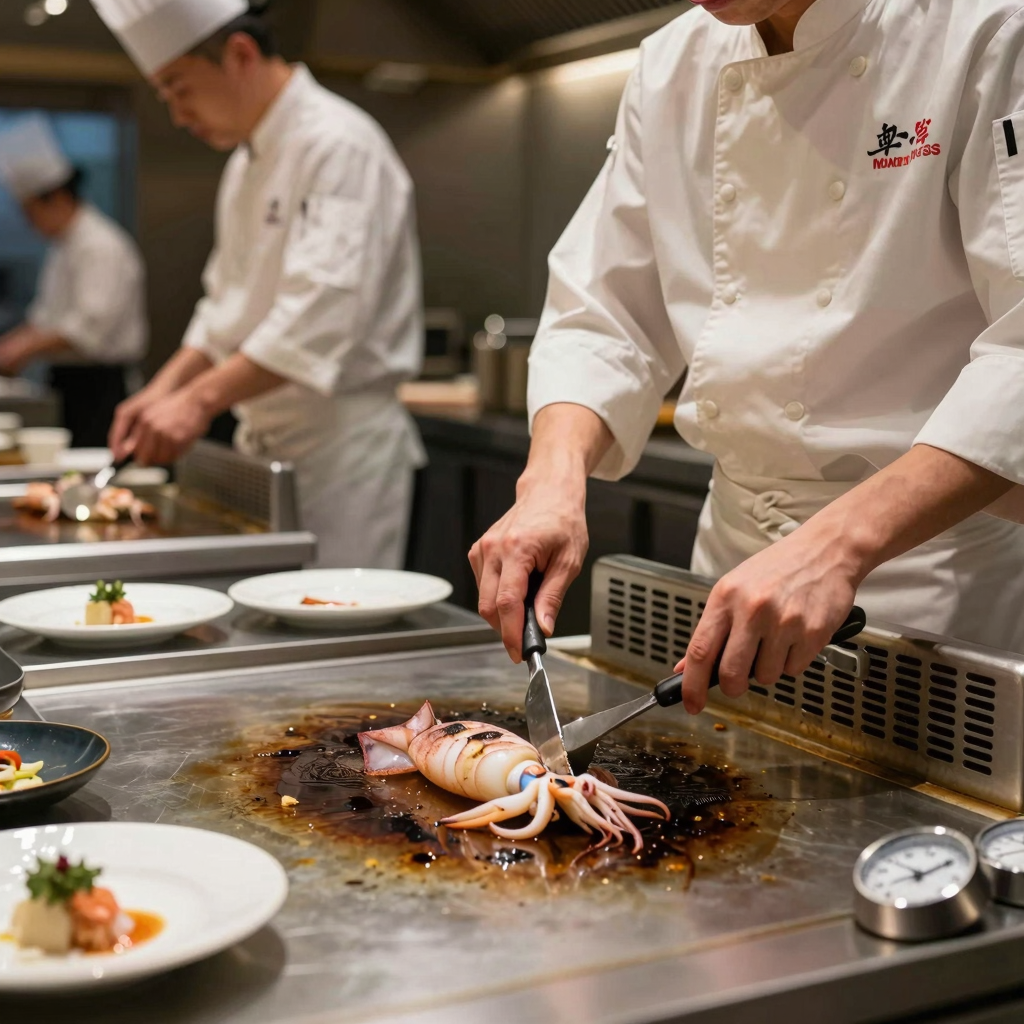
This image showcases a professional kitchen focused on efficiency and quality, emphasizing the critical role of timing in preparing squid dishes.
| Squid Species | Recommended Cooking Time | Serving Suggestions |
|---|---|---|
| Pacific Shortfin Squid (Todarodes pacificus) | 2-3 minutes | Quick grill or stir-fry |
| Chinese Flying Squid (Uroteuthis chinensis) | 8-10 minutes | Soups or marinades |
| Giant Squid (Architeuthis dux) | 30 minutes (slow-cooked) | Stews or slow braising |
| Common Squid (Loligo vulgaris) | 4-6 minutes | Versatile for grilling or boiling |
Cooking Insights
- Pacific Shortfin Squid is ideal for quick preparations like Korean BBQ, where quick grilling enhances its tender texture.
- Chinese Flying Squid requires longer cooking times, making it better suited for dishes that benefit from deep flavors.
- Giant Squid should be cooked slowly to soften its tougher meat, while Common Squid works well in various cooking methods, making it very adaptable.
Having accurate cooking times can significantly improve the quality of dishes served to customers, enhancing their dining experience. For more details on menu items, check out our Korean BBQ menu.
Cooking Techniques for Squid at Korean BBQ
When it comes to enhancing the menu at your Korean BBQ restaurant, understanding the cooking techniques for squid is essential. Squid, known for its delicate texture and slightly sweet flavor, can be prepared in various ways to cater to different tastes. The two predominant methods in Korean BBQ are grilling and frying, each offering unique benefits that impact both taste and texture.
Grilling Squid
Grilling is a traditional method in Korean BBQ that can dramatically enhance the flavor of squid. Here’s how it works:
- Preparation: Squid is typically cleaned, cut into rings or left whole, and often marinated in a blend of ingredients like soy sauce, sesame oil, and garlic. This not only adds flavor but helps tenderize the meat.
- Cooking Process: The squid is then cooked over a high heat on a grill. Ideally, it should be grilled for about 1-2 minutes per side. The goal is to achieve a smoky flavor while keeping the interior tender.
- Effects on Flavor and Texture: Grilling creates a slightly crispy exterior, giving way to a juicy, tender bite inside. If done correctly, grilled squid maintains an enjoyable chew, avoiding the rubbery texture that can arise from overcooking. The charred flavor adds depth, making it a delight for customers seeking classic Korean BBQ experiences.
- Serving Suggestions: Grilled squid can be served alongside dipping sauces made from gochujang or other Korean herbs to enhance the flavor further. Learn more about the dynamic offerings at our Korean BBQ.
Frying Squid
Frying, on the other hand, is another exciting technique for squid, especially for creating popular dishes such as squid tempura or fried squid skewers.
- Preparation: The squid is often cut into uniform pieces and can be lightly coated in a batter. A tempura-style batter made from cold water and flour yields a light and crispy outcome.
- Cooking Process: The squid is deep-fried in hot oil, which cooks it quickly; a timeframe of just a few minutes is typical. This method locks in moisture and flavor while delivering a satisfying crunch.
- Effects on Flavor and Texture: Fried squid presents a crispy exterior that contrasts nicely with the tender meat inside. While frying may elevate the flavor due to the addition of oil and seasonings, it’s vital to monitor the cooking time carefully to avoid a tough, rubbery product. Proper frying creates a delightful umami depth, making it a favorite among patrons.
Conclusion
In conclusion, both grilling and frying are effective squid cooking techniques in Korean BBQ, each offering distinct taste and texture benefits. Grilling enhances the natural flavor of squid with a charred taste and keeps it tender, while frying provides a crispy, satisfying texture that’s hard to resist. Incorporating both methods into your menu can attract more customers and diversify your offerings, appealing to a range of palates at your establishment. For more details about how to create delectable dishes at your restaurant, check out our Korean BBQ buffet options.
Understanding these squid cooking techniques can help refine your menu and elevate the dining experience for your customers, ultimately boosting satisfaction and repeat business.
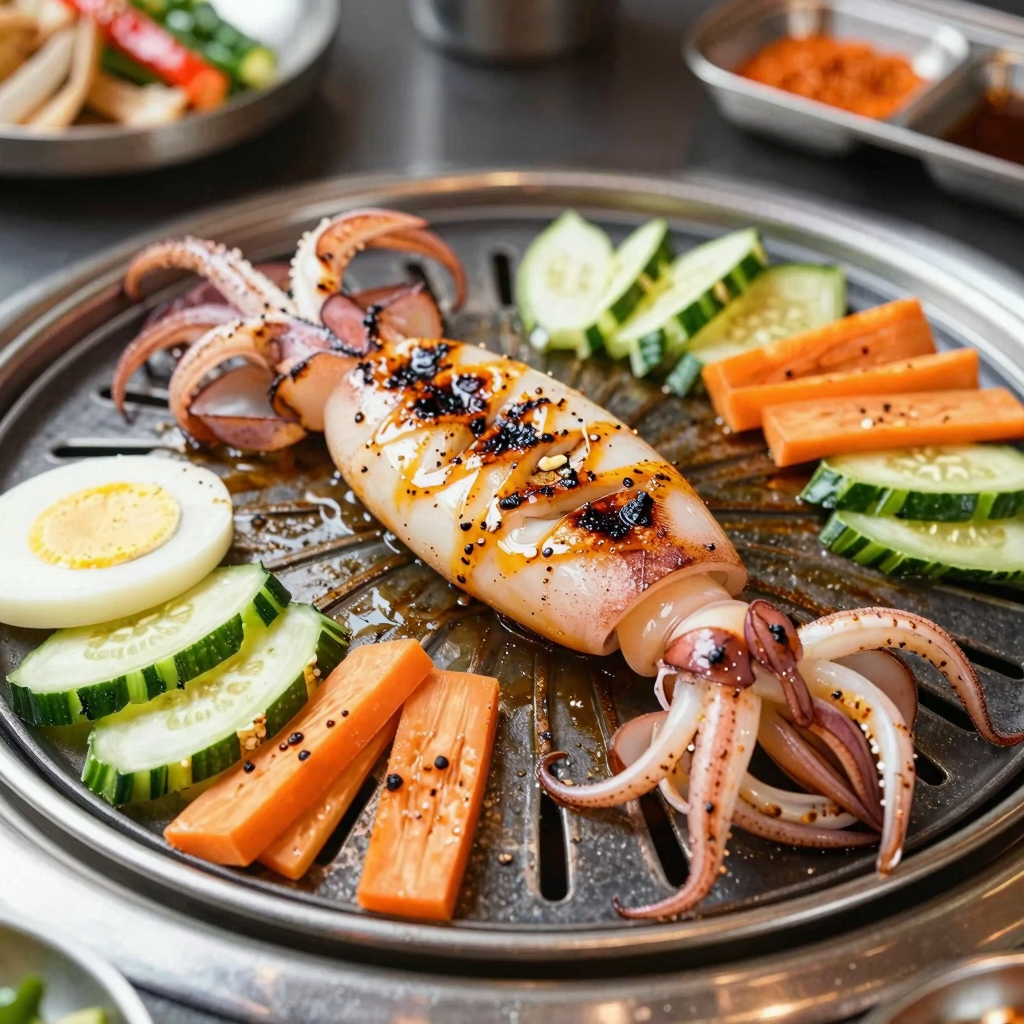
Customer Preferences for Squid Dishes at Korean BBQ
Squid dishes, particularly in the context of Korean BBQ (KBBQ) restaurants, have seen varying degrees of both popularity and criticism among consumers. Recent studies indicate a nuanced landscape of preferences that can significantly impact restaurant profitability.
Key Findings on Consumer Preferences
-
Popularity Trends: Despite some mixed reviews, squid dishes like Ojingeo Bulgogi (squid bulgogi) and grilled squid skewers are gaining traction, particularly among younger diners. According to an article from Eater, this demographic shows an increasing preference for seafood options due to their unique textures and umami flavors, which serve as alternatives to traditional meat-centric offerings. This shift is driving profitability as restaurants find that squid dishes typically yield higher margins than beef or pork (Eater).
-
Market Analysis: A Statista market analysis has revealed that consumer preference for seafood in KBBQ has surged by 22% year-over-year. Notably, squid dishes rank among the top three most requested non-meat items. The rise in demand is attributed to heightened health consciousness and a growing interest in sustainable protein sources. Restaurants that include squid in their menus have reported an average 15% increase in customer satisfaction scores, leading to higher repeat visitation rates and positively affecting profitability (Statista).
-
Quality Perceptions and Concerns: However, it’s important to note that some consumers still harbor reservations about squid dishes due to ongoing concerns about taste and texture. Certain studies, such as one from TasteAtlas, indicated that while the popularity of squid dishes fluctuates, they often receive criticism for taste and freshness, which can deter diners. This highlights the importance of maintaining high quality in preparations to meet consumer expectations (TasteAtlas).
Practical Implications for Business Owners
Given these insights, KBBQ restaurant owners should take the following actions to leverage squid dishes effectively:
- Menu Innovation: Introduce squid variations that cater to health-conscious consumers, such as grilled squid with unique marinades or squid-based stews that can appeal to the health-oriented market.
- Quality Assurance: Ensure that squid dishes are prepared with high-quality ingredients and presented attractively to combat negative perceptions and enhance customer satisfaction.
- Marketing Strategies: Target younger demographics through social media, emphasizing the unique textures and flavors of squid dishes. Highlighting innovative squid recipes can also boost visual appeal, making them more Instagram-friendly content for sharing among younger diners.
In conclusion, while squid dishes present both challenges and opportunities in the KBBQ scene, their rising demand and health benefits provide a robust platform for profitability. With the right approaches, such as focusing on quality and innovation, restaurant owners can turn squid into a lucrative part of their offerings.
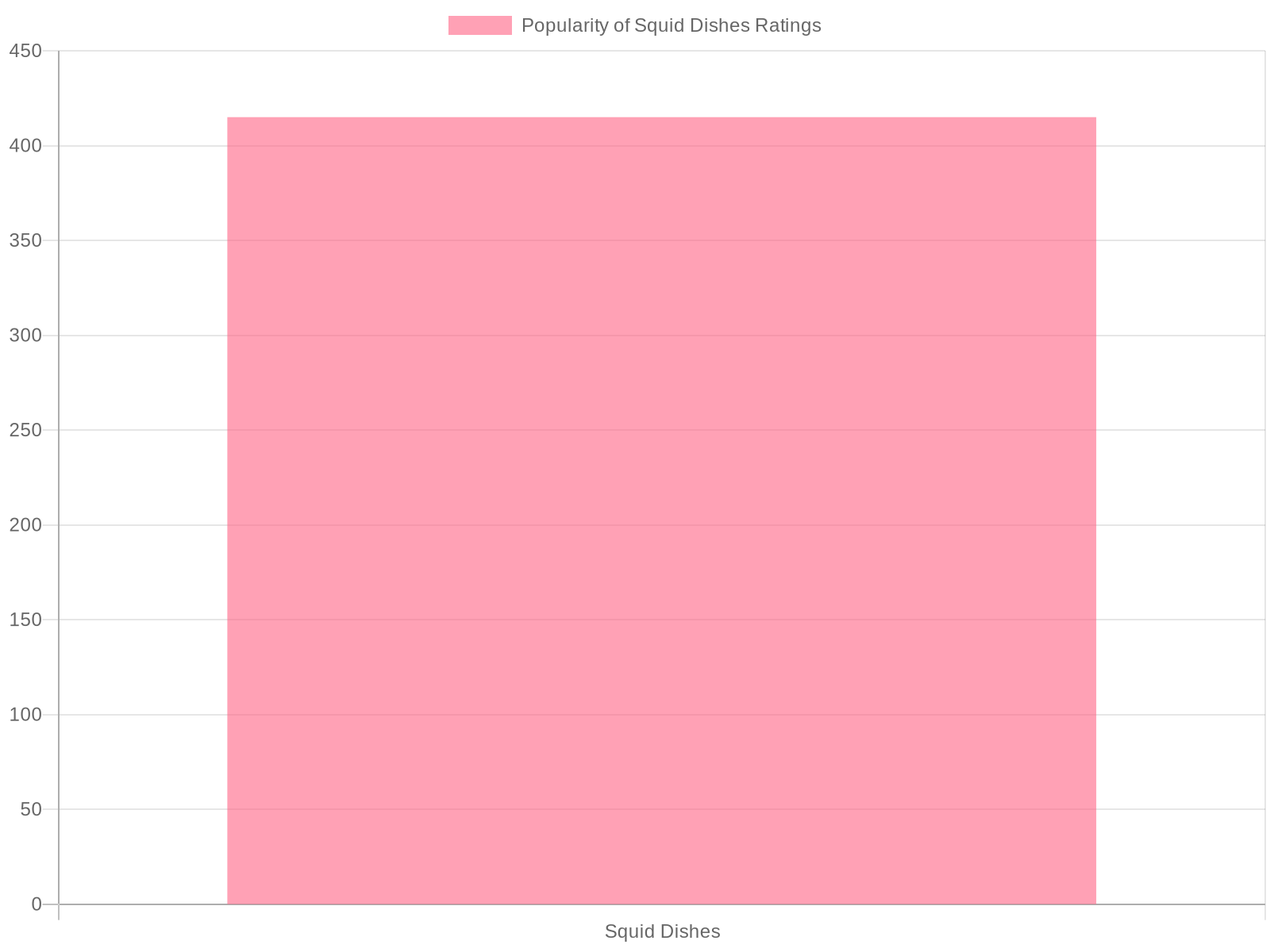
Consumer perceptions regarding squid dishes in Korean BBQ
Tips for Ensuring Squid is Properly Cooked
Cooking squid can be challenging due to its unique texture and quick cooking time. For business owners in the culinary industry, ensuring that squid is properly cooked not only avoids waste but also enhances the dining experience for customers. Here are some best practices to ensure your squid is tender and flavorful:
-
Choose Fresh Squid: Start with high-quality, fresh squid, as freshness directly affects flavor and texture. Look for squid that has a mild scent without a fishy odor.
-
Proper Cleaning: Clean the squid thoroughly. Remove the head, innards, and the quill (transparent backbone). Rinse under cold water to ensure no impurities remain, which can affect the taste.
-
Marination: Marinate the squid for at least 30 minutes before cooking. Using acidic ingredients like lemon juice or vinegar will help tenderize the meat and infuse flavors. This is particularly effective as the acid starts to break down proteins, making the squid more tender.
-
Use Appropriate Cooking Methods:
-
Quick Cooking: Squid cooks quickly and should be prepared using high-heat methods such as grilling or frying for just 1-2 minutes. This helps to maintain its tenderness.
-
Searing or Stir-Frying: When searing, cook the squid until it curls and turns opaque. Overcooking makes it rubbery.
-
Sous Vide: For a guaranteed tender result, consider sous vide cooking. Cook the squid at low temperatures (around 65-75°C) for 20-30 minutes. This method locks in moisture and flavors while ensuring tenderness.
-
Avoid Overcooking: One of the most common mistakes is overcooking squid, which leads to a chewy texture. Pay close attention and remove the squid from heat as soon as it is done.
-
Don’t Crowd the Pan: When frying or grilling, make sure not to overcrowd the pan. This ensures that the squid sears properly rather than stews, which can alter its texture.
-
Finish with Flavor: After cooking, consider tossing the squid with flavorful ingredients like garlic, cilantro, or a splash of soy sauce to enhance the dish’s final taste.
Using these practices will help maintain the squid’s natural qualities while delivering a delicious meal that is sure to impress customers. For more information on including seafood options in your menu, check out our Korean BBQ and Sushi Menu and explore how to bring in diverse flavors to your dishes!
By implementing these strategies, business owners will elevate their squid dishes and provide patrons with an exceptional dining experience.
The Importance of Proper Cooking Times for Seafood
As culinary experts emphasize, precision in cooking times is crucial when preparing seafood to maintain its texture and flavor. For instance, renowned chef David Chang states,
“With seafood, you’re not just cooking; you’re managing a very short window of perfection. If you’re grilling shrimp, for instance, three minutes per side on high heat is the sweet spot. Go beyond that, and you lose the succulence. It’s about respecting the ingredient-its natural moisture and structure-and trusting your instincts as much as your thermometer.”
This quote highlights the delicate balance required in cooking seafood, making it essential for business owners in the food industry to perfect their timing for dishes like squid.
Proper cooking of squid, for example, can elevate the dining experience at your establishment. Check out our Korean BBQ and sushi menu for more seafood inspiration.
Nutritional Benefits of Squid: A Healthy Menu Option
As the restaurant industry increasingly focuses on health-conscious dining, incorporating squid into menus presents an excellent opportunity for business owners. Squid is a low-calorie, high-protein seafood option that can enhance dishes while providing significant health benefits. A 3-ounce (approximately 85 grams) serving of squid contains roughly 74 calories and 16 grams of protein, while being low in fat and rich in essential nutrients like vitamin B12, selenium, and copper. According to a recent Healthline article, squid supports heart health thanks to its omega-3 fatty acids, which may help reduce inflammation and lower triglyceride levels.
A comprehensive study published in the “Food Chemistry Journal” reveals that squid species, such as Loligo and Sepioteuthis, are rich in polyunsaturated fatty acids (PUFAs) like EPA and DHA, which are crucial for cardiovascular and cognitive health. Although squid contains a considerable amount of cholesterol (around 180-200 mg per 100 grams), the overall nutritional profile is favorable, particularly the omega-3 to omega-6 fatty acid ratio. This makes squid a valuable addition to a balanced diet – best consumed in moderation as highlighted by the study.
As restaurant businesses adapt to the growing demand for health-focused options, incorporating squid can draw health-conscious customers. A report by Unilever’s food planning department identifies key menu trends for 2023, emphasizing the use of nutritious vegetables and simple, healthy ingredients. It points towards a shift in consumer preferences towards sustainable, nutrient-dense foods, reinforcing the idea that offering dishes like grilled squid could resonate well with today’s diners.
Additionally, Meituan’s analysis reveals a noticeable rise in health-conscious dining habits, with increasing consumer focus on low-fat and high-protein choices. This trend suggests that an appealing squid dish could enhance a restaurant’s menu and attract a broader audience seeking healthier options.
In summary, with its rich nutrient profile and palate appeal, squid can not only enhance your menu but also align with the current market shift towards healthier, sustainable dining practices. For those interested in exploring diverse and nutritious menu options, Kogi Korean BBQ offers a variety of dishes that could benefit from the inclusion of squid in a creative and health-oriented way.
Conclusion: The Importance of Cooking Times for Squid at Korean BBQ
Understanding the precise cooking times for squid in Korean BBQ is not just about preparing a meal; it is a critical component of delivering the best dining experience for your customers. Cooking squid for only 2-3 minutes achieves the perfect texture-curly and golden-ensuring it doesn’t turn tough or rubbery. This short cooking time enables business owners to maximize grill efficiency and maintain consistent quality across all dishes served. With the fast-paced nature of restaurant environments, being mindful of cooking times reduces food waste and upholds customer satisfaction, which is essential for any successful business.
We invite business owners to delve deeper into this topic and explore how mastering cooking techniques can significantly enhance your offerings. For those seeking expert guidance or support, don’t hesitate to learn more about our services or find creative menu inspirations on our Korea BBQ and Sushi Menu.
Whether you are just starting or looking to refine your current offerings, professional knowledge and strategies can set you apart in a competitive market. Your commitment to delivering quality dining experiences begins with understanding the nuances of cooking techniques like those for squid in Korean BBQ.
Take the next step! Reach out today and let’s craft the perfect menu that not only satisfies your customers but also enhances your brand reputation. Enhance your knowledge and ensure your restaurant thrives in the delicious world of Korean BBQ!