
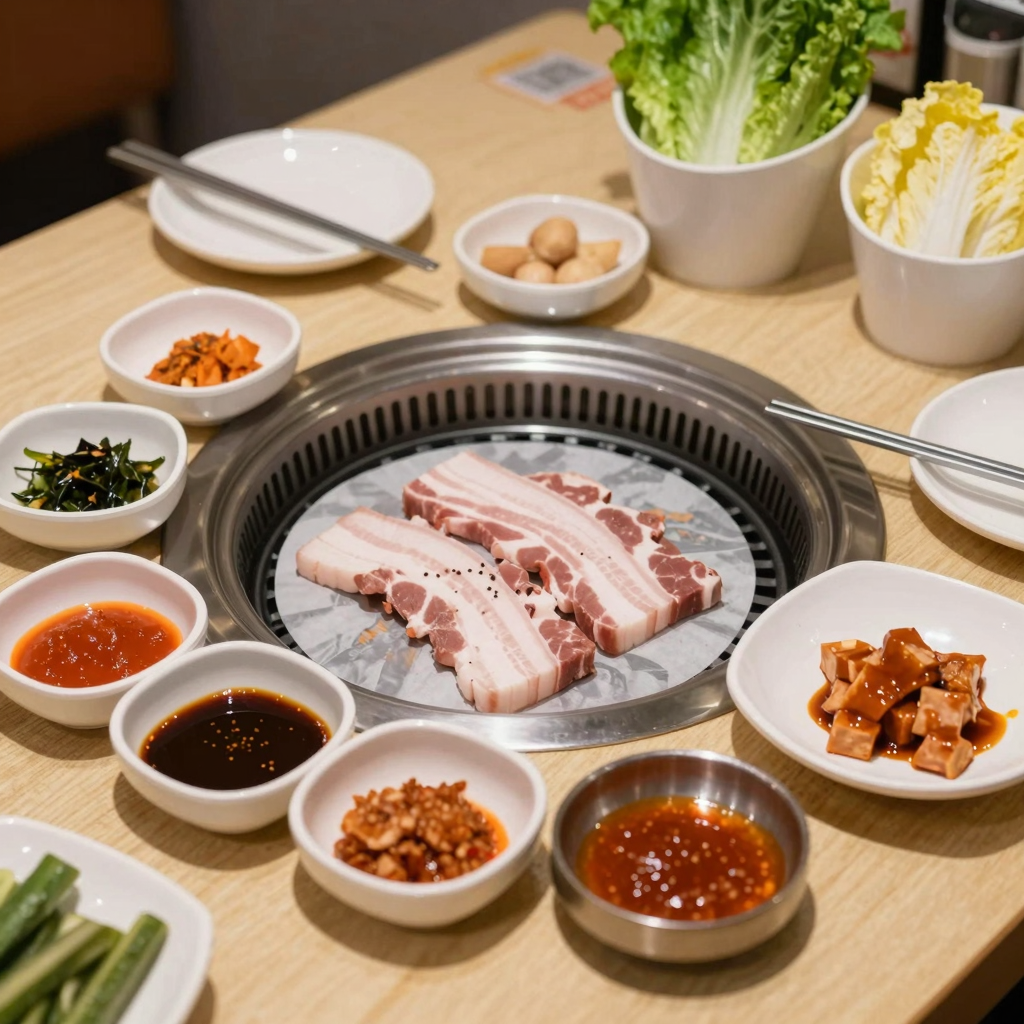
Korean BBQ has surged in popularity across the globe, captivating food enthusiasts with its unique approach that combines flavorful grilled meats and a social dining experience. At the heart of this culinary delight lies one of the most cherished cuts: pork belly. Cooking this rich and succulent meat to perfection is not just about flavor; it’s also crucial for ensuring a tender, juicy bite that elevates the entire meal. For business owners in the Korean BBQ industry, understanding the intricacies of cooking pork belly correctly can significantly enhance their customer satisfaction and keep diners coming back for more. One essential question that often arises is, how long to cook pork belly Korean BBQ? This guide will uncover the best practices and recommendations to help you achieve that mouthwatering, crispy exterior while preserving the exquisite juiciness within. Whether you’re serving it with a variety of dipping sauces or wrapped in fresh lettuce for the perfect bite, mastering the cooking time for pork belly is vital for success in your Korean BBQ offerings. Get ready to turn your kitchen into a gourmet grill house!
Recommended Cooking Methods for Pork Belly in Korean BBQ
As a business owner looking to serve authentic Korean BBQ, here are several recommended cooking methods for pork belly that will delight your customers:
-
Grilling: The classic method for Korean BBQ, where thin slices of pork belly are cooked on a charcoal or electric grill, achieving a crispy exterior while keeping the inside tender. This method allows for the juicy flavors to meld beautifully with the charred taste.
-
Braising: Slow-cooking pork belly in a flavorful broth enhances its richness and tenderness. This method often uses soy sauce, garlic, and ginger, infusing deep flavors that resonate with Korean cuisine.
-
Pan-frying: A quick method that involves searing pork belly slices in a skillet, which gives them a crispy texture. Ideal for small quantities or when preparing dishes at a fast pace.
For further details on menu variety, check out this guide on Korean BBQ dishes.
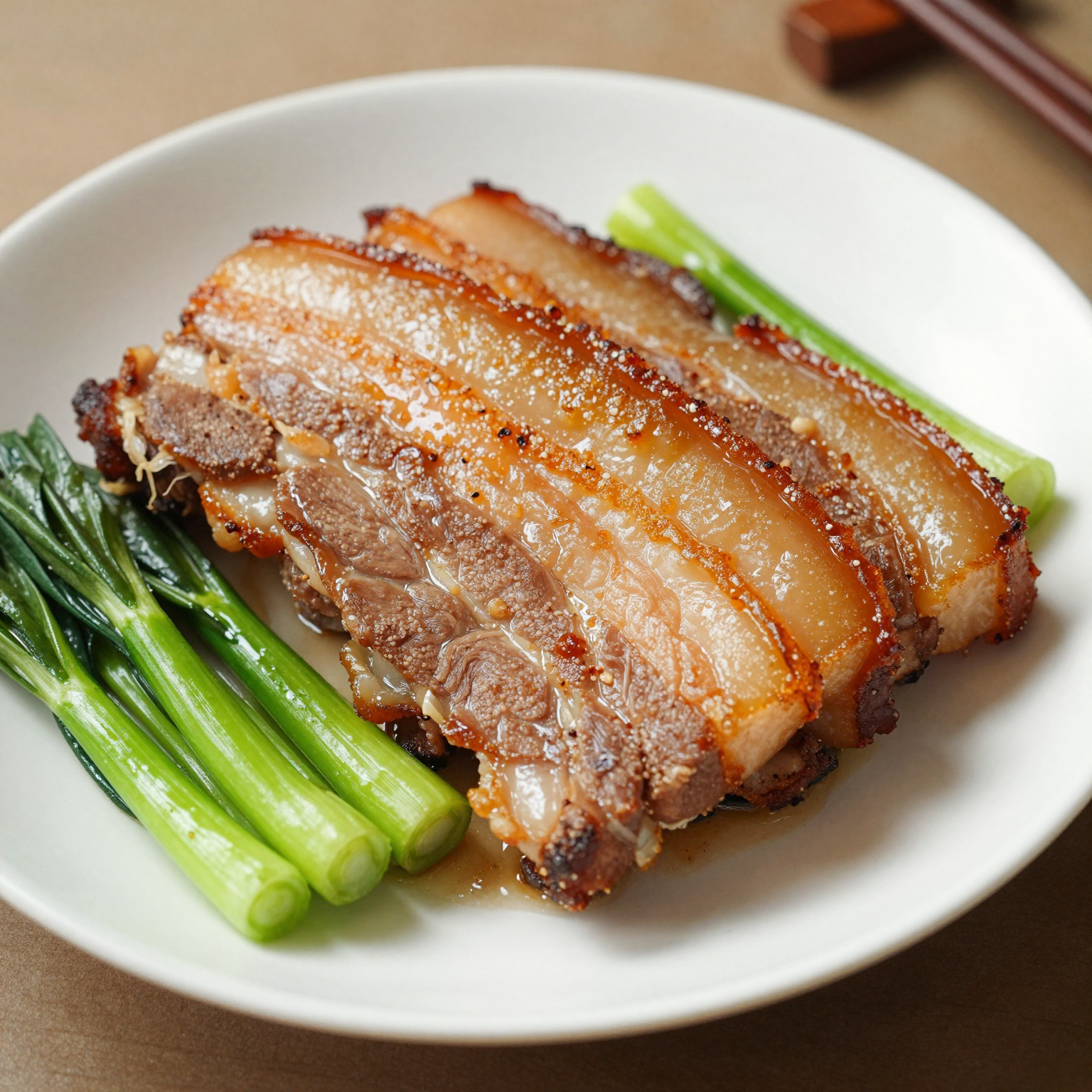
Introduction
When it comes to cooking pork belly for Korean BBQ, understanding the factors that influence cooking time is essential to perfecting this delicious cut of meat. Factors such as thickness, weight, and cooking method play significant roles in determining how long it will take for pork belly to reach the ideal tenderness and flavor. Here’s a detailed breakdown of these critical factors.
Thickness
The thickness of the pork belly is one of the most significant factors affecting its cooking time. Generally, the thicker the piece, the longer it will take to cook.
- 1 inch thick: A slice of pork belly that is about 1 inch thick will usually take around 1.5 to 2 hours when braised. On the grill, this thickness can cook in approximately 10 to 15 minutes per side.
- 1.5 inches thick: For thicker pieces, such as a 1.5-inch slab, cooking time increases to about 2 to 2.5 hours when braised, and 15 to 20 minutes per side on the grill.
- 2 inches thick: A 2-inch thick pork belly will need approximately 2.5 to 3 hours in the oven or while braising, and 20 to 25 minutes per side when grilled.
- 3 inches thick: Thick cuts of 3 inches require significantly longer cooking times, generally around 3.5 to 4 hours when braised, and 25 to 30 minutes per side on the grill.
This information is crucial for business owners at Korean BBQ establishments to ensure that their food is cooked to perfection. For further information about Korean BBQ, you can explore our menu.
Weight
Alongside thickness, the weight of the pork belly also impacts the cooking time. Heavier pieces of pork belly take longer to cook due to their larger thermal mass, which requires more time to heat through completely.
- Smaller pieces: A 1.5-pound pork belly cut may reach the necessary internal temperature relatively quickly-about 2 hours for braising.
- Larger portions: For larger roasts, such as a 4-pound pork belly, you may require up to 4 to 5 hours depending on the cooking method.
It’s important to keep in mind that the internal temperature for pork belly should reach 195°F (90°C) to ensure optimal tenderness, where the fat has rendered successfully. Understanding these differences allows for precise serving times, something that can improve customer satisfaction and operational efficiency in a restaurant setting.
Cooking Method
The cooking method selected dramatically alters cooking times:
- Braising: This is a slow-cooking method that requires maintaining a low temperature for an extended period. Braising is ideal for thicker cuts, allowing the fat to render slowly, resulting in tender, flavorful meat. As noted, a 2-inch thick cut could take anywhere from 2.5 to 4 hours to cook properly through this method.
- Grilling: This method significantly reduces cooking times. For both thick and thin slices, grilling about 20 minutes per side is sufficient for thicker cuts while thin slices can be done in just 10 to 15 minutes per side. This method imparts a nice charred flavor, popular in Korean BBQ restaurants.
- Pressure Cooking: Pressure cooking is a quick alternative that can reduce cooking times by nearly half. A 2-inch pork belly may only take around 35 to 40 minutes, while a 1-inch cut can be ready in about 25 to 30 minutes.
This diversity in cooking methods offers flexibility in menu options and can align with various customer preferences. For business owners, offering both slow-cooked and quick-grilled options can cater to a wider variety of tastes in your restaurant. To learn more about our options, check out our Korean BBQ buffet.
Conclusion
In summary, several critical factors impact the cooking time of pork belly, including thickness, weight, and cooking method. Understanding these elements allows business owners to optimize cooking times and improve the overall dining experience. By mastering these details, you can ensure your pork belly dishes achieve the desired tenderness and flavor that are hallmark characteristics of an exceptional Korean BBQ experience.
Reference Chart
Here is a visual chart outlining recommended cooking times based on thickness and method:
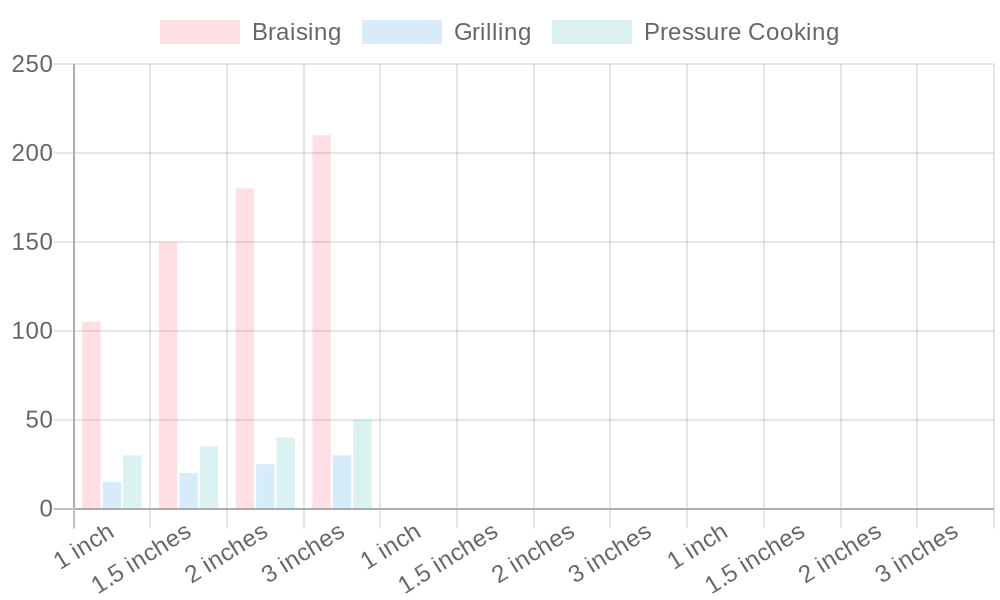
Note: Cooking times are approximate and will vary based on equipment, heat source, and desired tenderness.
| Thickness | Cooking Method | Recommended Cooking Time |
|---|---|---|
| 1 inch | Braising | 1.5 – 2 hours |
| 1.5 inches | Braising | 2 – 2.5 hours |
| 2 inches | Braising | 2.5 – 3 hours |
| 3 inches | Braising | 3.5 – 4 hours |
| 1 inch | Grilling | 10 – 15 minutes (per side) |
| 1.5 inches | Grilling | 15 – 20 minutes (per side) |
| 2 inches | Grilling | 20 – 25 minutes (per side) |
| 3 inches | Grilling | 25 – 30 minutes (per side) |
| 1 inch | Pressure Cooking | 25 – 30 minutes |
| 1.5 inches | Pressure Cooking | 30 – 35 minutes |
| 2 inches | Pressure Cooking | 35 – 40 minutes |
| 3 inches | Pressure Cooking | 45 – 50 minutes |
Cooking Time Chart for Different Pork Belly Thicknesses
Cooking pork belly to perfection requires precise timing depending on the thickness of the cut. Below is a handy chart summarizing the recommended cooking times at a low temperature of 300°F (149°C) for optimal texture.
| Thickness (inches) | Recommended Cooking Time (300°F, Low and Slow) | Additional Notes |
|---|---|---|
| 1 inch | 1.5 to 2 hours | For tender, juicy pork belly; skin will be soft. |
| 1.5 inches | 3.5 to 4 hours | Ensure internal temperature reaches 195-205°F for pull-apart texture. |
| 2 inches | 4 to 4.5 hours | Ideal for large cuts; allow resting time before slicing. |
Notes on Achieving Crispy Skin After Low-and-Slow Cooking:
- After slow-roasting, increase oven temperature to 450°F (230°C) for 10-15 minutes to crisp the skin.
- Pat the skin dry thoroughly before roasting to promote crisping.
- Optionally, score the skin deeply in a diamond pattern to help render fat and achieve crunch.
- For best results, use a broiler or finish under a kitchen torch after high-heat searing.
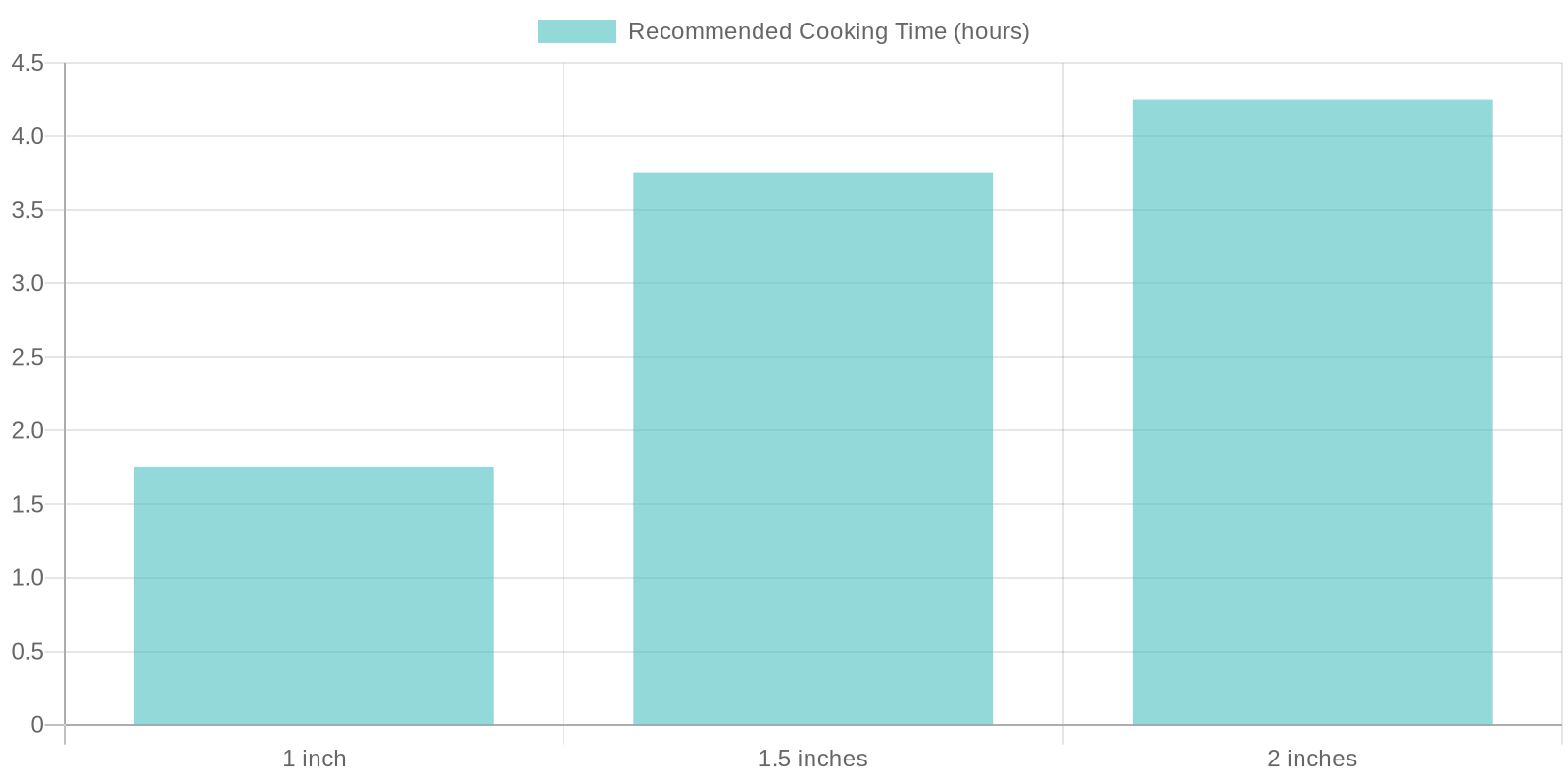
Source: USDA guidelines, Modernist Cuisine, and tested home cooking methods (2026).
For further insights on Korean BBQ methods, you can learn more about Korean BBQ menus or explore our All You Can Eat Korean BBQ options.
Marinating Pork Belly: Guidelines and Recipes
Marinating pork belly is essential in infusing flavors and achieving the desired tenderness and juiciness. Here, we’ll outline effective marinating techniques, explore popular Korean marinade recipes, and discuss how marinating affects cooking times.
Why Marinate?
Marinating serves multiple purposes:
- Flavor Enhancement: The marinade penetrates the meat, allowing for a deeper flavor profile.
- Tenderization: Ingredients like acidic elements (vinegar, citrus) or enzymes (from fruits like pineapple or kiwi) help to break down the protein fibers, resulting in a more tender bite.
- Moisture Retention: A well-crafted marinade can help the pork belly retain moisture during cooking, preventing it from drying out.
How to Marinate Pork Belly
Here’s a step-by-step guide to marinating pork belly effectively:
- Choose Your Marinade: Depending on the flavor you desire, choose either a dry rub or a liquid marinade. Common base ingredients include soy sauce, sesame oil, garlic, sugar, and citrus juices.
- Combine Ingredients: Whip up your marinade in a bowl. A balance of salty, sweet, and acidic components will provide the best results.
- Prepare the Pork Belly: Score the skin if you want crispy texture and flavor infusion. This allows the marinade to penetrate the meat better.
- Marinating Time: For optimal absorption, marinate the pork belly for at least a couple of hours; overnight is preferred for maximum flavor.
- Cooking Preparation: After marinating, pat the meat dry (particularly if you want a crispy skin) before cooking.
Popular Korean Marinade Recipes
Here are three popular Korean marinade recipes that can enhance your pork belly dishes:
- Classic Korean BBQ Pork Belly Marinade
- Source: Korean Bapsang
- Ingredients: Soy sauce, sesame oil, minced garlic, sugar, rice wine.
- Method: Marinate for at least 2 hours. Grill and serve with lettuce wraps and kimchi.
- Easy Korean-style Pork Belly Marinade with Pear Juice
- Source: Allrecipes Korea
- Ingredients: Pear juice, soy sauce, gochujang, sesame oil, minced garlic, apple cider vinegar.
- Method: Marinate for 3-4 hours for juicy flavors perfect for grilling.
- Authentic Korean Gochujang Pork Belly Marinade
- Source: Maangchi
- Ingredients: Gochujang, soy sauce, brown sugar, garlic, honey, toasted sesame seeds.
- Method: Preferably marinate overnight for depth of flavor before grilling.
How Marinating Affects Cooking Times
Research indicates that the duration of marinating can significantly impact the cooking time and quality of pork belly:
- Tenderness and Flavor: Extending the marination time (e.g., 3 to 24 hours) increases tenderness and flavor absorption (source: Serious Eats).
- Cook Time Adjustments: Marinated pork belly generally cooks faster due to the acidic components in the marinade. Therefore, it’s crucial to monitor cooking times closely. For instance, marinated pork belly may only need 2-3 hours at lower temperatures versus un-marinated sections.
- Flavor Development: According to a study conducted by NCBI, marinating also helps in reducing harmful compounds created during cooking, especially when grilling (source: NCBI Article).
In conclusion, marinating pork belly not only enhances its flavor and tenderness but also significantly affects cooking times. Implementing these marination techniques and recipes can lead to richer, more flavorful dishes in your restaurant or home kitchen. For additional insights on Korean BBQ and menu ideas, consider checking out our Korean BBQ and sushi menu for varied offerings.
“Properly prepared, it melts in the mouth, the fat dissolving on the palate, rich but not greasy.”
- Unknown Chef – A sumptuous square of pork belly
Understanding User Experiences in Cooking Pork Belly for Korean BBQ
Cooking pork belly at a Korean BBQ is more than just a culinary task; it’s an experience filled with cultural nuances and delicious flavors. Reviews from home cooks frequently outline various tips and common mistakes that can serve as valuable insights for business owners looking to refine their offerings.
Memorable Insights from Users
-
Marination is Key: A recurring theme in user feedback is the importance of marinating pork belly. Users have praised recipes that include a marinade consisting of soy sauce, pear juice, sesame oil, and garlic. The key takeaway is to marinate for at least four hours or even overnight, as noted in a detailed guide from Kogi Korean BBQ. This longer marination time allows flavors to penetrate the meat thoroughly, which improves taste and tenderness.
-
Temperature Control: Many cooks noted that achieving the perfect balance of crispy skin and juicy interior required precise temperature management. Overcrowding the pan or using low heat often leads to soggy results rather than the desired crispiness. Cooking enthusiasts recommend starting with high heat to sear the pork belly, providing a crunchy exterior while keeping the inside moist. Using a cast iron skillet has been recognized as a best practice for consistent results.
-
Resting Period: Another frequent piece of advice is to allow the pork belly to rest after cooking. Skipping this step can result in juices flowing out when the meat is sliced, leading to dry servings. Users emphasized that a resting period allows the meat to reabsorb some of its juices, enhancing the final product’s texture and flavor.
-
Avoiding Common Mistakes: Common pitfalls reported by home cooks include:
- Not drying the pork belly properly before cooking, which prevents it from crisping up.
- Cooking too much at once, causing the pan’s temperature to drop, thus leading to steaming rather than searing.
- Using a wet marinade just before cooking, which hinders proper caramelization of the meat. These insights stress the need for prep work, like patting down the meat with paper towels to achieve that crunch.
Tips for Business Owners
These user experiences can be valuable for restaurant owners or those in the food industry:
- Educational Content: Consider creating guides or workshops that focus on marination and cooking techniques. Sharing user-generated tips can enhance customer loyalty and satisfaction.
- Product Quality: High-quality pork belly with an appropriate fat content (aim for at least 30% fat) enhances the texture and flavor, which was a consensus among users’ positive reviews.
- Interactive Experiences: Hosting BBQ nights where chefs can demonstrate the cooking process can also help engage customers, allowing them to learn direct tips while enjoying their meal. This interactive experience could lead to better understanding and appreciation for the cooking process, aligning with their comments on essential techniques.
Conclusion
User reviews on cooking pork belly for Korean BBQ provide a treasure trove of insights and practical advice that can greatly benefit both home cooks and business owners in the Korean BBQ sector. By focusing on the importance of marination, temperature control, resting periods, and avoiding common mistakes, businesses can improve their offerings and enhance customer satisfaction. For more insights and offerings, check out Kogi’s Korean BBQ menu for more delicious options.
Serving Suggestions for Pork Belly in Korean BBQ
Pork belly, especially when prepared for Korean BBQ, is a highlight for many diners and can create a truly immersive dining experience. Here are various serving suggestions that can enhance the experience of enjoying pork belly at your Korean BBQ establishment.
Side Dishes (Banchan)
To balance the rich and fatty nature of pork belly, an assortment of side dishes, known as banchan, is essential. The vibrant colors and diverse textures of these dishes not only enhance the visual appeal but also complement the flavors of the grilled meat. Here are some must-include side dishes:
- Kimchi: A staple in Korean cuisine, spicy fermented cabbage adds a tangy and spicy note that contrasts well with the richness of pork belly. It’s traditionally served cold and helps in digestion.
- Pickled Radish (Danmuji): This sweet and tangy yellow pickled radish provides a refreshing respite from the meat’s heaviness.
- Lettuce Wraps: Fresh lettuce or perilla leaves can serve as a wrapping for grilled pork belly, along with other condiments. This adds a fresh crunch to each bite.
- Steamed Spinach: A light and nutritious option that pairs well with pork belly, providing an earthy taste.
- Garlic and Green Peppers: Grilled or raw, garlic slices and green peppers add aroma and a mild kick.
- Sesame Seeds: Sprinkling toasted sesame seeds over the dishes can enhance flavor and provide an appealing finish.
Including a variety of these side dishes offers something for everyone, catering to different taste preferences and enriching the overall dining experience. For more insights, you can learn more about Korean BBQ side dishes.
Dipping Sauces
The right dipping sauce can elevate the taste of grilled pork belly dramatically. Here are some essential sauces to consider:
- Soy Sauce Mixture: A basic and popular dipping sauce made of soy sauce, sesame oil, and minced garlic. This sauce is rich and savory, helping to cut through the pork’s fat content.
- Gochujang Sauce: For those who enjoy a spicy kick, this red chili paste mixed with a bit of sesame oil and vinegar adds depth and heat.
- Sweet and Sour Pear Sauce: This unique sauce provides a sweet balance and a refreshing taste. It often combines fruit and nut elements to mimic or enhance the natural flavors in pork belly.
Mix and match these sauces to allow guests to tailor the flavors to their liking. Serve these sauces in small bowls near the grill for easy access, encouraging diners to create their combinations. The impact of the chosen sauce can transform the dining experience; thus, it’s crucial to have a well-thought-out selection. Check out this comprehensive guide to Korean BBQ dipping sauces.
Plating Ideas
Presentation plays a key role in dining, especially in Korean BBQ. Here are some plating suggestions to enhance your service:
- Central Grill Setup: Use a large black stone or cast iron grill as the centerpiece. Surround it with small, colorful ceramic bowls filled with banchan to create an inviting spread.
- Nest of Lettuce: Present grilled pork belly in a ‘nest’ of crisp lettuce leaves. This not only serves as a natural container for the wraps but also adds an attractive element to the presentation.
- Individual Bowls for Sauces and Condiments: Employ modern, minimalist dishes for sauces to maintain visual appeal and allow for easy access to condiments and toppings.
Conclusion
By incorporating a diverse array of side dishes, appealing dipping sauces, and thoughtful plating techniques, you can significantly enhance your customers’ experience with pork belly in Korean BBQ. Fostering an atmosphere where diners can customize their meals with abundant flavors and textures will reinforce the communal and vibrant nature of Korean dining.
Elevate your offerings and ensure that your guests enjoy a well-rounded meal that highlights the deliciousness of pork belly!
Explore our full menu for more delightful options here.
Conclusion and Call to Action
In conclusion, mastering the cooking times and techniques for pork belly is essential for delivering an exceptional culinary experience. As discussed, there are various methods of preparation, each yielding unique textures and flavors. Braising is highlighted as a classic approach, generally requiring 1.5 to 2 hours of gentle simmering to achieve that melt-in-your-mouth tenderness, especially beneficial when creating dishes like Korean BBQ. For those looking to serve crispy skin, roasting at temperatures around 400°F (200°C) for 45-60 minutes ensures a delightful crunch on the outside while keeping the meat juicy within.
Additionally, grilling provides a quicker option, needing only about 15-20 minutes per side over medium heat. The focus here is on patience and temperature control, crucial for optimal results. Perfecting these methods enhances not only the dish’s flavor but also elevates the dining experience, appealing to discerning customers in your restaurant.
Don’t wait – contact us today to discuss your needs and discover how we can support your culinary ambitions!