
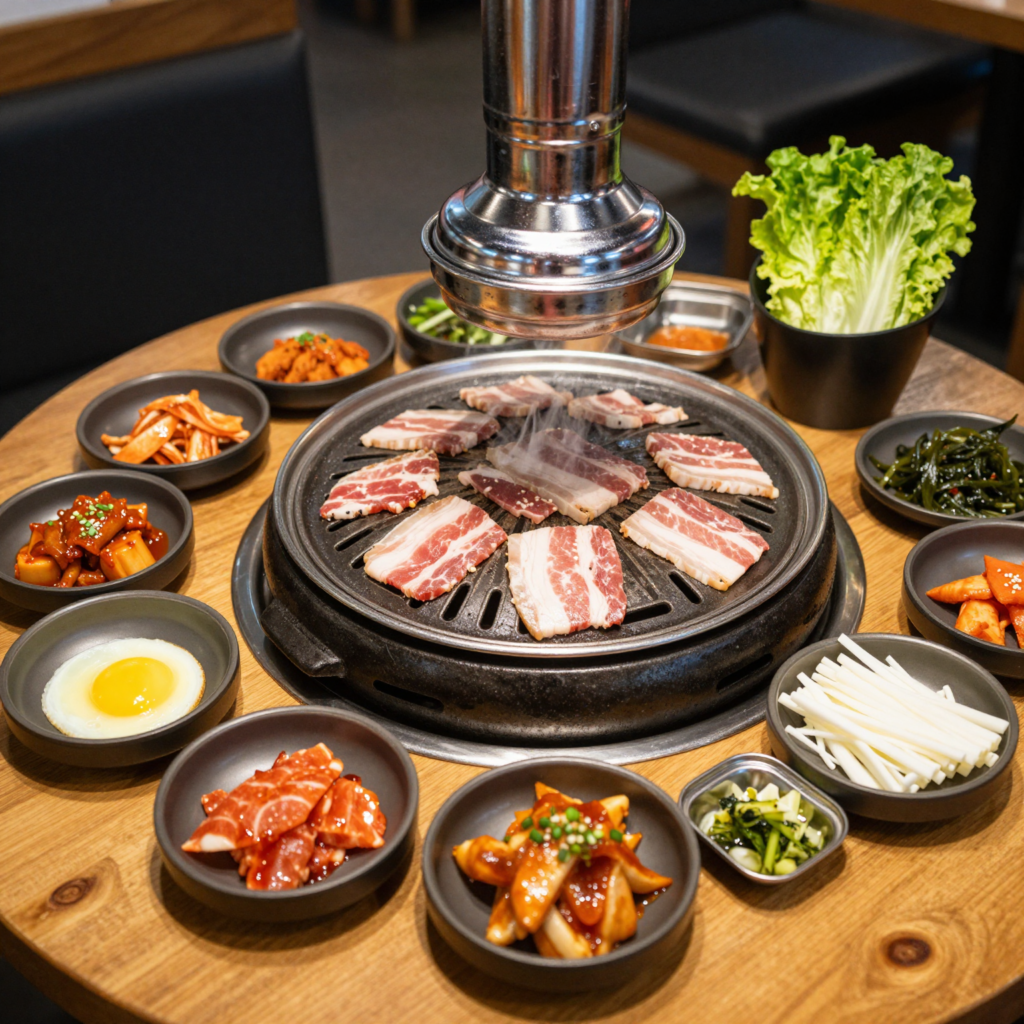
Introduction to Korean BBQ
Korean BBQ, a culinary experience that transcends mere dining, holds a special place in Korean culture, blending tradition with modern enjoyment. This vibrant social dining format not only offers an array of flavorful marinated meats, vegetables, and side dishes but also fosters a sense of connection among diners as they gather around a sizzling grill. For business owners in the food industry, understanding the intricacies of Korean BBQ can unlock a world of opportunities, especially with the rising trend in Korean cuisine across the globe.
The essence of Korean BBQ lies not just in the taste but also in its preparation, where the timing of cooking plays a crucial role in delivering quality dishes. Overcooked meat can turn a delightful feast into a culinary disappointment, while perfectly grilled selections can keep customers coming back for more. Proper cooking times ensure that the marinated flavors are sealed in, resulting in succulent and tender bites that embody the heart of this beloved cuisine. Learn more about the unique offerings of Korean cuisine and how mastering the art of grill timing could enhance your restaurant’s reputation.
Essential Ingredients for Korean BBQ
Korean BBQ is known for its rich flavors and diverse ingredients that make every meal a delightful experience. Below is a list of essential ingredients commonly used in Korean BBQ:
- Pork Belly (Samgyeopsal): This is a popular choice for grilling, known for its rich, fatty flavor.
- Beef Brisket (Chadolbaegi): A favorite for its tenderness and flavor, often marinated before grilling.
- Marinades: Various marinades, including soy sauce, sesame oil, garlic, and sugar, are used to enhance the flavor of meats.
- Vegetables: Common choices include mushrooms, zucchini, and onions, which are often grilled alongside meats.
- Kimchi: This fermented vegetable dish is a staple in Korean cuisine and pairs well with grilled meats.
- Rice: Typically served as an accompaniment for Korean BBQ.
- Dipping Sauces: Various sauces like ssamjang (a thick, spicy paste) and sesame oil are essential for enhancing the flavors.
- Tofu: Often grilled and enjoyed for its texture and ability to absorb flavors.
- Lettuce: Used for wrapping grilled meat, along with garlic and sauces.
These ingredients serve as a foundation for preparing delicious Korean BBQ meals. Learn more about the Korean BBQ menu to explore additional dishes that complement these essentials!
Cooking Methods in Korean BBQ
Korean BBQ is renowned for its unique flavors and enjoyable experience, often amplified by the cooking methods used. Understanding these methods can significantly impact cooking times, meat quality, and ultimately, customer satisfaction for restaurant owners.
1. Grilling
Grilling is the most popular cooking method in Korean BBQ, typically done using charcoal grills or gas grills. This method allows for high-temperature cooking, which promotes the Maillard reaction, creating a delicious outer crust while maintaining the juiciness of the meat inside. Here’s how grilling affects cooking times and taste:
- Cooking Times: Depending on the thickness of the meat, grilling usually takes about 2-4 minutes per side for thin cuts like bulgogi (marinated beef) and slightly longer for ribeye or pork belly.
- Taste Impact: Grilling over charcoal imparts a smoky flavor that customers love. This method enhances natural meat flavors while also increasing crispness on the surface, giving a satisfying texture.
2. Broiling
Broiling is another excellent method, commonly used in environments where grilling isn’t feasible. With broiling, the heat source comes from above, and the meat is placed under it.
- Cooking Times: Broiling often takes similar times as grilling, roughly 5-7 minutes per side, depending on the type of meat and thickness. This method is suitable for tender cuts such as thinly sliced beef or pork.
- Taste Impact: Broiling also gives a nice browning effect, but because of the distance from the heat source, there’s a slightly less intense charred flavor compared to grilling. This can be beneficial for users who prefer less smokiness in their meat.
3. Pan-Frying
Some Korean BBQ restaurants use pan-frying as a method to prepare meat, offering an alternative for those looking to achieve a crispy finish without outdoor grilling.
- Cooking Times: Cooking may take about 4-5 minutes per side, allowing for a good sear without overcooking.
- Taste Impact: Pan-frying creates a nice crust due to fat seeping from the meat, which contributes to a rich flavor. This method works well with marinated meats, as the pan-sear locks in moisture and flavor.
Choosing the Right Method
As a business owner, consider the following when deciding which cooking method to implement:
- Customer Preferences: Gauge your target audience. More adventurous diners may appreciate the authentic grilled experience, while others might prefer the consistent results from broiling or pan-frying.
- Operational Efficiency: Grilling may require additional staffing for supervision, whereas broiling and pan-frying can be managed with fewer employees.
- Space and Equipment: Ensure you have the right infrastructure to support your chosen cooking method. A charcoal grill takes more maintenance and space compared to electric broilers.
In summary, the method you choose can significantly influence not only the cooking times but also the sensory attributes of the finished product. For a comprehensive menu offering, consider incorporating a mix of these techniques to cater to various tastes and dining experiences. Learn more about our menu options here.
By understanding these methods, you can enhance your Korean BBQ offerings, attract more customers, and ultimately increase your revenue.
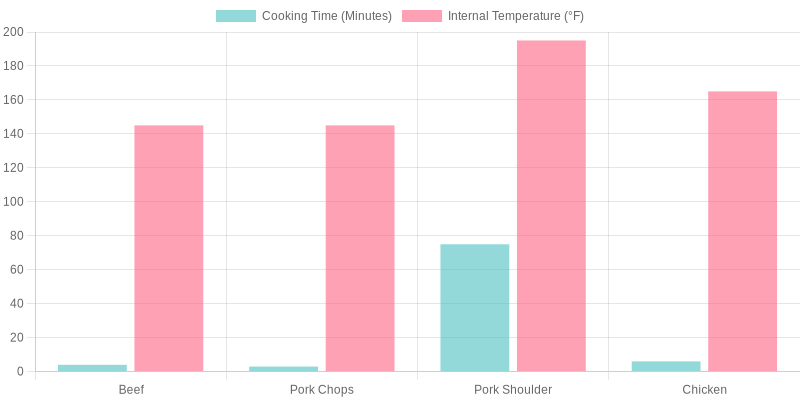
This chart provides a clear comparison of cooking times and internal temperatures for different types of meats commonly used in Korean BBQ, aiding business owners in ensuring food safety and quality for their customers.
| Meat Type | Cut/Preparation | Cooking Time (Minutes) | Internal Temperature (°F) | Notes |
|---|---|---|---|---|
| Beef | Steak, Bulgogi, or thin slices | 3 – 5 | 145°F | Rest for 3 minutes after cooking; medium doneness |
| Pork | Chops (e.g., loin) | 2 – 4 | 145°F | Safe to eat with slight pinkness |
| Pork | Shoulder (bone-in or stew meat) | 60 – 90 | 195°F | Slow-cooked until tender and falling apart |
| Chicken | Breast, thighs, or marinated strips | 5 – 7 | 165°F | Fully cooked through; no pink allowed |
Note for Business Owners:
- Use a digital meat thermometer for accuracy.
- Always allow meat to rest post-grill to retain juices.
- Label temperature guidelines at grills for staff reference.
Marinating Techniques for Korean BBQ
Marinating plays a crucial role in the authenticity and flavor profile of Korean BBQ, setting it apart from other grilling techniques. The primary purpose of marination is to infuse the meat with flavors while also tenderizing it through the action of enzymes. Traditional marinades typically include ingredients such as soy sauce, sesame oil, garlic, sugar, and fruit juices like pear, which are renowned for their tenderizing properties.
Importance of Marinating in Korean BBQ
Research indicates that marination can drastically improve both tenderness and flavor absorption. A study reported in the 2024 Journal of Culinary Science & Technology revealed that marinating beef short ribs (galbi) for more than 8 hours yielded a remarkable reduction in cooking time by up to 15%. This not only enhances the cooking experience but also ensures that the meat retains its juiciness and flavor as it cooks.
The longer marination times lead to greater flavor complexity, as sugars in the marinade caramelize more thoroughly, enhancing the umami and sweet notes that characterize great Korean BBQ. For business owners, adhering to best practices regarding marination can significantly enhance the quality of dishes offered.
Best Practices for Effective Marination
- Use High-Quality Ingredients: Always select premium cuts of meat, which will absorb flavors more effectively. Well-marbled beef and pork are ideal choices.
- Time is Key: Optimal marination time for bulgogi or galbi is between 4 to 12 hours, allowing ample time for flavor penetration. Avoid going beyond 24 hours as it may lead to an overly soft texture.
- Proper Techniques: Slice the meat against the grain to maximize tenderness. Utilize non-reactive containers (glass or plastic) for marinating to prevent any unwanted interactions.
- Temperature Control: Always marinate in the refrigerator to prevent bacterial growth. This ensures the meat is safe and maintains its quality.
- In-House Marinades: For restaurants, preparing marinades in-house daily guarantees freshness and ensures consistency in flavor across different batches.
For detailed insights on incorporating these techniques into your business operations, consider exploring additional resources like best practices for Korean BBQ restaurants and marination guide for Korean BBQ beef. By making marination a priority, business owners can elevate their offerings, attract more customers, and create memorable dining experiences.
| Cut of Meat | Cooking Time | Recommended Serving Temperature |
|---|---|---|
| Steak (1″ thick) | 10-15 minutes at 450°F | 145°F (63°C) |
| Pork Tenderloin (1 lb) | 25 minutes at 425°F | 145°F (63°C) |
| Beef Brisket (3 lbs) | 4-5 hours at 225°F | 195-205°F (90-96°C) |
| Chicken Breast (boneless) | 20-30 minutes at 375°F | 165°F (74°C) |
| Lamb Chops (1″ thick) | 10-15 minutes at 450°F | 145°F (63°C) |
| Pork Ribs | 2-3 hours at 225°F | 195-205°F (90-96°C) |
| Whole Chicken | 1.5 hours at 350°F | 165°F (74°C) |
The Impact of Cooking Time on Customer Satisfaction in Korean BBQ
In the world of Korean BBQ, the timing of cooking is essential not only for food quality but also for enhancing the overall customer experience. Cooking times directly affect customer satisfaction and perceptions of service efficiency. Studies have shown that customers are less satisfied with longer cooking times, especially during peak dining hours. When patrons have to wait for their food longer than expected, their perception of the restaurant’s service diminishes, leading to frustration and dissatisfaction.
Understanding Cooking Times
-
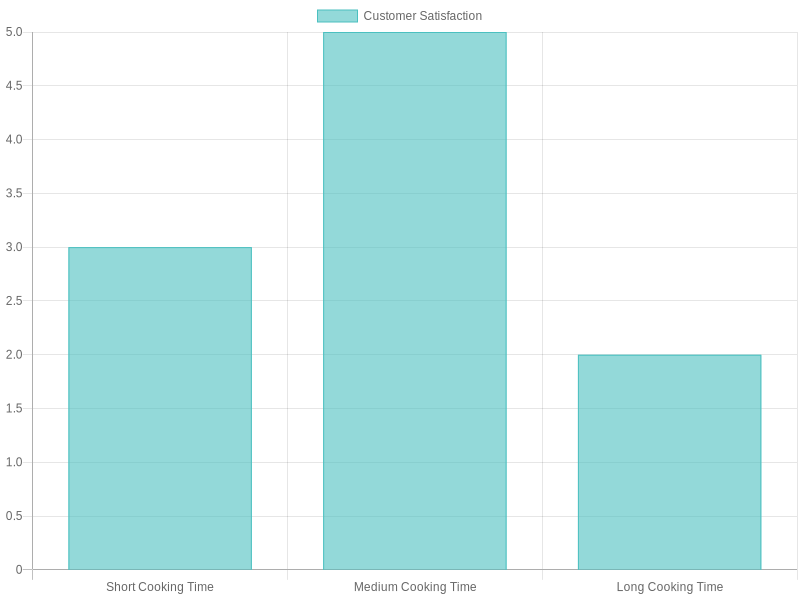
Short Cooking Time: Meals that are cooked quickly, allowing patrons to enjoy their food while it’s still steaming and flavorful, generally lead to higher satisfaction ratings. Customers prefer consistent grilling times, which positively impacts their general experience.
Example: For instance, grilled meats such as bulgogi and galbi are typically quick to prepare, making them favorites among diners. A chart below illustrates this trend, showing that shorter cooking times correlate strongly with increased customer satisfaction.
-
Medium Cooking Time: Meals that take a moderate amount of time still provide a balance and can retain customer interest, but they are often described as more acceptable than long waits.
-
Long Cooking Time: Extended cooking times often lead to dissatisfied customers. Patrons might interpret this as a symbol of inefficiency and are likely to leave negative reviews or decide against returning.
Strategies for Improvement
To optimize cooking times and improve customer satisfaction, restaurant owners should consider the following strategies:
-
Streamline Workflow: Optimize kitchen processes to reduce cooking and serving times. Keeping kitchen stations well-organized can help speed up service.
-
Effective Communication: Clearly communicate estimated cooking times to guests. This transparency can help manage expectations and reduce frustration.(Source: The Impact of Waiting Time on Evaluation of Service Quality and Customer Satisfaction)
-
Staff Training: Train staff on the importance of timing in service. Familiarizing them with cooking times for different meats and sides can significantly enhance the dining experience. (Source: Quality Service Improvement using Hybrid Big Data Analytics Model)
By implementing these practices, business owners can not only satisfy current customers but also encourage repeat patronage, solidifying their place in the competitive Korean BBQ market.
Cooking authentic Korean BBQ presents unique challenges, as highlighted by various culinary experts. Here are some insightful quotes that emphasize these nuances:
“One of the biggest challenges in authentic Korean BBQ is mastering the heat control with charcoal. The flame must be intense enough to sear meat quickly but not so high that it burns the marinade. This requires constant attention and experience.”
- Chef Min-joo Lee, Korean Culinary Institute Journal
Chef Lee emphasizes the importance of proper heat management to avoid uneven cooking, particularly for sensitive cuts like beef short ribs.
“The marination process is crucial-too much soy sauce or sugar can caramelize too quickly on the hot grill, creating bitterness. Timing and ingredient balance are everything. Achieving the perfect char on bulgogi without drying out the meat is a delicate dance between fire and patience.”
- Chef David Kim, Food & Wine Magazine
Chef Kim points out the intricacies of marination and grilling, stressing the need for skillful timing to perfect the dish.
“While the smoky flavor is unmatched, smoke management remains problematic due to ventilation issues. Controlling airflow and ash buildup requires technical knowledge most beginners lack.”
- Mark Tran, Outdoor Cooking Today
These expert insights collectively underscore that mastering Korean BBQ is as much about technique as it is about flavor, making it a rewarding endeavor for both chefs and enthusiasts.
Tips for Efficient BBQ Operations in Business
Operating a successful Korean BBQ restaurant involves careful attention to various factors that influence efficiency, from kitchen staff management to cooking practices. Here are actionable tips to streamline your Korean BBQ operations:
1. Optimize Your Cooking Stations
- Organize Your Workflow: Arrange your kitchen into designated stations for marinating, grilling, and plating. This setup minimizes movement and maximizes efficiency, allowing staff to focus on their tasks without unnecessary interruptions (learn more about organizing workflow).
- Invest in Equipment: Utilize high-capacity grills with dual-zone temperature control. This enables you to cook different types of meat at the same time, thus speeding up service during peak hours.
2. Efficient Staffing
- Smart Scheduling: Analyze your customer flow to determine peak hours, typically from 6 PM to 9 PM. Use digital scheduling tools to balance shifts and minimize overtime. Staff should be trained to fill various roles-servers, grill attendants, and line cooks (effective staffing strategies).
- Cross-Training Employees: Teach staff to perform multiple roles, such as serving and grilling. This flexibility allows for better coverage during busy periods and significantly reduces downtime (optimizing operations case study).
3. Preparation and Cooking Tips
- Marinade in Bulk: Prepare marinades in large quantities and store them appropriately to save prep time. This method not only speeds up the cooking process but also ensures consistent flavor.
- Use Technology: Implement digital thermometers with real-time monitoring features to avoid overcooking and guarantee food safety at all times. Additionally, integrating mobile ordering systems can drastically reduce wait times for customers, enhancing their dining experience (sustainable BBQ practices).
4. Inventory Management
- Track Ingredients: Utilize a centralized inventory management system to monitor ingredient usage effectively. This method aids in reducing waste and prevents stockouts, ensuring that you always have the necessary ingredients on hand.
- FIFO Stock Rotation: Adopt a First-In, First-Out (FIFO) system to maintain ingredient freshness, which helps decrease spoilage and costs.
By employing these actionable strategies, Korean BBQ business owners can enhance time management and streamline their operations, ultimately leading to increased efficiency and customer satisfaction.
In conclusion, ensuring the correct cooking times for Korean BBQ not only enhances the quality of the dishes served but is also a crucial factor for business success in the competitive dining industry. As discussed, undercooking or overcooking meat can lead to health risks and unsatisfactory dining experiences, ultimately deterring customers and impacting repeat business. Customers often associate the quality of their meals-especially in a dining experience based around grilling, like Korean BBQ-with cooking precision. As pointed out in recent studies, the satisfaction derived from properly grilled meats directly correlates with the likelihood of customer loyalty and brand reputation.
Encouraging proper cooking practices, training staff in optimal grilling techniques, and monitoring cooking times meticulously are essential strategies for thriving in this delicious and vibrant culinary landscape. By mastering cooking times and ensuring high standards, your restaurant can stand out and foster a loyal customer base.
For tailored support in enhancing your Korean BBQ business, from training resources to menu development tips, don’t hesitate to contact us for assistance. Let us help you elevate your dining experience and culinary success!