
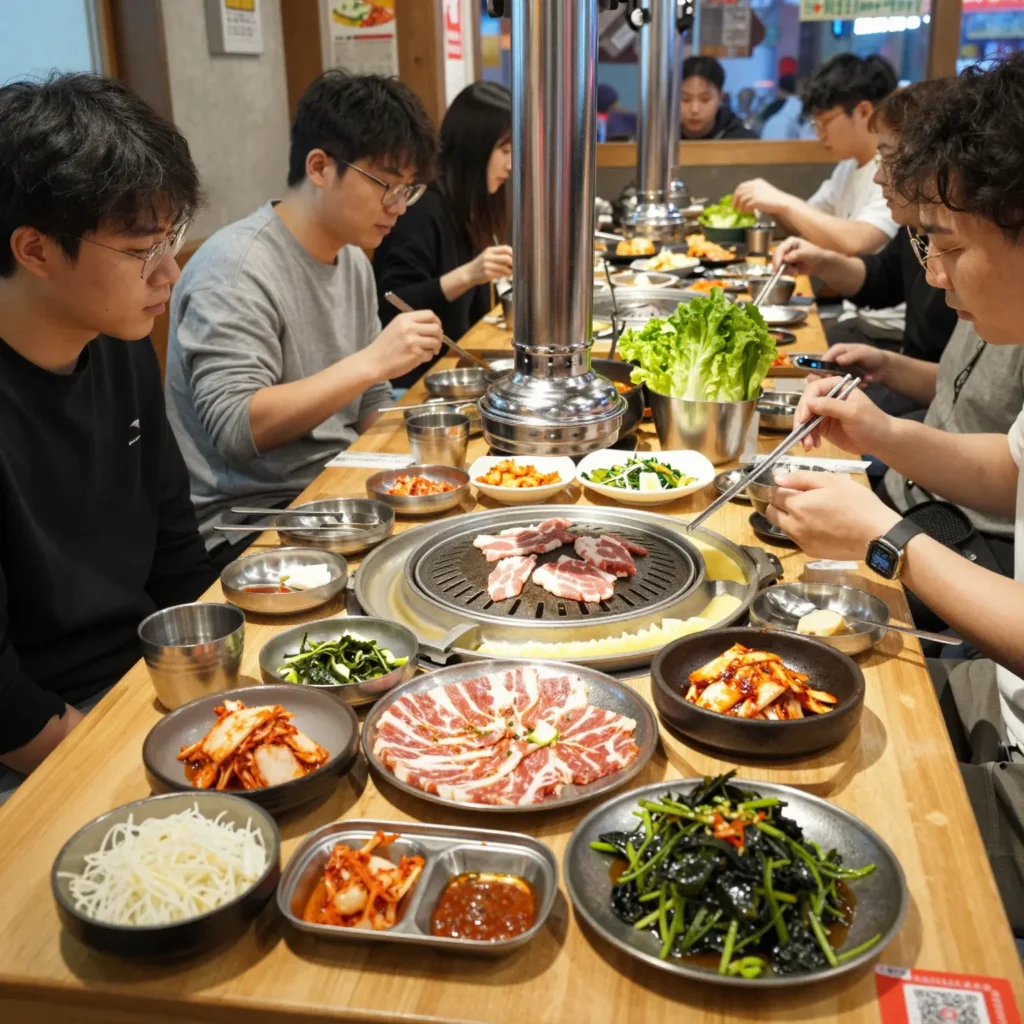
The Allure of Korean BBQ in Korea
Korean BBQ isn’t just a meal; it’s an essential part of the cultural fabric in South Korea, seamlessly intertwining social interactions with culinary delight. The experience of cooking marinated meats like bulgogi and galbi at the table, paired with an array of side dishes like kimchi and pickled vegetables, creates a lively atmosphere that draws locals and tourists alike. The sizzling sounds, aromatic scents, and vibrant energy of this communal dining style present it as more than just food-it’s a celebration of culture, friendship, and community.
The growing popularity of Korean BBQ has captured the hearts of food enthusiasts worldwide, making it an appealing venture for business owners considering entry into this lucrative market. With dining experiences that often include all-you-can-eat options or unique twists like fusion dishes, the opportunities for innovation are abundant. Not only does the flavor of Korean BBQ entice customers, but the format also encourages groups to come together, making it ideal for celebrations, gatherings, and corporate events. Additionally, with the rising interest in Korean pop culture and entertainment, the demand for authentic Korean cuisine continues to soar. Therefore, investing in a Korean BBQ restaurant could not only cater to a passionate clientele but also tap into a broader cultural phenomenon. To explore more about the menus and pricing in this thriving sector, check out our Korean BBQ and sushi menu or delve into all-you-can-eat options that keep customers coming back.
As the allure of Korean BBQ continues to grow, new business owners have a unique opportunity to carve their niche in this vibrant marketplace.
Popular Korean BBQ Dishes
Korean BBQ is renowned for its diverse range of dishes that cater to various palates. Here’s a list of popular Korean BBQ dishes that highlight the exciting variety and rich flavors that attract consumers:
- Bulgogi: Thinly sliced beef marinated in a savory mixture of soy sauce, sesame oil, garlic, and sugar, giving it a sweet and savory flavor. It’s often grilled and enjoyed wrapped in lettuce with garlic and pepper.
- Galbi (or Kalbi): Marinated beef short ribs, usually cooked on the grill. The marinade typically includes soy sauce, garlic, sugar, and sesame oil, resulting in a flavorful, smoky taste.
- Samgyeopsal: Thick slices of pork belly that are grilled at the table. This dish is often served with dipping sauces and enjoyed with sides like kimchi and sesame oil for dipping.
- Dak Galbi: Spicy stir-fried chicken typically marinated in gochujang (Korean chili paste) and served with vegetables, making it a deliciously hot and flavorful choice.
- Jumuluk: A traditional dish where marinated pork or beef is barbequed and rolled with vegetables and sauces, offering a unique, interactive dining experience.
- Yangnyeom Chicken: Fried or grilled chicken coated in a sweet and spicy glaze made from gochujang, garlic, and sugar, appealing to those who enjoy a kick of heat.
- Daeji Galbi: Spicy marinated pork ribs, typically grilled and celebrated for their bold flavors.
- Hwae (Sashimi): Fresh raw fish slices, commonly served alongside various dipping sauces and vegetables, adding a lighter option to the BBQ experience.
These dishes not only showcase the vibrant flavors of Korean cuisine but also offer a communal and interactive dining experience that many people enjoy when visiting Korean BBQ restaurants. To explore more about Korean dining concepts, you can learn more about our menu. Additionally, if you’re curious about buffet options, check out our all-you-can-eat offerings!
Understanding Korean BBQ Pricing in Korea
Korean BBQ holds a special place in the culinary landscape of South Korea, characterized by a unique dining experience and a diverse range of meats and side dishes. The cost of enjoying Korean BBQ can vary significantly depending on several factors, including geographic location, quality of meats, and the type of establishment. Below is a detailed overview based on recent findings regarding average prices of Korean BBQ meals across various regions in Korea.
Average Costs by Region
- Seoul: Korean BBQ in the capital city generally ranges from ₩15,000 for basic sets to ₩50,000 or more for premium offerings. For instance, mid-range restaurants often charge about ₩25,000 to ₩40,000 per person. More upscale or popular districts can command higher prices due to increased demand.
- Busan: Similar to Seoul, prices in Busan can start around ₩20,000, with premium experiences exceeding ₩50,000. Discounts may be available in less tourist-heavy areas.
- Smaller Cities: In contrast, smaller cities like Jeju Island may offer more affordable options, typically around ₩10,000 to ₩30,000 depending on the menu selection and the establishment type.
Influencing Factors
Several factors influence the pricing of Korean BBQ:
- Location: Urban areas tend to have higher prices due to costs associated with rent and competition. For instance, dining in tourist-frequented places often incurs premium pricing.
- Quality of Ingredients: The type of meat significantly impacts cost. Higher-quality cuts like Wagyu or premium pork can drive up the price as compared to standard offerings.
- Type of Establishment: Casual BBQ restaurants typically charge less compared to high-end dining experiences that may also offer a wider selection of high-quality meats and a more luxurious dining atmosphere.
- All-You-Can-Eat (AYCE) Options: Many places offer AYCE Korean BBQ, starting at around ₩11,000, making it appealing for those looking to sample a variety of meats at a fixed price.
Conclusion
Overall, the average cost of Korean BBQ meals in Korea varies widely, from ₩10,000 in smaller towns to ₩50,000 in metropolitan areas. For business owners looking to enter the Korean BBQ scene, it’s essential to consider these regional differences and pricing factors to develop a competitive and appealing menu for customers. For more information about popular BBQ options, check out our Korean BBQ menu.
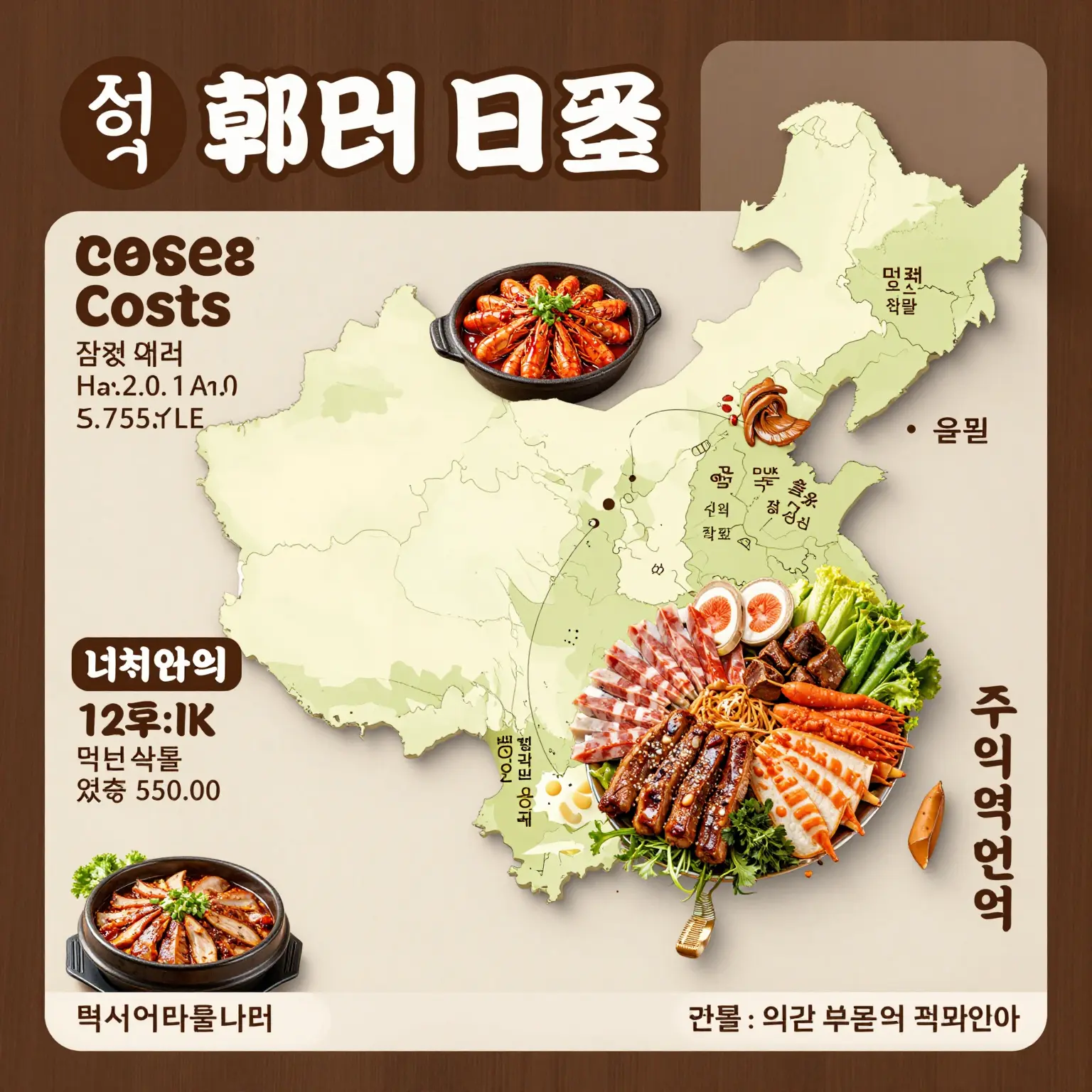
Korean BBQ is not just about food; it’s a cultural experience that people seek for gatherings and social dining. Therefore, understanding the pricing landscape can be key to creating appealing dining offers within this vibrant market.
| Restaurant Name | Price Range | Location | Special Offerings |
|---|---|---|---|
| 1. Myeongdong Korean BBQ | ₩12,000 – ₩20,000 | Myeongdong, Seoul | All-you-can-eat option |
| 2. Taegukgi Korean BBQ | ₩15,000 – ₩35,000 | Various Locations | A variety of meats, indoor and outdoor seating |
| 3. Bulgogi Brothers | ₩10,000 – ₩25,000 | Various Locations | Unique bulgogi recipes, casual dining |
| 4. Sinsa Korean BBQ | ₩12,000 – ₩30,000 | Sinsa-dong, Seoul | Premium beef cuts, unique side dishes |
| 5. Hanam Pig | ₩15,000 – ₩40,000 | Hongdae, Seoul | Specializes in pork BBQ |
For a detailed look at different Korean BBQ experiences and prices, check out this guide.
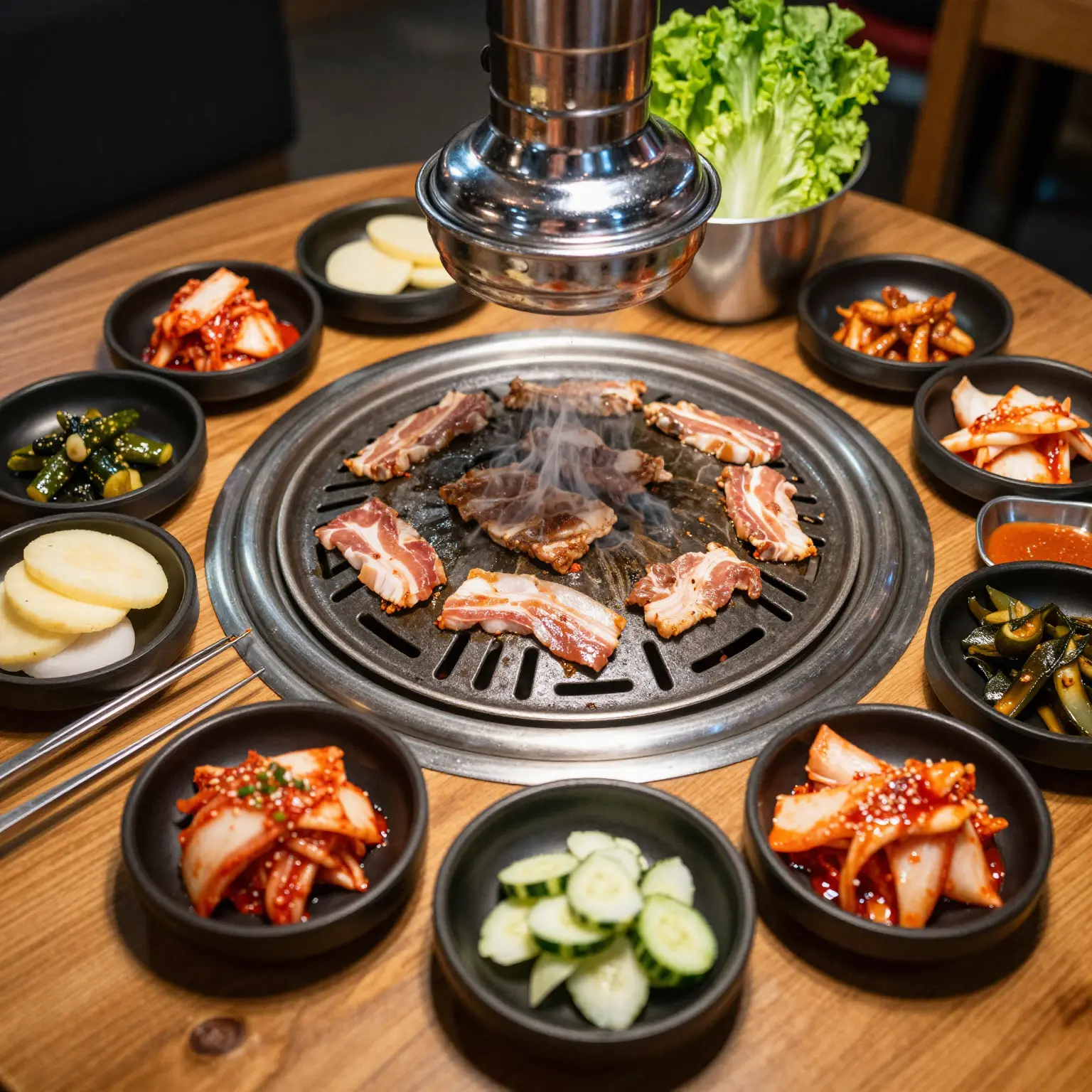
The Economic Impact of Korean BBQ on Local Businesses
Korean BBQ is more than just a culinary experience; it serves as a vital economic driver for local businesses in Korea. The rise in popularity of Korean cuisine, particularly Korean BBQ, has not only contributed to the growth of the restaurant industry but has also significantly supported local economies through job creation, tourism, and community engagement.
Job Creation and Support for Local Enterprises
The proliferation of Korean BBQ establishments has led to substantial job opportunities. With the number of establishments steadily increasing-with reported figures climbing from 1,200 in 2020 to over 2,000 by 2023-many local residents find employment in these restaurants (source: 6Wresearch). These jobs extend beyond direct employment in restaurants; they also bolster supply chains, from local meat suppliers to agricultural producers.
Attraction of Tourists
Tourism is another critical aspect of the economic impact of Korean BBQ. It is estimated that around 18 million visitors indulged in Korean BBQ experiences in 2023, a significant rise from 10 million in 2020. These visitors are often drawn not only to the unique dining experience but also to cultural aspects-traveling with friends and family for shared meals enhances their experience, spotlighting Korean BBQ as a cultural phenomenon that attracts food enthusiasts globally.
Growing Market Trends
The recovery from the pandemic has highlighted the resilience of the South Korean BBQ market, growing at a rate of 20% annually. This trend indicates a growing disposable income among consumers and an increasing preference for social dining experiences. The market’s growth is further underscored by the rise of new establishments catering to varied tastes, from traditional Korean BBQ ribs (Galbi) to more modern interpretations influenced by international culinary trends.
Community Engagement
Korean BBQ restaurants enhance the local food culture and are increasingly becoming venues for social gatherings, family reunions, and corporate events. This communal dining experience fosters not just business growth but also enriches local community ties.
In conclusion, the economic significance of Korean BBQ within Korea can be seen through its direct impact on employment, tourism, and local businesses. As this beloved cuisine continues to evolve, its role in fostering community and driving economic growth will likely expand.
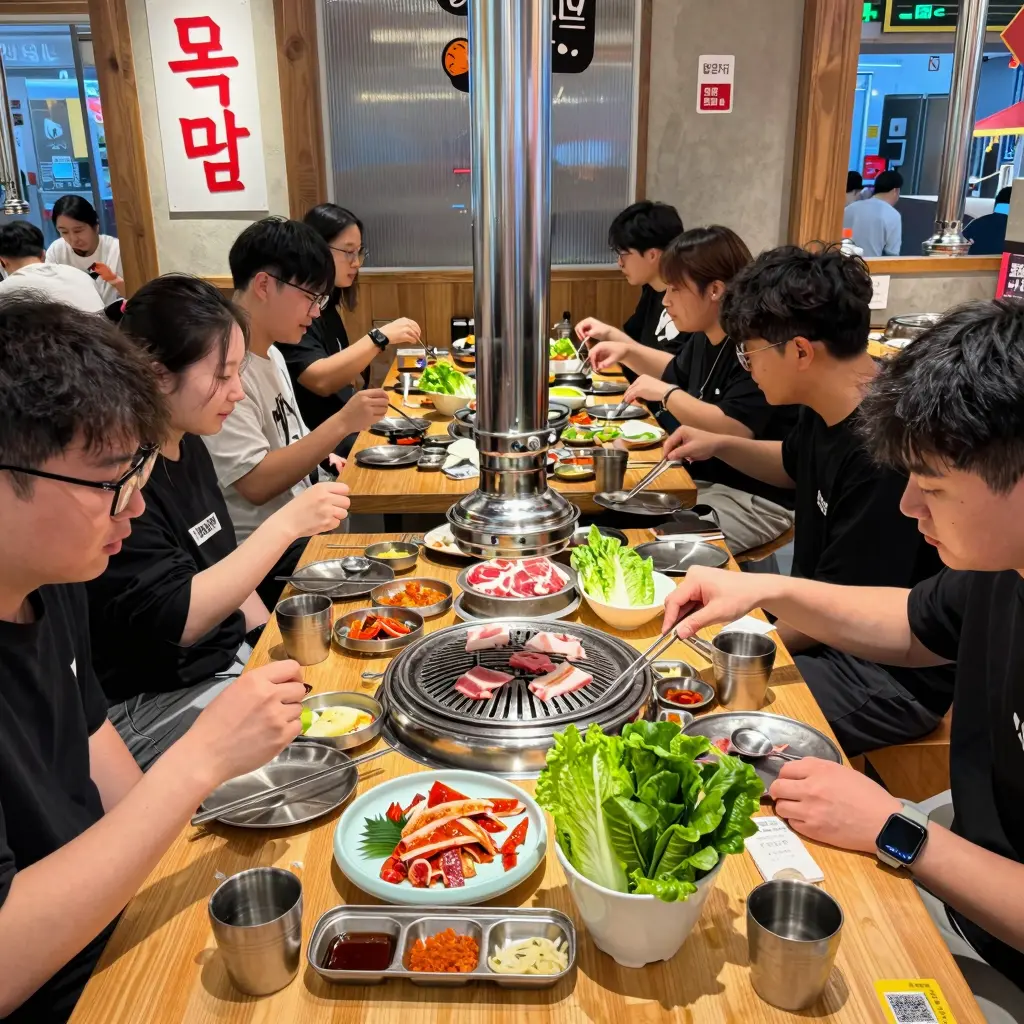
For those interested in exploring Korean BBQ further, you might want to check out Kogi Korean BBQ for insights on successful restaurant models. Furthermore, see how the industry is evolving by visiting our menu options at Kogi Korean BBQ and Sushi Menu.
Consumer Trends for Korean BBQ
Korean BBQ has rapidly gained popularity among various demographics, particularly in young adult populations. The restaurant dining experience is shifting as consumers increasingly prefer interactive and communal eating experiences.
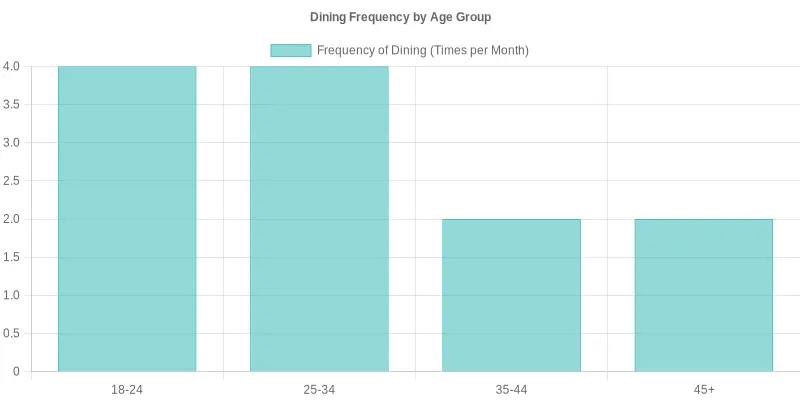
Frequency of Dining by Age Group
Below is a chart illustrating the dining frequency of various age groups, emphasizing the trend among younger consumers:
| Age Group | Frequency of Dining (Times per Month) | Source |
|---|---|---|
| 18-24 | 3-4 | Gitnux – Dining Out Statistics 2026 |
| 25-34 | 3-4 | Gitnux – Dining Out Statistics 2026 |
| 35-44 | 1-2 | Gitnux – Dining Out Statistics 2026 |
| 45+ | 1-2 | Gitnux – Dining Out Statistics 2026 |
Insights
- Target Demographics: The primary consumers of Korean BBQ are Millennials and Gen Z, who appreciate the vibrant social atmosphere it offers.
- Dining Frequency: Young adults (ages 18-34) tend to frequent Korean BBQ restaurants 3-4 times per month, while older generations dine less frequently, about 1-2 times per month. This indicates a significant market potential for targeting younger audiences.
Understanding these trends can help business owners tap into the growing appetite for Korean BBQ and adjust their marketing strategies accordingly. For menu ideas and offerings that match these trends, consider exploring how adaptable your menu can be to draw in these younger customers.
“Value is the primary asset for our brand. As the market faces uncertainty, maintaining strong unit economics and quick payback periods will be vital as we navigate future challenges.”
- David Kim, CEO of Gen Korean BBQ
Incorporating insights from industry experts, such as those from David Kim, reflects the current trends in the Korean BBQ market. His perspective emphasizes the importance of value and strategic planning as the industry evolves amidst various challenges. For further exploration into trends, check out our article on Korean BBQ Trends.
This quote not only adds credibility but also connects with business owners looking to understand the dynamics of the Korean BBQ industry.
Conclusion
In conclusion, Korean BBQ continues to rise in popularity and influence, proving to be a lucrative venture for restaurant owners worldwide. Recently, the market has seen an impressive 32% increase in sales volume within the restaurant industry, particularly among those catering to Korean BBQ enthusiasts. With prices ranging from $25 for lunch to $35 for dinner, many establishments are adopting competitive pricing strategies to attract a diverse customer base, particularly the younger demographics who are increasingly leaning towards trying new culinary experiences.
The impact of Korean BBQ is profound, as it not only introduces unique flavors and cooking styles but also fosters interactive dining experiences that diners cherish. This engaging atmosphere has led over 60% of young adults aged 18-45 in America to dine at Korean BBQ restaurants this past year, highlighting a growing trend and a more profound consumer interest.
For businesses looking to tap into this flourishing market, there’s immense potential. If you’re a business owner considering entering the Korean BBQ market, or perhaps looking to enhance your current offerings, we invite you to explore our insights and menu options or feel free to reach out for a consultation on how to best position your restaurant to succeed.
Act now and let’s grill up some success together!
Tips for Business Owners Considering Opening a Korean BBQ Restaurant
Opening a Korean BBQ restaurant can be a rewarding venture, blending culinary tradition with a unique dining experience. Here are some practical tips and insights to help you navigate this exciting business opportunity:
1. Location Matters
Finding the right location is crucial. Consider the following:
- Demographics: Target areas with a higher concentration of your potential customer base, such as neighborhoods with a significant Asian population or areas known for diverse dining options.
- Visibility and Accessibility: Ensure that your restaurant is easy to find and accessible, preferably in high-traffic areas such as shopping centers or downtown locales.
- Competition Analysis: Assess your competition within the area. Learn more about competitive landscapes to identify gaps you can fill to attract more customers.
2. Menu Selection
The menu is central to your restaurant’s identity. Consider these tips:
- Authenticity and Variety: Offer a mix of traditional Korean BBQ options such as marinated beef (bulgogi), pork belly (samgyeopsal), and vegetarian options. Ensure that the flavors are authentic to appeal to both Korean food enthusiasts and new customers.
- Combination Plates and All-You-Can-Eat Options: Many Korean BBQ restaurants thrive on providing combination plates or all-you-can-eat experiences, which can increase customer turnover and satisfaction. Check out successful concepts like all-you-can-eat Korean BBQ to get inspired.
- Seasonal Specials: Introduce rotating specials based on local ingredients to keep the menu fresh and encourage repeat visits.
3. Customer Engagement Strategies
Engagement strategies are essential for building loyalty:
- Interactive Dining Experience: Korean BBQ is known for its interactive cooking style where customers grill their meat at the table. This not only enhances the dining experience but also encourages customers to share their experiences on social media.
- Loyalty Programs: Implement a loyalty program to reward returning customers, increasing customer retention and encouraging word-of-mouth referrals.
- Community Involvement: Consider hosting community events or partnerships with local businesses, such as cooking classes or tasting events that spotlight Korean culture and cuisine.
4. Marketing and Promotion
Utilize smart marketing strategies to promote your restaurant:
- Social Media Presence: Leverage platforms like Instagram and TikTok to showcase your dishes and dining experience; visually appealing content can attract a younger audience.
- Innovative Marketing Techniques: Utilize tools such as Google Street View to enhance your restaurant’s visibility, as illustrated by successful restaurants like the Thirsty Cow Korean BBQ. Explore this innovative approach.
Conclusion
Opening a Korean BBQ restaurant requires careful planning, creativity, and a commitment to quality. By focusing on prime location, a diversified menu, and active customer engagement, business owners can set themselves up for success in the competitive restaurant landscape.