Introduction to Korean BBQ Calories
Korean BBQ is not just a meal; it’s an experience that captivates diners with its vibrant flavors and interactive cooking style. For business owners looking to enhance their menus, understanding the calorie content of this beloved cuisine is essential. With a variety of grilled meats, fresh vegetables, and hearty sides, Korean BBQ offers a unique blend of satisfaction and indulgence. However, with this appeal also comes the responsibility of transparency about nutritional information. In this article, we will delve into the calorie counts of popular Korean BBQ dishes, guiding restaurateurs in crafting balanced menus that cater to health-conscious diners. By considering options such as all-you-can-eat styles or curated offerings, you can attract a broader customer base while promoting a healthier lifestyle. To learn more about popular menu offerings, explore our Korean BBQ and sushi menu or discover the benefits of all-you-can-eat Korean BBQ.
Whether your focus is on providing a traditional dining experience or a modern twist, understanding the caloric value of each dish will empower you to create a compelling and responsible menu that keeps customers coming back for more.
Average Calories per Serving of Korean BBQ
When it comes to Korean BBQ, understanding the average caloric content of its various meats and side dishes is vital for restaurant owners aiming for effective meal planning and nutrition awareness. Here’s a breakdown of typical calorie counts for popular Korean BBQ items.
Meats
- Grilled Beef Short Ribs (Galbi)
A standard serving (approximately 100g) can range from 388 to 411 calories. Galbi is rich in flavor but also tends to have a higher fat content, making it a calorie-dense option.
Learn more about galbi’s nutrition. - Pork Belly (Samgyeopsal)
Another popular choice, with around 441 calories per 100g. This dish is both tantalizing and high in saturated fats, making portion control crucial.
Discover more about samgyeopsal. - Spicy Chicken (Dak Galbi)
This dish can clock in at about 500-600 calories per serving, primarily due to the spicy sauce and its preparation methods.
Banchan (Side Dishes)
Korean BBQ is complemented with a variety of banchan, which are generally lower in calories, thereby helping to balance a meal’s nutritional profile.
- Kimchi
A typical half-cup serving contains 20-30 calories. This fermented dish is not only low in calories but also rich in probiotics and vitamins. - Steamed Vegetables
Such as spinach, which typically has only 10-15 calories per half-cup, making them an excellent choice for filling and nutritious sides. - Seaweed Salad
Contains around 40-50 calories per half-cup, adding both texture and nutrients without significantly boosting calorie counts.
Meal Planning Considerations
Understanding these calorie counts aids in effective meal planning for Korean BBQ restaurants. Establishments should strive to offer a balanced menu that includes both higher-calorie meats and healthier, lower-calorie sides. This approach not only caters to customer preferences for indulgence but also appeals to health-conscious diners.
Additionally, using lighter sauces and mindful portion sizes can help manage the overall calorie intake of a full BBQ meal. It’s essential for restaurant owners to educate their staff on these details to provide better guidance to customers on their orders.
Visual Guide
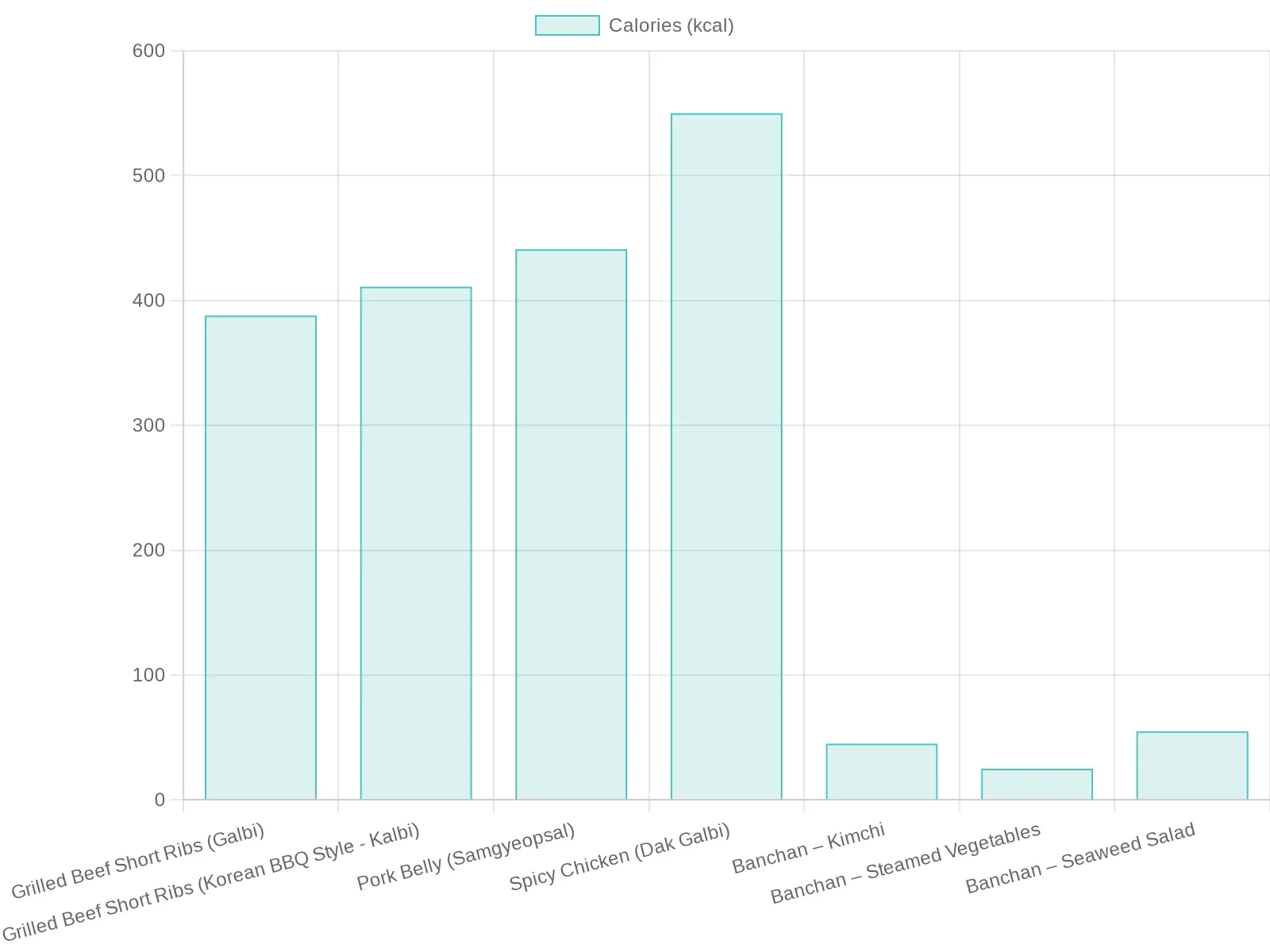
For a quick overview, refer to the chart below:
| Dish / Item | Serving Size | Calories (approx.) | Key Nutritional Notes |
|---|---|---|---|
| Grilled Beef Short Ribs (Galbi) | 100g | 388 kcal | High fat, good protein content |
| Pork Belly (Samgyeopsal) | 100g | 441 kcal | Rich in saturated fat |
| Spicy Chicken (Dak Galbi) | Per serving | 500-600 kcal | High in sodium |
| Banchan – Kimchi | 100g | 20-30 kcal | Low calorie, probiotic-rich |
| Banchan – Steamed Vegetables | 100g | 10-15 kcal | Very low in fat |
| Banchan – Seaweed Salad | 100g | 40-50 kcal | Moderate in iodine, low in fat |
This information can significantly enhance both customer satisfaction and nutritional transparency, vital aspects in today’s dining landscape.
Calorie Content of Popular Korean BBQ Items
When it comes to enjoying Korean BBQ, it’s essential for business owners to be aware of the calorie content in menu items to better cater to health-conscious customers. Here’s a comparison of calories in popular Korean BBQ meats and side dishes:
| Item | Serving Size | Calories | Protein (g) | Fat (g) | Carbohydrates (g) |
|---|---|---|---|---|---|
| Korean BBQ Beef | 3 oz (85g) | 190 | 18 | 13 | 6 |
| Korean BBQ Pork | 3 oz (85g) | 220 | 19 | 17 | 7 |
| Korean BBQ Chicken | 3 oz (85g) | 150 | 21 | 9 | 6 |
| Kimchi | ½ cup | 17 | 1 | 0.5 | 4 |
| Steamed White Rice | ½ cup cooked | 200 | 4 | 0.5 | 45 |
| Seaweed Salad | ½ cup | 40 | 2 | 1 | 8 |
Summary of Findings
- Beef is a popular option at 190 calories.
- Pork contains the highest calories at 220.
- Chicken is the leanest meat choice at 150 calories and high in protein.
- Common side dishes like kimchi, rice, and seaweed salad significantly add to the overall calorie count.
For more information on menu options, check our menu or learn more about BBQ offerings.
Health Considerations for Business Owners
In an era where health consciousness is a significant trend among consumers, business owners in the food sector, particularly those offering Korean BBQ, must be proactive about calorie content in their offerings. Research indicates an increasing awareness of calorie counts on menus among consumers. A 2022 CDC survey revealed that about half of U.S. adults noticed calorie labels when ordering food. This trend suggests that menu transparency could enhance customer satisfaction while aligning with their dietary preferences.
Implications of Calorie Content
For business owners, understanding the implications of calorie content is crucial for creating menu offerings that resonate with health-conscious customers:
- Customer Health Trends: With heightened awareness of dietary choices, many consumers are opting for lower-calorie meals that align with their health goals. In fact, a significant portion of consumers actively seeks nutritional information when dining out. This indicates a demand for healthier menu options that provide transparency around calorie content. Choices like bulgogi (250-300 calories) and grilled chicken can easily fit into this category, while dishes such as samgyeopsal (350-450 calories) and galbi (400-500 calories) can be adjusted in portion size or ingredients to reduce calorie density.
- Menu Offerings: Offering a variety of dishes, including lean protein options and low-calorie sides, can cater to a broader audience. For instance, providing banchan (side dishes) such as kimchi and steamed vegetables-which typically have low calorie counts-helps customers balance their meals healthily. Options that are medium to high in calorie density should be well explained to customers to allow them to make informed choices.
Balancing Flavors and Nutrition
To effectively meet health trends without compromising flavor or satisfaction:
- Ingredient Choices: Opt for lean cuts, reduce sugar in marinades, and incorporate whole grains. This not only enhances flavors but also contributes to more nutritional meals. Offering healthier versions of traditional dishes can attract customers who maintain a keen interest in their caloric intake.
- Portion Control: Encourage customers to share larger dishes, which is a cultural practice in Korean dining but also a strategy to manage calorie intake effectively. This allows customers to enjoy a variety of flavors while keeping their meals within their caloric limits.
Visual Insights on Calorie Content
To illustrate the calorie ranges of popular Korean BBQ dishes, refer to the chart below:
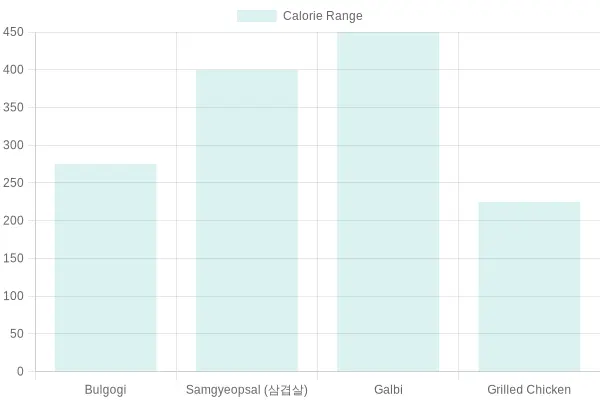
Calorie Content of Dishes
| Dish | Calorie Range |
|---|---|
| Bulgogi | 250-300 |
| Samgyeopsal (삼겹살) | 350-450 |
| Galbi | 400-500 |
| Grilled Chicken | 200-250 |
In conclusion, by embracing these health trends and being transparent about calorie offerings, business owners can attract a loyal customer base that values nutrition as much as they do flavor. Tips on menu design and offerings, as well as innovative strategies to present nutritional information, can substantially enhance dining experiences. For more on menu offerings, check out our Korean BBQ and Sushi Menu.
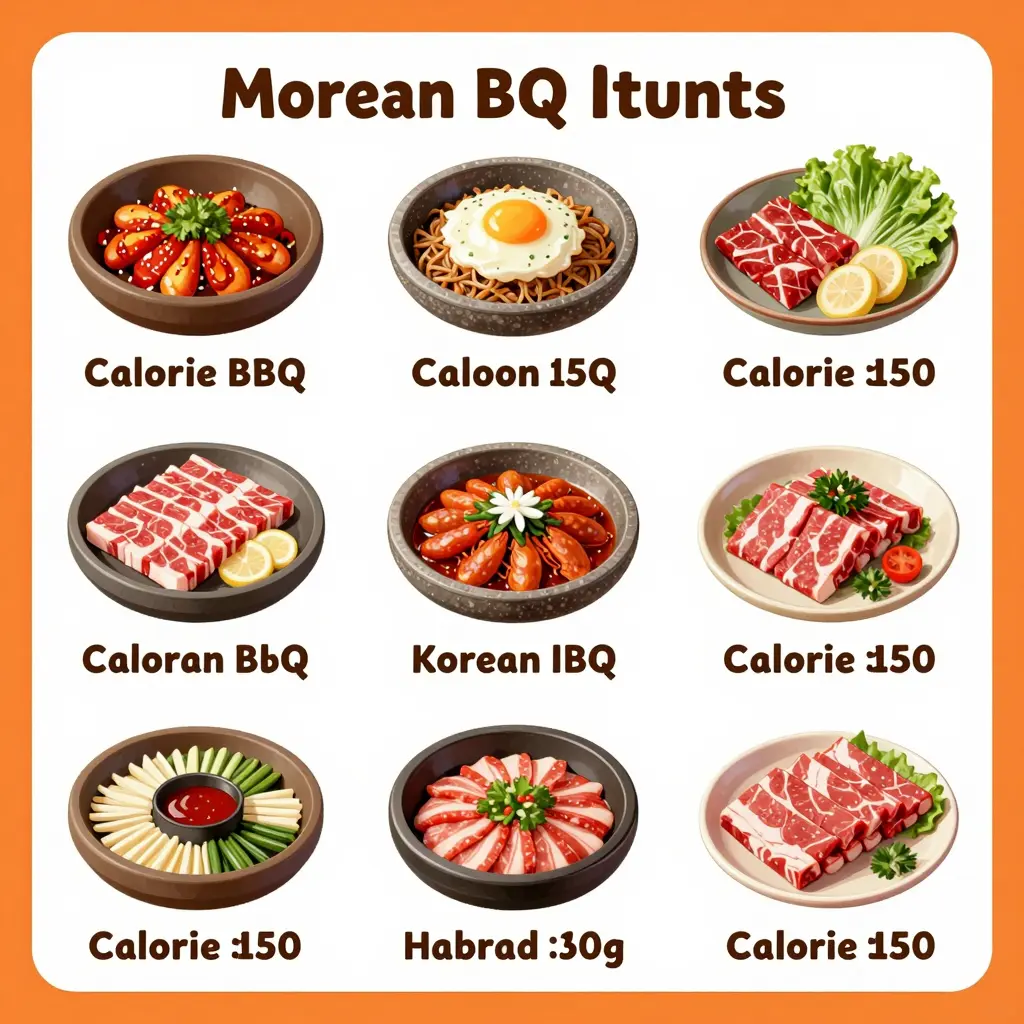
Tips for Reducing Calorie Count in Korean BBQ Dishes
Korean BBQ is a delightful culinary experience, but it can also be calorie-heavy depending on the choices made. For business owners looking to create a health-conscious menu without sacrificing flavor, here are some practical tips:
-
Choose Lean Cuts of Meat: Opt for leaner options such as chicken breast, fish, or shrimp instead of high-fat cuts like beef short ribs or pork belly. This can significantly lower calorie counts without sacrificing taste, as marinades and grilling techniques can enhance flavors.
-
Use Lettuce Wraps: Instead of serving meats with rice or bread, offer leafy greens like lettuce or perilla leaves for wrapping. This not only cuts down on calories but also adds freshness to each bite.
-
Minimize Sugary Sauces: Avoid using high-sugar marinades and sauces. Instead, stick to low-sodium soy sauce or spicy chili flakes, which can add flavor without the added calories. Offer sauces on the side so customers can control their portions.
-
Incorporate More Vegetables: Fill your menu with a variety of vegetable sides such as kimchi, grilled mushrooms, and stir-fried greens. Vegetables are low in calories and high in nutritional value, helping to bulk out meals and maintain satiety.
-
Portion Control: Manage portion sizes by serving appropriate amounts of meats (around 200g per serving is a reasonable guideline). This helps customers enjoy their meal without overindulging.
-
Healthy Cooking Methods: Use healthier cooking methods such as grilling without excessive oil or marinades. Avoid frying, and consider using non-stick grill pans to reduce fat content.
-
Offer Nutritional Information: Provide calorie counts and nutritional information for each dish to help customers make informed choices. This transparency can make patrons more comfortable with their selections while promoting healthier eating habits.
-
Promote Hydration: Encourage customers to stay hydrated with water or unsweetened herbal teas instead of sugary beverages. This contributes to overall wellness and helps to prevent overeating.
By implementing these strategies, business owners can cater to health-conscious diners while still delivering the bold, flavorful, and satisfying experience that Korean BBQ is known for. For more information on implementing a diverse menu, check out our Korean BBQ and Sushi Menu and our All You Can Eat Korean BBQ offerings.
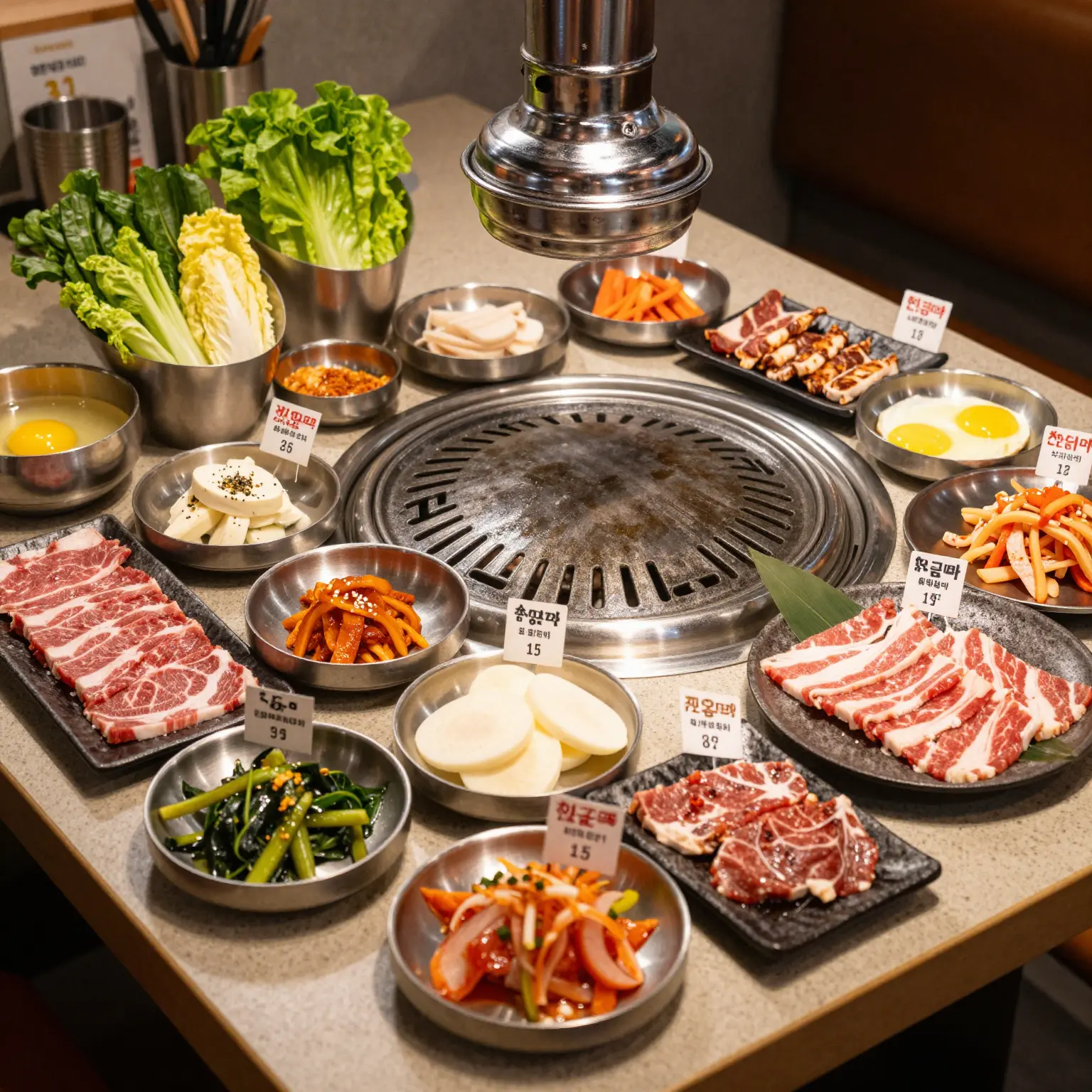
Customer Preferences in Calorie-Conscious Dining for Asian Cuisine
In recent years, there has been a significant shift in consumer preferences towards calorie-conscious dining, particularly in Asian cuisine. As health consciousness continues to shape dining habits, restaurants offering traditional meals must adapt to meet these evolving demands. This analysis synthesizes recent research and trends observed in consumer behavior regarding calorie-conscious dining, with a special focus on Asian cuisines, such as Korean barbecue.
The Rise of Calorie-Conscious Preferences
According to a 2025 Statista report, around 83% of American consumers express support for calorie labeling in restaurants. This trend is particularly strong among millennials and Generation Z, who prioritize nutritional information when selecting their meals. The findings indicate that customers increasingly seek transparency in menu items perceived as high in calories, such as those prepared with rich sauces or fried ingredients. Learn more about Korean BBQ and Sushi menus
Strategies for Calorie-Conscious Dining in Asian Cuisine
Recent studies, including one published in the Journal of Ethnic Foods, outline four key strategies that restaurants are adopting to cater to calorie-conscious consumers:
- Resizing Portions: Offering smaller portion sizes can help reduce calorie intake while maintaining the authenticity of the dish.
- Reformulating Recipes: Adjusting recipes to use healthier cooking methods or ingredients can appeal to health-conscious diners. For instance, Korean BBQ establishments are experimenting with grilling techniques that reduce fat content without compromising flavor.
- Ingredient Substitution: Substituting high-calorie ingredients with healthier alternatives has gained popularity, such as using bibimbap (mixed rice) with vegetables and lean meats, or including plant-based proteins in traditional dishes.
- Elimination of High-Calorie Ingredients: Removing certain high-calorie elements from menus-like sugary sauces and fried additions-can significantly lower the overall calorie count of a dish.
A recent study on Chinese restaurant practices highlighted that menus indicating calorie counts significantly influenced customer ordering decisions, leading many to opt for lower-calorie options when information was clearly presented. Brands have noted a positive shift in consumer attitudes when transparency regarding nutritional content is prioritized.
Visualizing Consumer Preference Strategies
To better understand how consumers navigate these calorie-conscious options in Asian dining, we present a chart illustrating their preferred strategies:

Conclusion
As the market for calorie-conscious dining continues to expand, particularly in Asian cuisine, restaurant owners must consider integrating these practices into their business models. By offering clarity on nutritional content and providing healthier alternatives, establishments specializing in Asian food, such as Korean BBQ, can attract a broader customer base who are both health-conscious and craving traditional flavors. Staying ahead of these trends will not only satisfy the currently evolving tastes of diners but also enhance brand loyalty across diverse demographics. For additional insights, consider reading about all-you-can-eat Korean BBQ options.
The Importance of Calorie Awareness in Dining Experiences
Understanding the calories in the meals we consume is crucial, especially in an environment where dining out is becoming more popular. Calorie awareness allows diners to make informed choices, helping them manage their health and dietary needs effectively. As recent studies note:
“The awareness of calorie content leads to a measurable reduction in average calorie intake per meal, with diners choosing options that are on average 30-50 calories lower when calorie counts are visible. Awareness empowers consumers to make healthier choices during dining experiences.”
This underscores how important it is for restaurants, like those offering Korean BBQ, to provide calorie information clearly on their menus. It’s not just about the food-it’s about enabling a healthier dining experience.
Conclusion and Call to Action
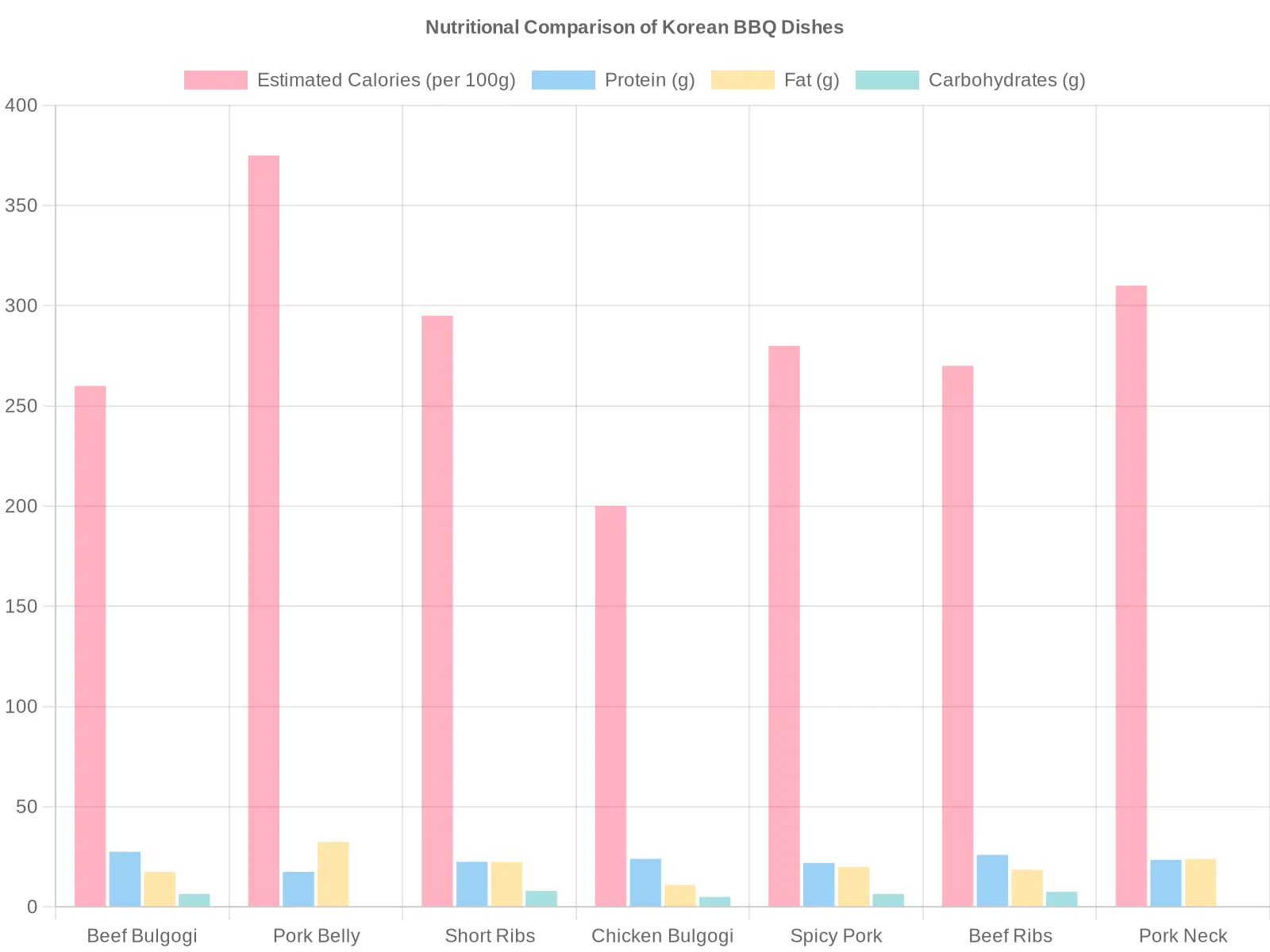
In conclusion, understanding the calorie content of popular Korean BBQ dishes is essential for business owners looking to create healthier menus that cater to the modern diner’s preferences. As we explored, options like Beef Bulgogi stand at an estimated 260 calories per 100g, making it a flavorsome yet mindful choice. On the other hand, Pork Belly, with its richer composition, can reach up to 375 calories. The data shows that while these dishes deliver on taste, they also allow for a diversity of options to accommodate varying dietary concerns.
Moreover, the recent trends towards healthier and more sustainable options, including plant-based alternatives and customizable sauces, reflect a growing demand for culinary innovation in the Korean BBQ segment. Many establishments are successfully integrating new concepts into their menus, from interactive dining experiences that enhance customer engagement to the careful selection of quality ingredients. For further insights on innovative menu items, consider exploring Korean BBQ and Sushi Menu Options.
As a business owner in the Korean BBQ industry, now is the time to rethink your offerings and capitalize on these trends. Enhancing your menu with health-conscious options not only attracts a broader customer base but also positions your establishment as a leader in contemporary dining experiences. If you’re looking for expert support to elevate your menu or implement new strategies, don’t hesitate to reach out to Zoomlion. Their expertise in food innovation can provide the guidance you need to thrive in this competitive market. Together, let’s redefine the future of Korean BBQ!
For more information on all-you-can-eat options, check out our section on All You Can Eat Korean BBQ Options.