
Introduction
Korean BBQ has rapidly gained popularity worldwide, becoming a staple dining experience for food enthusiasts and casual diners alike. As business owners in the food industry, understanding the nutritional aspects of your offerings, such as caloric content, is essential for catering to health-conscious customers. This article will delve into the calorie counts typically associated with various Korean BBQ dishes, highlighting essential ingredients found in the cuisine and how they impact overall calorie intake. We’ll explore the balance between indulgence and health, offering insights that can help you appeal to a broader range of clientele. Additionally, we will touch on the significance of menu transparency and how providing nutritional information can enhance customer trust and loyalty. By the end of this guide, you’ll be equipped with a better understanding of how to navigate the world of calories in Korean BBQ, allowing you to optimize your menu for both flavor and health-consciousness.
If you’re looking to enhance your menu offerings, consider exploring our sushi and Korean BBQ options that cater to diverse dietary preferences. Furthermore, knowing the details about our all-you-can-eat Korean BBQ can help you craft a lucrative business strategy for your restaurant.
Understanding the Caloric Content of Korean BBQ
Korean BBQ has gained immense popularity around the world, especially among food enthusiasts and business owners looking to diversify their menus. One of the prominent aspects to consider in this cuisine is the caloric intake associated with various types of meats and side dishes. This information is vital not only for health-conscious customers but also for business owners aiming to provide comprehensive nutritional information.
Caloric Breakdown of Common Korean BBQ Meats
The caloric content of meats typically found in Korean BBQ varies significantly based on the cut and preparation style. Here are some common items:
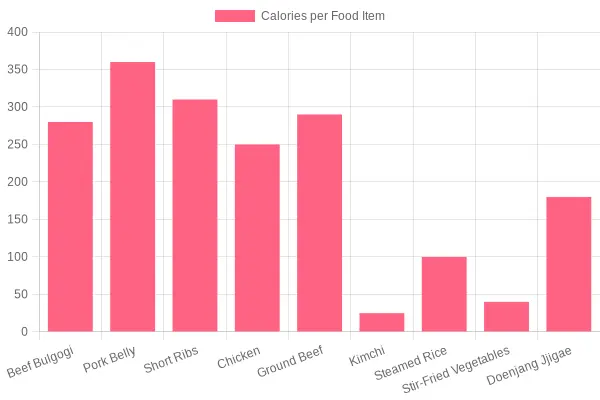
- Beef Bulgogi (Marinated): Approximately 280 calories per 4 oz servings.
- Pork Belly (Samgyeopsal): About 360 calories per 4 oz serving.
- Short Ribs (Galbi): These contain around 310 calories per 4 oz serving.
- Marinated Chicken: Contains roughly 250 calories per 4 oz serving.
Caloric Content of Popular Sides
In addition to the meats, Korean BBQ meals include a variety of side dishes that contribute to the overall caloric intake:
- Kimchi (1/2 cup): Only 25 calories
- Steamed Rice (1/2 cup, cooked): Roughly 100 calories
- Stir-Fried Vegetables (1/2 cup): Around 40 calories
- Doenjang Jjigae (Soybean Paste Stew, 1 cup): Approximately 180 calories
Combined, these dishes can push a complete Korean BBQ meal into the range of 700 to 1,200 calories depending on the portion sizes and the number of side dishes served.
Summary Chart of Caloric Content
The following chart summarizes the calories in various food items commonly featured in Korean BBQ, which can help business owners in menu planning and customers in making informed choices:
Health Considerations
Balancing calorie intake is essential, especially for those who are health-oriented. Lettuce or perilla wraps can significantly reduce calorie counts when used instead of rice or other heavier side dishes. Pairing meals with lighter options, such as fresh fruit or green tea, can also mitigate potential health impacts from the higher sodium and fat content found in some Korean BBQ items.
For more detailed options on traditional Korean BBQ, explore the menu options at Kogi Korean BBQ and discover the full array of dining experiences available.
As a business owner, understanding the health impacts of your menu can also enhance customer satisfaction by meeting diverse dietary preferences and needs. Providing detailed nutritional information can set your establishment apart in the competitive food market.
Article Outline: How Much Calories in Korean BBQ
Introduction
- Brief overview of the popularity of Korean BBQ among dining establishments.
- Importance of understanding calorie counts for business owners in the restaurant industry.
1. Overview of Korean BBQ Dishes
- Description of common dishes in Korean BBQ such as bulgogi, galbi, and dak-galbi.
- Link to comprehensive menu items on Kogi Korean BBQ menu.
2. Calorie Counts for Popular Korean BBQ Dishes
- Detailed insights into calorie counts:
- Beef bulgogi: 320-400 calories per serving depending on preparation.
- Grilled pork (Dak-galbi): approximately 400-550 calories.
- Marinated short ribs (galbi): around 450 calories.
- Link to Healthline’s calorie breakdown.
3. The Role of Banchan and Accompaniments
- Discussion on calorie contributions from side dishes like kimchi and rice:
- Kimchi (1/2 cup): 20-30 calories
- Rice (1 cup): approximately 200 calories.
- How portion sizes and the number of side dishes impact total meal calories.
4. Understanding Marinades and Sauces
- Exploration of how different marinades affect calorie content.
- High-fat marinades often contribute significantly to calorie totals; suggestions for leaner options.
- Link to insights on limiting high-sugar marinades from Verywell Fit.
5. Managing Caloric Intake in Korean BBQ Businesses
- Strategies for restaurant owners to create balanced options that appeal to health-conscious patrons.
- Recommendations for promoting lower-calorie dishes and healthy sides.
- The value of transparency in menu labeling to convey nutritional information.
Conclusion
- Summary of key points regarding calories in Korean BBQ.
- Encouragement for business owners to consider nutritional factors when designing menus
and to boost awareness about healthier dining options.
Call to Action
- Inviting readers to explore Kogi Korean BBQ for delicious options and health-conscious choices in their menu offerings.
Understanding Caloric Content in Korean BBQ
Korean BBQ has gained immense popularity in various regions, especially in the United States, becoming a staple for many culinary enthusiasts and restaurant owners alike. One primary consideration when indulging in this delightful dining experience is understanding the caloric content of the dishes served. The caloric count in a typical Korean BBQ meal can wildly vary based on the choice of meats, sides, and sauces, making it crucial to delve deeper into its nutritional aspects.
Calories in Popular Korean BBQ Meats
Commonly served meats in a Korean BBQ include different types of bulgogi, which is marinated beef, pork, or chicken. The caloric content of these meats varies significantly:
| Meat Type | Calories (per 3 oz / 85g) |
|---|---|
| Beef Bulgogi | 250-300 |
| Pork Bulgogi | 280-320 |
| Chicken Bulgogi | 220-260 |
Source: Healthline – Korean BBQ Nutrition Facts
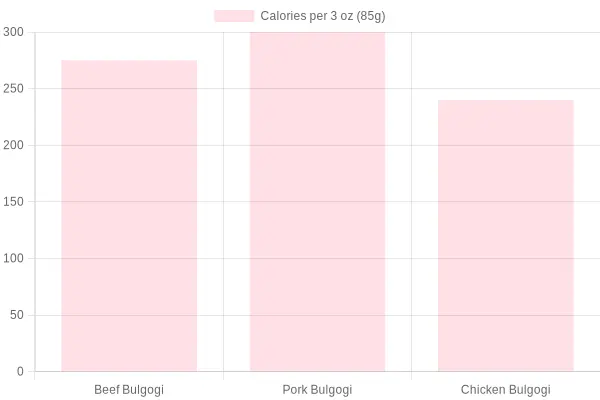
As per the data, beef bulgogi tends to have a higher caloric density due to its fat content. Pork bulgogi follows closely behind, while chicken bulgogi offers a leaner alternative, making it a favorable option for calorie-conscious diners. Understanding these calories helps business owners in menu planning and marketing by highlighting healthier options or featuring chef specials.
The Complete Korean BBQ Meal
A classic Korean BBQ meal doesn’t just stop at the main proteins; it also includes essential sides that contribute to the overall caloric intake. A typical meal featuring beef bulgogi, rice, and kimchi can be broken down as follows:
| Food Item | Calories |
|---|---|
| Beef Bulgogi | 300 |
| Rice | 200 |
| Kimchi | 50 |
| Total | 550 |
In this example, the average total caloric content of a meal comprising beef bulgogi, rice, and kimchi is approximately 550 calories. Here’s the breakdown of the meal’s calorie distribution:
- Beef Bulgogi: 54.5%
- Rice: 36.4%
- Kimchi: 9.1%
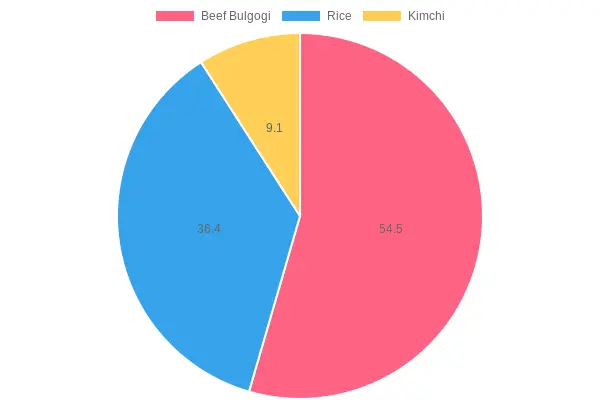
By understanding the caloric distribution, restaurant owners can better cater to their clientele’s dietary needs, emphasizing healthier options or adjusting portion sizes accordingly. They can also use this information for transparent menu labeling, which appeals to health-conscious customers.
Practical Implications for Restaurant Owners
For business owners, having a solid grasp on the caloric content of Korean BBQ not only aids in menu development but also enhances marketing strategies. By providing detailed information about caloric counts, they can attract a wider audience, especially those who are health-focused or have specific dietary restrictions. Moreover, integrating this nutritional data into menus or online platforms can foster a transparent dining environment, leading to greater customer satisfaction and loyalty.
Korean BBQ offers an unparalleled dining experience with its variety and flavor. However, being aware of its caloric content can lead to informed choices for both the restaurant and its patrons. As the demand for health-conscious dining continues to rise, understanding and integrating nutritional information is paramount for success in the competitive food industry.
Conclusion
In conclusion, understanding the calorie content in Korean BBQ is crucial for business owners in this industry, especially as health-conscious consumers become more prevalent. We discussed various factors contributing to calorie counts, including types of meats like bulgogi and galbi, the different side dishes, and common sauces used in Korean BBQ. For instance, marinated meats generally have higher calorie counts due to additional sugars and oils used in their preparation. Moreover, diners often consume Korean BBQ in communal settings, leading to higher overall calorie intake, especially as they also indulge in side dishes like tteokbokki or kimchi.
It’s beneficial for restaurant owners to provide transparent nutritional information on their menus, which can cater to those who are calorie-conscious while also promoting healthy dining options. By doing so, businesses can attract a broader clientele and foster loyalty among health-focused consumers. For those looking to diversify their menu, consider incorporating dishes that strike a balance between flavor and nutrition, as seen in enhanced offerings from locations like Kogi Korean BBQ and All You Can Eat Korean BBQ in Oakland. Evaluating calorie content alongside taste can lead to a satisfying dining experience that meets diverse customer needs.
Understanding Caloric Content in Korean BBQ
Korean BBQ is known for its delightful array of flavors and dishes, but it’s important to be mindful of its calorie content, particularly for business owners who may want to cater to health-conscious customers. The calorie count in a typical Korean BBQ meal can vary significantly based on the meats, marinades, and side dishes chosen.
Key Dishes and Their Caloric Ranges
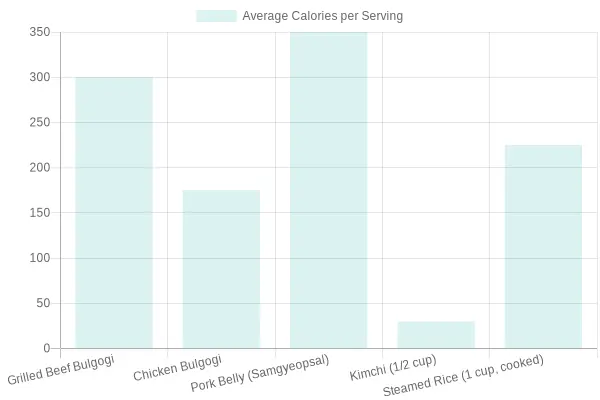
Here’s a breakdown of the average calorie content for common Korean BBQ dishes:
| Dish | Typical Calorie Range (per serving) |
|---|---|
| Grilled Beef Bulgogi | 250 – 350 calories |
| Chicken Bulgogi | 150 – 200 calories |
| Pork Belly (Samgyeopsal) | 300 – 400 calories |
| Kimchi (1/2 cup) | 20 – 40 calories |
| Steamed Rice (1 cup, cooked) | 200 – 250 calories |
Source: USDA FoodData Central, Healthline and various nutrition databases.
For a detailed comparison, the chart below illustrates the average caloric content of these dishes:
Strategies for Managing Caloric Intake
To cater to clients who may be watching their calorie intake, consider the following strategies:
- Opt for lean meats: Grilled chicken breast without excessive marinades can be lower in calories compared to fatty cuts of pork.
- Limit sugary marinades: Opting for simple seasonings can help reduce calorie content.
- Prioritize vegetable-heavy sides: Incorporating more vegetables in your offerings can enhance fiber intake without significantly increasing calories.
For more information on menu options that cater to various dietary needs, check out Kogi Korean BBQ and Sushi Menu or explore All You Can Eat Korean BBQ in Oakland.
Making informed choices can help you create a delicious yet healthy dining experience for your patrons, ensuring that they can enjoy the best of Korean BBQ without compromising on their health goals.
Understanding Korean BBQ Calories
Korean BBQ is a popular dining experience that involves grilling various meats at the table. However, many business owners may wonder about the calorie content of typical Korean BBQ dishes. Understanding what goes into these meals helps in making informed choices and managing portion sizes.
Caloric Content of Common Meats
A typical Korean BBQ meal’s calorie count can range significantly, primarily depending on the meats chosen and the sides served. Here’s a breakdown of the approximate calories for common Korean BBQ dishes:
| Dish/Component | Calories (per 100g) | Macronutrient Breakdown (Approx.) | Source |
|---|---|---|---|
| Korean BBQ Beef (Bulgogi) | ~250 kcal | ~14% fat, ~38% protein, ~48% carbs | Eat This Much |
| Samgyeopsal (Pork Belly) | ~333 kcal | ~46% fat, ~37% protein, ~0% carbs | Fooducate |
| Kimchi (Fermented Cabbage) | ~25 kcal | ~0% fat, ~2% protein, ~5% carbs | USDA FoodData Central |
| Steamed Rice (White) | ~130 kcal | ~0% fat, ~3% protein, ~28% carbs | USDA FoodData Central |
| Miyeok Guk (Seaweed Soup) | ~30 kcal | ~1% fat, ~2% protein, ~5% carbs | USDA FoodData Central |
Total Caloric Content
A full meal, including meat, rice, and multiple side dishes, often surpasses 600-800 calories. For instance:
- A typical serving of bulgogi (85g) contains about 200-250 calories.
- A serving of samgyeopsal (pork belly) adds approximately 280 calories.
- Depending on the amount and variety of banchan (side dishes), the calorie count can increase significantly, especially with sodium-rich items.
For a deeper insight into Korean BBQ options, consider exploring our menu.
Understanding calorie content in Korean BBQ not only benefits the business owner in tailoring offerings but is also advantageous for customers mindful of their dietary choices. Recognizing these factors can enhance customer satisfaction and engagement within the dining experience.
Visuals Illustrating Calories in Korean BBQ
Calorie Comparison of Korean BBQ Items
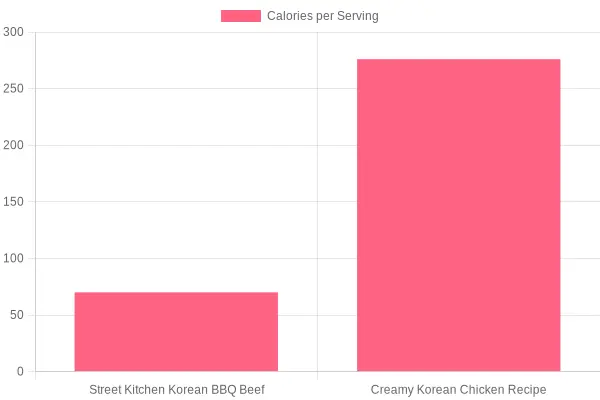
Here’s a bar graph illustrating the calories found in popular Korean BBQ dishes.
| Item | Serving Size | Calories per Serving | Source |
|---|---|---|---|
| Street Kitchen Korean BBQ Beef | ¼ cup | 70 | Passage Foods Street Kitchen Asian Scratch Kit |
| Creamy Korean Chicken Recipe | 1 serving | 276 | [Recipe Data from Trusted Food Platform] |
Infographic on Korean BBQ Calories
This infographic visually encapsulates the calorie content in Korean BBQ dishes, perfect for restaurant owners and diners alike.
Calories in Korean BBQ: What Business Owners Need to Know
Korean BBQ has gained immense popularity, not just for its delicious flavors but also for its unique dining experience. However, understanding the calorie content in Korean BBQ dishes is crucial for restaurant owners looking to cater to health-conscious customers. Below, we break down the average calorie content of popular Korean BBQ dishes.
Average Caloric Content of Popular Dishes
Based on recent data from reputable sources, here’s a breakdown of calories per serving for some classic Korean BBQ items:
| Dish Name | Average Calories per Serving |
|---|---|
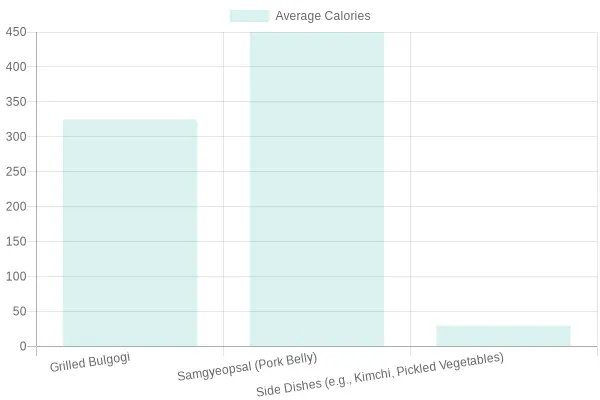
| Grilled Bulgogi | 325 |
| Samgyeopsal (Pork Belly) | 450 |
| Side Dishes (e.g., Kimchi, Pickled Veggies) | 30 |
Values are approximate averages based on typical serving sizes and nutritional data from food databases.
The calorie ranges can vary based on portion size and cooking methods. For example:
- A typical serving of grilled bulgogi contains approximately 300-350 calories.
- Samgyeopsal, known for its richer fat content, can range from 400-500 calories per serving.
- Side dishes, such as kimchi and pickled vegetables, are generally lower in calories, often under 50 calories each, making them a healthier addition to any meal.
Tips for Managing Caloric Intake
Business owners should consider the following strategies to help customers manage their calorie intake when enjoying Korean BBQ:
- Offer Lean Cuts: Highlight lean meats like chicken or beef brisket in your menu.
- Portion Control: Provide smaller portions or shareable dishes to prevent overeating.
- Mindful Sauces: Recommend using condiments like gochujang and sesame oil sparingly, as these can significantly increase the calorie count of a meal.
For an in-depth look at nutritional information and proper serving sizes, you can refer to this article by Healthline.
Visual Representation
Below is a chart depicting the average calorie content of popular Korean BBQ dishes.
In conclusion, being aware of calorie counts in Korean BBQ can not only help chefs create balanced menus but also allow customers to make informed decisions. Whether you’re running a traditional Korean BBQ restaurant or integrating these dishes into a fusion menu, understanding these calorie dynamics is essential for success in today’s health-conscious dining environment.
For those looking to explore more about the offerings and ingredients in Korean BBQ, check out our detailed Korean BBQ and Sushi Menu for more insights!
Calories in Korean BBQ: Essential Insights for Business Owners
Introduction
Korean BBQ is a popular dining choice known for its interactive grill experience and rich flavors. As a business owner in this space, understanding the calorie content of your menu offerings is crucial for attracting health-conscious customers and effectively marketing your dishes.
Average Caloric Content of Popular Korean BBQ Dishes
Here’s a summary of the average caloric content in various popular Korean BBQ dishes:
| Dish | Average Calories per Serving |
|---|---|
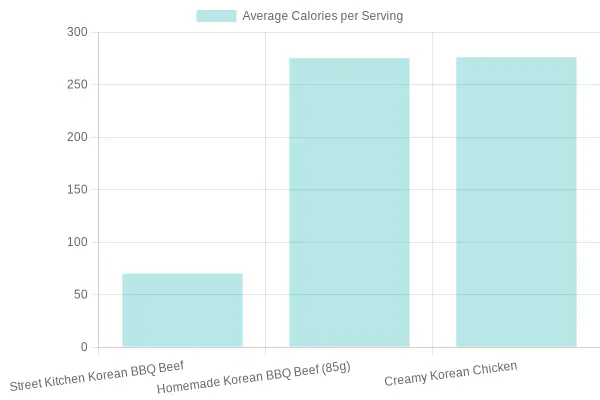
| Street Kitchen Korean BBQ Beef | 70 |
| Homemade Korean BBQ Beef (85g) | 250 – 300 |
| Creamy Korean Chicken | 276 |
Breakdown of Caloric Content
- Street Kitchen Korean BBQ Beef: This dish has a low calorie count of about 70 calories per serving. It’s an excellent option for diners seeking lighter fare.
- Homemade Korean BBQ Beef: The calorie content can vary significantly based on the preparation and serving sizes. Typically, a serving of 85 grams ranges from 250 to 300 calories, which includes important nutritional values like around 25-30g of protein.
- Creamy Korean Chicken: This dish contains approximately 276 calories. Its versatility makes it suitable for various recipes and is a compelling choice for diners looking for a more hearty option.
Consumer Trends
Understanding how consumers perceive calories in Korean BBQ can influence menu choices and marketing strategies. Health-conscious diners often prefer lighter options or dishes with clear nutritional information. Emphasizing these aspects can enhance customer satisfaction and loyalty.
Conclusion
As the demand for health-conscious dining options grows, Korean BBQ restaurants must adapt their menus accordingly. By highlighting the calorie content of dishes and providing a balanced range of options, business owners can attract a wider audience and enhance their dining experience. For businesses looking to expand their offerings, understanding these dynamic customer preferences and adjusting accordingly is essential. Learn more about our Korean BBQ menu and explore how we cater to varied dietary preferences.