
Introduction
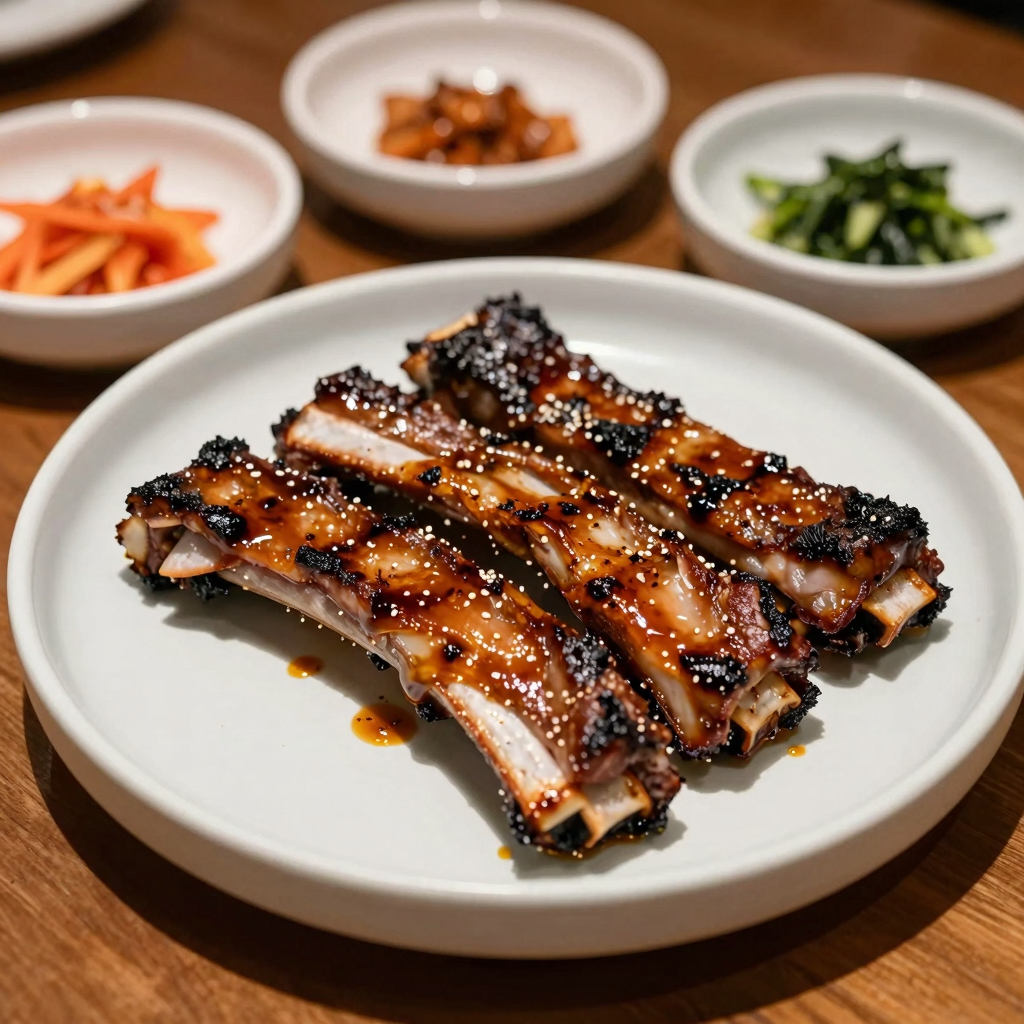
Korean BBQ short ribs, known as “갈비 (Galbi)”, have taken the culinary spotlight, especially in business events where guests seek unique dining experiences. With their sumptuous flavor, tender texture, and caramelized glaze, these short ribs not only tantalize taste buds, but they also enhance the overall ambiance, sparking conversations and engagement among diners. As more business owners recognize the appeal of incorporating Korean BBQ into their menus, mastering the art of cooking these delicious short ribs becomes essential. In this guide, we’ll delve into everything you need to know about perfectly BBQing these delightful pieces of meat, ensuring you’re well-prepared to impress your guests and elevate your business gatherings. Whether you’re a seasoned chef or new to the grill, get ready to explore easy-to-follow techniques and tips that will leave your guests wanting more and add an exciting twist to your dining experience. Learn more about our menu and discover the vibrant flavors of Korean cuisine!
A Brief History of Korean Short Ribs
Korean short ribs, commonly known as Galbi, hold a distinguished place in Korean culinary culture. Their origins trace back to ancient times, influenced significantly by nomadic groups, such as the Maek, whose cooking methods impacted Korean grill techniques. Galbi itself comes from the Korean words “gal” (rib) and “bi” (grilled meat). As the dish evolved, particularly during the Goryeo Dynasty, it transitioned from a food enjoyed by the elite to a beloved staple among common families.
Traditionally enjoyed during major life events and celebrations, such as weddings and festivals, Korean short ribs symbolize festivity and togetherness. The soup version, Galbitang, is particularly meaningful, illustrating Korean values of family unity and perseverance. This hearty dish incorporates tender short ribs simmered with Korean radish and dangmyun (glass noodles), which symbolize purity and continuity.
For business owners planning events, incorporating Korean short ribs into menus can create a unique dining experience that resonates with cultural heritage. Today’s popularity of Korean BBQ and dishes like Galbitang showcases not only a culinary delight but also an opportunity to foster connections, making it an excellent choice for gatherings.
For more on traditional Korean BBQ offerings, explore our menu and its significance in modern dining.
Key Ingredients for BBQ Korean Short Ribs
To prepare delicious BBQ Korean short ribs, also known as galbi, you will need a variety of key ingredients that bring out the rich flavors and tenderness of the meat. Here’s a list of essential ingredients:
Common Ingredients:
- Beef Short Ribs: Opt for flanken-cut ribs, which are sliced across the bone and ideal for marinating and grilling.
- Soy Sauce: A crucial base for the marinade, providing depth of flavor.
- Sugar: Brown sugar or white sugar helps to balance the savory soy sauce and contributes to caramelization when grilled.
- Garlic: Fresh minced garlic adds aromatic flavor and complements the beef.
- Sesame Oil: For a nutty fragrance, sesame oil is essential in the marinade.
Unique Ingredients:
- Asian Pear or Fuji Apple: These fruits are often included for their natural enzymes that tenderize the meat and add sweetness. Their juice or puree is commonly used in the marinade.
- Ginger: Minced fresh ginger enhances the flavor profile and adds warmth.
- Rice Wine (Mirin): A sweet rice wine that adds complexity to the marinade.
- Gochujang: Korean chili paste for those who enjoy a spicy kick; it adds depth and heat to the dish.
- Green Onions: Sliced green onions can be used as a garnish or included in the marinade for additional flavor.
Cooking Techniques:
Once marinated for at least 4 hours, preferably overnight, the short ribs can be grilled or baked at a high temperature for optimal flavor. For grilling tips, check out this detailed guide.
Conclusion
Using these ingredients, you can create tender, flavorful BBQ Korean short ribs that will impress your family and friends. Don’t forget to serve them with steamed rice and your favorite side dishes for a complete meal!
Step-by-Step Guide to Marinate Korean Short Ribs
Marinating Korean short ribs, known as Galbi, is essential for enhancing their flavor and tenderness. The proper marination process ensures that the meat absorbs the rich and savory dressing, leading to a mouthwatering BBQ experience. As business owners, attention to detail in this process can set your establishment apart. Here’s a step-by-step guide to marinating Korean short ribs effectively:
Step 1: Prepare the Ribs
Start by selecting high-quality beef short ribs with good marbling. For frozen ribs, thaw them in cold water for about 2-3 hours, changing the water every hour to eliminate excess blood and ensure the meat is clean.
Step 2: Create the Marinade
Crafting the marinade is crucial for flavor. The primary ingredients include:
- Soy Sauce: Provides a salty umami flavor.
- Sugar/Brown Sugar: Balances the saltiness with sweetness.
- Asian Pear Juice (or Apple Juice): Tenderizes the meat due to its natural enzymes.
- Garlic and Ginger: Infuses aromatic flavors.
- Sesame Oil: Adds a rich, nutty flavor.
- Optional: A splash of rice wine for depth and a dash of gochujang for heat.
Mix these ingredients in a bowl to create a well-balanced marinade. For a more authentic taste, feel free to explore variations like adding green onions or sesame seeds.
Step 3: Marinate the Ribs
Place the short ribs in a large zip-top bag or a shallow dish and pour in the marinade until the ribs are fully submerged. Squeeze out excess air if using a bag and seal it tightly.
- Marinating Time: Ideally, let the ribs marinate overnight, but a minimum of 4-8 hours will suffice. Turn the ribs every hour during marination to allow for even absorption of flavors.
Step 4: Prepare for Grilling
Once marinated, remove the ribs from the marinade and gently rinse them under cold water to wash off excess marinade, which helps prevent burning during grilling. Pat them dry with paper towels.
- Optional Preparation: Let the ribs sit at room temperature for 30 minutes before cooking to promote even cooking.
Step 5: Grill the Ribs
Preheat your grill pan or electric griddle to medium-high heat (180-200°C or 350-400°F). Grill the ribs until they are charred and cooked through, approximately 4-6 minutes on each side for optimal flavor and texture.
Conclusion
The marinating process is not just a step; it’s a vital component in crafting outstanding Korean short ribs that will impress your customers. Your attention to detail in this process can make a significant difference in the flavors you deliver. For more insights on menu offerings, learn more about our Korean BBQ and sushi options and elevate your culinary game.
The Allure of Marinated Korean Short Ribs
When it comes to Korean BBQ, marinated short ribs, or Galbi, stand out as a favorite. These tender and flavorful cuts of meat are marinated in a blend that typically includes soy sauce, sesame oil, garlic, and sugar, giving them a delightful sweetness and umami taste. Properly marinated short ribs not only boost the overall flavor of your BBQ but also ensure that the meat remains tender and juicy during grilling.
BBQ Duration: How Long to Grill Korean Short Ribs
To achieve the perfect grill, marinated Korean short ribs should be cooked for roughly 8-10 minutes on medium-high heat. It’s crucial to flip them halfway through to attain even grilling. This method preserves moisture, allowing each bite to melt in your mouth.
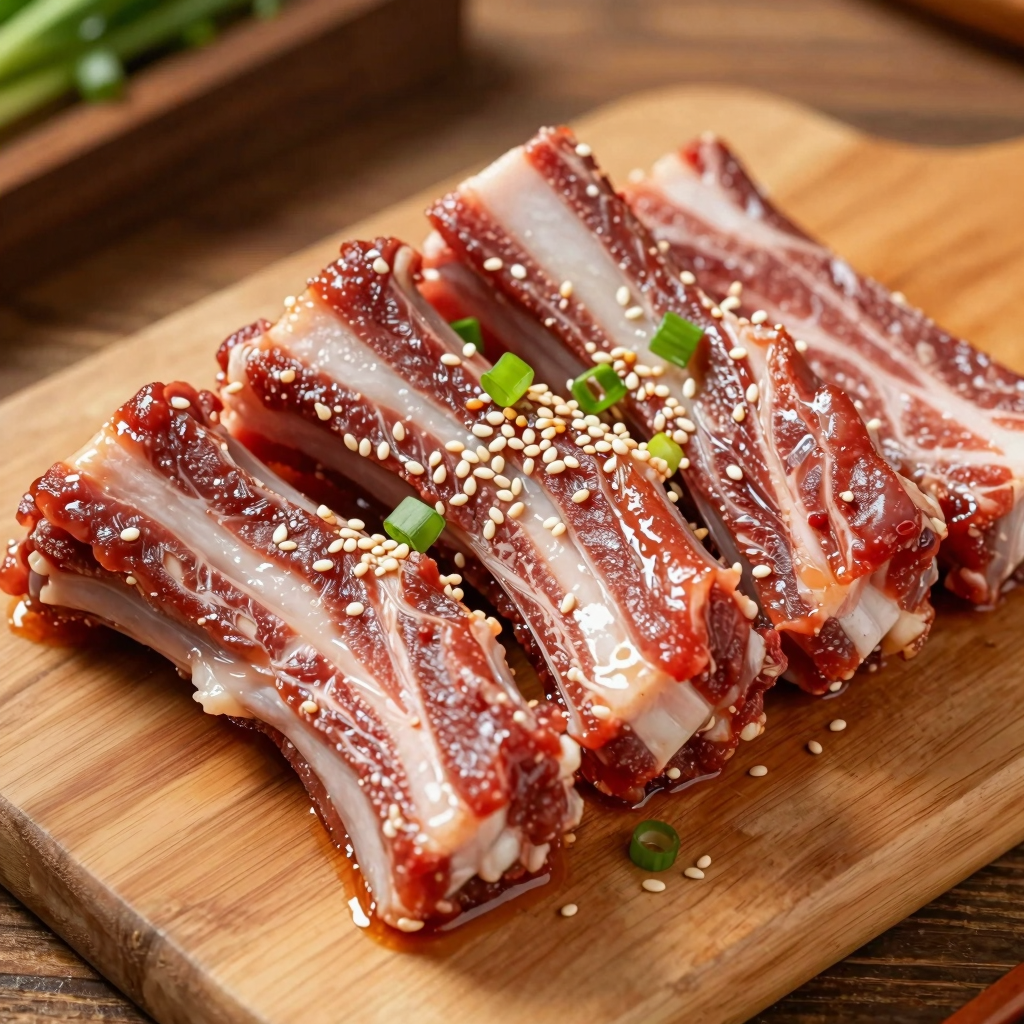
Marinated Korean short ribs showcasing freshness and quality.
For more delectable options, check out our Korean BBQ and Sushi Menu. If you’re looking for an all-you-can-eat experience, consider our locations for all-you-can-eat Korean BBQ.
BBQ Cooking Methods for Korean Short Ribs
Korean short ribs (or Galbi) are a tantalizing dish that can be prepared using various BBQ methods, each offering unique flavor profiles and convenience. Below is a detailed look at three popular BBQ cooking methods for Korean short ribs, along with their pros and cons to help you select the best approach for your needs.
1. Grilling (Charcoal and Gas)
Pros:
- Flavor: Grilling, particularly over charcoal, imparts a smoky flavor that enhances the natural taste of the meat.
- Texture: Achieves a nice char and caramelization on the outside while keeping the inside juicy.
- Quick Cooking: Cooking times are generally shorter compared to other methods. For example, grilling at medium-high heat (375-400°F) cooks ribs in about 15-20 minutes total, flipping every few minutes.
Cons:
- Heat Management: Requires careful monitoring of heat to prevent burning or drying out the meat.
- Preparation: Setting up a grill, especially charcoal, can be time-consuming and requires skill to manage.
For more grilling tips, check out The Ultimate Guide to Grilling Korean Short Ribs.
2. Oven Baking
Pros:
- Convenience: Easy setup-simply place marinated ribs on a baking sheet and let the oven do the work.
- Consistent Heat: Ovens provide an even cooking temperature, which can help in achieving consistent results.
Cons:
- Less Flavor: Unlike grilling, you miss out on the smoky flavors that come from barbecue cooking methods.
- Longer Cooking Times: Typically requires 25-30 minutes at 400°F, flipping halfway through.
3. Stovetop Grilling
Pros:
- Indoor Cooking: Ideal for those who want to cook inside without the need for a grill, making it perfect for colder weather.
- Quick and Easy: Takes around 10-12 minutes total and requires less setup.
Cons:
- Limited Capacity: May not accommodate large quantities at once, which is a consideration for catering or events.
- Flavor: While still delicious, it may not achieve the same level of char as outdoor grilling.
Summary Chart
| Cooking Method | Temperature | Time & Technique |
|---|---|---|
| Grilling (Charcoal) | 375-400°F | 15-20 minutes total |
| Grilling (Gas) | 375-400°F | 15-20 minutes, flip every 3-4 minutes |
| Oven Baking | 400°F | 25-30 minutes, flip halfway through |
| Stovetop Grilling | Medium-High | 10-12 minutes, sear each side |
Using the method that best suits your event and taste can elevate your Korean BBQ experience. For serving ideas, don’t miss our Korean BBQ and Sushi Menu.
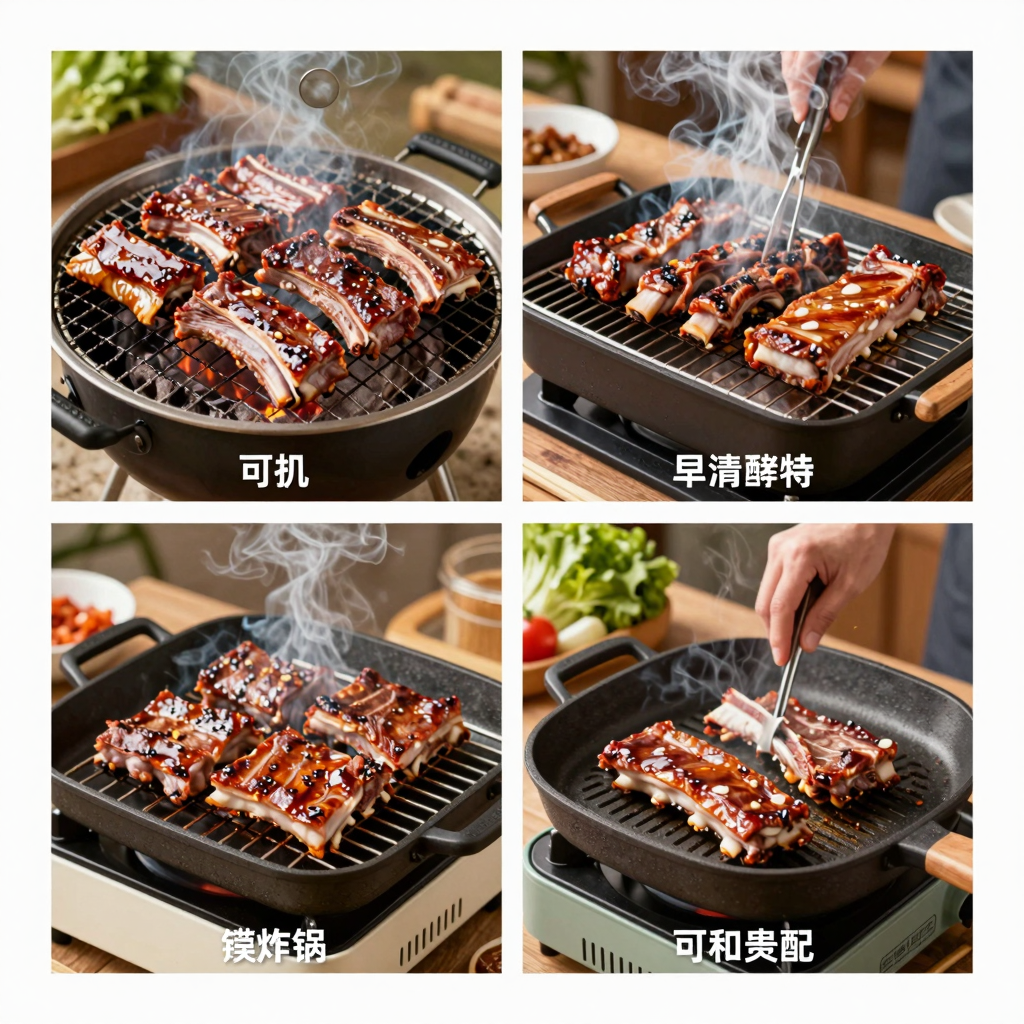
Make sure to marinate your ribs overnight for the best flavor!
Cooking Times for Korean Short Ribs at Different Temperatures
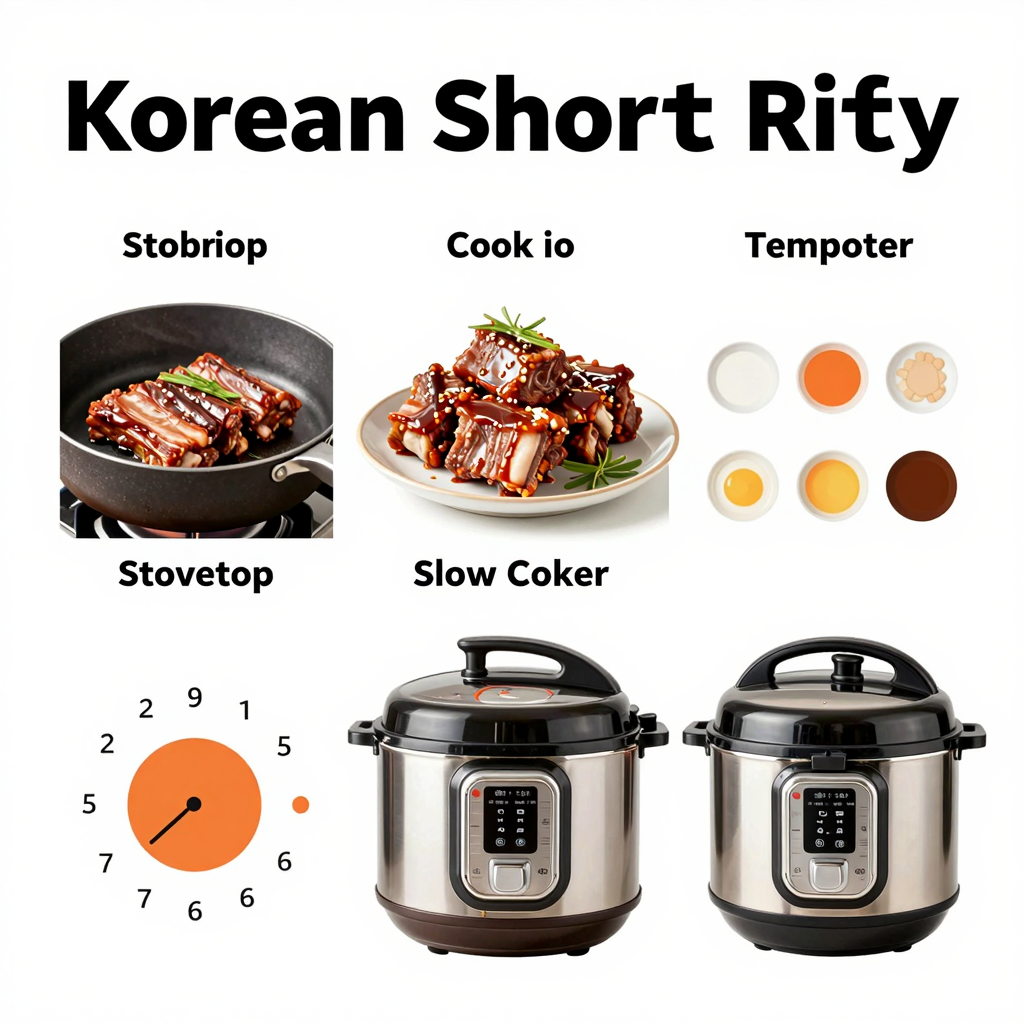
Cooking Korean short ribs (Galbi-jjim) perfectly requires understanding the nuances of temperature and time. The key is to ensure that the ribs become tender and juicy, allowing the flavors to fully develop. Below is a comparison table detailing the recommended cooking times for different methods and temperatures:
| Cooking Method | Temperature | Cooking Time |
|---|---|---|
| Stovetop | 185°F (85°C) | 2.5 to 3 hours |
| Slow Cooker | 170°F – 180°F (77°C – 82°C) | 6 to 8 hours |
| Pressure Cooker | ~250°F (121°C) | 45 to 60 minutes |
Cooking Methods Explained
- Stovetop: Start by blanching the ribs briefly to clear impurities. Then braise them in a mixture of soy sauce, garlic, and ginger at a simmer. This method allows for gradual flavor infusion and is ideal for traditional tastes.
- Slow Cooker: This method is perfect for “set and forget” cooking, making it ideal for busy business owners. The long cooking time at low temperatures ensures maximum tenderness.
- Pressure Cooker: For those pressed for time, using a pressure cooker significantly reduces cooking time while retaining moisture and flavor. It’s an excellent option for quick, weeknight dinners.
Knowing the right cooking times at various temperatures helps in perfecting your BBQ skills for Korean short ribs, ensuring delicious results every time. For more tips on enjoying Korean BBQ, check out our menu options. To discover different buffet styles, learn more about our all-you-can-eat offerings.
Tips for Serving Korean Short Ribs at Events
When it comes to serving Korean short ribs at business events, thoughtful presentation and menu planning can significantly enhance the dining experience for your guests. Here are some practical tips:
Presentation Ideas
- Elegant Plating: Serve short ribs on sleek black or white platters that allow the rich, caramelized colors of the meat to shine. Garnish with scallions, sesame seeds, or fresh herbs for a pop of color.
- Interactive Stations: Consider creating a Korean BBQ station where guests can grill their own short ribs. This encourages interaction and makes for a fun dining experience.
- Small Bites: Offer short rib sliders or skewered pieces as appetizers. These bite-sized options are easy to handle and perfect for networking events.
Ideal Side Dishes
Pairing sides with Korean short ribs can elevate your meal. Popular accompaniments that resonate well with your audience include:
- Kimchi: This traditional fermented dish adds a spicy kick to balance the sweetness of the short ribs.
- Steamed White Rice: A staple in Korean dining, it helps to balance the flavors and is a must-have.
- Ssam: Lettuce or perilla leaves make a fresh wrap, allowing guests to create their own bites with rice, meat, and a flavorful sauce. Other options include seasoned spinach or pickled vegetables for added crunch.
- Seaweed Salad: A light and refreshing side, it complements the richness of the meat well.
For more details on traditional sides, you can explore this article.
Managing Portion Sizes
Portion control is crucial for ensuring guests have enough to enjoy without food waste. Here are some guidelines:
- Restaurant Standard: The recommended serving size for BBQ Korean short ribs is typically 150-200 grams per person, depending on the overall menu. For heavier appetites, consider increasing this to 250-300 grams.
- Meal Balance: Accompany the ribs with complementary sides, so guests enjoy a well-rounded meal. This means a smaller portion of short ribs can still satisfy when sides are plentiful.
- Tasting Menus: If serving multiple courses or a tasting menu, consider smaller servings of short ribs (about 100-150 grams) paired with other dishes. This allows guests to savor a variety of flavors throughout the meal.
Sample Portion Sizes Table
| Number of Guests | Total Ribs Needed (grams) | Portion Size Per Person (grams) |
|---|---|---|
| 10 | 2000 | 200 |
| 20 | 4000 | 200 |
| 30 | 7500 | 250 |
In conclusion, serving Korean short ribs can be a highlight at any event when approached with creativity and care. By focusing on presentation, complementary sides, and portion management, you can provide a memorable dining experience that keeps your guests coming back for more!
Importance of Quality Ingredients in BBQ
When it comes to BBQ, the quality of your ingredients can significantly influence the final dish. As Chef Francesco Magni, the renowned Chef de Cuisine at Four Seasons Hotel Beijing, eloquently puts it:
“The focus is always on the quality of the ingredient itself. Our technique is there to enhance what’s already excellent. Sauces can be complementary, but we season simply because we want the customer to taste how good the steak really is.”
This philosophy rings especially true for Korean BBQ and, in particular, for dishes like Korean short ribs. Using high-quality cuts of beef ensures a tender, flavorful dish that speaks for itself. Poor ingredients can lead to tough, tasteless meat, undermining the whole experience. Therefore, when preparing Korean short ribs, sourcing top-quality meat is crucial. Investing in quality not only enhances the flavor but also elevates the dining experience for your customers.
To explore how the quality of BBQ ingredients can influence menu offerings, learn more about our menu options here.
Take Action: Partner with Zoomlion for Safety and Protection
As a business owner, your primary responsibility is to safeguard your company, employees, and customers. With the complexities and challenges of today’s business environment, setting up efficient safety protocols is more critical than ever. By collaborating with experts such as Zoomlion, you can ensure that you’re equipped with innovative solutions aimed at protecting lives and property.
Imagine a scenario where safety is not just a goal but a part of your business operations. Zoomlion offers cutting-edge technology and tailored support, specifically designed to help businesses like yours navigate and respond to safety challenges. Taking the next step towards securing your business is not just wise-it’s essential. Here’s why you should consider connecting with Zoomlion today:
- Expert Consultation: Discuss your unique needs and challenges with professionals who understand the nuances of your industry.
- Custom Solutions: Benefit from solutions tailored to your business structure and the particular risks you face.
- Ongoing Support: Enjoy peace of mind knowing that you’re supported by a team dedicated to your safety.
Don’t wait for an incident to realize the importance of safety. Reach out to Zoomlion today! Schedule a consultation to discover how their expertise can significantly enhance your security measures and operations. You can visit their site to learn more about their services or contact them directly for personalized assistance. Remember, investing in safety is investing in the future of your business.