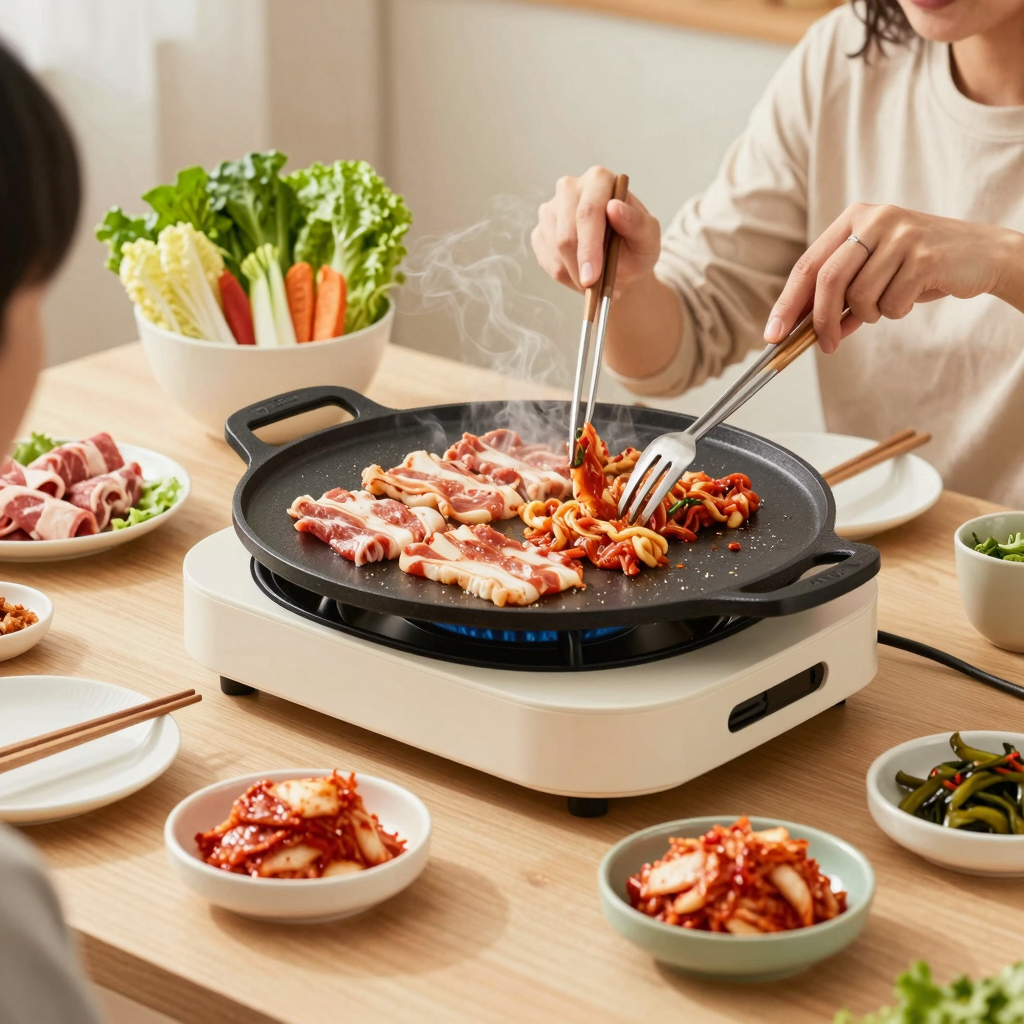
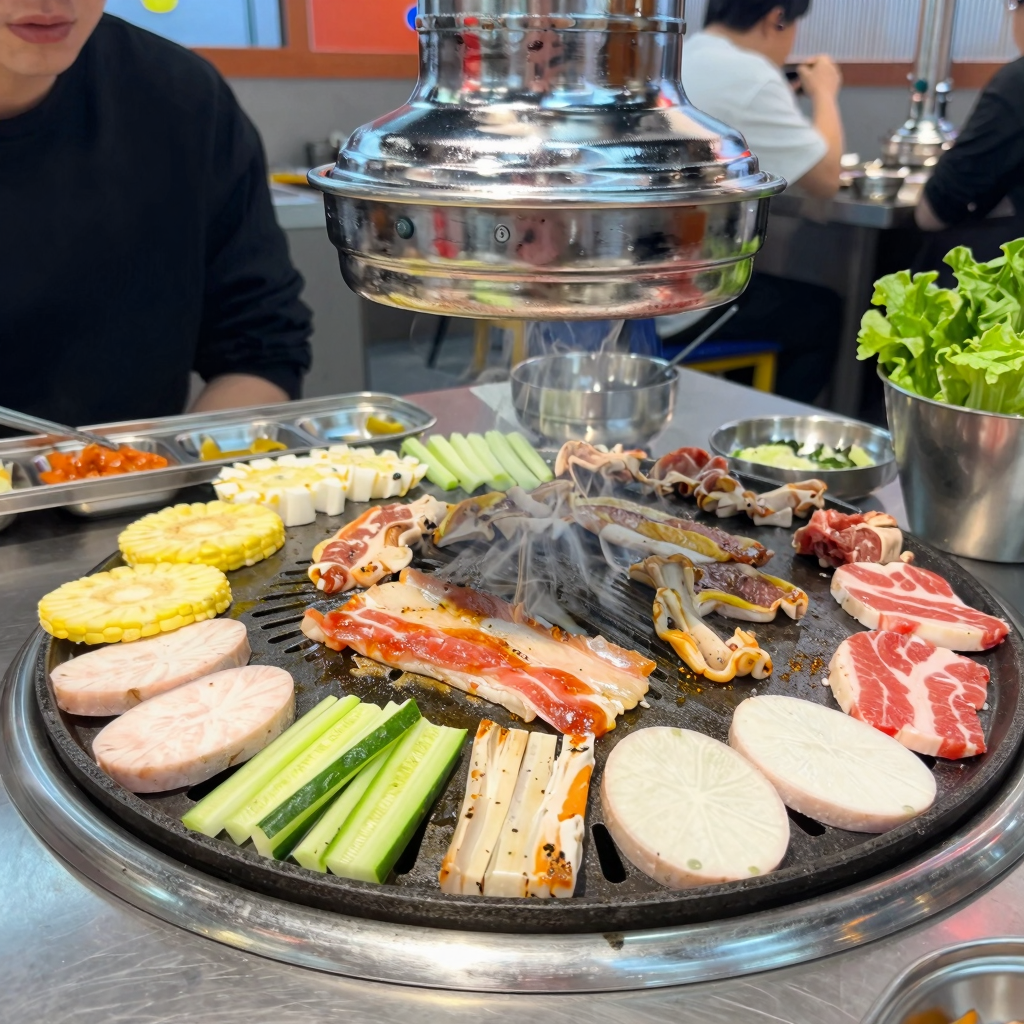
As Korean BBQ continues to gain traction in culinary circles around the world, business owners may wonder how they can incorporate this vibrant cuisine into their offerings. One question that often arises is: can a griddle be used for Korean BBQ? This inquiry is particularly relevant as the griddle, often viewed as a traditional cooking tool, evolves beyond just breakfast favorites. With its expansive cooking surface and even heat distribution, the griddle could serve as a versatile platform for sizzling marinated meats and fresh vegetables typical of a Korean BBQ feast.
This cooking method has seen a surge in popularity, appealing not only to seasoned food lovers but also to those who prize the communal dining experience that Korean BBQ embodies. By exploring the potential of griddles in this context, business owners can diversify their menus and attract a broader clientele. Whether you’re a restaurant owner considering a new direction or a food truck operator looking to innovate, understanding the possibilities that a griddle offers could transform the way you serve Korean BBQ. Learn more about authentic Korean BBQ options here and discover delicious menu inspirations.
Popular Korean BBQ Dishes Cooked on a Griddle
Korean BBQ is not just about the grilling; it’s an experience filled with flavorful dishes that can be cooked on a griddle. Here are some popular choices that appeal to restaurant owners looking to expand their menu:
-
Bulgogi: Thinly sliced marinated beef, often seasoned with a mix of soy sauce, sesame oil, garlic, and pear juice. The marinade adds a sweet and savory flavor that customers love.
-
Samgyeopsal: Grilled pork belly served plain but enjoyed with ssamjang, a thick, spicy dipping sauce made from gochujang and doenjang. This dish is known for its rich and juicy texture.
-
Galbi: Marinated short ribs that are sweet and slightly spicy due to a marinade containing soy sauce, brown sugar, and garlic. This dish captures umami flavors and is a favorite among diners.
-
Dakdoritang: Although not grilled, this spicy chicken dish can be served alongside BBQ. It features a fiery broth made from gochujang, soy sauce, and various vegetables, offering a harmonious blend of flavors.
For more insights into Korean BBQ menus, explore our offerings at Kogi Korean BBQ.
Griddle Versatility
A griddle is an incredibly versatile cooking tool that goes well beyond Korean BBQ dishes. Whether you operate a bustling breakfast diner or a casual lunch spot, griddles can help you prepare a myriad of meals efficiently. From pancakes and bacon at breakfast to burgers, sandwiches, and even desserts like grilled fruit or quesadillas, the options are almost limitless.
Cooking Versatility
Griddles have a flat cooking surface that allows for even heat distribution and gives chefs the ability to cook multiple items simultaneously. According to a study by the Culinary Equipment Research Institute, restaurants utilizing commercial griddles reported up to 35% faster order fulfillment during peak hours as they can manage multiple orders at once without compromising on quality. The even heat ensures uniform browning, enhancing the visual appeal and flavor of dishes, thanks to superior caramelization that is hard to replicate with traditional pans.
For more culinary inspiration, check out our Korea BBQ and Sushi Menu that showcases how versatile your offerings can be.
Operational Efficiency for Business Owners
For restaurant owners, the benefits extend beyond just what you can cook. Griddles are space-efficient, making them ideal for kitchens with limited space. They can replace several traditional cooking appliances, streamline the cooking process, and significantly reduce wait times for customers. Additionally, many modern commercial griddles feature energy-efficient technology, which can lead to reduced utility costs and an environmentally friendly operation. Their robust construction ensures durability, reducing the frequency and costs of equipment replacement, while also contributing to the consistent quality needed to satisfy customers.
By incorporating a griddle into your kitchen, you enhance both operational flexibility and menu diversity, which can ultimately boost your business’s bottom line. Explore how to maximize your restaurant’s potential with our tips on running a successful eatery through various culinary offerings.
Griddles vs Traditional Korean BBQ: A Comparison
When it comes to cooking methods for Korean BBQ, both griddles and traditional BBQ grills offer distinct advantages and drawbacks. Understanding these can help business owners make informed choices about equipment and cooking styles.
Benefits and Drawbacks Table
Here’s a detailed comparison:
| Aspect | Griddle | Traditional BBQ |
|---|---|---|
| Ease of Use | Easy to use with consistent heat | Requires skill to manage temperature |
| Cleaning | Easier to clean, often non-stick | More time-consuming due to grease and grime |
| Flavor Retention | Lacks smoky flavor, mainly for searing | Rich smoky flavor, ideal for authentic BBQ |
| Cooking Speed | Heats up quickly, cooks fast | Longer preheat time, depends on fuel type |
| Portability | Often electric, suitable for indoors | Usually larger, often requires outdoor use |
| Cook Variety | Great for breakfast items, stir-fry | Excellent for grilling meats and vegetables |
| Safety | Safer for indoor cooking | Higher risk due to open flames |
Conclusion
In summary, griddles provide convenience and ease of use for cooking various dishes including those for brunch and stir-fry. Traditional Korean BBQ grills, however, bring superior flavor and texture that’s difficult to replicate but require more maintenance and skill. For more insights into various Korean BBQ styles, you can learn more about our menu offerings and the equipment that can enhance your cooking experience.
Whether you choose a griddle or a traditional BBQ grill depends on your specific needs and the dining experience you want to create for your patrons.
Cooking Techniques for Korean BBQ on a Griddle
Korean BBQ is renowned for its flavor and social dining experience, making it a popular choice for both casual gatherings and formal dinners. Using a griddle for Korean BBQ is a wonderful way to achieve restaurant-quality results at home or in a business setting. Here are some essential cooking techniques, tips on temperature control, seasoning, and recommended cooking times to ensure a delicious outcome.
1. Set the Right Temperature
The foundation of successful Korean BBQ lies in proper temperature control. The ideal cooking temperature on a griddle for most meats like beef, pork, or chicken should range between 180°C to 200°C (356°F to 392°F). This temperature range allows for a sear that locks in the juices while creating a caramelized exterior.
- Preheat the Griddle: Always preheat your griddle for at least 2-3 minutes before adding any ingredients. This ensures a uniform cooking surface and prevents sticking.
- Use a Cooking Thermometer: For precision, use an infrared thermometer to gauge the surface temperature of your griddle to maintain consistency.
2. Prepare Your Ingredients
Before cooking, prepare your proteins and vegetables:
- Meat Cuts: Thinly slice marinated beef (e.g., bulgogi) or pork belly, which allows for rapid cooking. Standard thickness is about 0.5 cm (1/4 inch).
- Vegetables: Typical options include zucchini, mushrooms, and onions, which can be cut into similar sizes for even cooking. You can also quickly marinate them with soy sauce or sesame oil for added flavor.
3. Seasoning Techniques
Seasoning is key to enhancing the flavor of your BBQ. Traditionally, marinades are used in Korean cuisine:
- Marinades: Common ingredients include gochujang (Korean chili paste), soy sauce, sesame oil, minced garlic, and grated ginger. Marinate your meats for at least 30 minutes; overnight for deeper flavor.
- Dry Rubs: You can also use dry seasoning blends, focusing on salt, pepper, garlic powder, and any Korean spices you prefer.
4. Cooking Times
Cooking times can vary depending on thickness and the type of meat:
- Beef: Cook for 3-5 minutes per side depending on the desired doneness.
- Pork Belly: Typically requires about 4-6 minutes for a crispy result.
- Vegetables: Sauté vegetables for about 2-4 minutes, stirring occasionally to ensure even cooking.
5. Cooking Techniques
- Searing: Place meats spaced apart to allow for proper searing. Avoid overcrowding to maintain consistent heat.
- Flipping: Use tongs to flip the meats without piercing them to retain juices. Aim for a golden-brown crust before flipping.
- Serve with Dipping Sauces: Prepare traditional sauces such as ssamjang (a thick sauce made with gochujang and soybean paste) or sesame oil dip to enhance the overall experience.
Conclusion
Cooking Korean BBQ on a griddle can produce rich, savory flavors that replicate the traditional experience. With attention to temperature, seasoning, and cooking times, you can serve renewed versions of favorite meats and vegetables that leave a lasting impression at your next event. Explore more about the array of options at Kogi Korean BBQ to diversify your menu offerings and delight your customers.
User Adoption Data of Griddles in Restaurants
Griddles have become increasingly popular in the restaurant sector, especially for Asian cuisines, driven by trends towards efficiency and customer experience. Here’s a summary of key findings on the adoption of griddles in restaurants:
-
Rising Popularity: The Asia Pacific commercial griddle market is projected to see substantial growth, driven by outdoor dining and the vibrant street food culture in countries like China, Japan, and South Korea. In 2023, more restaurants began employing flat top grills for their versatility in preparing various Asian dishes, which meets consumer demand for fast and engaging dining experiences.
-
Statistical Growth: Adoption rates of commercial griddles among Asian cuisine restaurants increased significantly:
- 2021: 15%
- 2022: 18%
- 2023: 20%
This upward trend indicates that restaurants are increasingly recognizing the functional benefits of having griddles in their kitchens.
-
High-End Adoption: Particularly in fusion and street food restaurants, flat top grills not only enhance cooking efficiency but also add an element of live cooking, attracting more customers. In urban environments, this trend is gaining traction as restaurants seek to create memorable dining experiences.
-
Technological Enhancements: Many griddles now feature advanced temperature controls and energy-efficient designs, aligning with broader sustainability goals within the restaurant industry. This tech-savvy approach is especially prevalent in high-volume kitchens that focus on consistency and speed.
-
Culinary Trends: Notably, traditional Korean BBQ and Japanese teppanyaki styles are heavily leaning towards griddle usage, reinforcing the equipment’s necessity in modern Asian kitchens, where both speed of service and quality consistency are pivotal.
For restaurant owners, these trends underscore the importance of considering griddles not just as cooking tools, but as essential components of customer experience and operational efficiency. To ensure competitive advantage, investing in high-quality griddles equipped with smart technology could be a wise decision.
Learn more about Korean BBQ options available here.
Discover all-you-can-eat Korean BBQ offerings here.
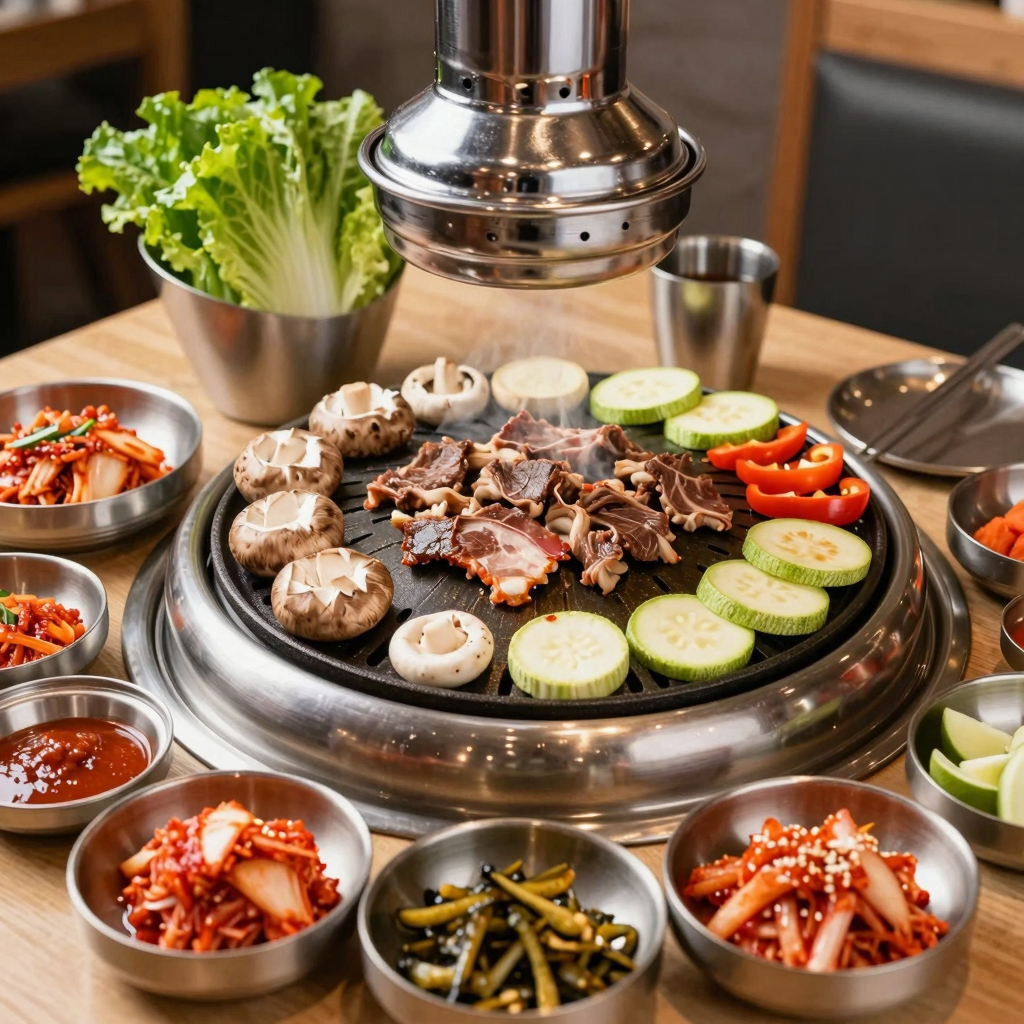
Operational Considerations for Restaurants Integrating a Griddle for Korean BBQ
Integrating a griddle into your restaurant’s kitchen for Korean BBQ not only enhances the cooking experience but also presents several operational considerations that must be thoughtfully addressed. Here are the key factors to keep in mind:
Maintenance
Maintaining a griddle involves regular cleaning and inspections. The uniform heat distribution is crucial for cooking quality, meaning that griddle care can directly affect the taste and satisfaction of your customers. Ensure a routine maintenance schedule is established to check for any wear and tear, including the heating elements and surfaces. This will help prevent unexpected downtimes that could disrupt service. A well-maintained griddle can also offer better energy efficiency, reducing operating costs.
Staff Training
Training staff is imperative when introducing a griddle into your operational workflow. Employees should be trained not only on how to operate the griddle effectively but also on industry best practices regarding food safety and temperature control. This includes understanding the proper sequence for cooking diverse meats and vegetables to deliver an authentic Korean BBQ experience. Integrating staff training into regular operational updates can ensure consistent service quality. Learn more about the importance of training staff to uphold customer satisfaction and kitchen efficiency.
Customer Experience
Lastly, consider the direct impact of the griddle on the customer dining experience. An interactive cooking experience enhances engagement, allows guests to customize their meals, and can be a unique selling point for your restaurant. Create a welcoming environment around the griddle area for diners. Ensure tables are configured properly for grilling without compromising safety or customer comfort. For example, incorporating proper ventilation and spacing can significantly influence patrons’ enjoyment of their meal. Whether you’re aiming for a casual atmosphere or a more upscale dining experience, focusing on how the griddle fits into that narrative is essential.
Integrating a griddle into your kitchen can enhance the authenticity of a Korean BBQ experience, but it requires careful planning and execution to excel. By addressing maintenance, training, and customer experience thoughtfully, your restaurant can thrive in delivering exceptional Korean BBQ offerings.
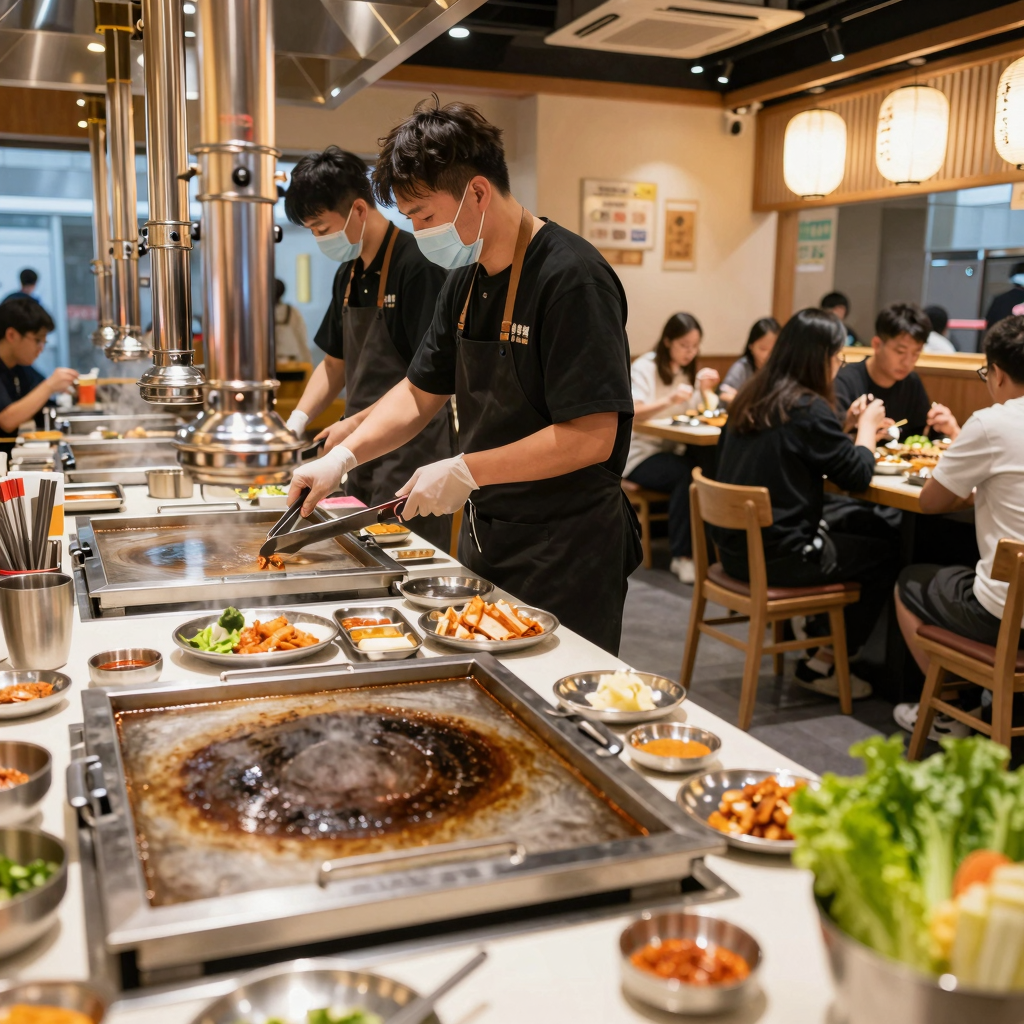
Trend of Griddle Use in Korean BBQ Restaurants
The trend of using griddles in Korean BBQ restaurants has shown significant growth over the past five years. The commercial griddle market in South Korea was valued at approximately USD 1 billion in 2019 and has steadily increased, reaching USD 1.5 billion in 2024. This increase reflects a shift in consumer preferences towards efficient, smokeless, and customizable grilling options in dining experiences.
| Year | Market Value (USD Billion) |
|---|---|
| 2019 | 1.0 |
| 2020 | 1.1 |
| 2021 | 1.2 |
| 2022 | 1.3 |
| 2023 | 1.4 |
| 2024 | 1.5 |
Source: South Korea Commercial Griddles and Flat Top Grill Market – LinkedIn (2025-08-27).
Conclusion
In conclusion, using a griddle for Korean BBQ offers numerous advantages for both home cooks and restaurant owners, including superior heat control, easy cleanup, and the flexibility to cook a variety of foods simultaneously. Griddles are perfect for those looking to recreate the vibrant and delicious flavors of Korean BBQ without the constraints of a traditional grill. Whether you’re preparing bulgogi or vegetable skewers, an electric griddle makes it easier than ever to achieve those delightful sears and succulent textures year-round, even indoors.
For restaurant owners, incorporating griddles can not only elevate the dining experience but also enhance operational efficiency. By offering an interactive cooking experience, such as at Kogi Korean BBQ, you can attract a diverse customer base looking for unique and memorable dining options. The popularity of Korean BBQ continues to rise, thanks to its social nature and delicious offerings.
If you’re considering integrating griddle options into your culinary lineup or need more information about how you can enhance your menu, don’t hesitate to reach out. Contact us today to explore the delicious possibilities that griddles bring to your Korean BBQ experience!