
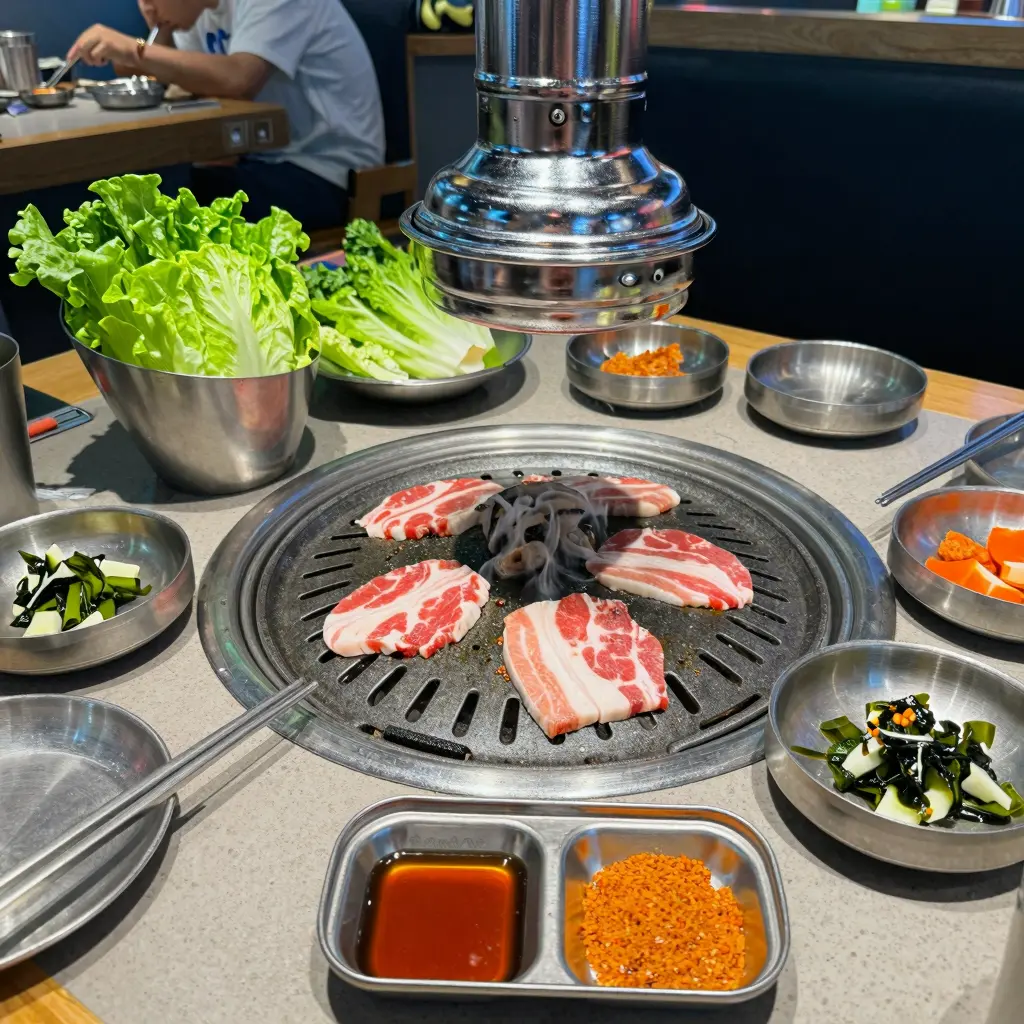
Introduction to Cooking Korean BBQ
Korean BBQ has taken the culinary world by storm, captivating food enthusiasts and restaurant owners alike. With its unique flavors, interactive dining experience, and emphasis on fresh ingredients, it has become a popular choice for many people looking to enjoy a lively meal with friends and family. For business owners, embracing the art of Korean BBQ not only opens doors to an exciting culinary venture but also connects them with a growing market of eager diners. Kevin’s unique approach to this cuisine elevates the traditional BBQ experience by incorporating innovative cooking techniques and signature marinades, setting his offerings apart from the competition. His mastery of cooking not only satisfies the taste buds but also serves as a blueprint for aspiring restaurateurs to follow. By blending traditional Korean BBQ with creative elements, Kevin presents an opportunity for business owners to differentiate themselves in a competitive market.
If you’re interested in exploring the possibilities of Korean culinary experiences, learn more about Kevin’s approach to Korean BBQ and how it can inspire your own business ventures!
To dive even deeper into the world of Korean BBQ, you can also check out Kogi’s full menu.
Essential Ingredients for Kevin’s Korean BBQ
Cooking Kevin’s Korean BBQ involves a mix of delicious ingredients that create the unique flavors associated with this cuisine. Here’s a quick list of the essential ingredients you need:
-
Protein:
-
Beef (short ribs, brisket)
-
Pork belly
-
Chicken (preferably boneless thighs)
-
Marinades and Sauces:
-
Soy sauce or coconut aminos
-
Sesame oil
-
Garlic (minced)
-
Sugar or honey
-
Korean red pepper flakes (gochugaru)
-
Ginger (minced)
-
Side Dishes (Banchan):
-
Kimchi (fermented vegetables)
-
Pickled cucumbers
-
Korean potato salad
-
Condiments:
-
Sliced scallions
-
Sesame seeds
-
Lettuce leaves (for wrapping)
-
Sriracha or other hot sauces for dipping
These ingredients are vital for creating the authentic flavors and experience of Korean BBQ. To enhance your understanding of this delightful cuisine, you can explore the Kogi Korean BBQ menu or learn about all-you-can-eat options in Oakland.
Step-by-Step Guide on How to Cook Kevin’s Korean BBQ for Catering Services
Kevin’s Korean BBQ is not just a delightful culinary experience; it’s a presentation filled with vibrant flavors and unique cooking techniques. As a business owner looking to incorporate this cuisine into your catering services, understanding how to cook Korean BBQ effectively is essential. This guide will walk you through the detailed steps and provide tips that are perfect for a professional kitchen setting.
Ingredients Selection
- Quality Meats: Choose high-quality cuts such as ribeye, pork belly, or chicken thighs. Look for marbling in beef for added flavor.
- Marinades: Invest time in marinades. A classic bulgogi marinade includes soy sauce, brown sugar, garlic, ginger, sesame oil, and black pepper. For galbi, use a similar base with the addition of pear or apple for sweetness.
- Fresh Vegetables: Include side dishes, or banchan, such as kimchi, pickled radish, and seasoned bean sprouts to complement the BBQ.
Preparation Steps
- Marinate the Meats:
- For bulgogi, marinate the beef slices for at least 30 minutes, up to overnight for deeper flavor.
- For galbi, ensure beef short ribs are soaked in the marinade for at least 2 hours; overnight is preferred.
Pro Tip: Preparing marinated meats a day in advance can save time during service and enhance flavor.
- Prepare Banchan and Accompaniments:
- While the meats marinate, prepare your side dishes. Quick pickles and salads are essential, and make sure to have dipping sauces like ssamjang (a mix of soybean paste and chili paste) ready.
Cooking Techniques
- Grilling Options:
- Tabletop Grills: If your catering offers a live BBQ experience, set up portable charcoal grills for customers to cook their own meats. Alternatively, use electric grills for indoor settings.
- Kitchen Grilling: For efficiency, sear marinated meat on a preheated grill in batches. Cook each side until well-charred for that signature Korean BBQ flavor. Use a high heat to achieve a nice sear, locking in juices and flavor.
Pro Tip: It’s important to maintain a crispy texture. Avoid overcrowding the grill to achieve perfect sear marks.
- Timing is Key:
- Depending on the thickness, meats generally take 2-3 minutes on each side. Have a timer and do not walk away, as Korean BBQ needs attention to ensure nothing overcooks.
Serving Suggestions
- Plating the BBQ:
- Serve meats directly from the grill on large platters alongside the colorful banchan. For a complete meal, include steamed rice and fresh lettuce leaves for wrapping.
Pro Tip: Presentation matters-arrange dishes in colorful patterns to appeal visually.
- Offer Sides: Don’t just stop at the meat; craft a complete experience by offering sides like rice paper, sliced vegetables for wraps, or Korean-style sauces.
Final Touches
- Post-Event Clean-up:
- Ensure all grills are cleaned immediately after use. Discard any remaining marinades for safety, per health guidelines. Maintain equipment effectively to ensure longevity for future catering events.
- Feedback Gathering:
- After the event, gather feedback from your clients. Understanding their experience can help you improve your service and menu offerings in the future.
In conclusion, mastering how to cook Korean BBQ for your catering business can lead to extraordinary customer experiences and satisfaction. By focusing on quality ingredients, efficient preparation, and proper cooking techniques, you can offer a memorable feast that delights your customers. For more insights into the diverse aspects of Korean BBQ, check out our Kogi Korean BBQ menu and explore the Kochi Korean BBQ and Shabu Shabu options.
Comparison of Korean BBQ Grilling Methods
| Grilling Method | Cooking Time | Equipment Needed | Flavor Output | Pros | Cons |
|---|---|---|---|---|---|
| Charcoal Grilling | 5-8 minutes (thicker cuts) | Charcoal, portable grill or pit | Deep, smoky flavor | Traditional flavor; great for large gatherings | Longer cooking time; requires more management |
| Gas Grilling | 2-4 minutes (for thin cuts) | Gas grill, propane tank | Cleaner flavor; retains natural taste | Fast cooking; easy temperature control | May lack depth of flavor compared to charcoal |
| Tabletop Grills | 3-6 minutes (varies) | Electric grill, portable tabletop grill | Varied, depending on seasoning | Interactive dining experience | Limited to the amount of food that can be grilled at once |
| Electric Grills | 3-5 minutes (thinner cuts) | Electric grill | More subtle, less smokiness | Convenient, indoor-friendly grilling | May not impart as much flavor |
In the Korean BBQ context, each grilling method plays a significant role in the overall dining experience and food quality. It’s crucial for business owners to understand the implications of each method regarding customer preferences and operational efficiency.
Serving Suggestions and Sides for Korean BBQ
When it comes to Korean BBQ, the experience extends far beyond the grilled meats. Traditional sides, known as banchan, and a variety of sauces play a crucial role in enhancing the overall dining experience. As a business owner in the food industry, understanding these elements can help you provide a more complete offering to your customers.
Traditional Banchan
Banchan refers to the small side dishes served along with Korean meals, providing a range of complementary flavors and textures. Here are some popular options:
| Side Dish/Sauce | Description |
|---|---|
| Kimchi | Fermented vegetables, usually Napa cabbage, seasoned with chili, garlic, ginger, and other spices. |
| Pickled Radish | Crunchy pickled daikon radish, often served in strips or cubes, providing a sweet and tangy flavor. |
| Seasoned Spinach | Spinach blanched and then seasoned with sesame oil, garlic, and salt, offering a nutty taste. |
| Cucumber Salad | Fresh cucumbers mixed with vinegar, sesame oil, and sometimes chili flakes, creating a refreshing dish. |
| Seasoned Bean Sprouts | Blanched mung bean sprouts tossed with sesame oil, garlic, and soy sauce for a savory flavor. |
| Ssamjang sauce | A thick, savory dipping sauce made with fermented soybean paste and chili paste, often enjoyed with meat. |
| Gochujang sauce | A spicy and sweet red chili paste made from fermented soybeans, used for dipping and marinating. |
These diverse side dishes not only provide the essential umami flavors but also balance the richness of the grilled meats. Offering a variety of banchan at your Korean BBQ establishment can entice customers, showcasing the breadth of traditional Korean cuisine.
Complementary Sauces
Sauces are another essential component of the Korean BBQ experience. They are used for dipping meats and enhancing flavors. Here are some key sauces you should consider:
- Ssamjang: A combination of fermented soybean paste and red pepper paste, this thick condiment packs a flavorful punch, ideal for pairing with grilled meats.
- Gochujang: This fermented chili paste adds spice and depth, making it perfect for dipping or marinating.
- Sesame Oil: Often mixed with salt, this savory oil can enhance the flavor of both grilled meats and vegetables.
Enhancing the Dining Experience
When planning your Korean BBQ menu, consider incorporating these sides and sauces to elevate the dining experience for your guests. A comprehensive approach not only showcases the rich culinary heritage of Korea but also attracts customers looking for an authentic dining experience. By offering a selection of banchan, sauces, and traditional serving suggestions like lettuce wraps and steamed rice, you can entice customers to explore the flavors of Korean BBQ fully.
For further insights on Korean BBQ dining experiences, check out our Korean BBQ menu options and all you can eat offerings.
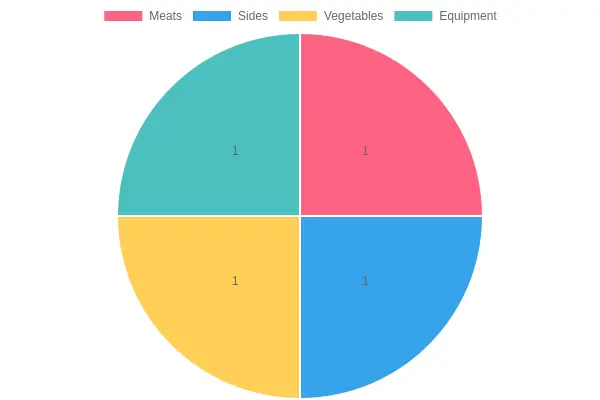
Here’s a visual representation of a typical Korean BBQ table setup featuring:
- Meats: Various cuts of beef, pork, and chicken.
- Sides: Kimchi, pickled vegetables, rice.
- Vegetables: Sliced garlic, green peppers, mushrooms.
- Equipment: Portable stovetop and grilling utensils.
“Kevin’s Korean BBQ provided the most authentic dining experience I could have hoped for. The flavors were vibrant, and the atmosphere vibrated with the spirit of Korean cuisine. Our team left the restaurant feeling satisfied and inspired!”
- Mike, Restaurant Owner
“As a long-time fan of Korean BBQ, I can confidently say that Kevin’s stands out with its fresh ingredients and impeccable service. It’s a perfect place for team gatherings to strengthen camaraderie over grilled meats!”
- Sarah, Event Coordinator
“I was blown away by the efficiency and quality at Kevin’s Korean BBQ. It has set a standard for the dining experience we aim to provide at our own establishment. Highly recommend for business meetings!”
- David, Business Consultant
Conclusion: Embracing the Value of Korean BBQ for Your Business
Incorporating Kevin’s Korean BBQ into your restaurant offerings can significantly enhance customer satisfaction and differentiate your business in a competitive market. The unique, interactive dining experience provided by Korean BBQ not only encourages social interaction among diners but also allows customers to customize their meals. This level of engagement fosters a memorable experience that can lead to increased repeat business.
Recent trends indicate a growing appetite for Korean cuisine, especially in the United States, where health-conscious consumers seek flavorful yet nutritious options. Studies show that Korean BBQ restaurants, such as KPOT, are expanding rapidly due to the convergence of cultural influences and health trends. Many consumers are now looking for authentic dining options that reflect a rich cultural heritage, adding extra value to your offerings.Learn more about the expanding Korean BBQ market here.
Furthermore, with a focus on high-quality ingredients and unique flavors, Kevin’s Korean BBQ attracts food lovers who are willing to pay a premium for an authentic experience, thus providing a lucrative revenue stream for your business. The market is not only growing in terms of quantity but also in the quality of experience offered, as outlined in recent insights about trends shaping the Korean BBQ landscape.Explore more trends in Korean BBQ here.
If you are interested in capitalizing on these trends and want to know more about how to effectively integrate Korean BBQ into your menu, please reach out for more information. Your journey into offering an extraordinary dining experience inspired by Korean BBQ could set your establishment apart and contribute to its successful future.
Together, we can create a vibrant dining atmosphere that your customers will love!
FAQ: Preparing and Offering Korean BBQ in a Business Context
What is Korean BBQ?
Korean BBQ refers to the style of cooking grilled meat, typically marinated, that diners cook themselves at their tables. It includes various cuts of beef, pork, chicken, and seafood, served alongside side dishes known as banchan.
How do I set up for Korean BBQ?
Setting up a Korean BBQ business requires:
- Quality Equipment: Invest in grills, ideally tabletop models that allow customers to grill their choices directly. Ensure good ventilation to manage smoke.
- Ambiance: Create a warm and inviting atmosphere to enhance the dining experience, possibly incorporating elements of Korean culture in the decor.
What should be included in the menu?
Diversity is key in your menu. Consider offering:
- Popular meats like bulgogi (marinated beef), galbi (short ribs), and various pork cuts.
- Vegetarian options, such as grilled mushrooms and tofu.
- Flavorful dipping sauces and marinades to complement the grilled items.
For inspiration, check out this Korean BBQ and Sushi Menu.
How do I ensure food safety?
Follow local health regulations strictly by:
- Training staff on proper food handling and storage techniques.
- Ensuring that all meats are cooked to their appropriate internal temperatures.
What marketing strategies work best for a Korean BBQ restaurant?
Utilize social media platforms to share engaging content about your offerings. Build a community around your restaurant through:
- Promotions and events centered on Korean culture.
- User-generated content to increase engagement.
To explore all-you-can-eat options, visit our page on All You Can Eat Korean BBQ in Oakland.
Summary
Starting a Korean BBQ business involves understanding the cuisine, investing in proper equipment, creating a diverse menu, ensuring food safety, and employing effective marketing strategies. By following these guidelines, you can set the foundation for a successful dining experience that resonates with your customers.