
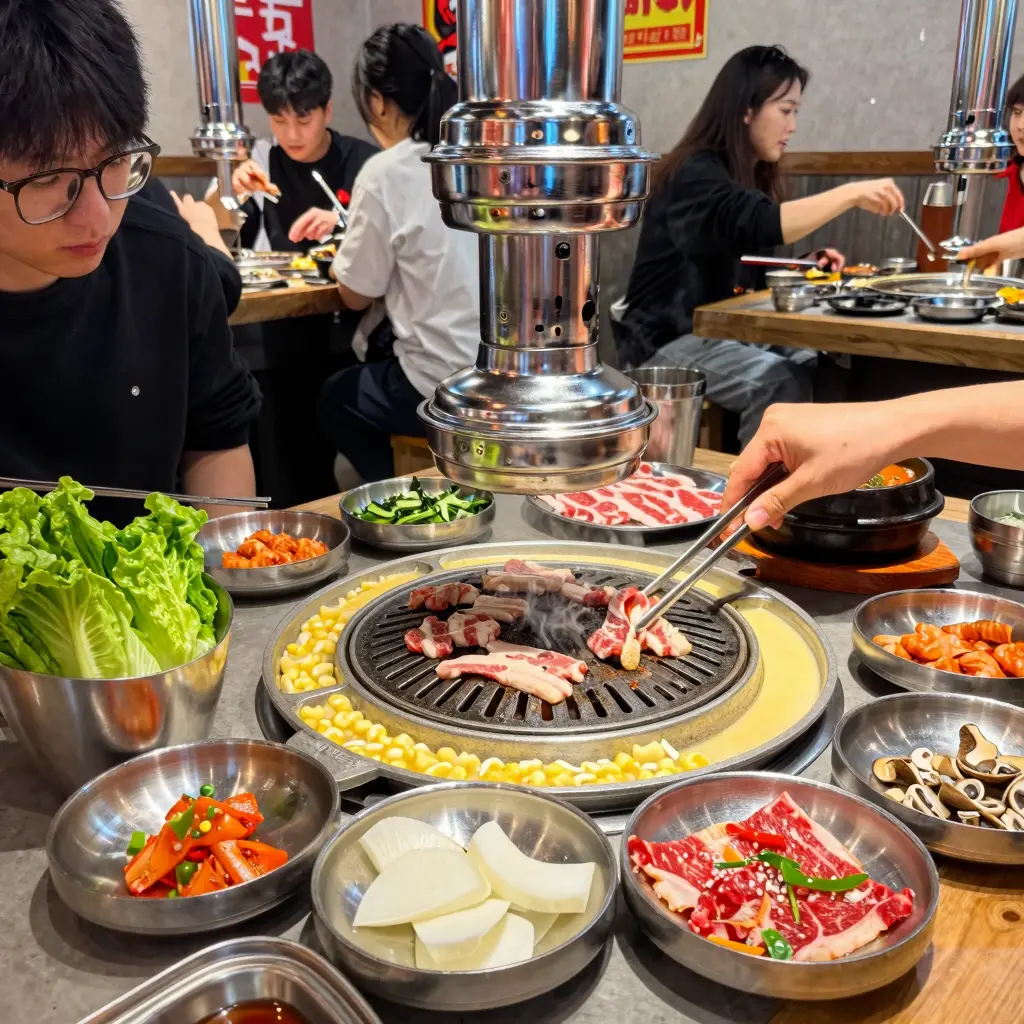
Korean BBQ has transcended its culinary roots to emerge as a beloved dining experience that fosters bonds among family and friends. The essence of this vibrant cuisine lies not only in the delicious marinated meats grilled to perfection at the table but also in the communal atmosphere it creates. Patrons gather around sizzling grills, engaging in lively conversations and sharing both food and laughter, making every meal a celebration. As businesses look to enhance their offerings, understanding how to cook at Korean BBQ can be a game-changer. It’s not just about the food; it’s about crafting memorable experiences that customers return for time and again. Explore the diverse menu options at Kogi Korean BBQ and discover how this dining style can transform your restaurant into a hotspot for social dining.
The History of Korean BBQ: From Tradition to Modern Popularity
Korean BBQ, or “gogi-gui,” is more than just a meal; it is a cultural experience that has evolved significantly over centuries. Its origins can be traced back to ancient Korea when grilling techniques were first developed. Early cooks would grill meat over open fires, utilizing simple methods that reflected the natural resources available in their environment. However, the contemporary version of Korean BBQ as we know it today mainly emerged during the 20th century.
The grilling of marinated meats became a staple in Korean households, which led to the unique flavor profiles that Korean BBQ boasts today. Beef, pork, and chicken are the primary meats used, often marinated in a mixture of soy sauce, sugar, sesame oil, garlic, and other seasonings, which impart a smoky and savory taste. These meats are traditionally enjoyed with an array of side dishes known as banchan, enhancing the meal and providing a balanced dining experience.
One of the fascinating aspects of Korean BBQ is its cultural significance. It is more than just eating; it is a social event, typically involving family and friends gathering around a grill, cooking their food together, and enjoying each other’s company. This communal dining experience fosters bonds and reflects the importance of relationships in Korean culture. Meals are viewed as an opportunity to connect with others, and Korean BBQ epitomizes this value.
In the latter half of the 20th century, Korean BBQ began to gain traction outside of Korea, driven by the Korean diaspora and the global interest in diverse cuisines. By the 21st century, it became a culinary phenomenon, celebrated in cities worldwide. The rise of food trends that prioritize experiential dining has further amplified Korean BBQ’s popularity, as people seek not just flavors but experiences that bring them together with others.
Businesses specializing in Korean BBQ have sprouted globally, offering all-you-can-eat options, which allow patrons to enjoy the varied offerings extensively. This growth reflects both the deep-rooted traditions of Korean food history and the contemporary evolution of traditional Korean cuisine.
As a business owner considering incorporating Korean BBQ into your menu or restaurant concept, understanding the cultural significance and the community atmosphere it encourages can be beneficial. For example, establishments like Kogi Korean BBQ showcase the interactive nature of the dining experience, making it appealing to a broad audience.
In conclusion, Korean BBQ is a product of rich history and cultural evolution. Its combination of delicious flavors, communal cooking, and deep-seated traditions make it a quintessential aspect of Korean cuisine and a model for thriving culinary experiences globally.
Essential Equipment for Korean BBQ
Setting up a Korean BBQ space requires specific equipment that ensures an authentic dining experience for your customers. Here’s a comprehensive list of essential cooking equipment:
-
Grill Table
A specialized grill table is a must-have in every Korean BBQ restaurant. These tables are designed with built-in grills that allow customers to cook their favorite meats right at their table. This interactive experience enhances customer engagement, making meals more enjoyable. Not only does it encourage socializing, but it also provides an authentic Korean BBQ ambiance. -
Korean BBQ Grill
High-quality grills, whether gas or charcoal, are essential for cooking various meats and vegetables. These grills should have adjustable features for temperature control, ensuring that meats are cooked to perfection. Investing in durable and efficient grilling equipment is crucial for maintaining the quality of your offerings. -
Ventilation System
A robust ventilation system is important to manage smoke and odors resulting from the grilling process. Proper ventilation not only enhances the comfort of your diners but is also a regulatory requirement in many areas. Consider systems that eliminate smoke and keep the air fresh, providing a pleasant dining environment. -
Dining Utensils
Essential dining utensils such as chopsticks, plates, and small sauce dishes are necessary for a complete dining experience. Offering a variety of utensils, including tongs for flipping meats and bowls for dipping sauces, enhances the traditional feel of the BBQ and makes it easier for customers to enjoy their food. -
Refrigeration Equipment
Commercial refrigerators and freezers are vital for storing fresh ingredients, sauces, and seafood. Having a reliable refrigeration system ensures that your ingredients remain fresh and safe for consumption, which is crucial in maintaining food quality and complying with health standards.
Setting up a Korean BBQ space effectively can attract more customers by offering an experiential dining option. For more insights on menu options, consider checking out our Korean BBQ and Sushi Menu. Additionally, exploring all-you-can-eat options can also help enhance your restaurant’s offerings!
Step-by-Step Process for Cooking at a Korean BBQ
Cooking at a Korean BBQ is not just about grilling; it’s an experience that combines cooking with socializing. Here’s a comprehensive guide on how to get started, prepare, and achieve the best results.
Step 1: Prepare the Grill
- Select the Right Grill: Choose between gas, charcoal, or electric grills. Charcoal grills impart a distinct smoky flavor; however, gas grills are easier to manage.
- Preheat the Grill: Ensure your grill is preheated to a high temperature (around 400-500°F or 200-260°C). Wait about 10-15 minutes after ignition.
Step 2: Choose and Prepare Your Meats
- Select Your Meats: Popular choices include bulgogi (marinated beef), galbi (short ribs), samgyeopsal (pork belly), and chicken.
- Marinate Meats: Marinate your meats for at least 30 minutes to allow flavors to develop. Use a marinade with soy sauce, sesame oil, garlic, and ginger for the best results.
- Slice Thinly: If possible, slice your meats thinly against the grain to help them cook quickly and remain tender during grilling.
Step 3: Prepare Vegetables and Sides
- Select Sides: Prepare various banchan (side dishes) such as kimchi, pickled radishes, and salads. Grilling vegetables like mushrooms, zucchini, and bell peppers can also enhance the flavor profile.
- Wash and Cut Vegetables: Ensure all vegetables are clean and cut into pieces that are easy to grill.
Step 4: Set Up Your Table
- Arrange Grilling Station: Place your grill at the center of the table where everyone can reach it comfortably. Set up plates for raw meats and separate dishes for cooked meats to avoid cross-contamination.
- Provide Utensils: Equip your table with tongs, scissors, and grilling spatulas to handle the meat easily. Have plenty of napkins and dipping sauces ready.
Step 5: Start Grilling
- First, Grill the Meats: Place your marinated meats on the grill avoiding overcrowding, which can cause uneven cooking. Grill each side for about 2-4 minutes or until perfectly browned.
- Cook Vegetables: After the meats, grill vegetables. Use a mesh grill sheet if needed to prevent small veggies from falling through.
- Monitor Cooking: Keep an eye on the cooking process. Overcooking can dry out meats, so be ready to remove them from the grill when they are just done.
Step 6: Enjoy Your Meal
- Serve on Plates: As each piece finishes cooking, place it onto a serving dish for all to enjoy. Pair the grilled items with rice or lettuce wraps.
- Create Wraps: A common practice is to use a lettuce leaf to wrap grilled meat along with rice and sauces.
Tips for Achieving the Best Results
- Marinate Your Meats: As mentioned, marinating enhances flavor and tenderness. Consider marinating overnight for deeper flavor.
- Use High-Quality Ingredients: Quality matters. Sourcing the best meats and fresh vegetables will enhance your grilling experience.
- Keep Grill Clean: Ensure to clean your grill before and after cooking to prevent residue build-up.
- Use a Timer: To avoid overcooking, use a timer especially for less familiar cuts of meat.
- Stay Social: Korean BBQ is about enjoying food together, so share the grilling duties and enjoy the process!
Conclusion
Whether you’re a new restaurant owner looking to offer a Korean BBQ experience or just hosting friends at home, understanding how to cook effectively at a Korean BBQ can elevate your culinary skills. For more insights into menu offerings and preparation, check out our Korean BBQ and Sushi Menu or explore options at our All-You-Can-Eat Korean BBQ in Oakland.
| Marinade | Ingredients | Flavor Profile |
|---|---|---|
| Classic Bulgogi Marinade | Soy sauce, brown sugar, garlic, sesame oil, gochujang, black pepper | Sweet, savory, and umami |
| Spicy Gochujang Marinade | Gochujang, soy sauce, honey, garlic, sesame oil, rice vinegar | Sweet, spicy, and tangy |
| Sesame Marinade | Soy sauce, sesame oil, green onions, garlic, ginger | Nutty, aromatic, and slightly sweet |
| Korean BBQ Chicken Marinade | Soy sauce, rice wine, sesame oil, brown sugar, garlic, pear | Sweet, rich, and savory |
| Teriyaki Marinade | Soy sauce, mirin, sugar, ginger, garlic | Sweet, salty, and slightly tangy |
Tips for Hosting a Successful Korean BBQ
Hosting a Korean BBQ can be a fun and engaging experience, allowing guests to interact while enjoying delicious food. Here are some practical tips to ensure your event is a hit:
1. Menu Planning
- Diverse Selection of Meats: Incorporate a variety of meats such as bulgogi (marinated beef) and galbi (marinated short ribs) to cater to different tastes. Don’t forget about vegetarian options like grilled mushrooms and tofu.
- Banchan: Offer a range of side dishes known as banchan, which include kimchi, pickled vegetables, and rice to complement the grilled meats. This variety not only adds flavor but also reflects the Korean BBQ tradition.
- Preparation: Prepare your marinades and some of the banchan ahead of time, allowing you to enjoy the event without too much last-minute work. A well-prepared menu will impress your guests and give them a taste of authentic Korean cuisine.
2. Guest Interaction
- Communal Grilling: Arrange for a central grill accessible to all guests. Invite them to take turns grilling their food, which enhances interaction and creates a communal atmosphere.
- Engaging Activities: Introduce fun games or cooking challenges, such as seeing who can make the best wrap with grilled meat and banchan. This not only lightens the mood but also encourages creativity.
- Assign Roles: Consider appointing a “grill master” for the evening. This role can rotate among guests, making everyone feel involved in the cooking process.
3. Space Management
- Layout: Organize seating in a way that promotes interaction-circular or semi-circular arrangements around the grill work best. This setup allows guests to see each other and engage more easily.
- Access to Condiments: Keep dipping sauces, condiments, and utensils within easy reach to minimize disruptions during the cooking and eating process. Ensure there is sufficient space for everyone to move comfortably around the grill.
- Comfortable Seating: Use low tables and provide cushions or traditional mats for seating to create an authentic Korean dining experience.
Conclusion
By paying careful attention to menu planning, guest engagement, and spatial arrangements, you can create a memorable Korean BBQ experience that your guests will rave about. For further inspiration on dishes, check out our Korea BBQ and Sushi Menu. Enjoy your Korean BBQ!
This social dining experience not only showcases delicious food but also brings people together, making it an enjoyable occasion for everyone involved.
Conclusion
In conclusion, mastering the art of cooking at a Korean BBQ is not just about the food; it’s about creating memorable experiences for your guests. By understanding the fundamentals of preparation, selection of quality ingredients, and proper grilling techniques, you can ensure a delightful meal that everyone will cherish. Whether you choose to focus on marinated meats, fresh vegetables, or unique dipping sauces, the key is to embrace the interactive and communal spirit that Korean BBQ embodies.
Additionally, with the right equipment and setup, your Korean BBQ events can be elevated even further. It’s essential to invest in quality grills, cooking tools, and dining essentials that will enhance the overall experience for your patrons. To explore various options and get tailored advice for your Korean BBQ business setup, we invite you to learn more about our menu offerings and explore our dining concepts.
If you’re ready to take the next step in establishing a successful Korean BBQ venture or have any questions regarding equipment and setup, don’t hesitate to contact us. Our team at Zoomlion is here to provide you with expert guidance, answer your queries, and offer quotes to meet your needs. Let’s turn your culinary dreams into reality!
Trends in Korean BBQ Dining
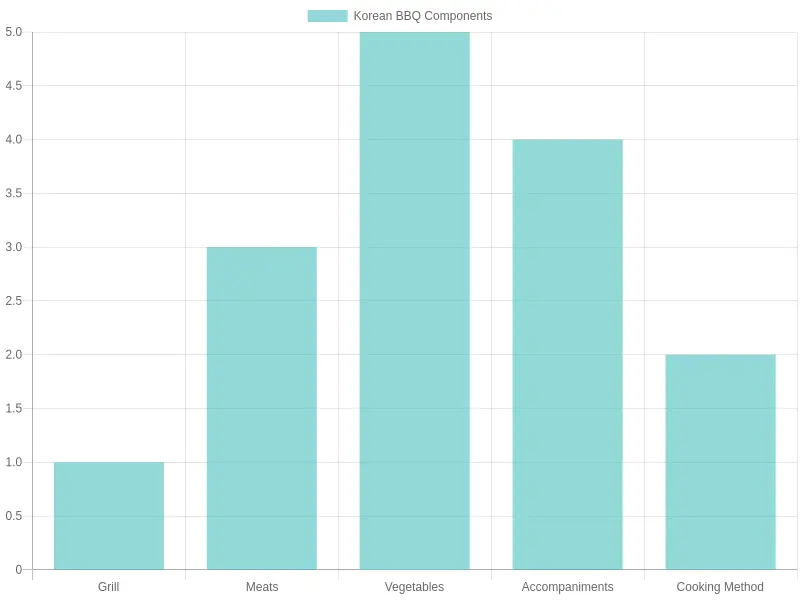
The Korean BBQ dining experience has evolved over the last few years, particularly between 2018 and 2023. Understanding the trends in this segment is crucial for business owners in the industry. Below is a chart that illustrates these trends across different metropolitan areas in the United States, highlighting restaurant growth and demographic popularity.

Key Insights:
- Number of Restaurants: Notable increases in places like Los Angeles, New York City, and Chicago.
- Demographic Popularity: The 18-24 age group shows significant interest, followed closely by the 25-34 age group.
- Regional Preferences: The West Coast leads in establishment numbers, but the East Coast and Midwest are rapidly catching up.
Business owners looking to invest or expand in the Korean BBQ market should consider these demographic trends. For more details, check out our Korean BBQ menu options for diverse culinary offerings that can appeal to this growing market.
The Significance of Korean BBQ
Korean BBQ is more than just a way to cook; it is a rich cultural tradition that embodies the spirit of togetherness and community. According to culinary experts, the process of grilling meats at the table not only creates a unique culinary experience but also fosters connections among family and friends. It is a celebration of flavors and techniques, with the meticulous preparation of marinades being essential to the delightful taste that defines this beloved cuisine.
“Korean BBQ is a communal experience that transforms cooking into an art of connection, where sharing flavors and moments with loved ones is as essential as the ingredients themselves.”
This quote emphasizes the importance of the social aspect behind the cuisine. You can enhance the engagement of your audience, especially business owners in the food industry, by highlighting how understanding these cultural nuances can lead to better service and offerings in Korean BBQ establishments.
For more details about the menu items available, check out our Korean BBQ and Sushi Menu.