
Planning Your Korean BBQ: How Much Meat Per Person?
Are you gearing up for a Korean BBQ, but feeling overwhelmed with the thought of planning for multiple guests? You’re not alone! Organizing a gathering where everyone can enjoy sizzling meats and vibrant side dishes can be quite challenging. How do you ensure there’s enough food without going overboard? It’s crucial to get the right amount of meat to please your guests without generating unnecessary waste. Insights into meat consumption can help you take the guesswork out of this culinary endeavor. On average, guests can consume anywhere from 0.5 to 1 pound of meat per person at a Korean BBQ. Knowing these figures helps you plan effectively, ensuring everyone leaves satisfied without a mountain of leftovers. To dive deeper into menu options, check out our Korean BBQ and Sushi menu for a fuller experience. Want to explore an all-you-can-eat option? Discover more about our all-you-can-eat Korean BBQ in Oakland!
Factors Influencing Meat Consumption at Korean BBQs
Korean BBQ is a social dining experience that involves grilling various types of meat at the table, and several factors can significantly influence how much meat individuals consume during these gatherings. Understanding these factors can help business owners tailor their offerings effectively. Here are the main aspects:
Age
Age plays a crucial role in meat consumption patterns. Younger demographics, particularly those in their 20s and 30s, often show a higher appetite for meat during dining experiences. This could be attributed to their active lifestyles, social nature, and a cultural trend towards enjoying communal meals involving grills. As a business owner, catering to younger customers by offering promotions or special grill options could enhance their dining experience.
Gender
Research indicates that there are notable differences in meat consumption based on gender. Studies have found that men generally consume more meat than women, particularly in social settings like Korean BBQs. This trend can be influenced by societal norms and appetite levels, which are generally higher among men. Therefore, businesses might consider offering meat-heavy platter options or all-you-can-eat deals targeted towards male patrons, while also providing lighter options for female diners.
Appetite and Group Size
Appetite varies not only individually but also significantly changes with the size of the dining group. Larger groups often lead to increased consumption due to the shared experience and variety of meat options available. This social context can enhance the overall appetite, prompting diners to order more. Offering a selection of varied meats and side dishes could encourage larger orders, fulfilling the appetites of bigger groups. Moreover, integrating this strategy helps cater to the culinary exploration that Korean BBQ represents.
Conclusion
In summary, factors such as age, gender, and group dynamics significantly influence how much meat people consume during Korean BBQ sessions. For more insights on optimizing your offerings, check out our Korean BBQ menu options. Additionally, consider implementing flexible dining options to accommodate these variations in consumption.
Average Meat Consumption at Korean BBQ
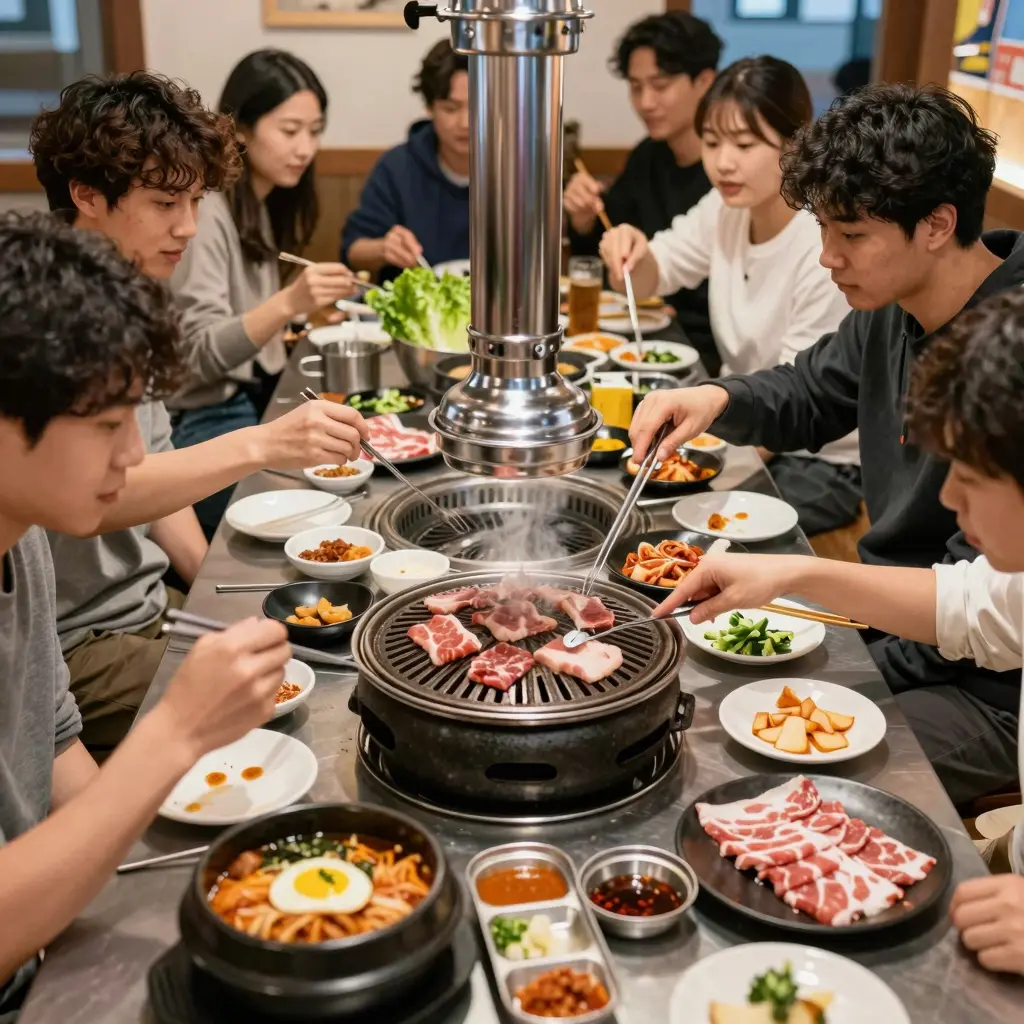
Korean BBQ offers a unique dining experience that emphasizes not just delicious food but also social interaction. For business owners contemplating the logistics of Korean BBQ services, understanding the average meat consumption per person during these meals is paramount. A detailed analysis of recent statistics provides valuable insights into this aspect.
Average Meat Consumption per Person
South Korea is renowned for its high levels of meat consumption. In fact, the average meat consumption in South Korea is reported to be 78.53 kg per year, equating to approximately 118.6 grams per day. This average includes all types of meat consumed throughout the year and provides a foundational context for analyzing consumption during Korean BBQ meals.
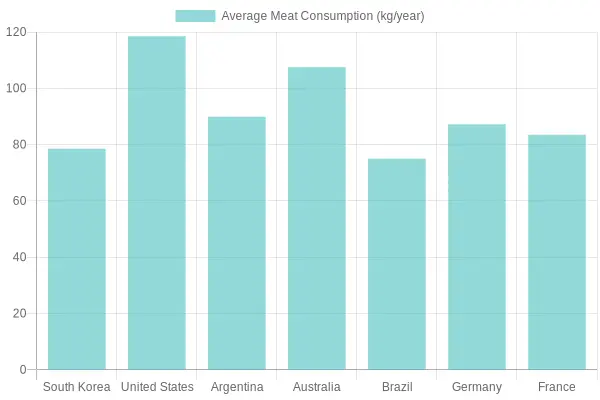
Infographic displaying the average meat consumption by selected countries, highlighting South Korea’s position compared to others.
View Details
Meat Allocation for Korean BBQ
When planning a Korean BBQ meal, an average allocation of meat per person is crucial for ensuring guests have a fulfilling experience. According to various resources, the following allocations are commonly suggested:
| Group Size | Meat Allocation (grams) |
|---|---|
| 2-3 people | 150-200 grams |
| 4-5 people | 200-250 grams |
| 6-8 people | 250-300 grams |
This measuring logic aids in calculating how much meat should be prepared based on the number of diners, ensuring that everyone can enjoy their fill without unnecessary waste. These values are critical for optimizing inventory and fostering customer satisfaction in your Korean BBQ establishment.
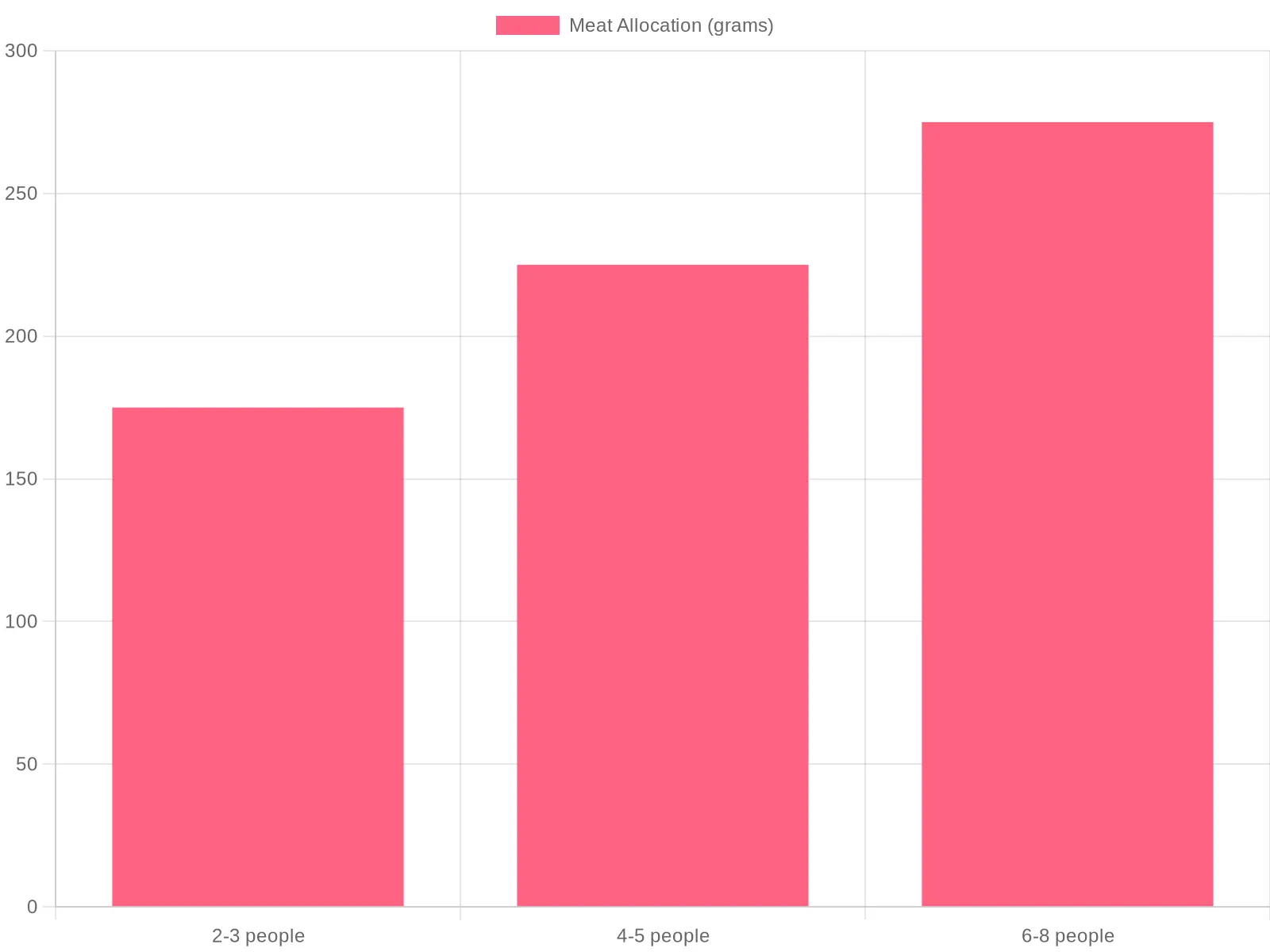
Bar chart illustrating meat allocation recommendations for groups of varying sizes during Korean BBQ.
Explore More
Conclusion
Understanding the average consumption of meat during Korean BBQ is vital for effectively managing restaurant inventory and ensuring customer satisfaction. With an average of 150 to 300 grams of meat per person recommended for group settings, owners can engage chefs and staff in order to curate a delicious yet efficient dining experience. Whether a business is considering an all-you-can-eat Korean BBQ menu or a standard offering, these insights into meat consumption can provide a strong foundation for thoughtful planning and preparation.
Recommended Quantities of Meat for Korean BBQ
When planning a Korean BBQ, selecting the right types and quantities of meat is crucial for a satisfying experience. Common choices include beef, pork, and chicken. Here’s a comprehensive table that outlines each type of meat along with the recommended quantities per person:
| Type of Meat | Recommended Quantity (per person) |
|---|---|
| Beef | 10 oz (280 g) – 13 oz (370 g) |
| Pork | 10 oz (280 g) – 12 oz (340 g) |
| Chicken | 8 oz (225 g) – 10 oz (280 g) |
These portions can be adjusted based on the appetite of your guests. For more insights on menu planning, you can learn more about our BBQ menu.
Popular Types of Meat in Korean BBQ
- Beef: Often served as short ribs or bulgogi.
- Pork: Typically includes options like pork belly and neck.
- Chicken: Commonly grilled as marinated options.
If you’re interested in other meat options or buffet arrangements, check out our all-you-can-eat Korean BBQ options.
Side Dishes and Their Impact on Meat Consumption in Korean BBQ
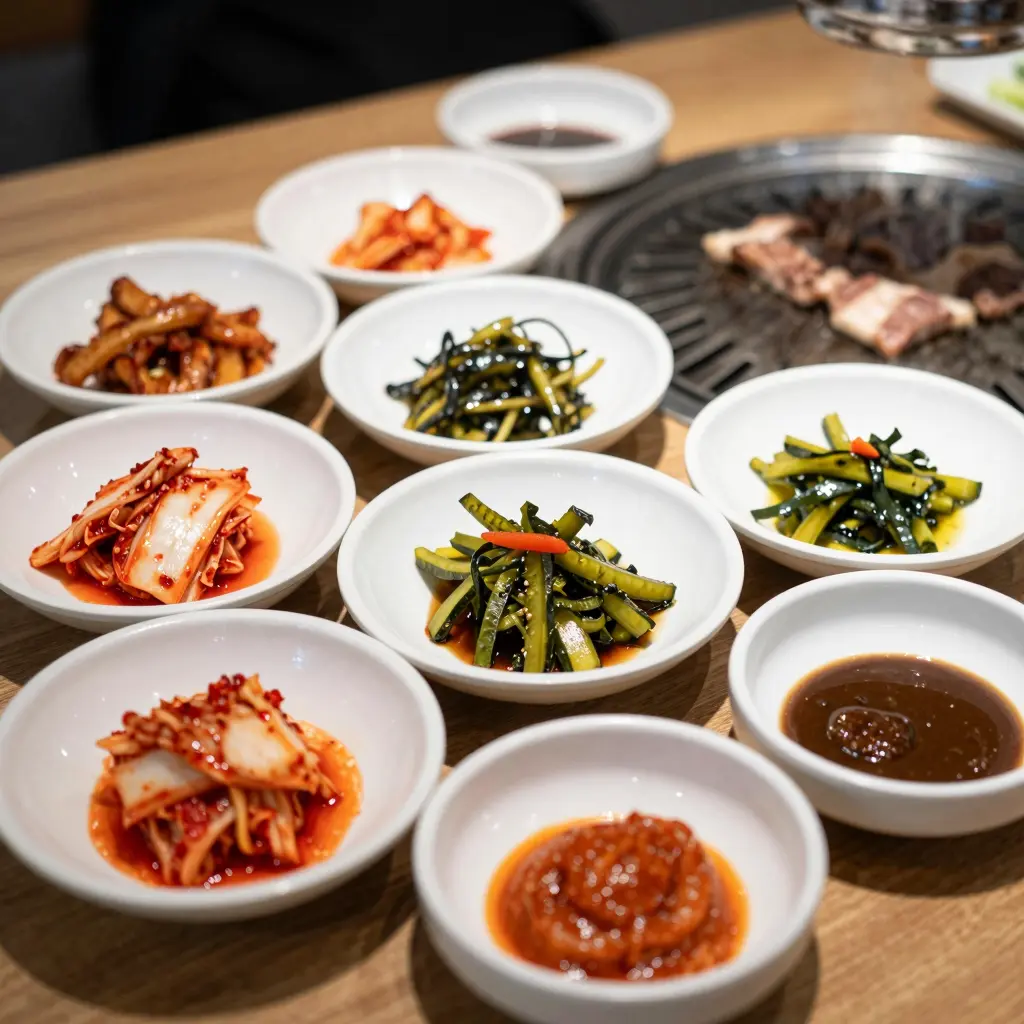
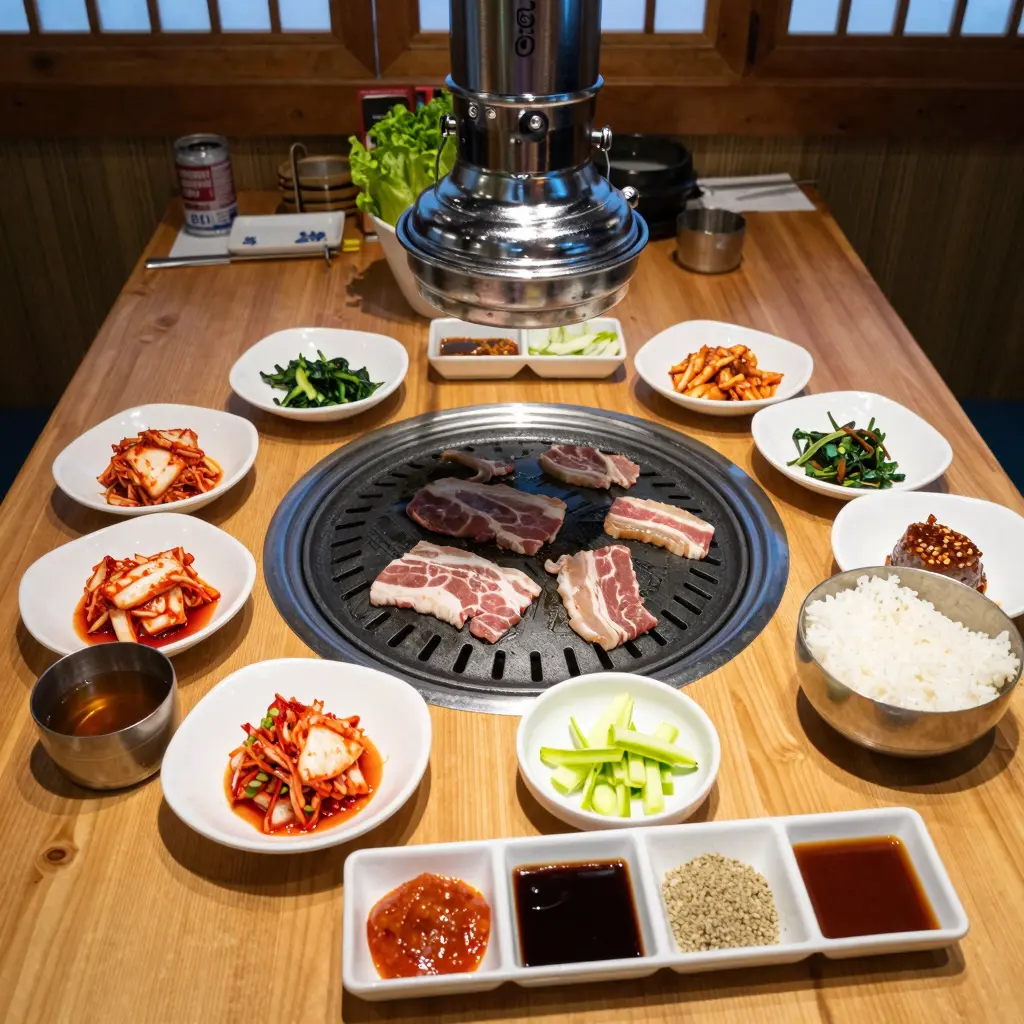
Korean BBQ is renowned for its variety of grilled meats, but one key aspect that enhances the overall experience is the array of traditional side dishes known as banchan. These small accompaniments not only complement the main dishes but also play a significant role in influencing the overall meat consumption of guests.
Banchan typically includes a range of options such as kimchi (fermented vegetables), pickled radishes, various types of salads, and dipping sauces. Their presence at the table does more than just embellish the meal; it serves to enrich the dining experience by balancing flavors, textures, and even contributing to a healthier meal. Here’s how these side dishes impact meat consumption:
-
Flavor Balancing
Traditional banchan often feature bold, tangy, or spicy flavors, which can enhance the taste of grilled meats. The contrast in flavors encourages diners to alternate between meat and side dishes, leading to an increase in total food intake during the meal.
-
Palate Cleansing
Many banchan items, particularly pickled vegetables, serve as palate cleansers. They refresh the taste buds between bites of savory meats, making it easier for diners to enjoy multiple servings of various grilled options without becoming overwhelmed by richness.
-
Encouragement of Variety
Offering a selection of banchan encourages diners to try different types of meats. The diversity of flavors allows guest to sample various preparations, enhancing their overall experience and potentially leading to increased consumption. As highlighted by Namoo BBQ, the interplay of meats with these side dishes creates a richer flavor profile.
-
### Cultural Practice
The tradition of serving multiple side dishes aligns with the Korean dining ethos that emphasizes communal eating. The shared plates promote a social atmosphere that naturally leads to prolonged dining experiences and increased consumption, as guests engage with both the meats and the accompanying sides.
In essence, the presence of diverse banchan not only enhances the flavors of the meal but also encourages diners to consume more meat than they might otherwise. It’s a beautiful synergy that business owners can leverage to elevate their Korean BBQ offerings.
For more insights into Korean BBQ menus and offerings, you can learn more about our delicious options or see our all-you-can-eat deals here.
Conclusion
Understanding the appropriate meat portions per person in a Korean BBQ setting is crucial for business owners to ensure profitability while providing a satisfying dining experience. As discussed, the typical serving sizes of meat range from 100g to 200g per person, with some sources recommending individual portions of approximately 150-180g. This deliberation not only aids in portion control but also encourages a communal dining atmosphere, enhancing customer satisfaction.
In the competitive landscape of Korean BBQ restaurants, efficient management of food costs through careful portion sizes can significantly influence financial performance. Furthermore, implementing portion control practices is vital in all-you-can-eat formats, where excessive leftovers can adversely affect profitability. For additional insights into how to optimize your menu with portion control, you can explore our all-you-can-eat options.
Lastly, keeping in mind that customer preferences may vary, it is beneficial to start with recommended portion sizes and adjust accordingly based on customer feedback and dining habits. This flexibility will not only reduce waste but also enhance the overall dining experience.
Establishing a balance between serving sizes and customer desires is key to a successful Korean BBQ operation. Whether you’re new to the business or looking to refine your offerings, understanding these elements will help you thrive in the bustling world of Korean BBQ.
For more information on how to serve the best Korean BBQ and manage your restaurant’s menu, check out our Korea BBQ and sushi menu.
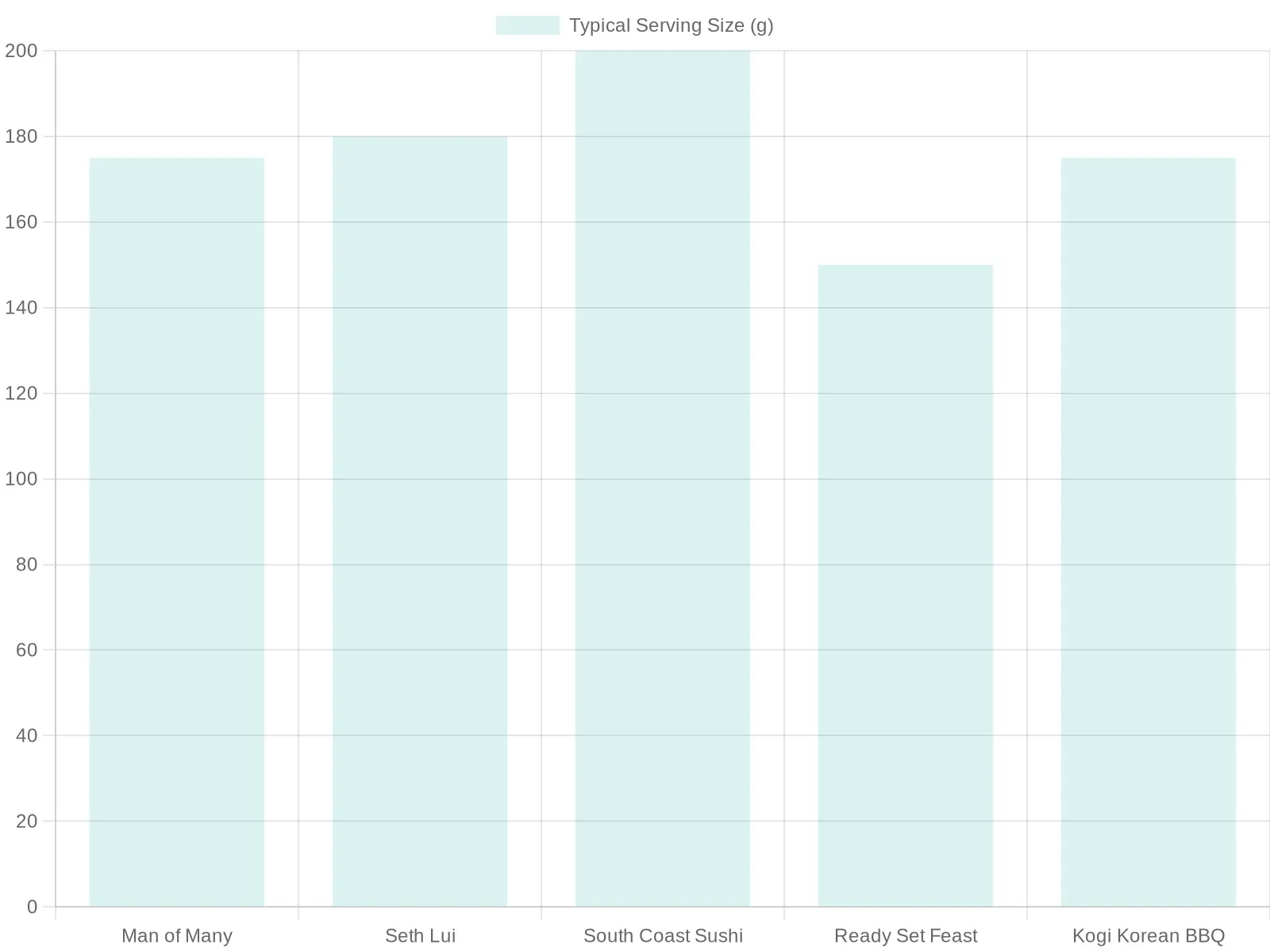
Typical Serving Sizes of Korean BBQ
| Source | Typical Serving Size (g) |
|---|---|
| Man of Many | 150-200 |
| Seth Lui | 180 |
| South Coast Sushi | 200 |
| Ready Set Feast | 100-200 |
| Kogi Korean BBQ | 150-200 |
Portion Sizes for Korean BBQ: Expert Insights
When setting up a Korean BBQ, it’s essential to consider appropriate portion sizes to satisfy your guests without wastage. One widely accepted guideline suggests serving about ½ pound (approximately 225 grams) of cooked meat per adult. This recommendation ensures that diners have enough to enjoy without overdoing it.
“The recommended portion for Korean BBQ is about ½ pound of cooked meat per adult. This guideline helps ensure an adequate serving based on typical appetites.”
- Source: bbqhost.com
In addition to meat, it’s beneficial to include a variety of side dishes, as these complement the main offerings and enhance the dining experience. It’s also good practice to pay attention to the cooking time, as thin slices of marinated beef and pork can overcook quickly when grilled.
For more detailed insights into menu planning and portion sizes, check out our Korean BBQ and Sushi Menu.
Benefits of Proper Meat Portioning for Korean BBQ Restaurants
Proper meat portioning in Korean BBQ not only enhances customer experience but also boosts efficiency for business owners. Here are some key advantages:
-
Reduced Waste: By controlling portion sizes, restaurants can minimize leftover food, which significantly decreases waste and contributes to more sustainable practices. This is critical in the restaurant industry, where food waste can lead to substantial losses.
-
Increased Customer Satisfaction: When portion sizes are appropriate, customers feel more satisfied as they receive enough food without excess. This balance can lead to repeat business and positive reviews, essential for any Korean BBQ restaurant.
-
Cost-Effective Management: Appropriate meat portions facilitate better cost management. By reducing waste, businesses can save on purchasing costs while maintaining the quality of their offerings. This can ultimately improve profitability.
-
Enhanced Dining Experience: Properly portioned meats allow guests to enjoy a variety of offerings without feeling overwhelmed. This enhances the interactive dining experience central to Korean BBQ, where guests cook at their tables and share food.
-
Better Inventory Control: With established portion sizes, restaurant owners can manage inventory more effectively. Knowing precisely how much meat to order and serve can reduce the risk of overstocking or running out of popular items.
-
Promotion of Sharing Culture: Korean BBQ is often a communal dining experience. By offering optimal meat portions, restaurants encourage sharing, which enriches the overall dining experience and fosters a sense of community among diners.
-
Alignment with Health Trends: As consumers grow more health-conscious, appropriately portioned meat options align with dietary preferences and encourage healthier eating habits, appealing to a broader audience.
In conclusion, proper meat portioning is a crucial aspect of managing a Korean BBQ restaurant that can lead to enhanced profitability and customer loyalty. For more insights on effective strategies, check out All You Can Eat Korean BBQ options.
Conclusion: Take Your Korean BBQ Experience to the Next Level
As you prepare to delight your guests with a memorable Korean BBQ experience, it’s essential to ensure you have the right amount of meat per person. Knowing this not only enhances the dining experience but also guarantees that your guests leave satisfied. To further elevate your offering, consider integrating diverse menu options that cater to varying tastes and preferences. For expert guidance and to discover our full selection, including our all-you-can-eat Korean BBQ menu, please don’t hesitate to reach out.
At Kogi Korean BBQ, we pride ourselves on providing exceptional quality and service tailored to business needs. If you have more questions or would like to request a personalized quote for your next event, our friendly team is here to assist you. Contact us today and let’s create an unforgettable dining experience for your guests!