
Introduction to Korean BBQ Catering for Businesses
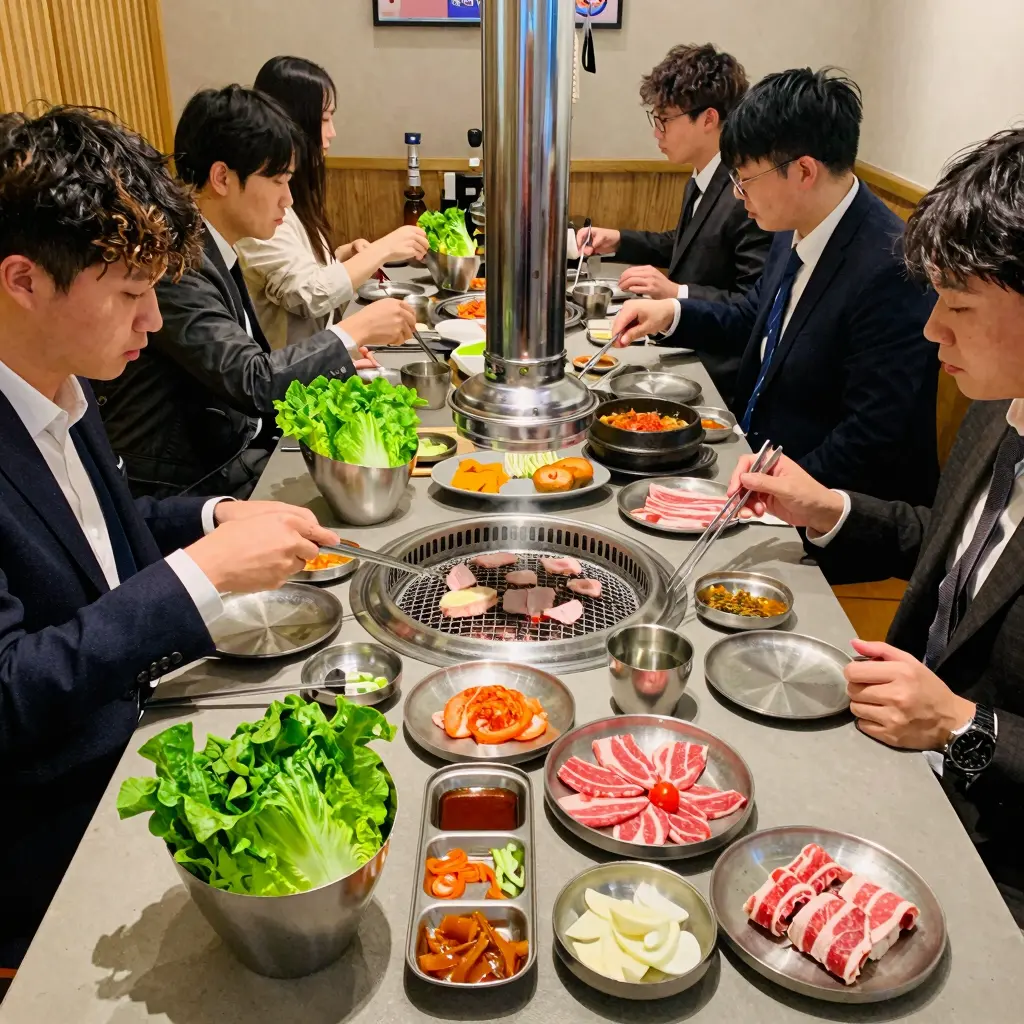
In recent years, Korean BBQ has surged in popularity, increasingly becoming a go-to option for business owners looking to impress clients, treat employees, or celebrate achievements. The vibrant, hands-on dining experience of cooking marinated meats and fresh vegetables right at the table has captivated food enthusiasts and corporate diners alike. This interactive dining style fosters a convivial atmosphere that not only excites the palate but also encourages lively conversation, making it ideal for business gatherings. Whether you’re planning an employee appreciation lunch or a client-focused networking event, offering Korean BBQ sets the stage for a memorable culinary experience.
However, as enticing as it sounds, the decision to cater Korean BBQ for your business events comes with several considerations, particularly regarding costs. From venue selection to menu offerings, knowing how much a Korean BBQ catering service typically costs and what factors can influence pricing is crucial for business owners. In this guide, we will delve into the costs associated with Korean BBQ catering and explore various elements that play a role in ensuring a delightful and seamless experience. For more insights on choosing the right dishes, check out our Korea BBQ and Sushi Menu which highlights delicious options for your next event. Furthermore, you can explore various Korean BBQ styles offered in our all-you-can-eat Korean BBQ in Oakland to help you make an informed decision.
Key Factors Influencing Korean BBQ Catering Costs
- Type of Venue: The location where the event is held can significantly affect costs. Venues with facilities for grilling and dining may incur additional fees.
- Menu Selection: The variety and quality of meats, side dishes, and drinks chosen will impact the overall price. Premium choices like Wagyu beef or unique seafood will raise costs.
- Guest Count: More guests lead to higher food and service costs, making it crucial to have an accurate headcount for budgeting.
- Service Style: Different service options such as buffet, plated meals, or tableside grilling each come with different pricing structures.
- Equipment Rental: Costs for renting grills, tables, and other catering supplies may apply.
- Travel Fees: If the catering service must travel a significant distance, transportation fees might be added.
Understanding these factors can help in effectively budgeting for a Korean BBQ event. For more about menu options, you can explore our offerings here.
| Catering Package | Price per Person | Menu Items Included | Service Features |
|---|---|---|---|
| Basic BBQ | $XX | Marinated Beef, Chicken, Vegetables | Delivery, Setup |
| Deluxe BBQ | $XX | Marinated Beef, Pork, Chicken, Seafood | Delivery, Setup, Cooking on Site |
| All-You-Can-Eat | $XX | Unlimited Meat, Side Dishes, Drinks | Buffet Style, Server Available |
| Premium BBQ | $XX | Premium Cuts, Specialty Sauces | Full Service, Customized Menu |
Frequently Asked Questions (FAQs) About Korean BBQ Costs
1. What are the average costs for Korean BBQ supplies?
Korean BBQ restaurants incur various expenses on supplies, ranging from grilling equipment to ingredients. Here’s a quick breakdown:
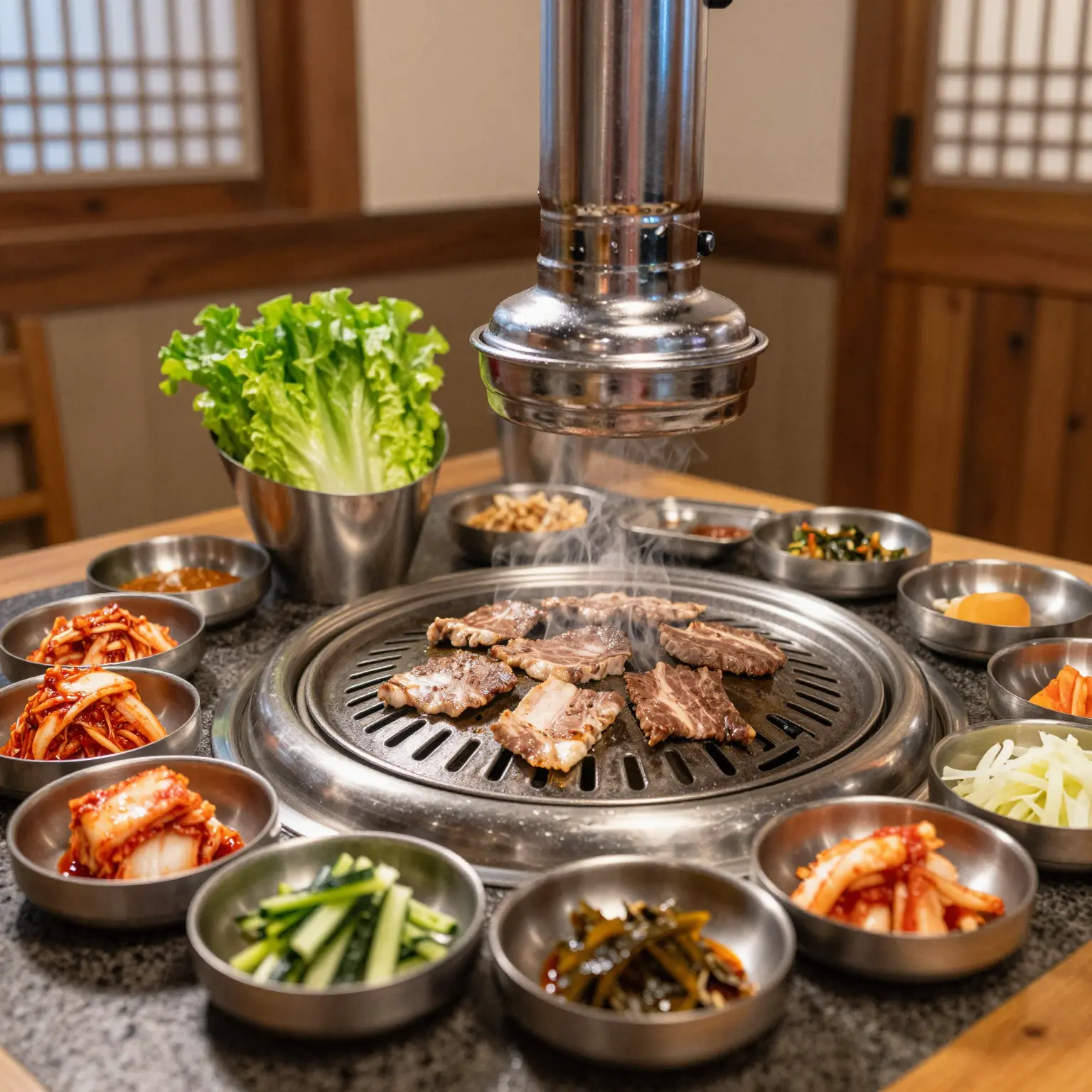
- Tabletop Grills: Depending on the type, they can cost between $800 and $2,500 per table. Portable options are cheaper, ranging from $50 to $150.
- Meat Costs: Premium cuts such as beef short ribs (LA galbi) and pork belly typically range from $3 to $14 per pound. Marinated meats might carry a small markup for labor.
- Banchan (Side Dishes): Initial supply costs vary, with bulk items like napa cabbage costing about $1 to $3 per head.
For a more detailed view on menu items, you might want to check out this menu.
2. What are the startup costs for opening a Korean BBQ restaurant?
Opening a Korean BBQ restaurant requires a substantial initial investment. For a typical restaurant with around ten tables, startup costs could range from $25,000 to $65,000, which typically includes:
- Tabletop grills + ventilation systems
- Initial stock of tableware and utensils (around $3,000 to $8,000)
- A commercial meat slicer and walk-in cooler/freezer
3. What are the ongoing monthly operating costs?
Ongoing costs can significantly impact your bottom line. Expect the following estimates for monthly recurring expenses:
- Meat costs (3,000-6,000 lbs): $15,000-$50,000
- Banchan ingredients: $2,000-$5,000
- Fuel: $500-$2,000
These figures mainly depend on customer volume and type of meats offered.
4. How can I reduce my costs when starting a Korean BBQ business?
Here are some practical tips to save on costs:
- Buy in bulk from Asian wholesale distributors as prices can be significantly cheaper (approximately 15-30% less).
- Implement portion control, standard portions for Korean BBQ being around 6-8 oz per person help in minimizing waste.
- Opt to marinate in-house instead of purchasing pre-marinated products for additional savings.
- Negotiate with suppliers for better deals on volume orders – many offer discounts for setting up weekly routines.
5. What’s the food cost percentage for a Korean BBQ restaurant?
The typical food cost percentage for Korean BBQ restaurants runs between 30% to 40%, which is higher compared to other types of dining establishments due to the quality of premium meats involved. It’s crucial to maintain a good food cost analysis to ensure sustainability.
For anyone interested in expanding their knowledge about Korean BBQ, I encourage you to look into all-you-can-eat options to gauge market prices and consumer demand.