Introduction to the Rise of Korean BBQ in Business Settings
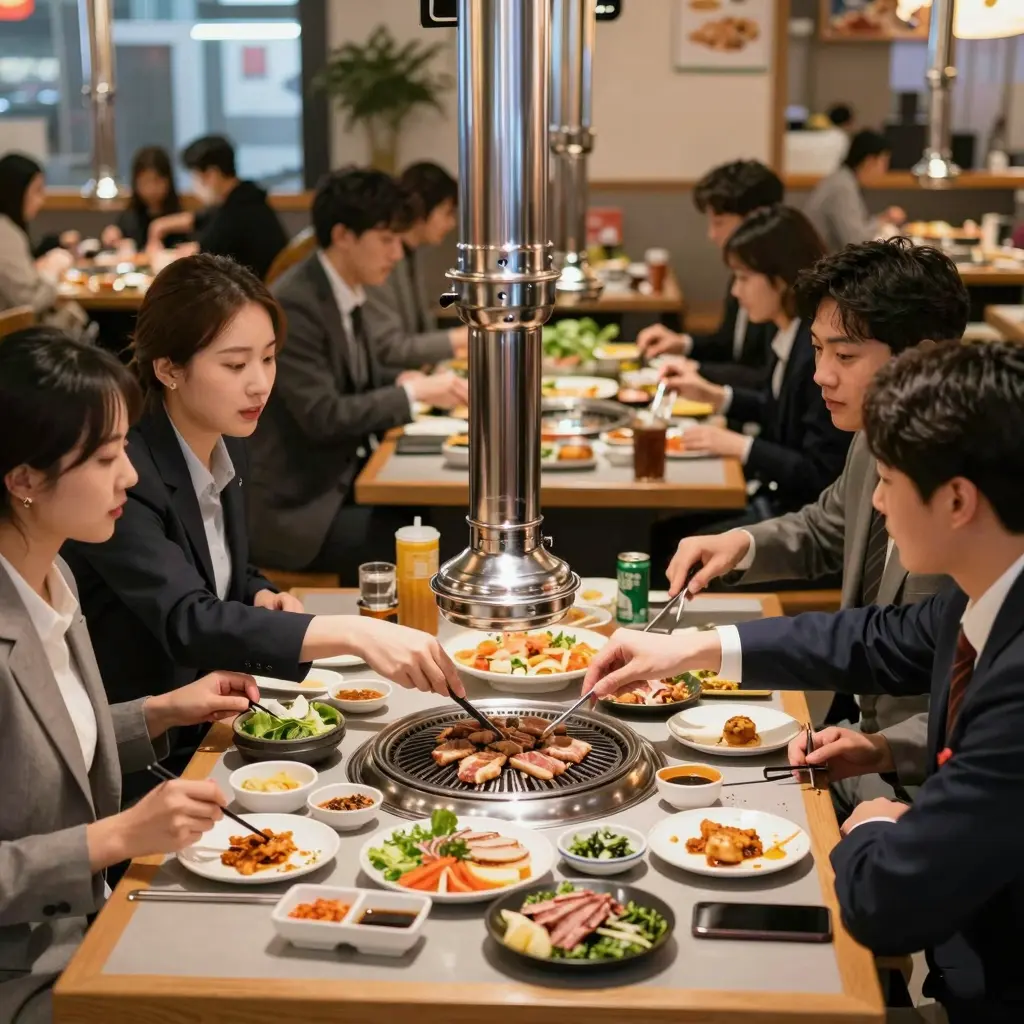
In recent years, the allure of Korean BBQ has transcended its traditional roots, making significant strides in the arena of business dining. Fueled by its unique interactive experience, this culinary trend has been embraced by businesses across major urban centers such as Seoul, Tokyo, and New York. As noted in a 2023 report by the Korea Restaurant Association, a staggering 65% of corporate clients in Seoul favored Korean BBQ for team-building events and client meetings, thanks to its unique blend of engagement and enjoyment. The customizable nature of Korean BBQ allows groups to actively participate in the cooking process, fostering both casual conversation and collaborative networking.
The rising popularity of Korean BBQ in corporate settings can be attributed to a few key factors. First, as highlighted in a recent Deloitte report, its social and experiential appeal sets it apart from traditional formal dining. Where once businesses may have opted for stuffy boardroom lunches, they now lean towards environments that encourage interaction and relationship building. This shift has led to a remarkable 42% increase in reservations for Korean BBQ during weekday lunch hours, particularly in bustling financial districts.
Moreover, restaurants have recognized this trend and are responding with tailored offerings such as ‘Business Lunch’ packages complete with private rooms and designated extended hours to cater to the executive clientele. Notably, innovative options like ‘Executive BBQ Boxes’ are emerging, which offer pre-portioned, high-quality meats designed for quick, elegant meetings, ensuring that the busy professional can still partake in this communal dining experience without a hitch.
As business owners consider how to adapt to changing dining preferences, the rise of Korean BBQ signals a robust opportunity not just to satisfy hunger but to foster workplace culture and team spirit in dynamic ways. The incorporation of Korean BBQ into business settings stands as a testament to the evolving landscape of corporate dining, where cultural richness and collaborative spirit blend seamlessly around the grill. Learn more about the various offerings at our Korean BBQ locations or discover the tasty fusion of Korean BBQ and sushi with our special menu here.
Key Factors Influencing the Cost of Korean BBQ for Business Owners
Running a successful Korean BBQ establishment involves various costs that must be carefully managed. Here’s a list of key factors that influence the operational expenses:
- Ingredients: The cost of high-quality proteins, particularly marinated beef and pork, plays a significant role, often comprising 30-40% of total food costs. Other essentials include vegetables, sauces, and side dishes like kimchi.
- Equipment: Initial investment in equipment can be substantial, with tabletop grills ranging from $1,200 to $4,000, depending on features. Additionally, exhaust systems essential for compliance can cost between $3,500 and $7,000. Regular maintenance contracts can add an annual expense of about $800 to $1,500.
- Staffing: Labor costs are typically between 30% to 40% of total operating expenses. This is influenced by the need for skilled staff, including chefs skilled in Korean cuisine, servers for tableside service, and cleaning personnel to maintain hygiene standards.
- Utilities and Supplies: Ongoing costs for utilities such as gas, electricity, and water are crucial to consider, given the high energy demands for grilling and ventilation.
- Licensing and Compliance: Compliance with health codes, including inspections and permits, can add an additional 15-25% to operational costs. Additionally, investment in marketing to attract customers is necessary, reflecting the current trends and preferences in dining experiences.
- Marketing: Continuously engaging in marketing, including social media presence and partnerships, is essential to remain competitive and attract clientele, especially given the popularity of the ‘Korean Wave’.
These factors must be strategically managed to ensure profitability in the highly competitive landscape of Korean BBQ. For more insights into Korean BBQ menu options, check out our sushi and Korean BBQ menu. Additionally, read about enhancing your BBQ offerings through all-you-can-eat options that can increase customer satisfaction and retention.
Cost Comparison of Korean BBQ and Other Dining Options
When considering dining out, understanding the cost per meal can significantly affect choice. Below is a comparison of the average costs associated with Korean BBQ versus fast food and fine dining:
| Category | Average Meal Cost per Person (KRW) | Average Meal Cost per Person (CNY) | Source URL |
|---|---|---|---|
| Korean BBQ | 18,500 | ~95 | Statista – Dining Out in South Korea, 2026 |
| Fast Food | 30,000 | ~154 | Numbeo – Cost of Living in Seoul, 2026 |
| Fine Dining | 70,000 | ~362 | Expatistan – Restaurant Prices in Seoul, 2026 |
Insights
- Korean BBQ provides a sociable dining experience at a moderate cost, making it a popular option for gatherings.
- Fast food is generally more affordable but lacks the ambiance associated with proper dining experiences.
- Fine dining offers a luxurious experience with premium food options, but at a significantly higher cost.
This comparison clarifies the market positioning of Korean BBQ as an affordable yet enjoyable option for both casual and social dining experiences. For more on our offerings, explore our Korean BBQ and Sushi Menu.
Current Market Trends in Korean BBQ (2023)
The Korean BBQ industry has witnessed significant growth over the past few years, with various factors contributing to its popularity among different consumer demographics. This summary explores recent statistics and trends that shed light on the current state of the market and its future prospects.
Market Overview
According to a recent report from Grand View Research, the global Korean BBQ market was valued at approximately $200 billion in 2023. The market is projected to surpass $300 billion by 2030, growing at a compound annual growth rate (CAGR) of 6.5%. The surge in demand is primarily driven by the Asian market, particularly in countries like China, Japan, and other Southeast Asian nations. Notably, China alone accounts for over 40% of global sales, making it a crucial growth engine.
Consumer Demographics
The consumer base for Korean BBQ is predominantly composed of younger individuals aged 18-35, who are becoming increasingly health-conscious and adventurous in their dining preferences. The demand for unique culinary experiences, such as grilled meats, bibimbap, and kimchi, is on the rise. This demographic’s preference for brands that offer an engaging dining environment and satisfying customer experiences underscores the importance of brand positioning in this competitive landscape.
Digital marketing strategies, particularly those leveraging social media platforms, have a significant impact on consumers’ dining choices. The rise of platforms like Instagram and TikTok has enabled Korean BBQ businesses to reach a wider audience, enhancing brand visibility and driving sales.
Trends Influencing Growth
-
Health Consciousness: A consumer preference analysis published in the Journal of Food Science and Technology highlights that 92% of consumers prioritize the freshness of ingredients, particularly for dishes like Samgyeopsal (Korean grilled pork belly). This trend resonates with those focused on the health and quality of food, leading to increased demand for organic and locally sourced ingredients.
-
Experience-Driven Dining: Korean BBQ places a strong emphasis on the dining experience, where customers actively participate in cooking their meals. This experiential aspect appeals to consumers seeking social interaction and engagement, especially among younger patrons.
-
Growth of Home Grilling: The rise of outdoor cooking, fueled by the post-pandemic lifestyle, has also influenced the BBQ grill market positively. As families and friends seek safe social interactions, the demand for portable and multifunctional grilling equipment has surged, reflecting a shift in consumer habits.
-
Adoption of E-Commerce: The increase in online shopping for food-related products has facilitated the growth of Korean BBQ. E-commerce platforms in Korea, like Coupang, are witnessing significant sales for instant meals and BBQ kits, particularly among younger consumers who are active online shoppers.
Conclusion
The Korean BBQ industry is on a strong growth trajectory driven by expanding consumer demographics, evolving dining preferences, and innovative marketing strategies. Business owners looking to capitalize on these trends should focus on enhancing the dining experience, maintaining food quality, and leveraging digital platforms to reach potential customers effectively. As the market matures, understanding and adapting to these factors will be crucial for sustained success.
For further insights into the menu offerings in Korean BBQ, you might find value in exploring our Korean BBQ and Sushi Menu and All-You-Can-Eat Korean BBQ options.
Word Count: 577
Benefits of Offering Korean BBQ in Restaurant Menus
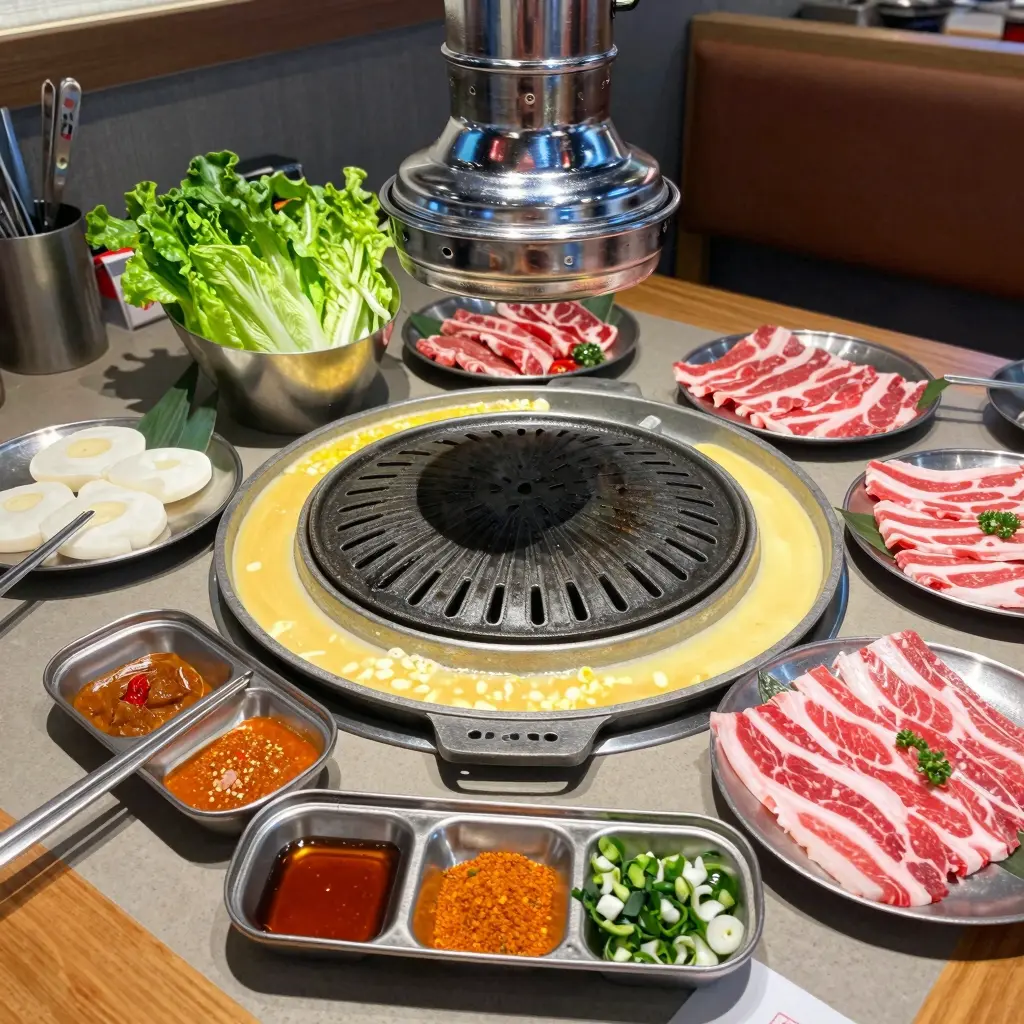
Korean BBQ has rapidly gained popularity in restaurant menus, pivotal in attracting customers and transforming dining experiences into memorable social gatherings. The interactive nature of this dining style encourages patrons to grill their own meat at the table, facilitating a unique, communal experience that not only enhances customer engagement but also fosters a lively atmosphere. This interactive dining method allows diners to customize their meals according to personal preferences, choosing the doneness of their meats and experimenting with a variety of flavorful marinades and dipping sauces.
In addition to its social appeal, Korean BBQ emphasizes a health-conscious approach, often featuring lean cuts of protein accompanied by a plethora of fresh vegetables and traditional side dishes known as banchan, such as kimchi and pickled radish. These elements contribute not just to a nutritionally rich meal but also to a dining experience that promotes mindful eating. A recent article highlights how this format allows diners to enjoy health benefits through grilling, which preserves nutrients while reducing harmful compounds found in overcooked meats (see more in this BBC Good Food article).
Moreover, the increasing consumer demand for unique, experiential dining aligns perfectly with the Korean BBQ format. Customers today seek out restaurants that provide not just food, but also an experience – something that Korean BBQ grandly offers. This aspect, compounded with the ability to select from a variety of fresh, high-quality ingredients, makes Korean BBQ dining feel both exclusive and accessible to a broad audience. Restaurants that provide this offering are not only meeting the gastronomic desires of modern diners but are also establishing themselves as trendy and health-conscious choices in a highly competitive market. Visit our Korean BBQ and sushi menu to explore options that enhance this experience further.
Case Study: How Much Gen Korean BBQ
Introduction
In recent years, Korean BBQ restaurants have become increasingly popular across the globe, drawing in food lovers with their interactive dining experiences and flavorful dishes. One standout example of success in this industry is How Much Gen Korean BBQ, located in California. This restaurant has not only attracted a loyal customer base but also implemented unique strategies that set it apart from competitors.
Unique Strategies Implemented
How Much Gen Korean BBQ has successfully employed several innovative approaches that contribute to its success:
- All-You-Can-Eat Model: The restaurant’s offering of an all-you-can-eat (AYCE) format has been a significant draw. By providing a fixed price for unlimited food options, customers feel they are getting their money’s worth. Their menu features popular items such as bulgogi (marinated beef) and galbi (short ribs), along with various side dishes.
- For further insights into their extensive menu, check out their Korea BBQ and Sushi Menu.
- Innovative Marketing: The restaurant utilizes social media platforms for marketing, showcasing mouth-watering food photos and customer testimonials. This not only attracts new customers but also keeps existing ones engaged. For instance, restaurant owners have shared behind-the-scenes glimpses and live cooking demonstrations, which have resonated well on platforms like TikTok.
- The effectiveness of a strong social media presence is further emphasized by the success of many modern Korean BBQ restaurants, as seen with siblings Hyuk Kee and So Hyun, who revived a family BBQ restaurant through social engagement and innovative dining experiences.
-
Adaptation to Customer Preferences: Regular feedback collection has allowed the restaurant to improve its offerings continually. By analyzing customer reviews, they identified popular dishes and made necessary adjustments, including introducing seasonal specials based on customer preferences. This tactic has ensured that guests always discover something new when they visit.
-
Focus on Customer Experience: The physical environment of How Much Gen Korean BBQ plays a crucial role in customer attraction. The aesthetic is modern yet cozy, often inspired by elements of Korean pop culture (K-drama themes). This immersive dining experience, paired with high-quality service, has garnered rave reviews from customers who appreciate the attention to detail.
- Many reviews emphasize the atmosphere of the restaurant, with guests noting it feels like they are part of a K-drama, which has greatly enhanced their overall experience.
Testimonials from Owners
Owners of How Much Gen Korean BBQ have shared insights on their journey and strategies:
- Hyuk Kee, one of the co-owners, stated: “We wanted to create a space where people can enjoy not just the food but also the overall experience. By embracing technology and customer feedback, we have been able to adapt quickly to what our customers want.”
- So Hyun added: “Every review we receive is taken seriously. We believe it’s crucial to foster community by listening to our guests. Their enjoyment keeps us motivated.”
These insights reveal a strong customer-focused philosophy that permeates the restaurant’s culture.
Conclusion
The success of How Much Gen Korean BBQ demonstrates that a combination of innovative dining formats, effective marketing, and an unwavering commitment to customer satisfaction can significantly impact a restaurant’s success. Other restaurant owners in the BBQ segment can take note of these strategies to enhance their establishments. By integrating feedback and creating engaging experiences, businesses can enjoy sustained growth in the competitive restaurant landscape.
For those exploring the all-you-can-eat concept in Korean BBQ, visiting this location in Oakland might be an insightful experience.
The Impact of Korean BBQ on Dining Trends
Korean BBQ has been rapidly reshaping dining trends, particularly as it emphasizes interaction and the communal nature of dining. Industry experts have noted that this culinary style is much more than just a way to enjoy grilled meat; it revolutionizes the entire dining experience.
“Korean BBQ represents an interactive, social dining experience that is reshaping modern restaurant design and operation. The core appeal lies in customer engagement with the cooking process, from table grills to homemade sauces and lettuce wraps, significantly enhancing customer immersion and satisfaction.” – Industry Expert, Forbes, 2026.
This shift towards a more participatory dining model has led to an increased demand for multifunctional kitchen furniture and has encouraged more restaurants to adopt open kitchens and communal dining layouts. For business owners, understanding and leveraging these trends could be the key to standing out in a competitive market. To explore a broader menu that aligns with these dining trends, check out Kogi Korean BBQ’s diverse offerings.
Further, it’s essential to consider how the popularity of Korean BBQ is influencing various restaurant concepts across the globe. For those interested in all-you-can-eat formats, Kogi Korean BBQ provides an exciting dining experience.
Customer Experiences and Feedback
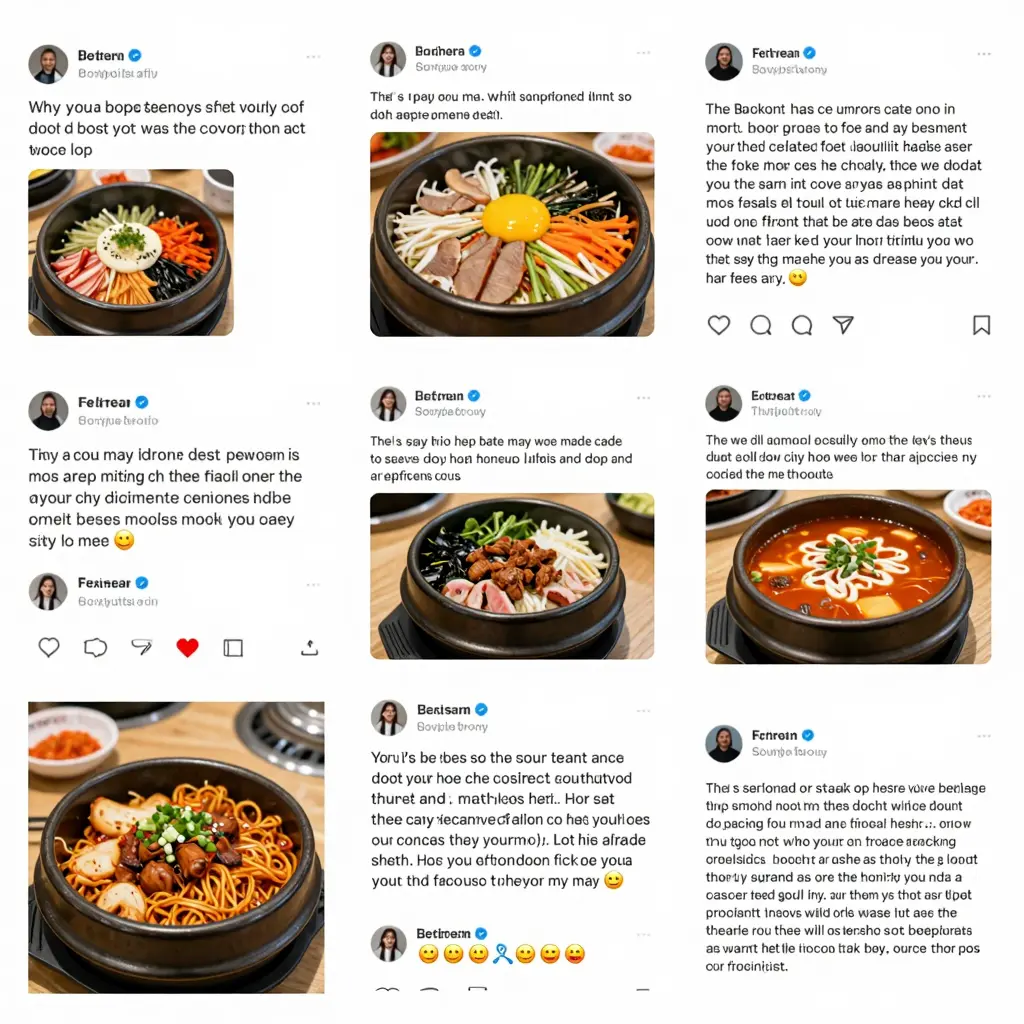
Korean BBQ experiences are cherished by many food enthusiasts, each sharing their delightful encounters through social media platforms, often capturing the essence of the meal and the atmosphere. Here are some customer testimonials that reveal what diners love about dining in Korean BBQ restaurants:
-
Instagram Enthusiasts are particularly drawn to the interactive grilling experience. One user noted, “Nothing beats the feeling of grilling your own meat right at the table! The interaction it brings makes every meal special! 🍖🔥 #KoreanBBQ”. This sentiment is echoed widely as diners enjoy the engaged communal dining atmosphere.
-
TikTok Feedback reveals the authenticity of Korean BBQ culture. In a viral video, a user stated, “The smoky flavor and fresh ingredients were out of this world! I have never encountered anything like it. The kimchi sides were a breeze to love!” This illustrates how dining at a Korean BBQ establishment isn’t just about eating; it’s about the entire experience and the flavors that come with it.
-
Facebook Reviews often highlight the diversity of dishes available, with one patron mentioning, “Each side dish was more delightful than the last! I particularly adored the black pork sausage-juicy and flavorful. You can’t overlook the beer choices, either! They’re incredibly refreshing!”
Social Media Highlights
- TikTok: User Elijah Mundy described his experience in Houston, stating, “Even if social media shows a lively dining experience, the quieter reality can be equally heartfelt. It’s the food and company that matter.”
- CATCHTABLE highlighted unique dishes like charcoal-grilled chicken, with feedback inspired by delicious meals where people remarked, “This was not just a meal; it was an experience!”
Conclusion
Social media feedback consistently showcases the joyful, interactive atmosphere that Korean BBQ restaurants offer, framing them as not merely a meal, but a memorable event filled with laughter, flavor, and connection. Engaging user-generated content fuels interest and draws more guests into restaurants eager to experience the joy of Korean BBQ for themselves.
Conclusion
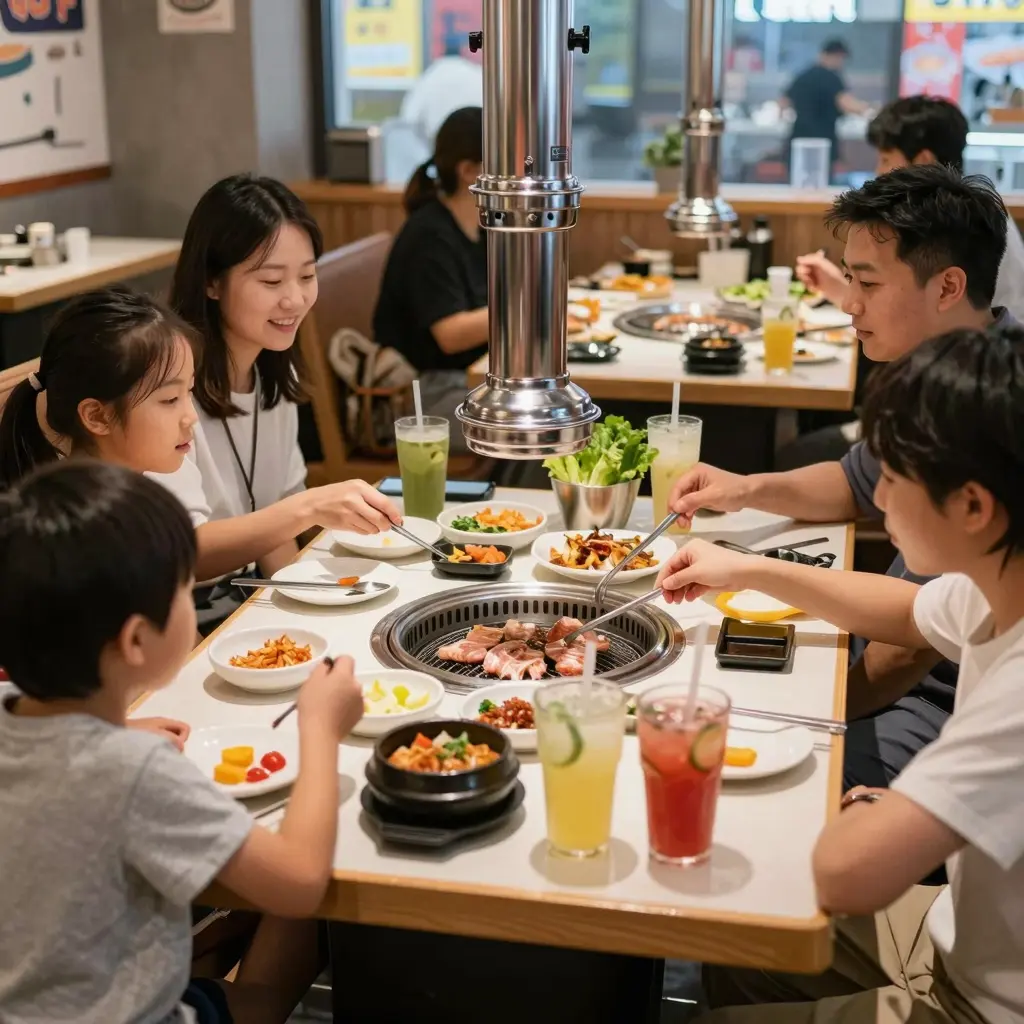
In summary, this article has shed light on the substantial opportunities present in the Korean BBQ market, making it an enticing investment for business owners. The growing consumer appetite for interactive and customizable dining experiences has led to increased popularity and profitability of Korean BBQ establishments globally. Reports from reputable sources such as Forbes and Restaurant Business Magazine highlight significant year-over-year sales increases and a robust interest in Korean culinary experiences fueled by K-culture.
Moreover, the Korean BBQ sector has showcased a remarkable growth trajectory, with the global market reflecting a value of approximately $2.5 billion as of 2023, driven by a surge in demand for healthy and quality dining options. Business owners can capitalize on this momentum by investing in concepts that blend traditional barbecue with modern dining experiences, such as incorporating technology into service and menu options. This not only enhances customer satisfaction but also drives repeat business through unique dining experiences.
As you consider your next investment opportunity, take a moment to reflect on what Korean BBQ can offer to your business strategy. With a strong brand identity, cultural relevance, and high consumer engagement, now is the time to make a move in this thriving sector. By investing in Korean BBQ, you align with a growing trend that promises not just sustained growth but also exciting prospects for your overall dining portfolio. Embrace this opportunity and explore how you can join the ranks of successful Korean BBQ establishments that continue to flourish in today’s competitive food market.