
How Many Calories Do You Eat at Korean BBQ?
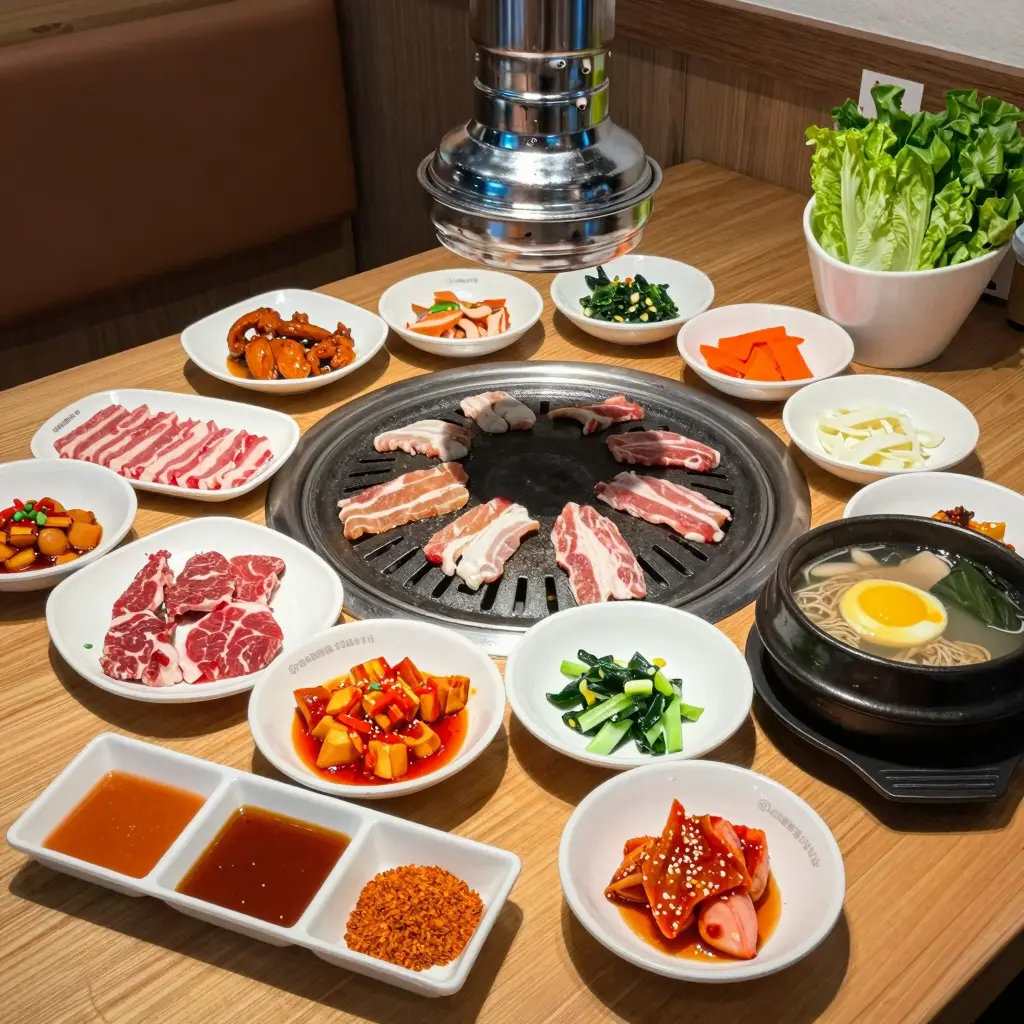
Korean BBQ has taken the restaurant scene by storm, swiftly rising as a casual dining favorite among business owners and diners alike. But have you ever pondered, how many calories do you eat at Korean BBQ? It’s a question that not only intrigues regular patrons but also concerns those looking to maintain a balanced diet. On average, a typical Korean BBQ meal can range from 1,000 to 1,800 calories per seating, depending on the selection of meats, side dishes, and sauces you indulge in. For instance, a single serving of grilled beef bulgogi has about 258 kcal per 100g, while pork belly can clock in around 270 kcal per 100g, not to mention those calorie-packed dipping sauces that can add an extra 80-100 kcal each. As more eateries adopt the Korean BBQ model, business owners are recognizing the demand for immersive dining experiences, attracting a steady flow of customers. Its combination of high-profit margins, customizable menus, and the growing trend towards casual dining makes it a hot contender for aspiring restaurateurs. With the intersection of culture and flavor in every meal, Korean BBQ offers a delicious yet calorie-laden culinary adventure that leaves many wondering just how much they’ve savored at the grill. 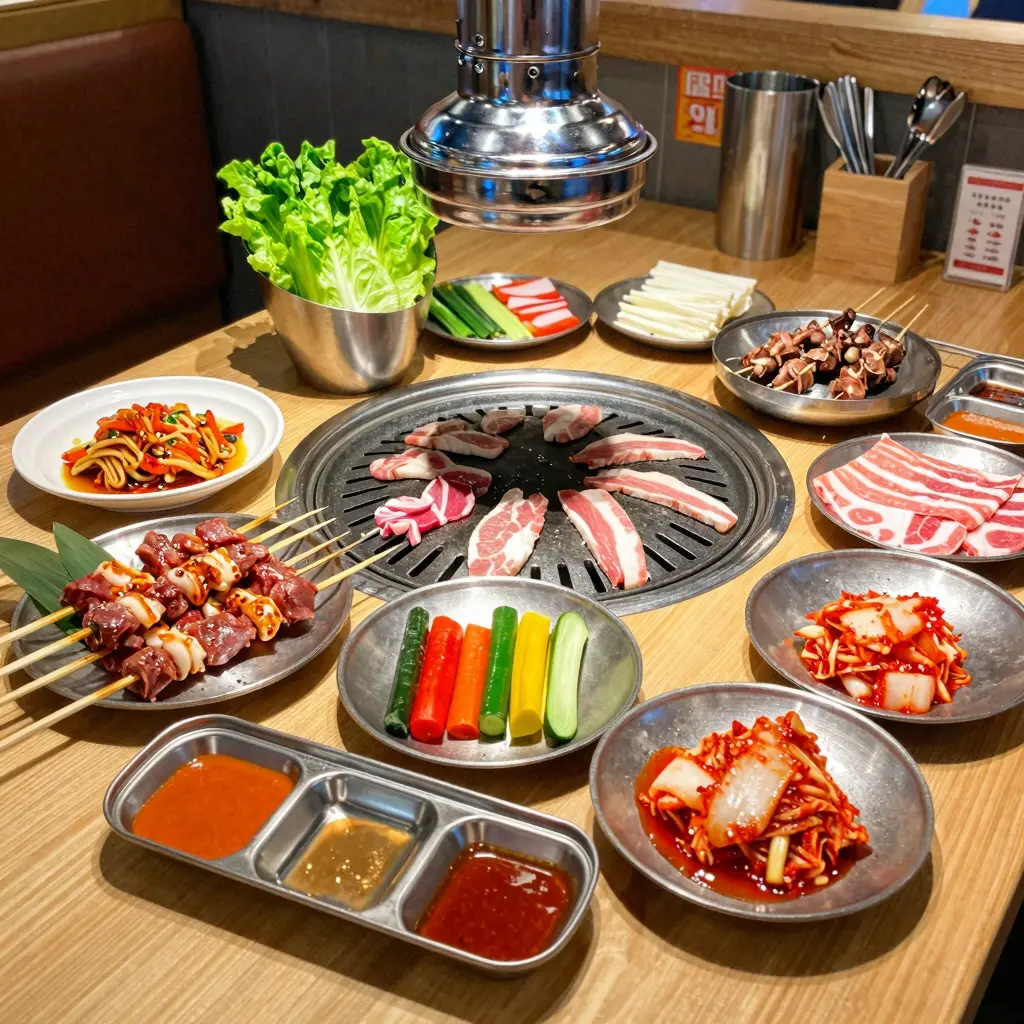
| Item | Average Calorie Count (per 100g or serving) |
|---|---|
| Beef short ribs | 381 kcal |
| Pork belly | 336 kcal |
| Chicken thigh | 214 kcal |
| Grilled chicken | 150-180 kcal |
| Steamed rice | 242 kcal (per cup, cooked) |
| Kimchi | 20-30 kcal (per half-cup) |
| Lettuce wraps | 5-10 kcal (each) |
The Dining Experience at Korean BBQ
A typical outing at a Korean BBQ restaurant is not just a meal; it’s a vibrant, communal experience that invites diners to engage with food and each other in interactive ways. Upon arriving, guests are usually greeted with a warm atmosphere filled with the tantalizing aroma of marinated meats and sizzling grill sounds.
The dining begins with an array of banchan, or side dishes, which flood the table-these can include kimchi, pickled vegetables, and other delightful Korean appetizers. Over these small plates, the diners share laughter and conversation, which helps diffuse any business-related tension and sets a relaxing tone for discussions.
At the center of each table is a built-in grill where diners take charge by grilling their own selections of meat. Options typically include bulgogi (marinated beef), galbi (marinated short ribs), and samgyeopsal (pork belly), allowing everyone to customize their meal according to personal tastes. Guests often wrap grilled meat in leafy greens with sauces like ssamjang and gochujang, adding to the creativity and enjoyment of the meal-from cooking to eating.
This shared experience is especially appealing to business owners and professionals. The informal yet lively environment encourages collaboration and builds relationships. Personal interactions flourish, fostering effective discussions of deals in a relaxed setting, away from traditional office confines. High-end establishments often offer private booths or themed dining experiences, which add an extra layer of exclusivity to the outing.
Overall, dining at a Korean BBQ restaurant is not merely about consuming food; it’s about creating connections, sharing cultures, and enjoying a meal that’s made everyone feel involved. For more insights, you can check out the Kogi Korean BBQ menu and explore options for your next meeting or dinner.
Nutritional Insights of Korean BBQ
Korean BBQ is renowned for its delightful flavors and interactive dining experience, but it also presents significant nutritional aspects that business owners and professionals should consider. Understanding the nutritional content can aid in making informed choices, especially when dining out in a business setting.
Protein Content
One of the standout features of Korean BBQ is its high protein content. Dishes such as bulgogi (marinated beef) and galbi (beef short ribs) provide approximately 25-35 grams of protein per 3-4 ounce serving. This makes it an excellent option for those looking to bolster their protein intake, promoting muscle growth and overall body repair, a crucial factor for business professionals often requiring energy and focus throughout the day.
Fats and Calories
While protein is abundant, the fat content can also be considerable. Fattier cuts, such as pork belly, contain higher levels of saturated fat, which can pose health issues if consumed excessively. The marinades often used in Korean BBQ, typically made from soy sauce, sesame oil, and sugar, can further increase fat and calorie counts. It is essential to be mindful of portion sizes as the calorie content may vary significantly based on the cuts of meat used and the types of marinades applied. For instance, a serving may contain anywhere from 300 to 600 calories, depending on preparation methods and added ingredients.
Vitamins and Minerals
Korean BBQ offers a rich source of essential vitamins and minerals.
- Vitamin B12 and Vitamin B6 are particularly notable, as they support energy metabolism and nervous system function.
- The presence of minerals such as iron, which is vital for oxygen transport in the blood, zinc, which bolsters the immune system, and selenium, known for its antioxidant properties, adds to the meal’s nutritional value.
Moreover, the banchan (side dishes) that accompany Korean BBQ, like kimchi, contribute beneficial content such as probiotics and vitamins (like Vitamin C and K), enhancing the overall health profile of the meal. These side dishes often contain fiber and micronutrients, which can help balance out the meal’s richness.
In conclusion, while Korean BBQ can be a nutritious option, particularly due to its protein content, it is vital to choose leaner cuts, limit portion sizes, and balance choices with fresh vegetables and side dishes to maintain a healthy diet. For more menu options and to find popular Korean BBQ dishes, you can learn more about our offerings.
Portion Sizes and Their Impact
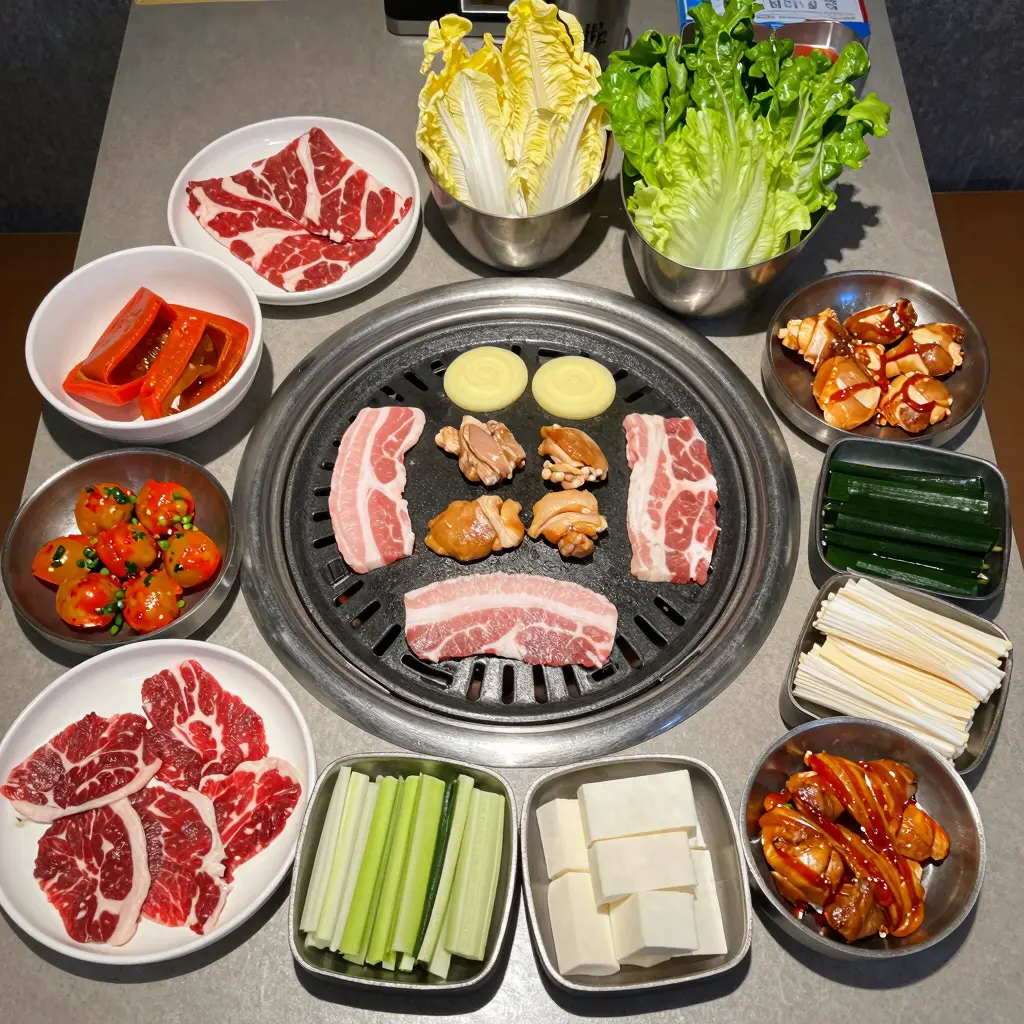
When it comes to Korean BBQ, the allure of grilling mouth-watering marinated meats and savoring flavorful side dishes is undeniable. However, the portion sizes served can significantly affect calorie intake. Research shows that larger portion sizes can lead to increased food consumption-participants in a study consumed up to 77% more when presented with larger portions than with smaller ones (ScienceDirect). This cognitive bias, known as the anchoring effect, suggests that diners often use the visible portion as a reference point, inadvertently consuming more than they initially intended.
Strategies for Healthier Choices
To maintain a balanced diet while enjoying Korean BBQ, consider the following tips:
- Share and Conquer: Sharing dishes encourages moderation. Instead of selecting large portions for yourself, opt for smaller servings and allow everyone at the table to partake. The communal dining experience in Korean BBQ emphasizes sharing and can help keep portions reasonable. Learn more about Korean BBQ etiquette.
- Start with Vegetables: Begin your meal with vegetables, particularly those that are not drenched in oils or sauces. Filling up on fresh salads or grilled veggies can decrease your overall meat consumption and enhance satiety without excessive calories. Nutritionists suggest stacking your plate with veggies to naturally limit meat intake, which can benefit your health (Eat This, Not That!).
- Choose Lean Cuts: Opt for leaner meats such as chicken breast, sirloin steak, or brisket, which offer fewer calories and fat compared to fattier options. This conscious choice not only reduces your calorie intake but also contributes positively to your overall health (LinkedIn).
Conclusion
By being mindful of portion sizes and making informed choices, you can enjoy the delicious experience of Korean BBQ without compromising your dietary goals. Remember, moderation is key-the happy grill session is all about enjoying flavors while taking care of your health!

This image illustrates various portion sizes of Korean BBQ ingredients, promoting healthy eating habits.
Calorie Comparison in Korean BBQ
When considering dining options at Korean BBQ, it’s vital to understand the calorie differences between all-you-can-eat formats and set menus. Here’s a helpful visual comparison:
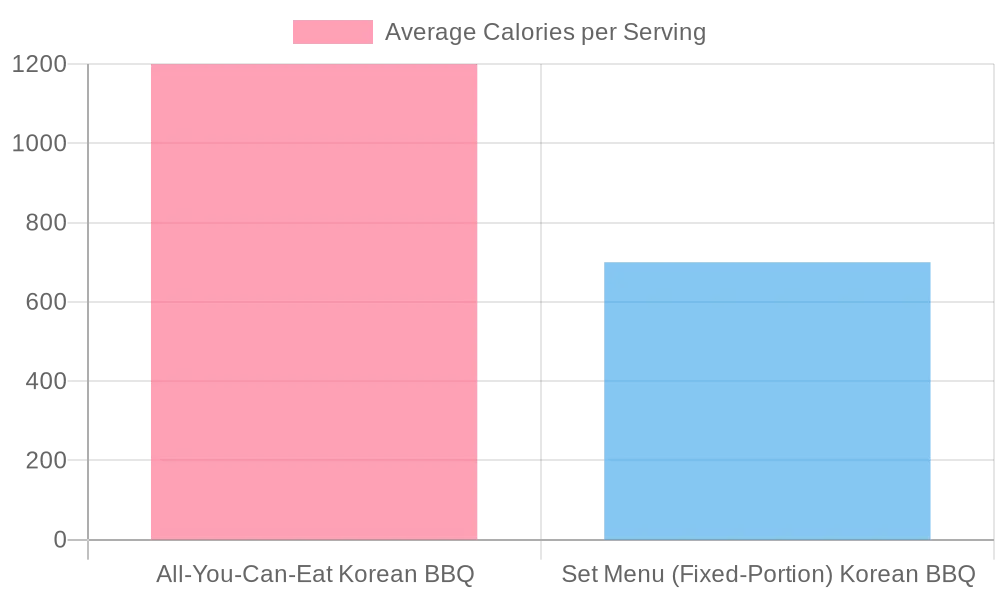
Caloric Breakdown:
| Meal Type | Average Calories per Serving | Lower End | Upper End | Source |
|---|---|---|---|---|
| All-You-Can-Eat Korean BBQ | 1200 – 1800 calories | 1200 | 2000+ | Bon Appétit |
| Set Menu (Fixed-Portion) Korean BBQ | 700 – 1000 calories | 700 | 1300 | The New York Times |
Summary:
- All-you-can-eat options encourage larger portions, often leading to a higher caloric intake ranging from 1,200 to potentially over 2,000 calories.
- Set menus offer a more controlled caloric intake of about 700 to 1,300 calories, making them a healthier choice for those monitoring their calorie consumption.
Understanding these differences can help diners make informed decisions about their meals. For more insights on Korean BBQ dining, check out our menu options.
Managing calorie intake while enjoying a delicious Korean BBQ can be both satisfying and mindful. Here are some effective tips to help keep your calorie consumption in check:
- Choose Leaner Cuts of Meat: Opt for lean meats such as beef sirloin (deungshim) or beef brisket (chadolbaegi) rather than fatty options like samgyeopsal. Lean meats offer wonderful flavors with less saturated fat.
- Increase Vegetable Intake: Load up on vegetables like lettuce, mushrooms, and carrots. Not only do they add volume to your meal, but they also provide essential vitamins and minerals.
- Be Mindful of Sauces: Instead of sweet or thick sauces, opt for lighter dipping options. Consider using homemade soy sauce mixtures that are lower in sugar.
- Use Smaller Plates: This trick can help you control portion sizes and prevent overeating.
- Stay Hydrated: Drink plenty of water before and during your meal to help regulate appetite and metabolism.
- Take Breaks Between Orders: Don’t rush to order multiple dishes at once. Allow time to gauge your hunger and satisfaction.
This approach allows you to enjoy your meal while remaining mindful of your dietary goals. For more about Korean BBQ options, check out our menu here or learn about all-you-can-eat options.
“You don’t need to avoid Korean BBQ to lose weight. Plan the day properly, save calories for dinner, enjoy the meal, then get straight back into your routine.” – Natalie Loo, Registered Nutrition Coach
This quote by nutritionist Natalie Loo emphasizes the importance of savoring Korean BBQ without compromising health goals. By planning your meals and allowing yourself to enjoy indulgent foods like Korean BBQ, you can maintain a balanced lifestyle.
When dining out, consider choosing lean meats such as chicken or turkey, loading up on vegetable side dishes like kimchi, and practicing portion control. These mindful choices allow you to indulge while still being health-conscious. If you want to learn more about how to enjoy various Korean BBQ options, check out our sushi menu or our all-you-can-eat options!
Conclusion
Understanding the calorie content in a Korean BBQ meal is crucial for making informed dietary choices, especially for business owners looking to ensure a balanced and health-conscious dining experience for their customers. As highlighted in recent analyses, the average caloric intake during a Korean BBQ meal can range from 800 to 1,200 calories, depending on the choice of meats, side dishes, and portion sizes. With this knowledge, you can better manage the nutritional offerings at your establishment and cater to the increasingly health-conscious diners.
Moreover, Korean BBQ isn’t just about the calories; it offers several health benefits when prepared thoughtfully. Including fermented side dishes like kimchi can enhance gut health while grilling meats requires less oil than other cooking methods. When paired with fresh vegetables, it promotes a well-rounded meal. As business owners, emphasizing these health benefits can resonate well with customers looking for delicious and nutritious options.
However, it’s essential to consider dietary choices critically. As recent studies suggest, a poor diet can lead to significant health risks, including type 2 diabetes and mental health issues. Making informed menu decisions can not only enhance your business reputation but also contribute positively to the well-being of your patrons.
Take Action
Don’t wait – contact us today to discuss your needs, request a quote, or learn more about how we can support your mission to protect lives and property.