
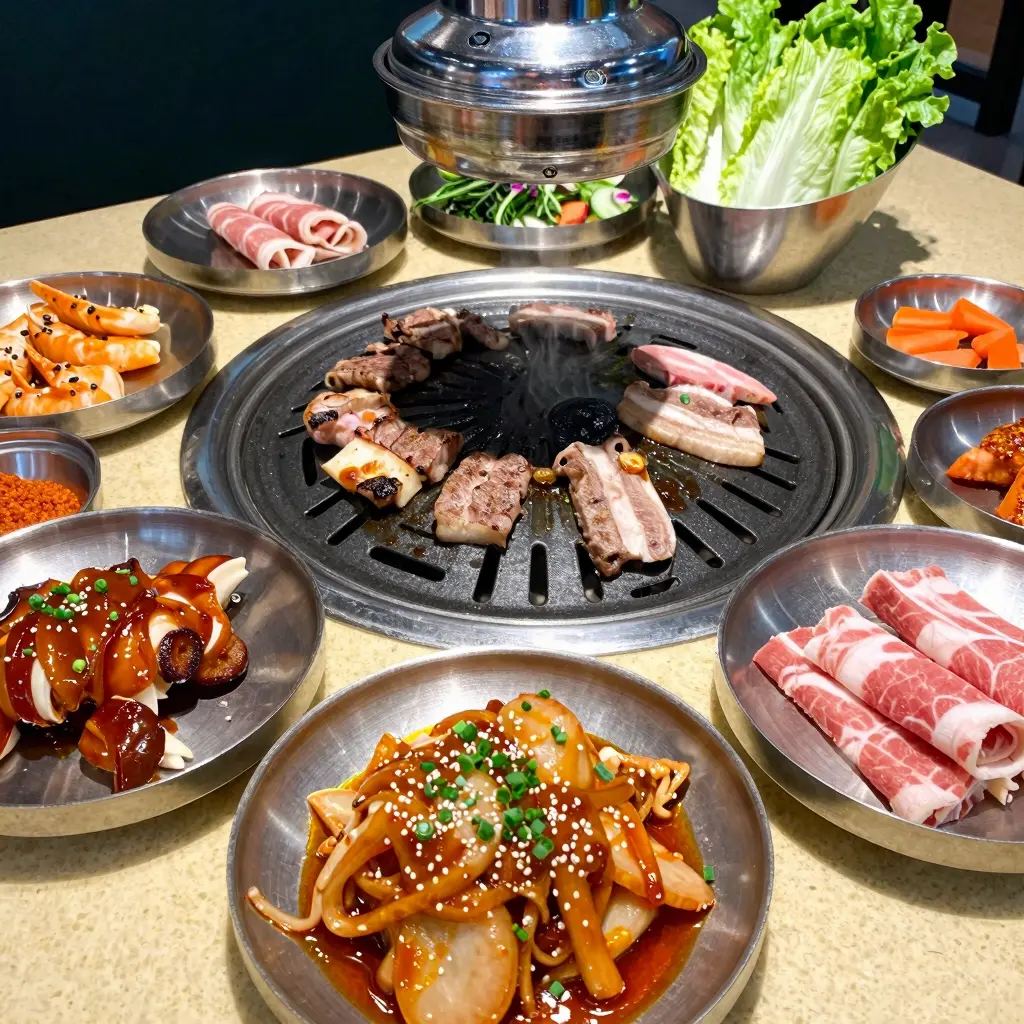
Exploring the Flavorful World of Korean BBQ and Calorie Counting
Korean BBQ has taken the culinary world by storm, offering diners an immersive experience where they can grill their favorite meats right at the table. This dining trend isn’t just about delicious flavors; it’s also becoming a lucrative venture for many business owners. As the popularity of Korean BBQ restaurants grows, so does the importance of understanding calorie content for health-conscious consumers. For restaurateurs, tracking the nutritional aspects of their offerings can be a game changer in catering to customer preferences and enhancing business viability. In a world where diners are increasingly aware of their dietary choices, integrating calorie counting into your menu could attract a diverse clientele seeking both enjoyment and accountability. So, whether you’re considering a new venture or looking to refine your existing menu, understanding the calorie dynamics of Korean BBQ could be the key to unlocking your restaurant’s success. Learn more about our menu offerings and explore how delicious grilling meets mindful eating in your establishment!
Korean BBQ is a delightful experience that offers a variety of dishes, each with unique flavors and calorie contents. Below are some popular dishes commonly found in Korean BBQ along with their average calorie counts:
- Samgyeopsal (Grilled Pork Belly): Approximately 350 kcal per 100g
- Bulgogi (Grilled Marinated Beef): About 154 kcal per 100g
- Galbi (Grilled Short Ribs): Roughly 154 kcal per 100g
- Grilled Chicken (Dak Galbi): Approximately 180 kcal per 100g
- Grilled Fish: About 267 kcal per 100g
- Pork Trotters (Jokbal): Exceeds 350 kcal due to high fat content
These calorie counts give business owners insight into menu planning. For more information on menu options, check out our Korean BBQ menu.
Also, explore the variety of choices in our all-you-can-eat option for a comprehensive dining experience.
Calorie Considerations in Korean BBQ
Understanding calorie counts is crucial for business owners in the food and beverage industry, especially those running establishments like Korean BBQ restaurants. This awareness not only helps in menu planning but also plays a pivotal role in influencing customer choices.
Customer Awareness and Choices
In today’s health-conscious market, more diners are paying attention to the nutritional values of their meals. Research indicates that calorie labeling significantly impacts consumer behavior, leading them to select lower-calorie options. This shift can be advantageous, as customers increasingly look for healthier dining choices. For instance, by offering transparent nutrition information, businesses can promote lighter dishes alongside traditional favorites, catering to varied dietary preferences. This approach can also enhance customer satisfaction and loyalty, as it builds a reputation for caring about patrons’ health.
Business Benefits
Moreover, implementing clear calorie counts can provide a competitive edge. According to the Harvard T.H. Chan School of Public Health, restaurants that display calorie information tend to enjoy increased repeat visits. By validating this transparency, business owners minimize legal risks associated with mislabeling and enhance brand credibility. Furthermore, it allows for strategic menu development, enabling the promotion of healthier items that can justify pricier menu options.
Conclusion
In conclusion, embracing calorie awareness in menu offerings not only positions Korean BBQ restaurants to meet the evolving demands of health-conscious diners but also aligns them with public health trends. Business owners who prioritize calorie transparency can foster customer loyalty and cultivate a positive brand image, ultimately leading to sustained success.
It is essential for restaurant owners to stay informed about nutritional labeling compliance, especially for chain establishments, as per the guidelines set by the FDA.
Calorie Comparison of Popular Korean BBQ Items
When considering the delicious offerings at a Korean BBQ, it’s important for both business owners and patrons to understand the caloric content of various items on the menu. Here’s a comparison table of common Korean BBQ foods, including meats, side dishes, and sauces:
| Item | Serving Size | Calories | Source |
|---|---|---|---|
| Korean BBQ Beef (Grilled) | 3 oz (85g) | 190-200 | MyFitnessPal |
| Street Kitchen Korean BBQ Beef | ¼ cup (70g) | 70 | Eat This Much |
| Korean BBQ Sauce | 2 tablespoons (30g) | 30 | Eat This Much |
| Kimchi | 1 cup (170g) | 40 | USDA FoodData Central |
| Steamed White Rice | 1 cup (195g) | 240 | USDA FoodData Central |
Understanding the calorie counts of these items can help in menu planning and setting expectations for customers. For more insights and menu options, check out our Korean BBQ and sushi menu.
Health-Conscious Dining Trends
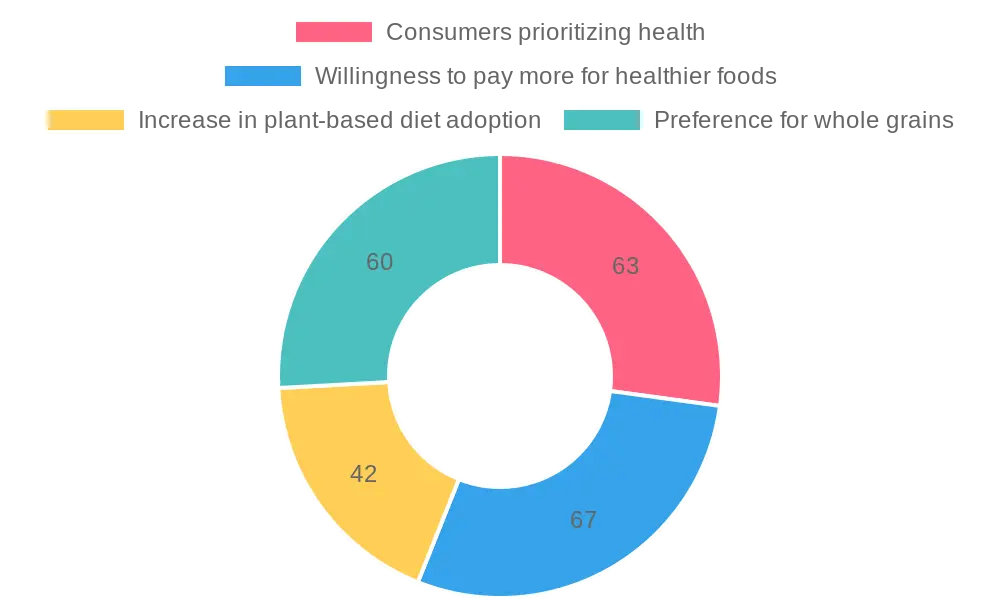
The trend towards health-conscious dining has been steadily gaining traction among consumers. According to recent findings, 63% of global consumers consider mental wellbeing as integral to their health focus. This statistic underscores a growing awareness around nutrition and dietary choices that impact overall wellness. Additionally, 67% of U.S. consumers are willing to spend more on healthier food options, reflecting a shift in purchasing behavior towards nutrition-focused products. Furthermore, the number of consumers adopting plant-based diets has risen significantly, with 42% indicating they now eat fewer animal products than in previous years.
This evolving mindset has also affected the dining industry, with an emphasis on transparency and the nutritional quality of menu items. The increasing preference for whole grains and vegetables over refined options is evident, marked by a 60% increase in menu items featuring whole grains since 2019. These trends serve as critical indicators for restaurant owners to consider when evaluating menu offerings.
Korean BBQ: A Healthier Choice
Korean BBQ aligns well with these health-conscious dining trends. While traditional BBQ styles may often contain higher fat meats and sugary sauces, Korean BBQ offers a variety of leaner meats, such as beef short ribs, bulgogi, and grilled vegetables. A typical serving of Korean BBQ ranges from 400 to 600 calories, which is generally lower compared to the 500 to 800+ calories found in traditional BBQ styles. The meal’s structure encourages moderation, as portions are typically smaller and served alongside multiple sides known as banchan, which include kimchi, pickled vegetables, and fermented soybean paste. This allows diners to create balanced meals that are lower in calories while still providing satisfying flavors and textures.
Research indicates that meals at Korean BBQ establishments often feature healthier cooking methods, utilizing grilling over direct heat without unnecessary oils. Many sauces, such as gochujang, are made from fermented ingredients, adding depth of flavor without excessive calories. For business owners, incorporating items with lower calorie options not only meets customer demands for healthy dining but also positions the restaurant as a leader in health-oriented cuisine.
Ultimately, as the demand for health-conscious options surges, restaurant concepts that adapt to these preferences are more likely to thrive. Embracing the unique offerings of Korean BBQ could attract health-focused diners and capitalize on the ongoing trend towards healthier eating and sustainable food practices.
Learn more about our menu offerings.
Scientific Studies on Calorie Consumption and Dining Out
Recent studies have examined the impact of dining out on calorie consumption and the perceived health benefits of grilled foods. Here’s a summary of significant findings:
-
Eating Out and Higher Caloric Intake
A comprehensive review published in the PubMed Central (PMC) highlights that frequent dining out is significantly associated with increased daily energy intake. Meals consumed at restaurants, including grilled items, often contain higher levels of calories, fats, and sodium compared to home-cooked meals. The review indicates that this trend may contribute to the rise in obesity and other chronic health issues. (Read more) -
Calorie Differences Between Fast Food and Home-Cooked Meals
A research study published on Healthline found that, regardless of cuisine, restaurant meals average much higher calorie counts than those prepared at home. For instance, a typical fast-food meal may exceed 800 calories, while a similar home-cooked meal usually ranges between 400-600 calories. Although grilled foods can be healthier options, they are often served with high-calorie sauces or sides, driving up total caloric intake. (Learn more) -
Dietary Quality Among Restaurant Diners
Research in the American Journal of Clinical Nutrition noted that individuals consuming grilled proteins at restaurants generally exhibit better dietary quality than fast food eaters. However, they still tend to consume excess calories and saturated fats, mainly due to high-fat marinades and rich side dishes typically offered alongside grilled meals. (Explore the study)
These findings underscore the importance for business owners in the food sector to consider the health implications of menu offerings and the composition of meals served, particularly in all-you-can-eat settings.
Tips for Managing Calorie Intake at Korean BBQs
Running a Korean BBQ restaurant can be challenging, especially when catering to health-conscious customers. Here are some actionable tips for managing calorie intake during BBQ events:
1. Offer Lean Proteins
Encourage customers to opt for leaner cuts of meat like grilled chicken breast or seafood options such as shrimp and fish. These choices typically have lower calorie counts compared to fatty options like pork belly and beef short ribs, which can have up to 400 calories per serving. For example:
- Grilled Chicken Breast: about 165 kcal per 100g
- Grilled Pork Belly: can exceed 460 kcal per 100g (Harvard T.H. Chan School of Public Health)
2. Promote Vegetable Options
Encourage plating half-filled with grilled or fresh vegetables like zucchini, bell peppers, and mushrooms. These not only add volume but also health benefits with minimal calories, often ranging around 25-50 calories per serving.
3. Portion Control
Implement strategies for portion control by providing smaller plates or offering pre-portioned servings so customers can enjoy various dishes without overeating. Encourage sharing plates to allow more tasting without excessive intake.
4. Healthier Side Dishes
Advise patrons on healthier sides. Instead of high-calorie starches, promote lighter options. For instance, kimchi has only about 20 calories per half-cup, while steamed rice can rack up 200 calories (Healthline).
5. Beverage Choices
Suggest low-calorie beverage options such as water or herbal teas instead of sugary sodas. This can significantly reduce overall calorie consumption during meals.
Nutrition Insights on Calories in Korean BBQ
Understanding the calorie content in grilled meats, particularly in Korean BBQ, is crucial for effective weight management. As one nutrition expert states:
“While Korean BBQ offers high-quality protein and essential nutrients like iron and B vitamins, portion sizes and side dishes can significantly increase total caloric intake. It’s important to focus on lean cuts and control portion sizes to maintain a balanced diet.” – Healthline
This perspective emphasizes how both consumers and businesses must be aware of the nutritional impact of their menu offerings. Offering options like smaller portions of lean meats and healthier sides can cater to health-conscious consumers while still providing a delicious dining experience.
Conclusion
In today’s health-conscious market, Korean BBQ business owners must prioritize the awareness of calorie counts in their offerings. Not only does providing transparent nutrition information help establish trust with customers, but it also meets growing regulatory demands for nutrition labeling in restaurants. As noted in multiple studies, such as those conducted by the Journal of the American Medical Association and Restaurant Business Online, displaying calorie counts can significantly influence customer choices, leading to lower average calorie orders and healthier dining habits.
For business owners, this isn’t just about compliance; it’s a strategic opportunity to enhance menu innovation while appealing to health-focused consumers. Leveraging calorie counts can elevate your brand and attract a more diverse clientele. If you’re looking for support and guidance as you integrate this crucial information into your business strategies, feel free to contact us at Kogi Korean BBQ. We’re here to help you navigate this essential aspect of your menu planning!