
Introduction
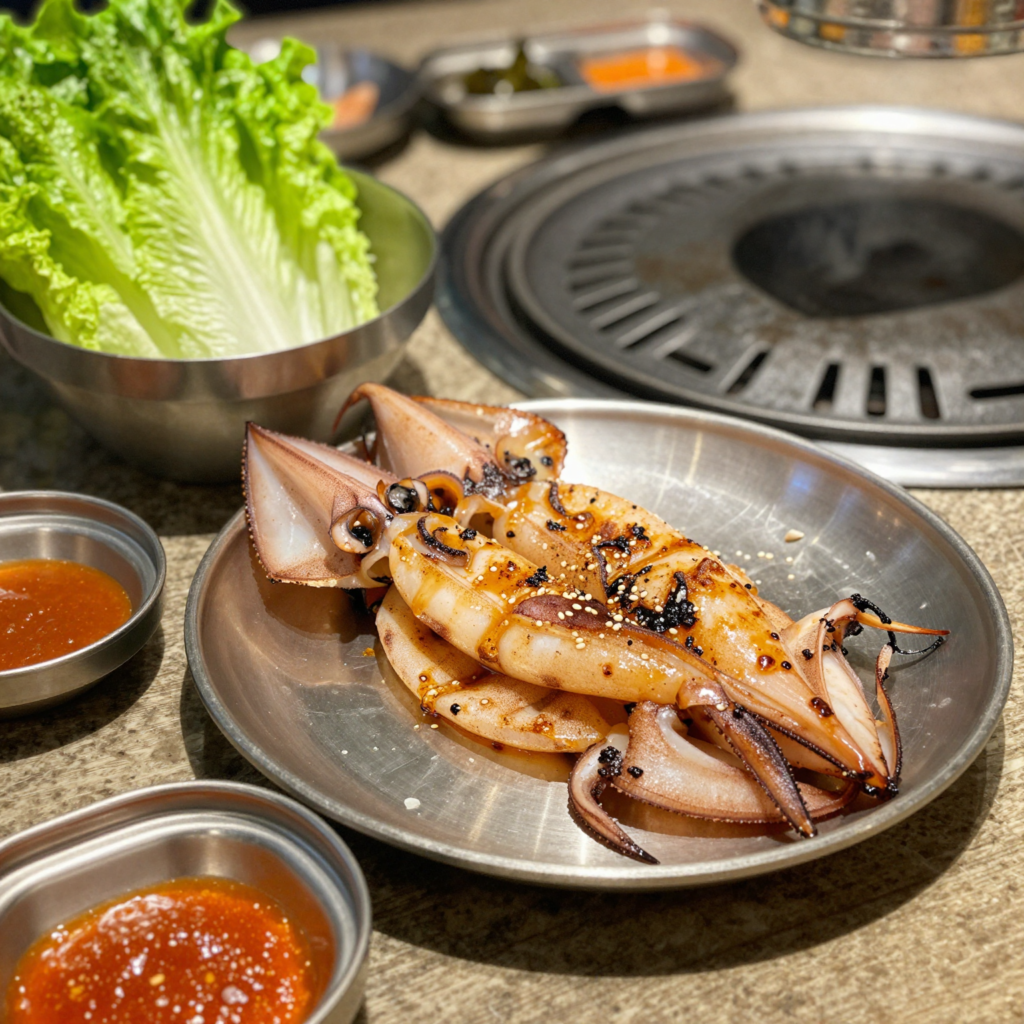
Cooking squid for Korean BBQ has become a beloved culinary trend, captivating food enthusiasts all around the globe. Whether you are a seasoned chef or a restaurant owner looking to enhance your menu, knowing how long to cook squid for Korean BBQ can be a game-changer. Squid is not just a tasty seafood option; it offers a delightful texture and absorbs the rich flavors of the marinades commonly used in Korean barbecue. Its quick cooking time makes it ideal for grilling, creating a perfect harmony between the searing heat of the grill and the tender nature of the squid. Imagine the bliss of biting into perfectly cooked squid, slightly charred on the outside while remaining succulent inside, paired with an array of dipping sauces-there’s no wonder it’s become a star on many Korean BBQ tables.
Moreover, as more people discover the joy of grilling their food right at the table, cooking squid is not only appealing to the palate but also adds an interactive element that fosters a lively dining experience. To help you master this delightful dish, we will dive into the key techniques, tips, and timing necessary to make your squid the highlight of the evening. Get ready to impress your guests and satisfy their cravings with delicious squid, grilled to perfection!
Popular Squid Dishes in Korean Cuisine
Korean cuisine features a variety of delicious squid dishes, celebrating the natural flavor and texture of this seafood. Here are some popular squid dishes that highlight the importance of proper cooking, especially in Korean BBQ:
- Ojingeo Bokkeum: Stir-fried squid with vegetables and spicy gochujang sauce. This dish is quick to prepare, requiring careful timing to avoid overcooking the squid.
- Ojingeo Suyuk: Boiled squid served with dipping sauces. Proper cooking ensures tender squid that maintains its flavor.
- Squid Jeon: Savory pancakes made with squid and vegetables, pan-fried until crispy. Timing is crucial for achieving a golden-brown crust without toughening the squid.
- Grilled Squid: Marinated and grilled whole squid, often served with a spicy dipping sauce. Maintaining the right cooking time ensures a juicy, flavorful result.
- Ojingeo-guk: Squid soup that highlights the squid’s flavor in a light broth. Quick cooking prevents the squid from becoming rubbery.
Understanding the specific cooking times for these squid recipes is essential for delivering delicious Korean dishes. Learn more about our menu and discover unique ways to incorporate squid into your offerings.
Types of Squid Used in Korean BBQ
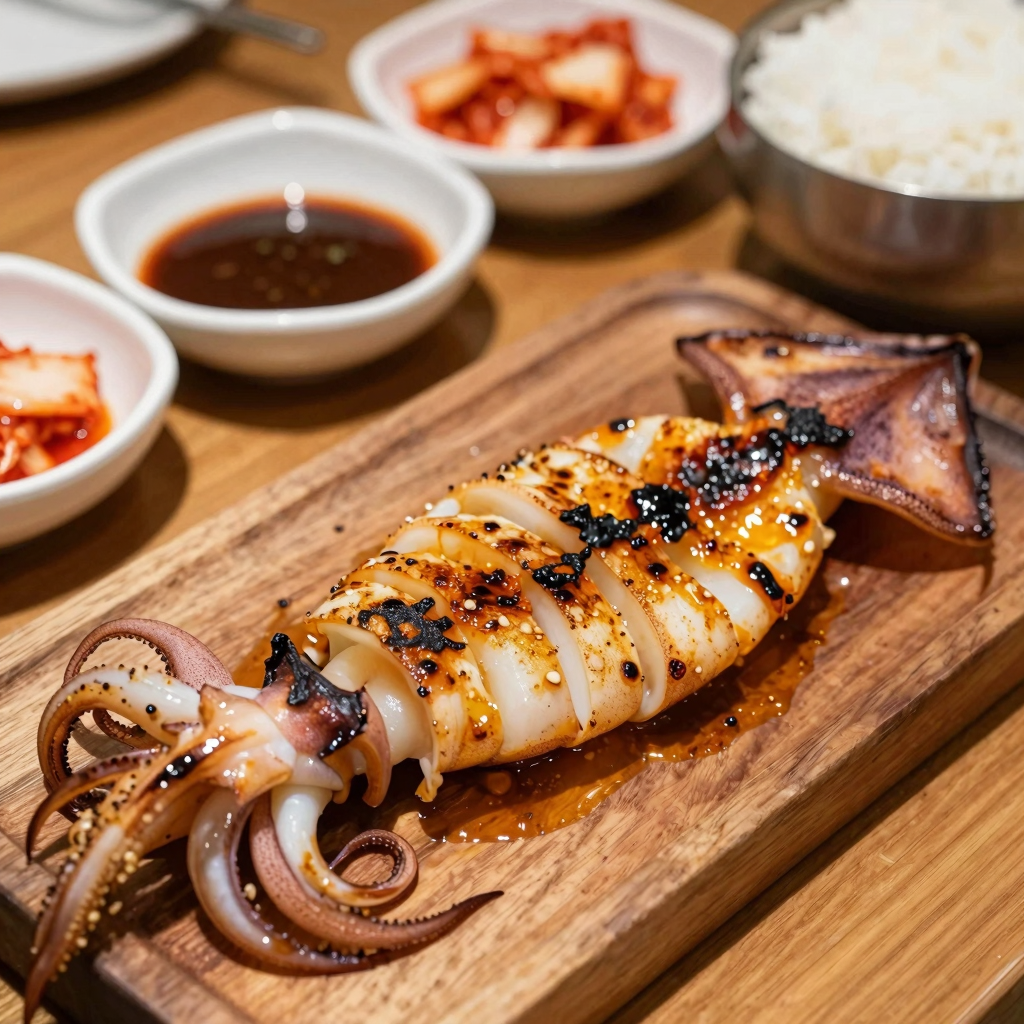
Korean BBQ enthusiasts often enjoy a variety of squids, each bringing distinct characteristics and textures to their dishes. The most commonly used types include the Giant Squid (Loligo pealeii), Common Squid (Loligo vulgaris), and Japanese Flying Squid (Todarodes pacificus).
1. Giant Squid (Loligo pealeii)
The Giant Squid is known for its large size and tender texture, making it a favorite in Korean BBQ. Its meat is slightly sweet and maintains moisture even when grilled at high temperatures. The unique flavor profile enhances the taste of marinades, especially spicy ones typical in Korean cuisine. This squid is usually cut into rings or strips, perfect for quick grilling.
2. Common Squid (Loligo vulgaris)
Widely available in markets, the Common Squid is appreciated for its firm texture and mild taste. It holds up well to the grilling process, providing a delightful chewiness that complements vegetables and dipping sauces served at a Korean BBQ. This squid is often served with gochujang mixed with sesame oil to enhance its natural flavors.
3. Japanese Flying Squid (Todarodes pacificus)
Known for its slightly more delicate meat, the Japanese Flying Squid is another popular choice. It is notably tender and can be quickly cooked to preserve its juiciness. This squid is often split open and grilled whole, allowing the rich flavors of the sea to shine through. Restaurants frequently use this squid in premium dishes, appealing to diners who seek an authentic taste.
Nutritional Highlights
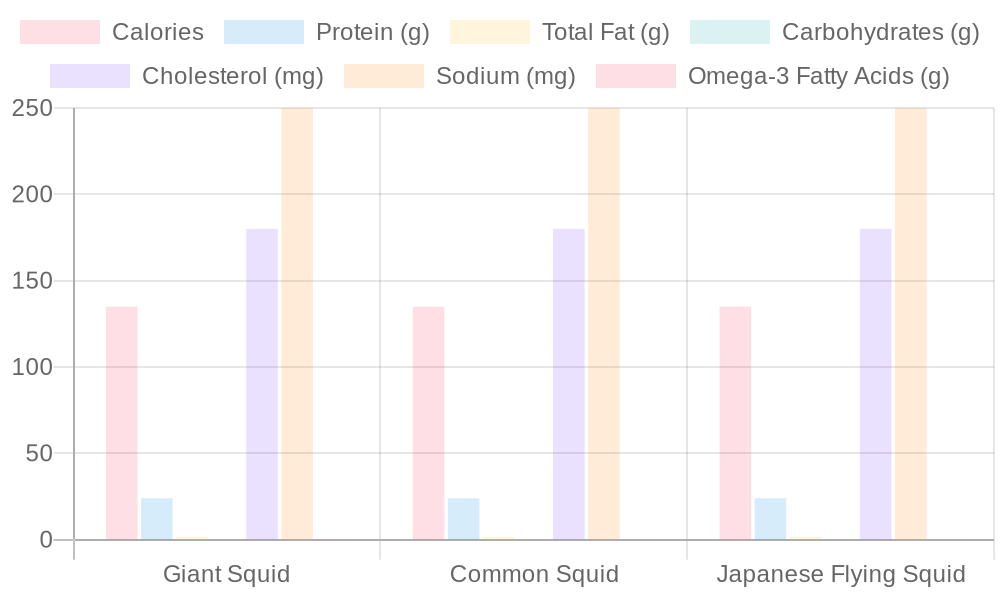
These squids are not only delicious but also nutritious. They generally contain around 24g of protein and 1.5g of fat per 100g when cooked, contributing to a healthy diet. The presence of omega-3 fatty acids aids in heart health, making squid a beneficial option for health-conscious diners.
For a deeper dive into Korean BBQ offerings, check out our Korean BBQ and Sushi Menu or explore our All-You-Can-Eat Korean BBQ Options.
Optimal Cooking Times for Squid
When it comes to preparing squid, especially for Korean BBQ, understanding the optimal cooking times for different methods is essential to ensure that the dish is tender and flavorful. Squid can be grilled, fried, or boiled, and each technique yields a distinct texture and taste.
Grilling Squid
Grilling squid is a popular method in Korean BBQ. The optimal cooking time for grilled squid is approximately 2 minutes per side. To achieve the best results:
- Preparation: Clean and marinate your squid before grilling for enhanced flavor.
- Cooking: Place squid over direct heat and cover it with a lid for even cooking. Flip it once halfway through to achieve a perfect char without overcooking.
Key Tip: Remove the squid from heat once it turns opaque and has a slight elasticity; overcooking can result in tough and rubbery squid. You can find more detailed guidance on the Kogi Korean BBQ menu.
Frying Squid
Fried squid offers a delightful crunch and is typically prepared in the form of rings or strips. The frying time should not exceed 1 to 2 minutes. The process is straightforward:
- Preparation: Dredge squid in a light batter or seasoned flour.
- Cooking: Heat oil to a high temperature (around 350°F or 180°C) to achieve crispy skin. Cook in small batches to maintain oil temperature and ensure even cooking.
Key Tip: Keep a close eye on the frying process to avoid toughening the squid due to prolonged cooking. For expert frying techniques, refer to Serious Eats.
Boiling Squid
Boiling is another effective way to prepare squid, especially for use in salads or traditional soups. The optimal boiling time ranges from 5 to 7 minutes. Consider the following tips:
- Preparation: Make sure to clean the squid thoroughly and possibly slice it into rings.
- Cooking: Bring a pot of salted water to a rolling boil, then add the squid. Cook until just tender, checking occasionally, as overcooking can lead to a rubbery texture.
Key Tip: Boiling not only cooks the squid but also helps preserve its natural flavors. It’s an integral part of traditional recipes; many enjoy it in hot pots as seen in Korean cuisine.
Summary Table
| Cooking Method | Optimal Cooking Time (minutes) |
|---|---|
| Grilling | 2 |
| Frying | 1-2 |
| Boiling | 5-7 |
Cooking squid can be simple yet offers a variety of flavors and textures depending on the method used. Mastering these cooking times will ensure that each dish not only meets the culinary standards but also delights your customers’ palates.
Cooking Times for Different Squid Species in Korean BBQ
When it comes to Korean BBQ, the cooking time for squid can vary significantly based on the species. Here’s a comparison of common squid species used in Korean BBQ, along with their recommended cooking times:
| Squid Species | Average Cooking Time (minutes) | Description |
|---|---|---|
| Japanese Flying Squid (Todarodes pacificus) | 2 – 3 | Known for its tender texture and mild flavor, perfect for quick grilling. |
| Shortfin Squid (Loligo pealeii) | 2 – 3 | Popular for its sweet taste and retains juiciness when cooked fast. |
| European Squid (Loligo vulgaris) | 3 – 4 | Slightly thicker, requiring a bit more time to achieve tenderness. |
Tips for Cooking Squid for Korean BBQ
- High Heat: Squid should be cooked on high heat to ensure quick cooking while retaining moisture.
- Keep it Moving: Continuously turn the squid during cooking to prevent overcooking and achieve an even texture.
- Watch for Curling: Squid is ready when it curls and turns golden in color, indicating it’s been cooked through without becoming rubbery.
For more about Korean BBQ specialties, check out our Korea BBQ and Sushi Menu for delightful options to pair with your squid dishes!
Common Mistakes When Cooking Squid
Cooking squid can be daunting for many, especially for those new to seafood culinary techniques. To help ensure excellent results, we can learn from common pitfalls; here are some of the most frequent mistakes individuals make and how to avoid them.
1. Overcooking
One of the biggest mistakes when cooking squid is overcooking, which can result in an unpleasant rubbery texture. Experts recommend cooking squid very quickly at high heat for about 30-60 seconds on each side, or longer for a slow braise. For instance, grilling squid for just a minute ensures it stays tender.
2. Improper Cleaning
Many overlook the crucial step of properly cleaning squid. Neglecting to remove the innards and ink sacs not only affects the flavor but may also present a visual mess on the plate. Always clean squid by removing its head, quill (the hard inner rod), and gut before cooking. This will leave you with pure, delicious squid ready for cooking.
3. Wrong Cooking Method
Using the wrong cooking technique can lead to disappointing outcomes. For instance, if you’re looking for a crispy texture, avoid simmering as a primary method. Instead, explore fast-cooking methods like sizzling or searing. Alternatively, if tenderness is desired, opt for slow cooking methods such as braising in savory sauces.
4. Using Dull Equipment
Using dull knives may complicate the cleaning process, affecting the squid’s presentation and ease of cooking. Make sure your kitchen tools are sharp and suited for seafood preparation to handle squid efficiently.
5. Marinating Too Long
While marinating can enhance flavor, marinating squid for too long-especially in acidic ingredients-can break down its texture. Experts suggest a short marination of about 15-30 minutes.
Additional Tips:
- Buy Fresh: Always opt for fresh squid rather than frozen when possible. Frozen squid should be cooked immediately after thawing for the best results.
- Avoid Overhandling: Once squid is cleaned and prepped, avoid overhandling. Excessive pressure can lead to undesirable toughness.
By understanding these common mistakes, you can significantly improve your squid dishes and surprise your clients with perfectly cooked seafood. For a comprehensive guide to enhancing your menu options, check out our detailed Korean BBQ and Sushi Menu to learn about different delicacies to include in your services.
Common Mistakes in Cooking Squid for Korean BBQ
One common mistake when cooking squid is overcooking it, which can lead to a rubbery texture. Instead, it should be grilled quickly over high heat to preserve its delicate qualities. To shed light on the importance of squid in Korean BBQ, Chef Min-Ji Park, a renowned culinary expert, states:
“The way you prepare squid-whether grilling it quickly over high heat or marinating it with gochujang and sesame oil-demonstrates a chef’s mastery. Its delicate texture and ability to absorb bold flavors make it essential for elevating the entire dining experience.”
Source: Korean Food Magazine
Incorporating squid properly can enhance the overall flavor and artistry of your Korean BBQ offerings. To learn more about creating the perfect dining experience at your establishment, check out Kogi Korean BBQ Menu.
Conclusion
In conclusion, understanding the proper cooking times for squid in Korean BBQ is crucial for achieving the perfect balance of texture and flavor. As we explored, squid can become tough and chewy if overcooked, while undercooking it may pose health risks. The right cooking time generally ranges from 2 to 3 minutes on high heat, ensuring that the squid retains its natural tenderness and flavor.
For business owners looking to elevate their Korean BBQ offerings, mastering this technique can significantly enhance customer satisfaction. Providing perfectly cooked squid can set your establishment apart and create memorable dining experiences for your customers.
Moreover, the importance of high-quality ingredients cannot be overstated. Ensure that you source fresh, high-grade squid to complement your cooking technique, making it more likely that customers will return for more.
If you’re seeking to learn more about enhancing your Korean BBQ menu, consider reviewing our detailed Korean BBQ and Sushi Menu, which provides additional insights into pairing choices and ingredient guides.
Furthermore, we encourage you to contact us at Kogi Korean BBQ for any support or inquiries related to your cooking techniques or menu enhancements. Our team is dedicated to helping you succeed in your culinary endeavors. Let’s work together to elevate your BBQ business!
By perfecting the art of cooking squid, you not only satisfy your customers but also solidify your reputation in the vibrant world of Korean BBQ. If you have any questions or would like more personalized assistance, please do not hesitate to reach out. We are here to help you succeed at Kogi Korean BBQ!
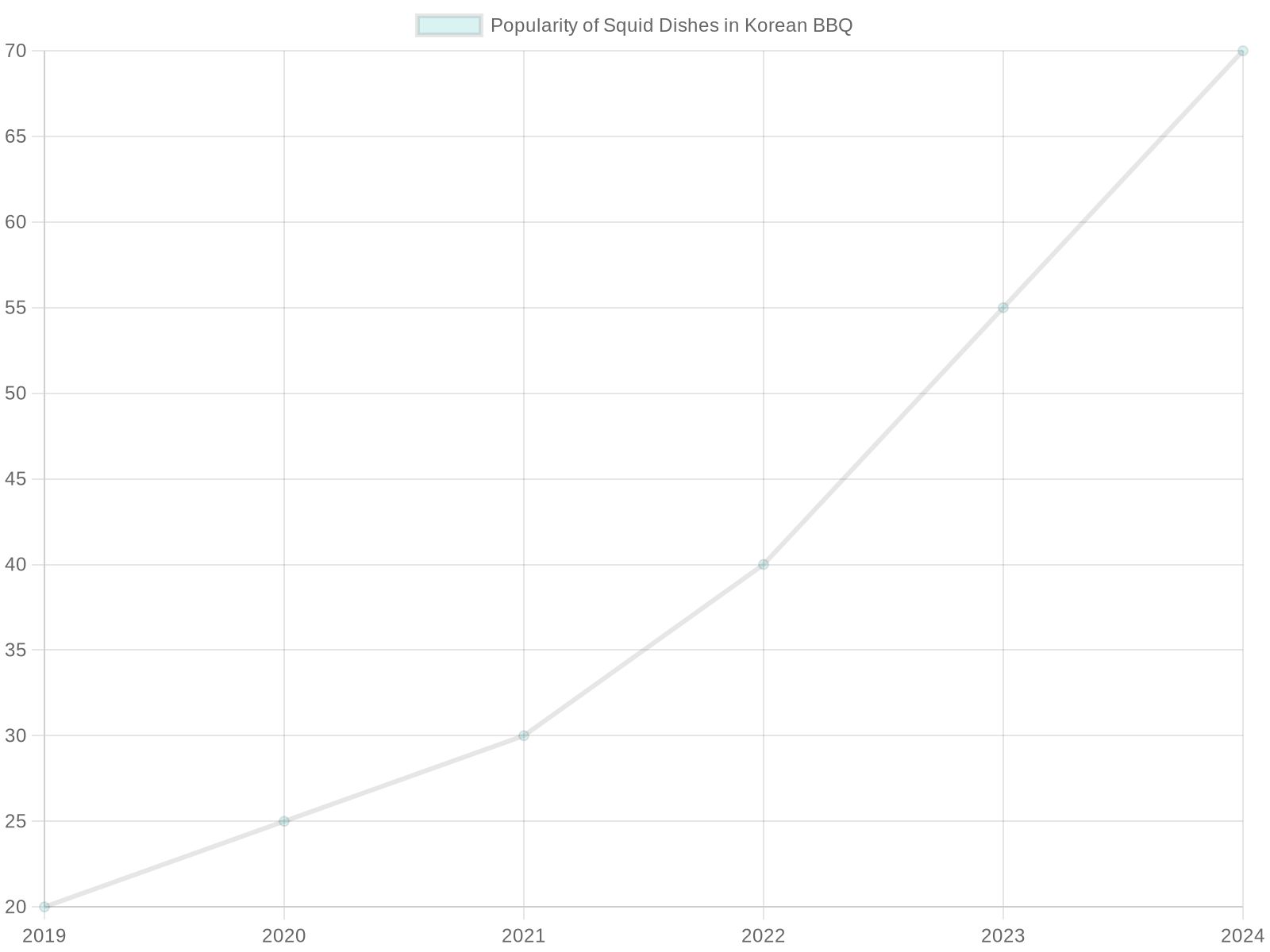
The chart above illustrates the rise in popularity of squid dishes within Korean BBQ settings from 2019 through 2024. As consumer preferences have evolved, reflected in the increasing demand for seafood options, squid dishes have gained notable traction in both restaurants and home cooking. Your Korean BBQ establishment can capitalize on this growing trend by integrating squid dishes into your menu, appealing to health-conscious consumers seeking lighter meal options.