
The Rise of Korean BBQ at Home
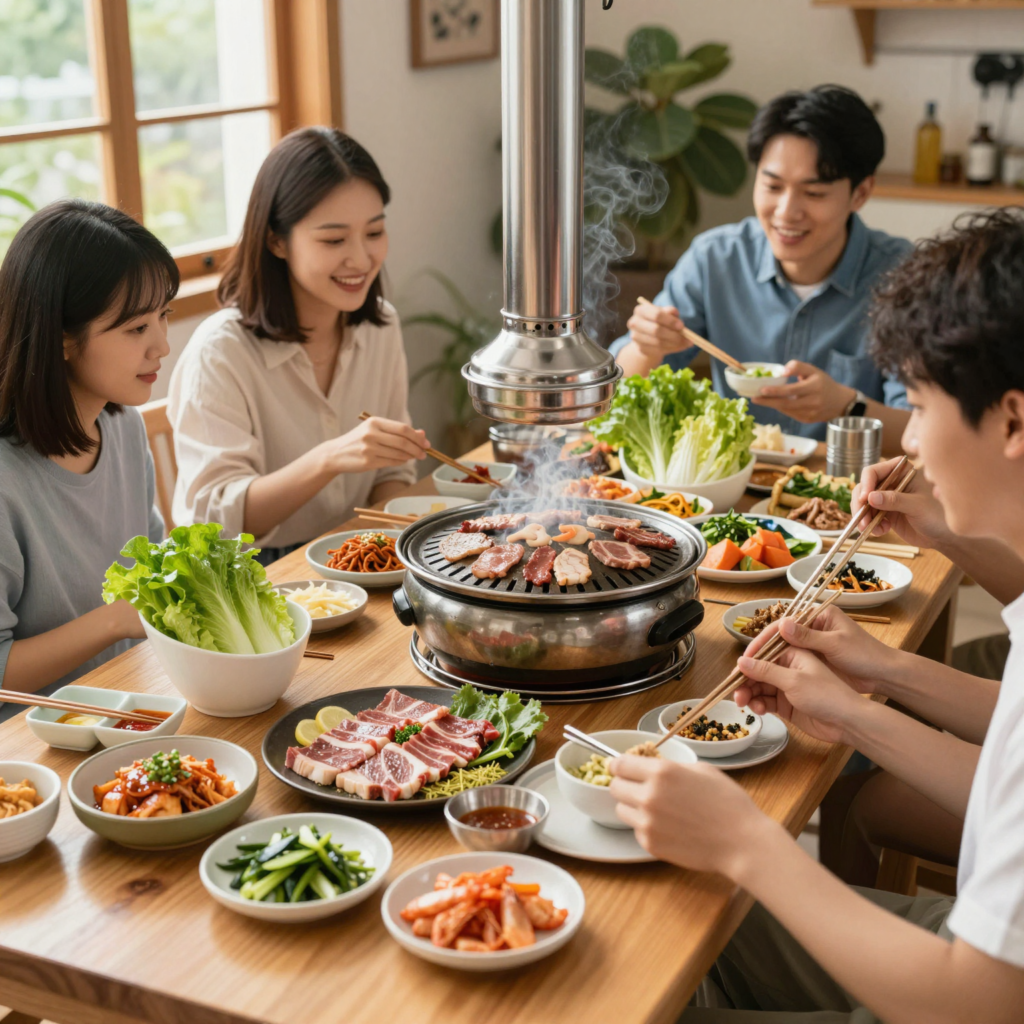
In recent years, Korean BBQ has been making its mark as a culinary favorite, especially among business owners keen to enhance both their cooking skills and client engagements. This interactive dining experience, traditionally enjoyed at bustling restaurants, has now transitioned into home kitchens, offering a delightful, hands-on approach to food. The appeal lies not just in the sizzling meats and vibrant side dishes but also in the versatility it provides. Whether it’s an intimate dinner with potential clients or a lively gathering with colleagues, cooking Korean BBQ yourself allows you to control flavors and presentation while fostering a sense of community around the grill. Plus, it’s a unique way to impress guests and create memorable experiences. As we explore the art of Korean BBQ at home, you’ll discover the myriad of benefits and techniques that make this culinary journey both exciting and accessible. To delve deeper into this trend, check out our all-you-can-eat Korean BBQ options and learn how to elevate your next gathering with authentic flavors.
The Benefits of Cooking Korean BBQ at Home
Korean BBQ has gained popularity worldwide, not just in restaurants but also as an enjoyable home-cooking experience. Here are some compelling reasons for business owners to consider cooking Korean BBQ at home:
Cost-Effectiveness
One of the primary benefits of cooking Korean BBQ at home is its cost-effectiveness. According to a recent article on The Spruce Eats, cooking at home can reduce meal costs by over 60% compared to dining out. By purchasing the ingredients directly from the market, you can save significantly while still enjoying high-quality meats, vegetables, and sauces.
Customization
Korean BBQ allows for an incredible level of customization. You can select various types of meat such as beef, pork, or chicken, and offer a range of marinades and side dishes that cater to dietary preferences. This ability to tailor the meal means that business owners can impress clients with food that matches their tastes, providing a unique dining experience that fosters connection and satisfaction. Customization also helps in creating an inclusive atmosphere that resonates well with diverse groups, making it perfect for client meetings or casual gatherings.
Unique Dining Experience
Korean BBQ fosters an interactive dining experience. Guests grill their own meat at the table, making the meal not just about eating but also about the social interaction that comes with it. As highlighted in the Forbes guide to hosting, this unique format enhances engagement among guests, leading to memorable interactions that can strengthen business relationships. This rich format allows for a blend of entertainment and food, making meetings far more enjoyable.
In conclusion, cooking Korean BBQ at home offers a multitude of benefits, including cost savings, customization possibilities, and a unique dining experience perfect for business entertaining. It’s an investment in both financial savings and relationship-building.
Step-by-Step Guide to Preparing Korean BBQ at Home
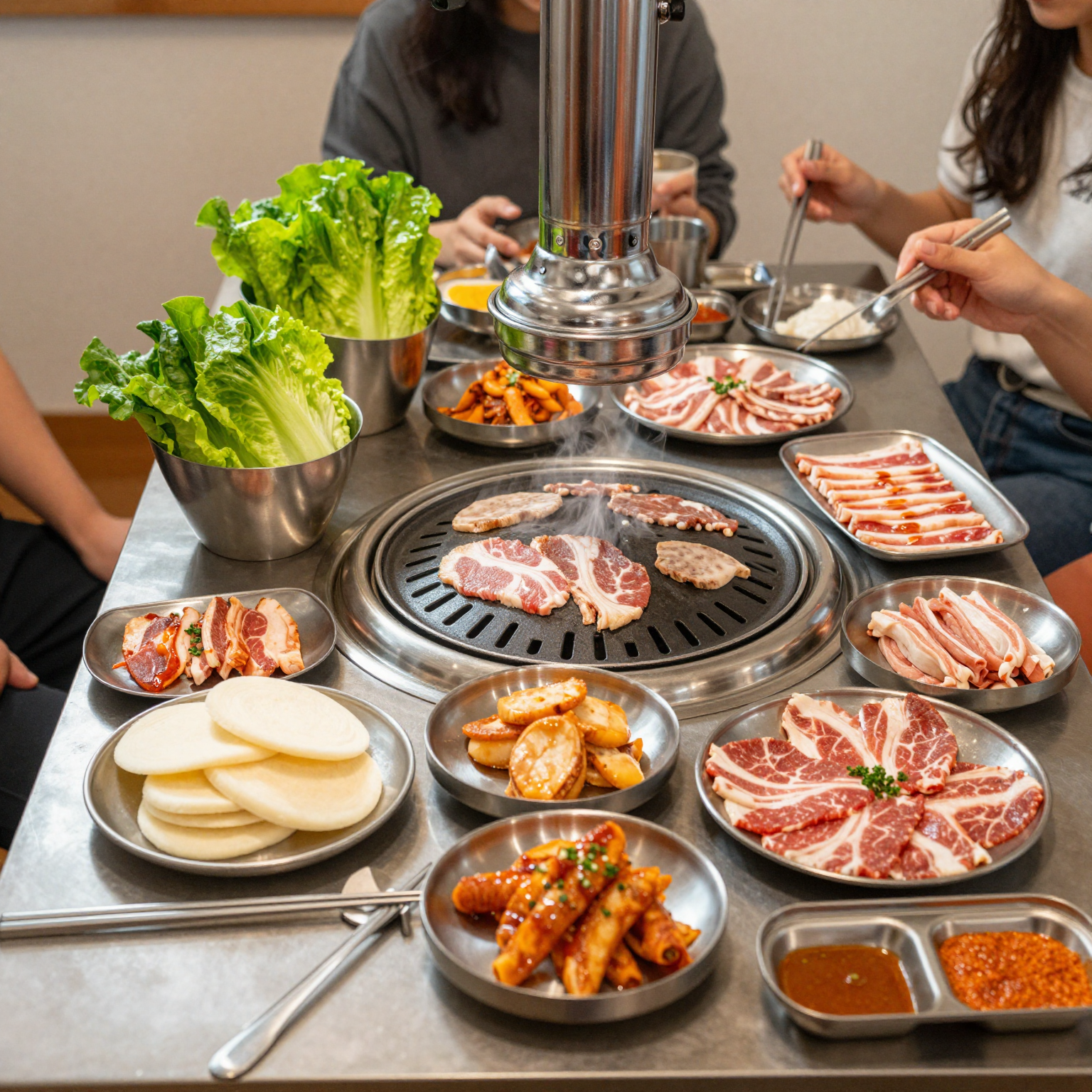
Korean BBQ is not just a meal; it is an experience that embodies togetherness and shared flavors. With the right ingredients, tools, and preparation methods, you can create an authentic Korean BBQ experience at home.
Essential Ingredients
To ensure a successful Korean BBQ, gather the following ingredients:
-
Marinated Meats:
-
Beef ribeye (galbi)
-
Pork belly (samgyeopsal)
-
Bulogi-style beef (thinly sliced)
-
Marinade Components:
-
Soy sauce
-
Pear juice (for tenderness)
-
Sesame oil
-
Garlic
-
Sugar
-
Gochujang (Korean chili paste)
-
Banchan (Side Dishes):
-
Kimchi
-
Pickled radish
-
Seasoned spinach
-
Lettuce leaves for wrapping
-
Dipping Sauces:
-
Ssamjang (thicker, spicier paste)
-
Gochujang mixed with sesame oil
This outline covers the core components you will need. For more details on Korean BBQ elements, check this guide.
Tools Required
The following tools will make your Korean BBQ preparation seamless:
-
Grill Options:
-
Tabletop electric grill or portable charcoal grill
-
Non-stick griddle or skillet
-
Cooking Utensils:
-
Long-handled tongs for flipping the meat
-
Meat fork for lifting and turning
-
Grill spatula and brush for oils
-
Serving Tools:
-
Serving dishes for banchan
-
Small dipping bowls
These tools will enhance your BBQ experience and help maintain a safe cooking environment. For a more detailed list of essential tools, refer to this toolkit setup.
Preparation Method
- Marinate the Meats:
- Combine soy sauce, pear juice, sesame oil, minced garlic, and sugar in a bowl.
- Add your meat and make sure it is well-coated.
- Let it marinate in the refrigerator for at least 4 hours, preferably overnight for maximum flavor.
- Set Up Your Cooking Area:
- Ensure your grill or stovetop pan is clean and preheated to medium-high heat.
- Lay out your marinated meats, banchan, and sauces for easy access.
- Cooking the Meat:
- Place the marinated meat on the grill and cook for 1-2 minutes on each side until slightly charred but juicy.
- Use the tongs to flip the meat and ensure even cooking.
- Assembly and Enjoyment:
- Use lettuce leaves to wrap the grilled meat together with slices of garlic and a dollop of ssamjang or gochujang.
- Enjoy the flavorful bites with the various banchan to enhance the experience.
Remember, the heart of Korean BBQ lies in the communal dining experience, so encourage your guests to participate in the cooking process. Feel free to explore more Korean BBQ recipes and ideas to get inspired!
Korean BBQ is a wonderful way to bond with family and friends while savoring delicious, grilled flavors. By following this guide, you’ll be well on your way to hosting a delightful Korean BBQ gathering at home.
| Meat Type | Description | Ideal Preparation Method |
|---|---|---|
| Beef Ribeye | Tender and well-marbled, excellent for grilling. | Marinated in sweet soy sauce with sesame oil before grilling. |
| Beef Brisket | Rich and flavorful cut, popular in Korean BBQ. | Marinated for a few hours in soy sauce, pear juice, and sugar. |
| Galbi (Short Ribs) | Meaty and juicy, often marinated in a sweet sauce. | Cooked quickly on high heat to retain tenderness. |
| Bulgogi (Sirloin) | Thinly sliced beef marinated in a savory-sweet sauce. | Grilled or stir-fried, emphasizing quick cooking for flavor. |
| Pork Belly | Fatty and flavorful, often called “samgyeopsal.” | Typically grilled without marinade to enhance natural flavor. |
| Pork Shoulder | Juicy and tender, typically marinated in gochujang. | Marinated and grilled to promote a slight char. |
| Chicken | Juicy meat often marinated in sweet and spicy sauce. | Grilled after marinating for caramelization and flavor depth. |
Essential Tools for Korean BBQ at Home
Hosting a Korean BBQ at home can be an exciting culinary adventure. To make the experience enjoyable and authentic, here are some essential tools you’ll need:
1. Grills
A primary tool for any Korean BBQ setup is a dedicated grill. Electric tabletop grills are particularly popular for home use, as they are convenient and easy to set up. Here are a couple of standout options:
- German Pool KQB-12C: This indoor electric grill is designed specifically for Korean BBQ, offering 1300W of power for quick heating and a non-stick surface for easy cooking and cleaning.
- EASYGRILL Electric Grill: Known for its versatility, this grill can handle various dishes and has solid reviews for its user-friendly features, making it a great choice for beginners.
Using a quality grill not only makes cooking easier but also helps retain the authentic flavors of Korean BBQ. For more grill options, explore our Korean BBQ and Sushi Menu.
2. Tongs
Long-handled stainless steel tongs are essential for flipping and handling meat safely without burning your hands. Consider these highly rated options:
- Weber Pro Series Stainless Steel Tongs: Made from durable stainless steel, these tongs feature a non-slip handle and a locking mechanism to secure the tongs for easy storage.
- OXO Good Grips BBQ Tongs: These tongs are ergonomically designed for comfort, ensuring easy handling of food while cooking. Their long reach also helps avoid burns from the grill.
With reliable tongs, you can manage food on the grill with ease and confidence.
3. Marinades
Delicious marinades are key to achieving that authentic Korean BBQ flavor. Here are a few essential ingredients and popular marinades:
- Gochujang: A spicy fermented red chili paste that adds depth and flavor to your meat.
- Soy Sauce & Pear Juice Marinade: A classic blend that tenderizes meat and infuses it with sweetness.
- Korean BBQ Marinade Recipe: This recipe includes soy sauce, brown sugar, garlic, and sweet rice wine to enhance the flavor of your meats significantly.
Using these marinades allows your meats to soak up rich and savory flavors, elevating your Korean BBQ experience. For more ideas on Korean BBQ flavors, check out our article 5 Sizzling Dishes for Famous Korean BBQ Sauces.
Conclusion
Equipping yourself with the right tools can make your Korean BBQ experience at home not just enjoyable, but also authentically delicious. Whether you’re cooking meat, managing the grill, or crafting flavorful marinades, these essentials will help create a memorable meal for you and your guests.
Imagery of Korean BBQ Dishes
Here are some visually appealing images showcasing the colorful and fresh ingredients typical of Korean BBQ:
-
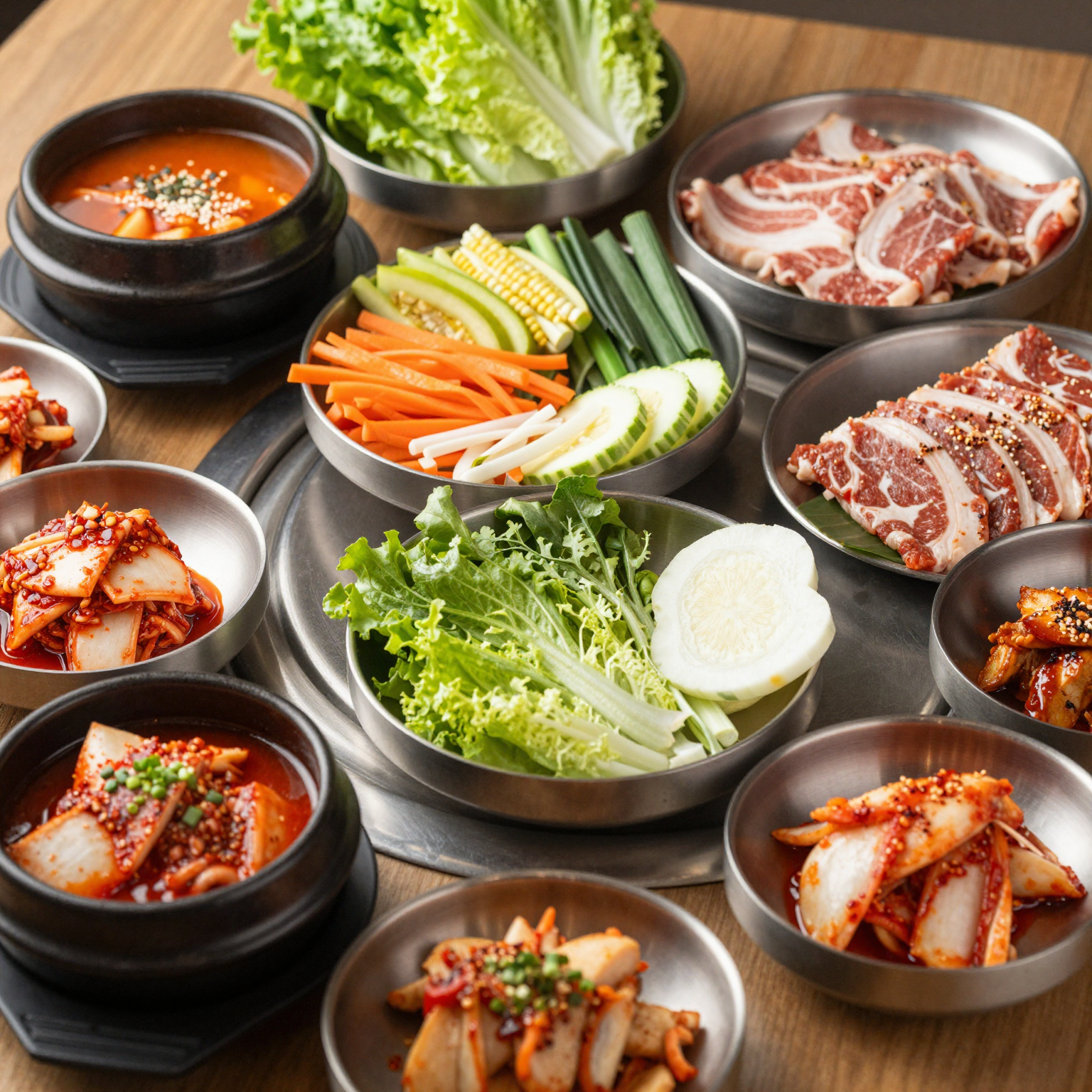
A colorful spread of various Korean BBQ dishes, highlighting vibrant vegetables and marinated meats. -
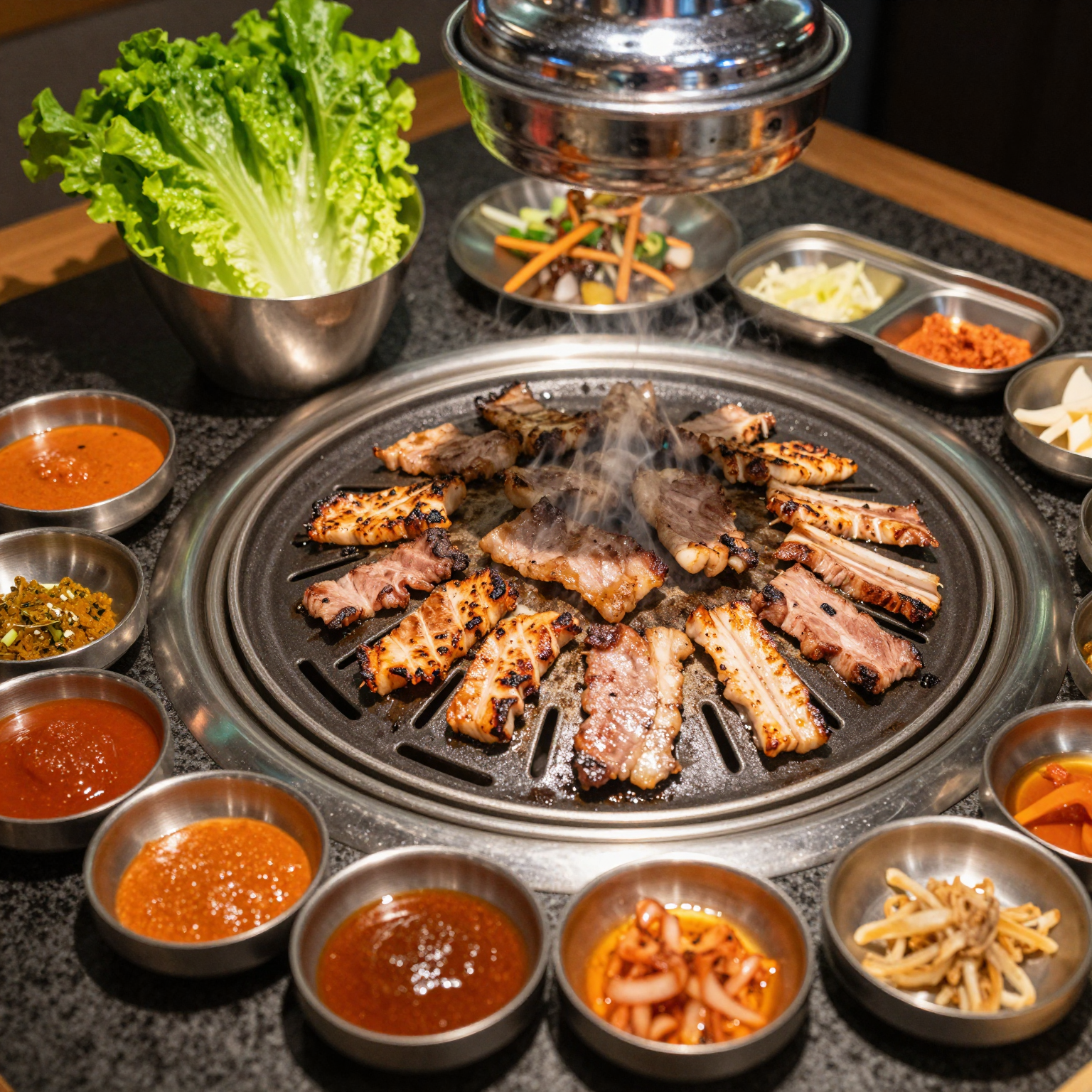
An exciting arrangement of grilled meats on a sizzling grill, with colorful dipping sauces and side dishes.
Common Mistakes When Cooking Korean BBQ and How to Avoid Them
Cooking Korean BBQ at home can be a delightful experience, but there are several pitfalls that often lead to disappointing results. Here are some common mistakes and tips on how to avoid them:
1. Using Poor-Quality Ingredients
- Mistake: Using subpar meat or frozen proteins can result in tough and flavorless dishes.
- Tip: Opt for high-quality cuts like beef rib eye, pork belly, or marinated bulgogi. Make sure to select fresh ingredients, as they significantly enhance the overall taste.
2. Not Marinating Long Enough
- Mistake: Many home cooks fail to marinate meat for sufficient time, leading to lackluster flavor.
- Tip: For optimal taste and tenderness, allow your meat to marinate for at least 2 hours, preferably overnight. This is especially important for tougher cuts.
3. Overcooking the Meat
- Mistake: Cooking meat at too high a temperature or for too long can result in dry, burnt pieces.
- Tip: Use medium heat and monitor the cooking closely. Flip the meat only once, allowing it to sear properly on one side before turning.
4. Improper Use of Utensils
- Mistake: Using the same tongs for raw and cooked meat may cause cross-contamination.
- Tip: Always use specific utensils; use tongs for raw meat and chopsticks for cooked pieces to maintain hygiene.
5. Over-Flipping the Meat
- Mistake: Constantly flipping the meat can make it dry and affect texture.
- Tip: Allow meat to sear properly for a few minutes before flipping it only once. This helps lock in juices and adds to the flavor.
6. Failing to Prepare Sides and Condiments
- Mistake: Not having all your side dishes ready can disrupt the flow of the meal.
- Tip: Ensure that you prepare necessary condiments (like kimchi, ssamjang, and lettuce) beforehand so diners can enjoy the complete Korean BBQ experience seamlessly.
By avoiding these common mistakes, you can elevate your Korean BBQ experience and impress your guests. For more tips and guidance, check out this comprehensive cooking guide.
Moreover, ensure your cooking environment is clean to prevent any health risks. For more detailed menus, visit Kogi Korean BBQ.
The Appeal of Korean BBQ Cooking
Korean BBQ has garnered immense popularity not only for its flavors but for its communal dining experience as well. As Chef David Chang eloquently notes,
“The true magic of Korean BBQ lies in its balance of flavors-sweet, savory, spicy, and umami-crafted through meticulous marination and grilling techniques. It is a dance between fire and fermentation.”
This essence encapsulates why many business owners and culinary enthusiasts are drawn to cook Korean BBQ themselves.
Key Aspects of Korean BBQ
- Communal Experience: The joy of sharing food with friends and family.
- Flavor Balance: The intricate dance of flavors that each ingredient contributes.
- Culinary Techniques: Elements like marination and grilling that make it unique.
To delve deeper into Korean BBQ and enhance your culinary skills, consider exploring Kogi Korean BBQ’s extensive menu.
| Technique | Ideal Use | Cooking Time | Flavor Profile |
|---|---|---|---|
| Direct Grilling | Meats like bulgogi, pork belly, and thinly sliced beef; commonly used in traditional Korean BBQ restaurants and home setups. | Rapid (typically 2-5 minutes per side) | Rich umami flavor with a savory, charred crust; enhanced by the direct heat and marinades. |
| Indirect Grilling | Rarely used in traditional Korean BBQ; more suitable for tenderizing tough cuts of meat (e.g., brisket or short ribs) when slow-cooked with smoke. | Long (30 minutes to several hours) | Smoky, deep, and complex flavor profile due to prolonged exposure to indirect heat and smoke. |
Cooking Korean BBQ at home offers an array of benefits that cater to both your culinary desires and your budget. From the sheer joy of customizing your ingredients to suit your palate, to the cost-effectiveness of avoiding restaurant prices, the home BBQ experience envelops you in a social and vibrant atmosphere. As seen in sources like Food Network, cooking at home emphasizes freshness and quality, enabling you to choose the best meats and vegetables for your family and guests. Additionally, the versatility of cooking methods-ranging from using a stovetop grill to a traditional charcoal setup-ensures that you can create an authentic experience tailored to your preferences.
To enhance your home cooking and business event culinary experiences, we encourage you to reach out to Zoomlion for expert support. Whether you’re looking for equipment recommendations or event planning assistance, Zoomlion can provide valuable insights and resources. Don’t miss the opportunity to elevate your cooking and impress your guests-contact Zoomlion today for more information and support!