
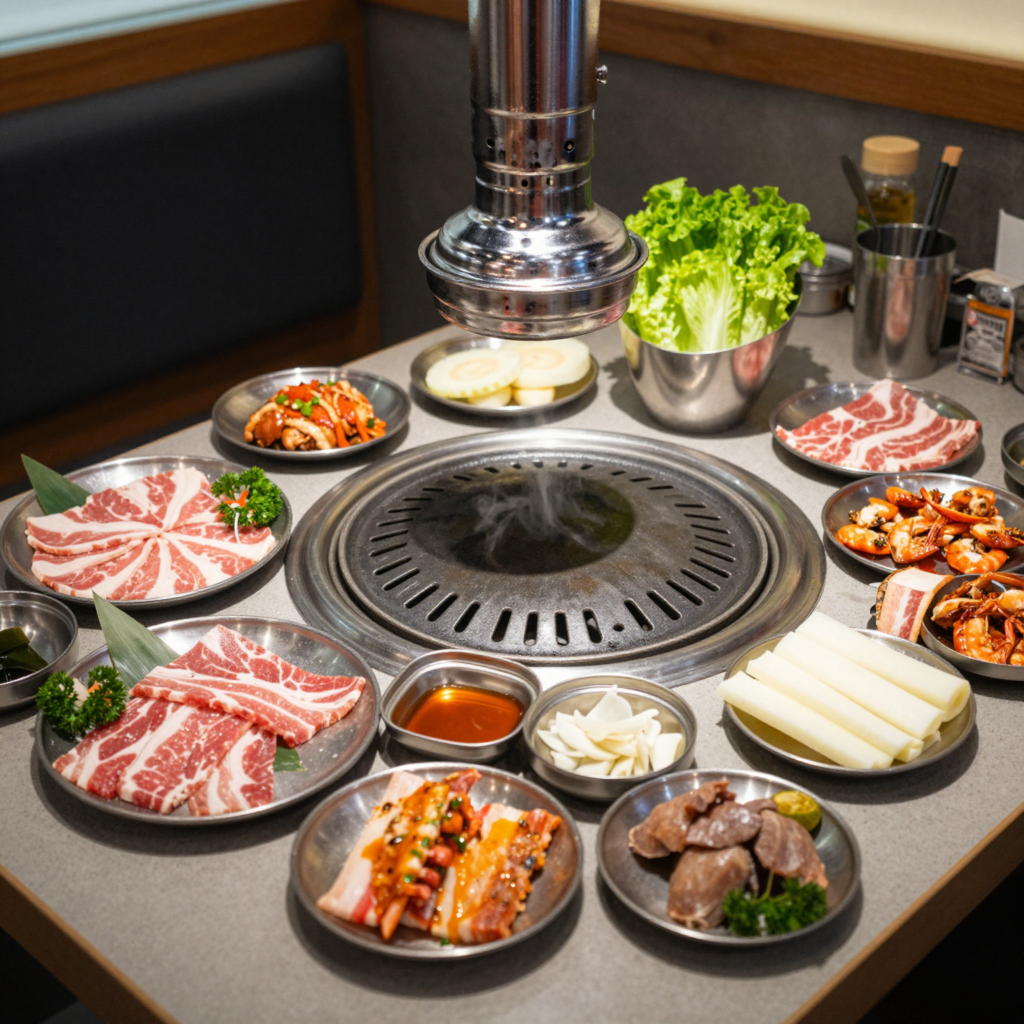
The Rise of Korean BBQ: A Culinary Experience
In recent years, Korean BBQ has surged in popularity across the globe, drawing food enthusiasts into restaurants where the sizzle of grilling meets the vibrant experience of dining. A key aspect of this culinary trend is the unique practice of allowing diners to cook their own meat at the table, creating an interactive and engaging atmosphere. This concept raises an intriguing debate: is it truly a delightful way to enjoy a meal, or does it place too much responsibility on customers?
For business owners looking to thrive in this competitive market, understanding customer preferences is paramount. Diners today are not just seeking food; they crave experiences that foster connection and creativity. The allure of Korean BBQ lies in its ability to blend flavorful food with an engaging environment. To stay relevant, restaurant owners must tap into what their customers desire-whether it’s self-cooking, authentic flavors, or a blend of both. Exploring these dynamics can lead to innovative dining solutions that satisfy a diverse customer base. To learn more about the dynamic offerings at Korean BBQ, check out our authentic Korean BBQ menu.
If you’re also intrigued by all-you-can-eat options, discover our all-you-can-eat Korean BBQ experiences!
The History and Cultural Significance of Korean BBQ
Korean BBQ, known as 고기구이 (gogi-gui), has deep roots in Korean history and has evolved into a beloved dining experience that emphasizes community, tradition, and flavor. This cooking method involves grilling various meats, including beef, pork, and chicken, often right at the dining table, making it a social event as much as a meal.
Historically, Korean BBQ can be traced back to the Goguryeo era (37 BC – 668 AD), where grilling meat over an open flame was common. It was during this time that marinated meat dishes began to emerge, with bulgogi (marinated beef) becoming a popular choice. For centuries, this tradition persisted, influenced by the country’s geography and climate, which favored farming and livestock raising.
Korean BBQ has also played a significant role in shaping social dynamics. The communal aspect of sharing food from a central grill fosters connections among participants, embodying a spirit of togetherness and hospitality. This is particularly poignant during celebrations or family gatherings, where sharing a meal is a cherished ritual. In contemporary times, many may partake in Korean BBQ not just for its flavor but also for the experience of preparing their own meals at the table, a concept that has gained immense popularity globally.
As the Korean diaspora spread, so did the traditions surrounding Korean BBQ. Restaurants began to emulate the at-home experience, making it accessible for many. Today, restaurants like those featured in Kogi Korean BBQ offer all-you-can-eat options, allowing patrons to explore a variety of meats and sides in a bustling atmosphere.
Korean BBQ’s rise in popularity is not just about food; it’s a reflection of Korean culture and identity, embracing diverse flavors and cooking styles. The integration of modern techniques and ingredients continues to evolve the traditional barbecue experience, ensuring that it remains relevant and cherished.
In essence, Korean BBQ is more than just a meal; it is a cultural phenomenon that represents the heart of Korean hospitality and culinary tradition. As business owners looking to offer authentic dining experiences, understanding and embracing these cultural aspects can enhance customer appreciation and connection to Korean cuisine.
Customer Preferences in Dining
In recent years, customer preferences in dining have evolved significantly, reflecting a broader trend towards immersive and interactive experiences. As the restaurant industry continues to adapt to these desires, particularly among younger generations such as Gen Z and millennials, business owners must be aware of the preferences that impact customer choices.
The Rise of Immersive Dining Experiences
The desire for experiential dining has become a defining feature of the modern food landscape. Customers are increasingly looking for more than just a meal; they want an engaging experience that combines entertainment and culinary delight. According to various studies, immersive dining experiences are transitioning from niche offerings into the mainstream. Diners value environments that tell a story or provide unique themes, such as thematic settings and interactive cooking options. ResearchGate indicates that customers who engage in these immersive scenarios report higher satisfaction levels, which in turn drives customer loyalty and repeat visits.
Korean BBQ and Self-Cooking Preference
Korean BBQ restaurants are at the forefront of this dining trend, particularly due to the interactive nature of their service model-providing diners the opportunity to cook their own meats at the table.
- Interactive Connection: Cooking meals in real-time allows diners to customize their cooking preferences, from the level of doneness to the selection of marinades and side dishes. This level of personalization appeals strongly to customers.
- Sociability Factor: The act of cooking together becomes a social experience, enhancing the overall dining atmosphere. It allows friends and family to communalize, thereby deepening interpersonal bonds and creating memorable moments.
- Control Over Quality: By cooking their own meals, customers can directly manage their food quality, ensuring it meets their expectations. This is particularly attractive in an age where food quality is paramount for consumers.
- Cultural Appeal: Korean BBQ embodies a unique cultural aspect of dining, where the experience itself is cherished as much as the food. Thus, diners are not just purchasing a meal but are engaging in a cultural practice that resonates with their desire for authenticity.
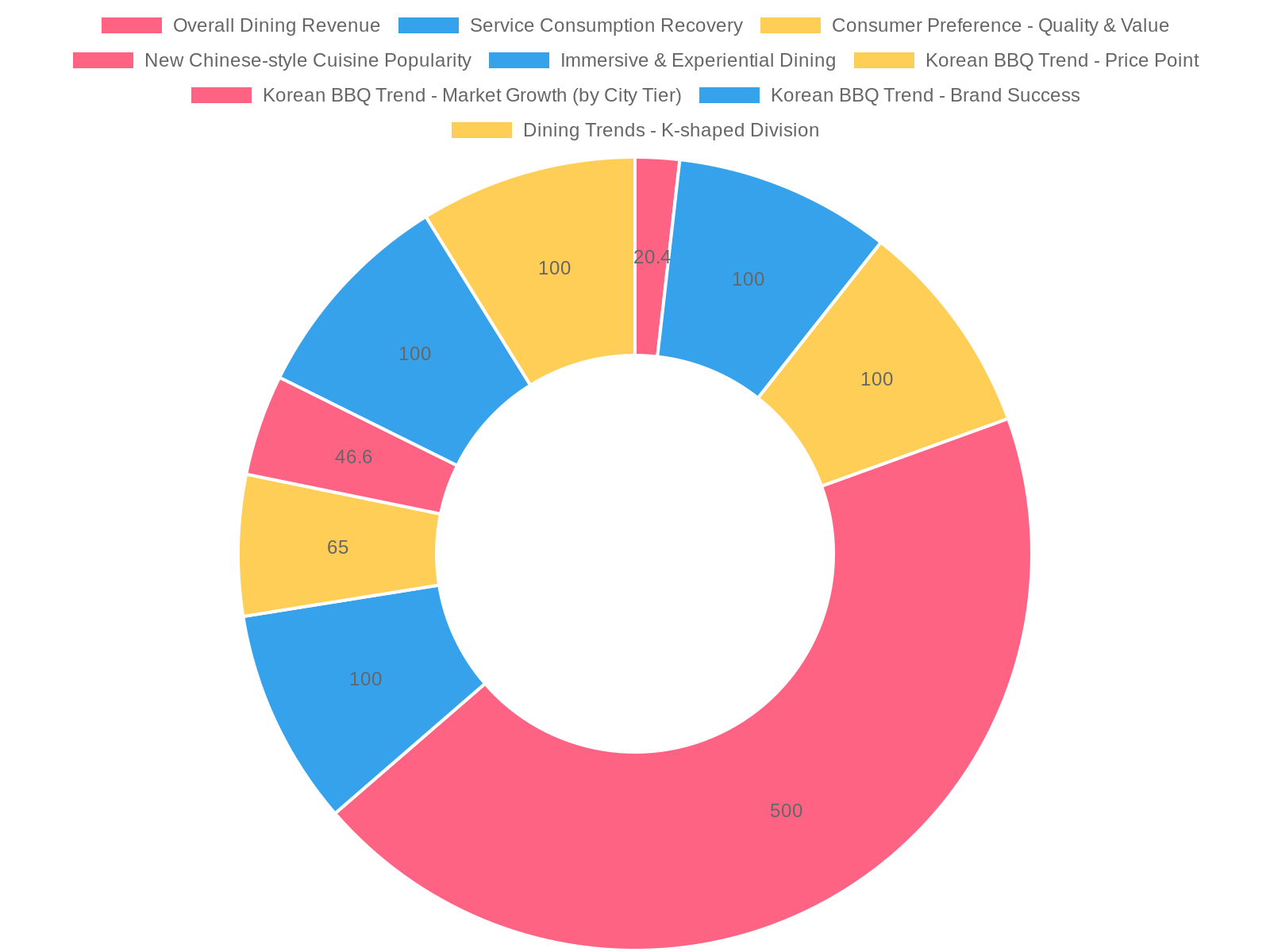
The increasing prevalence of Korean BBQ aligns with overarching dining trends that prioritize interactive experiences. As seen in the chart below, the growth of Korean BBQ is remarkable, with significant market expansion noted especially in urban centers, as well as among younger demographics seeking engaging dining experiences.
In conclusion, business owners in the restaurant sector must understand these trends as they shape the future of dining. As customers continue to seek interactive and engaging experiences like cooking their own meals at Korean BBQ restaurants, embracing these preferences is essential for fostering customer loyalty and driving business growth.
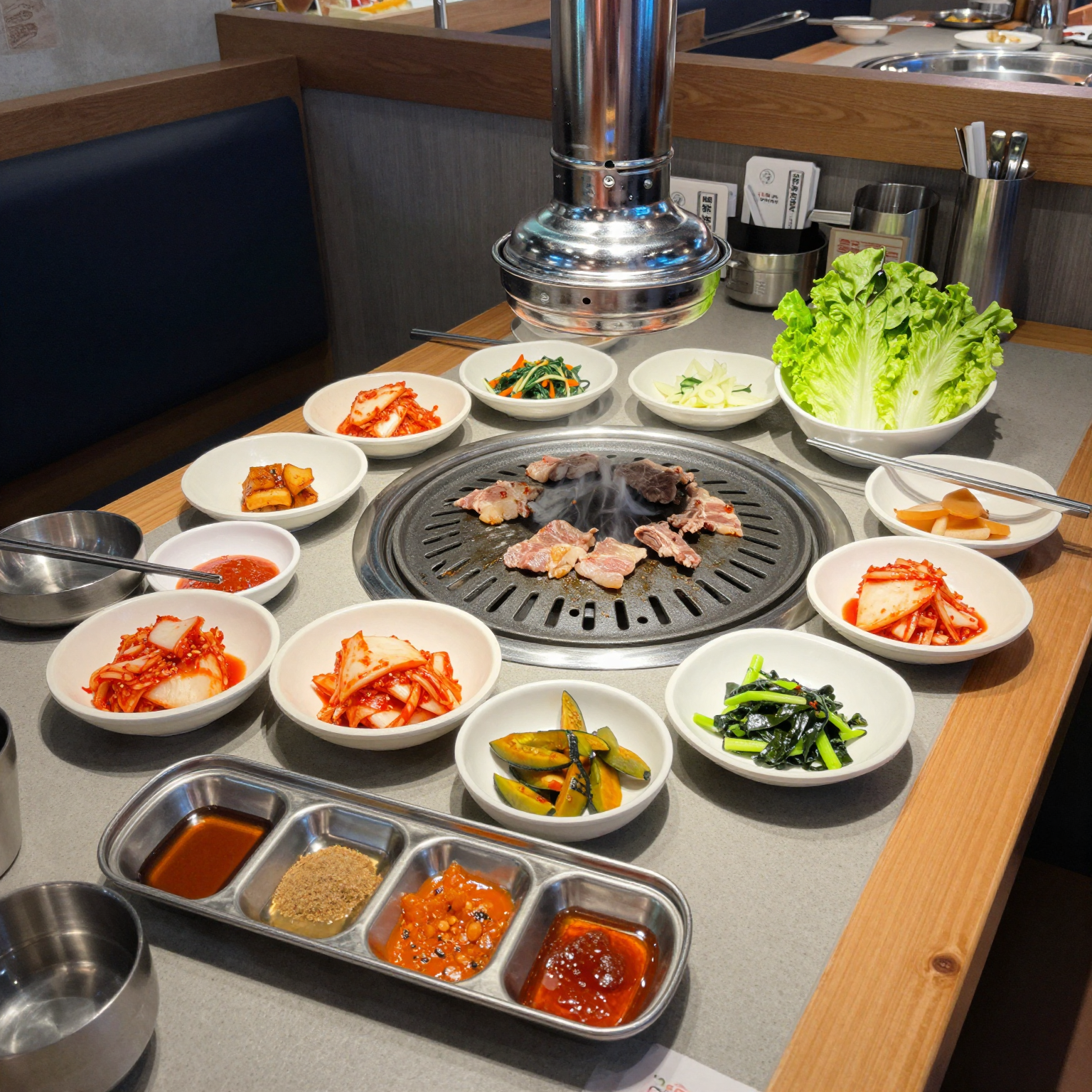
Benefits of Self-Cooking at Korean BBQ
Korean BBQ is not just about the food; it’s an immersive dining experience that offers numerous benefits when customers cook their own meat. Here are some key advantages:
1. Customization of Flavors
Cooking meat at the table allows diners to personalize their meals. They can choose specific marinated meats, adjust seasoning levels, and control cooking times. This hands-on approach means that each piece of meat can be cooked to individual preferences, enhancing flavor and enjoyment. For example, diners can grill their bulgogi to the perfect tenderness or add extra garlic for a burst of flavor.
2. Social Interaction
The self-cooking aspect of Korean BBQ fosters an interactive dining environment. Guests gather around the grill, share cooking tips, and enjoy the process together, which enhances social bonds. This shared experience promotes laughter and conversations, making meals memorable.
3. Cultural Experience
Korean BBQ has deep cultural roots, symbolizing community and togetherness. By participating in this dining method, customers immerse themselves in Korean culture and tradition. This not only enriches their meal but also fosters an appreciation for the culinary history behind it.
Overall, self-cooking at Korean BBQ provides a unique blend of flavor customization, social interaction, and cultural appreciation.
Korean BBQ has become an established and beloved dining experience that is rapidly gaining traction on a global scale. As business owners in the food industry consider expanding their offerings, understanding the current statistics and trends surrounding Korean BBQ can help in making informed decisions.
Market Size and Growth Projections
The Korean BBQ restaurant market is on a growth trajectory. According to a report by Market Intel, the market was valued at $7.8 billion in 2024 and is projected to grow to $14.2 billion by 2033, representing an impressive compound annual growth rate (CAGR). This indicates that consumer interest in Korean BBQ is expanding significantly, fueled by cultural influences and evolving dining preferences. Market Intel Korean BBQ Report
Similarly, another report from Dataintelo projects the market to reach $12.2 billion by 2033, with a CAGR of approximately 7.8%. This consistent growth showcases not only the endurance of Korean BBQ popularity but also the rise of new dining experiences that cast traditional grilling in a modern light.
Regional Insights and Trends
In the United States, the demand for Korean BBQ and related cuisines has surged. A recent report highlighted that Korean restaurant locations in the U.S. increased by 10% over the past year. This rise is indicative of a broader trend where American consumers are looking for diverse dining experiences, increasingly embracing Korean culinary styles. Circana Report
Furthermore, sales in the broader Korean food industry reached KRW 152 trillion in 2023, marking an increase of 7.2% compared to the previous year. This growth not only reflects the popularity of Korean BBQ but also positions it as an integral part of the Korean dining experience that appeals to both locals and tourists.
Cultural Influence
The increasing popularity of Korean BBQ can also be attributed to the cultural influence of Korean music, fashion, and film, particularly through platforms like social media. Mentions of K-food have risen over 60% since 2019, highlighting a significant increase in consumer interest. As K-culture continues to dominate pop culture, its culinary counterparts are benefiting immensely, leading to a greater appreciation for traditional dining methods like BBQ.
Implications for Business Owners
For business owners looking to enter or expand in the food market, investing in a Korean BBQ concept can be beneficial based on these positive trends. Not only does Korean BBQ offer a unique and interactive dining experience, but it also allows restaurants to tap into a growing consumer base eager for new flavors and culinary experiences.
To fully capitalize on the trends, business owners should consider:
- Innovative Menu Offerings: Incorporate traditional and modern Korean BBQ techniques.
- Engaging Dining Experience: Make the cooking process a central part of dining enjoyment.
- Marketing Strategies: Leverage social media to promote Korean BBQ and connect with younger demographics interested in K-culture.
In conclusion, the popularity of Korean BBQ continues to rise, supported by solid market trends and cultural influences. By focusing on consumer preferences and innovative dining experiences, food industry business owners can position themselves favorably in this growing market. For insights on menu offerings, check out our Korean BBQ and Sushi Menu.
Comparing Self-Cooked vs. Chef-Cooked Experiences at Korean BBQ
This table contrasts the experiences and customer satisfaction levels of self-cooked versus chef-cooked meat at Korean BBQ restaurants. Evaluating metrics such as taste, fun, and turnaround time can aid business owners in better understanding customer preferences.
| Metric | Self-Cooked Experience | Chef-Cooked Experience |
|---|---|---|
| Taste | Varies by personal cooking skill and meat handling; can have high satisfaction if cooked properly | Generally consistently high due to professional cooking techniques |
| Fun | Interactive and enjoyable; customers engage in the cooking process | Less interactive; focuses more on watching the chef cook |
| Turnaround Time | Often longer, as customers may take time to cook their own meat | Usually quicker; chef can serve cooked meat promptly during peak times |
Here, customers can find enjoyment in the process of cooking their own meals, as well as experiencing the taste of their personalized creations. However, it can be slower compared to chef-cooked options, which promise a quicker service often appealing to those looking for convenience.
For more insights into Korean BBQ dining experiences, you may refer to this Michelin guide or explore financial metrics for Korean BBQ restaurants.
As the popularity of Korean BBQ and self-cooking restaurants continues to rise, restaurant owners must navigate several logistical considerations to ensure a seamless dining experience. These considerations encompass staffing, kitchen setup, and safety protocols.
Staffing Considerations
When a restaurant offers self-cooking options, the staffing model often requires adjustment. Here are key staffing considerations:
-
Training: Staff need to be trained thoroughly on the self-cooking concept, including cooking techniques and safety guidelines. This ensures they can assist customers effectively.
-
Customer Assistance: Depending on the level of customer involvement in cooking, you may need additional staff members available to provide guidance or support during peak hours.
-
Flexible Roles: Versatile staff who can switch between roles (e.g., table service and kitchen support) can help manage customer flow and service efficiency.
-
Data-Driven Staffing: Utilizing data analytics tools can help staff manage rush hours effectively, allowing you to predict busy times and adjust staffing accordingly. For more on improving operational efficiency, visit this article on strategies to streamline kitchen operations.
Kitchen Setup
The kitchen layout must facilitate a seamless self-cooking experience while ensuring safety and efficiency:
-
Designated Cooking Stations: Create designated cooking areas at tables equipped with induction cookers or grills. This setup allows easy access to ingredients and reduces the risk of cross-contamination.
-
Efficient Workflow: The kitchen design should promote an efficient workflow, minimizing the distance staff must travel to fetch ingredients while maximizing accessible storage.
-
Food Prep Areas: Allocate space for food preparation that’s separate from the dining area, ensuring cleanliness and adherence to health standards.
For insights into optimizing kitchen management, check out this guide on restaurant management best practices.
Safety Protocols
Safety is paramount in a self-cooking dining environment where customers engage directly with food preparation. Here are essential safety protocols:
-
Food Handling Training: Staff should receive comprehensive training on food safety practices, focusing on cooking meats and seafood thoroughly. Guidelines provided by reputable organizations can be a valuable resource-consider the Food Safety Tips by the Singapore Food Agency.
-
Regular Cleanliness Checks: Implement a regular cleaning schedule to maintain hygiene in cooking areas and dining surfaces. Ensuring cleanliness is critical during and after each seating.
-
Emergency Response: Prepare staff to manage emergencies related to cooking (e.g., grease fires) and ensure they are trained to use fire extinguishers properly.
-
Customer Safety Briefing: Consider providing a brief safety introduction for customers when they sit down, highlighting critical practices like using utensils safely.
-
Health Code Compliance: Stay updated on local health codes and regulations to ensure compliance, which can help reduce the risk of foodborne illnesses. Resources like FoodDocs guide on restaurant food safety procedures are invaluable in establishing effective protocols.
In conclusion, navigating the logistical considerations of staffing, kitchen setup, and safety protocols is crucial for restaurant owners offering self-cooking options. By approaching these operational elements strategically, you can enhance the customer dining experience while ensuring safety and efficiency in your restaurant.
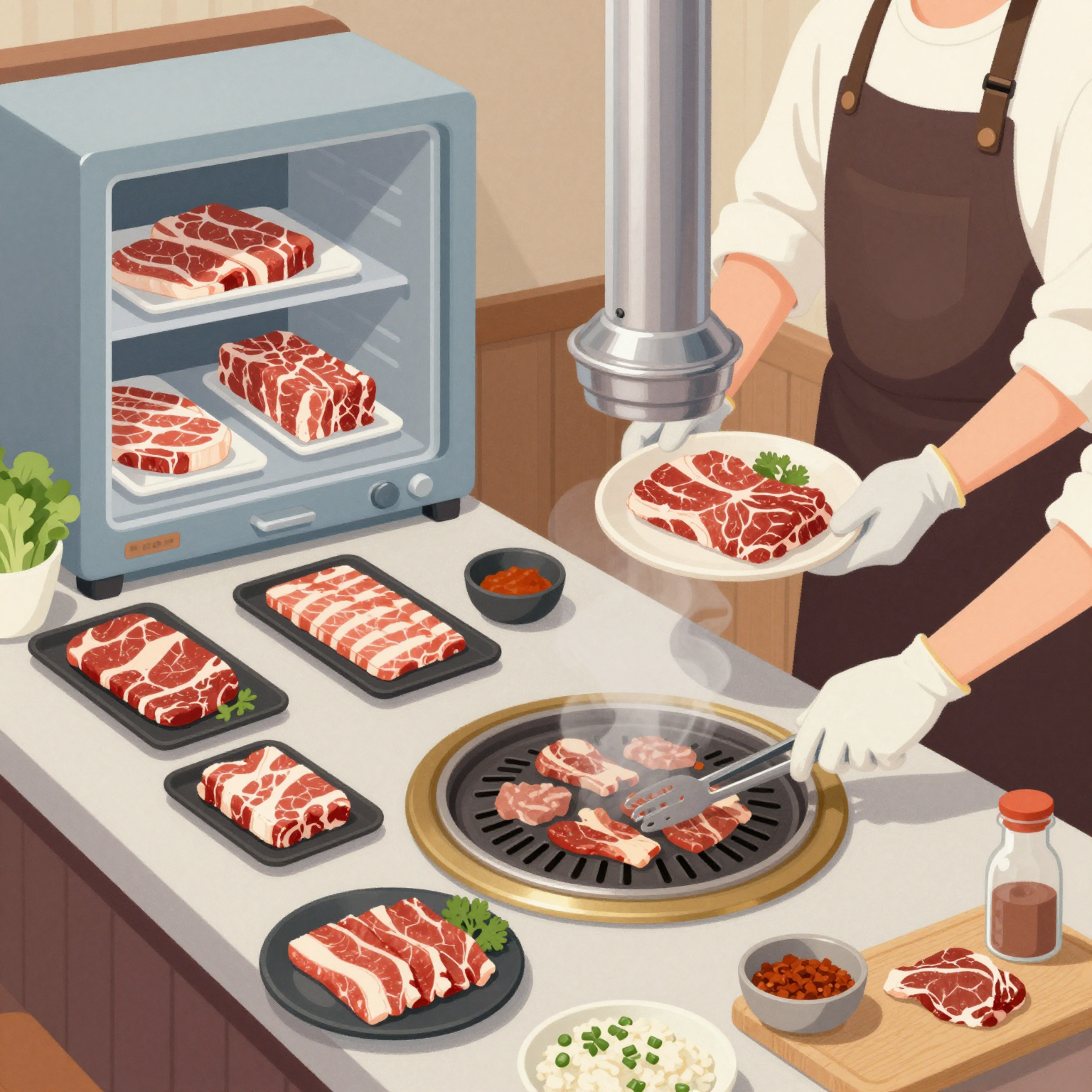
Conclusion
Cooking meat at Korean BBQ is more than just a culinary task; it’s a vital element that enhances the overall dining experience. The interactive nature of grilling allows diners to customize their meals according to personal preferences, adding a layer of satisfaction that’s hard to replicate in traditional dining settings. This communal aspect not only elevates customer satisfaction but also encourages repeat visits, thereby boosting business potential. As diners engage in the process of cooking, they experience a sense of togetherness, which is particularly appealing for social gatherings and family outings, making Korean BBQ a preferred choice for many.
Moreover, investing in quality meats and proper grilling equipment can significantly impact the flavors and memories created at the table. The emphasis on authentic flavors and cultural experiences is crucial for securing a competitive edge in the restaurant market. For those looking to enhance their Korean BBQ offerings and tap into this thriving dining trend, exploring Korean BBQ concepts can be a fruitful venture.
Business owners are encouraged to reach out for more information on incorporating these elements into their establishments. Embracing the unique aspects of Korean BBQ not only enriches the customer experience but also positions businesses for sustained growth and success.
Elevate Your Dining Experience with Zoomlion’s Support
As a business owner in the vibrant world of Korean BBQ, the safety and engagement of your customers should be top priorities. Join the thousands of successful dining establishments that have partnered with Zoomlion to elevate their customer service and ensure a pristine dining environment.
At Zoomlion, we understand that a captivating dining experience is not just about delicious food-it’s also about creating a safe and enjoyable atmosphere for guests. Our innovative solutions are designed to keep your restaurant not only operational but thriving.
Don’t wait to make your dining establishment the go-to spot for Korean BBQ lovers. Contact Zoomlion today to learn how we can assist you in enhancing customer engagement and safety in your restaurant. Together, we can craft dining experiences that keep patrons coming back for more.